What to see
Complete Guide to Visiting the Netherlands: Cities, Seasons, Transport and Budget
We may earn a commission when you book through links on this page, at no extra cost to you. We don't visit or try the places we cover: we summarize published sources. How we work
In short
- The country is compact: in under an hour by train you go from Amsterdam to Haarlem, Utrecht, The Hague or Delft.
- A long weekend of 3 to 4 days covers Amsterdam and one side trip; allow about a week to add Delft, Rotterdam, The Hague, Utrecht and a windmill site.
- Spring is the tulip season, generally late March to mid-May. Lodging is the biggest expense, and sleeping in Haarlem or Utrecht lowers the bill.
- You can get around well without a car: trains form the backbone of the network, and cycling is the local way to travel.
The Netherlands fits in the palm of a hand, and that is exactly what makes it so pleasant to travel. In under an hour by train, you go from a canal capital to a medieval university town, from a port city of contemporary architecture to a city of blue-and-white pottery. Between the cities lie perfectly flat polders, dikes, windmills and, in spring, bands of color as far as the eye can see.
This complete guide is the main article of the site. It presents the country, its regions and cities, the essentials, the best time to go, how to get there and around, lodging options and the budget to plan for. At each step, it points to detailed guides to go further. Practical information (prices, hours, entry conditions) changes: always check it on official sites before booking.
The Netherlands at a glance
The Kingdom of the Netherlands, often wrongly called “Holland,” is a small Western European country bordered by the North Sea, Belgium and Germany. The official capital is Amsterdam, while the government sits in The Hague. A large part of the territory lies at very low elevation, even below sea level, hence a long tradition of water management: dikes, canals, locks, and polders reclaimed from the sea and pumped dry by generations of windmills, then by modern pumping stations.
A word on vocabulary. Holland is really only one of the country’s regions, made up of North Holland and South Holland. That is where Amsterdam, Haarlem, Rotterdam, The Hague and Delft are concentrated, and therefore most visits. Saying “the Netherlands” for the whole country is more accurate and more appreciated by locals.
What strikes a visitor first is how easy it is: people speak English very widely, transport is easy to read, contactless payment is everywhere and cycling shapes daily life. The country is therefore well suited to a first trip abroad as well as an improvised last-minute stay.
The main regions to know
To get your bearings, it helps to think of the country as five large areas, which match the regions of this site.
Amsterdam. The capital deserves several days on its own: a UNESCO-listed canal ring, world-renowned museums, very different neighborhoods, markets and nightlife. It is the natural entry point for most travelers.
North Holland. North and west of Amsterdam, it brings together Haarlem, an elegant art city with understated charm, the Zaanse Schans area with its windmills and green wooden houses, and fishing villages such as Volendam. The dunes and beaches of the North Sea are a few minutes from Haarlem.
South Holland. This is the urban and historic heart of the southern Randstad: modern Rotterdam, The Hague and its institutions, Delft and its pottery, and the famous Kinderdijk area with its listed windmills. This area is covered in detail in the article on Rotterdam, Delft and The Hague.
Utrecht and the center. Utrecht, the country’s fourth-largest city, charms with its two-level canals and student atmosphere. Farther east, De Hoge Veluwe National Park offers forests, heath and sand, very far from the tulip cliché.
Limburg. In the far south, the province of Limburg and its main city, Maastricht, feel closer to neighboring Belgium or Germany: gentle hills, cobbled streets, terraces and renowned food. It is a trip within the trip, worth adding if you have more than a week.
Amsterdam, the essential stop
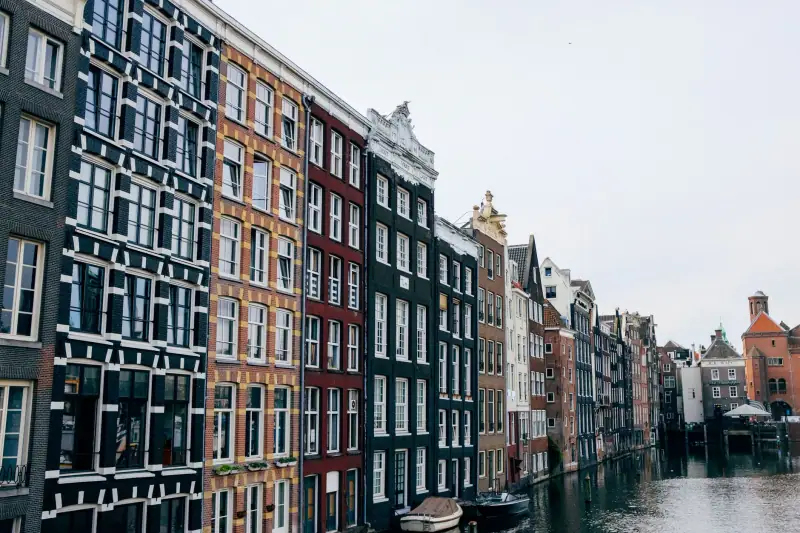
It would be a pity to come to the Netherlands without going through Amsterdam, and just as much of a pity to see only its most touristy district. The city is explored on foot, by bike or by tram, and each neighborhood has its own personality.
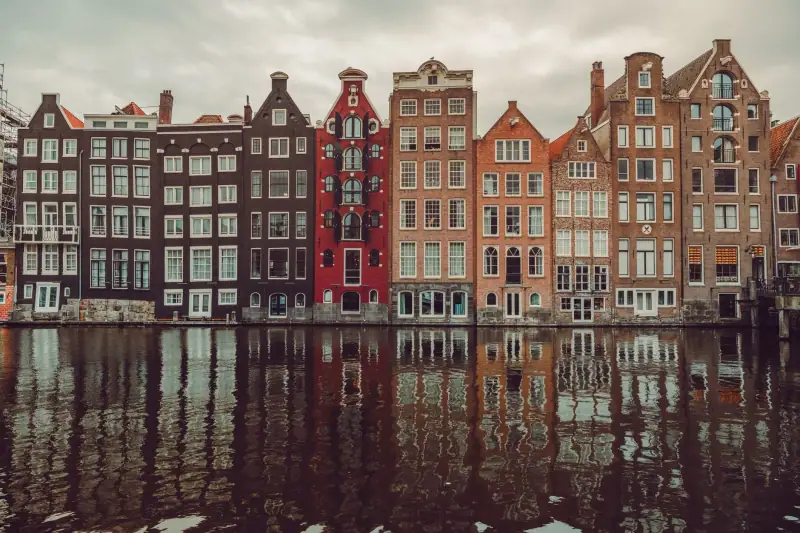
The 17th-century canal ring, with its narrow, leaning facades, is the postcard. Farther west, the Jordaan, a former working-class district, offers small galleries, cafés and shops. To the south, the museum quarter gathers the major institutions around a large lawn, while the east and north, more recent, appeal with their converted former industrial sites.
On the culture side, the capital holds some of the largest art collections in Europe: Golden Age painting, works by Van Gogh, memory of the Second World War. Tickets for the busiest sites are booked online in advance, with a time slot, and go fast in high season. All the details are in the guide to Amsterdam museums not to miss.
A narrated canal cruise remains a good way to understand the structure of the city on the first day, especially if the weather is dull.
🎟️ Cruises and guided tours: a canal ride or a guided visit is booked online, often with free cancellation depending on the offer. Compare durations and time slots before booking.
Cities not to miss around Amsterdam
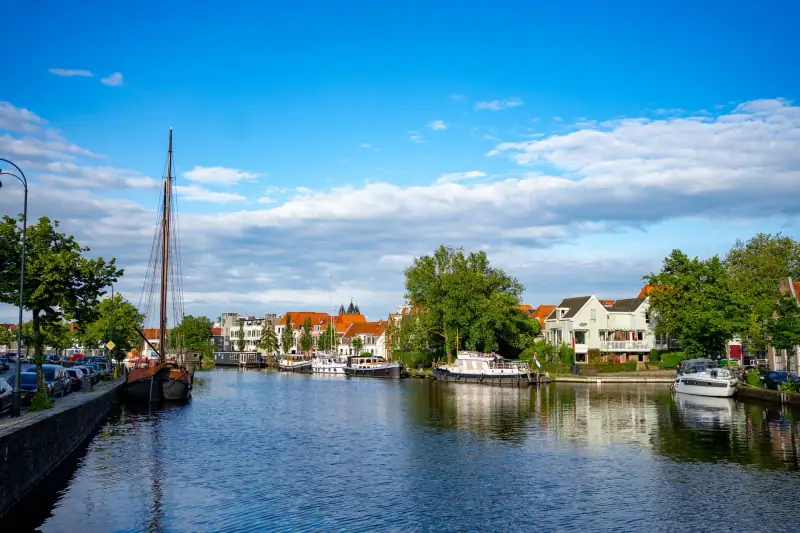
Thanks to the rail network, most of the interesting cities work as day trips from the capital. Here is how to place them.
Haarlem is the closest: about fifteen minutes by train separate Amsterdam Central Station from the city. It has a large central square dominated by an imposing church, almshouses (hofjes), museums and independent shops. The dunes and beach of Zandvoort are very close.
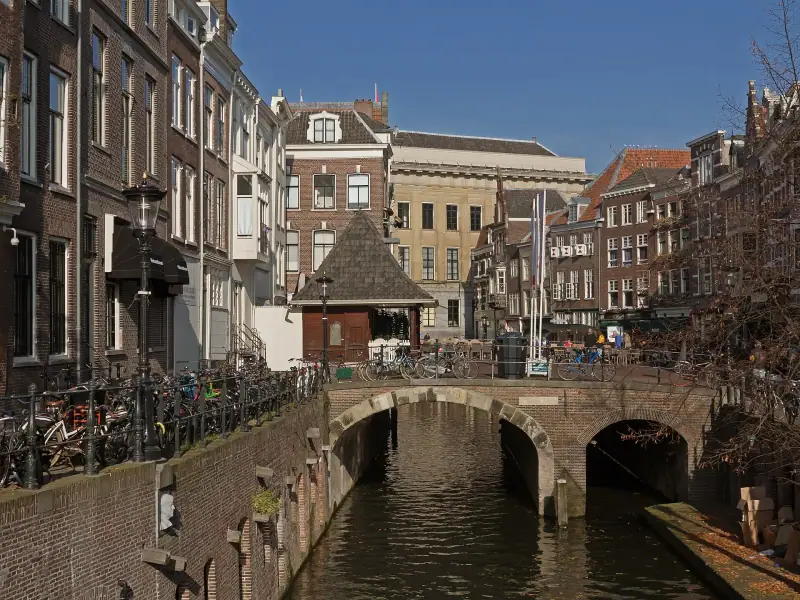
Utrecht stands out for its sunken wharves, where terraces and restaurants occupy former merchants’ cellars, and for its cathedral tower, one of the tallest in the country. The article on Utrecht and Haarlem as day trips from Amsterdam gives travel times and ideas for the day.
Delft is the city of Vermeer and blue pottery. Compact, it can be visited in half a day to a day, among canals, the old church and ceramic workshops.
The Hague is home to the government, the International Court of Justice and major museums, as well as the seaside resort of Scheveningen, very lively in summer.
Rotterdam was almost entirely destroyed during the Second World War, which explains its resolutely modern skyline: skyscrapers, spectacular bridges, bold architecture and a very photogenic covered market. It is the best address for anyone seeking a contrast with Amsterdam’s canals.
Maastricht, in the south, is a longer trip but rewards you with an almost Mediterranean atmosphere, bookstores set in former churches and a well-regarded food scene.
Windmills, tulips and landscapes
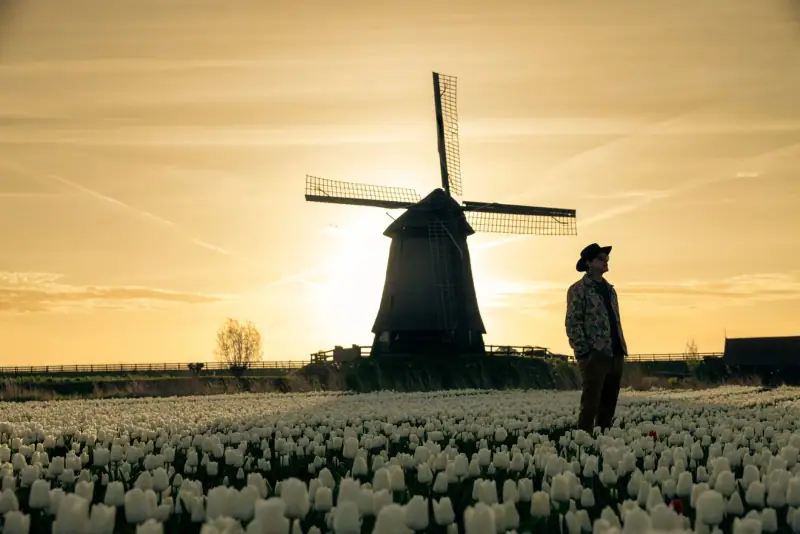
Two images dominate the imagination of the Netherlands: windmills and tulips. They are very real, but they take a little preparation.
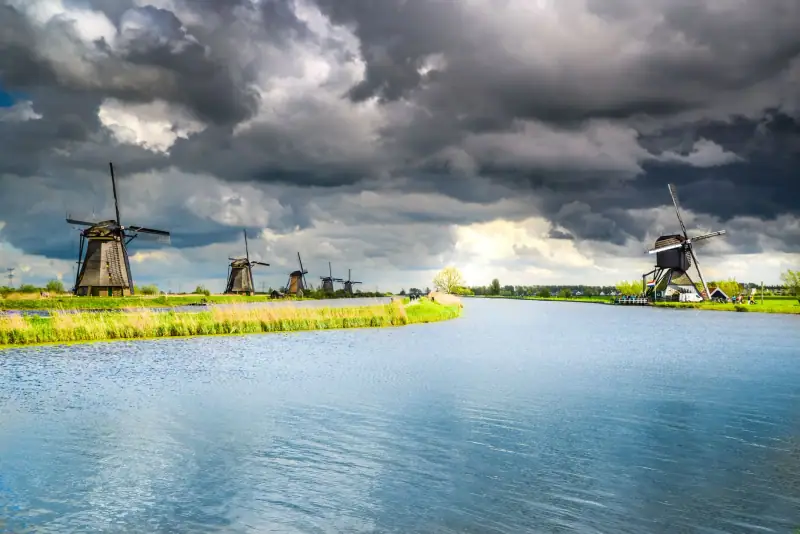
For windmills, there are two major sites. Kinderdijk, in the province of South Holland, lines up water-pumping windmills in a UNESCO-listed polder landscape. The Zaanse Schans, north of Amsterdam, is a village-museum where you visit working windmills, workshops and wooden houses. The choice depends on how much time you have and the atmosphere you want: the comparison Kinderdijk or Zaanse Schans helps you decide.
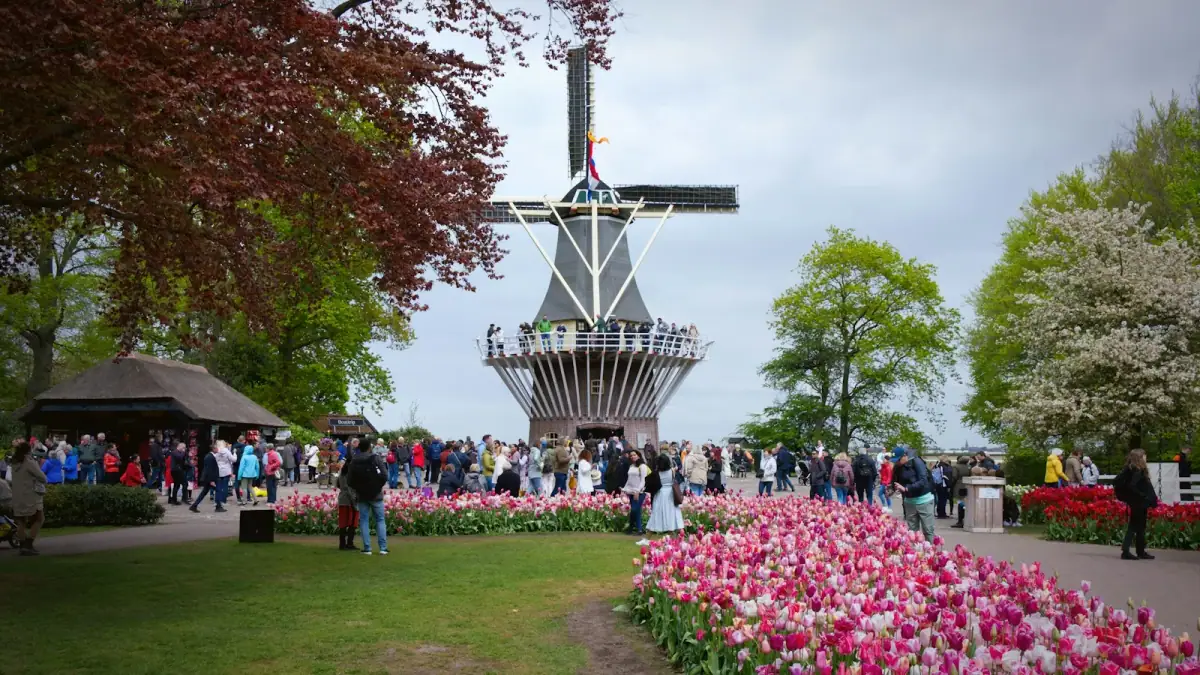
For tulips, the large Keukenhof park opens only a few weeks in spring, and the bloom of the surrounding fields depends on the year’s weather. Book tickets in advance, come on a weekday if possible and read the guide to Keukenhof and tulip fields before setting your dates. Keep in mind that the fields are crops: you admire them from the paths, without stepping in.
Finally, for nature lovers, the North Sea and its dunes, as well as De Hoge Veluwe park, let you get some air between two city visits. People happily get around there by bike, on dedicated paths.
When to go to the Netherlands
The climate is oceanic: mild, changeable and often windy. You can get four kinds of weather in the same day, and rain is possible in any season. A light windbreaker is better than an umbrella, which the wind puts to a hard test.
Spring (March to May). This is the bulb season. The bloom depends on the year, but it generally falls between late March and mid-May. Prices climb, especially around long weekends and King’s Day, on April 27.
Summer (June to August). Days are long and terraces are full. Temperatures stay pleasant without being stifling most of the time, but it is also the busiest and most expensive period to sleep.
Fall (September to November). Crowds thin out, museums are calmer and the colors of the parks are superb. The weather gradually worsens, with more rain and wind.
Winter (December to February). Days are short and cool, but prices are lower and the atmosphere in the cafés is warm. Christmas markets and the year-end mood appeal to some travelers.
The article when to go to the Netherlands details the seasons month by month, with the events to know.
Getting to the Netherlands
Amsterdam Schiphol Airport is one of the major hubs of Europe. It is a short distance from the capital and linked to the center by a direct train, which avoids complicated transfers. Other airports, such as Rotterdam or Eindhoven, handle low-cost flights. Compare prices by day of the week: leaving midweek is generally cheaper.
✈️ Compare flights to Amsterdam: prices vary a lot from one day to the next. Compare several dates, especially midweek, before booking.
On formalities, entry rules depend on your passport. Check the official travel advice of your government before you book: travel.state.gov (US), GOV.UK (UK), travel.gc.ca (Canada), Smartraveller (Australia) (checked November 2026). The article on formalities for the Netherlands covers papers, health and customs.
Getting around
This is one of the country’s great assets: you can get around very well without a car.
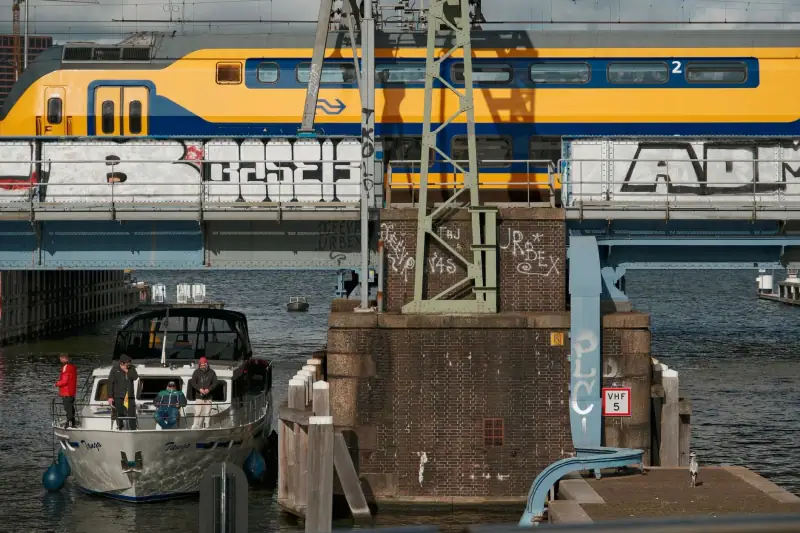
The train is the backbone of the network. Connections between the main cities are frequent, trips are short and stations are well located, often in the heart of historic centers. Contactless payment with a bank card or smartphone is generally accepted for travel; find out about the system in force before you leave, as the arrangements change.
Trams, buses and metros complete the network in cities. In Amsterdam, a day pass can be worthwhile if you make many trips, but many visits are done on foot.
Cycling is an institution. Bike lanes are everywhere and well protected, and traffic on them is fast: stay alert, do not walk on the bike lanes, respect the lights and always lock your bike with a solid lock. Renting a bike is easy in every city; a guided ride can reassure beginners.
A car is only useful for less well-served areas. If you need one, compare rental offers before booking.
For everything about transit tickets, bike pitfalls and driving, see the guide to getting around the Netherlands by train, bike and tram.
Where to sleep
Lodging is the first expense, and the choice of city matters as much as the choice of property.
In Amsterdam. The historic center is convenient but expensive and lively in the evening. The Jordaan is charming and rather quiet, the museum quarter suits art lovers, while the east and north offer good value and a more local feel. The article where to stay in Amsterdam compares the neighborhoods by type of trip.
In a neighboring city. Haarlem, Utrecht or Delft let you cut the bill and enjoy a calmer setting, while staying a short train ride from the capital. It is often the right move if you are visiting several cities.
Types of lodging. You will find hostels, hotels of all categories, apartments, guesthouses and a few converted houseboats. Book early for weekends, the tulip season and events, as supply fills up fast. Check whether the tourist tax is included in the displayed price.
🏨 Compare lodging: rates and availability vary a lot by date. Compare several neighborhoods and check the cancellation terms.
What to eat
Dutch cuisine is simple, generous and more varied than you might imagine. Among the classics: gouda- and edam-type cheeses, herring served raw with onions, stroopwafels (thin waffles filled with caramel), bitterballen, small fried croquettes to share with a beer, and savory and sweet pancakes. The food scene of the big cities is also shaped by the influence of the former colonial empire, notably Indonesian cuisine, which is very present.
Markets are excellent places to taste without spending much, and local breweries offer good beers. The selection what to eat in the Netherlands: 12 specialties helps you put together a tasty menu. To go deeper, a cooking class or a guided tasting helps you understand the history behind the dishes.
One trip, three ways to build it
Depending on the time available, here are three ways to structure the trip.
A 3-day weekend. Focus on Amsterdam: one day for the canals and neighborhoods, one day for one or two major museums, and a last day for a side trip, for example to Haarlem. Book the most in-demand sites in advance.
One week. Combine Amsterdam with Delft, The Hague, Rotterdam, Kinderdijk and Utrecht, sleeping in two bases at most to limit luggage moves. The 7-day itinerary in the Netherlands offers a day-by-day sequence designed for the train.
Ten days or more. Add De Hoge Veluwe, the coast and Limburg with Maastricht. At that point, a weekend by the sea or a night in a fishing village gives the program some air.
Whatever the formula, the tip is the same: do not multiply changes of lodging. Thanks to frequent trains, a single well-placed base lets you fan out across a large part of the country.
What budget to plan
The Netherlands is not a cheap destination. Lodging dominates the budget, followed by restaurant meals and entry to the busiest sites. Local transport stays reasonable thanks to the density of the network, but train fares can add up if you move around a lot.
A few habits help keep spending in check: travel outside high season, sleep in Haarlem or Utrecht rather than central Amsterdam, picnic from markets and supermarkets, choose free visits (neighborhoods, parks, canal banks) and book museum tickets online to avoid unpleasant surprises. Tourist passes exist, but they only pay off if you string together many paid visits: do the math before buying.
The article budget for a trip to the Netherlands details costs item by item and offers three priced traveler profiles.
Practical tips before you go
A few quick points to avoid unpleasant surprises.
- Currency and payment: the euro is used. Contactless is everywhere, but carry a small reserve of cash for special cases.
- Language: Dutch is the official language, but English is very widely spoken. A few polite words are always appreciated.
- Electrical outlets: check the plug type and voltage of your devices before you leave.
- Safety: the country is generally safe, but pickpocketing exists in tourist areas and train stations. Watch your belongings, especially in crowds and on transport.
- Bikes and pedestrians: on a bike lane, everyone rides fast. Do not stand in the middle to take a photo.
- Weather: pack layers, a light rain jacket and comfortable shoes for cobblestones.
- Reservations: major museums, Keukenhof and popular restaurants should be booked in advance.
Common mistakes to avoid
Several pitfalls come up again and again. The first is trying to see everything in three days: the country is small, but visits take time, and quality suffers. The second is not booking tickets for the most popular places in advance, which forces you to give up or pay more. The third is renting a car for an urban stay, when the train is simpler and cheaper. Finally, many underestimate the weather: a rainy day ruins nothing if you plan museums, cafés or a covered cruise.
Where to start
If you are planning your first trip, start by fixing your dates using the article on the best time to go, then book lodging and tickets for in-demand sites. Next, read the guides on transport and budget, pick an itinerary from the suggestions, and keep some room to wander. The Netherlands suits a tight schedule as well as slow exploration by bike: that is what makes it such a pleasant destination.
All the guides are linked together so you can move easily from one step to the next: formalities, ideal period, transport, lodging, budget, itinerary, museums, tulips, windmills, neighboring cities and food. Have a great trip to the Netherlands!
Frequently asked questions
How many days do you need to visit the Netherlands?
A long weekend of 3 to 4 days is enough for Amsterdam and one side trip. To add Delft, Rotterdam, The Hague, Utrecht and a windmill site, plan on about a week. The 7-day itinerary on this site offers a realistic sequence by train.
What is the best time to visit the Netherlands?
Spring is the most famous period thanks to the tulips, generally from late March to mid-May depending on the year's weather. May to September has the longest days and the mildest temperatures, but also the highest prices.
Do you need a visa or a passport for the Netherlands?
Entry rules depend on your passport. Check the official travel advice of your government before you book: travel.state.gov (US), GOV.UK (UK), travel.gc.ca (Canada), Smartraveller (Australia) (checked November 2026).
How do you get around the Netherlands without a car?
The dense rail network links the main cities in a few tens of minutes to about an hour, supplemented by city trams, buses and metros. Cycling is the local way to get around, in cities and in the countryside.
Is the Netherlands an expensive country?
Yes, especially in Amsterdam, where lodging weighs heavily. Sleeping in a neighboring city such as Haarlem or Utrecht, booking early and avoiding high season can cut the bill noticeably.
Can you pay by card everywhere?
Almost everywhere: contactless payment is very common, and some businesses prefer or require cards. Still, keep a little cash for special cases.
Is Amsterdam enough to get to know the country?
Amsterdam is an excellent starting point, but the country is compact: in under an hour by train you can reach Haarlem, Utrecht, The Hague or Delft, which feel very different from the capital.
More Netherlands guides
Keep reading
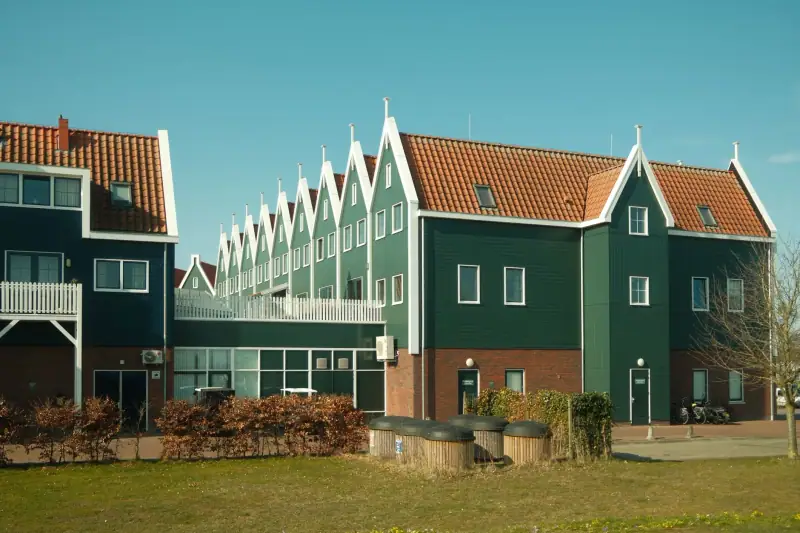
What to See in North Holland: Villages, Cheese and Dunes
What to see in North Holland: Haarlem, Zaanse Schans, Volendam, Marken, Edam, Alkmaar, Zandvoort dunes and Texel. Tips and trips from Amsterdam.
What to See in Dutch Limburg: Valkenburg, Thorn, Roermond
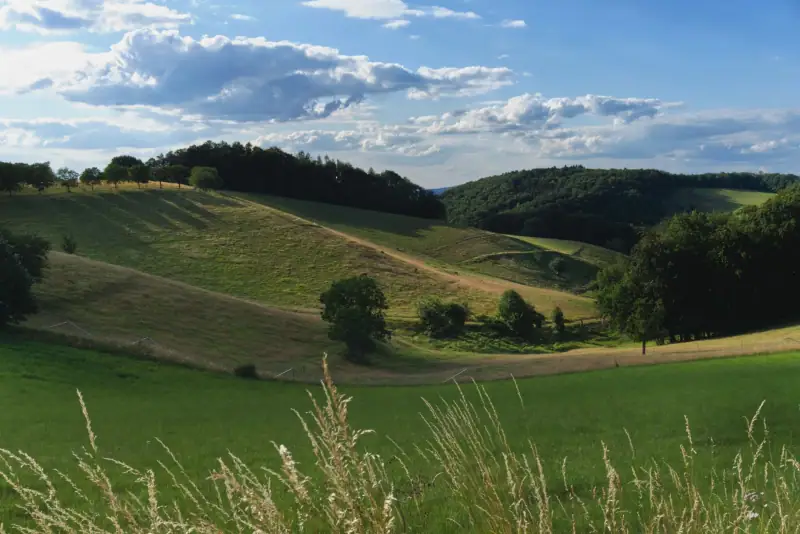
Beyond Maastricht, Limburg offers hills, marl caves, the white village of Thorn, Roermond and the country's highest point. What to see and how to plan.
What to See Around Utrecht and Central Netherlands: Veluwe, Amersfoort, Arnhem
Beyond Utrecht, central Netherlands has Amersfoort, De Hoge Veluwe park, the Kröller-Müller, Arnhem and castles. What to see and how to plan.
Ready-made
Netherlands itineraries
4 days
Amsterdam and Maastricht in 4 Days Without a Car: Is It Doable by Train?
AmsterdamMaastricht
7 days
Netherlands 7-Day Itinerary: Amsterdam, Delft, Rotterdam, Kinderdijk and Utrecht
A one-week itinerary in the Netherlands by train: Amsterdam, Haarlem, Zaanse Schans, The Hague, Delft, Rotterdam, Kinderdijk and Utrecht, day by day.