Plan your trip
Budget for a Trip to the Netherlands: Real Costs and 3 Priced Profiles
We may earn a commission when you book through links on this page, at no extra cost to you. We don't visit or try the places we cover: we summarize published sources. How we work
In short
- Per person per day: about €80 to €120 (about $93 to $140) thrifty, €180 to €250 (about $210 to $290) comfort, over €450 (about $520) upscale; Amsterdam costs much more.
- Lodging is the biggest expense; sleeping in Haarlem, Utrecht or Delft and fanning out by train often costs less than staying in central Amsterdam.
- Taxes are added to lodging: VAT of 21% from January 1, 2026 and an Amsterdam tourist tax of about 12.5%, per 2026 sources. Read the final total.
- Passes only pay off if you chain many paid visits; the I amsterdam City Card does not include the Anne Frank House or the Van Gogh Museum.
The Netherlands has a reputation for being an expensive country, and that reputation is not undeserved, especially in Amsterdam. Yet the budget for a stay can triple depending on how you sleep, eat and get around. With good choices, a trip remains quite affordable.
This article details real costs item by item, offers three priced budget profiles for a week, then gathers the tips that really bring the bill down. The amounts come from guides and official sites consulted in 2026: they are orders of magnitude, which move with the dates, and you should always check the final rate when booking. All prices are in euros, with a dollar equivalent, per person unless stated otherwise, and exclude flights or trains to the Netherlands.
What to know before calculating
Three factors weigh on the bill before you even step outside.
Amsterdam pulls the average up. The capital concentrates the most expensive hotels, the busiest restaurants and the most visited museums. Sleeping in Haarlem, Utrecht or Delft, then fanning out by train, often costs less than staying in the very center.
The season matters enormously. Tulips in spring, summer and event weekends push rooms up. Midwinter, outside year-end holidays, is the cheapest period. The guide on when to go to the Netherlands details these seasons.
Taxes are added to lodging. 2026 sources indicate VAT on lodging raised to 21% from January 1, 2026 and a municipal tourist tax of about 12.5% in Amsterdam. Depending on the platform, these amounts are included in the displayed price or added at payment: read the final summary rather than the listing price.
Lodging: the first expense
By far the biggest item, and the one where you have the most room to maneuver.
| Type of lodging | Indicative price per night |
|---|---|
| Dorm bed (hostel) | about €35 to €70 (about $41 to $81) depending on the season |
| Budget hotel, double room | about €100 to €180 (about $115 to $210) |
| Mid-range hotel, double room | about €180 to €320 (about $210 to $370) |
| Luxury hotel, canal house | from €350 (about $405) |
A 2026 guide puts the average price of a hotel night in Amsterdam at around €160 (about $185), with rates regularly exceeding €300 (about $350) in high season. In a dorm, expect €25 to €40 (about $29 to $46) in winter, €35 to €55 (about $41 to $64) in spring and fall, and €45 to €70 (about $52 to $81) in summer in well-located hostels.
A double room is shared: for two travelers, a €160 room comes to €80 (about $93) per person, which makes the mid-range hotel competitive against two dorm beds. To choose the right neighborhood, read the guide where to stay in Amsterdam.
🏨 Compare hotel prices: rates vary strongly from one week to the next. Compare several dates and neighborhoods, and check whether the tourist tax is included in the total.
Transport: pricey on arrival, reasonable afterward
The Dutch network is dense and works well. Fares are moderate. For practical details, see the guide to getting around the Netherlands by train and bike.
- Schiphol to Amsterdam Centraal by train: about €6 (about $7) a trip, in about a quarter hour.
- GVB hourly ticket (tram, bus, metro): about €3.40 (about $4).
- GVB 24-hour pass: about €10 (about $12). The three-day pass is around €21.50 (about $25).
- OVpay (contactless bank card): a boarding fee of about €1.20 (about $1.40) plus a few cents per kilometer in 2026, so a few euros for a trip between two big cities.
- Bike rental: about €12 to €18 (about $14 to $21) a day.
A useful detail: in Amsterdam, the historic center is largely done on foot. The 24-hour pass only pays off if you take at least three trips in the day. For a weekend centered on the museum quarter and the canals, a few single tickets or a rented bike are enough.
Trips between Randstad cities each cost a few euros to a few tens of euros depending on distance and class. Day to day, the trick is to stay in one city and fan out by the day rather than multiplying hotel changes.
Meals: from a €5 herring to a €50 dinner
Eating in the Netherlands can cost very little or a lot, depending on your habits.
Quick bites: a coffee costs about €3 to €4.50 (about $3.50 to $5), a herring sandwich or a cone of fries €4 to €6 (about $5 to $7), a stroopwafel €3 to €4 (about $3.50 to $5). A market lunch is between €8 and €12 (about $9 to $14).
Restaurants: a main course in a casual restaurant comes to €15 to €25 (about $17 to $29), a mid-range dinner to €35 to €55 (about $41 to $64) per person and a fine-dining table from €80 (about $93). A 50 cl draft beer is listed at around €5.50 to €7.50 (about $6 to $9).
Supermarkets: the country’s chains offer salads, sandwiches, cheese and fruit at fair prices. It is the cheapest solution, and it lets you put together a picnic for the day.
In summary, 2026 estimates give about €20 to €30 (about $23 to $35) a day for a thrifty diet, €45 to €75 (about $52 to $87) for a traveler who often eats at restaurants, and €120 (about $140) or more for a refined table at every meal. To know what to order, the guide to specialties to taste in the Netherlands will help you choose inexpensive local dishes.
Activities and museums: book, compare, sort
Museum admissions form the most visible part of the cultural budget. Here are 2026 markers, to be checked on the official sites:
| Visit | Indicative adult rate |
|---|---|
| Anne Frank House | €16.50 (about $19), booking fee included |
| Van Gogh Museum | about €25 to €27 (about $29 to $31) |
| Rijksmuseum | about €23 to €27 (about $27 to $31) |
| Heineken Experience | about €25 (about $29) |
The Anne Frank House, the Van Gogh Museum and the Rijksmuseum sell their tickets online, often for a specific time slot. They are therefore booked in advance, especially as the most requested slots go fast. The selection of Amsterdam museums not to miss helps you choose those worth the detour.
Should you buy a pass? The I amsterdam City Card was listed in 2026 at around €67 (about $78) for 24 hours, €94 (about $110) for 48 hours and €115 (about $135) for 72 hours, depending on sources. It groups dozens of museums, a canal cruise, public transport and a 24-hour bike, but not the Anne Frank House or the Van Gogh Museum. Do the math by adding up your visits: if you only do two museums a day, single tickets often cost less. The Museumkaart, valid for a year in more than 400 museums in the country, mostly interests those who stay long or return often, at about €65 to €75 (about $75 to $87) depending on sources.
🎟️ Cruises and guided tours: a canal cruise or a narrated visit can be booked online, with free cancellation possible on many offers. Compare durations, time slots and rates before booking.
For outings outside Amsterdam, plan a separate budget: entry to the park of Keukenhof and the tulip fields is paid on top of transport, and the windmills of Kinderdijk and Zaanse Schans require a train or bus trip then sometimes an entrance ticket. Many walks remain free: neighborhoods, markets, parks, canal banks.
Three budget profiles for a week
Here are three scenarios for 7 days in the Netherlands, per person, with a stay centered on Amsterdam. They rest on the daily ranges published for 2026 and on the prices detailed above. A double-room stay is shared by two.
Thrifty profile: about €600 to €850 (about $695 to $985)
- Lodging: dorm bed or small shared room, about €35 to €65 (about $41 to $75) a night.
- Meals: supermarket, markets and fast food, about €20 to €30 (about $23 to $35) a day.
- Transport: on foot and by bike, a few tram tickets, about €5 to €11 (about $6 to $13) a day.
- Activities: one or two paid museums, the rest free, about €0 to €25 (about $0 to $29) a day.
It is a budget of €80 to €120 (about $93 to $140) a day, suited to a trip in low or mid season.
Comfort profile: about €1,300 to €1,750 (about $1,510 to $2,030)
- Lodging: mid-range hotel in a double room, about €90 to €150 (about $105 to $175) per person per night.
- Meals: one restaurant a day and simple meals, about €45 to €75 (about $52 to $87) a day.
- Transport: day passes and a few train trips, about €11 to €20 (about $13 to $23) a day.
- Activities: two visits a day, canal cruise, about €25 to €55 (about $29 to $64) a day.
It is the range of €180 to €250 (about $210 to $290) a day, which matches most travelers.
Upscale profile: from €3,200 (about $3,710)
- Lodging: canal house or high-end hotel, €250 to €500 or more (about $290 to $580 or more) a night.
- Meals: fine-dining tables and cafés, €120 to €250 (about $140 to $290) a day.
- Transport: taxis and private excursions, €30 to €80 (about $35 to $93) a day.
- Activities: private guided tours, €60 to €200 (about $70 to $232) a day.
That reaches €460 to €600 (about $535 to $695) a day, or more.
🏨 Outside Amsterdam, cheaper: a night in Haarlem, Utrecht or Delft often costs less than in the heart of the capital, with a 15- to 40-minute train to get back. Compare offers by city.
Ten tips to spend less
- Travel off season. Midwinter and fall, outside vacations, offer the best lodging prices.
- Sleep outside central Amsterdam. Haarlem, Utrecht or a more off-center neighborhood are often cheaper, with a quick train or tram.
- Book museums online in advance. It is not always cheaper, but it avoids being turned away at the door and losing a day.
- Choose cycling and walking. A day of rental costs less than a transport pass, and the center is visited on foot.
- Shop at the supermarket. A breakfast and a picnic lighten the bill.
- Have lunch at the market or from street food. Herring, fries, pannenkoeken and stroopwafels cost far less than a sit-down meal.
- Choose lodging with a kitchen. Useful for families and stays of more than four days.
- Pay by card, without fees. Check your bank’s fees for payments abroad, which are very common here.
- Fan out from a fixed point. Avoiding changing hotels every night saves time and tourist taxes.
- Make the most of free things. Parks, canal-side walks, free ferries behind Amsterdam Centraal, street architecture and markets cost nothing.
Reasonable travel insurance is also a way to avoid an unpleasant surprise: a policy can cover medical costs or luggage depending on the plan chosen, but compare the cover before subscribing.
An example: 4 days in Amsterdam for two
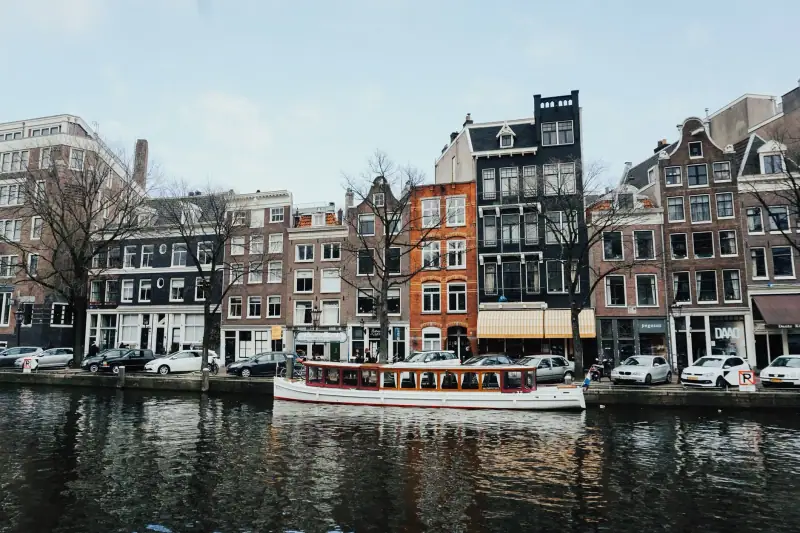
To fix ideas, imagine a couple at the comfort level for 4 days in Amsterdam, with a double room at about €160 (about $185) a night, so €640 (about $740) for the stay. Four days of meals at €55 (about $64) per person per day make €440 (about $510). Public transport, the trip from Schiphol and a bike rented for a day come to about €100 (about $116). Visits (Anne Frank, a major museum, a cruise) amount to about €150 (about $174) for two. In total, you reach about €1,300 (about $1,510) for two, so €650 (about $755) per person and about €160 (about $185) a day, not counting the trip to the Netherlands. Sleeping outside the center or limiting restaurants brings it back under €1,000 (about $1,160) for two, and you can also refer to the 7-day itinerary to spread the stay over several cities.
Frequently asked questions
Answers to the most asked questions about the budget of a trip to the Netherlands are in the FAQ above: cost per day, hotel prices, whether passes pay off and payment methods. Above all, remember that in the Netherlands the budget is decided by lodging and season: by booking early, leaving central Amsterdam and eating local, you easily cut the bill in half.
Sources
- Anne Frank House: prices checked November 2026
- Rijksmuseum: prices checked November 2026
- Van Gogh Museum: prices checked November 2026
- GVB (Amsterdam public transport): prices checked November 2026
- I amsterdam: prices checked November 2026
Frequently asked questions
What budget should you plan per day in the Netherlands?
Allow about €80 to €120 (about $93 to $140) per person per day for a thrifty trip (dorm, simple meals), €180 to €250 (about $210 to $290) for comfort (mid-range hotel, restaurants) and over €450 (about $520) for an upscale budget. Amsterdam is clearly more expensive than the rest of the country.
Is the Netherlands an expensive destination?
Overall yes, especially for lodging and restaurants in Amsterdam. Mid-sized cities such as Utrecht, Delft or Haarlem remain a bit cheaper.
What is the price of a hotel in Amsterdam in 2026?
A mid-range hotel is generally between €150 and €250 (about $175 to $290) a night for a double room, more in high season. A hostel dorm bed costs about €35 to €70 (about $41 to $81) depending on the season. VAT and the tourist tax are added, sometimes shown as extras.
Should you buy the I amsterdam City Card?
It only pays off if you chain several paid museums and use transport a lot within 24 to 72 hours. The Anne Frank House and the Van Gogh Museum are not included. Do the math with your actual visits before buying.
How do you pay for transport at the best price?
In the city, the GVB hourly ticket costs about €3.40 (about $4) and the 24-hour pass about €10 (about $12). For train trips, contactless OVpay charges a boarding fee plus a per-kilometer rate. Check current fares on official sites before leaving.
Can you pay by bank card everywhere?
Almost. The Netherlands is one of the most advanced countries in contactless payment, and some businesses even refuse cash. Still, keep a small reserve of coins for public toilets or a market.
More Netherlands guides
Keep reading
When to Go to the Netherlands: Tulips, Weather and Seasons Month by Month
What is the best time to visit the Netherlands? Tulips in spring, terraces in summer, fall mists: weather, crowds and budget season by season.
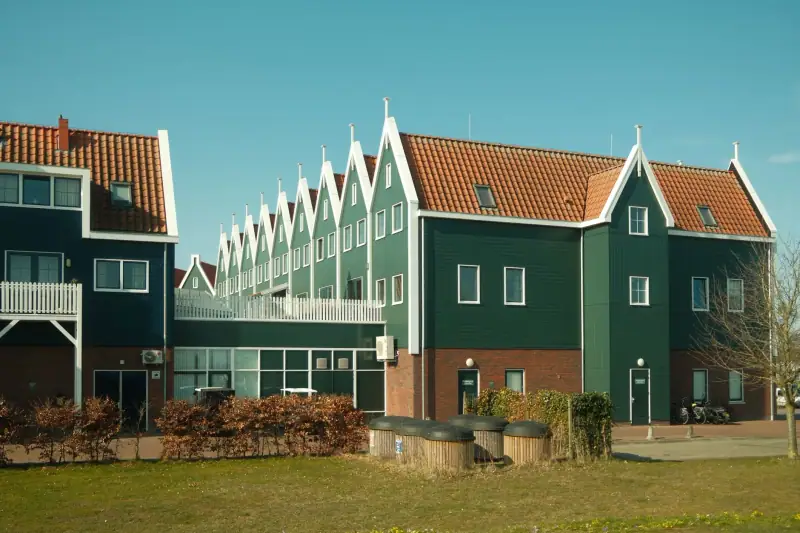
What to See in North Holland: Villages, Cheese and Dunes
What to see in North Holland: Haarlem, Zaanse Schans, Volendam, Marken, Edam, Alkmaar, Zandvoort dunes and Texel. Tips and trips from Amsterdam.
The Netherlands with Kids: Trip Ideas and Activities for Children
Traveling to the Netherlands with children: zoo, interactive museums, miniatures, beach, cycling and parks. Trip ideas by age, city and length.
Ready-made
Netherlands itineraries
4 days
Amsterdam and Maastricht in 4 Days Without a Car: Is It Doable by Train?
AmsterdamMaastricht
7 days
Netherlands 7-Day Itinerary: Amsterdam, Delft, Rotterdam, Kinderdijk and Utrecht
A one-week itinerary in the Netherlands by train: Amsterdam, Haarlem, Zaanse Schans, The Hague, Delft, Rotterdam, Kinderdijk and Utrecht, day by day.