Things to do
Amsterdam Museums: The Essentials and How to Visit Them
We may earn a commission when you book through links on this page, at no extra cost to you. We don't visit or try the places we cover: we summarize published sources. How we work
In short
- The Museumplein gathers the Rijksmuseum, the Van Gogh Museum and the Stedelijk Museum; do not schedule all three on the same day.
- The Anne Frank House and the Van Gogh Museum use time slots booked online; buy tickets several days ahead, especially in spring, summer and school vacations.
- Allow about two to three hours for the Rijksmuseum, one to two hours for smaller places, and limit the day to two visits.
- Passes (tourist passes, the Dutch Museumkaart) only pay off if you chain many visits: compare with single tickets first.
Amsterdam is one of the richest museum cities in Europe, and many are grouped in a small area, which makes planning easier. Golden Age painting, works by Van Gogh, the history of the Second World War, modern art: there is something for every taste, and every kind of weather.
This guide presents the museums not to miss, how to chain them without wearing yourself out and a few habits to avoid queues. Hours, rates and booking conditions change regularly: always check them on each museum’s official site before your visit.
The Museumplein, the heart of the big museums
The Museumplein is a vast grassy square located south of the canal ring. It brings together three major institutions: the Rijksmuseum, the Van Gogh Museum and the Stedelijk Museum. The Concertgebouw, a famous concert hall, is at its far end.
If you stay in the neighborhood, you can do everything on foot, and that is one of the reasons it appears in the guide to choosing where to stay in Amsterdam. Trams also serve the area very well from the central station.
To avoid overload, do not schedule all three museums on the same day. One big museum in the morning, a break on the lawn or in a café, then possibly a second, shorter place in the afternoon: that rhythm leaves time to appreciate what you see.
🏨 Sleeping near the museums: hotels near the Museumplein and the center fill up quickly in high season. Compare offers and choose free cancellation.
The Rijksmuseum, the Dutch Golden Age
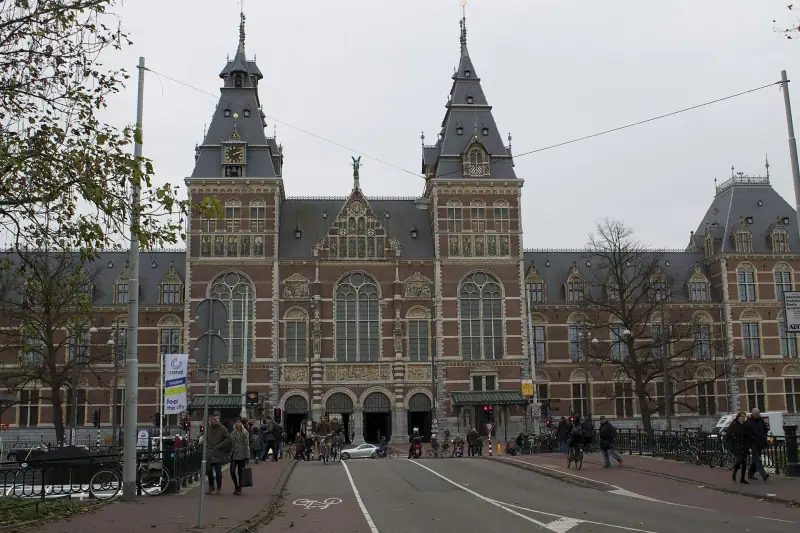
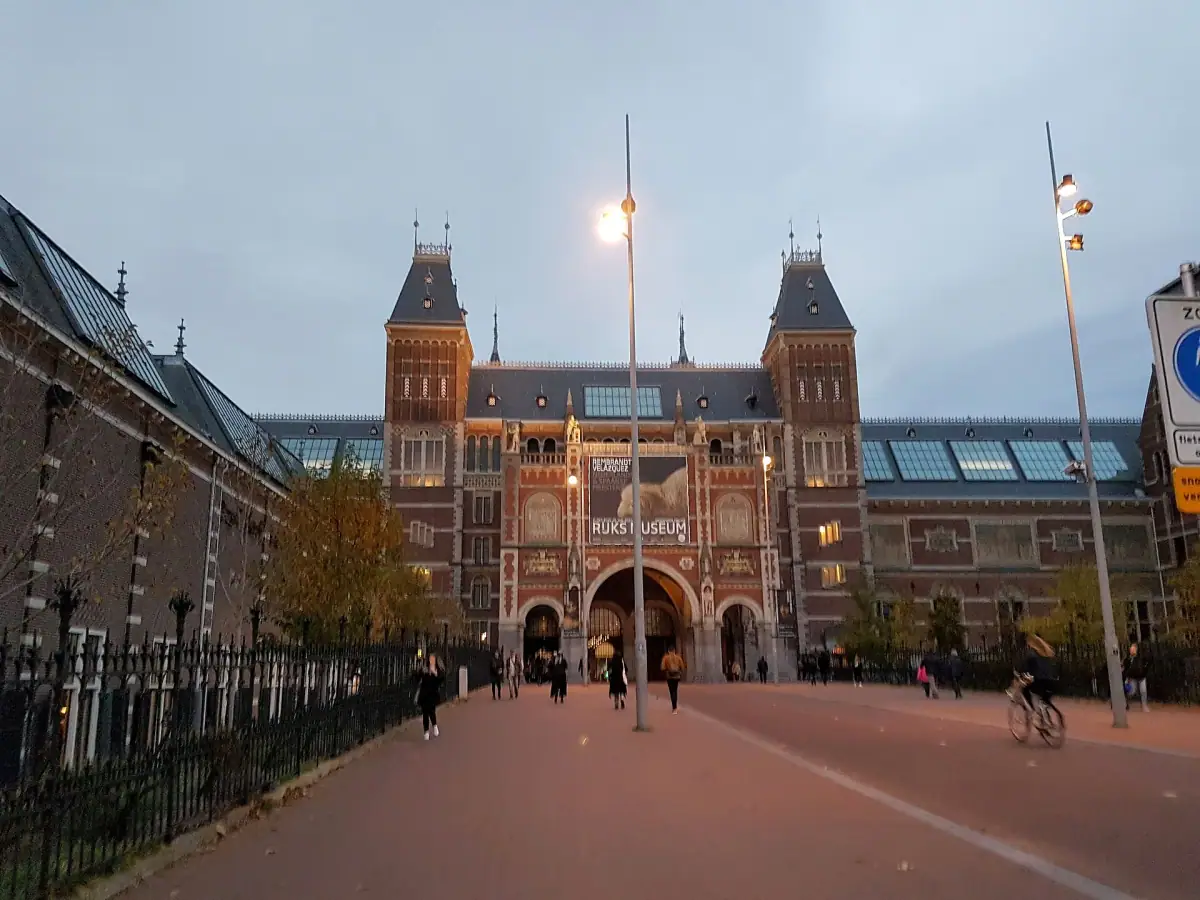
The Rijksmuseum is the Netherlands’ great national museum. It gathers Dutch art and history, with the 17th-century painters in the spotlight: Rembrandt, whose The Night Watch is the most famous work, but also Vermeer and Frans Hals. You also find ship models, decorative arts and history collections.
The building itself is worth a look, with its brick architecture and gardens. The museum is vast: rather than seeing everything, choose two or three rooms that really interest you, and plan about two to three hours.
Book your ticket online to choose a time slot and avoid waiting at the entrance. Morning at opening and late afternoon are generally the calmest times.
The Van Gogh Museum, an immersion in an artist’s life
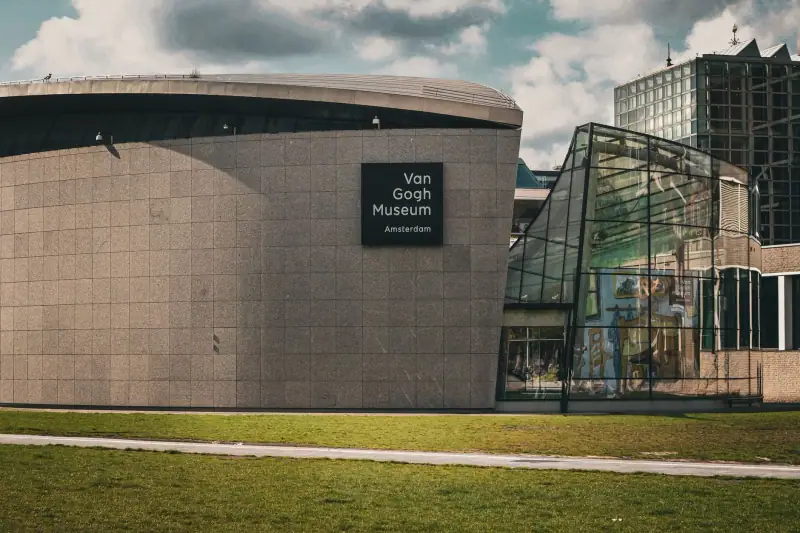
A few steps from the Rijksmuseum, the Van Gogh Museum holds one of the most important collections in the world devoted to Vincent van Gogh: paintings, drawings and letters. The route follows the artist’s evolution, from his dark beginnings to the bright colors of his last years, and places his work among that of his contemporaries.
The museum is very busy, and entry is by time-slot reservation: buy your ticket online several days ahead, especially in spring, summer and school vacations. Plan one to two hours for the visit.
If you plan to combine Amsterdam with other stops, the 7-day itinerary in the Netherlands shows you how to spread the visits without rushing.
The Anne Frank House, a place of remembrance
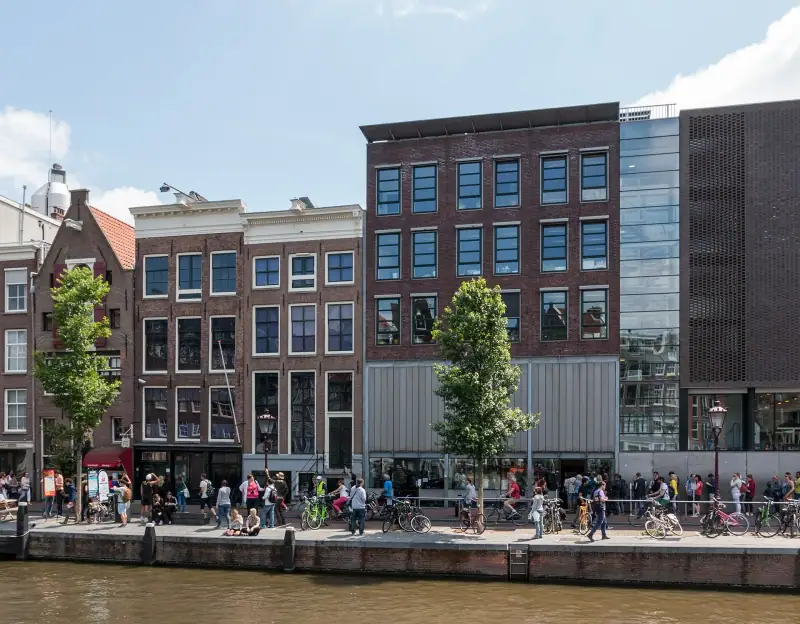
The Anne Frank House is located in the Jordaan district, on the Prinsengracht canal. This is where the young Anne Frank and her family hid during the Second World War, and where she wrote her famous diary. The visit is moving, restrained and often emotionally heavy.
It is one of the city’s most requested sites, and access is only with a timed ticket bought in advance on the official site. Do not count on buying a ticket at the last minute: plan your visit as soon as your travel dates are set. Because the spaces are narrow, the visit generally lasts about an hour to an hour and a half.
This visit does not fit well in an overloaded program: keep a calm moment afterward, for example a walk in the streets of the Jordaan, a neighborhood known for its charm.
🎟️ Tours and tickets in Amsterdam: museums, canal cruises, guided tours on foot or by bike. Compare the formulas and the time slots available on your dates.
The Stedelijk Museum, for modern and contemporary art
Facing the Rijksmuseum and the Van Gogh Museum, the Stedelijk Museum is the city’s major modern and contemporary art museum. It covers 20th-century art and design to today, with temporary exhibitions that often draw attention.
It is a good option if you have already seen a lot of old painting and want to change register. Again, check the program before booking: exhibitions change several times a year.
Other, lesser-known museums
If you have more time, or want to avoid the crowds of the big names, several less busy museums deserve a visit:
- The Scheepvaartmuseum (maritime museum) tells the story of the country’s past as a great naval power, a central theme for understanding the Netherlands.
- The Moco Museum offers modern and contemporary art in a more intimate setting.
- The H’ART Museum (formerly the Hermitage Amsterdam) presents temporary exhibitions of international art; check the program before coming.
- The Hortus Botanicus, one of the oldest botanical gardens in the world, is a restful stop in the middle of the city.
These places are also good ideas for rainy days, frequent in the country: see the guide on when to go to the Netherlands to anticipate the weather.
Passes and booking: how to save time and money
Several options exist to limit costs and waiting:
- Single tickets, bought online on each museum’s official site, are the simplest solution if you visit few places.
- City tourist passes group several entries, sometimes with public transport. They pay off if you chain many visits, less so if you make two or three.
- The Museumkaart, a Dutch annual card, is aimed more at people who stay a long time or return often.
Before buying a pass, do a simple calculation: add up the ticket prices of the museums you really plan to visit and compare. Do not forget that some very busy places require a time-slot reservation, even with a pass.
✈️ Plan your flight to Amsterdam: prices climb during spring vacations and in summer. Compare offers as soon as your dates are set.
Organizing your day: examples of rhythms
Here are three ways to compose a day of visits without excess fatigue:
- “Great classics” day: Rijksmuseum in the morning, lunch near the Museumplein, Van Gogh Museum in the early afternoon on a reserved slot.
- “Remembrance and neighborhoods” day: Anne Frank House on a reserved slot, then a walk in the Jordaan and lunch in one of its cafés.
- “Modern art” day: Stedelijk Museum in the morning, then a break in the nearby Vondelpark, before a second, smaller place.
To find a typical meal between two visits, the article on specialties to taste in the Netherlands will give you ideas.
Tips for preparing your visits
- Book early: slots for the most popular places go first, especially during vacations.
- Limit yourself to two visits a day: museum fatigue is real, and the city also deserves some wandering.
- Choose off-peak hours: opening time and late afternoon are generally calmer.
- Check practical conditions: large bags, photography, accessibility, temporary exhibitions. Everything is detailed on the official sites.
- Think about insurance: a full travel insurance policy protects against cancellation and lost luggage; compare offers before you leave.
Frequently asked questions
The questions that come up most often concern booking, the choice of the first museum and the best time to visit. Find the detailed answers in the FAQ section at the bottom of the page.
In short: book your slots as soon as your dates are set, start with the Rijksmuseum if it is your first visit, and do not overload your days. Museums are open all year, which makes them a safe bet in case of rain, whatever the season chosen.
For a day outside the city, see the guide to windmills: Kinderdijk or Zaanse Schans. Amsterdam’s museums fit easily into a longer stay, such as the one described in the 7-day itinerary, where they take one to two half days.
Frequently asked questions
Which Amsterdam museum is a must-see?
For a first stay, the Rijksmuseum is the most complete stop, with the masters of the Dutch Golden Age such as Rembrandt and Vermeer. The Van Gogh Museum comes right behind if you like 19th-century painting.
Do you need to book Amsterdam museums in advance?
Yes, it is strongly advised for the busiest sites, in particular the Anne Frank House and the Van Gogh Museum, which use time slots booked online. Check the conditions on the official sites.
Where are the Rijksmuseum and the Van Gogh Museum?
They are neighbors, around the Museumplein, in the south of the canal ring. You can chain them on foot, along with the Stedelijk Museum, the modern art museum.
Is there a pass for visiting several museums?
Yes, there are tourist passes and the Dutch Museumkaart. Whether they pay off depends on the number of visits and current conditions: compare them with the price of single tickets before buying.
How much time should you plan for a museum?
Allow about two to three hours for a major museum like the Rijksmuseum, one to two hours for smaller places. It is better to limit the day to two visits.
More Netherlands guides
Keep reading
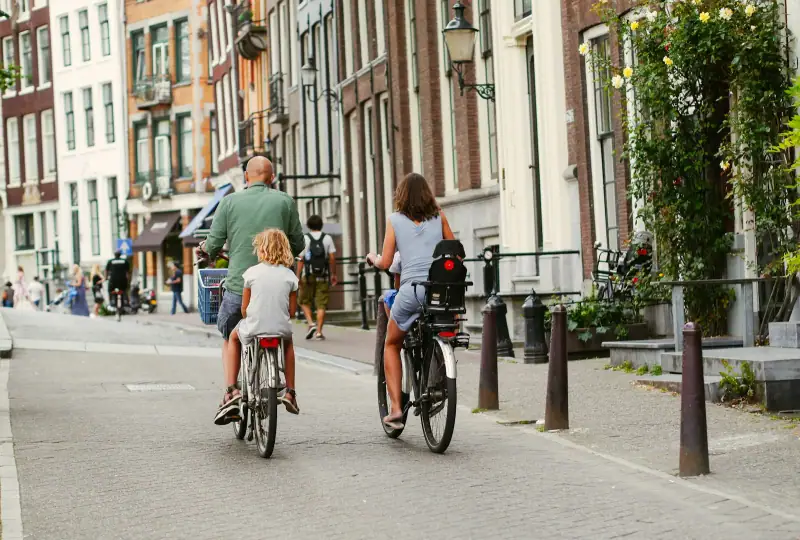
The Netherlands with Kids: Trip Ideas and Activities for Children
Traveling to the Netherlands with children: zoo, interactive museums, miniatures, beach, cycling and parks. Trip ideas by age, city and length.
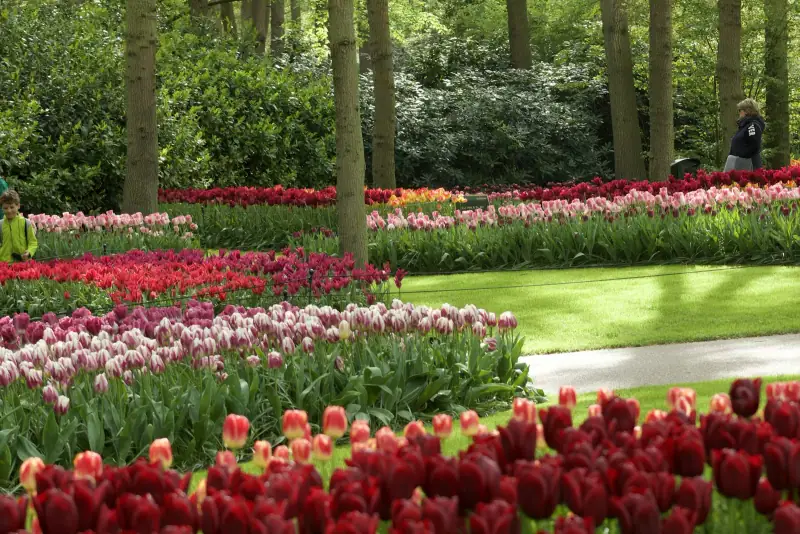
Keukenhof and the Tulip Fields: A Guide to Planning Your Visit
Keukenhof, bulb fields, flower parade: when to go, how to get there from Amsterdam, how to book and enjoy the tulips without the crowds.
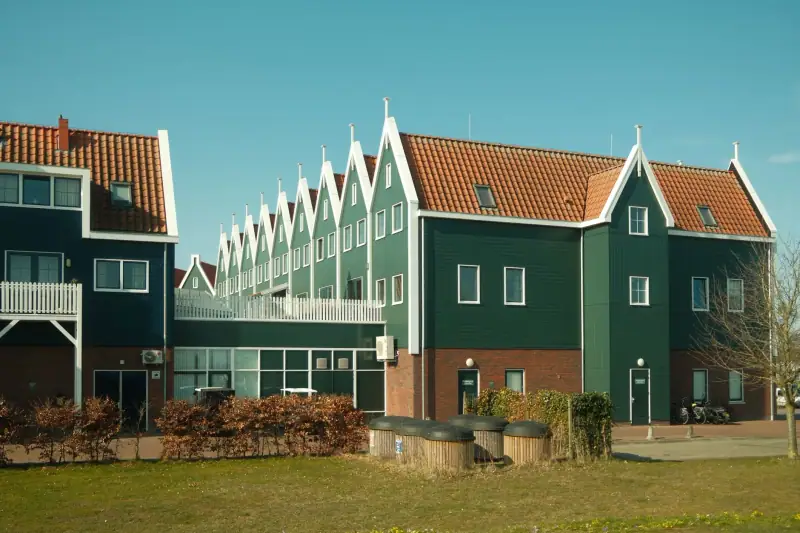
What to See in North Holland: Villages, Cheese and Dunes
What to see in North Holland: Haarlem, Zaanse Schans, Volendam, Marken, Edam, Alkmaar, Zandvoort dunes and Texel. Tips and trips from Amsterdam.
Ready-made
Netherlands itineraries
4 days
Amsterdam and Maastricht in 4 Days Without a Car: Is It Doable by Train?
AmsterdamMaastricht
7 days
Netherlands 7-Day Itinerary: Amsterdam, Delft, Rotterdam, Kinderdijk and Utrecht
A one-week itinerary in the Netherlands by train: Amsterdam, Haarlem, Zaanse Schans, The Hague, Delft, Rotterdam, Kinderdijk and Utrecht, day by day.