Where to stay
Where to Stay in Amsterdam: The Best Neighborhoods for Your Trip
We may earn a commission when you book through links on this page, at no extra cost to you. We don't visit or try the places we cover: we summarize published sources. How we work
In short
- The Jordaan and the canal ring are the classic choice for a first stay; the Museum Quarter suits museum-focused trips.
- Amsterdam-Noord, Oost and Oud-West generally cost less than the center and are connected by tram, metro or the free ferry.
- De Wallen and the area around the station are lively and noisy, especially in the evening and on weekends.
- Haarlem, Utrecht or The Hague are options by train, but daily travel time and fares can offset part of the savings.
Amsterdam is a compact city: the essentials can be visited on foot or by bike, and trams, metros and trains quickly link the outlying neighborhoods. Still, the choice of neighborhood really changes the experience. Depending on where you stay, you will wake up beside a quiet canal, above a busy market or facing a converted former industrial site.
This guide presents the main neighborhoods to stay in, their atmosphere, their advantages and limits, so you can choose according to your budget, length of stay and wishes. Rates vary strongly by season and day of the week: always compare several dates.
The historic center and the canal ring
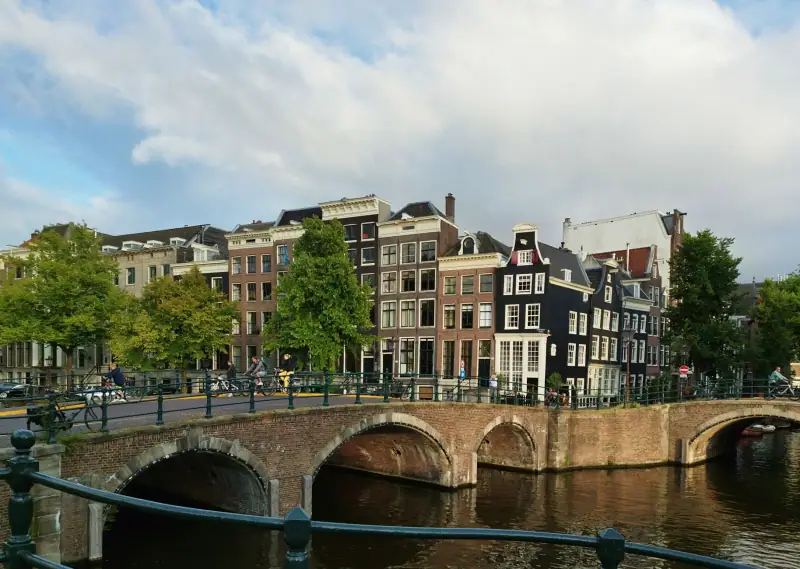
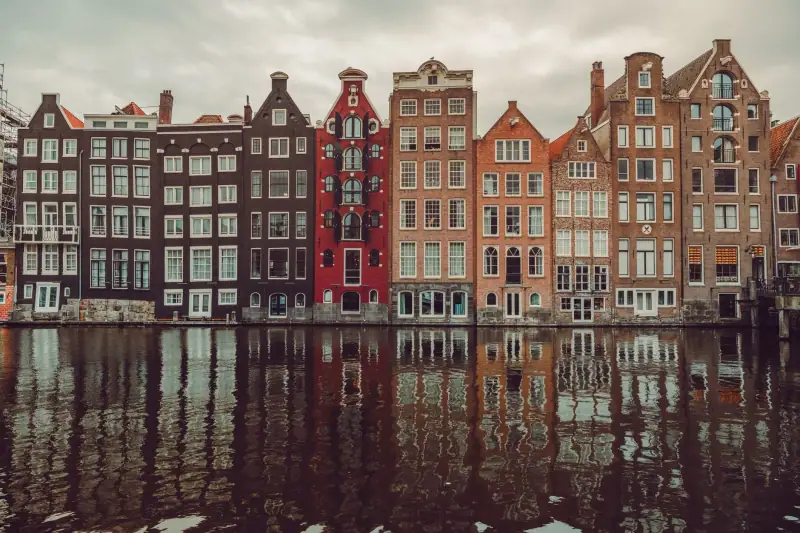
Amsterdam’s center is organized around concentric half-circles of canals, the Grachtengordel, a UNESCO World Heritage site. Sleeping here means having the charm of gabled houses, bridges and houseboats within a few steps. The main monuments, the Dam, Centraal station and many museums are reachable on foot.
The advantages are obvious: you save time, you can go back to rest in the middle of the day and you enjoy the canals in the evening. The drawbacks are crowds and prices: this is the most in-demand area, so generally the most expensive. Rooms in old houses are often small, and many narrow buildings have no elevator: the stairs are steep, which matters if you travel with big suitcases.
Around the station and the De Wallen district, the atmosphere is festive and noisy, especially in the evening and on weekends. For a quiet stay, aim for the streets farther south or west of the canal ring, which are more residential.
🏨 Sleeping near the canals: hotels in the center fill up quickly, especially in spring and on weekends. Compare offers and choose free cancellation.
The Jordaan, for charm and relative calm
A former working-class district, the Jordaan is today one of the city’s most sought-after. Its narrow lanes, small canals, inner courtyards, independent shops and cafés make it an ideal place to stroll. It is a good choice for a first stay, as a couple or with friends, if you like wandering without being in the middle of the crowd.
The neighborhood is generally calmer than the center, while remaining within walking distance of most sites. Lodgings here are in demand: book early, and prices reflect the demand. The Jordaan also hosts an open-air market on Saturdays, a chance to taste the local atmosphere. Check the days and hours before planning your visit.
The Museum Quarter and Oud-Zuid, for museums and parks
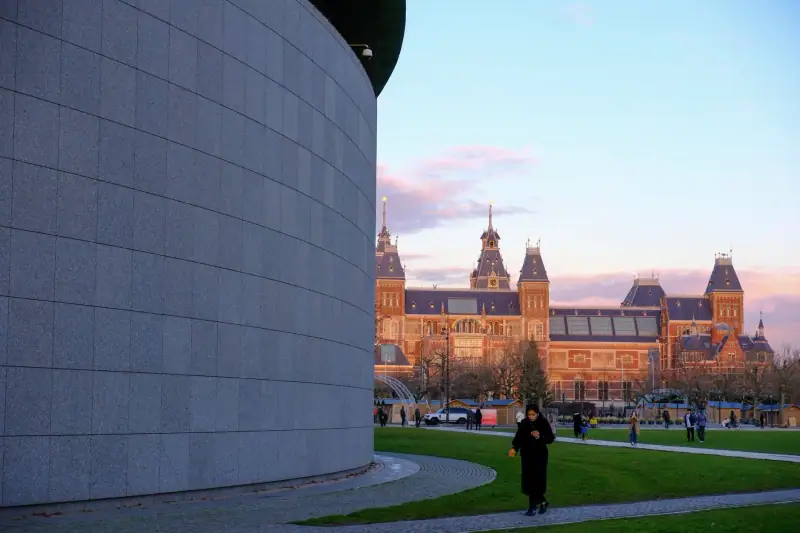
South of the canal ring, the Museum Quarter groups several of the country’s major museums, as well as the Museumplein square and the nearby Vondelpark. The streets are wider and airier, lined with elegant brick houses. It is a rather chic area, calm in the evening.
It suits families and travelers who want to combine culture and greenery: a jog or a picnic in the Vondelpark can start from the hotel. There are fewer restaurants and bars than in the Jordaan or De Pijp, but the tram takes you back to the center in a few minutes. Hotels are often mid-range to upscale.
De Pijp, for a cosmopolitan atmosphere
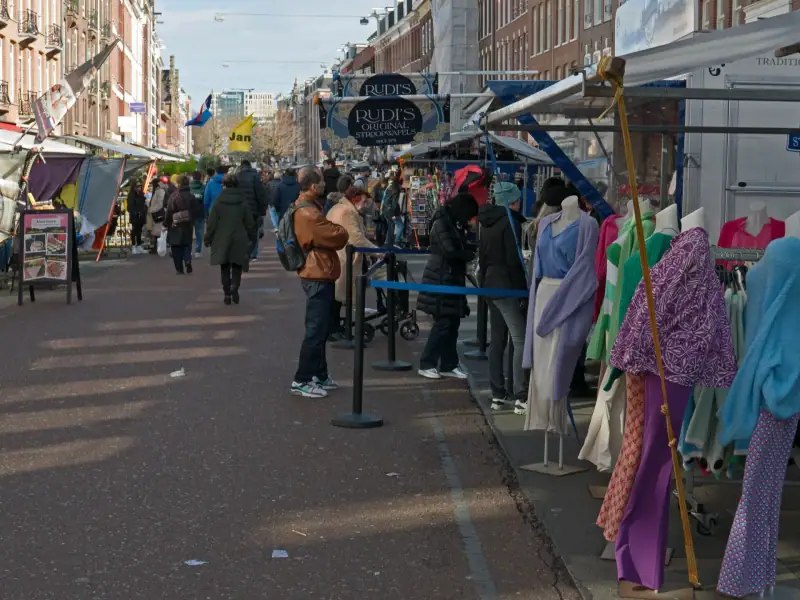
De Pijp is a lively, mixed neighborhood much liked by young travelers. It has a large street market open during the day most days of the week, many cafés, restaurants from all over the world and busy café terraces. The atmosphere is more relaxed and less touristy than in the heart of the center.
The neighborhood is ideal for food lovers and friendly nightlife. Lodging prices here are often a bit lower than in the very center, although that depends on the season. The main drawback is possible noise on the busiest streets: ask for a courtyard-side room if you are a light sleeper.
Amsterdam-Noord, for a tighter budget and a creative vibe
Across the IJ, Amsterdam-Noord was long an industrial and port district. It has turned into a creative hub, with converted former warehouses, cultural venues and an alternative scene. You reach it from Centraal station by a ferry that is free for pedestrians and cyclists, which is part of the experience.
For lodging, it is often a good option for saving a little, with modern hotels and sometimes open views of the water and the skyline. The trip to the center takes a few minutes, but the atmosphere is less “postcard” and services are more spread out. Check the ferry schedules if you return late in the evening.
🎟️ Discover Amsterdam from the water: a canal cruise is one of the best ways to understand how the city is laid out before choosing your favorite neighborhood.
Oost and Oud-West, for a more local stay
In the east, the neighborhoods around Oosterpark and the Plantage mix gardens, museums, universities and residential streets. In the west, Oud-West and the area around Westerpark attract visitors looking for neighborhood spots: cafés, bakeries, small performance venues and redeveloped former industrial buildings.
These areas suit stays of more than three or four days, when you want to feel the daily rhythm of residents. Lodging is more varied here, with hotels, apartments and guesthouses. Trams and the metro serve most of these areas well, and cycling remains the most natural way to get around.
Staying near the station or the airport
If you arrive late, leave early or chain several train stages, sleeping near Amsterdam Centraal or Zuid station can simplify logistics. Schiphol Airport is linked to Amsterdam Centraal by a direct train, with a trip of about twenty minutes. Hotels near the airport are handy for a transit night, but not very interesting for a real stay.
This kind of choice makes sense for a one-night stopover. As soon as you stay two nights or more, a neighborhood with local life is generally more pleasant.
Sleeping outside Amsterdam: Haarlem, Utrecht and The Hague
Prices and crowds may push you to look elsewhere. Haarlem, a short train ride from Amsterdam, offers a charming historic center and a more peaceful atmosphere. Utrecht, a student city crossed by two-level canals, is linked to Amsterdam by frequent trains. The Hague and Delft are also good bases if you plan to explore the coast and the south of Holland.
This solution works if you like quiet and accept taking the train every day. Keep in mind that the saving on the room may be partly offset by train tickets and lost time. To build a coherent route over the week, see the 7-day itinerary in the Netherlands.
🏨 Compare lodging in the Netherlands: if Amsterdam is full or too expensive on your dates, also look at neighboring cities, often well connected by train.
Hotel, apartment or hostel: which to choose?
Hotels remain the simplest option: services, cancellation flexibility and often central locations. Rooms are generally compact, a reality of old buildings and the lack of space in the city.
Hostels and capsule hotels suit solo travelers or tight budgets, with dorms or private rooms. Tourist apartments are subject to strict local regulation: check that the listing is in order and read the owner’s conditions carefully.
Also keep in mind the tourist tax, applied by the city and sometimes added to the displayed price: read the breakdown of the final rate before confirming.
Tips for choosing
- First stay, 2 to 3 days: Jordaan, southern canal ring or Museum Quarter.
- Atmosphere and food: De Pijp.
- Tighter budget: Amsterdam-Noord, Oost or Oud-West, or a neighboring city by train.
- Family: Museum Quarter and the edges of the Vondelpark, which are calmer.
- One-night stopover: close to Centraal station or Schiphol.
Always check access to the hotel (stairs, elevator), the proximity of a tram or metro stop and recent reviews about noise. To choose the best season for your budget, read the guide when to go to the Netherlands.
In short
There is no bad neighborhood in Amsterdam, only neighborhoods that suit your way of traveling or not. The Jordaan and the canal ring appeal for charm, De Pijp for local life, the Museum Quarter for museums, and Noord, Oost or Oud-West for lower prices. Book early, compare several dates and keep a free-cancellation option.
Frequently asked questions
What is the best neighborhood to stay in Amsterdam for a first visit?
The Jordaan and the canal ring (Grachtengordel) are the most classic: you can visit everything on foot in a typical setting. The Museum Quarter works very well if museums are your priority.
Where to stay in Amsterdam to pay less?
Slightly off-center neighborhoods such as Amsterdam-Noord, Oost or Oud-West generally offer better rates than the very center, while staying well connected by tram, metro or the free ferry.
Should you avoid staying in the De Wallen area?
This area is very lively and noisy, especially in the evening and on weekends. If you want calm, choose the Jordaan, the Museum Quarter or a residential neighborhood.
Is it possible to stay outside Amsterdam and get there easily?
Yes. Haarlem, Utrecht or The Hague are linked to Amsterdam by train. This can lighten the bill, but allow for the time and cost of daily trips.
When should you book lodging in Amsterdam?
As soon as your dates are set, especially for spring, summer and weekends. Choose an offer with free cancellation to keep some flexibility.
More Netherlands guides
Keep reading
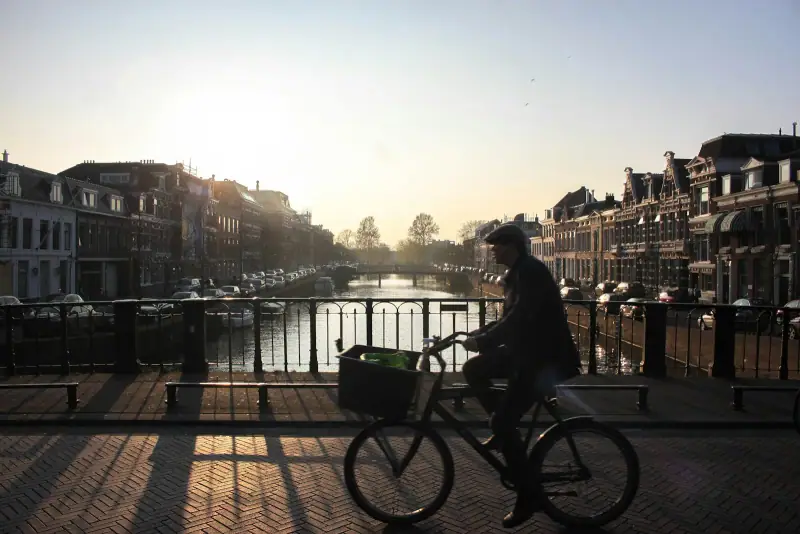
Where to Stay in Haarlem: Neighborhoods and Types of Lodging
Grote Markt, Spaarne banks, station area or nearby coast: compare Haarlem's neighborhoods and lodging types to choose where to stay.
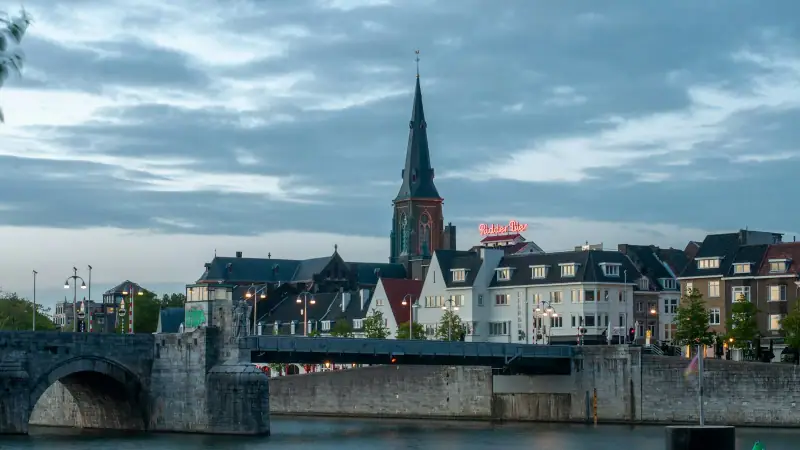
Where to Stay in Maastricht: Neighborhoods and Types of Lodging
Historic center, Wyck, Jekerkwartier, Céramique or Sint Pieter: compare Maastricht's neighborhoods and lodging types to choose where to stay.
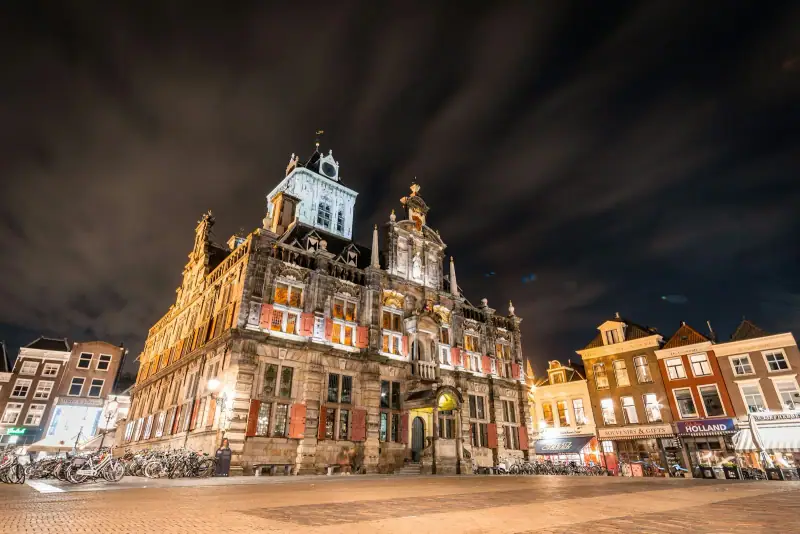
Where to Stay in Delft: Neighborhoods and Types of Lodging
Historic center, station area, Agnetapark or campus: compare Delft's neighborhoods and lodging types to choose where to stay.
Ready-made
Netherlands itineraries

4 days
Amsterdam and Maastricht in 4 Days Without a Car: Is It Doable by Train?
AmsterdamMaastricht
7 days
Netherlands 7-Day Itinerary: Amsterdam, Delft, Rotterdam, Kinderdijk and Utrecht
A one-week itinerary in the Netherlands by train: Amsterdam, Haarlem, Zaanse Schans, The Hague, Delft, Rotterdam, Kinderdijk and Utrecht, day by day.