Itineraries
Netherlands 7-Day Itinerary: Amsterdam, Delft, Rotterdam, Kinderdijk and Utrecht
We may earn a commission when you book through links on this page, at no extra cost to you. We don't visit or try the places we cover: we summarize published sources. How we work
Day by day
- Days 1-2Amsterdam: canal ring, Jordaan, major museums
- Day 3Haarlem and Zaanse Schans windmills
- Day 4The Hague (Binnenhof, Mauritshuis) and Delft
- Day 5Rotterdam and Kinderdijk windmills
- Day 6Utrecht: two-level canals and Dom Tower
- Day 7De Hoge Veluwe park, or Amsterdam and Schiphol
Weather through the year on this route
| Jan | Feb | Mar | Apr | May | Jun | Jul | Aug | Sep | Oct | Nov | Dec | |
|---|---|---|---|---|---|---|---|---|---|---|---|---|
| High °F (°C) | 415 | 436 | 489 | 5412 | 6116 | 6619 | 7021 | 7021 | 6519 | 5815 | 4910 | 436 |
| Low °F (°C) | 362 | 352 | 373 | 426 | 489 | 5412 | 5815 | 5915 | 5513 | 489 | 426 | 373 |
Normals 1991–2020 at Amsterdam and Rotterdam: averages over 30 years, not a forecast. Source: NASA POWER (MERRA-2), grid of about 50 km. Figures computed by us in November 2026. Rain is shown only where a weather station confirms the figures.
In short
- One week covers Amsterdam (2 days), Haarlem and Zaanse Schans, The Hague and Delft, Rotterdam and Kinderdijk, Utrecht, then a national park or a quiet return.
- No car is needed: frequent trains link the cities, and parking in centers is expensive and complicated.
- Book Rijksmuseum, Van Gogh Museum and Anne Frank House slots in advance; entries sell days or even weeks ahead in season.
- Travel times are rounded: check the actual schedules for your dates before leaving.
The Netherlands is a small, dense, flat and very well-connected country: in one week, you can chain a canal capital, art cities, a large modern port and a UNESCO-listed windmill site, without ever taking the wheel. Cycling and the train do the rest.
This itinerary starts in Amsterdam and follows an arc to the southwest before heading back up to Utrecht. Travel times are rounded: check the actual schedules for your dates before leaving.
Days 1 and 2: Amsterdam, canals and museums
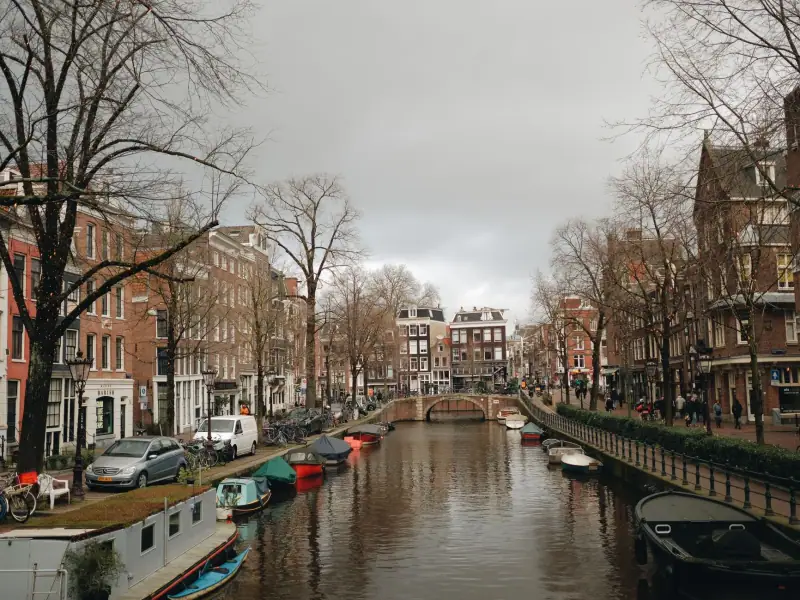
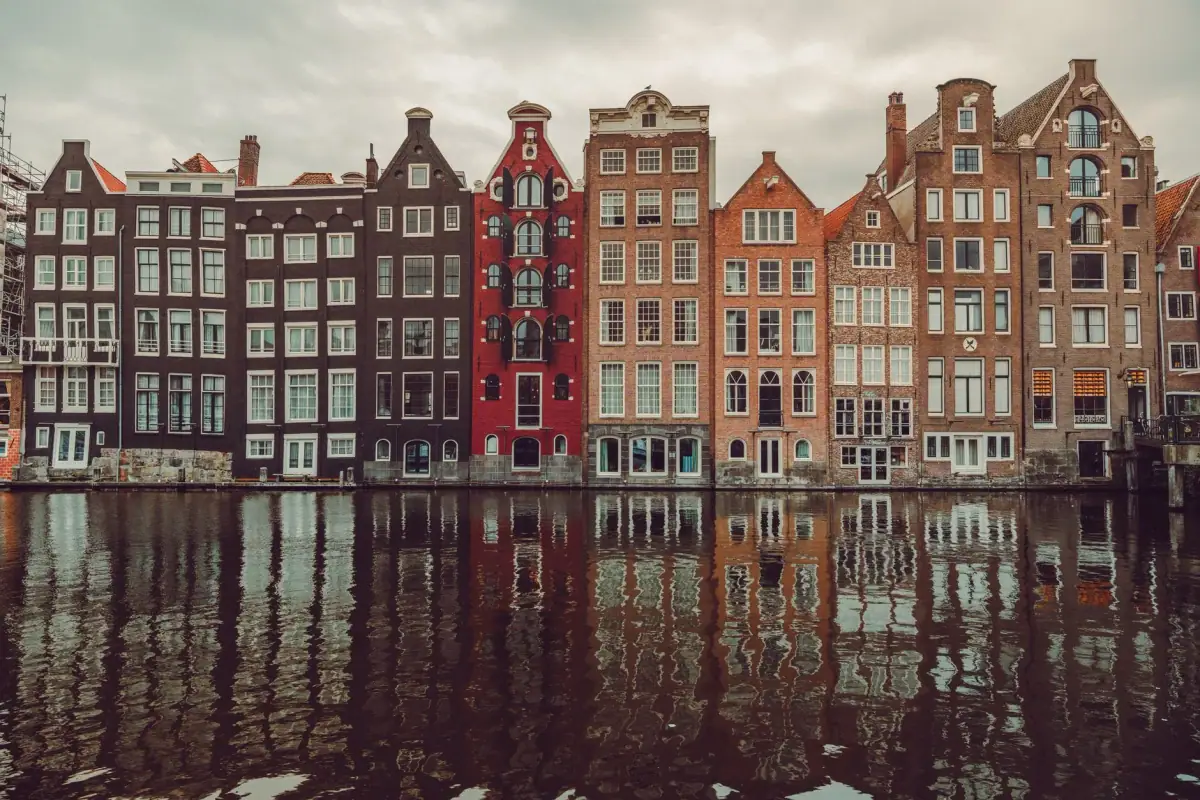
Amsterdam deserves two days. On the first, let the 17th-century canals, listed by UNESCO, carry you: the ring of great canals (Herengracht, Keizersgracht, Prinsengracht) can be covered on foot or by bike, and its narrow gabled houses are the very image of the city. Make a detour through the markets and small streets of the Jordaan district.
The second day is devoted to museums. The Rijksmuseum, the Van Gogh Museum and the Anne Frank House are the three big essentials: book your slots in advance on the official sites, because entries sell days, even weeks, ahead in season. Plan half a day per major museum, no more.
In the center, everything is done on foot, by bike or by tram. Watch out on bike lanes: bikes have priority there and ride fast.
🏨 Sleeping in Amsterdam: hotels are expensive and fill up fast. Neighborhoods near the central station and the Jordaan make getting around easier. Compare offers for your dates.
Day 3: Haarlem and Zaanse Schans
Northwest of Amsterdam, two stops combine well in one day. Haarlem, about 15 to 20 minutes by train from the capital, is a quieter city, organized around the large Markt square and St. Bavo Church. Its lanes and small shops make it a pleasant pause after Amsterdam’s bustle.
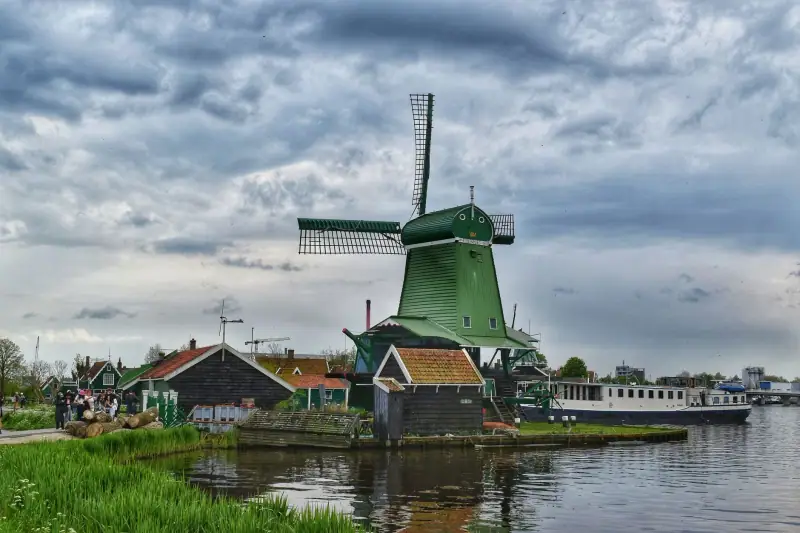
Zaanse Schans, on the Zaan river, is a district of windmills, green wooden houses and traditional workshops. You discover working windmills, a cheese maker and a clog workshop. It is very busy: come early in the morning or late in the afternoon for more calm.
In spring, the bulb fields between Haarlem and Leiden are covered in color. Keukenhof park is open only a few weeks a year: if your trip falls in that period, you can replace the Haarlem visit with it.
🎟️ Excursions around Amsterdam: canal cruises, windmill visits and bike outings can be compared online before leaving.
Day 4: The Hague and Delft
Take the train south to reach The Hague, seat of the Dutch government and of several international justice institutions. The Binnenhof, the historic heart of political power, is visited from the outside, and the Mauritshuis museum shows notably Vermeer’s Girl with a Pearl Earring, a small but high-quality visit.
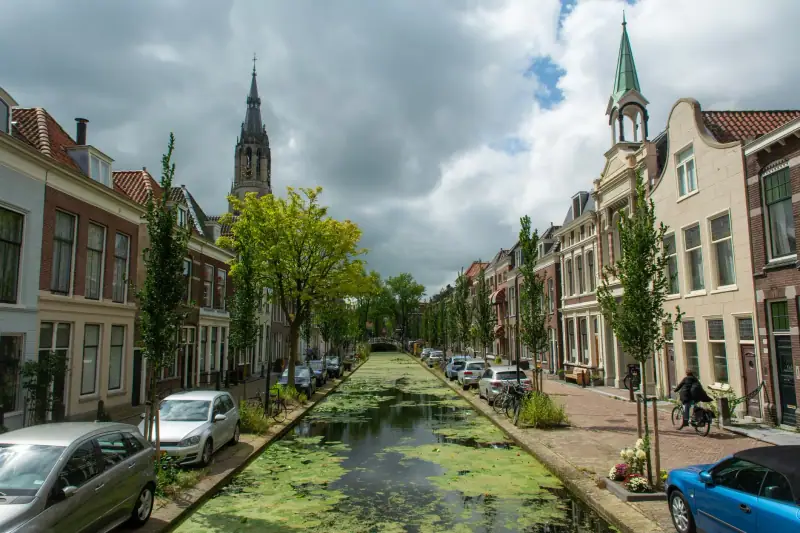
In the afternoon, reach Delft, a few minutes away by train. The city is famous for its blue-and-white pottery, which you discover in workshops and shops in the center. The painter Vermeer lived there. Its old town, crossed by canals, is visited on foot in two or three hours. Climb one of the big churches on the Markt if you want an overview.
Delft is close to The Hague and Rotterdam: it is a good base if you prefer a calmer city as a base for two nights.
Day 5: Rotterdam and Kinderdijk
Rotterdam is the exact opposite of old Amsterdam: the center was destroyed in 1940 during the war and rebuilt with modern, bold architecture. See the Erasmus Bridge, the Markthal (a market hall under an inhabited arch) and the Cube Houses, three symbols of the city. The port of Rotterdam is the largest in Europe, and a boat trip lets you gauge its scale.
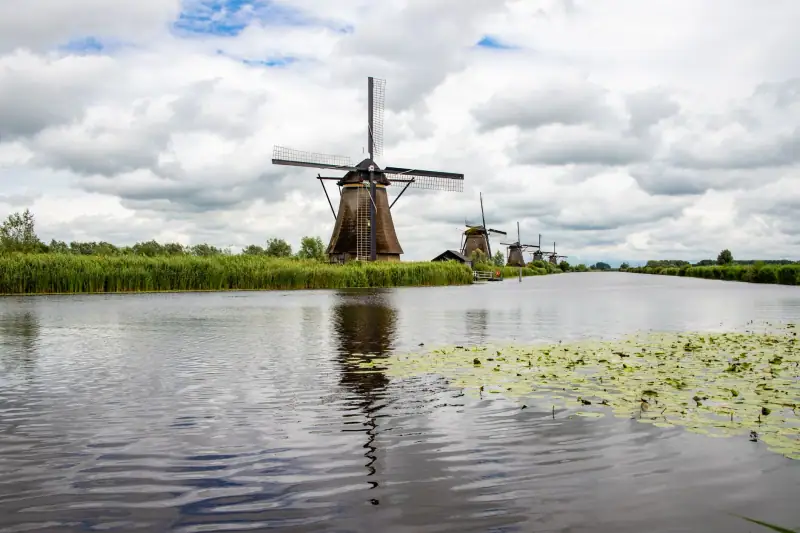
From Rotterdam, reach Kinderdijk, a site of windmills lined up along canals, listed as a UNESCO World Heritage site. Access is by water bus or public transport, with a trip of under an hour from the city center. You walk or ride a bike between the windmills, some of which can be visited.
Plan half a day for Kinderdijk and the rest for Rotterdam, starting with the windmill site to avoid the afternoon crowds.
🏨 Sleeping in Rotterdam: the city often offers better value than Amsterdam, with good train links to all the stops on this circuit.
Day 6: Utrecht, the two-level city
Utrecht is a pleasant university city, about half an hour from the capital by train. Its main asset: canals dug on two levels, with wharves below street level where cafés and terraces now sit. The cathedral tower, the Dom, is the tallest bell tower in the country and offers a broad view of the city if you don’t mind climbing the steps.
Stroll along the Oudegracht wharves, visit the small independent shops and take a break in a café by the water. Utrecht is also known for its student life, which gives it a more relaxed atmosphere than Amsterdam’s.
Day 7: a national park or a quiet return
The last day depends on your return flight and your energy. If you have time, De Hoge Veluwe National Park, east of Utrecht, is a vast area of forests, heath and dunes where you get around by bike, with a modern art museum, the Kröller-Müller, in the middle of the park. It is a lovely way to end the trip away from the cities.
If you prefer to stay calm, return to Amsterdam and enjoy a last walk on the canals, a market or a coffee. Remember to keep a comfortable margin to reach Amsterdam Schiphol Airport, well linked to the central station by train.
🎟️ Activities in the Netherlands: guided tours, cruises and bike outings can be compared online before leaving, often with free cancellation.
Tips for organizing the circuit
- Transport: the train is the simplest way to link the cities. Rechargeable transit cards are handy once you arrive, but compare with single tickets if you make few trips.
- Bike: renting a bike is one of the best ways to experience the country. Respect the signs and always lock your bike.
- Payment: bank cards are widely accepted, sometimes better than cash.
- Weather: always bring rain gear, even in summer. The weather changes fast.
- Insurance: a full travel insurance policy protects against cancellation and lost luggage; compare offers before you leave.
Frequently asked questions
How many days do you need to visit the Netherlands?
A week lets you see the essentials: Amsterdam, Haarlem, The Hague, Delft, Rotterdam, Kinderdijk and Utrecht. The country is small and very well served by train, which avoids losing time in transfers.
Do you need to rent a car for this itinerary?
No. Cities are linked by frequent trains and parking is expensive and complicated in the centers. A car is only useful to explore the countryside or isolated nature parks.
What is the best period for this circuit?
From April to September for long days and outdoor café seating. Tulip fields bloom in spring, and Keukenhof park is open only a few weeks in that season: check its dates before booking.
Do you need a visa for the Netherlands?
Entry rules depend on your passport. Check the official travel advice of your government before you book: travel.state.gov (US), GOV.UK (UK), travel.gc.ca (Canada), Smartraveller (Australia) (checked November 2026).
Can you add Belgium or Germany to this circuit?
These countries are close but are not part of this guide.
More Netherlands guides
Keep reading
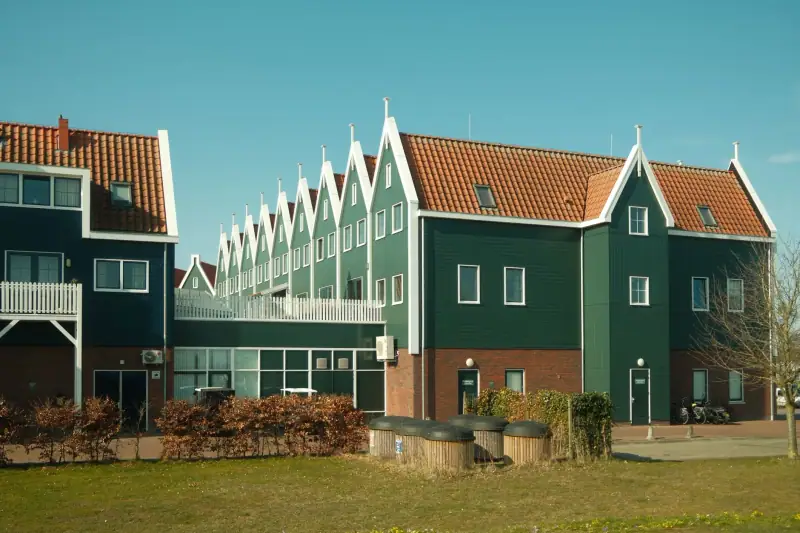
What to See in North Holland: Villages, Cheese and Dunes
What to see in North Holland: Haarlem, Zaanse Schans, Volendam, Marken, Edam, Alkmaar, Zandvoort dunes and Texel. Tips and trips from Amsterdam.
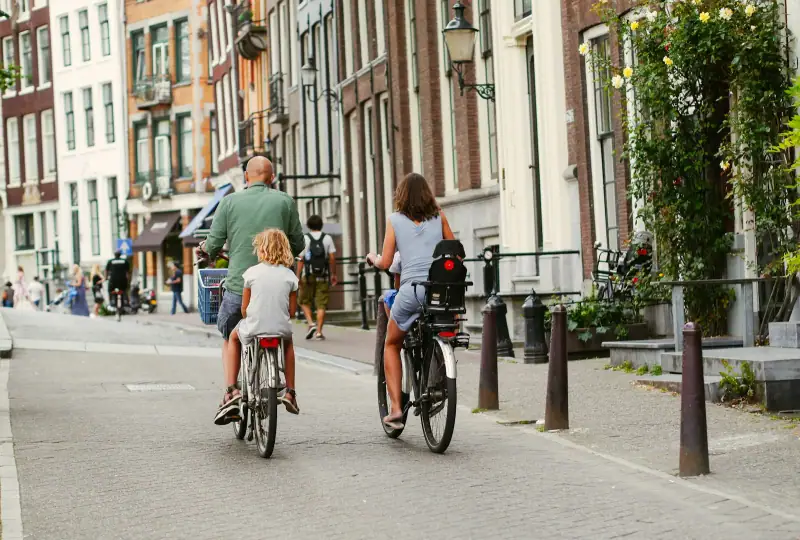
The Netherlands with Kids: Trip Ideas and Activities for Children
Traveling to the Netherlands with children: zoo, interactive museums, miniatures, beach, cycling and parks. Trip ideas by age, city and length.
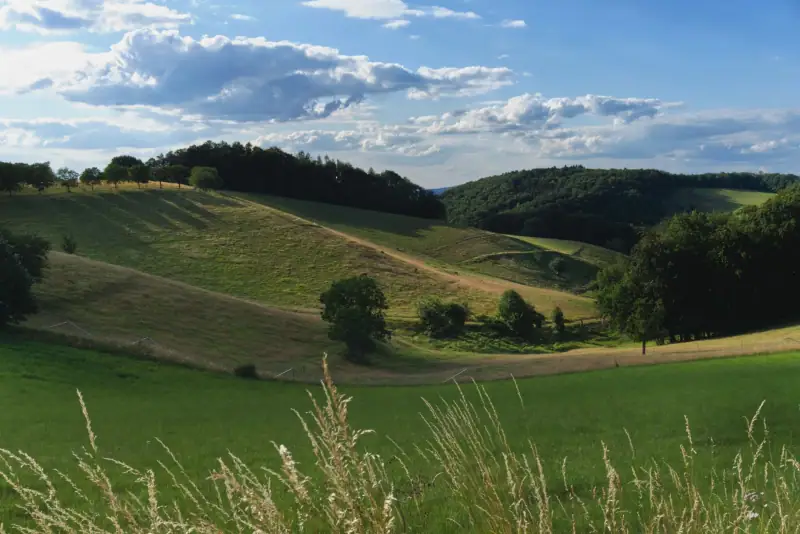
What to See in Dutch Limburg: Valkenburg, Thorn, Roermond
Beyond Maastricht, Limburg offers hills, marl caves, the white village of Thorn, Roermond and the country's highest point. What to see and how to plan.
Ready-made
Netherlands itineraries
4 days
Amsterdam and Maastricht in 4 Days Without a Car: Is It Doable by Train?
AmsterdamMaastricht