Plan your trip
When to Go to the Netherlands: Tulips, Weather and Seasons Month by Month
We may earn a commission when you book through links on this page, at no extra cost to you. We don't visit or try the places we cover: we summarize published sources. How we work
In short
- April and May are the most popular months thanks to the tulip fields and Keukenhof; June and September are good compromises for mild temperatures and fewer people.
- Tulip fields generally bloom from mid-April to early May, depending on the weather of winter and spring; dates vary from year to year.
- The cheapest period is November to March, outside year-end holidays, especially in Amsterdam.
- The climate is oceanic: rain is possible in any season, often in brief showers, so a light raincoat is useful all year.
The Netherlands can be visited all year, but the country does not show the same face in April as in November. The climate is oceanic, temperate and changeable: seasons are mild, rain can appear at any moment, and the wind, in a flat country, is often felt. The right time therefore depends mostly on what you come for: tulips, canal-side terraces, museums under cover or a low-cost winter weekend.
This guide reviews the seasons, what you can do in each, the crowds to expect and the impact on the budget. The temperatures quoted are orders of magnitude: check the forecasts for your period before packing.
Spring: tulip season

Spring is the country’s classic picture. From mid-March, the Keukenhof flower park, near Lisse, opens its doors for only a few weeks, generally until mid-May. The exact dates change every year: check the park’s official site for the season you are interested in and book your tickets ahead, because weekends sell out.
The tulip fields, for their part, most often bloom from mid-April to early May, in the bulb region between Haarlem and Leiden. An early or late bloom can shift this window by several days, even one to two weeks: it is better to keep some flexibility in your dates. Do not walk in the fields, which are private crops: you admire them from the paths and bike lanes.
Weather-wise, days are cool to mild, with sunny spells and showers. Pack layers, a windbreaker and shoes that can handle dampness.
Another spring event: King’s Day, on April 27, when the country turns orange and Amsterdam becomes very lively. It is a memorable experience, but lodging is expensive and the streets crowded, so book very early.
🏨 Sleeping in Amsterdam in spring: April and May are the most requested months. Compare hotels and book as soon as your dates are set, preferably with free cancellation.
Summer: terraces, cycling and long days
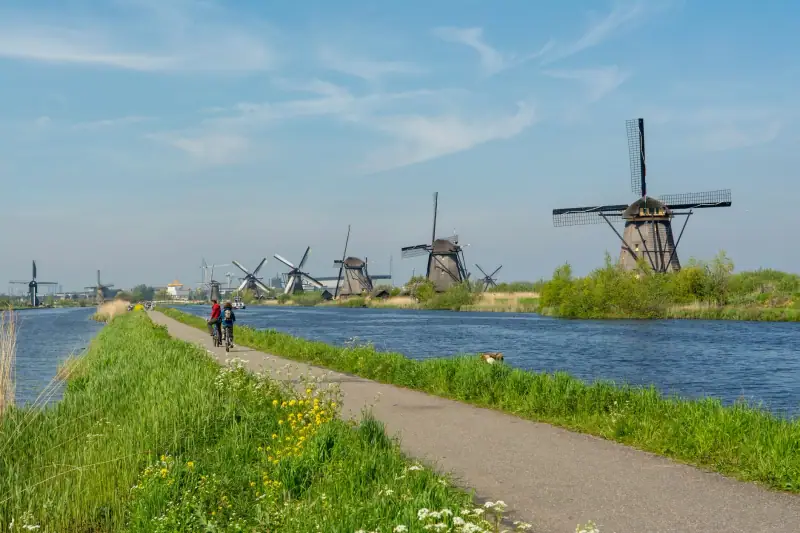
From June to August, days are long and the light lasts late into the evening. Temperatures are pleasant, often around 20 to 25 °C (68 to 77 °F) in the afternoon, with a few possible heat spikes. It is the ideal season for cycling, boat rides on the canals, terraces and the North Sea coast beaches, reachable by train from several big cities.
Crowds are heavy in Amsterdam, and the most famous sites, such as the main museums, the Anne Frank House or the Kinderdijk windmills, require planning ahead. To avoid the crowds, go in the first hours of the day and choose quieter cities like Utrecht, Delft or Haarlem. Lodging prices are high in July and August, especially on weekends.
Thunderstorms and showers remain possible: a Dutch summer is not a Mediterranean summer. Always keep a light rain jacket in your bag.
Fall: golden light and fewer people
September is often considered one of the best months of the year: temperatures stay mild, the summer crowd disperses, and prices start to fall. Parks and forests, such as De Hoge Veluwe National Park, take on their fall colors in October, and the cities return to a quieter rhythm.
From October, days shorten quickly, the air cools, and rain becomes more frequent. It is also the ideal season to enjoy museums, warm cafés and comfort food. The hours of some outdoor tourist sites may be reduced: check them before going.
🎟️ Tours and excursions: canal cruises, guided tours, day excursions from Amsterdam. Compare the offers and time slots available for your travel period.
Winter: calm, museums and low prices
Winter is the calmest and cheapest season, outside the year-end holidays. Temperatures are often a few degrees above freezing, with a gray sky, wind and dampness that give a sharper feeling of cold than the thermometer indicates. Snow remains occasional, and the canals freeze enough for skating only in particularly cold winters, which does not happen every year.
In return, it is the ideal time for museums, traditional brown cafés, Christmas markets and year-end lights. The Amsterdam Light Festival generally illuminates the canals in winter: check the dates and route of the current edition on the official site before planning.
Days are short: it gets dark early in December, which limits outdoor visits. Plan a mostly indoor program, and keep walks for the brightest hours.
How to choose according to your trip
- Seeing the tulips: aim for mid-April to early May, with flexible dates and early booking.
- Cycling and terraces: June to September, with a preference for June and September to avoid peak crowds.
- Tight budget: November to March, outside holidays, and on weekdays rather than weekends.
- Avoiding the crowds: September, October and early spring, before school vacations.
- Family trip: school vacations raise prices and crowds, especially in July and August.
Whatever the season, trains link the cities very well, and a car is rarely needed. To organize your stops day by day, see the 7-day itinerary in the Netherlands.
Preparing your stay by season
Entry rules depend on your passport. Check the official travel advice of your government before you book: travel.state.gov (US), GOV.UK (UK), travel.gc.ca (Canada), Smartraveller (Australia) (checked November 2026). Consider travel insurance if you want to cover cancellation or luggage, and compare offers before you leave.
For packing, the rule is layering: a sweater, a light raincoat, comfortable shoes for cobblestones and, depending on the season, gloves and a hat or sunglasses. Even in summer, a light jacket is always a good idea.
🏨 Choosing lodging by season: outside spring and summer, rates are often lower, particularly outside weekends. Also think of Amsterdam's neighboring cities, often cheaper.
In short
If you had to remember only one period, choose late April for the tulips, or September for the balance between weather, prices and calm. In any case, plan your bookings ahead, stay flexible about rain, and leave room for the unexpected: a flat country, canals and a good bike are often enough to make a day a success.
Frequently asked questions
What is the best month to visit the Netherlands?
April and May are the most popular thanks to the tulip fields and Keukenhof park. For mild temperatures and fewer people, June and September are excellent compromises.
When can you see the tulip fields?
The bloom generally runs from mid-April to early May, depending on the weather of winter and spring. Dates vary from year to year: check bloom forecasts before booking.
What is the cheapest period?
From November to March, outside year-end holidays, lodging is generally more affordable, especially in Amsterdam. Weekends remain expensive in the city all year.
Does it rain often in the Netherlands?
The climate is oceanic: it can rain in any season, often in brief showers. A light raincoat is useful all year.
Do you need to book far in advance in spring?
Yes, especially for lodging in Amsterdam and for the busiest museums. Book several weeks ahead for April and May.
More Netherlands guides
Keep reading
Budget for a Trip to the Netherlands: Real Costs and 3 Priced Profiles
How much does a trip to the Netherlands cost? Lodging, transport, meals, museums: three priced budgets (thrifty, comfort, upscale) and tips to spend less.
What to See in North Holland: Villages, Cheese and Dunes
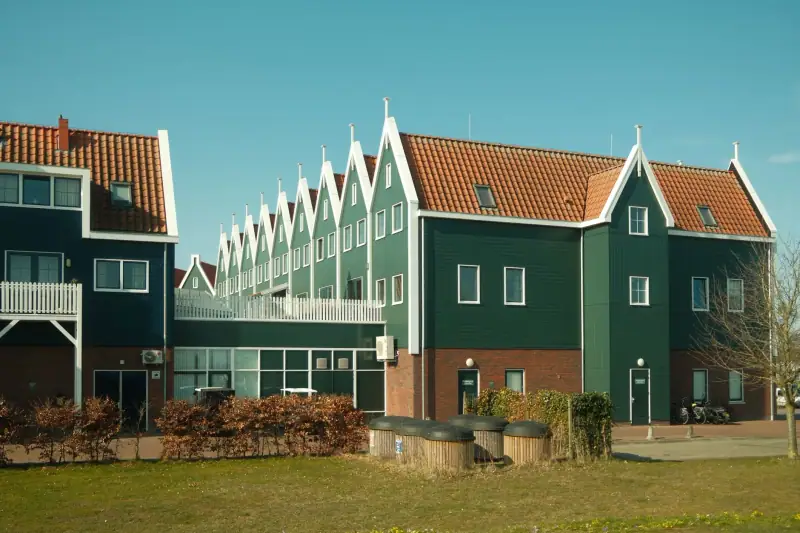
What to see in North Holland: Haarlem, Zaanse Schans, Volendam, Marken, Edam, Alkmaar, Zandvoort dunes and Texel. Tips and trips from Amsterdam.

The Netherlands with Kids: Trip Ideas and Activities for Children
Traveling to the Netherlands with children: zoo, interactive museums, miniatures, beach, cycling and parks. Trip ideas by age, city and length.
Ready-made
Netherlands itineraries

4 days
Amsterdam and Maastricht in 4 Days Without a Car: Is It Doable by Train?
AmsterdamMaastricht
7 days
Netherlands 7-Day Itinerary: Amsterdam, Delft, Rotterdam, Kinderdijk and Utrecht
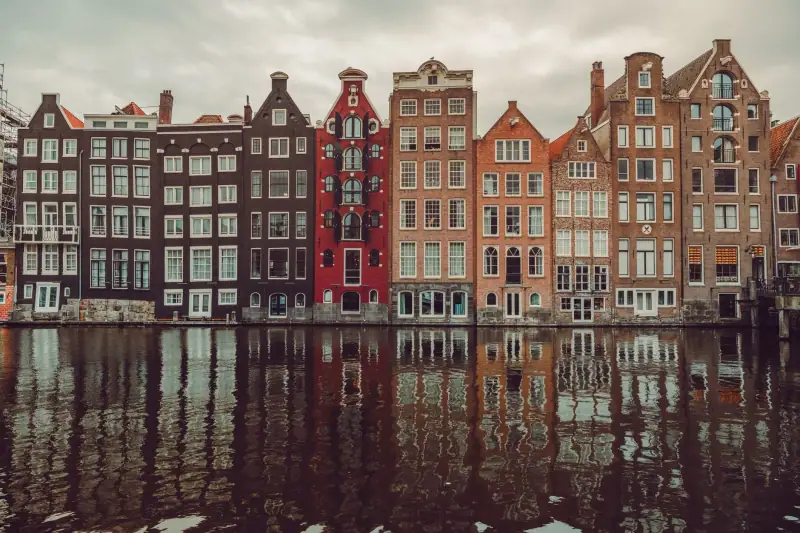
A one-week itinerary in the Netherlands by train: Amsterdam, Haarlem, Zaanse Schans, The Hague, Delft, Rotterdam, Kinderdijk and Utrecht, day by day.