What to see
Ambohimanga from Antananarivo: access, prices, hours and a half-day visit
We may earn a commission when you book through links on this page, at no extra cost to you. We don't visit or try the places we cover: we summarize published sources. How we work
In short
- Ambohimanga is about 20 km (12 mi) north of Antananarivo; allow 30 to 60 minutes by taxi or car with a driver, 1 h to 1 h 30 by public transport.
- According to a local guide, entry is 20,000 ariary for foreigners plus guiding fees of at least about 10,000 ariary; these figures are unofficial and change.
- The site is generally open daily, roughly 9 am to 4 pm; the tour of the rova takes about 1 h 30 to 2 h, a half day in all.
- Shoes are forbidden near the sacred Namontana tree; dress modestly and ask before photographing places of prayer.
The royal hill of Ambohimanga can be visited in half a day from Antananarivo, about 20 km (12 mi) north of the capital. You get there by taxi or car with a driver (30 to 60 minutes), more rarely by public transport, and the visit itself lasts about an hour and a half to two hours.
This place, a UNESCO World Heritage site, was the sacred city of the kings of Imerina and remains a place of prayer for the Malagasy. Here is how to organize the outing without wasting time: access, indicative prices, hours, rules to respect and pitfalls to avoid.
What is Ambohimanga, and is it worth the detour?
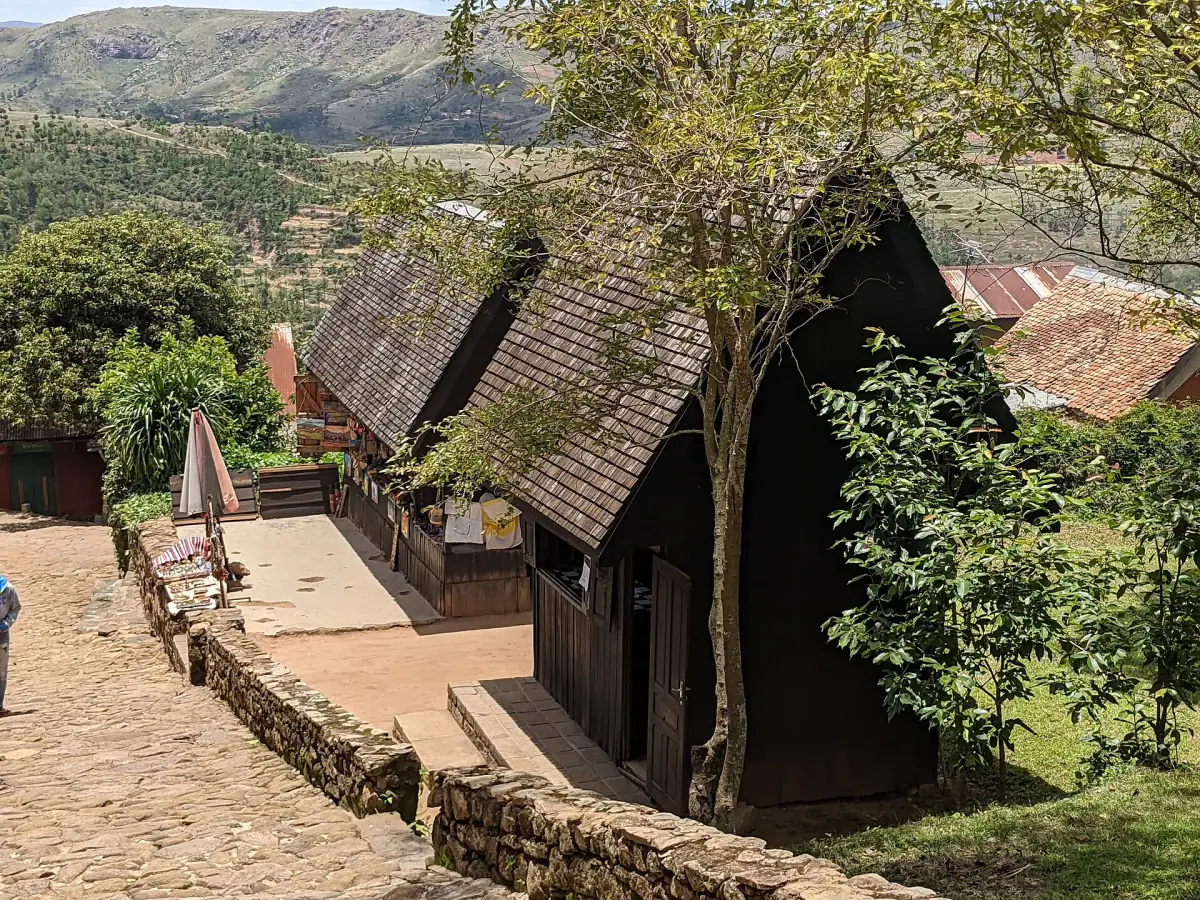
Ambohimanga is a fortified village perched on a hill, with a rova (royal enclosure) that holds King Andrianampoinimerina’s wooden palace, royal basins, tombs and a sacred tree. It is the best place near the capital to understand the history of the Merina kingdom and the place of ancestors in Malagasy culture.
It is worth the detour if you have even a slight interest in history and traditions. If you are looking for big landscapes or wildlife, it is better to save your time for Madagascar’s top sights. For an arrival or departure with a free half day, however, it is an excellent option.
How to get to Ambohimanga from Antananarivo
By taxi or car with a driver
This is the simplest solution. The trip goes along the RN3 toward Anjozorobe, then via a signposted turn toward the rova. Allow 30 to 45 minutes without traffic, an hour at rush hour. Negotiate the price before getting in, specifying the round trip and the wait during the visit (one to two hours). Your hotel can often arrange the transfer, which avoids haggling.
By public transport
Buses leave from districts such as Analakely or Ampasapito. The trip takes about 1 h to 1 h 30, with possible changes and limited comfort. It is doable on a small budget and with patience, less so with luggage or children.
Without a car: what to know
The climb to the rova is steep. Even by public transport, you will finish on foot. Bring water and good shoes.
Guided visits around Antananarivo
Compare the guided excursions offered from the capital, with transport and guiding.
Hours and prices of the visit
According to a local guide from the region, the site is generally open daily, from 9 am to 4 pm. For entry, the same source gives 20,000 ariary for foreigners, plus guiding fees of at least about 10,000 ariary, with a free amount depending on your satisfaction.
These figures are not official and may change: check at the ticket office or with your lodging. To place these expenses within your stay, see our guide to the budget in Madagascar. Bring cash in ariary, as card payments are not guaranteed there.
What to see inside the royal enclosure
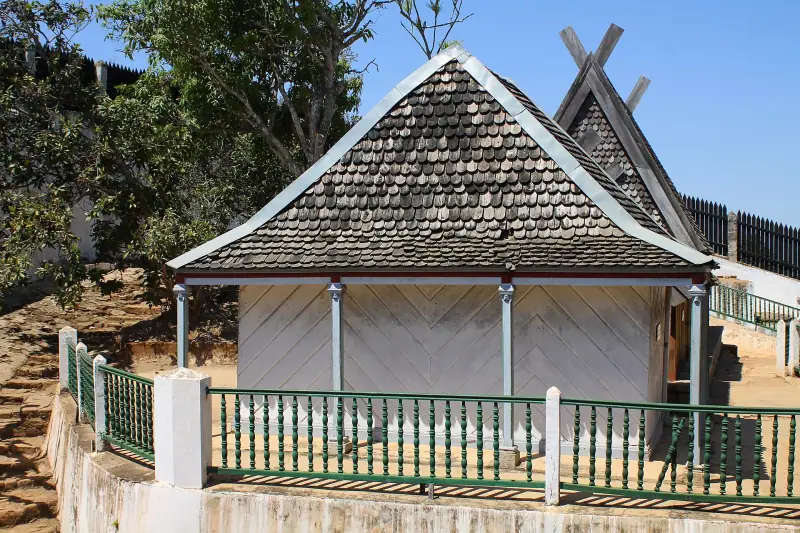
Your guide will generally take you through these stops:
- The gates: the enclosure has more than a dozen stone gates (the number varies by source). The best known, Ambatomitsangana, is closed with an enormous stone disc of about 12 tonnes that was rolled into place.
- The rampart: a wall built under Queen Ranavalona I, which legend says was bound with egg whites and lime.
- Mahandrihono palace: the black rosewood home of King Andrianampoinimerina, sober and surprisingly small.
- The royal basins: they were used for the annual purification, fed by a sacred spring.
- The sacred Namontana tree: planted near the palace, a symbol of protection. This is where shoes are forbidden.
- The royal tombs: a place for reflection, where visitors should stand quietly and respectfully.
- Ambatomiantendro rock: a viewpoint over the surrounding countryside.
Rules to follow at the site
Ambohimanga is a living place for believers. A few simple habits:
- take off your shoes when asked, notably near the Namontana tree;
- dress modestly, preferably with shoulders and knees covered;
- ask before photographing places of prayer or people praying;
- do not touch offerings and ritual objects;
- follow your guide in sacred areas: some are off-limits to visitors.
How much time to plan?
The tour of the rova lasts about an hour and a half to two hours. With the trip, that makes a full half day, or a whole day if you add lunch in the village and a walk in the surrounding forest.
| Stage | Indicative duration |
|---|---|
| Outbound trip from Antananarivo | 30 min to 1 h |
| Guided tour of the rova | 1 h 30 to 2 h |
| Lunch there (optional) | 1 h |
| Return trip | 30 min to 1 h |
| Total | 3 h 30 to 5 h |
What time to visit
Aim for mid-morning: the site is open, the light is good and you avoid evening traffic. From May to October, the dry season makes the climb more pleasant. In the rainy season, the paving stones become slippery, and fog can hide the view. For details, see our article on when to go to Madagascar.
Eating and drinking at the site
The village has a few small restaurants, including one near the rova that sometimes offers a traditional music show (hira gasy). For ideas on what to order, see our guide to Malagasy cuisine. Bring water: the climb and the sun dry you out quickly.
You have two simple options. The first: lunch in the village after the visit, on a terrace serving basic Malagasy dishes (rice, zebu, stir-fried vegetables, greens). The second: return to Antananarivo before 2 pm and have lunch in town, which avoids waiting for sometimes slow service. If you travel with children or have limited fitness, the second option is often more comfortable. In both cases, drink bottled water with a sealed cap and avoid ice cubes.
Where to stay to combine Ambohimanga and the capital
There is no need to sleep near the site: the outing is a day trip. Choose instead well-located lodging in Antananarivo; our article on where to stay in Antananarivo details the districts.
Hotels in Antananarivo
Compare hotels in the capital, where most outings to Ambohimanga start.
Practical tips before you go
- Check the security conditions before each trip and follow the official travel advice: travel.state.gov (US), GOV.UK (UK), travel.gc.ca (Canada), Smartraveller (Australia) (checked November 2026).
- Bring cash in ariary for entry, the guide and tips.
- Dress in layers: altitude makes mornings cool.
- Make sure you can reach your driver by phone; a local SIM card or an eSIM will help.
- Check entry rules: they depend on your passport, see the official sources above.
- Agree in writing on the price and waiting time with the driver.
For a wider overview, see our complete guide to Madagascar.
Frequently asked questions
How long does it take to get from Antananarivo to Ambohimanga?
Allow 30 to 45 minutes by car outside traffic jams, and often an hour at rush hour. By public transport, plan on 1 h to 1 h 30.
How much does entry to Ambohimanga cost?
According to a local guide, entry is 20,000 ariary for foreigners, plus guiding fees of at least about 10,000 ariary. These amounts change: confirm them at the ticket office or with your hotel.
What are the opening hours?
The site is generally open daily, roughly 9 am to 4 pm. Arrive late morning at the latest so you are not rushed.
Do you need a guide to visit Ambohimanga?
Nothing clearly requires it, but it is strongly advised: without explanations, the gates, basins and sacred places look like simple stones and wooden buildings.
Can you keep your shoes on inside the enclosure?
Yes, except near the sacred Namontana tree, where walking with shoes is strictly forbidden. Follow your guide's instructions, and respect places of prayer and tombs.
Is Ambohimanga accessible to people with reduced mobility?
With difficulty. The climb to the rova is steep and uneven. Come by car as close as possible and bring good shoes.
Can you combine Ambohimanga and Antananarivo's Upper Town on the same day?
Yes, it is the most common plan: Ambohimanga in the morning, lunch, then Upper Town at the end of the afternoon. Keep a margin for traffic.
More Madagascar guides
Keep reading
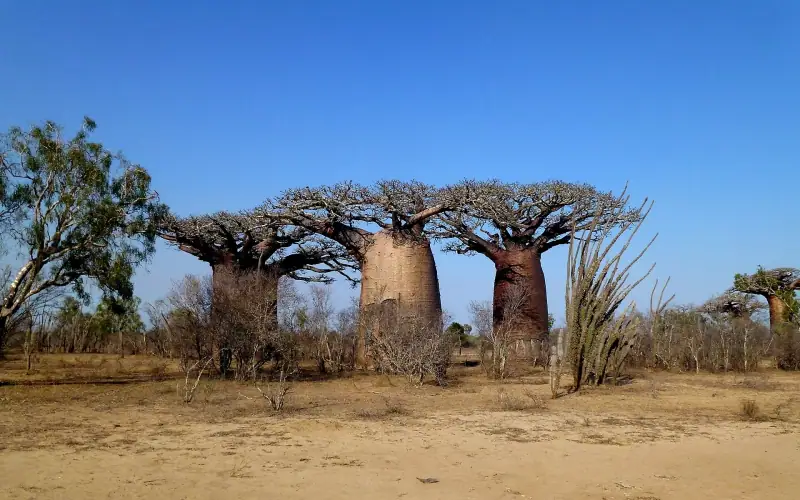
What to see in Madagascar: the 10 top sights
What to see in Madagascar? Baobabs, tsingy, Isalo, Andasibe lemurs, Nosy Be: a selection of 10 top sights to help you prepare your trip.
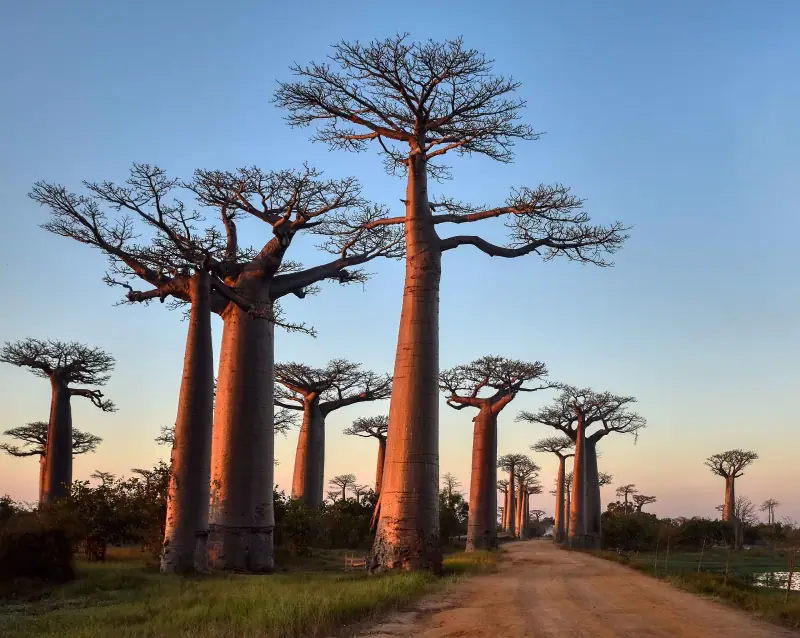
Avenue of the Baobabs in Morondava: how to visit
Guide to the Avenue of the Baobabs near Morondava: best time, getting there from Antananarivo, Kirindy, Bemaraha tsingy, length of stay and tips.

Complete guide to visiting Madagascar: regions, highlights and tips
Visiting Madagascar: regions, cities, highlights, when to go, how to get there and around, where to stay and budget. The main guide to prepare your trip.
Ready-made
Madagascar itineraries
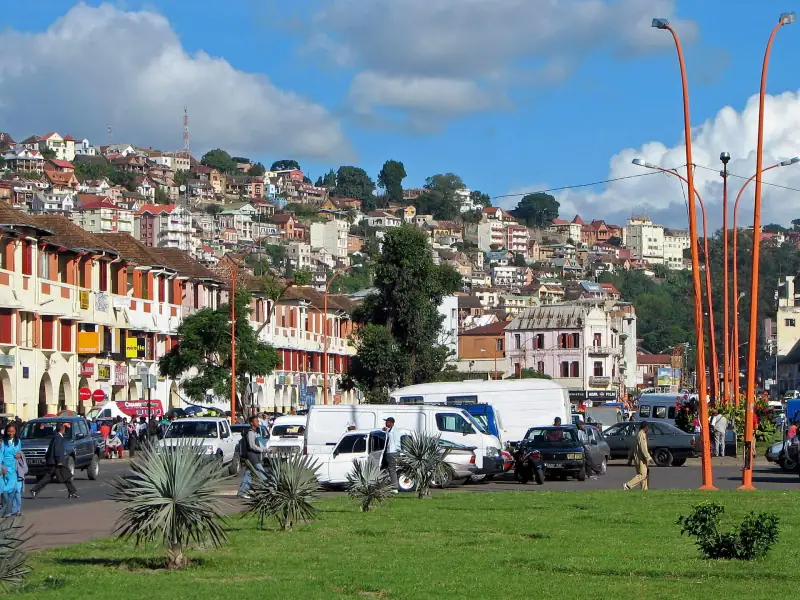
12 days
National road 7 in Madagascar: itinerary from Antananarivo to Toliara
Detailed RN7 itinerary in Madagascar: Antsirabe, Fianarantsoa, Ambalavao, Isalo and Toliara. Stages, drive times, practical tips and trip organization.
14 days
Madagascar in 2 weeks: day-by-day itinerary and variants
A 14-day itinerary in Madagascar: Andasibe, RN7, Isalo, beach, with two variants (West and baobabs, North and Nosy Be), pace, transport and time budget.
7 days
Northern Madagascar in 7 days: Diego Suarez, Ankarana and Montagne d'Ambre
7-day itinerary in northern Madagascar: Diego Suarez, Montagne d'Ambre, Red Tsingy, Ankarana, Ramena and an end in Nosy Be, with realistic trips and tips.