Plan your trip
Budget for a trip to Ireland: real costs and 3 priced profiles
We may earn a commission when you book through links on this page, at no extra cost to you. We don't visit or try the places we cover: we summarize published sources. How we work
In short
- Excluding flights, per person per day: about €80-120 (~$93-140) budget, €150-220 (~$175-255) mid-range, €250-350 (~$290-405) upscale, sharing a room.
- Over 7 days for one person in a couple, excluding flights: about €550-800 (~$640-930) budget, €1,050-1,500 (~$1,220-1,740) mid-range, €1,750+ (~$2,030+) comfort.
- Season, region (Dublin costs more) and how you get around change the bill most; June to August and St Patrick's week are the most expensive.
- Accommodation is the biggest expense, then restaurant meals and the rental car; many sights, trails and pub music sessions are free.
Preparing the budget for a trip to Ireland holds a few surprises: the island is beautiful, but it is not cheap. Accommodation weighs heavily, so do restaurant meals, and a rental car almost always adds to the bill as soon as you leave Dublin. The good news is that the landscapes, coastal trails, pub music and many free museums let you travel well without blowing your budget.
This guide details the real costs item by item, offers three priced budget profiles (budget, mid-range, comfort) and ends with concrete tips to spend less. The amounts are ballpark figures drawn from public sources and official prices consulted in October 2026; they change, especially with the season, so always check the price when you book.
Ballpark figures to keep in mind
Before going into detail, here is what most recent cost guides say, excluding flights: about €80 to 120 (~$93 to 140) per person per day for a budget trip, €150 to 220 (~$175 to 255) at mid-range and €250 to 350 (~$290 to 405) or more for upscale. These ranges assume a room shared by two, because solo accommodation quickly costs much more per person.
Three factors change the bill more than anything else:
- the season: June to August and St Patrick’s Day are the most expensive periods, November to February the cheapest;
- the region: Dublin costs more than Cork, Galway or the countryside;
- how you get around: a car shared by two or four people completely changes the calculation.
To choose your period, our guide on when to go to Ireland details the seasons and their effect on crowds.
Accommodation: the first expense
This is the item that weighs most on the budget. In 2026, the following benchmarks come up in public comparisons, per night:
- hostel (dorm bed): about €25 to 50 (~$29 to 58);
- B&B or guesthouse (double room): about €90 to 140 (~$105 to 160), Irish breakfast often included;
- 3-star hotel: about €120 to 180 (~$140 to 210);
- 4-star hotel: about €180 to 300 (~$210 to 350).
In Dublin, expect more: a hotel room easily exceeds €150 to 250 (~$175 to 290) in season, and event weekends or St Patrick’s Day push prices up even further. Outside the capital, the national average for a hotel is around €140 to 150 (~$160 to 175).
The B&B remains the most typical option and often the best value: the hearty breakfast (eggs, bacon, sausages, bread, tea) saves you a meal. It is often booked directly or via platforms; in summer, it is better to start several weeks ahead, especially in small towns like Dingle or Killarney. For the capital, our article on where to stay in Dublin compares the neighborhoods and their price levels.
Hostels, B&Bs and hotels: compare rates and availability for your dates, and book early in high season.
Transport: train, bus or rental car
Public transport
Dublin is very easy to visit without a car. The Leap Visitor Card (unlimited on Dublin Bus, Luas, DART and commuter trains in the Dublin area) is offered in one-, three- and seven-day versions, with prices of about €8 (~$9) for one day according to published information; check the current price before buying, because sources differ for longer versions. It also works to reach the airport on the relevant Dublin Bus routes.
For trips between cities, the train links Dublin to Galway: adult fares shown for 2026 range from about €13.55 to 21.65 (~$16 to 25) one way depending on the time, and booking early or traveling off-peak helps you pay less. Intercity buses complete the network, with fares up about 5% on average since January 2026 according to the local press.
The problem with public transport is the west coast: frequencies drop outside the big cities, and sights like the Dingle Peninsula, Connemara or the Burren are harder to reach without a vehicle. Guided day excursions from Dublin, Galway or Limerick fill this gap.
The rental car
It is often the best choice for a road trip. Recent sources put the average rate at around €25 to 40 (~$29 to 46) per day off-season and €50 to 70 (~$58 to 81) in July-August for a small car, with large differences depending on the agency and duration. On top of that come:
- insurance: basic cover is generally included, but with an excess (deductible) that can reach €1,200 to 2,500 (~$1,390 to 2,900); a “zero excess” option costs around €14 (~$16) per day at many rental companies;
- the deposit, held on a credit card;
- fuel: in August 2026, a liter was around €1.84 (~$2.13, about $8.10 per gallon) for gasoline and €1.92 (~$2.23, about $8.45 per gallon) for diesel according to public figures;
- possible fees for an additional driver, a child seat or drop-off in another city.
A worked example: for a week at €45/day, €15 per day for the zero-excess option and about €100 of fuel, the bill exceeds €500 (~$580), or €250 (~$290) per person for two. Automatic cars often cost more and need to be booked earlier. Our guide on renting a car in Ireland details driving on the left, insurance and pitfalls to avoid.
Tolls, finally, remain modest but exist on some motorways around Dublin, notably the M50, with an online payment to make soon after passing.
Meals: pubs, restaurants and groceries
Meals weigh heavily, especially at restaurants. Recent public benchmarks indicate:
- breakfast at a café: about €8 to 15 (~$9 to 17) (free if included in a B&B);
- lunch: about €10 to 20 (~$12 to 23) for a sandwich, soup or a simple dish;
- pub dish: about €18 to 28 (~$21 to 32);
- restaurant dinner: about €30 to 60 (~$35 to 70) per person, drinks extra;
- pint of beer or Guinness: about €5.50 to 7.50 (~$6 to 9) outside the capital, up to nearly €9 (~$10) in very touristy Dublin pubs.
The right strategy is to alternate. A hearty B&B breakfast, a light lunch (soup and brown bread, sandwich, daily special) and a pub dinner cost much less than two restaurant meals a day. Supermarkets also let you put together picnics for hiking or driving days.
If you want to know what to order, our article on Irish food and its specialties presents the must-try dishes, from Irish stew to soda bread.
Day excursions, distillery or brewery visits and guided circuits: compare offers and prices by departure city.
Activities and visits: what costs, what is free
The big attractions charge admission, but the country also offers many free pleasures. Here are some published price benchmarks for 2026, to check before your visit because several sites use variable pricing:
- Cliffs of Moher: the price shown on the official site is €15 (~$17) full price at the gate, with better rates when booking online for certain slots (early morning or late afternoon); €12 (~$14) for students and seniors, free for accompanied children under 12. The ticket includes parking, the visitor center and access to O’Brien’s Tower when open. See our guide to the Cliffs of Moher and the Burren;
- Guinness Storehouse (Dublin): dynamic pricing, with adult tickets shown from about €25 to 30 (~$29 to 35) depending on the slot and period;
- Book of Kells (Trinity College, Dublin): standalone entry advertised from about €25 (~$29), with a time-slot booking essential in summer;
- Giant’s Causeway (Northern Ireland): the price depends on the option chosen, and the site area can be reached on foot by the public coastal paths. Details in our article on the Giant’s Causeway.
Many experiences cost nothing or almost nothing: hiking in the Wicklow Mountains around Glendalough, walks on the beaches and cliffs of the west, Dublin’s parks, a traditional music session in a pub (you just need to buy a drink). Several national museums in the capital are free to enter, but check their hours and any paid exhibitions.
To budget, allow €15 to 25 (~$17 to 29) per person per day on average if you alternate paid sights and free activities, and more if you multiply guided excursions, cruises or indoor visits.
Three priced budget profiles for 7 days
The calculations below are for one traveler in a couple, for 7 days, excluding flights, with room and car shared. They are rounded estimates, not guaranteed prices.
Budget profile: about €550 to 800 (~$640 to 930) per person
- Accommodation: hostels or simple B&B rooms outside high season, about €35 to 55 (~$41 to 64) per person per night;
- Transport: train and bus, or a small car shared by two in low season;
- Meals: breakfast at the B&B or hostel, supermarket groceries, a pub meal now and then;
- Activities: mostly free (hikes, beaches, towns), one or two paid entries.
This is the profile of those who travel outside summer and accept limiting extras. It matches the low end of the €80 to 120 (~$93 to 140) per day quoted in public comparisons.
Mid-range profile: about €1,050 to 1,500 (~$1,220 to 1,740) per person
- Accommodation: B&B or 3-star hotel in a double room, about €60 to 90 (~$70 to 105) per person per night;
- Transport: rental car shared by two with fuel and enhanced insurance, about €250 to 300 (~$290 to 350) per person over the week;
- Meals: one restaurant or pub meal a day, the rest light, with a few pints;
- Activities: three to four paid sights and one guided excursion.
This is the most common case for a classic road trip on the west coast in spring or early fall. To build the itinerary, see for example our Kerry and Dingle road trip in 4 days or the Connemara and Galway road trip in 3 days.
Comfort profile: €1,750 (~$2,030) and up per person
- Accommodation: 4-star hotels, manor houses or castle hotels, about €100 to 150 (~$115 to 175) per person per night or more;
- Transport: a roomier or automatic car, zero-excess insurance, possibly a driver-guide for a day;
- Meals: quality restaurants every evening, with wine and dessert;
- Activities: private excursions, cruises, guided visits.
This level suits those who prioritize comfort and gastronomy. It can go much higher in the most prestigious properties or in peak season in Dublin.
Summary
| Item (7 days, per person) | Budget | Mid-range | Comfort |
|---|---|---|---|
| Accommodation | €250-380 (~$290-440) | €420-630 (~$485-730) | €700-1,050 (~$810-1,220) |
| Local transport | €50-150 (~$58-175) | €250-300 (~$290-350) | €300-450 (~$350-520) |
| Meals and drinks | €150-200 (~$175-230) | €250-350 (~$290-405) | €400-550 (~$465-640) |
| Activities | €50-80 (~$58-93) | €100-150 (~$115-175) | €150-250 (~$175-290) |
| Total excluding flights | €550-800 (~$640-930) | €1,050-1,500 (~$1,220-1,740) | €1,750+ (~$2,030+) |
Do not forget to add the flight, any travel insurance, your personal purchases and a small safety cushion of about 5 to 10% for the unexpected.
Ticket prices vary strongly by season and airline: compare options from your city before fixing your dates.
Tips to spend less in Ireland
A few simple levers can noticeably reduce the bill without cutting the experience:
- Travel off-season. May, June outside weekends, September and October offer a good compromise between weather, light and price. Winter is the cheapest, but days are short.
- Book early. Accommodation, car and tickets for big attractions cost less when you start long in advance, and fill up in summer.
- Favor a B&B with breakfast. A good Irish breakfast often lets you skip or lighten lunch.
- Sleep outside central Dublin. Slightly outlying neighborhoods, well served by tram or bus, are cheaper than the tourist center.
- Share the car. With four people, the cost of rental and fuel per person becomes very reasonable.
- Book attractions online. The Cliffs of Moher, for example, offer better rates on certain slots when you book ahead.
- Eat at pubs and supermarkets. Pub dishes are generous and supermarket ready-meal aisles help out at lunch.
- Compare excess insurance. The rental company’s “zero excess” option is convenient but costly; look into your credit card cover or an independent policy before paying twice.
- Avoid Temple Bar pubs for drinking. Pints there are pricier than in neighboring districts.
- Enjoy the free activities. Walks, beaches, parks, national museums, music sessions: the best moments often cost little.
Finally, think about currency: the Republic of Ireland uses the euro, so check your card’s foreign transaction fees and your carrier or bank’s exchange terms before you go. Card payments are very widespread, which limits the need for cash. Be careful, though, with Northern Ireland, which belongs to the United Kingdom and uses the pound sterling: if your route passes through Belfast or the Giant’s Causeway, plan to pay in pounds and check your bank card’s fees.
How to build your own budget
A simple method to get a reliable figure:
- Set the number of nights and the region, then estimate accommodation by multiplying the average price per night (per person if you share).
- Choose your transport: calculate car + fuel + insurance, or train and bus tickets.
- Count meals: €35 to 60 (~$41 to 70) per day per person for a mix of pub, groceries and an occasional restaurant.
- List the paid activities you absolutely want to do, with their current price on the official site.
- Add 10% margin for the unexpected, tips, parking and souvenirs.
If the total exceeds your envelope, start with the season and accommodation, which together make up the biggest share of spending. With a bit of preparation, Ireland remains affordable, and its landscapes are well worth the planning effort.
Sources
- Leap Card (Transport for Ireland): prices checked November 2026
- Guinness Storehouse: prices checked November 2026
Frequently asked questions
What budget should you plan for a week in Ireland?
Excluding flights, plan about €550-800 (~$640-930) per person on a tight budget, €1,050-1,500 (~$1,220-1,740) at mid-range comfort and more than €1,750 (~$2,030) for an upscale stay. These amounts assume two travelers sharing the room and the car.
Is Ireland an expensive country?
Yes, it is among the most expensive destinations in Western Europe, especially for accommodation and dining. Dublin is clearly more expensive than the rest of the country, and summer pushes nightly rates up.
How much does a pint of Guinness cost?
Generally between €5.50 and €7.50 (~$6-9) outside the capital, and more in Dublin's touristy pubs such as those in Temple Bar, where it can approach €9 (~$10). Prices vary from place to place.
Is it better to rent a car or use public transport?
For a city break in Dublin or Galway, train and bus are enough. For the west coast (Kerry, Connemara, Clare), a car remains the most practical way and, for two or four people, often the most cost-effective once the cost is shared.
What is the cheapest month to visit Ireland?
Prices are generally lower from November to February, outside the year-end holidays. Conversely, June to August and St Patrick's week are the most expensive periods.
Do you need to bring cash?
Bank cards are accepted almost everywhere, including in pubs and small shops. A little cash can help out in some remote places, but you do not need to carry much.
Should you tip?
It is not mandatory. In a restaurant with table service, it is customary to leave about 10% if the service satisfied you, sometimes already added to the bill for large tables. In pubs, people do not systematically tip.
More Ireland guides
Keep reading
When to go to Ireland: weather, seasons and best time to visit
What is the best time to go to Ireland? Weather, daylight, crowds and festivals: compare spring, summer, fall and winter to plan your trip.
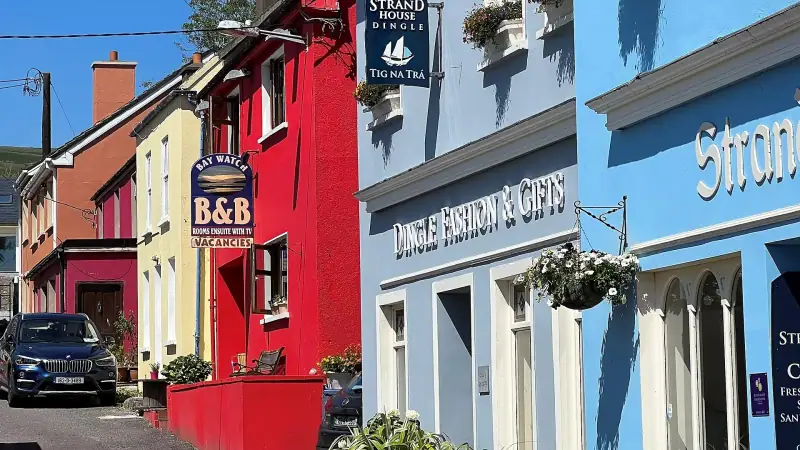
Where to stay in Dingle: town center, harbor or Slea Head, which base to choose?
Where to stay in Dingle? Center, harbor, edge of town or peninsula villages (Ventry, Ballyferriter): how to choose, parking, B&Bs and booking.
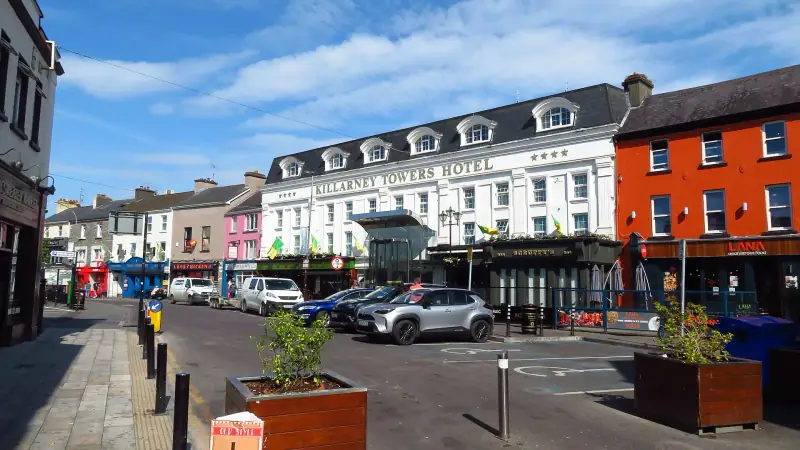
Where to stay in Killarney: town center, lakes and B&Bs for exploring Kerry
Where to stay in Killarney? Town center, Muckross road, national park edges, B&B or hotel: areas, budget and tips for booking before the Ring of Kerry.
Ready-made
Ireland itineraries
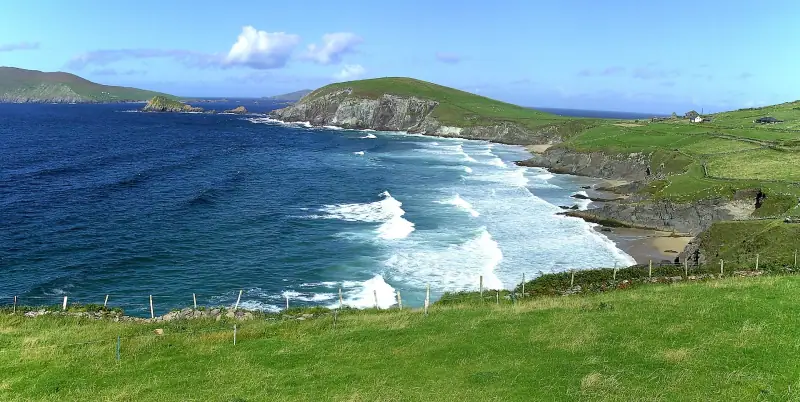
4 days
Kerry and Dingle road trip in 4 days: complete itinerary
KillarneyDingle
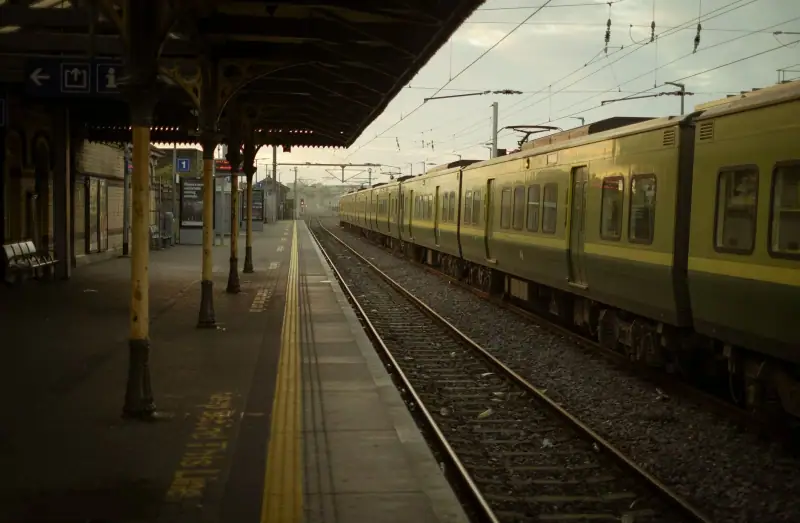
7 days
Ireland in 7 days without a car: a realistic train and bus itinerary
DublinGalwayKillarney
3 days
Visiting Dublin in 3 days: day-by-day itinerary
What to do in Dublin in 3 days? Trinity College, Guinness Storehouse, Kilmainham Gaol, Temple Bar and a trip to Howth: a walking itinerary with tips.