Plan your trip
When to go to Ireland: weather, seasons and best time to visit
We may earn a commission when you book through links on this page, at no extra cost to you. We don't visit or try the places we cover: we summarize published sources. How we work
In short
- May to September is the best window, with May, June and September the best compromise: long days, mild temperatures and fewer crowds than midsummer.
- Averages: 5 to 8 °C (41 to 46 °F) in winter, 15 to 20 °C (59 to 68 °F) in summer; rain is possible year-round, more in the west.
- Book several months ahead for July, August and St Patrick's Day (March 17), especially in Dublin and the touristy west.
- Always pack a waterproof, windproof jacket, light layers and waterproof shoes.
Choosing when to go to Ireland is mostly about balancing three criteria: light, crowds and budget. The island has a temperate oceanic climate: never extreme heat or deep cold, but a sky that changes fast and rain possible in any season. The real question is therefore not finding a month without rain, but choosing the one that matches how you travel.
This guide details each season, then offers advice according to your plan: a road trip on the west coast, a city break in Dublin, hiking or discovering pubs and traditional music.
The Irish climate in brief
Ireland is influenced by the Atlantic Ocean and the Gulf Stream, which soften temperatures. Winters are cool but rarely freezing, summers pleasant but rarely scorching. Expect average temperatures of around 5 to 8 °C (41 to 46 °F) in winter and 15 to 20 °C (59 to 68 °F) in summer, with differences between regions.
The west coast, facing the Atlantic, gets more wind and rain than the east of the country. The Cliffs of Moher, Connemara or the Dingle Peninsula can thus see several moods in the same day. Conversely, Dublin, more sheltered, is often a little drier.
This variability is precisely what gives the landscapes their character: the low light after a shower, rainbows and the deep green of the meadows are inseparable from the climate. Accept rain as part of the trip and plan fallbacks, such as a museum, a pub or a distillery.
A practical rule: dress in layers and always keep a waterproof jacket within reach. An umbrella stands up poorly to the wind on the coast; a good windbreaker is far more useful.
Spring (March to May): cool air and nature waking up
Spring is an excellent time for those who want to avoid the crowds. Days lengthen quickly, landscapes turn green again and the first coastal paths become pleasant. Temperatures stay cool, especially in the morning and evening, and showers are frequent.
It is also the time of St Patrick’s Day, March 17. Dublin then hosts a big festival around the national holiday, with parades and entertainment. The atmosphere is exceptional, but accommodation fills up and prices climb: book early if you want to attend.
April and May are particularly interesting for a road trip. Roads are less crowded than in summer, most tourist sights are open and rates stay more reasonable than in high season. May offers an excellent balance of light, mildness and calm.
Hotels and guesthouses in Dublin: compare rates and availability, especially around St Patrick's Day.
Summer (June to August): long days and high season
Summer is the most popular season, and for good reasons. Days are very long: at the height of summer it stays light until late in the evening, which lets you fit in sightseeing, hikes and evening strolls. Temperatures are mild, ideal for walking, and ferries to the islands run at full capacity.
The flip side is the crowds. On the Ring of Kerry, at the Cliffs of Moher or at the Giant’s Causeway, coaches multiply and parking lots fill up. Accommodation shows its highest rates, and you often have to book several months ahead, particularly in small tourist towns.
A few habits to enjoy summer better:
- arrive early in the morning or late in the afternoon at the busiest sights;
- book accommodation and car rental well ahead;
- plan spare days, because the weather can disrupt a schedule that is too tight;
- explore lesser-known areas, such as the small roads of Connemara or the Beara Peninsula.
If you travel as a family during school holidays, summer remains the most practical period. You just have to accept higher prices and plan further ahead.
Fall (September to November): the good compromise
September is often considered one of the best months to visit Ireland. The summer crowd has ebbed, prices start to drop and the light becomes softer, very beautiful for photography. Days are still long enough to enjoy the landscapes.
October and November are wetter, windier and shorter on light. It is, however, a pleasant period for city lovers: Dublin, Galway or Cork are good to visit, with warm pubs and music in the evening. Fall colors in parks and forests bring a particular atmosphere.
Be careful, though: from fall on, some accommodation, restaurants and rural sights cut their hours or even close for the season. Always check opening days before building an itinerary in remote areas.
Guided tours, day excursions and local experiences, including in bad weather: compare available offers.
Winter (December to February): calm and pub atmosphere
Winter is the quietest season and often the cheapest. Days are short and the weather harsher, with wind, rain and cool temperatures. Snow remains occasional and mostly limited to high ground.
It is a good time for an urban stay centered on culture: museums, theaters, pubs, traditional music concerts. The year-end holidays give Dublin a special atmosphere, with markets and lights.
On the other hand, a long road trip on the west coast is trickier. Short days leave little driving time, some minor roads are less pleasant in bad weather and several seasonal attractions are closed. If you go anyway, keep a flexible program and favor stops close to one another.
Which period to choose for your plan?
To decide, start from what you want to experience:
- Road trip on the Atlantic coast: May to September, with a preference for May, June and September to limit the crowds. Our Kerry and Dingle road trip in 4 days gives an itinerary base.
- Cliffs and landscapes: a fine-weather morning outside peak season remains the best time. See our guide on the Cliffs of Moher and the Burren.
- City break in Dublin: all year, with good value outside summer. To choose your neighborhood, read where to stay in Dublin.
- Small budget: late fall and winter, outside the holidays and event weekends.
- Hiking: late spring and early fall, when trails are passable and days long enough.
In all cases, keep a little flexibility. Local forecasts change fast, and a program that lets you swap two days depending on the weather avoids a lot of disappointment.
Compare hotels, B&Bs and guesthouses across the country, and book early for the most requested periods.
Practical tips before you leave
Whatever the season, a few simple rules make the trip easier. Bring waterproof clothing, several thin layers rather than one heavy coat, and waterproof shoes. A power bank and maps downloaded in advance are useful in areas where coverage is patchy.
For driving, remember that people drive on the left in Ireland. West coast roads are often narrow and winding: allow generous travel times, especially when visibility is reduced. If you are not comfortable, favor a small car or an organized tour.
Finally, watch the periods of high demand, such as St Patrick’s Day, long weekends and festivals, which can push prices up and use up the available accommodation. Booking early and choosing flexible cancellation terms remains the best way to travel with peace of mind.
Frequently asked questions
What is the best time to visit Ireland?
From May to September, with a good compromise in May, June and September: long days, mild temperatures and fewer crowds than in midsummer. The weather stays changeable all year.
Which is the rainiest month in Ireland?
It rains all year, especially on the west coast. Fall and winter months are generally wetter and windier, but short showers can occur even in summer.
Can you visit Ireland in winter?
Yes, especially for Dublin, pubs and traditional music. Days are short and some sights or rural accommodation cut their hours or close, so check before you go.
Do you need to book far in advance?
For July and August, and for St Patrick's Day, book several months ahead, particularly in Dublin and the touristy areas of the west. Off-season, a few weeks is generally enough.
What gear should you bring whatever the season?
A waterproof, windproof jacket, several light layers and waterproof shoes. The weather can go from sun to shower several times in the same day.
More Ireland guides
Keep reading
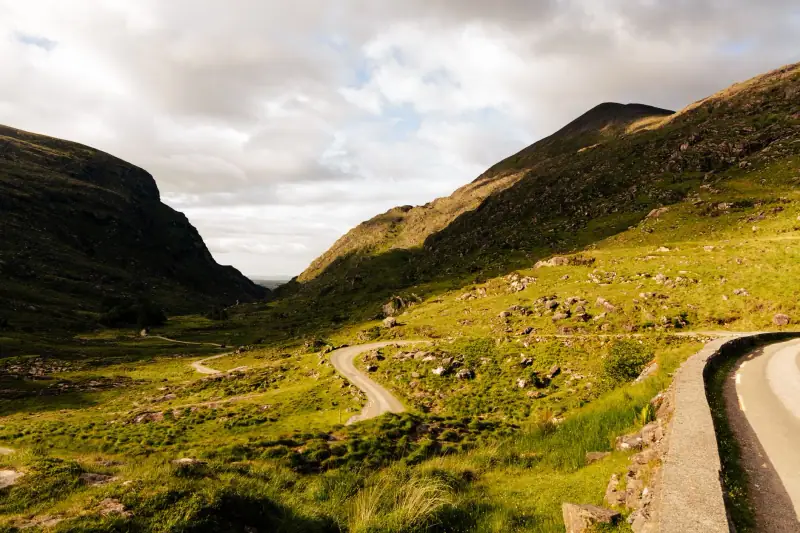
Budget for a trip to Ireland: real costs and 3 priced profiles
What budget to plan for Ireland? Real costs by category (lodging, transport, meals, activities), three priced profiles and tips to spend less.
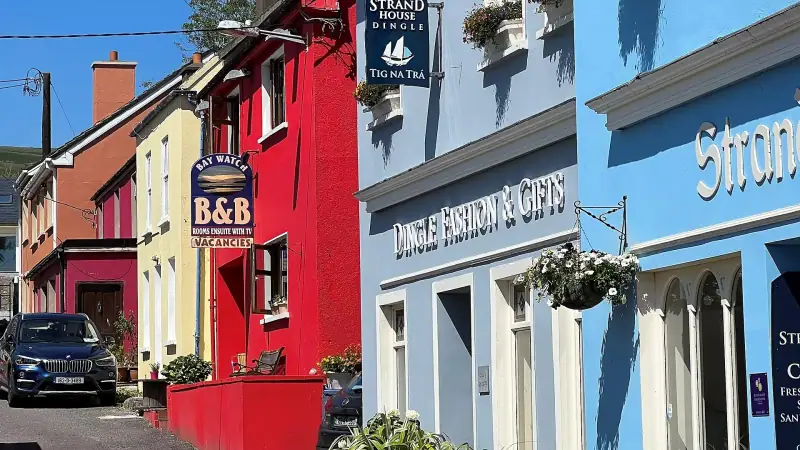
Where to stay in Dingle: town center, harbor or Slea Head, which base to choose?
Where to stay in Dingle? Center, harbor, edge of town or peninsula villages (Ventry, Ballyferriter): how to choose, parking, B&Bs and booking.

Where to stay in Killarney: town center, lakes and B&Bs for exploring Kerry
Where to stay in Killarney? Town center, Muckross road, national park edges, B&B or hotel: areas, budget and tips for booking before the Ring of Kerry.
Ready-made
Ireland itineraries
4 days
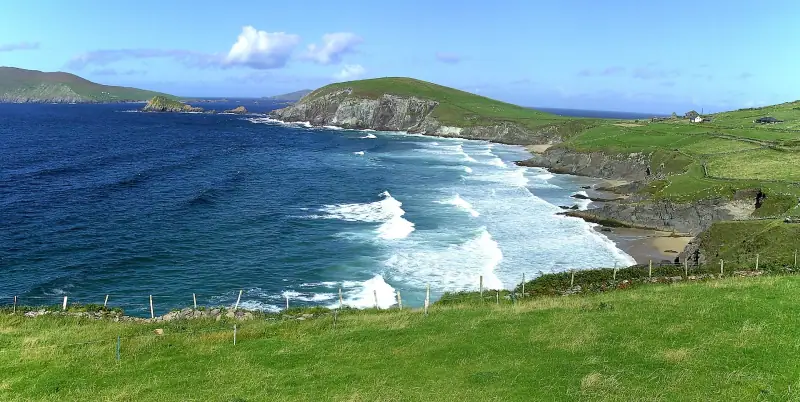
Kerry and Dingle road trip in 4 days: complete itinerary
KillarneyDingle
7 days
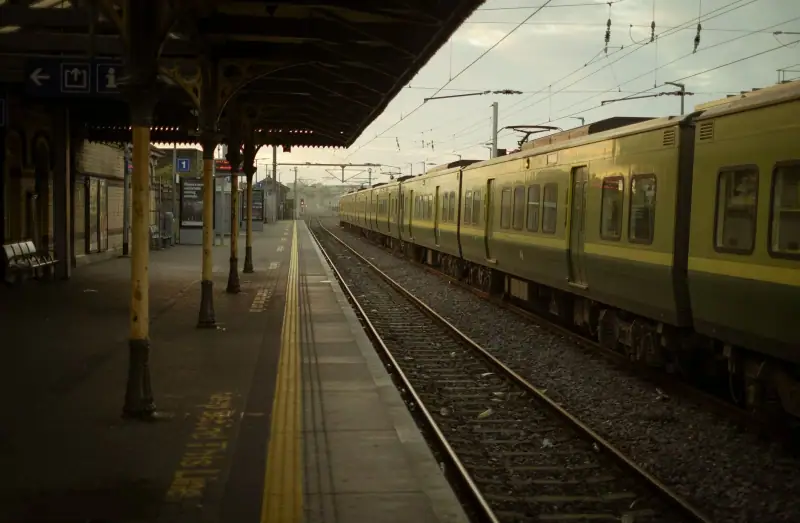
Ireland in 7 days without a car: a realistic train and bus itinerary
DublinGalwayKillarney
3 days
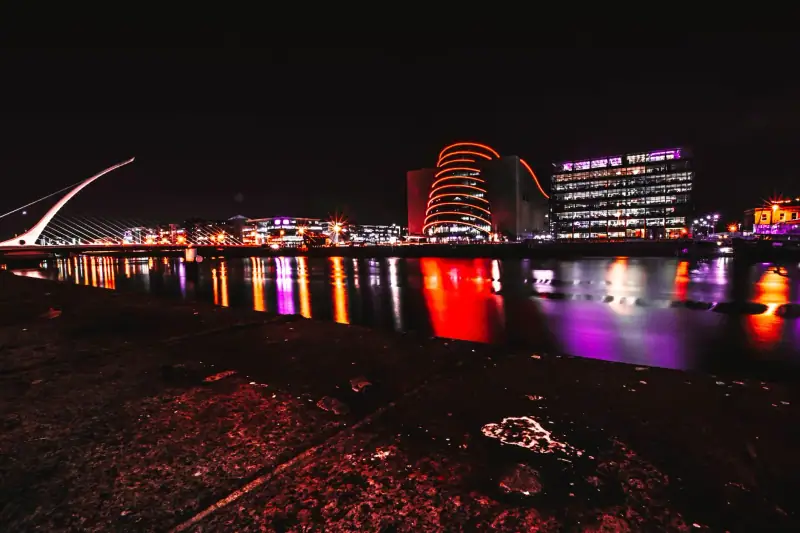
Visiting Dublin in 3 days: day-by-day itinerary
What to do in Dublin in 3 days? Trinity College, Guinness Storehouse, Kilmainham Gaol, Temple Bar and a trip to Howth: a walking itinerary with tips.