Where to stay
Where to stay in Dublin: neighborhoods, budget and tips for choosing well
We may earn a commission when you book through links on this page, at no extra cost to you. We don't visit or try the places we cover: we summarize published sources. How we work
In short
- For a first visit, the St Stephen's Green and Grafton Street area is the best compromise: central, walkable and calmer than Temple Bar at night.
- Temple Bar is lively, especially Thursday to Sunday, with higher prices for smaller rooms; ask for a courtyard-side or upper-floor room.
- Dublin is one of Ireland's most expensive places to stay; book early for summer, St Patrick's Day (March 17) and event weekends, with free cancellation.
- Two to three nights cover the main sights; skip the rental car in town and pick it up when you leave.
Choosing where to stay in Dublin really changes the experience of your trip. The Irish capital is compact, but its neighborhoods have very different atmospheres: pubs and music in the evening in the historic center, quiet Georgian streets to the south, quays undergoing transformation to the east, and livelier, more working-class areas to the northwest.
This guide reviews the main areas, their strengths and limits, then gives a few simple rules for booking at the right time without blowing your budget.
Understanding Dublin’s geography
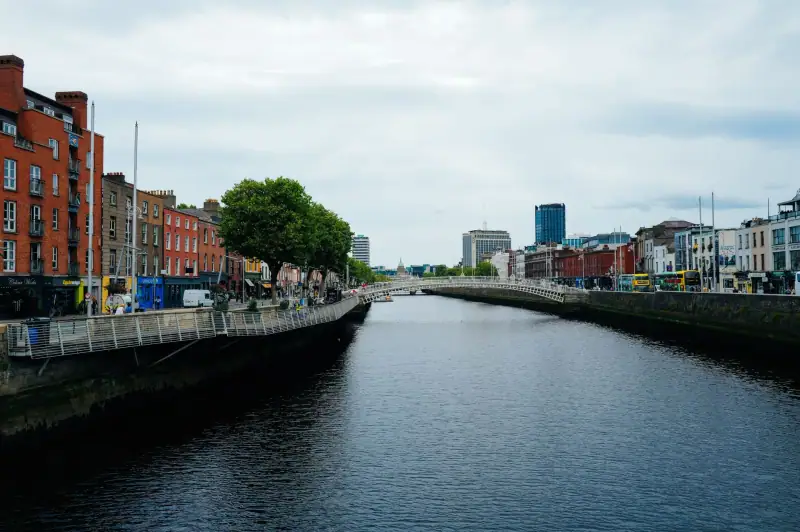
The Liffey cuts the city in two: the Southside, where most of the historic sights, shops and restaurants are concentrated, and the Northside, more working-class and more residential. The center is easy to cover on foot, and the main points of interest are a few dozen minutes’ walk from each other.
To get your bearings, remember that Trinity College, Grafton Street and St Stephen’s Green form the tourist center of the south, that Temple Bar stretches between the river and Dame Street, and that O’Connell Street is the main axis of the north. Public transport completes walking: the Luas (tram), the DART (commuter train that runs along the coast) and a dense bus network.
One point to keep in mind: Dublin Airport lies north of the city, about ten kilometers (6 mi) from the center, and direct buses serve the city center. If you arrive late or leave early, this can weigh on your choice of area.
Temple Bar: in the middle of the action
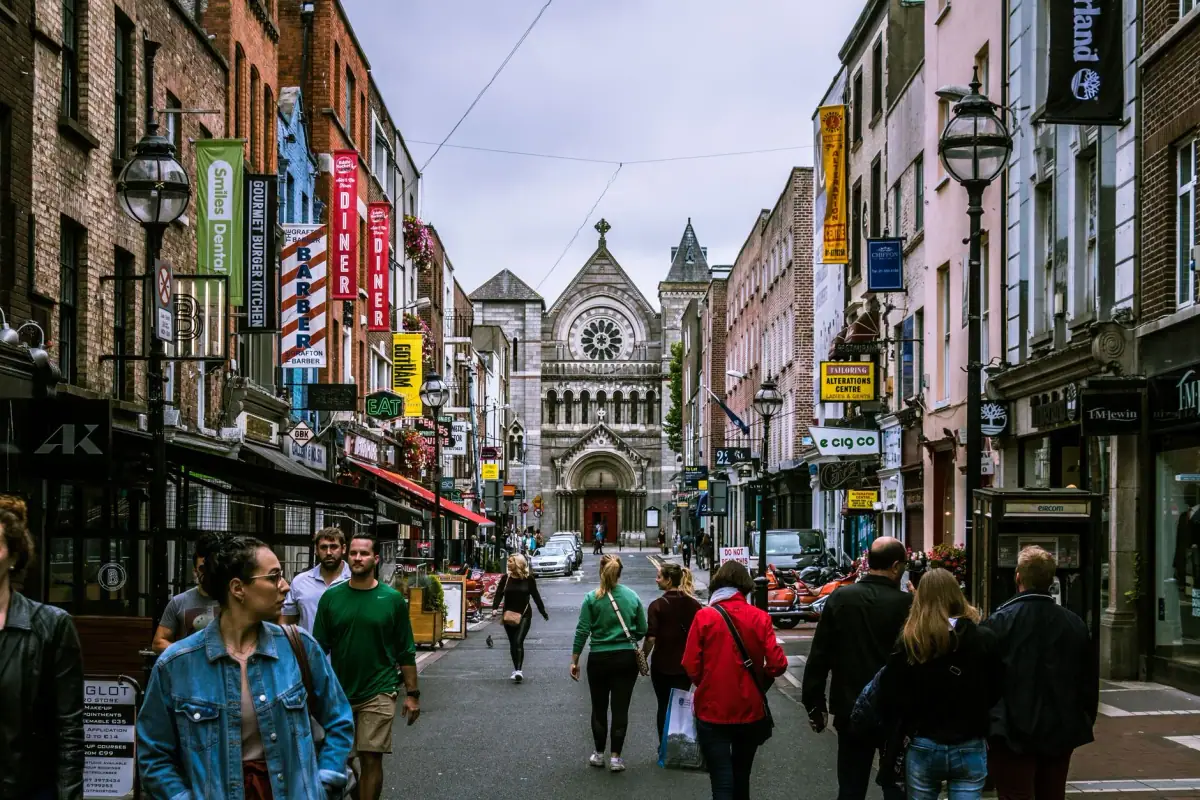
Temple Bar is Dublin’s most famous district, with cobbled lanes, pubs, musicians and colorful facades. Sleeping here guarantees you are within walking distance of almost everything: Trinity College, Dublin Castle, Christ Church Cathedral and the quays.
Pros: an unbeatable location, a lively atmosphere from late afternoon and an easy walk home after an evening out.
Cons: noise, especially Thursday to Sunday, and prices that are often higher for a smaller room. The pubs are also very touristy, and the best places for a good pint are often a few streets away.
If you choose this area, look at reviews that mention noise levels and ask for an upper-floor or courtyard-side room. Noise-sensitive travelers will do better staying only five minutes’ walk from the district.
Hotels, B&Bs and apartments in Temple Bar and the center: compare rates, locations and traveler ratings.
St Stephen’s Green and Grafton Street: the best compromise
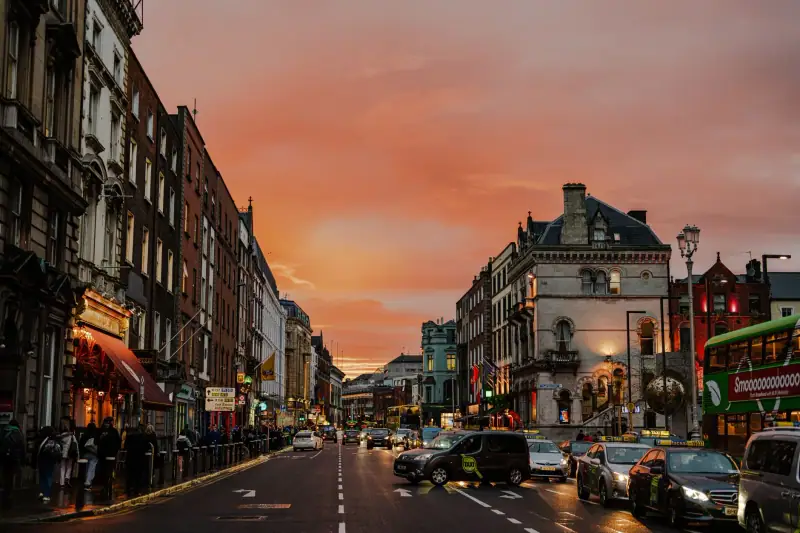
South of the center, the area around St Stephen’s Green, a large public park in the middle of the city, is the most balanced choice for a first visit. Grafton Street, a pedestrian shopping street, links the park to Trinity College. Restaurants, cafés and theaters are plentiful, and the district is clearly calmer at night than Temple Bar.
The neighboring streets keep rows of Georgian houses with colorful doors, typical of Dublin, especially around Merrion Square. Many hotels occupy former mansions in this style, which gives stays a lot of charm, even if the rooms are sometimes smaller than in newer properties.
The area is also well served: the Luas green line passes near the park, and you can walk to Pearse station on the DART line. It is a good base for visitors planning train trips along the coast.
Good to know: prices here are among the highest in the city. If your budget is tight, look a little further south, toward Portobello or Ranelagh, from where the center is still reachable on foot or by Luas.
Docklands and Grand Canal Dock: modern and practical

East of the center, the Docklands have been largely redeveloped: modern offices, quays, a theater and recent chain hotels. The atmosphere is less authentic than in the historic center, but rooms are often larger and better equipped, and prices can be better off-season.
The district is a few dozen minutes’ walk from the center, and the Luas and Connolly station are nearby. It is a practical option for business travelers, families who appreciate roomy rooms and those arriving or leaving by train.
The flip side: in the evening and on weekends, the area is quieter and less cozy, with fewer pubs and traditional restaurants than the center.
Guided walking tours, pub crawls and excursions from Dublin: compare offers and ratings.
Smithfield, Stoneybatter and the Northside: authentic and more affordable
North of the Liffey, the Smithfield area and the village of Stoneybatter appeal with a more local atmosphere: neighborhood pubs, independent cafés and residential streets. Accommodation prices are often lower, and the main tourist sights are reachable on foot or by Luas.
O’Connell Street and its surroundings are very practical for transport, but some stretches are less pleasant in the evening. Read recent reviews carefully and favor places that are well rated for safety and quiet.
This area suits travelers who have already seen the capital or who want a less touristy experience, provided they accept walking a bit more or taking transport in the evening.
Ballsbridge and the south of the city: quiet and residential
In the southeast, Ballsbridge is an elegant residential district, with embassies, wide avenues and several upscale hotels. The atmosphere is peaceful, and the center is reached by bus, by DART or on a brisk walk.
This area suits calmer stays, travelers who prefer the safety and quiet of a residential district, and those who want to be closer to Dublin Bay. It is less suitable if you want to walk to the center’s pubs in the evening.
Budget and types of accommodation
Dublin offers a wide range: hostels, family B&Bs, chain hotels, boutique hotels in Georgian houses and apartments. Prices vary a lot by season, day of the week and events (concerts, rugby matches, St Patrick’s Day).
- Hostels: the cheapest option, with dorms or private rooms, mostly in the center and the Northside.
- Chain hotels: a safe bet, with standardized rooms and often well located near transport.
- Boutique hotels and guesthouses: ideal for the Georgian atmosphere, but pricier and to be booked early.
- Apartments: practical for families or multi-day stays; check the local rental rules.
Prices are generally high for the comfort offered, especially in summer. To limit spending, travel outside school holidays, book several weeks ahead with free cancellation and stay near a transport line rather than in the exact center.
When to book and a few practical tips
- Book early for summer, St Patrick’s Day (March 17) and event weekends: rooms fill up and prices climb.
- Favor free cancellation, because weather and travel plans can change.
- Check breakfast: the full Irish breakfast is often generous and can count in your decision.
- No car in town: parking is expensive and scarce. If you go on to Kerry or County Clare, pick up the vehicle when you leave. See our Kerry and Dingle road trip and our guide to the Cliffs of Moher and the Burren for the rest of the trip.
- Driving on the left: if you rent a car afterward, allow time to adapt outside the city.
Compare Dublin's hotels, B&Bs and apartments before the best places are full.
Which area to pick
For a first stay of two to three nights, choose the St Stephen’s Green area, central, pleasant and well served. If you want to be in the thick of it, Temple Bar remains the liveliest option, as long as you accept the noise. For a tighter budget or a more authentic trip, look at Smithfield, Stoneybatter or a hotel near a Luas line.
Whatever you choose, book early, check recent reviews and keep some margin for day trips, because Dublin is also an excellent base for discovering the surroundings.
Frequently asked questions
What is the best neighborhood to stay in Dublin?
For a first visit, the St Stephen's Green and Grafton Street area offers the best compromise: central, walkable and calmer than Temple Bar in the evening. Temple Bar suits you if you want nightlife above all.
Should you stay in Temple Bar?
Only if you like late nights. The district is very lively on weekend evenings, and street-facing rooms can be noisy. Ask for a courtyard-side room or stay a few minutes' walk away.
Is Dublin an expensive city to stay in?
Yes, it is one of the most expensive destinations in Ireland, especially in summer and on event weekends. Booking early and staying a little outside the center, near a Luas or DART line, helps lower the bill.
Should you rent a car in Dublin?
Not to visit the city: the center is walkable and the Luas, DART and buses fill in the rest. A car is only useful to go on and explore the rest of the island, and it is best to pick it up when you leave.
How many nights should you plan in Dublin?
Two to three nights are enough for the main sights and the pub atmosphere. Add a night if you want a day trip, for example to the Wicklow Mountains or Glendalough.
More Ireland guides
Keep reading
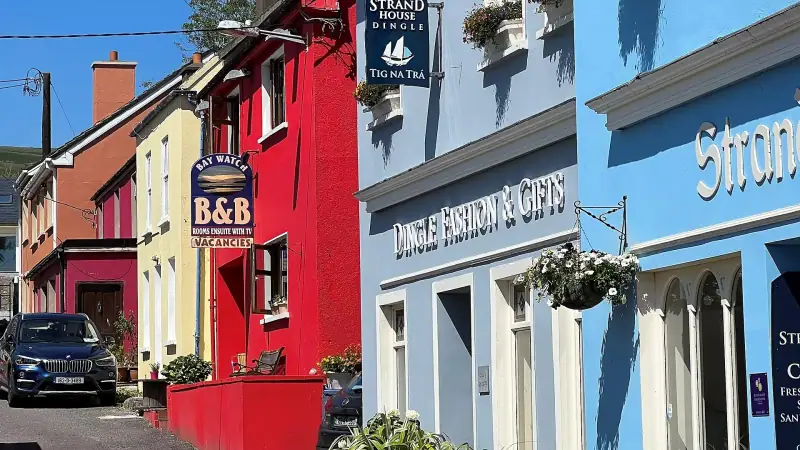
Where to stay in Dingle: town center, harbor or Slea Head, which base to choose?
Where to stay in Dingle? Center, harbor, edge of town or peninsula villages (Ventry, Ballyferriter): how to choose, parking, B&Bs and booking.
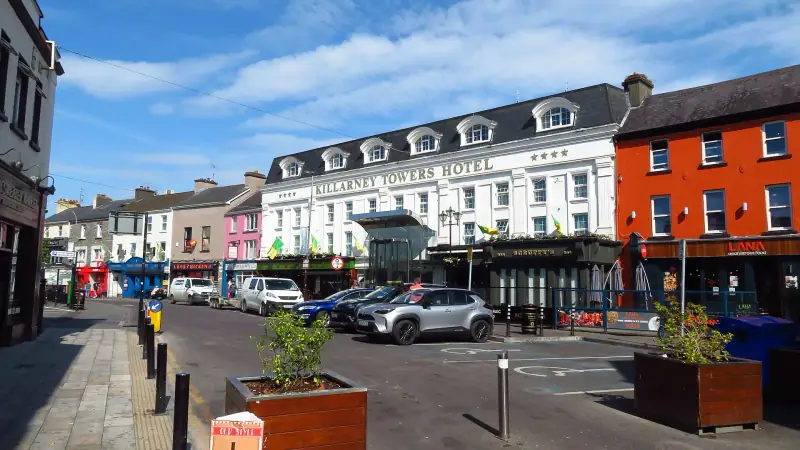
Where to stay in Killarney: town center, lakes and B&Bs for exploring Kerry
Where to stay in Killarney? Town center, Muckross road, national park edges, B&B or hotel: areas, budget and tips for booking before the Ring of Kerry.
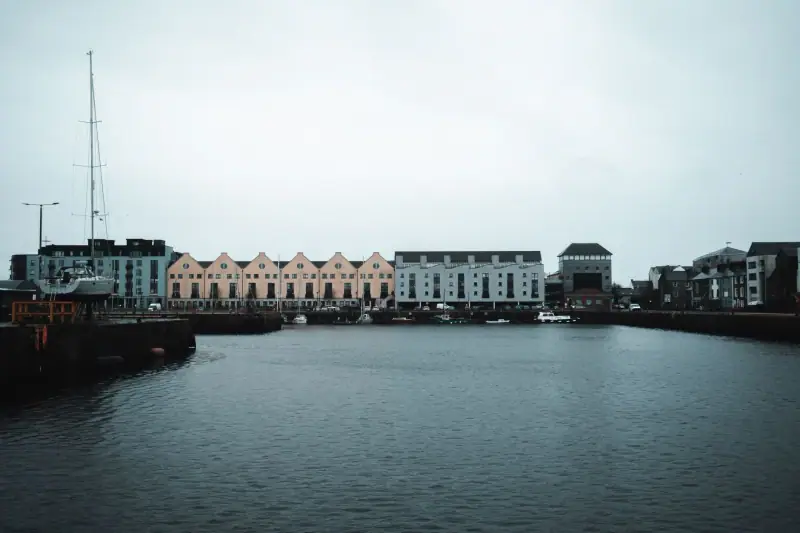
Where to stay in Galway: neighborhoods, B&Bs and tips for choosing well
Which neighborhood to choose in Galway? Latin Quarter, Eyre Square, West End, Salthill: atmosphere, budget, types of accommodation and booking tips.
Ready-made
Ireland itineraries
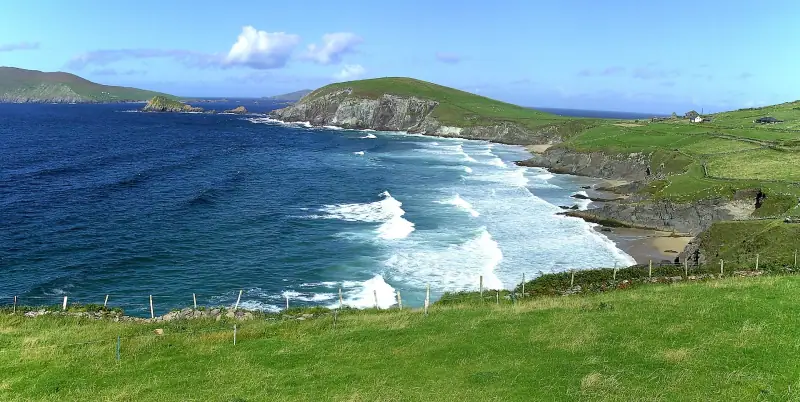
4 days
Kerry and Dingle road trip in 4 days: complete itinerary
KillarneyDingle
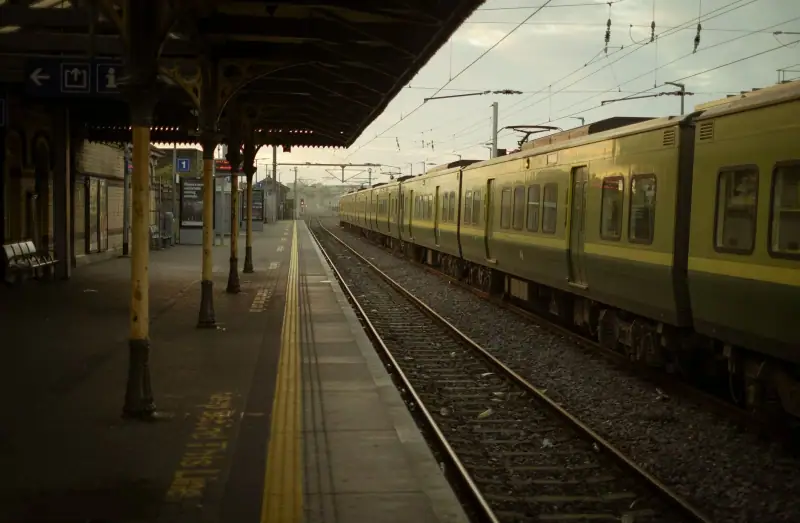
7 days
Ireland in 7 days without a car: a realistic train and bus itinerary
DublinGalwayKillarney
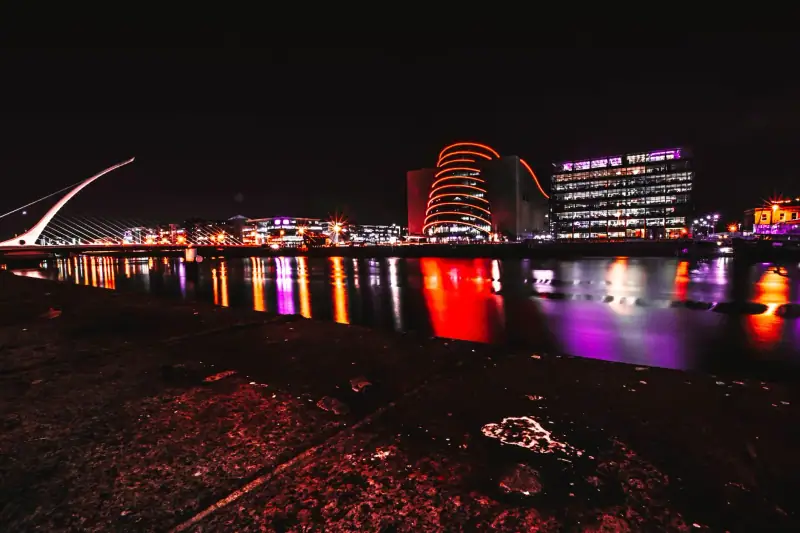
3 days
Visiting Dublin in 3 days: day-by-day itinerary
What to do in Dublin in 3 days? Trinity College, Guinness Storehouse, Kilmainham Gaol, Temple Bar and a trip to Howth: a walking itinerary with tips.