What to see
Giant's Causeway: visit, access and the Antrim coast in one day
We may earn a commission when you book through links on this page, at no extra cost to you. We don't visit or try the places we cover: we summarize published sources. How we work
In short
- Allow two to three hours at the Causeway; with Dunluce, Carrick-a-Rede and the Dark Hedges, plan a full day.
- Belfast is about 100 km (62 mi) away (1 h 15 to 1 h 30); Dublin is 3 h 30 to 4 h each way, so sleep in the north.
- Access to the stones from the coastal path is free; the visitor center, exhibition and parking are paid and run with the National Trust.
- Northern Ireland is in the UK and uses the pound sterling, not the euro. Wet rocks are slippery and wind can close exposed spots.
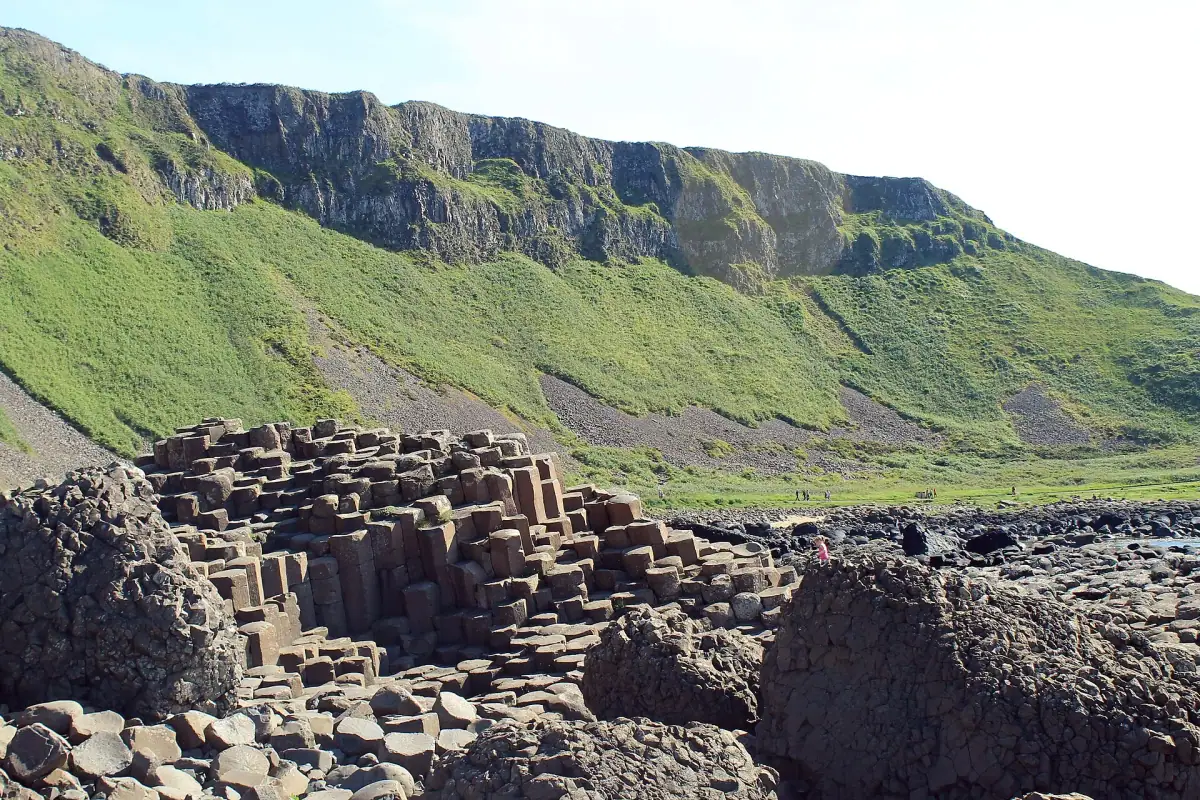
On the north coast of Northern Ireland, in County Antrim, the Giant’s Causeway is one of the island’s most distinctive landscapes. Thousands of basalt columns, packed tightly against each other, form natural steps that descend toward the Atlantic. The site has been a UNESCO World Heritage Site since 1986.
This guide explains how to get there from Belfast or Dublin, what to see on the coast road and how to organize a day without rushing.
Understanding the Giant’s Causeway
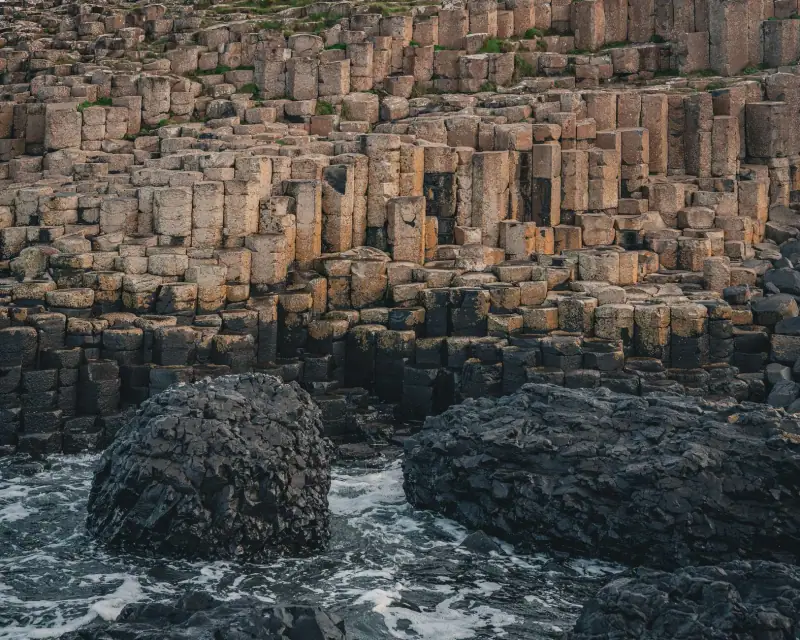
The columns are the result of intense volcanic activity about 60 million years ago: a basalt lava flow cooled slowly and fractured into prisms, most of them hexagonal. There are about 40,000, some of which form real stepping stones that you can walk on.
The local legend is far more colorful. It says the giant Finn McCool (Fionn mac Cumhaill) built this causeway to reach a rival across the sea. The visitor center and audio guides tell this story with humor, which children enjoy a lot.
The site is managed in partnership with the National Trust. Access to the stones from the coastal path is free, while the visitor center, its exhibition and the parking lot are paid. Prices change by season: check the official website before you come and book ahead in high season.
Getting there from Belfast or Dublin
From Belfast, the Giant’s Causeway is about a hundred kilometers (62 mi) north, roughly 1 h 15 to 1 h 30 by road depending on traffic. From Dublin, allow about 3 h 30 to 4 h each way, which makes a same-day round trip tiring: it is better to spend at least one night in the north.
You have three options:
- A rental car, the most flexible choice, essential if you want to link Dunluce, Carrick-a-Rede and the Dark Hedges. Do not forget that driving is on the left.
- An organized day tour, from Belfast or Dublin, practical if you do not want to drive.
- Public transport, possible with connections between Belfast and the coast, but poorly suited if you want to visit several sights in a day.
Day tours from Belfast or Dublin, with transport and stops on the Antrim coast: compare offers and ratings.
Exploring the site: trails and viewpoints
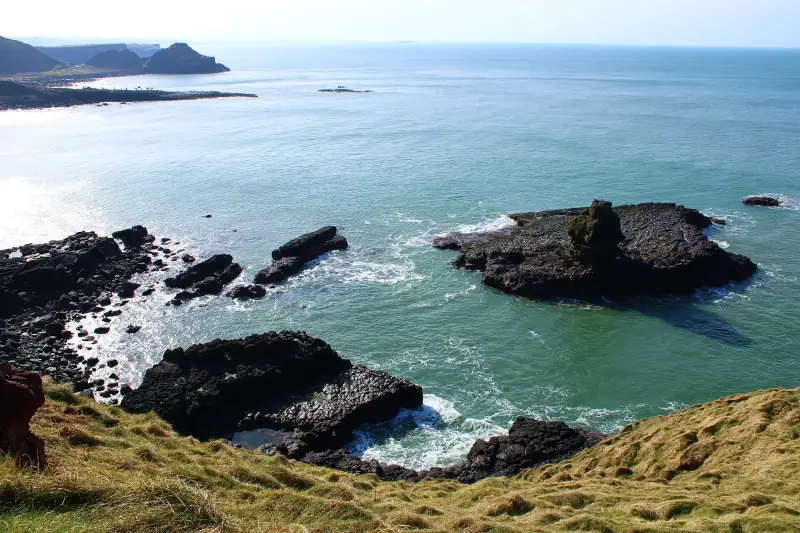
From the visitor center, the walk down to the columns takes about twenty minutes, by a paved road or by trails. A shuttle is available for those who prefer to avoid the slope; check there.
Once at the bottom, take the time to climb the highest columns and walk to the water’s edge. Wet rocks are slippery: good shoes with grippy soles are essential, especially after rain.
For different viewpoints, take one of the cliff paths along the coast. They offer broader panoramas of the site, with rock formations nicknamed locally the “Organ” or the “Chimney Stacks”. The exact names and loop lengths vary by sign: follow the National Trust signage.
If you can, arrive early in the morning or late in the afternoon. In the middle of the day, tour buses arrive in numbers, and the low morning and evening light is much better for photos.
Dunluce and Bushmills: a few kilometers away
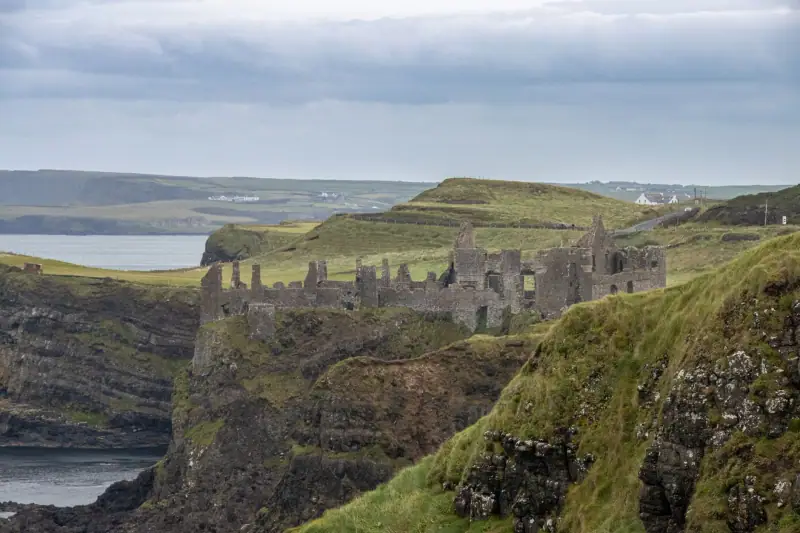
West of the Causeway, Dunluce Castle overlooks the sea from a rocky headland. Its medieval ruins, perched right at the edge of the drop, are about 10 minutes by road from the main site and are worth a stop of about an hour for the view and photos.
The little village of Bushmills, very close, is known for its whiskey distillery, which claims one of the oldest licenses in the world. A guided tour with a tasting fits well into a day on the coast. Book ahead if you come in high season.
Between the two, you will find several cafés and pubs for a simple lunch, such as soup, fish and chips or a sandwich. For prices and hours, check locally, because they vary a lot by season.
B&Bs, hotels and guesthouses near Portrush, Bushmills and Ballycastle: compare rates and traveler ratings.
Carrick-a-Rede and the Dark Hedges
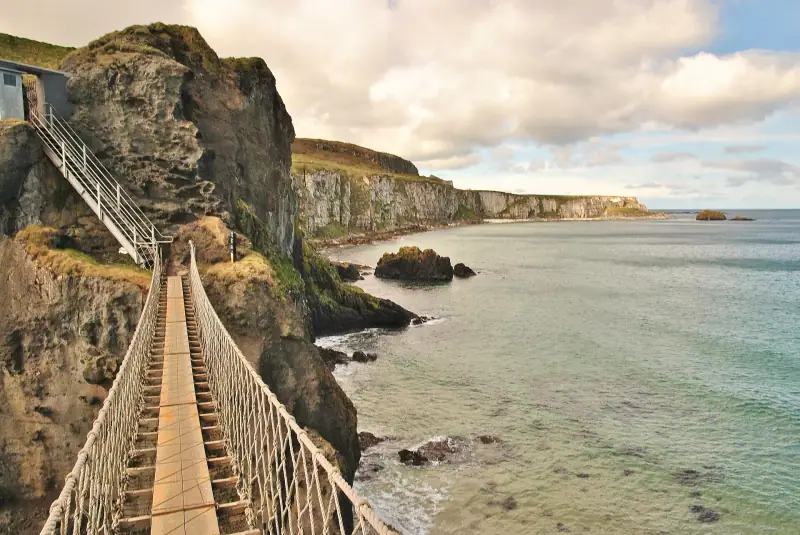
East of the Causeway, near Ballintoy, the Carrick-a-Rede rope bridge links the cliff to a small island. Access is with a timed ticket, often to be booked ahead, and the bridge can close in strong wind. The walk along the coastal path is short but offers fine viewpoints.
A little further inland, The Dark Hedges, an avenue of intertwined centuries-old beech trees, became famous after serving as a setting for a television series. The place is heavily photographed: come early in the morning to avoid the crowds. Find out the access and traffic rules before you come, because they have changed to protect the trees.
These two stops are about half an hour by road from the Giant’s Causeway, so they can be linked without exceeding about a hundred kilometers (62 mi) in total over the day from the coast. From Belfast, add the round-trip drive.
Belfast, a good base for Northern Ireland
If you visit the Causeway in one day from Belfast, take the chance to give the city at least half a day. The Titanic district, where the famous liner was built, has a museum telling its story. The historic center, its markets and its pubs are easy to cover on foot.
Belfast is also a convenient starting point for continuing south: Dublin is about 2 hours away by road, and the trip can be made by car or by train. If you are preparing a longer stay in the Republic, see our 3-day Dublin itinerary and our guide to the Cliffs of Moher and the Burren, which complement a circuit of the island well.
Practical tips for your visit
- Currency: the pound sterling is used in Northern Ireland, not the euro.
- Entry rules: Northern Ireland is part of the United Kingdom. Check the entry rules for your passport before you go.
- Weather: it changes fast. Bring a waterproof jacket, warm layers and closed shoes, even in summer.
- Wind: it is often strong on the coast. Exposed spots (rope bridge, cliffs) may be closed.
- Car insurance: check that your contract covers crossing the border between the Republic of Ireland and Northern Ireland.
- When to come: the long days of summer are ideal, but spring and early fall are calmer. Our guide on when to go to Ireland details the seasons.
Hotels and apartments in Belfast, a practical base for day trips to the Antrim coast: compare rates and locations.
Suggested plan for the day
To make the most of the site, arrive at the Giant’s Causeway in the morning, before the crowds, and give it two to three hours. Continue to Dunluce or Bushmills for lunch, then choose between Carrick-a-Rede and the Dark Hedges depending on the weather and your energy.
If you come from the Republic, do not make the round trip from Dublin in a single day: sleeping in Belfast or on the coast saves you the fatigue and leaves time for the scenery.
Frequently asked questions
How long does it take to visit the Giant's Causeway?
Allow two to three hours there, including the walk to the columns and the visitor center. With the other stops on the Antrim coast (Dunluce, Carrick-a-Rede, Dark Hedges), plan a full day.
How do you get from Dublin to the Giant's Causeway?
By car, allow about 3 h 30 to 4 h each way, via Belfast. Many travelers prefer to sleep in Belfast or on the Antrim coast, or to book an organized day tour.
Do you need a visa or formalities for Northern Ireland?
Northern Ireland is part of the United Kingdom, even though there is no systematic check at the border with the Republic of Ireland. Entry rules depend on your passport. Check the official travel advice of your government before you book: travel.state.gov (US), GOV.UK (UK), travel.gc.ca (Canada), Smartraveller (Australia) (checked November 2026).
What currency is used in Northern Ireland?
The pound sterling, not the euro. Bank cards are accepted almost everywhere, but keep a little cash in pounds for small purchases.
What is the best time to visit the Giant's Causeway?
May to September for long days and the mildest weather, but the site is also very beautiful off-season, with fewer people. In any case, bring windproof and waterproof clothing.
More Ireland guides
Keep reading
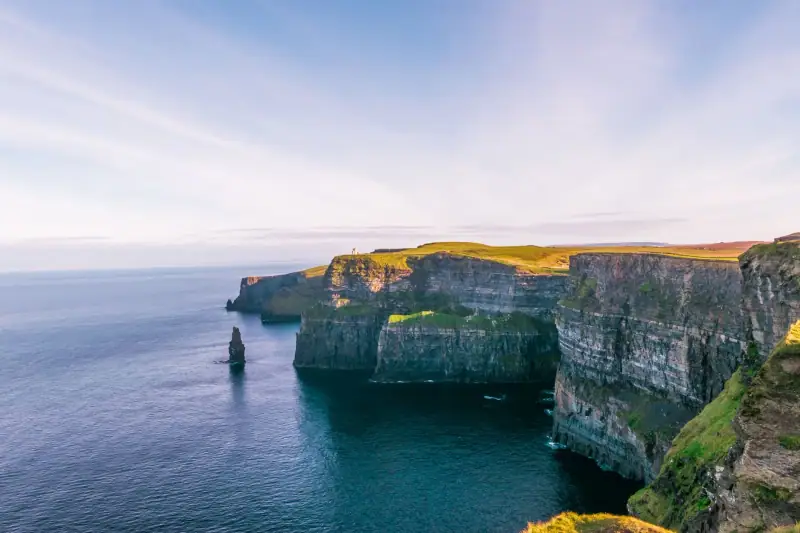
Cliffs of Moher and the Burren: how to visit them in one day
Visiting the Cliffs of Moher and the Burren in County Clare: access from Galway or Dublin, best times, hiking from Doolin, dolmen and caves.
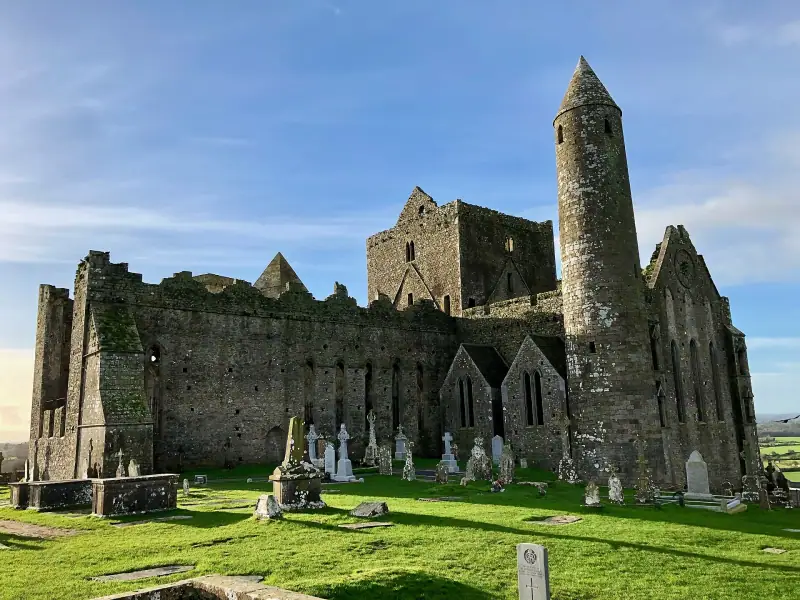
Rock of Cashel from Dublin without a car: hours, prices and bus access
Rock of Cashel from Dublin without a car: seasonal hours, official prices, bus 245X, train to Thurles, Cormac's Chapel and Hore Abbey.
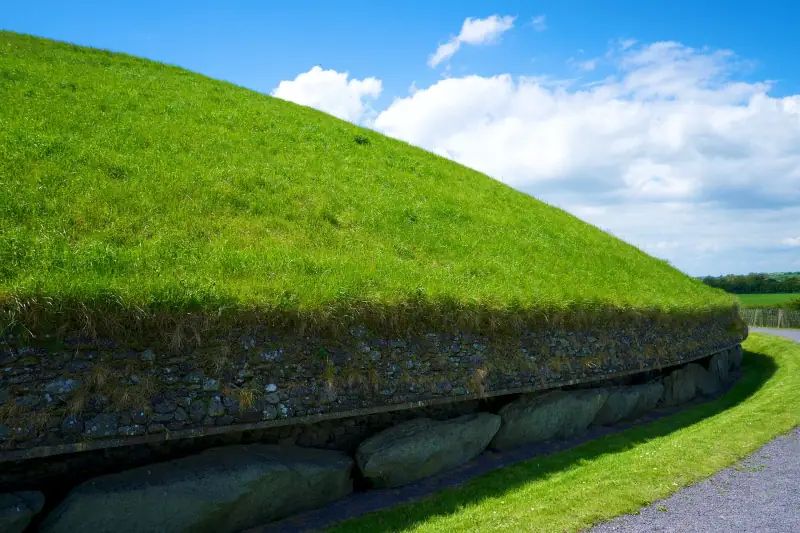
Newgrange from Dublin without a car: booking, hours and getting there
Newgrange from Dublin without a car: required booking at Brú na Bóinne, seasonal hours, train and bus 163 or a day tour, and the winter solstice.
Ready-made
Ireland itineraries
4 days
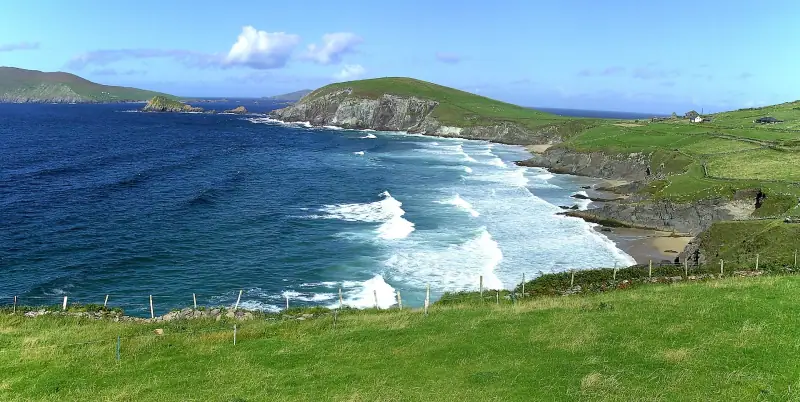
Kerry and Dingle road trip in 4 days: complete itinerary
KillarneyDingle
7 days
Ireland in 7 days without a car: a realistic train and bus itinerary
DublinGalwayKillarney

3 days
Visiting Dublin in 3 days: day-by-day itinerary
What to do in Dublin in 3 days? Trinity College, Guinness Storehouse, Kilmainham Gaol, Temple Bar and a trip to Howth: a walking itinerary with tips.