Where to stay
Where to Stay in Lombok and the Gili Islands: Trawangan, Air, Meno, Senggigi or Kuta?
We may earn a commission when you book through links on this page, at no extra cost to you. We don't visit or try the places we cover: we summarize published sources. How we work
In short
- Gili Trawangan is the liveliest island, Gili Air a compromise, Gili Meno the quietest; none has motor vehicles.
- Senggigi is the classic resort on Lombok's west coast, Kuta Lombok suits surfers and wild beaches, and Senaru or Sembalun are the bases for the Rinjani trek.
- Two to four nights suit most travelers on the Gilis; one night is too short because of the boat transfers.
- Bring cash (ATMs are rare), use a backpack rather than a wheeled suitcase on the sandy paths, and book several weeks ahead in July, August and over the end-of-year holidays.
Lombok is often presented as Bali’s wilder neighbor, and the three small Gili Islands, off the northwest coast, as its seaside jewel. But between a room with your feet in the sand on Gili Air, a quiet bungalow on Gili Meno, a hotel on the Senggigi coast or a surf base in southern Lombok, the atmospheres have almost nothing in common. Choosing where to sleep is above all choosing the rhythm of your stay.
Here are the main areas, with their strengths and limits. To plan the content of your days, see our guide to visiting Lombok and the Gili Islands, and if your trip starts in Bali, our article on where to stay in Bali.
Gili Trawangan: the liveliest island
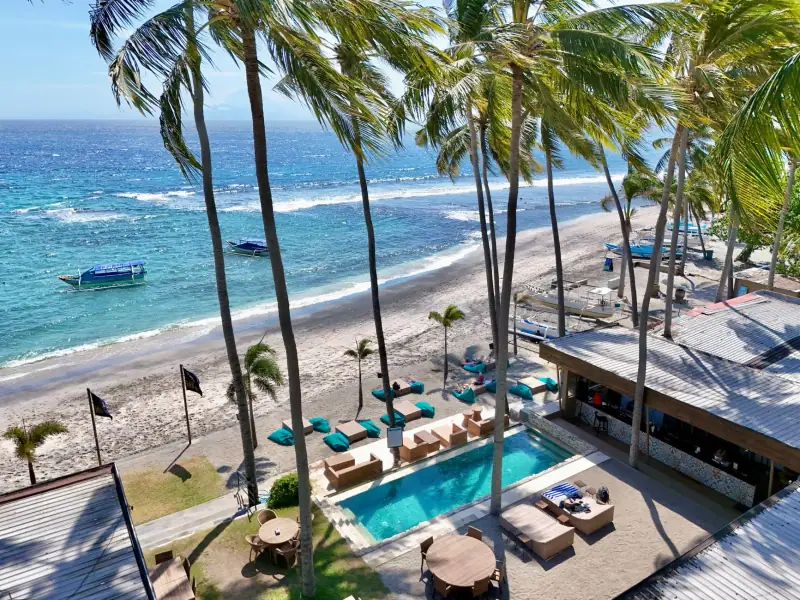
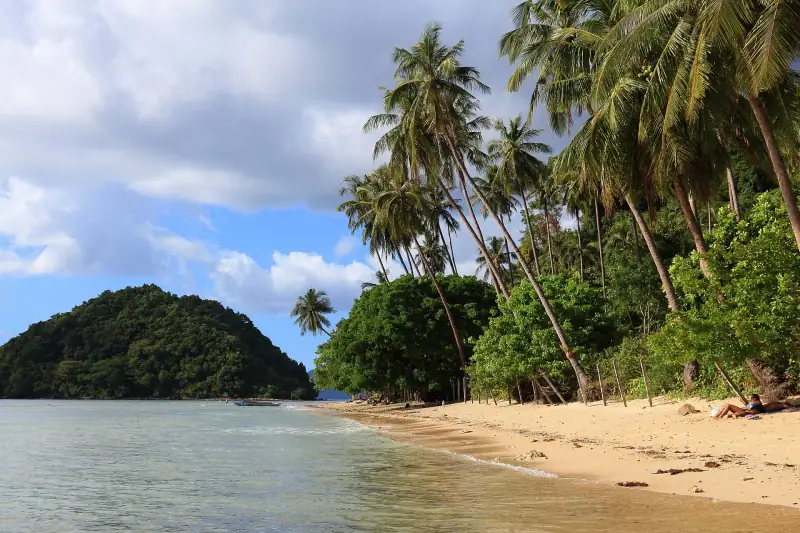
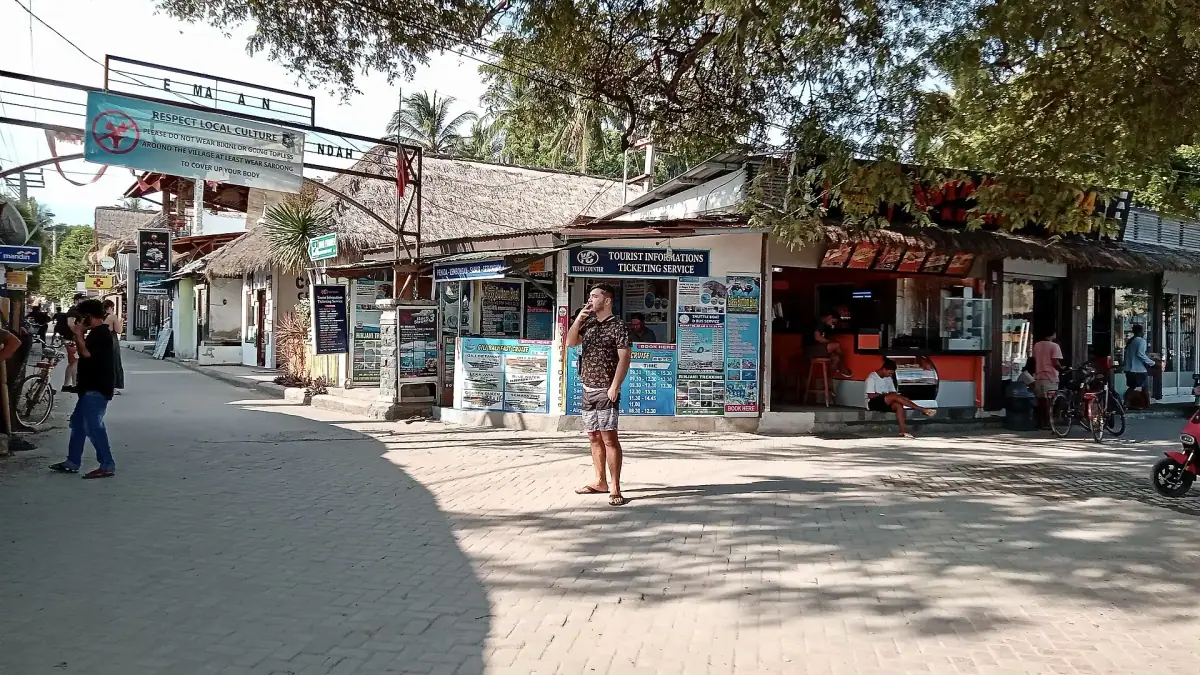
Gili Trawangan, often nicknamed “Gili T,” is the largest and liveliest of the three islands. Most of the restaurants, bars, dive centers and accommodation of every budget are concentrated there, from hostels to small villas with pools. The island can be circled by bike or on foot in a few hours, and the sunset on the west coast is one of the highlights.
The atmosphere varies from one side of the island to the other. The east side, facing Lombok, concentrates the activity: port, shops, restaurants and nightlife. It is practical for arriving, but the noise can last late into the evening. If you want a quiet sleep, look at places set back a little, toward the interior of the island or on the less-visited coasts, even if it means walking or pedaling a few more minutes.
Gili Trawangan appeals to travelers who like being able to go out to dinner without a second thought, to divers and to those who want varied activities. It suits less those who dream of isolation: in high season it is busy, and the paths are shared with bikes and carts.
A few practical realities to know:
- No motor vehicles: you get around on foot, by bike or by cidomo, the local horse cart. Your luggage therefore rarely follows by car to your accommodation.
- Fresh water is an issue: on the small islands, running water is sometimes brackish. Showers can be less pleasant than on the mainland, and a place well rated on this point is worth seeking out.
- The ground is sandy: wheeled suitcases are a pain, a backpack is better suited.
🏨 Where to stay on Gili Trawangan
Compare hotels, bungalows and villas on Gili Trawangan by dates, budget and distance from the beach.
Gili Air: the compromise between life and calm
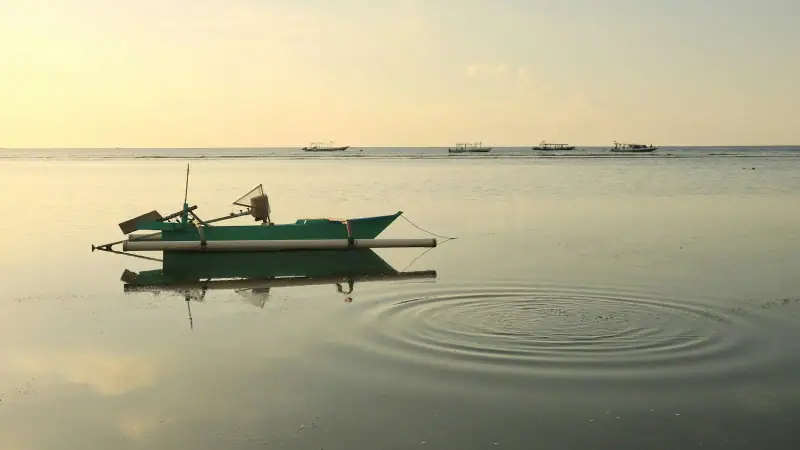
Gili Air is the closest to the Lombok coast. It is smaller than Gili Trawangan but more lived-in day to day: local families live there all year, and you meet children in uniform, fishermen and village shops between the restaurants and bungalows. This presence gives the island a less artificial atmosphere than its larger neighbor.
It is often the island recommended by travelers who want a few good restaurants, yoga classes, snorkeling and some peace, all in one place. Nightlife exists, but is more modest. You find accommodation at all prices, with a good share of small bungalows in coconut-palm gardens.
The beaches are pleasant, but swimming is sometimes limited at low tide depending on the spot: the coral bottom and water depth vary. Ask your accommodation about the best sea access at the time of your stay. Snorkeling from the beach often lets you see sea turtles, with no guarantee: always keep a sufficient distance from them and do not touch them.
Gili Air suits couples, travelers looking for balance and those torn between party and retreat. If you do not know which island to choose, it is an excellent default choice.
Gili Meno: silence and disconnecting
Gili Meno is the smallest, quietest and least developed of the three. There are few restaurants, little nightlife and few people in the evening: you come to read, sleep, swim and watch the sun set. Several places are aimed at couples, with a garden or pool, and the island is known for honeymoons and relaxing stays.
The island is home to a small salt lake and wilder areas, as well as a sea turtle protection project open to visitors. As everywhere, check how serious this kind of initiative is before taking part and prefer an approach that favors conservation over tourist attraction.
Gili Meno’s limits are real: dining options are limited, there is almost nothing to do in the evening, and you have to accept the isolation. Bring cash, because ATMs and payment terminals are rare or unreliable on the small islands. To estimate your spending, our budget for traveling in Indonesia details the orders of magnitude.
How to choose among the three Gilis
The three islands can be reached from each other in a few dozen minutes by local boat, which lets you change atmosphere without upsetting your trip. A classic approach is to drop your bags on one island and visit the others on day excursions, snorkeling included.
- Want to go out, dive and meet people: Gili Trawangan.
- Want something in between, with visible local life: Gili Air.
- Want silence and romance: Gili Meno.
- Family trip with young children: Gili Air or Gili Meno, calmer, checking beach access and pool safety.
Fast boats from Bali connect Lombok and the Gilis, but schedules and travel times vary by company and sea conditions. Crossings can be rough in the windy season: allow some margin, especially before an international flight.
Senggigi: Lombok’s west coast
Senggigi is Lombok’s historic seaside resort, stretched along a coastal road that follows the bays of the west coast. It is calmer than Kuta in Bali, with hotels of all categories, restaurants and sunset views. It is a practical base if you want to sleep on the main island, with classic comfort, pools and services, before heading to the Gilis or visiting the surroundings.
The atmosphere is more relaxed than dynamic, and nightlife remains limited. Senggigi lacks the wild charm of the southern beaches, but it offers a good balance of accessibility, comfort and price. It is also suitable for families, who appreciate hotels with pools and developed services.
The beaches are decent without being exceptional: the real reason to sleep in Senggigi is its practical location, not the sea itself. For more spectacular beaches, aim for the south of the island or the Gilis.
🏨 Hotels in Senggigi
Compare seafront hotels in Senggigi, with pool, breakfast and cancellation depending on the offers.
Kuta Lombok and the south: wild beaches and surf
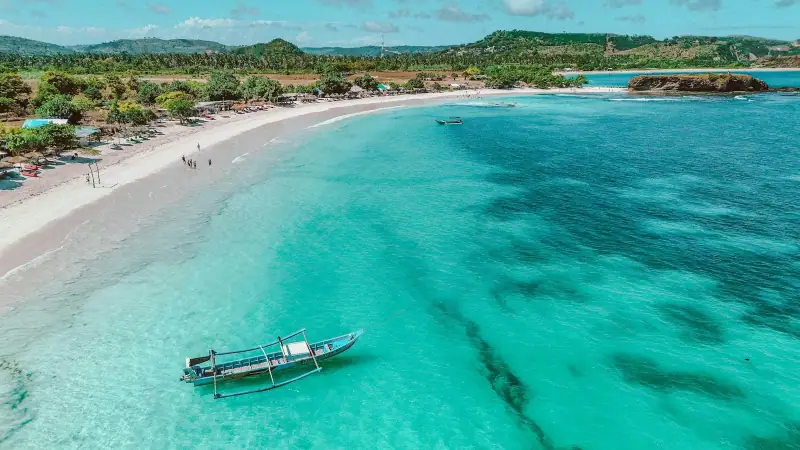
Southern Lombok is the territory of wild beaches, half-moon bays and green hills plunging into the ocean. Kuta Lombok, not to be confused with Kuta in Bali, serves as the base for this coast. The town is smaller, calmer and less urbanized than its Balinese namesake, with hostels, guesthouses, small restaurants and surf schools.
It is the right choice for surfers, for travelers who like exploring by scooter or with a driver, and for those who prefer undeveloped beaches. Waves can be powerful: beginners should choose sheltered spots and an instructor rather than going out alone.
A few points to anticipate:
- Getting around: the beaches are scattered, and you can hardly do anything without transport. If you rent a scooter, check your license and insurance, as well as the condition of the helmet and brakes.
- Facilities: the supply of upscale hotels is growing, but remains less dense than in Bali. Very large resorts are rare.
- The road from the airport: Lombok’s international airport is in the south of the island, which makes a stay in Kuta Lombok practical for someone arriving directly.
To combine culture and nature there, see our two-week itinerary through Java, Bali and Lombok.
Senaru and Sembalun: sleeping at the foot of Rinjani
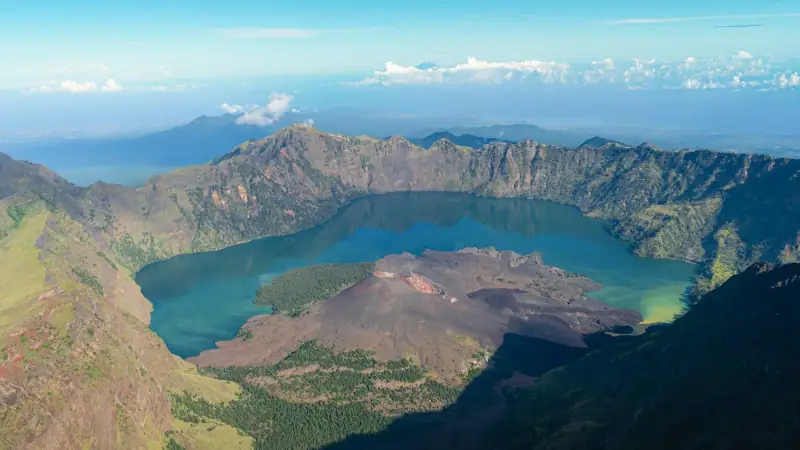
Rinjani volcano dominates northern Lombok. Two villages are classic starting points for the trek: Senaru, on the north slope, and Sembalun, on the east slope. Both offer simple accommodation, often in a guesthouse or bungalow, with views of the mountain and the rice fields, and a very rural atmosphere.
Sleeping there the night before departure lets you organize with the guide, pick up your equipment and set out rested. It is not a seaside destination: the interest is nature, the waterfalls nearby and the evening calm. Bring warm clothes, because nights are cool at altitude.
The trek is demanding and is done with a licensed guide: find out the opening conditions of the route, which depend on the season and volcanic activity. For those who do not want to climb, several waterfalls reachable on foot from Senaru make a fine day excursion.
🌴 Lombok and Gili excursions
Snorkeling around the Gilis, waterfall visits, island tours or a trek: compare activities offered from Lombok.
How to split your nights
Depending on how much time you have, a few simple patterns work well:
- Four to five days: three nights on the Gilis, one or two nights on Lombok before the return flight or boat.
- One week: two nights on the Gilis, two nights in Kuta Lombok for the southern beaches, then one night near the airport.
- Ten days: add the Rinjani trek, with a night in Senaru or Sembalun before and a recovery day after.
A useful rule: do not change accommodation every day. Travel, boat transfers and waiting consume a lot of time, and a stop of two nights minimum is a good compromise. Before a return flight, preferably sleep near the airport or plan a comfortable margin, because Lombok’s roads and sea crossings are less predictable than you might imagine.
For getting around the main island, a private driver by the day is often simpler than driving yourself. If you prefer a rental car, compare the insurance conditions before booking.
Tips for choosing your accommodation
- Read recent reviews. Night noise, the state of the pool, water quality and neighboring construction change quickly from one year to the next.
- Check the location on the map. On the Gilis, a few minutes’ walk in sand weigh heavily with luggage. On Lombok, a place “in Kuta” can be several kilometers from the town.
- Look at what is included. Breakfast, air conditioning, hot water, mosquito net, shuttle and luggage service vary a lot between establishments.
- Anticipate the season. The dry season, roughly May to September, is the busiest. To refine your dates, see when to go to Indonesia.
- Plan for cash. ATMs are few on the Gilis and card terminals sometimes unreliable.
- Respect local customs. Lombok is mostly Muslim: the call to prayer may sound early in the morning, and modest dress is expected away from the beach, especially in villages.
- Think about insurance. Diving, scooter, trek: check that your coverage includes these activities.
Frequently asked questions about accommodation in Lombok and the Gilis
Answers to the most common questions are in the FAQ below. In short: choose your island before your hotel, book early in high season, keep slack in your schedule for crossings, and combine a relaxation area with a discovery area. To complete your preparation, browse our complete guide to visiting Indonesia.
Frequently asked questions
Which Gili island should you stay on?
Gili Trawangan is the liveliest, with restaurants, bars and dive centers. Gili Air offers a compromise between local life and a relaxed atmosphere. Gili Meno is the quietest, ideal for couples and those who want to disconnect.
Should you sleep on the Gilis or on Lombok?
The two complement each other. The Gilis suit beaches, snorkeling and relaxation; Lombok suits discovering the southern beaches, waterfalls and Rinjani volcano. Many travelers sleep two or three nights on each.
How many nights should you plan on the Gili Islands?
Two to four nights are enough for most travelers. A single night is too short because of the boat transfers, and beyond four nights you need to like the islands' slow pace.
Are there cars and scooters on the Gili Islands?
There are no motor vehicles there. You get around on foot, by bike or in a horse cart called a cidomo. Travel light, because you sometimes have to walk with your luggage.
Do you need to book in advance?
In high season, from July to August and around the end-of-year holidays, well-located places fill up fast. Book several weeks ahead, especially for a room with a pool or near the beach.
Is the tap water safe to drink?
No, neither on Lombok nor on the Gilis. Use bottled or purified water. Many places offer refill stations, which limits plastic waste.
More Indonesia guides
Keep reading
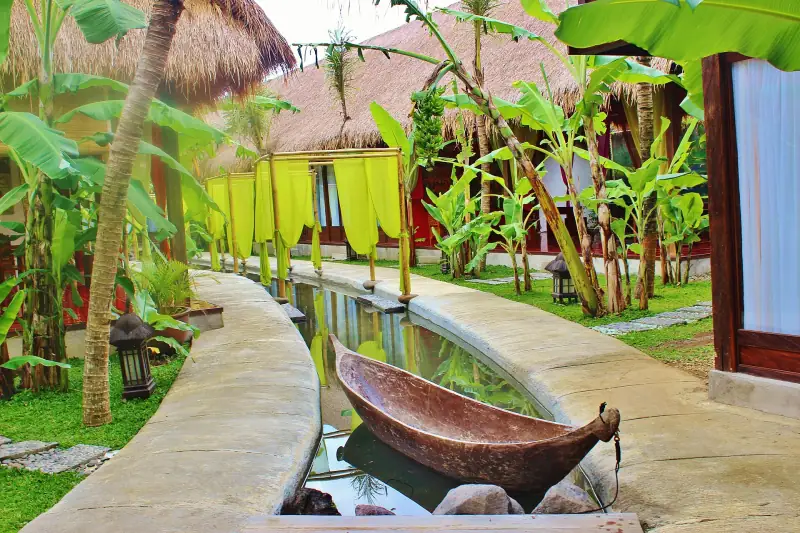
Where to Stay in Bali: Ubud, Seminyak, Canggu or Uluwatu, Which Area to Choose?
Ubud, Seminyak, Canggu, Sanur, Uluwatu: a comparison of where to stay in Bali for culture, beaches, surf or family trips, with tips for choosing well.

Where to Stay in Yogyakarta: Prawirotaman, Malioboro or Borobudur, Which Area to Choose?
Malioboro, Prawirotaman, Kraton, Sosrowijayan or Borobudur village: a comparison of where to stay in Yogyakarta for your budget and sightseeing pace.
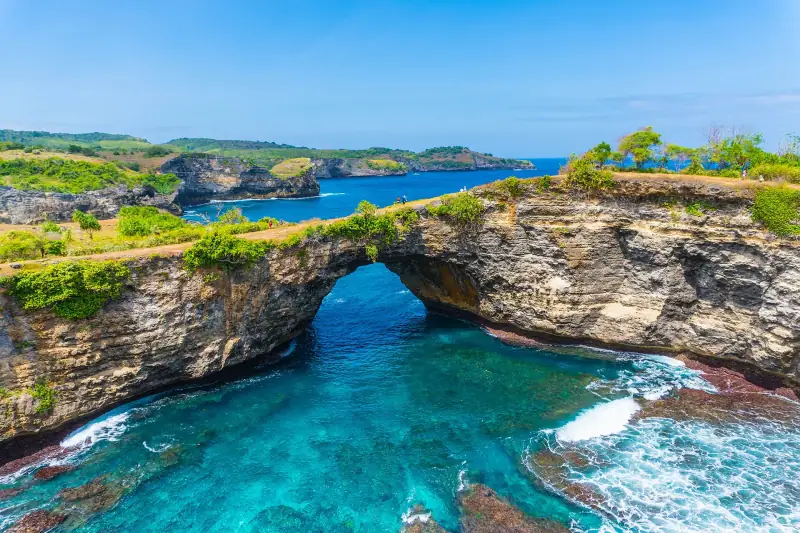
Nusa Penida in One Day from Bali: Boat, Scooter or Organized Tour?
Nusa Penida in one day from Bali: fast boat from Sanur, scooter or driver, west or east circuit, schedules, prices and mistakes to avoid.
Ready-made
Indonesia itineraries
10 days
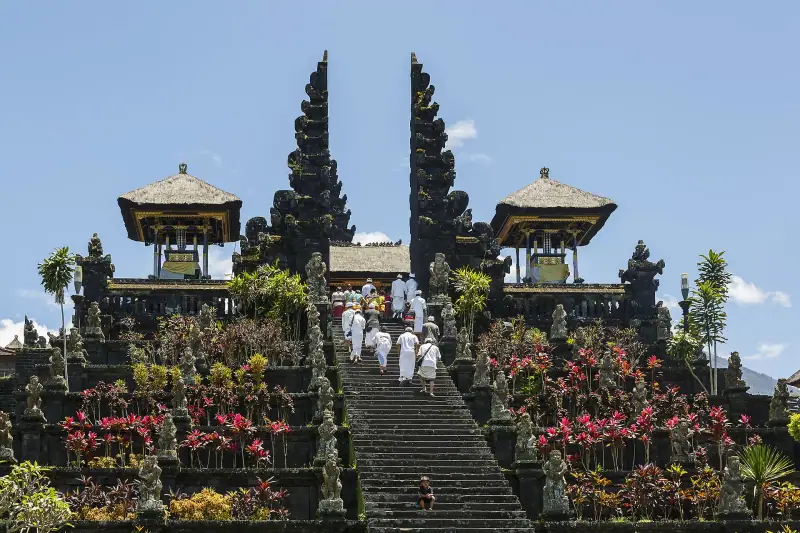
10 Days in Bali: Ubud, the North, the East and the South Coast Day by Day
Bali in 10 days: a detailed itinerary through Ubud, the rice terraces, the north, the east coast, Nusa Penida and the south. Stops, drive times and tips.
6 days
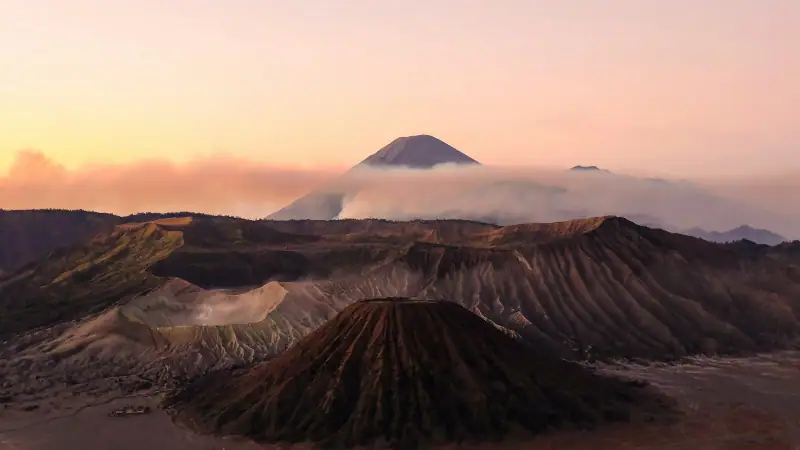
Yogyakarta to Bali Without a Car: Bromo, Ijen and the Ferry in 6 Days
Yogyakarta, Bromo, Ijen then Bali by train, minibus and ferry: stages, distances, realistic travel times and pitfalls to avoid on this car-free route.
8 days
Flores Itinerary: From Labuan Bajo to Kelimutu Volcano in 8 Days
Flores in 8 days: Labuan Bajo, Komodo, spiderweb rice fields, Ruteng, Bajawa, Ende and the Kelimutu lakes. Stops, drive times, pace and tips.