Where to stay
Where to Stay in Bali: Ubud, Seminyak, Canggu or Uluwatu, Which Area to Choose?
We may earn a commission when you book through links on this page, at no extra cost to you. We don't visit or try the places we cover: we summarize published sources. How we work
In short
- Ubud suits culture and rice fields but has no beach; Seminyak offers restaurants and beach clubs; Canggu suits surfers; Uluwatu has cliffs and waves.
- Sanur is the calm, family-friendly choice, with a reef-sheltered beach and a seaside promenade; Nusa Dua has large resorts.
- For a first week, spend three or four nights in Ubud, then three or four on the coast (Seminyak, Sanur or Uluwatu).
- Traffic in the south is heavy: sleep near the airport the last night and book several weeks ahead in July, August and over the end-of-year holidays.
Bali is not very big, but getting around takes time: the roads are narrow, traffic in the south of the island is often heavy, and a trip of a few dozen kilometers can easily last more than an hour. Choosing the area where you sleep therefore matters more than choosing the hotel itself. Depending on whether you want rice fields, waves, beaches or restaurants, the right base is not the same.
Here are the main areas, with their atmosphere, strengths and limits. To place Bali in a broader trip, see our complete guide to visiting Indonesia.
Ubud: culture, rice fields and relative calm
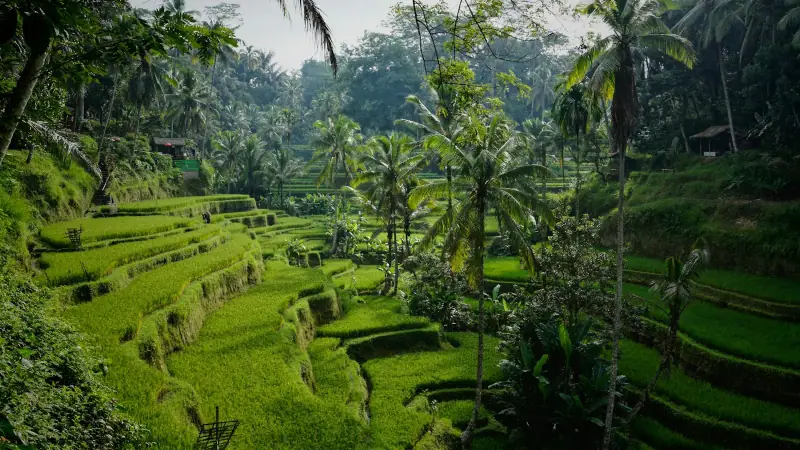
Ubud, in the center of the island, is the most sought-after base for those who want to discover Balinese culture. It has temples, dance shows, craft workshops, yoga and cooking classes, and many cafes. Around the town, the rice fields, craft villages and small roads can be explored on foot, by bike or by car with a driver.
The center of Ubud is lively and sometimes noisy during the day, with heavy traffic on the main streets. To sleep better, look at places set back a little, in the side lanes or at the edge of the rice fields: you gain peace and quiet at the cost of a few minutes’ travel to reach the center. Many small family-run places offer rooms in a garden, sometimes with a pool, often with breakfast.
Ubud has no beach. If the sea is essential to your trip, plan a second stop on the coast: the road south generally takes between one and two hours depending on traffic.
🏨 Where to stay in Ubud
Compare hotels, villas and guesthouses in Ubud by dates, budget and whether there is a pool.
Seminyak: restaurants, boutiques and beach
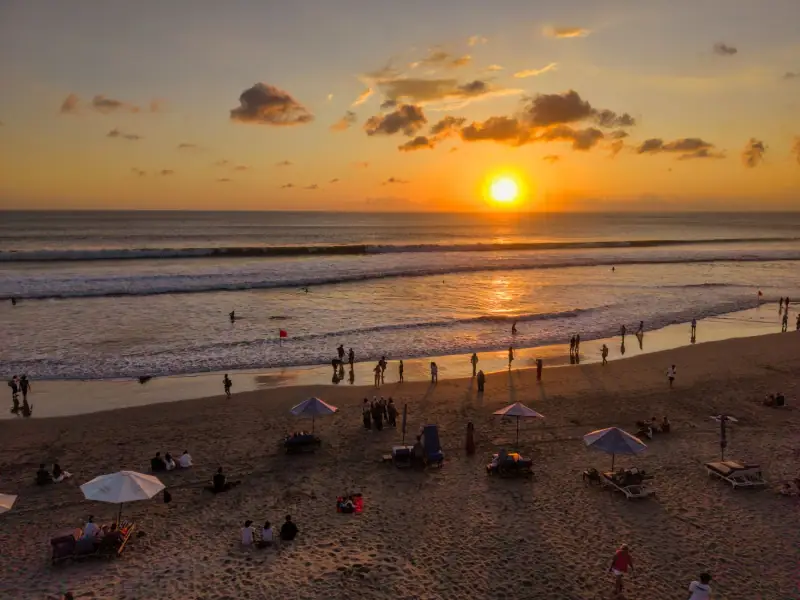
Seminyak, on the southwest coast, is the area of restaurants, boutiques, beach clubs and charming hotels. It is a good choice for a relaxing stay with nightlife within reach and places for every budget. The beach is beautiful at sunset, but waves and currents can be powerful: follow the flags and the lifeguards’ instructions.
The main drawback is traffic, especially at the end of the day. Choose accommodation within walking distance of restaurants and the beach rather than relying on short car rides, which sometimes drag on. Streets near the main roads can also be noisy.
The immediate neighbors, Legian and Kuta, are more popular and livelier, with more budget accommodation and a party atmosphere. They suit those who put price and proximity to the airport first, less so those looking for calm.
Canggu: surf, cafes and remote work

Canggu, north of Seminyak, has won over surfers, digital nomads and travelers who like trendy cafes, gyms and coworking spaces. The dark-sand beaches offer waves for surfers, with spots suited to different levels, but swimming can be less straightforward than in more sheltered areas.
The neighborhood has grown a lot in recent years: construction, traffic jams and a very cosmopolitan feel. It appeals mostly to young, sporty travelers, or to those who want to stay several weeks. If you are looking for immersion in traditional Balinese life, Canggu is probably not the best choice, even though a few surrounding villages have kept their character.
🏨 Hotels on the south coast
Compare accommodation in Seminyak and Canggu: villas with pools, charming hotels and more affordable places.
Uluwatu and the Bukit Peninsula: cliffs and waves
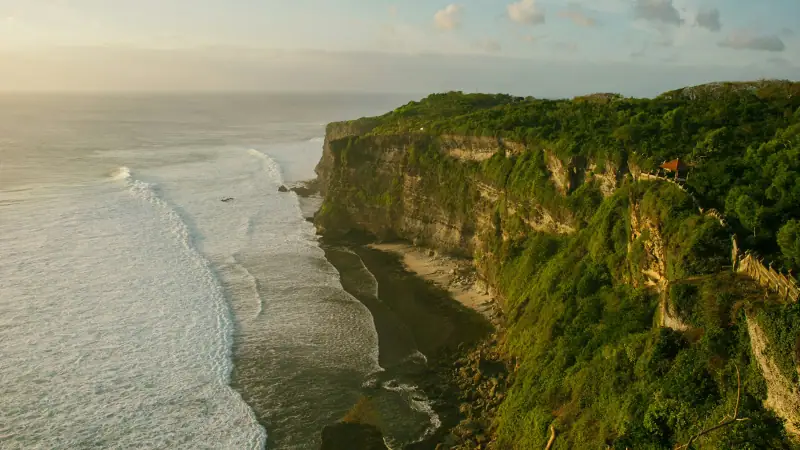
In the south of the island, the Bukit Peninsula brings together spectacular cliffs, hidden beaches below, renowned surf spots and accommodation often set facing the ocean. Sunsets there are famous, as is Uluwatu temple perched on the cliff, which remains one of the most visited sites in the area.
This area is larger and more spread out than Seminyak or Canggu: it is hard to do everything on foot and some means of transport is almost essential. On the plus side, the atmosphere is more open and the views are superb. Several beaches can only be reached by sometimes steep stairs, which is worth considering if you travel with young children or have mobility difficulties.
Beware of the macaques at the peninsula’s tourist sites: they readily steal glasses, phones and objects left within reach. Keep your belongings stowed and do not feed them.
Sanur and Nusa Dua: families and quiet stays
Sanur, on the east coast, is known for its peaceful atmosphere, its seaside promenade and its calm waters protected by a reef. It attracts families, older travelers and those who want to avoid the bustle of the southwest. It is also a handy departure point for reaching neighboring islands by boat, such as Nusa Penida or Nusa Lembongan; our guide to Nusa Penida in a day from Bali explains how to organize the crossing.
Nusa Dua, in the southeast, is an area of large resorts, more organized and more uniform. The beaches are developed, services are plentiful, and security is generally well handled. It is not the most authentic Bali, but it is a good choice for an all-inclusive-style relaxing stay.
🌴 Bali excursions
Temples, rice fields, waterfalls, diving or a trip to Nusa Penida: compare excursions with transport from your accommodation.
How to split your nights
For a first stay of one to two weeks, a simple split works well:
- One week: three or four nights in Ubud, then three or four nights on the coast (Seminyak, Sanur or Uluwatu);
- Ten days: add a stop in the north or east of the island, or an excursion to Nusa Penida;
- Two weeks: combine Bali with Lombok and the Gili Islands or with Java, keeping stops of at least three nights.
Avoid sleeping far from the airport on your last night: traffic jams can turn a routine trip into a journey of several hours. A night near the airport, in the south, secures the return flight.
Tips for choosing your accommodation
- Read recent reviews. Noise, construction and the state of the pool change quickly in fast-developing neighborhoods.
- Check the exact location on the map. A place advertised as “in Seminyak” or “in Ubud” can be several kilometers from the center.
- Look at what is included. Breakfast, shuttle, air conditioning and hot water vary from one place to another.
- Plan for the season. The dry season, roughly April to October, attracts the most people, and prices rise in July and August. In the rainy season, rates are often lower, but showers are more frequent.
- Respect local customs. Offerings placed in front of houses and temples must not be stepped on, and proper dress is required in places of worship.
For getting around, a private driver by the day or a ride-hailing app is often simpler than driving yourself. If you are thinking of renting a car, compare the insurance and driving conditions before you book.
Frequently asked questions about accommodation in Bali
Answers to the most common questions are in the FAQ below. In short: combine two complementary areas, book early in high season, choose your neighborhood before your hotel, and keep some slack in your schedule for travel times. For the rest of your planning, explore the other regions of Indonesia and our advice on organizing a coherent trip across the archipelago.
Frequently asked questions
Where should you stay in Bali on a first trip?
Many travelers split their stay between Ubud, for culture and rice fields, and a beach area in the south such as Seminyak or Sanur. This combination avoids spending every day on the road.
How long should you spend in each area?
Two to four nights per stop is generally enough. Changing accommodation every day wastes time, because traffic is heavy in the south of the island.
Which area is the quietest for families?
Sanur is known for its peaceful atmosphere, its reef-sheltered beach and its seaside promenade. Nusa Dua, more organized, also suits those looking for large resorts.
Do you need to book in advance?
In high season, from July to August and around the end-of-year holidays, the best places fill up fast. Book several weeks ahead, especially if you want a villa or a place with a pool.
Can you do without renting a scooter?
Yes, but distances are easier to manage with a private driver or ride-hailing apps. A scooter requires a suitable license and insurance that covers this type of vehicle: check before you rent.
More Indonesia guides
Keep reading
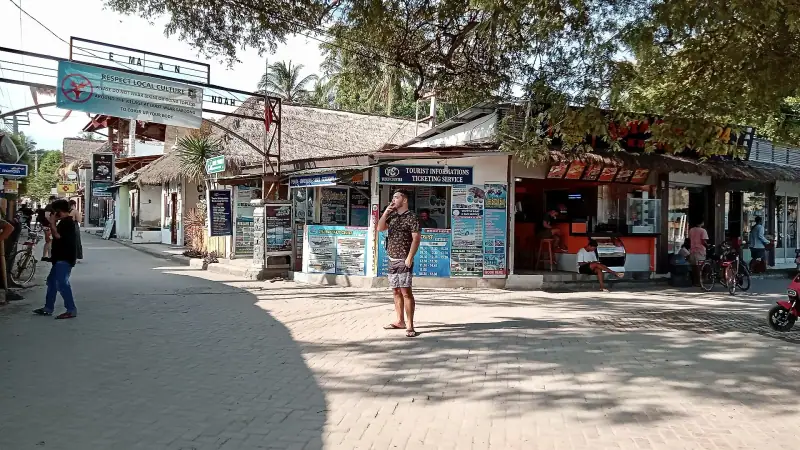
Where to Stay in Lombok and the Gili Islands: Trawangan, Air, Meno, Senggigi or Kuta?
Gili Trawangan, Gili Air, Gili Meno, Senggigi, Kuta Lombok or Rinjani: where to stay in Lombok for your travel style, with practical tips.

Where to Stay in Yogyakarta: Prawirotaman, Malioboro or Borobudur, Which Area to Choose?
Malioboro, Prawirotaman, Kraton, Sosrowijayan or Borobudur village: a comparison of where to stay in Yogyakarta for your budget and sightseeing pace.
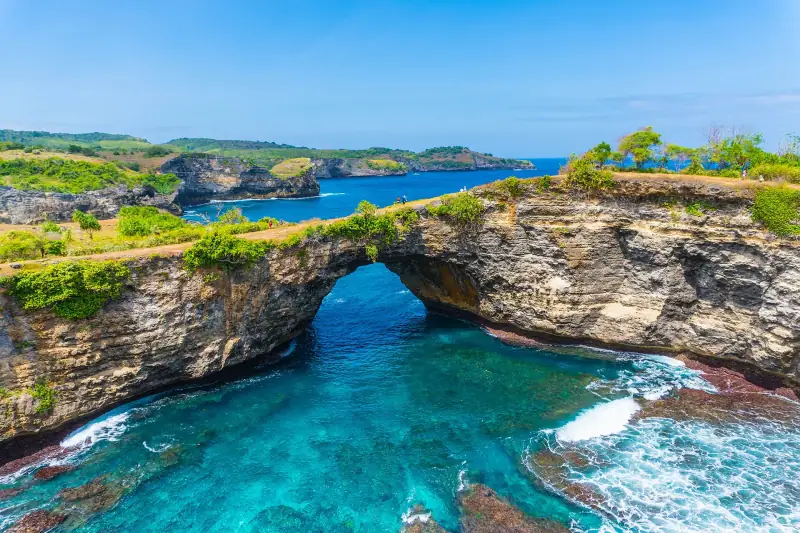
Nusa Penida in One Day from Bali: Boat, Scooter or Organized Tour?
Nusa Penida in one day from Bali: fast boat from Sanur, scooter or driver, west or east circuit, schedules, prices and mistakes to avoid.
Ready-made
Indonesia itineraries
10 days
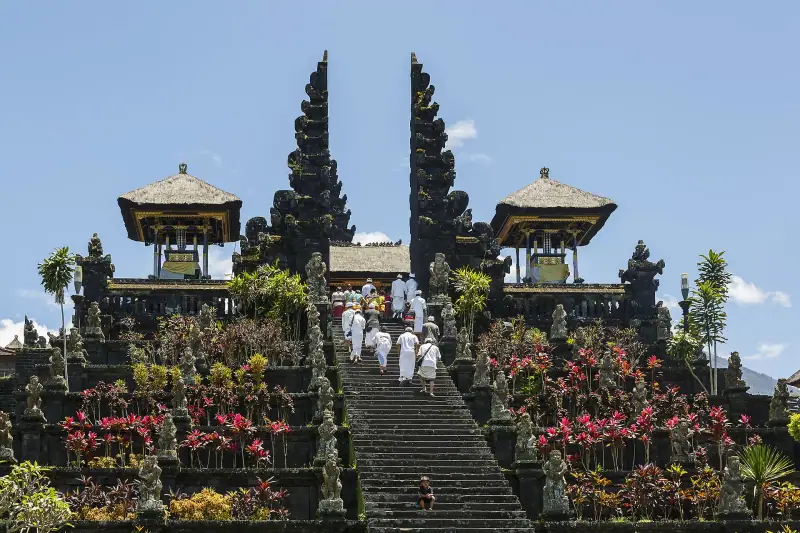
10 Days in Bali: Ubud, the North, the East and the South Coast Day by Day
Bali in 10 days: a detailed itinerary through Ubud, the rice terraces, the north, the east coast, Nusa Penida and the south. Stops, drive times and tips.
6 days
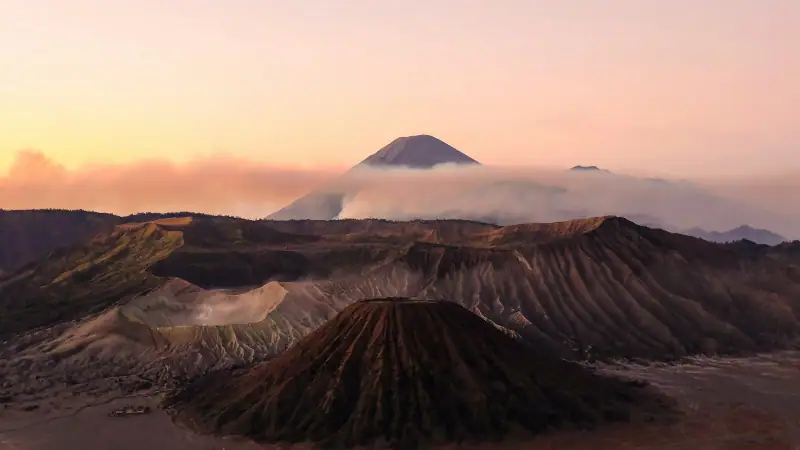
Yogyakarta to Bali Without a Car: Bromo, Ijen and the Ferry in 6 Days
Yogyakarta, Bromo, Ijen then Bali by train, minibus and ferry: stages, distances, realistic travel times and pitfalls to avoid on this car-free route.
8 days
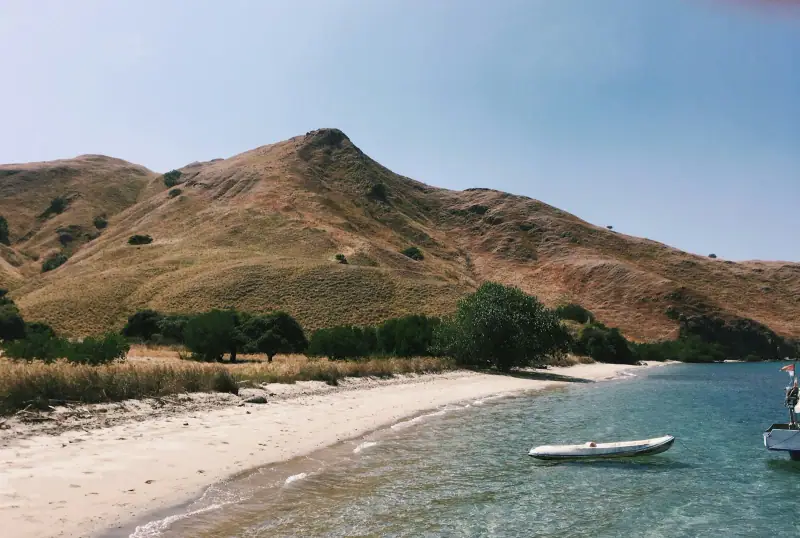
Flores Itinerary: From Labuan Bajo to Kelimutu Volcano in 8 Days
Flores in 8 days: Labuan Bajo, Komodo, spiderweb rice fields, Ruteng, Bajawa, Ende and the Kelimutu lakes. Stops, drive times, pace and tips.