Itineraries
10 Days in Bali: Ubud, the North, the East and the South Coast Day by Day
We may earn a commission when you book through links on this page, at no extra cost to you. We don't visit or try the places we cover: we summarize published sources. How we work
Day by day
- Day 1Arrival, walk around Ubud, first warung meal
- Day 2Tegallalang rice terraces and craft villages
- Day 3Temples around Ubud, evening dance show
- Day 4Cooking class or gentle walk through the rice fields
- Day 5Lake region: Ulun Danu Beratan temple, Munduk
- Day 6North coast near Lovina, waterfalls such as Sekumpul
- Days 7-8East coast (Sidemen, Amed) or Nusa Penida
- Day 9South coast: Seminyak, Canggu, Uluwatu or Sanur
- Day 10Departure; half day free if the flight is in the evening
Weather through the year on this route
| Jan | Feb | Mar | Apr | May | Jun | Jul | Aug | Sep | Oct | Nov | Dec | |
|---|---|---|---|---|---|---|---|---|---|---|---|---|
| High °F (°C) | 8228 | 8228 | 8228 | 8329 | 8228 | 8127 | 8027 | 8027 | 8127 | 8329 | 8429 | 8329 |
| Low °F (°C) | 7826 | 7826 | 7826 | 7926 | 7725 | 7625 | 7424 | 7323 | 7424 | 7625 | 7826 | 7826 |
| Rain in (mm) | 11.9305 | 9.5245 | 7.3185 | 5.0130 | 2.975 | 1.745 | 1.335 | 0.820 | 1.335 | 2.770 | 5.2135 | 9.5245 |
Normals 1991–2020 at Uluwatu and Canggu: averages over 30 years, not a forecast. Source: NASA POWER (MERRA-2), grid of about 50 km. Figures computed by us in November 2026.
In short
- The plan uses four bases only: Ubud (days 1 to 4), the north (days 5 and 6), the east coast or Nusa Penida (days 7 and 8), then the south coast (days 9 and 10).
- Most travelers arrive at Denpasar international airport in the south; arrivals are often in the evening, so book a transfer to Ubud ahead.
- A driver by the day is the simplest way to get around; Bali has no public transport network that is practical for travelers.
- Keep a margin of at least one hour before a flight or a boat, and allow extra time for traffic in the south.
Bali is the gateway to Indonesia for most travelers, and for good reason: within a few dozen kilometers you go from terraced rice fields to temples at the water’s edge, from volcanoes to sandy beaches, from craft villages to cliffs plunging into the ocean. The trap is the apparent distance. On the map the island looks tiny; on the road, every trip takes longer than planned.
This ten-day itinerary is built around only four bases, to limit the luggage you move and leave time for the unexpected. It is meant for first-time visitors who want a balanced overview of culture, nature and relaxation. If you have more time and want to add Java and Lombok, see our two-week itinerary through Java, Bali and Lombok instead.
The principle: four bases, few transfers
Here is the proposed breakdown:
- Days 1 to 4: Ubud and the center of the island;
- Days 5 and 6: northern Bali, from its mountain lakes to its waterfalls;
- Days 7 and 8: the east coast, or Nusa Penida for a boat getaway;
- Days 9 and 10: the south (Uluwatu, Seminyak or Canggu) and departure.
Drive times vary enormously with the hour and the season: a trip that looks short can take twice as long at rush hour or when a ceremony blocks the road. Always keep a margin of at least one hour before a flight or a boat. The distances quoted here are deliberately approximate and should be checked on your mapping app at the time of departure.
Most travelers arrive at Denpasar international airport, in the south of the island. Arrivals are often in the evening: plan a first night near the airport, or go straight to Ubud with a transfer booked in advance. To choose your areas, our guide to where to stay in Bali compares the neighborhoods by travel style.
✈️ Flights to Bali
Compare flights to Denpasar, direct or with a stopover, to fit your dates and budget.
Entry rules depend on your passport. Check the official travel advice of your government before you book: travel.state.gov (US), GOV.UK (UK), travel.gc.ca (Canada), Smartraveller (Australia) (checked November 2026). Our article on entry formalities for Indonesia has more.
Days 1 to 4: Ubud and the cultural heart of Bali
Ubud is the most pleasant base for discovering the soul of the island. The town spreads between rice fields, wooded ravines and lanes lined with painting, wood-carving and silver workshops. It has the advantage of being an easy starting point for many sites within half a day’s drive.
Day 1: arrival and a first walk. After the flight, jet lag makes itself felt. Keep this day light: a stroll through the center, a meal in a warung (small family restaurant) and a first immersion in the local rhythm. You will see daily offerings placed in front of houses and shops everywhere: just avoid stepping on them.
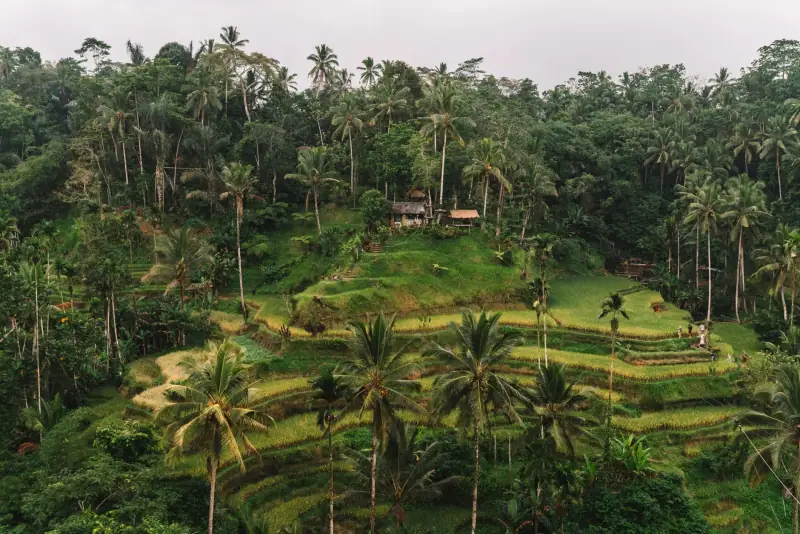
Day 2: rice fields and craft villages. The terraced rice fields around Tegallalang are one of the island’s classics. To avoid the crowds, leave early. On the way, several villages each specialize in a different craft: wood, stone, silver or batik. Do not buy at the first shop you pass: compare prices and finishes before you negotiate.
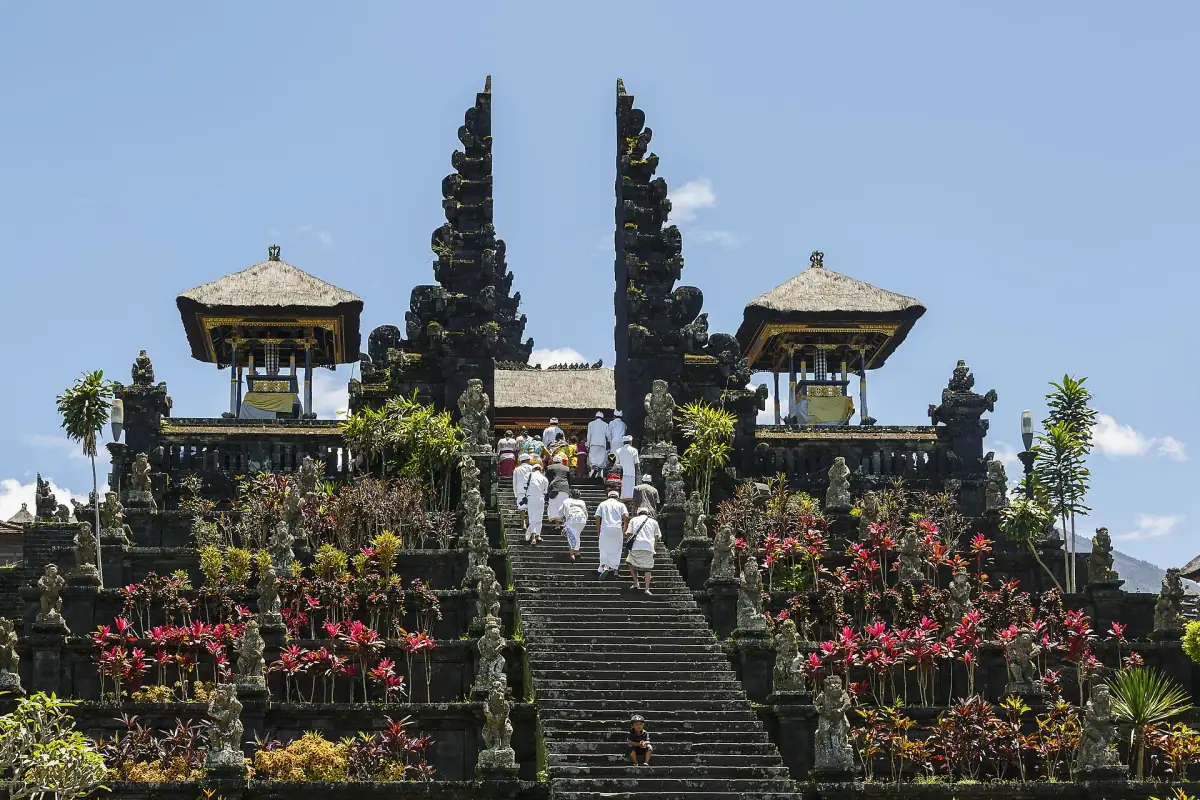
Day 3: temples and culture. A day devoted to the temples of the area helps you understand Balinese Hinduism, which is distinct from India’s: offerings, ceremonies, split-gate architecture. The island’s temples require proper dress, with a sarong and covered shoulders. If a ceremony is under way, watch from a distance without disturbing the worshippers. In the evening, several traditional dance shows are offered in Ubud: ask about venues and times when you arrive.
Day 4: cooking or a light hike. For this last day in Ubud, there are two options. The first is a cooking class with a market visit, a fun way to understand local spices. Our article on Balinese cuisine and cooking classes in Ubud details what you learn. The second is a quiet walk through the rice fields, preferably early in the morning before the heat.
🏨 Where to stay in Ubud
Compare hotels, villas and guesthouses in Ubud by budget, dates and recent traveler reviews.
Days 5 and 6: northern Bali, lakes and waterfalls
Northern Bali is cooler, greener and far less crowded than the south. The road from Ubud climbs into the highlands, with landscapes of crater lakes and plantations. Allow half a day on the road with stops, rather than a simple transfer.
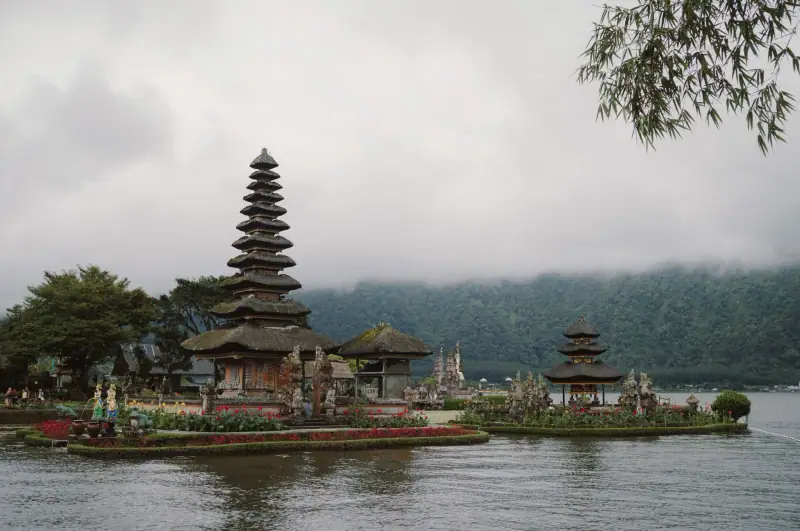
Day 5: the lake region. In the highlands, Ulun Danu Beratan temple, built on the shore of Lake Bratan, is one of the island’s most iconic sights. Nights are cooler at this altitude: a light jacket is enough. The Munduk area, with its waterfalls and trails through coffee and clove plantations, suits an easy one- to two-hour walk. For the night, a guesthouse with a view of the hills makes a pleasant contrast to the bustle of Ubud.
Day 6: northern waterfalls. The north coast, toward Lovina, lies along a calmer sea than the south, with dark-sand beaches of volcanic origin. Several waterfalls in the area can be reached on foot after a short walk, including Sekumpul, among the most spectacular on the island. The trails can be slippery and some waterfalls close after heavy rain: ask your accommodation for advice before setting out. The return to the east coast is at the end of the day, or the next morning.
If you would rather save time, you can drop the northern stage and spend one more day in Ubud. But it is the stage that gives the itinerary the most variety, and it shows a less touristy Bali. Our article on when to go to Indonesia explains the seasons: the north is wetter during the rainy season.
Days 7 and 8: the east coast or Nusa Penida
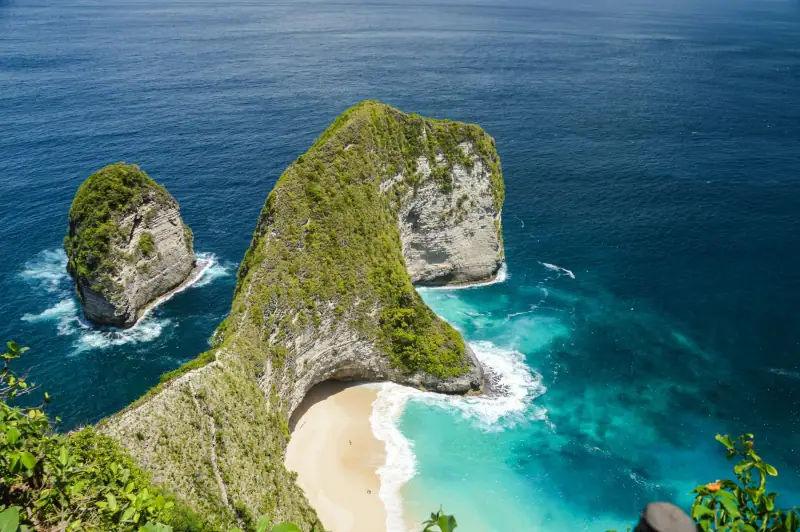
Halfway through, two options present themselves depending on your taste and energy.
Option A: the east coast, quiet and authentic. Around Sidemen and Amed, the coast is less developed. You find rice fields without the Ubud crowds, fishing villages, black-sand beaches and underwater scenery that is easy to reach for snorkeling. The Tirta Gangga water palace, with its pools and fountains, can be visited in about an hour. This is the most restful option, ideal if you like calm.
Option B: Nusa Penida, the island of cliffs. From the southeast coast of Bali, fast boats reach Nusa Penida in about an hour, depending on the sea. The island is famous for its cliffs plunging into the ocean, its beaches in coves and, with a bit of luck while snorkeling, its manta rays. The island’s roads are narrow and in poor condition in places, and the trip between two sites can take much longer than planned. Spend at least one night there, and favor a local driver over a scooter. Always check sea conditions before booking: crossings can be canceled or delayed. If you only have one day, our guide to Nusa Penida in a day from Bali details the boat, scooter and tour options.
In both cases, avoid fixed commitments on the evening of these two days, especially if you head back to the airport the next day.
🐠 Nusa Penida excursions
Compare excursions with boat transfer, the cliffs circuit and snorkeling with manta rays.
Days 9 and 10: the south coast, Uluwatu and departure

Southern Bali is the most touristy part of the island, with beaches, beach clubs, boutiques and restaurants at every price level. Each area has its own personality, and the choice depends on what you want for the end of your trip.
- Seminyak and Canggu: trendy atmosphere, many restaurants and cafes, surf for beginners and experienced surfers depending on the spot;
- Uluwatu: cliffs, beaches in coves and surf for experienced surfers. Uluwatu temple, perched on the cliff edge, is known for its sunsets. The macaques that live there readily steal glasses, caps and objects: keep your belongings firmly in hand;
- Sanur: calmer and family-friendly, with a sheltered beach and a seafront that is pleasant by bike.
On the ninth day, settle into your chosen area and enjoy the beach, a massage or a sunset. The tenth day is departure day: if your flight is in the evening, you have half a day free. Remember to allow a wide margin for the road to the airport, especially in the south where traffic is often heavy. For dinner, our article on what to eat in Indonesia helps you pick a few dishes to try before you leave.
If you want to add the Gili Islands at the end, you will have to drop one stage: for example, the east coast or the north. Our article on Lombok and the Gili Islands explains how to get there from Bali.
How to get around during these ten days
Bali has no public transport network that is practical for travelers. Here are the most common solutions:
- Private driver by the day: the simplest option for an itinerary like this one. The rate is negotiated before departure and generally includes the vehicle and fuel. Tolls and parking are sometimes extra: check;
- Rental car: possible, but driving is demanding, on the left, with heavy traffic and scooters everywhere. We advise against it for drivers who are not comfortable in these conditions;
- Ride-hailing apps: useful in the south for short distances, but some areas restrict access to local drivers;
- Scooter: very common, but risky without experience. A suitable license and insurance that covers this kind of riding are essential.
Budget and insurance
The budget depends mostly on your style: accommodation, number of excursions and how often you eat in tourist spots. Local meals in a warung remain very affordable compared with restaurants in the south of the island. For a detailed estimate, see our article on the budget for Indonesia.
Also think about your travel insurance: check that your policy covers water activities, scooters and repatriation.
Mistakes to avoid
- Multiplying accommodations: each change costs half a day. Stay on four bases at most;
- Underestimating travel times: always add margin, especially at the end of the trip;
- Visiting very popular sites in the middle of the day: leave early, the rice fields and temples are nicer in the morning;
- Neglecting temple dress rules: bring a sarong and follow the posted instructions;
- Trusting posted prices without comparing: excursion rates vary a lot depending on the booking channel;
- Swimming without checking currents: some southern beaches, especially those exposed to surf, are dangerous. Follow the flags and local advice.
Whatever pace you choose, the key is to leave room for improvisation: a ceremony met along the way, a warung around a village bend or a rice field at dawn are often worth more than a packed schedule. Ten days let you see the essentials without spreading yourself thin, and leave you wanting to come back. Prices, hours and access conditions change regularly: check them before booking.
Frequently asked questions
Is ten days enough to visit Bali?
Yes, it is a comfortable length for going around the island without rushing. You can see the cultural center around Ubud, a volcano or a mountain lake, the east coast, a neighboring island and the southern beaches, as long as you limit yourself to three or four changes of accommodation.
How many accommodation bases should you plan for in 10 days?
Three or four at most. Bali's roads are slow, and every transfer with luggage takes half a day. It is better to make day trips from one base than to change hotels every night.
Should you rent a car or hire a driver?
For foreign visitors, a driver by the day is the most common solution: the driver knows the roads, spares you the stress of the traffic, and the rate can be negotiated by the day or for the whole stay. Scooters are not recommended for inexperienced riders: traffic is heavy and insurance does not always cover accidents.
Can you do Nusa Penida in a day from Bali?
It is possible but tiring: the fast-boat crossing, the island's roads and the return take up much of the day. A night on the island lets you enjoy the cliffs in the morning and evening light, with fewer people.
What is the best time of year for this itinerary?
The dry season, roughly April to October, offers the brightest days and calmer seas for the crossings. The rainy season is still workable, with showers often concentrated at the end of the day.
How should you dress to visit temples?
Shoulders and legs must be covered. Many temples lend or rent a sarong at the entrance, but bringing your own saves you the wait. Under local tradition, some sanctuaries remain off-limits to women during their period: respect the signs.
Do you need to book accommodation in advance?
Yes in high season, especially in July and August and over the end-of-year holidays, when the best places fill up. In low season you can stay flexible, especially for the last nights.
More Indonesia guides
Keep reading
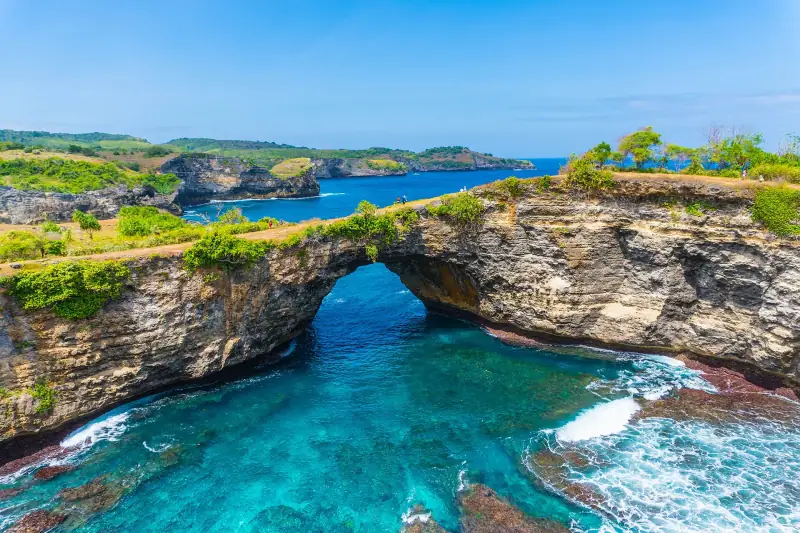
Nusa Penida in One Day from Bali: Boat, Scooter or Organized Tour?
Nusa Penida in one day from Bali: fast boat from Sanur, scooter or driver, west or east circuit, schedules, prices and mistakes to avoid.
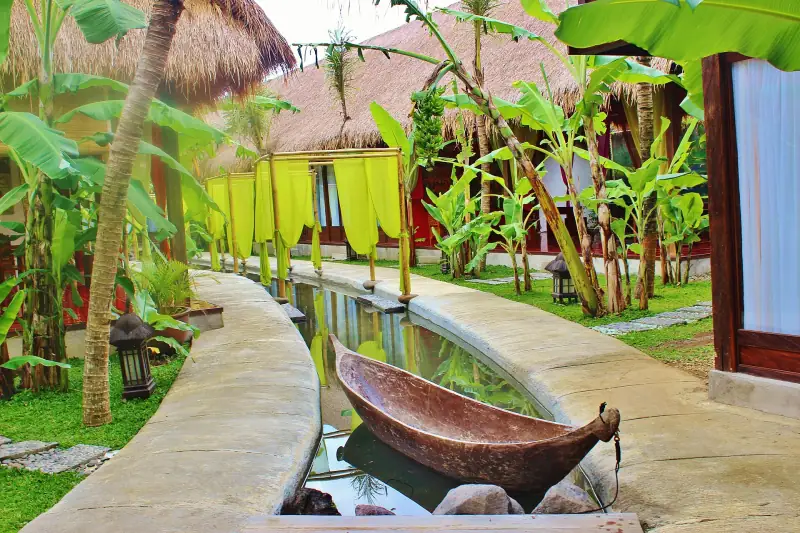
Where to Stay in Bali: Ubud, Seminyak, Canggu or Uluwatu, Which Area to Choose?
Ubud, Seminyak, Canggu, Sanur, Uluwatu: a comparison of where to stay in Bali for culture, beaches, surf or family trips, with tips for choosing well.
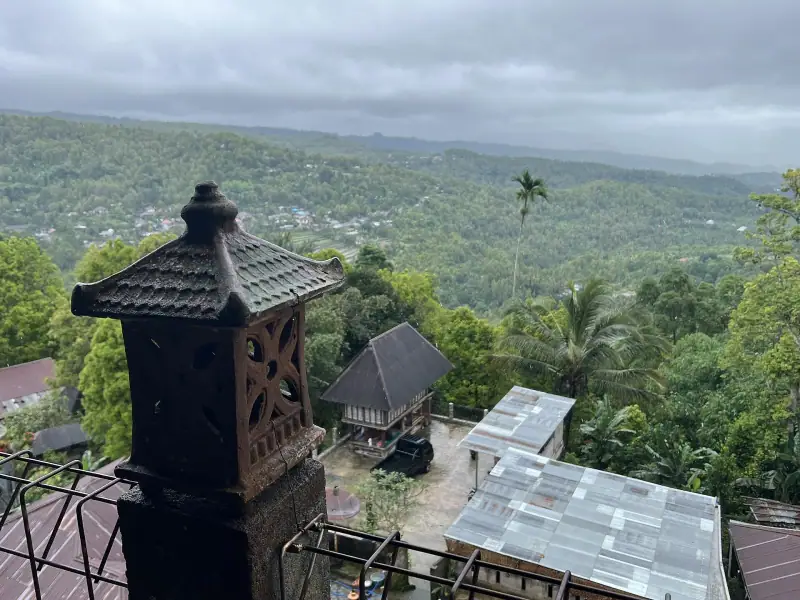
Munduk, Bali: Waterfalls, Lakes and Mountain Coffee, Is It Worth the Detour?
Munduk, a mountain village in northern Bali: waterfalls, twin lakes, drive time from Ubud, ideal length of stay, budget and tips for getting there.
Ready-made
Indonesia itineraries
6 days
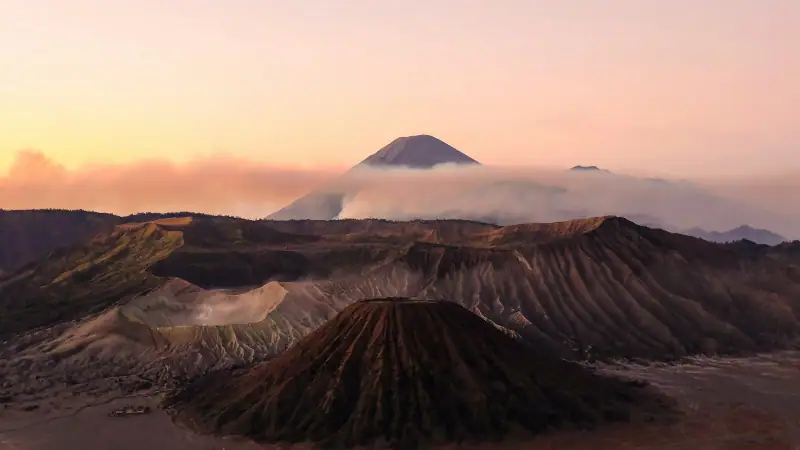
Yogyakarta to Bali Without a Car: Bromo, Ijen and the Ferry in 6 Days
Yogyakarta, Bromo, Ijen then Bali by train, minibus and ferry: stages, distances, realistic travel times and pitfalls to avoid on this car-free route.
8 days
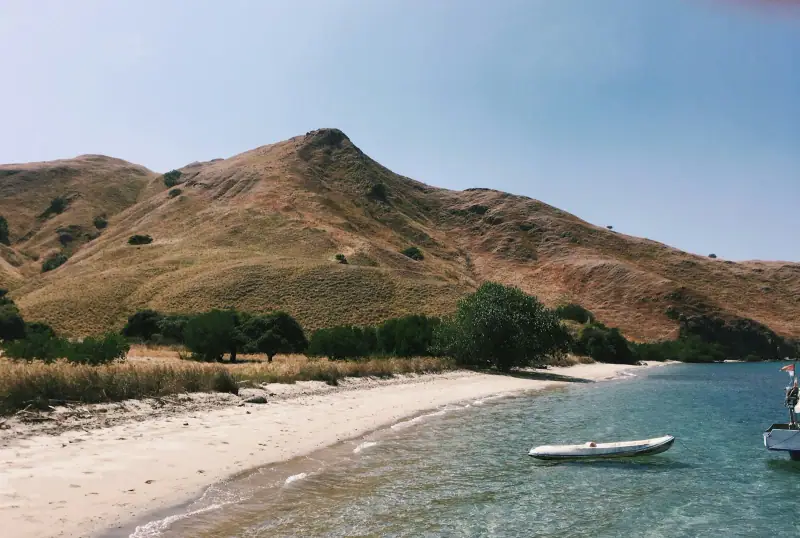
Flores Itinerary: From Labuan Bajo to Kelimutu Volcano in 8 Days
Flores in 8 days: Labuan Bajo, Komodo, spiderweb rice fields, Ruteng, Bajawa, Ende and the Kelimutu lakes. Stops, drive times, pace and tips.

15 days
2 Weeks in Indonesia: Java, Bali and Lombok Day by Day
A 15-day Indonesia itinerary: Yogyakarta, Borobudur, Bromo, Ijen, Ubud and the Gili Islands. Stops, transfers, pace and mistakes to avoid.