Things to do
Visiting Lombok and the Gili Islands: Rinjani, Beaches and Snorkeling
We may earn a commission when you book through links on this page, at no extra cost to you. We don't visit or try the places we cover: we summarize published sources. How we work
In short
- Plan at least five to six days for both: two or three nights on the Gilis and as many on Lombok; add seven to ten days if you want the two- to three-day Rinjani trek.
- Gili Trawangan is the liveliest, Gili Air a compromise, Gili Meno the quietest; none has cars or scooters (cidomo horse carts, bikes and walking only).
- The Rinjani rises above 3,700 m (12,100 ft) and is done with a licensed guide and porters; the park can close or restrict access in the rainy season.
- The fast boat from Padangbai takes about two hours; never schedule an international flight the same day as your return from the Gilis.
East of Bali, across the Lombok Strait, the island of Lombok offers a calmer, more rural face. It is dominated by Rinjani, one of the country’s great volcanoes, and edged to the south by wide beaches where surfers have made their home. In the northwest, the three Gili Islands add pale-sand beaches, clear water and no motorized traffic.
This article helps you choose your stops, understand what you do there and link Lombok with Bali. To place the island in a broader trip, see our complete guide to visiting Indonesia.
The Gili Islands: three islands, three atmospheres
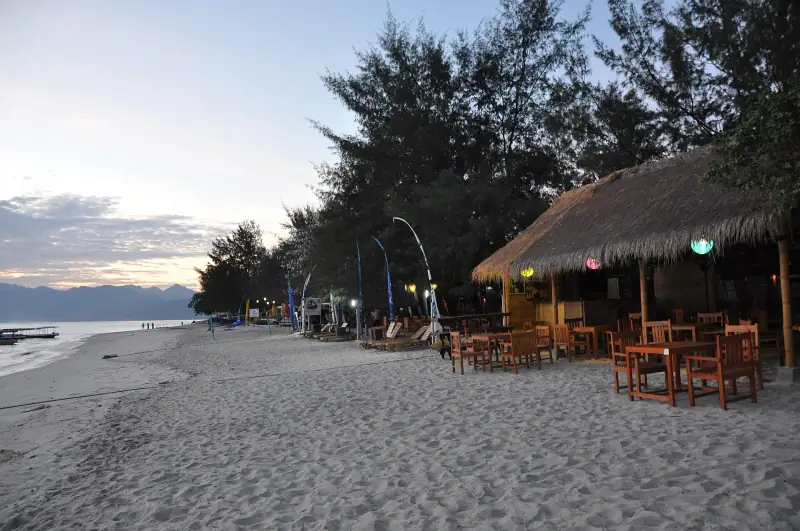
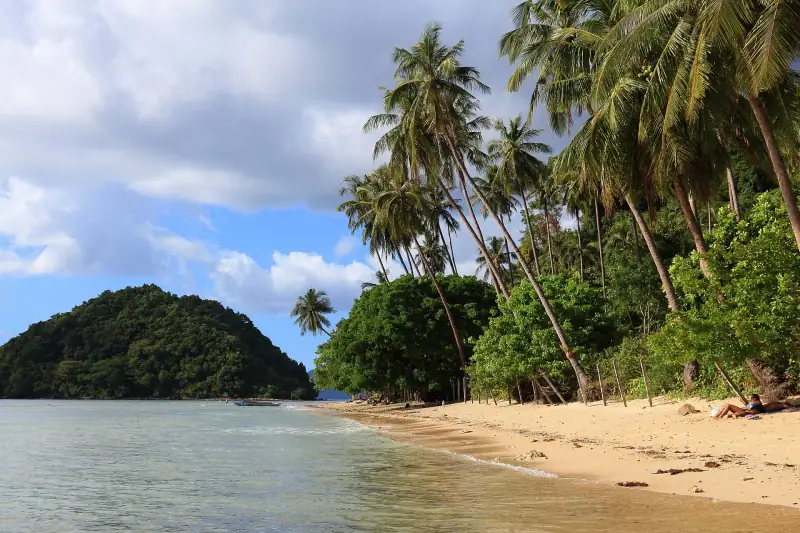
The Gilis are three small islands set off the northwest coast of Lombok: Gili Trawangan, Gili Meno and Gili Air. All are edged with pale sand and reefs you reach with fins from the beach. They share one rule that changes everything: no cars, no scooters. You get around on foot, by bike or by cidomo, a horse-drawn cart, and you circle each island in a few hours of easy walking.
Gili Trawangan, often called “Gili T,” is the largest and liveliest. Its east coast lines up restaurants, bars and dive centers, and this is where the nightlife is. Sunset on the west coast, facing Bali, is a daily ritual. Gili Air is the closest to Lombok and offers a compromise: a few good restaurants and pleasant beaches, without the party. Gili Meno, the smallest and most isolated, suits those looking for silence and less-visited seabeds.
A simple tip: if you hesitate, spend two nights on one and one night on another. The three islands are linked by small public boats, and each change of atmosphere takes less than an hour.
Snorkeling and diving on the Gilis
The waters around the Gilis are known for their sea turtles, regularly met while snorkeling, especially near the seagrass areas. Diving there is accessible to beginners: visibility is often good, currents moderate in several places, and many centers offer introductory dives and level upgrades. Choose a center that limits group size and respects the animals: you do not touch the turtles, you do not chase them.
To explore without diving, glass-bottom boat trips or half-day snorkeling outings often link several spots around the three islands. Wear a UV shirt: the sun is strong even in overcast weather, and reefs tolerate conventional sunscreens poorly, so prefer mineral protection.
🐢 Snorkeling and excursions on the Gilis
Compare snorkeling outings and boat tours around the three Gili Islands, with equipment and guide depending on the package.
Rinjani: Lombok’s great trek
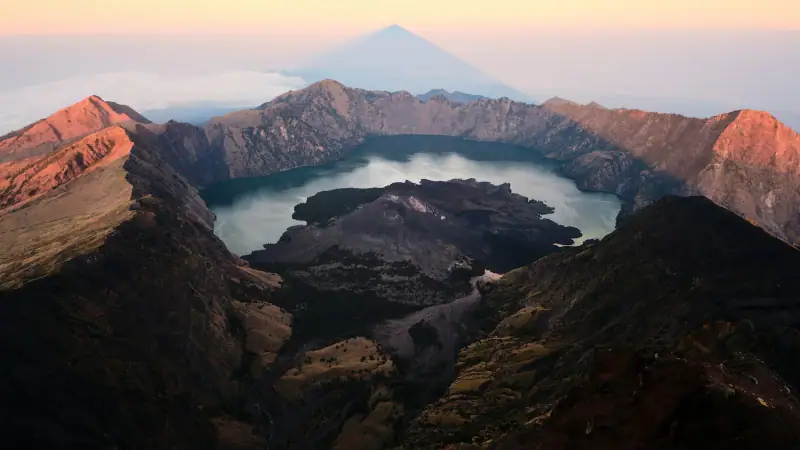
Rinjani dominates northern Lombok and peaks at more than 3,700 m (12,100 ft), which makes it one of the highest volcanoes in the country. It is part of a national park and holds, in its caldera, a crater lake at the foot of a more recent cone. It is the island’s signature hike, and one of the finest in the archipelago.
The climb is generally done over two to three days, with a bivouac, from one of the two usual starting points: the village of Sembalun, to the east, or that of Senaru, to the north. Local agencies provide the guide, porters, tents and meals. The final climb to the summit starts in the middle of the night, on loose ash and gravel, to arrive at dawn: it is the hardest part, and the cold can be sharp.
Do not take this trek lightly. Bring good high-top boots, warm clothes, a headlamp and a suitable sleeping bag. The park may close or restrict access in the rainy season, and after episodes of volcanic activity or landslides: check the situation with your agency just before booking. Choose an organizer that treats its porters properly in terms of load, equipment and pay.
A gentler alternative
Without aiming for the summit, you can enjoy the foot of the volcano. Around Senaru, short trails lead to waterfalls amid dense vegetation, and the Sembalun area offers cultivated hill landscapes with Rinjani as a backdrop. It is a good option if you lack time or fitness.
Southern Lombok: beaches, surf and villages
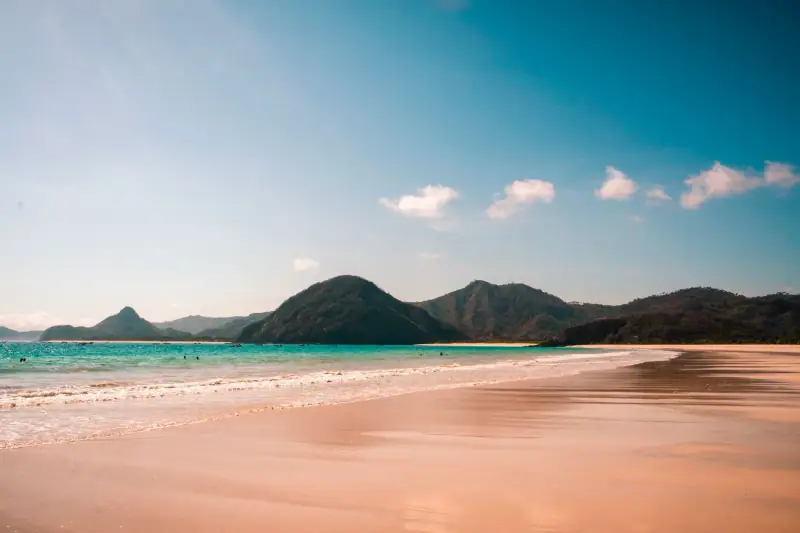
Lombok’s south coast, around Kuta Lombok, lines up bays of pale sand separated by grassy hills. Do not confuse it with Kuta, the Bali resort: here the atmosphere is quieter, with guesthouses, warungs and surf schools. The waves attract surfers of all levels, with spots for beginners and experienced surfers depending on the bays and tides.
The beaches in the area, including Tanjung Aan and Selong Belanak, are easily visited by scooter or with a driver by the day. They are calmer on weekdays, and the late-afternoon light is especially beautiful. You can rent a board there, drink a coconut juice and stay a whole afternoon.
The south of the island also lets you approach Sasak culture, the majority ethnic group of Lombok. Some traditional villages open to visitors and show their thatched-roof houses and weaving. Enter with respect, ask before photographing and accept that you will be offered things to buy: crafts are an important source of income for these residents.
Getting around in Lombok
The scooter is the most common way to get around in the south, but riding there is demanding: roads sometimes in poor condition, truck traffic, animals on the roadway. If you are not comfortable, prefer a private driver for the day, an option that is often affordable in Indonesia. Be sure to check that your insurance covers riding a two-wheeler, which is not always the case.
🏨 Where to stay in Lombok and the Gilis
Compare accommodation on Gili Trawangan, in Kuta Lombok or in Senggigi by dates, budget and recent reviews.
How to get to Lombok and the Gilis from Bali
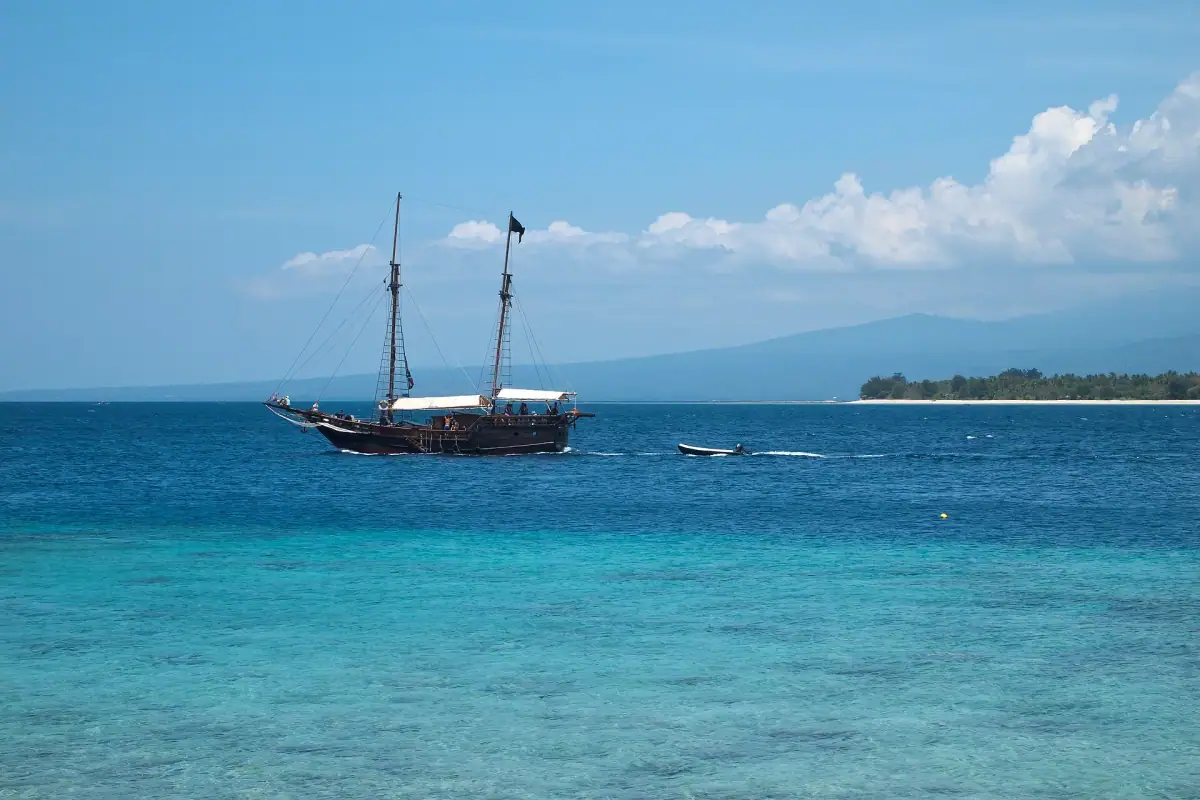
There are two main options. The first is the fast boat: companies link the port of Padangbai, on Bali’s east coast, to the Gilis and Lombok, with a crossing on the order of two hours depending on the boat and the state of the sea. The trip from your hotel to the port adds time, especially from Ubud or the south of the island: tickets often include the transfer, check when booking.
The second is the plane: a short flight links Bali to Lombok’s international airport, located in the south-central part of the island, near Praya. It suits you if you are heading directly to Kuta Lombok or Rinjani, but the drive to the port of Bangsal, from where the public boats leave for the Gilis, is long. The direct boat is therefore often simpler for the Gilis.
The strait can be rough, and schedules change with the weather. Never schedule an international flight on the same day as your return from the Gilis: keep at least a night of margin in Bali or Lombok. To compare accommodation on the Bali side before or after the crossing, see our guide to where to stay in Bali.
✈️ Flights to Lombok
Compare flights to Lombok and to Bali by dates and stopovers, before deciding how to cross.
When to go and how to organize your stay
The dry season, roughly April to October, is the most pleasant: clear skies, calmer sea, more reliable access to Rinjani. July and August are the busiest and most expensive months. In the rainy season, roughly November to March, showers are more frequent, the sea is less stable and Rinjani is often restricted. For an island-by-island overview, see our article on when to go to Indonesia.
A few ideas for itineraries:
- Five to six days: two nights on the Gilis, three in southern Lombok, no trek;
- A week to ten days: add Rinjani over two or three days, between Senaru and the Gilis;
- Three weeks: Bali, Lombok and the Gilis, then a flight to Labuan Bajo for Komodo National Park.
A few basic rules for traveling with peace of mind:
- Book in advance in high season, especially fast boats and accommodation on the Gilis;
- Respect local customs: Lombok is more conservative than Bali, beachwear stays on the beach;
- Avoid plastics: drinking water is a sensitive topic on the small islands, bring a bottle and use refill stations;
- Keep cash: ATMs are rare outside the main tourist areas, and some establishments do not accept cards.
Frequently asked questions about Lombok and the Gili Islands
Answers to the most common questions are in the FAQ below. In short: choose your Gili according to the atmosphere you want, keep a margin for the sea and weather, do not underestimate Rinjani and plan a flexible day before any return flight.
Frequently asked questions
How much time should you plan for Lombok and the Gili Islands?
Allow at least five to six days to enjoy both: two or three nights on the Gilis and as many on Lombok. If you add the Rinjani climb, which takes two to three days with a guide, plan on a week to ten days.
Which Gili island should you choose?
Gili Trawangan is the liveliest, with bars, restaurants and nightlife. Gili Air is a compromise between atmosphere and calm. Gili Meno is the quietest and most isolated. Each can be covered on foot or by bike in a few hours.
Are there cars or scooters on the Gili Islands?
No, there are no motor vehicles there. You get around on foot, by bike or in a horse cart called a cidomo. It is one of the charms of these islands, but travel light: the paths are sandy.
Is Rinjani accessible without mountain experience?
No, it is a real multi-day hike, with a significant elevation gain and cold nights at altitude. It is done with a licensed guide and porters. If you lack training, shorter treks at the foot of the volcano already offer fine scenery.
Do you need to cover up in Lombok?
Lombok is mostly Muslim and more conservative than Bali. On tourist beaches and on the Gilis, beachwear is common, but in villages and to enter a mosque, cover shoulders and knees.
What is the best time to go?
The dry season, roughly April to October, is the most favorable. In the rainy season, the sea can be rough, crossings are less certain and access to Rinjani is often restricted. Check conditions before booking.
More Indonesia guides
Keep reading
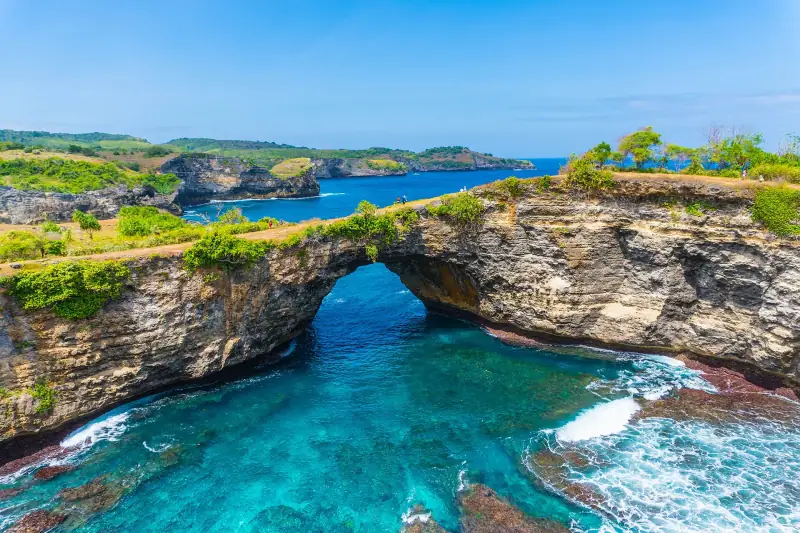
Nusa Penida in One Day from Bali: Boat, Scooter or Organized Tour?
Nusa Penida in one day from Bali: fast boat from Sanur, scooter or driver, west or east circuit, schedules, prices and mistakes to avoid.
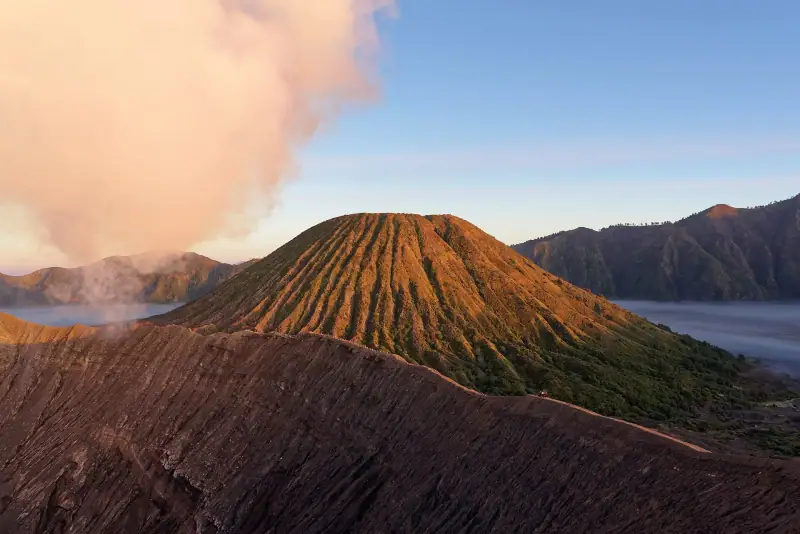
Visiting Bromo and Ijen: The Volcanoes of Eastern Java, a Practical Guide
Sunrise over Bromo, Ijen's blue flames and turquoise lake: how to organize a visit to the volcanoes of eastern Java, with bases, transport and tips.
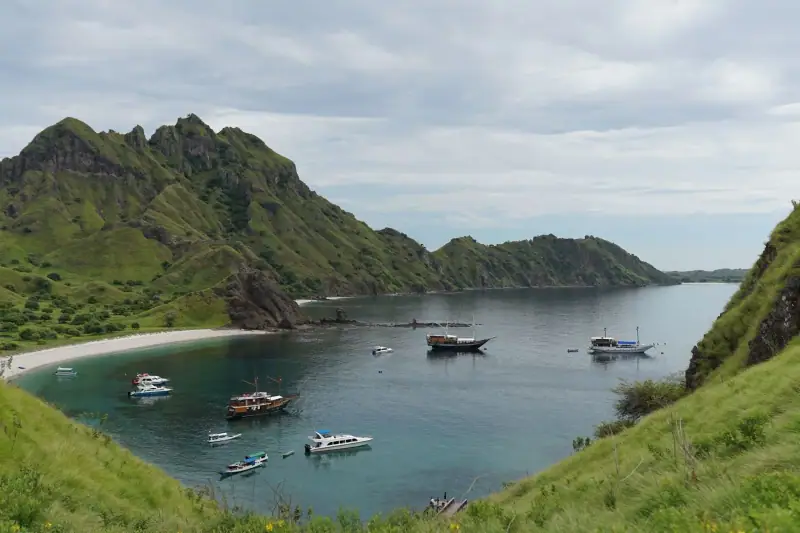
Visiting Komodo National Park: Dragons, Padar and Diving from Labuan Bajo
How to plan a visit to Komodo National Park: dragons on Komodo and Rinca, the Padar panorama, beaches, diving and cruises from Labuan Bajo.
Ready-made
Indonesia itineraries
10 days
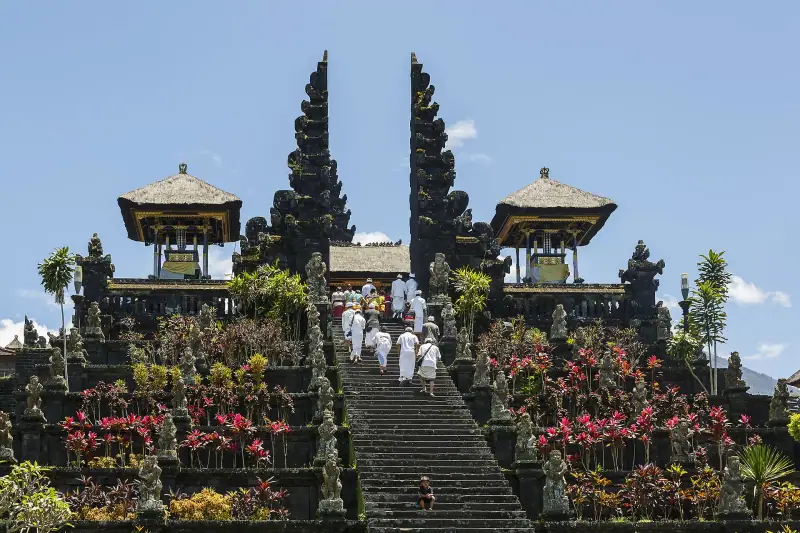
10 Days in Bali: Ubud, the North, the East and the South Coast Day by Day
Bali in 10 days: a detailed itinerary through Ubud, the rice terraces, the north, the east coast, Nusa Penida and the south. Stops, drive times and tips.
6 days
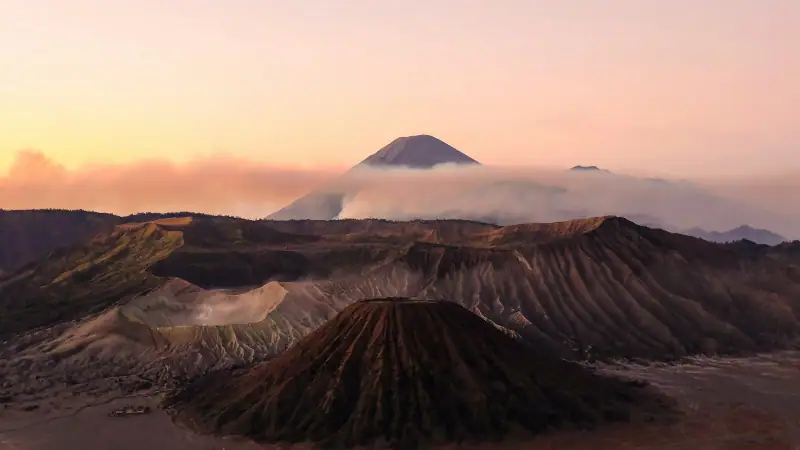
Yogyakarta to Bali Without a Car: Bromo, Ijen and the Ferry in 6 Days
Yogyakarta, Bromo, Ijen then Bali by train, minibus and ferry: stages, distances, realistic travel times and pitfalls to avoid on this car-free route.
8 days
Flores Itinerary: From Labuan Bajo to Kelimutu Volcano in 8 Days
Flores in 8 days: Labuan Bajo, Komodo, spiderweb rice fields, Ruteng, Bajawa, Ende and the Kelimutu lakes. Stops, drive times, pace and tips.