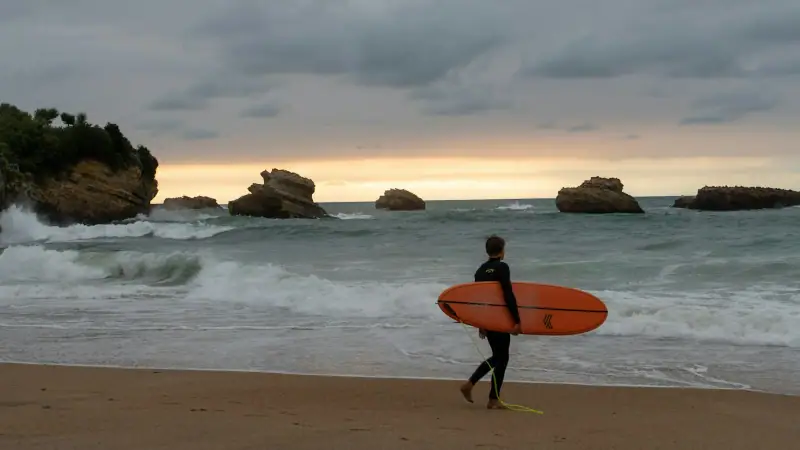
14 days
Basque coast, Douro and Porto in 14 days: a loop from Bilbao
San SebastiánBiarritzBurgosPinhãoPortoSalamancaBilbao
Can be adapted in the planner
Two countries, one loop by car
Spain and Portugal are linked by open Schengen borders, and the French Basque coast sits one hour from San Sebastián. This page shows which regions fit in two or three weeks and what to settle with the rental company.
We may earn a commission when you book through links on this page, at no extra cost to you. We don't visit or try the places we cover: we summarize published sources. How we work
Itineraries
Ready-made routes across several countries, with real drive times, the border crossings and where to sleep.
14 days
San SebastiánBiarritzBurgosPinhãoPortoSalamancaBilbao
Can be adapted in the planner
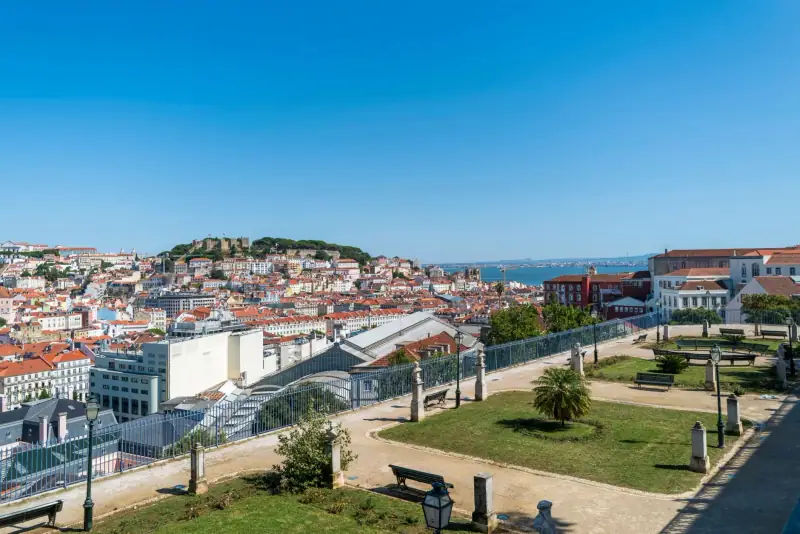
14 days
ToledoÉvoraLisbonCoimbraPortoSalamancaSegoviaMadrid
Can be adapted in the planner
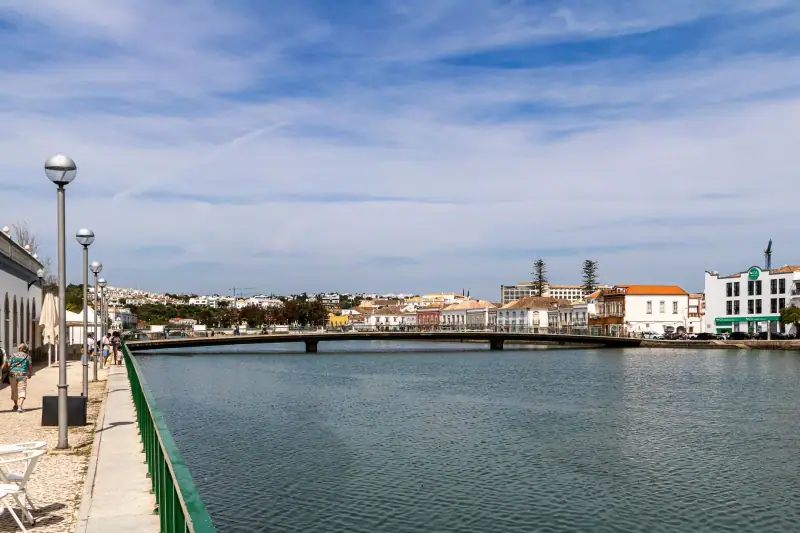
21 days
ToledoÉvoraTaviraLagosLisbonÓbidosPortoSalamancaSegovia
Can be adapted in the planner
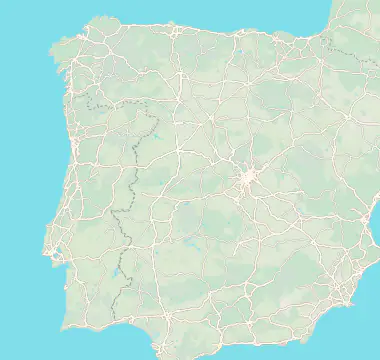
Spain and Portugal share one peninsula and an open border, so a rental car can cross between them without a stop. Each region brings a different trip. Spain gives you Madrid and the Castilian cities around it: Toledo, Segovia, Ávila, Salamanca and Burgos. Portugal adds Porto and the Douro, Coimbra, Óbidos, Lisbon, Sintra and Évora. The Algarve is the beach end, with Lagos, Tavira and Carvoeiro. The Basque Country covers Bilbao and San Sebastián in Spain, plus Biarritz and Saint-Jean-de-Luz in France. Andalusia (Seville, Granada) is not on our planner.
Distance decides which combinations work. These are the drive times between the main town of each region. They come from a road-routing tool, they do not include stops, and they do not include any border wait:
Madrid, Lisbon and Porto work as one loop. The Basque coast and the Douro work as another. Bilbao to Lagos is the figure to avoid: one straight line through the whole peninsula is nearly 12 hours of driving, and it would end in another country than it started. If time is short, skip the Algarve or the Basque coast.
For the countries in depth, see our Spain road trip and Portugal road trip pages.
10 days: two regions. Madrid and Toledo with Lisbon, or Porto with the Douro, or the Basque coast alone. Skip the Algarve.
14 days: two or three regions, by loop. The 14-day Madrid, Lisbon and Porto loop runs through Toledo, Évora, Lisbon, Coimbra, Porto, Salamanca and Segovia with eight bases. Its long day is Toledo to Évora, 5 h 00, 464 km (289 mi), and the other drives are under 4 hours. The 14-day Bilbao, Basque coast and Douro loop crosses three countries and four borders, with a long day of 5 h 05, 442 km (275 mi), from Burgos to Pinhão.
21 days: three regions. The 21-day Madrid, Algarve and Porto loop adds Tavira and Lagos. It covers about 2,100 km (1,300 mi) and roughly 25 hours of driving, with nine bases and two or three nights in most of them.
The Lisbon and Porto guides advise against keeping a car in the city, so ask your hotel about parking.
Spring and early fall suit most of the tour. The Spain and Portugal “best time” guides both say so, and the same months hold for the Basque coast.
July and August also raise rental prices and demand, so book the car well ahead.
Figures come from our regional budget guides, per person per day and excluding flights. They are estimates and change with the season.
Add the cross-border fee to the car (see below), plus fuel, tolls and parking.
Spain, Portugal and France all use the euro, and the borders on this route are open. What needs attention is the contract with the rental company, the Portuguese tolls and the drop-off city.
Declare every country you will enter when you book, and buy the company’s cross-border option. The company must authorize each country, and some car categories may be banned from leaving the country, so read the rental agreement. Published examples (2026):
Driving into a country you did not declare is penalized: Sixt Spain applies a €150 (~$174) contractual penalty for a banned country, and Hertz charges the fee. Driving without permission can also void the cover. Fees change, so check at booking.
Not needed. Spain, Portugal and France are EU countries, so there is no Green Card and no border insurance on this route. The rental company’s cross-border permission is what counts.
None of the three countries uses a vignette.
Bring your passport, your driving licence and the rental agreement. Entry rules and licence or International Driving Permit requirements depend on your own government (see the last sentence of this section).
Spain-Portugal and Spain-France are internal Schengen borders: there are no routine checks and you just drive across. The EU Entry/Exit System (EES) applies when you land from outside the Schengen area at Madrid, Lisbon, Porto, Faro or Bilbao, not on these land borders. ETIAS is not in operation as of November 2026: check travel-europe.europa.eu/etias_en.
This is the main trap of an Iberian road trip. Sixt Spain’s published international one-way fee for a car returned in Portugal is €950 (~$1,102), plus the cross-border fee (2026). For France it is €1,000 (~$1,160), or €683 (~$792) for the Bordeaux, Basque Country, Pyrenees and Toulouse regions. A one-way rental inside Spain costs €45 to €110 (~$52 to $128) at Sixt. Hertz Portugal allows one-way rentals only to some Spanish cities (Madrid, Seville, Bilbao and others), and shows the fee at booking.
A loop back to the pick-up country avoids the one-way fee: only the cross-border fee is added. All three of our itineraries are loops: the two from Madrid and the one from Bilbao. If you want to end in Lisbon or Faro, compare quotes first, or plan a one-way inside Spain.
For entry rules, visas and driving licences, check your own government’s travel advice: travel.state.gov (US), gov.uk/foreign-travel-advice (UK), travel.gc.ca/destinations (Canada) or smartraveller.gov.au (Australia).
Drives between bases are under 4 hours except the long days named above. Leave early on those days and plan a lunch stop.
Mountain and winding roads matter in one place: the Douro Valley. The Porto and Douro guide says the roads are winding and driving takes attention, especially after a tasting. Pick a designated driver who does not taste, or join an organized excursion. It also notes that the car is essential for chaining quintas and finding viewpoints, and that the Douro train line is the cheaper way to see the valley without driving.
In cities, the guides recommend leaving the car. In Lisbon, use the metro, trams and trains; for Sintra, the suburban train takes about 40 to 50 minutes from Rossio, and parking in the center is very difficult. Porto streets are narrow and parking is complicated. In San Sebastián, parking is limited, regulated and paid, so use a public car park. Madrid parking is also complicated. On the Algarve, a car is the most practical way to explore, and the A22 crosses the region from east to west, but parking in Lagos is hard in summer.
There are no ferries on this tour.
The international gateways of the tour are Madrid-Barajas (MAD), Bilbao (BIO), Biarritz Pays Basque (BIQ), Porto Francisco Sá Carneiro (OPO), Lisbon Humberto Delgado (LIS) and Faro (FAO). Check which airlines serve each airport from your city.
Where you land decides where you pick up the car. Madrid starts the two Madrid loops. Bilbao starts the Basque loop. An open-jaw ticket (arrive in one city, leave from another) only makes sense if the car follows the same path, and it brings back the one-way fee above. If you want to land in Lisbon or Porto and leave from Madrid, price the car first.
Jet lag is real after a transatlantic flight. Sleep close to the airport on the first night, collect the car the next morning, and keep the first drive short: the Madrid itineraries start with a drive of 1 h 05 to Toledo, and the Bilbao loop with 1 h 15 to San Sebastián. When you land from outside the Schengen area, the EES applies at the airport.
| Jan | Feb | Mar | Apr | May | Jun | Jul | Aug | Sep | Oct | Nov | Dec | |
|---|---|---|---|---|---|---|---|---|---|---|---|---|
| Porto | ||||||||||||
| High °F (°C) | 5513 | 5714 | 6116 | 6317 | 6619 | 7222 | 7524 | 7725 | 7323 | 6820 | 6116 | 5714 |
| Low °F (°C) | 468 | 468 | 489 | 5211 | 5513 | 5915 | 6116 | 6317 | 6116 | 5714 | 5211 | 489 |
| Rain in (mm) | 5.1130 | 3.590 | 3.590 | 3.795 | 3.075 | 1.230 | 0.615 | 1.025 | 2.460 | 5.1130 | 5.7145 | 5.3135 |
| Toledo | ||||||||||||
| High °F (°C) | 5010 | 5513 | 6317 | 6619 | 7524 | 8630 | 9334 | 9334 | 8228 | 7222 | 5915 | 5211 |
| Low °F (°C) | 320 | 341 | 373 | 436 | 5010 | 5714 | 6418 | 6418 | 5714 | 489 | 394 | 341 |
| Rain in (mm) | 1.230 | 1.230 | 1.435 | 1.640 | 1.640 | 0.820 | 0.25 | 0.410 | 1.025 | 2.050 | 1.845 | 1.640 |
Normals 1991–2020 at Porto and Toledo: averages over 30 years, not a forecast. Source: NASA POWER (MERRA-2), grid of about 50 km. Figures computed by us in November 2026.
Or build your own
The Iberia road trip planner works with the main stops of every country: pick your airports, your days and your pace, and it orders the stops with real drive times (border waits not included).
A 14-day example: 19 h 10 of travel in total (1624 km / 1009 mi).
Open the planner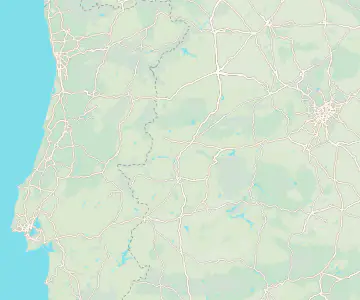
4 destinations
Each country or region of the trip has its own guides, itineraries and, often, its own planner.
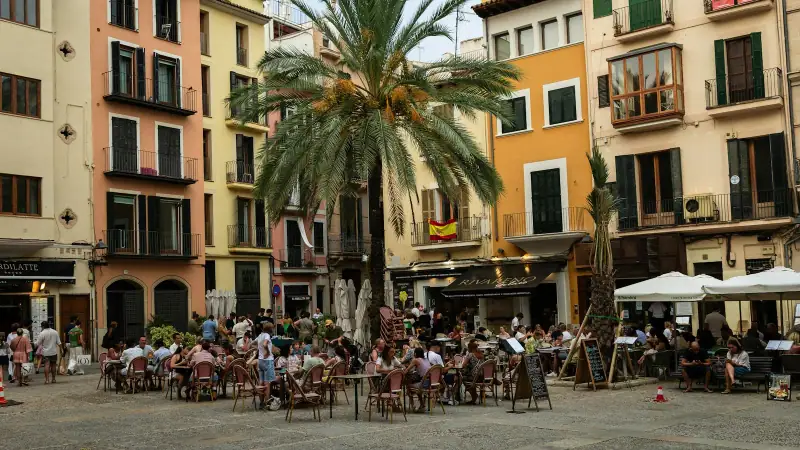
Andalusia, Madrid & Barcelona · Spain
Barcelona and Catalonia, Madrid and the old towns of Castile, Valencia, and Seville, Granada and Córdoba in Andalusia.
18 guides5 itinerariesTrip planner
Madrid and the Castilian cities of Toledo, Segovia, Ávila, Salamanca and Burgos. The natural start and end of a loop, with the main airport.

Lisbon, Porto & the Douro · Portugal
Lisbon's hills, Porto and the Douro vineyards, Sintra's palaces and the plains of the Alentejo, linked by short drives.
18 guides3 itinerariesTrip planner
Porto and the Douro, Coimbra, Óbidos, Lisbon, Sintra and Évora. Compact distances and the best drive times of the tour.
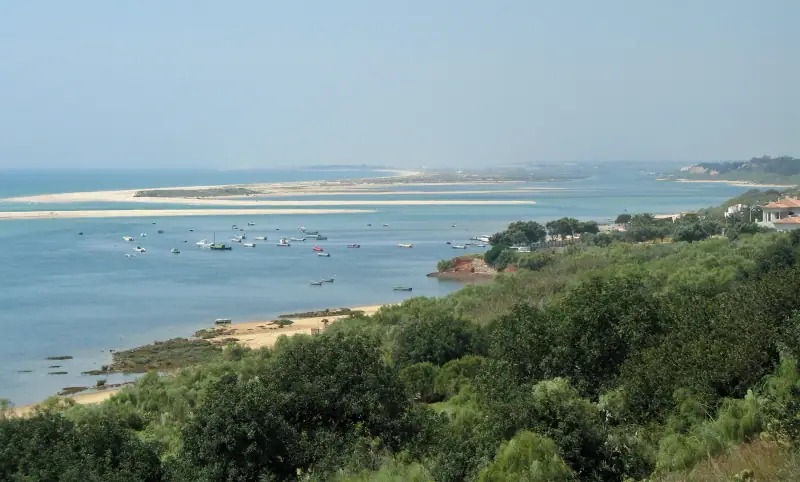
Cliffs, coves & lagoons · Portugal
Lagos and the golden cliffs, the Benagil sea cave, Tavira and the Ria Formosa islands on Portugal's southern coast.
18 guides3 itinerariesTrip planner
Lagos, Tavira and Carvoeiro on the south coast: beaches, cliffs and a boat trip to Benagil. The farthest point of the tour.

Atlantic coast & green hills · France & Spain
Biarritz and Bayonne, the villages of the French Basque hills, San Sebastián and Bilbao across the border.
18 guides3 itinerariesTrip planner
Bilbao, San Sebastián, and on the French side Biarritz and Saint-Jean-de-Luz. Pintxos, surf beaches and a second country within an hour.
Yes, if the rental company authorizes each country. Tell it before you leave and buy its cross-border option. In 2026, Enterprise Spain lists Spain, Portugal and France for a €55 (~$64) surcharge per rental; Sixt Spain lists €7.99 (~$9) a day for days 1-6, capped at €38.99 (~$45) for 28 days. Fees change, so check at booking.
No. These are EU countries, so no Green Card and no border insurance is needed on this route. What counts is the rental company's cross-border permission. Driving into a country it has not authorized can void the cover.
No routine checks. Both are internal Schengen borders, so you just drive across. The Entry/Exit System (EES) applies when you land at an airport from outside the Schengen area, not on these land borders. ETIAS is not in operation as of November 2026.
Several Portuguese motorways, including the A22 across the Algarve, have no booth. Use the rental company's device (Hertz Spain sells a Plate Pass, for example) or EasyToll, a card linked to your plate and valid 30 days. An unpaid toll is fined at least 5 times the toll, never under €25 (~$29) (2026).
You can ask, but a drop-off in another country is often refused or charged a high one-way fee. Sixt Spain's published fee for a car returned in Portugal is €950 (~$1,102), plus the cross-border fee (2026). A loop back to Madrid only adds the cross-border fee.
Fourteen days cover a loop of two or three regions, such as Madrid, Lisbon and Porto. Twenty-one days add the Algarve and leave two or three nights in most bases. Drive times in this page do not include stops.
Spring and early fall suit most of the tour, roughly May, June, September and October. Madrid reaches 30 to 35 °C (86 to 95 °F) in July and August, and the Basque coast is crowded and expensive in those months.