
10 days
Spain in 10 days: Madrid, Castile and the Basque coast
MadridToledoSegoviaBurgosSan Sebastián
Can be adapted in the planner
Castile, the Basque coast and islands
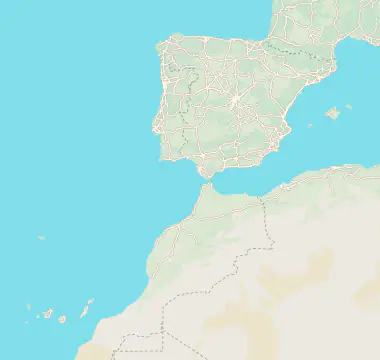
Spain is large, and the best road trips here pair two or three regions instead of chasing all of them. This page shows which pairings work, how long they take and what they cost.
We may earn a commission when you book through links on this page, at no extra cost to you. We don't visit or try the places we cover: we summarize published sources. How we work
Itineraries
Ready-made routes across several regions, with real drive times, the ferries and where to sleep.
10 days
MadridToledoSegoviaBurgosSan Sebastián
Can be adapted in the planner
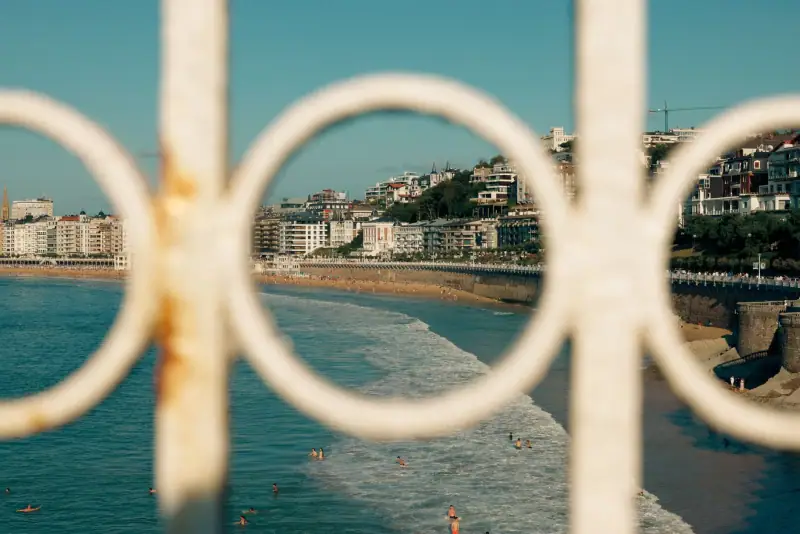
14 days
MadridToledoSegoviaSalamancaBurgosBilbaoSan Sebastián
Can be adapted in the planner
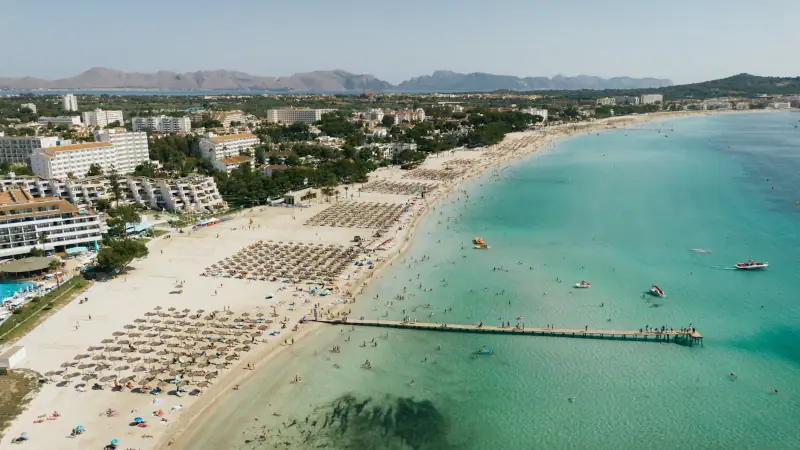
14 days
MadridToledoSegoviaSalamancaPalma (Mallorca)Alcúdia or Pollença (northern Mallorca)
One region in Spain makes a good week. Combining two makes a better 10 to 14 days, because the country changes quickly: the stone cities of Castile, the green Atlantic coast and the islands each feel like a different trip. Our guides describe Spain as several countries in one, so the aim is to pick regions that connect without long transfers.
The pairing that works best by car is Madrid and Castile with the Basque coast. Madrid to San Sebastián is 5 h 10 (452 km, 281 mi) on the direct road, but you rarely need to drive it in one go: our itineraries stop in Toledo, Segovia, Salamanca or Burgos on the way. The 10-day route ends on the Basque coast and flies home from Bilbao. The 14-day route adds Salamanca and Bilbao and flies home from San Sebastián.
The Balearic and Canary Islands are not a road leg. You reach them by plane (or ferry for the Balearics), so they work as a final chapter. The 14-day route with Mallorca drives through Castile, flies from Madrid to Palma and stays on the island. Our guides give no flight time for that leg, so check the schedule when you book. None of our itineraries pairs the Canary Islands with a Castile loop; plan them as their own trip.
What to skip: Barcelona, Andalusia and the other regions are not covered by our guides, so this page does not plan them. Do not try to add the islands to a 10-day mainland route.
The only direct-road figure we use between region centers is Madrid to San Sebastián, 5 h 10. For any other leg, such as Segovia to Ávila, check the road before you commit.
May and September suit most routes, as the Spain guide recommends for a first multi-city trip.
All figures below come from one regional guide each, and prices change, so treat them as a basis for calculation.
Car. For Castile and the Basque coast, a car lets you stop in walled towns that trains skip. Rent only for the days you need it: parking in central Madrid is complicated, and our itineraries pick the car up when you leave the city. In San Sebastián, use an underground public car park. In Mallorca, a small car suits the narrow lanes of the Serra de Tramuntana. A one-way fee usually applies if you return the car in another city, varies by company and is higher across a border, so check it when you compare offers.
Train and bus. The Spain guides describe a high-speed network around Madrid and a dense long-distance bus network, but our itineraries drive between Castile and the Basque Country. The car-free 5-day Mallorca plan shows that Palma, the Tramuntana, Sóller and Alcúdia work by bus, train and tram.
Ferries. Barcelona to Palma takes 7 h to 7 h 15 on a conventional ferry (no fast boat on that route). Ibiza to Formentera takes 30 to 40 minutes. In the Canary Islands, durations range from 25 to 35 minutes (Lanzarote to Fuerteventura) to 2 h 30 (Tenerife to La Palma); the island-hopping guide has the full table. Check schedules before booking. Canary rental-car contracts often forbid ferry crossings.
Flights. Madrid to Palma is a flight; our guides give no duration. Inter-island flights in the Canary Islands take 20 to 40 minutes, for about €40 to 100 (~$46-116) round trip.
Madrid-Barajas (MAD) is the main gateway of the three airports in our Spain planner, with Bilbao (BIO) and San Sebastián (EAS) as exits. Our guides do not list flight routes or airlines, so search from your own airport. An open-jaw ticket, into Madrid and out of Bilbao or San Sebastián, saves backtracking over 5 h 10 of road.
After a long flight, spend the first night close to the airport or in central Madrid, and pick up the car the next day. The 10-day itinerary returns the car at Bilbao Airport for the flight home; the 14-day Basque route returns it at San Sebastián Airport instead.
Entry rules and driving with a foreign license depend on your passport, so check your government’s official page before you book: travel.state.gov (US), GOV.UK (UK), travel.gc.ca (Canada) or Smartraveller (Australia).
| Jan | Feb | Mar | Apr | May | Jun | Jul | Aug | Sep | Oct | Nov | Dec | |
|---|---|---|---|---|---|---|---|---|---|---|---|---|
| Toledo | ||||||||||||
| High °F (°C) | 5010 | 5513 | 6317 | 6619 | 7524 | 8630 | 9334 | 9334 | 8228 | 7222 | 5915 | 5211 |
| Low °F (°C) | 320 | 341 | 373 | 436 | 5010 | 5714 | 6418 | 6418 | 5714 | 489 | 394 | 341 |
| Rain in (mm) | 1.230 | 1.230 | 1.435 | 1.640 | 1.640 | 0.820 | 0.25 | 0.410 | 1.025 | 2.050 | 1.845 | 1.640 |
| San Sebastián | ||||||||||||
| High °F (°C) | 5211 | 5211 | 5513 | 5915 | 6418 | 6820 | 7323 | 7524 | 7222 | 6619 | 5714 | 5412 |
| Low °F (°C) | 457 | 457 | 489 | 5010 | 5513 | 6116 | 6418 | 6418 | 6317 | 5714 | 5211 | 468 |
Normals 1991–2020 at Toledo and San Sebastián: averages over 30 years, not a forecast. Source: NASA POWER (MERRA-2), grid of about 50 km. Figures computed by us in November 2026. Rain is shown only where a weather station confirms the figures.
Or build your own
The Spain planner works with the main stops of every region: pick your airports, your days and your pace, and it orders the stops with real drive times.
A 14-day example: 9 h 45 of travel in total (775 km / 482 mi).
Open the planner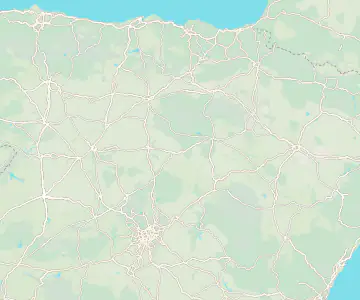
4 regions
Each region has its own guides, itineraries and, often, its own planner.
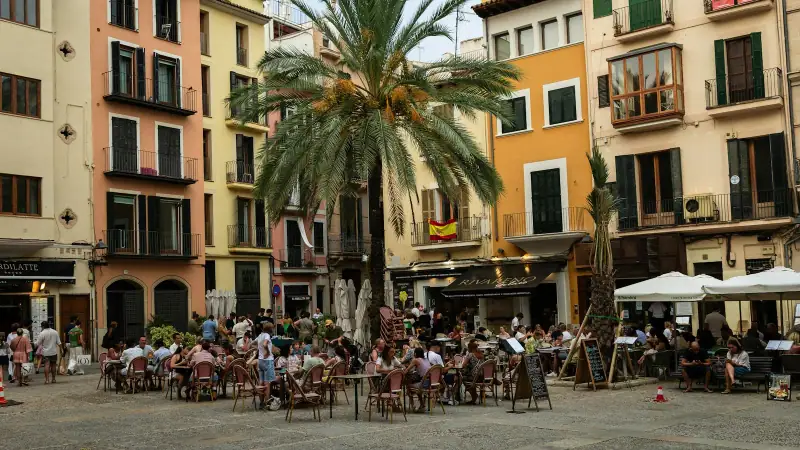
Andalusia, Madrid & Barcelona · Spain
Barcelona and Catalonia, Madrid and the old towns of Castile, Valencia, and Seville, Granada and Córdoba in Andalusia.
18 guides5 itinerariesTrip planner
Madrid and the walled cities of Castile (Toledo, Segovia, Salamanca, Ávila, Burgos, Cuenca): museums, UNESCO old towns and the starting point of every route.

Atlantic coast & green hills · France & Spain
Biarritz and Bayonne, the villages of the French Basque hills, San Sebastián and Bilbao across the border.
18 guides3 itinerariesTrip planner
San Sebastián, Bilbao and Getaria bring pintxos, the Guggenheim and the Atlantic coast, with a green, mild summer climate.
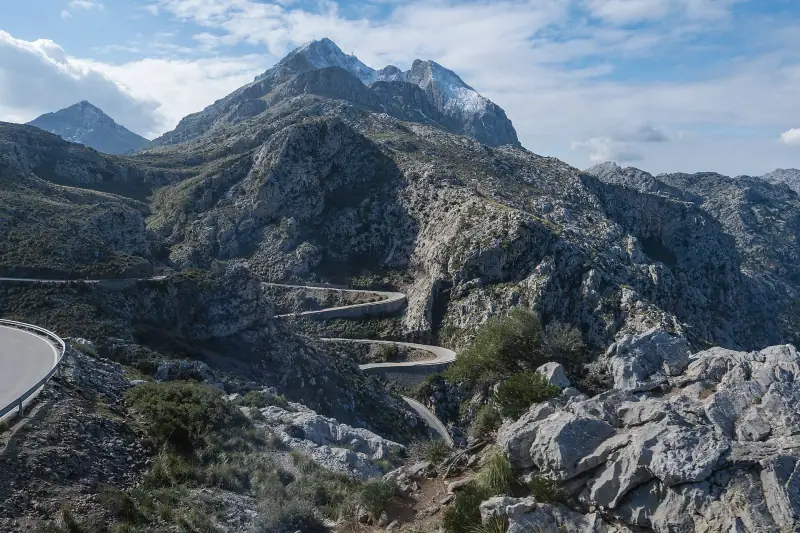
Mallorca, Menorca & Ibiza · Spain
Mallorca's mountains and coves, Menorca's quiet beaches and an Ibiza far from the clubs.
18 guides3 itinerariesTrip planner
Mallorca, Ibiza and Formentera add beaches, mountain villages and coves to a mainland trip, reached by plane or ferry.
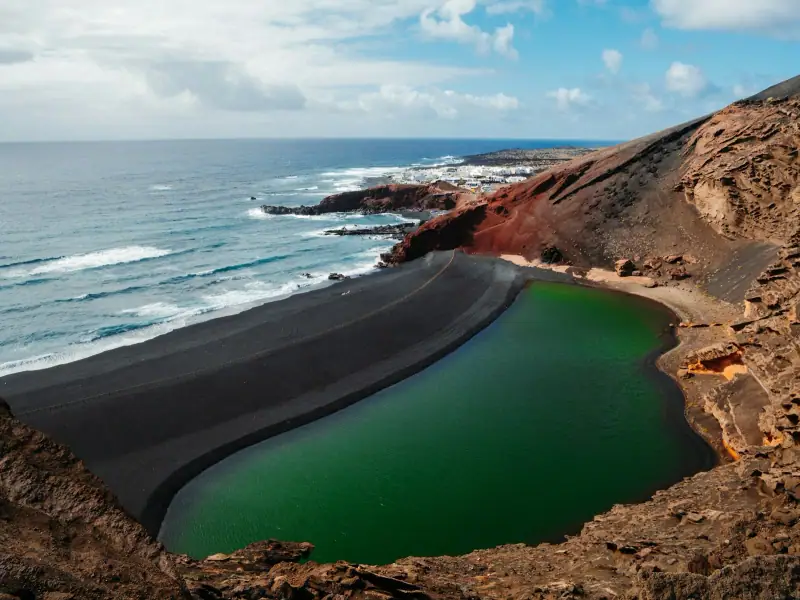
Atlantic islands · Spain
Volcanoes, laurel forests and black-sand beaches on seven islands. The planner handles the flights and ferries between them.
20 guides5 itinerariesTrip planner
Tenerife, Lanzarote and the other islands suit a separate beach-and-volcano week, linked by short inter-island ferries and flights.
No. Our guides cover Madrid and Castile, the Basque Country, the Balearic Islands and the Canary Islands. Barcelona, Andalusia and the other regions are not covered here. Two or three regions per trip is a realistic pace.
5 h 10 and about 452 km (281 mi) between the two city centers. Our grand itineraries break it into shorter stops through Castile instead of doing it in one day.
In Mallorca, our 7-day guide calls a rental car essential, while a car-free 5-day plan works for Palma, the Tramuntana and Alcúdia. In the Canary Islands, guides call a car essential for Tenerife and practically essential for Lanzarote.
Canary Islands ferries accept vehicles, but rental contracts often forbid ferry crossings. Check with the rental company before booking, and compare renting separately on each island.
Entry rules and driving with a foreign license depend on your passport and country. Check the official source of your own government before you book (links in the last section).
No. A one-way (drop-off) fee usually applies when you return the car in another city, and it varies by company. It is higher across a border, so check it when you compare offers.