Plan your trip
When to Go to the Algarve: Weather, Seasons and the Best Months to Travel
We may earn a commission when you book through links on this page, at no extra cost to you. We don't visit or try the places we cover: we summarize published sources. How we work
In short
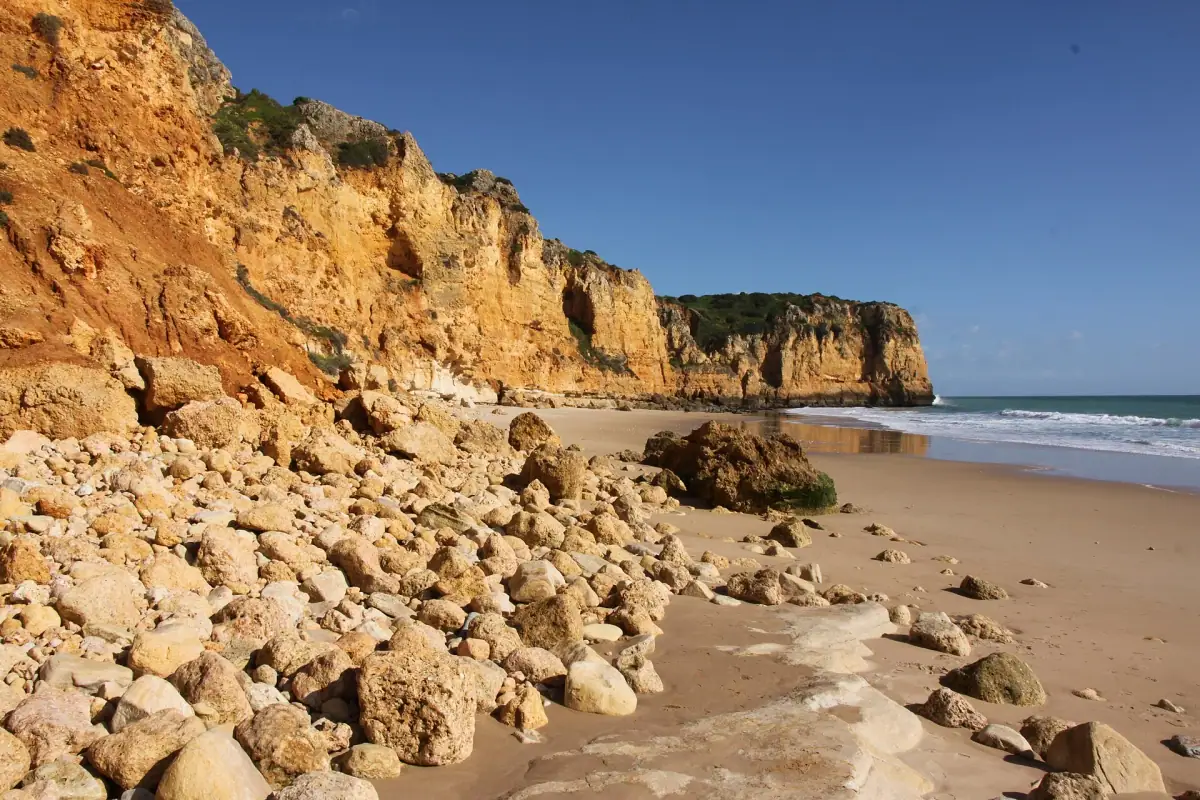
- May, June and September usually give the best compromise: plenty of sun, pleasant temperatures, less crowded beaches than in midsummer and more reasonable rates than in July-August.
- Swimming is comfortable from June to September; the Atlantic stays cool all year, cooler on the west coast than on the south coast.
- Spring and fall are the most comfortable for hiking the coastal trails; in midsummer, leave early in the morning.
- Rain falls mostly between fall and early spring, often in short episodes between sunny spells; in July and August, book far ahead.
The Algarve has a reputation as a summer beach destination, and that is true: the sun is generous and the golden coves are at their peak in summer. But the region can be visited almost all year, and the “best” time depends above all on what you come for. Swimming, hiking on the cliffs, bird watching, a road trip or a simple off-season escape to the sun: each period has its strengths and limits. This guide goes through the climate, the seasons and the trade-offs to know so you can pick your dates without nasty surprises.
The Algarve climate in brief
The Algarve has a Mediterranean climate, with hot, dry summers and mild, wetter winters. The region is protected from northern winds by the hills of the inland area, such as the Serra de Monchique, which partly explains its exceptional sunshine: it is among the brightest regions of mainland Europe.
A few useful benchmarks, to take as orders of magnitude:
- Summer (June to September): hot, dry and very sunny. Afternoons can be scorching, especially inland.
- Winter (December to February): mild on the coast, with often bright days but more frequent rain episodes and cool evenings.
- Spring and fall: pleasant temperatures for sightseeing, with a light that is particularly lovely for photography.
The Atlantic Ocean plays an important role. It stays cool even in midsummer, especially on the west coast, and it also tempers the heat on the coast compared with the interior. Do not forget the wind either: the sea breeze is frequent and can make a beach pleasant… or very windy depending on its orientation.
Spring: flowers, hikes and quiet beaches
March, April and May are popular months with travelers who like walking. Almond trees and wildflowers color the inland area, coastal trails are walkable without suffering from the heat, and towns such as Lagos or Tavira regain their liveliness without the summer crowd.
It is an excellent period for a road trip: roads are smoother, car parks at popular sites easier to find and accommodation often more affordable. To plan your route, see our 7-day Algarve road trip.
As for swimming, be realistic: the water is still cool in spring, and only the bravest jump in before the end of May. On the other hand, beach days in the sun, lounging or walking barefoot on the sand, are perfectly possible as soon as the sky is clear. Always bring an extra layer for the evening, as the wind can cool the air in a few minutes.
Places to stay in Lagos
Off season, rates are often lower: compare hotels and apartments in Lagos for your dates.
Summer: the high season of beaches from Albufeira to Tavira
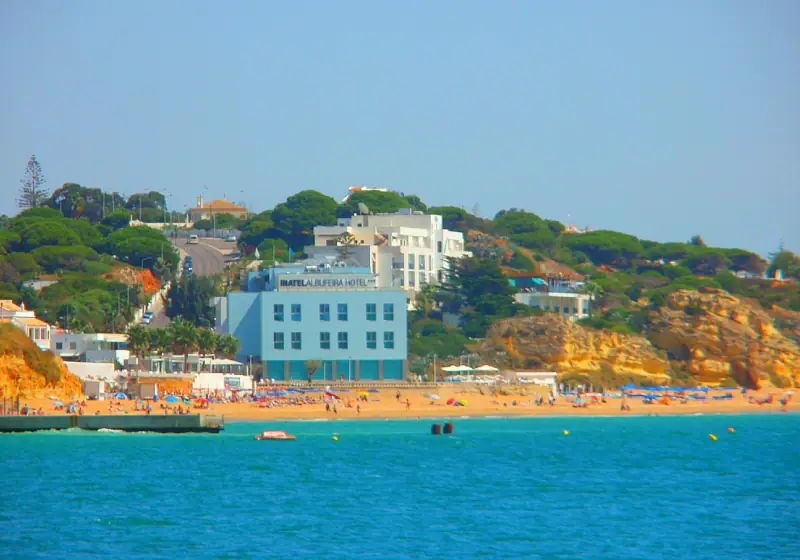
July and August are the hottest, busiest and most expensive months. This is the season of the big lively beaches around Albufeira, endless swims and evenings that stretch late. If you travel with children or your vacation is set by school, it is often the only option, and it works very well as long as you get organized.
A few tips to enjoy summer without enduring it:
- Arrive early at the beaches. The prettiest coves fill up by mid-morning, and car parks are quickly full.
- Avoid the hottest hours. Keep outdoor visits for the morning or the end of the day, and save midday for swimming or a nap.
- Protect yourself from the sun. The sea breeze sometimes gives a false impression of coolness: sunscreen, a hat and plenty of water remain essential.
- Book ahead. Accommodation, popular restaurants and excursions fill up fast.
To choose where to lay your towel, our selection of the most beautiful beaches in the Algarve details the character of each area. If you prefer a more peaceful atmosphere even in summer, the east of the region, around Tavira and the Ria Formosa, is generally less hectic than the center of the coast.
September and October: the shoulder season, often the best choice
For many regulars, September is the best month of the year in the Algarve. The heat stays pleasant, the ocean has stored up warmth over the summer, crowds thin out noticeably after mid-September and prices come back down. October is more contrasted: fine days are still many, but the first rainy episodes may appear and the water starts to cool.
It is also a very good period for sea activities and guided visits. The boat or kayak trip to Benagil Cave, for example, is more pleasant when there are fewer trips. To prepare this excursion, read our guide to visiting Benagil Cave.
Fall is also an interesting season for bird lovers: the region lies on migration routes, and wetlands such as the Ria Formosa host many species at this time of year. Just keep in mind that the weather becomes less predictable as winter approaches.
Boat trips to Benagil
Compare boat and kayak trips to the caves and cliffs of the Algarve.
Winter: mildness, calm and the wild coast toward Sagres
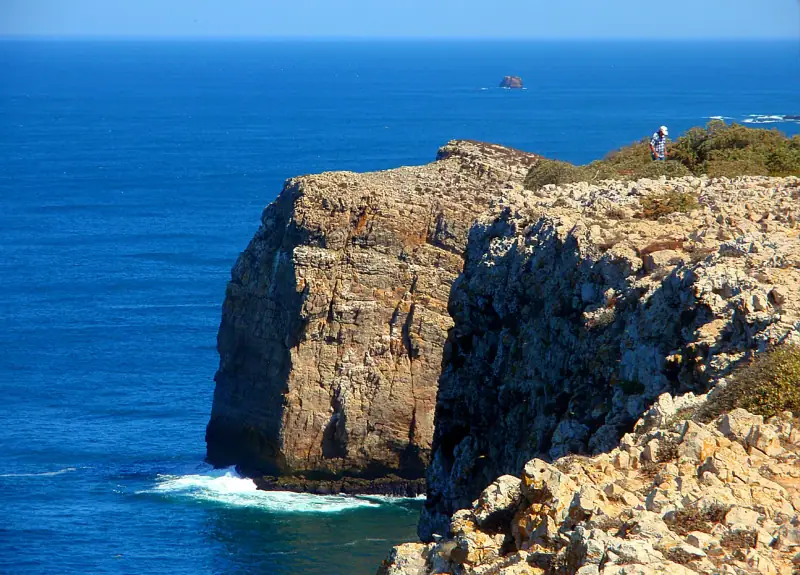
Winter is the low season. Many seaside businesses close or reduce their hours, notably in the most touristy resorts, but the bigger towns such as Faro or Lagos stay alive all year. Accommodation prices are clearly lower, and you enjoy very quiet sites.
Sunny days are not rare, and it is perfectly possible to have lunch on a terrace in midwinter in fine weather. On the other hand, rain is more frequent and evenings are cool: accommodation is not always well heated, a point to check before booking.
The west coast, around Sagres and Cape St. Vincent, takes on a spectacular look in winter: the ocean is powerful, the waves attract surfers and the cliffs offer a dramatic landscape. Dress warmly, as the wind is often steady there. To prepare this getaway, see our guide to Sagres and Cape St. Vincent.
Which period to choose for your plan?
To decide quickly, here is a summary by profile:
- Beach and swimming: from June to September, with a preference for June and September if you want to avoid the crowd.
- Hiking and nature: spring and fall, to walk comfortably on the coastal trails.
- Road trip and cultural visits: April to June or September to October, when roads and sites are smoother.
- Tight budget: outside school vacations, favoring spring, the shoulder season and winter.
- Surf and wild coast: fall and winter are known for swell on the west coast, reserved for experienced surfers.
- Family trip: June or September if you can, otherwise July-August with early bookings.
If you hesitate between several dates, compare flight and accommodation rates: the gap between high and mid season is often larger than the weather difference. Your arrival point will generally be Faro Airport, but some travelers also arrive via Lisbon and then continue by car or train.
Compare places to stay in the Algarve
Hotels, apartments and guesthouses: check availability and prices for your dates.
Practical tips to prepare your trip
Whatever the season, a few habits simplify the stay:
- Rent a car if you want to explore beyond the big towns: public transport mostly serves the main axes, and isolated coves are hard to reach without a vehicle. Book early in high season.
- Layer your clothes. Even in summer, wind and evening humidity can cool the air, especially on the west coast.
- Check the marine weather before a boat or kayak trip: swell and wind can lead to cancellations.
- Do not neglect the sun. It is strong even in spring and fall.
- Check local events. Festivals and village feasts can make a place livelier, but also push up prices and crowds.
To choose your area once the period is set, our guide to knowing where to stay in the Algarve compares the towns and their atmospheres. And if you are looking for meal ideas to slip into your schedule, eating in the Algarve will help you spot the specialties to try by season.
In short: our recommendations
If you remember only one thing, remember this: May, June and September are the months that best combine sun, comfort, controlled crowds and a reasonable budget. July and August suit you if your dates are fixed, as long as you book early and go ready to share the beaches. Winter charms those looking for calm, the wild coast and low prices, without expecting to swim. Whatever you choose, the Algarve remains a pleasant and easy destination to visit almost all year.
Frequently asked questions
What is the best month to go to the Algarve?
May, June and September generally offer the best compromise: lots of sun, pleasant temperatures, less crowded beaches than in midsummer and more reasonable rates than in July-August.
Can you swim in the Algarve in winter?
Technically yes, but the Atlantic Ocean stays cool all year. In winter, swimming is for those most resistant to cold. The comfortable beach season runs more from June to September.
Is the water warmer in the east or the west of the Algarve?
The south coast, especially in the east toward Tavira and the Ria Formosa, is generally milder. The west coast, toward Sagres and the Costa Vicentina, is exposed to the Atlantic: the water is cooler and the waves more powerful.
Do you need to book ahead in summer?
Yes. In July and August, well-located accommodation and popular excursions, such as the boat trip to Benagil Cave, fill up fast. Booking several weeks ahead is a good precaution.
Which period should you choose for hiking?
Spring and fall are the most comfortable for walking the coastal trails: it is mild, the light is beautiful and the heat stays bearable. In midsummer, it is better to set out early in the morning.
Is the Algarve rainy?
The region is one of the sunniest in Western Europe. Rain falls mostly between fall and early spring, with episodes that are often short between spells of fine weather.
More Algarve guides
Keep reading
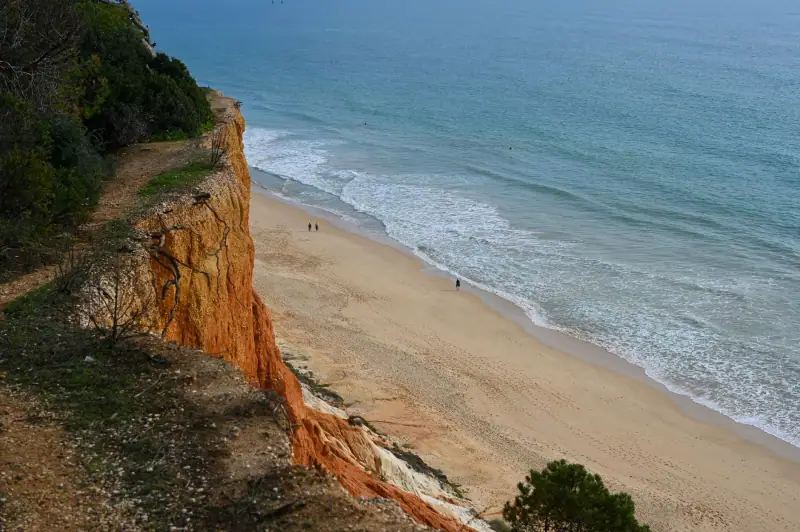
Algarve Trip Budget: Real Costs and 3 Priced Traveler Profiles
What budget for the Algarve? Real costs by item (stay, transport, meals, activities), three priced profiles and tips to spend less.
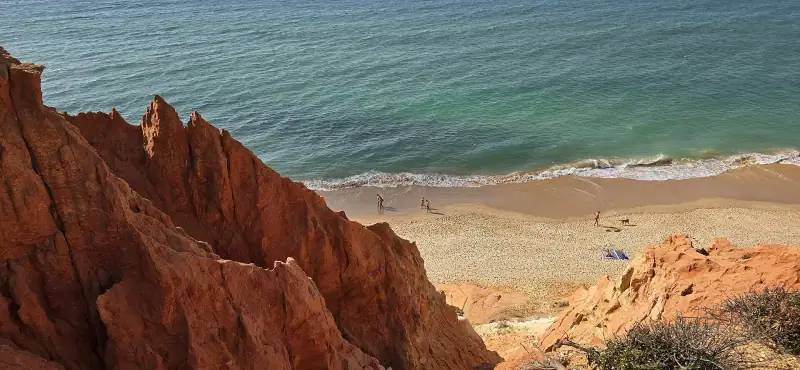
The Most Beautiful Beaches in the Algarve: A Selection by Area
The best beaches in the Algarve: Lagos coves, Carvoeiro cliffs, Ria Formosa islands and the wild west coast. Where to go depending on what you want.
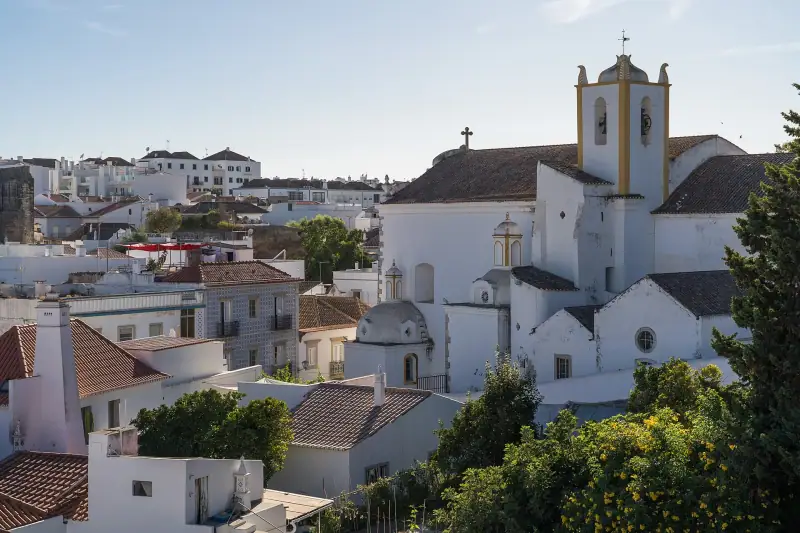
Visiting Tavira and the Ria Formosa: What to See and Do in 2 Days
What to see in Tavira and the Ria Formosa? Historic center, bridge, barrier islands, Cacela Velha and practical tips to plan your visit in the Algarve.
Ready-made
Algarve itineraries
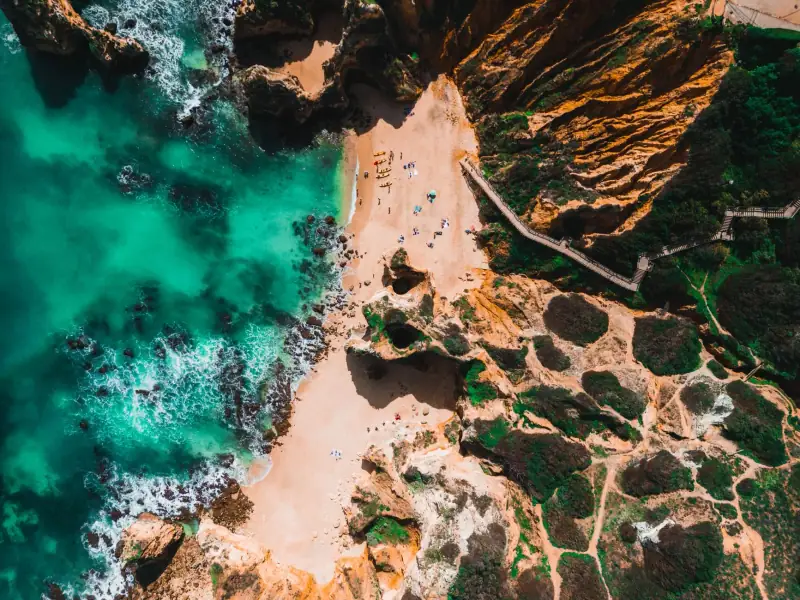
3 days
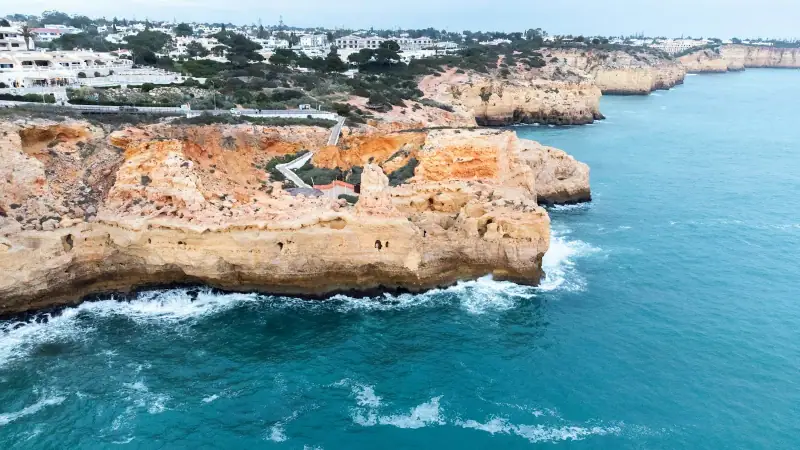
4 days
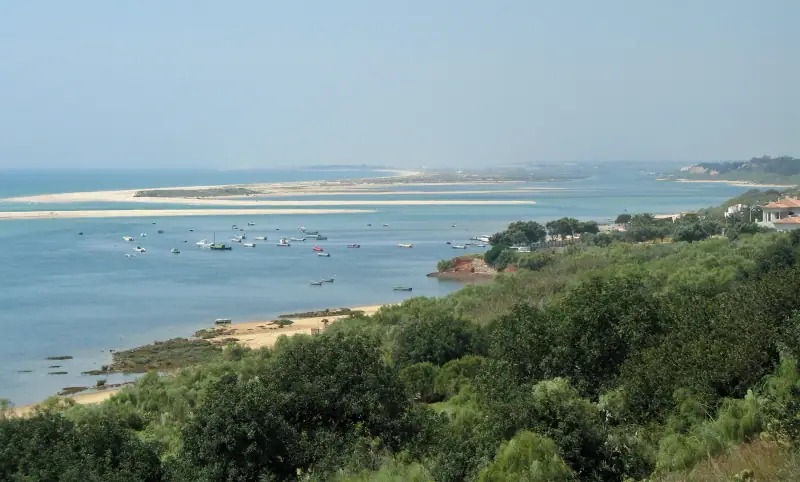
7 days
Algarve Road Trip: A 7-Day Itinerary from East to West
A 7-day Algarve road trip from Faro to Sagres: stops, distances, beaches, white villages and tips for driving and sleeping along the coast.