Plan your trip
When to go to Portugal: weather, seasons and festivals by region
We may earn a commission when you book through links on this page, at no extra cost to you. We don't visit or try the places we cover: we summarize published sources. How we work
In short
- Spring (March to May, ideally April to early June) and early fall (September to October) are the most balanced: pleasant temperatures, long days and more reasonable crowds than in midsummer.
- Inland (Alentejo, Douro Valley), temperatures regularly exceed 35 °C (95 °F) in summer; the Atlantic coast from Porto to Lisbon is generally milder, especially in the north.
- The Atlantic stays cool much of the year; swimming is most pleasant from July to September.
- The June festivals in Lisbon and Porto fill central lodging far in advance; winter, outside the holidays, is generally the cheapest period.
Portugal is a small country, but its climates are varied: the green, rainy north has little to do with the Alentejo scorching in summer, and Madeira follows its own rules. Choosing your period is therefore first of all choosing your region. This guide reviews the main zones, the seasons and the festivals that can steer (or complicate) your calendar.
In short, spring and early fall suit most itineraries. Summer remains ideal for the coast, but avoid long visits in full sun inland.
Lisbon and Sintra: light and mildness almost all year
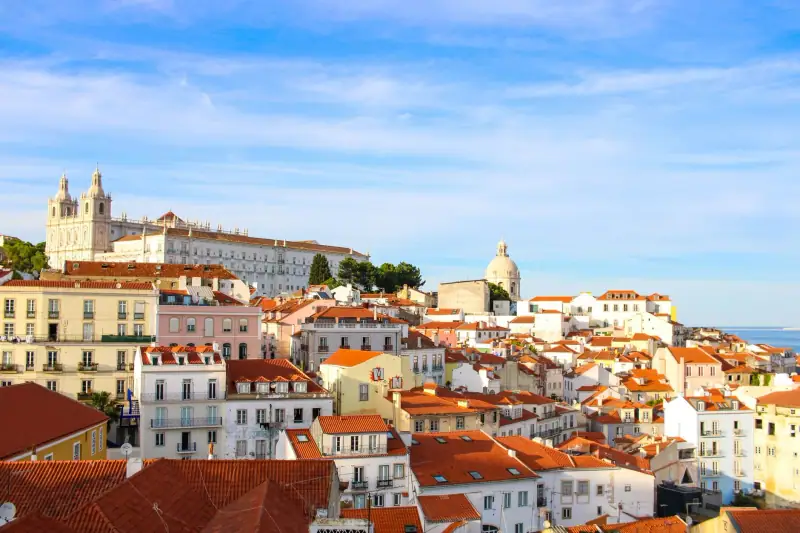
Lisbon enjoys a Mediterranean climate influenced by the Atlantic: hot, dry summers, mild but sometimes rainy winters. In July and August, afternoons often reach 28 to 30 °C (82 to 86 °F), with higher peaks during heat waves. The city’s hills are easier to climb in the morning or at the end of the day.
To stroll the Alfama, visit Belém or ride a tram without suffering from the heat, the best months are April, May, June, September and October. In winter, the capital remains pleasant for museums, cafés and food: just bring a raincoat. Sintra, closer to the ocean and wooded, is often cooler and damper than the capital, and mist is frequent. Bring a light jacket even in summer.
Where to stay in Lisbon
Compare central hotels by dates: prices vary a lot between high and low season.
Porto and the north: the rainiest region
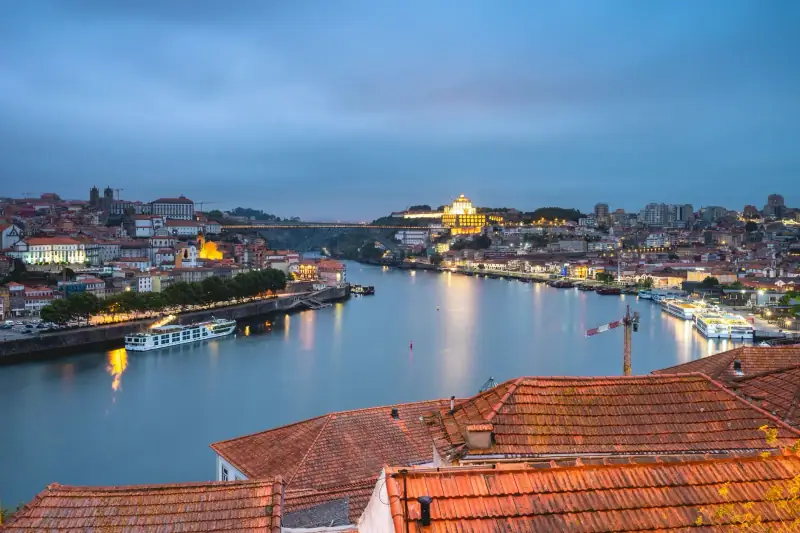
Porto and the north of the country have an oceanic climate: pleasant summers, cool and damp winters, rain possible in any season. This is the part of Portugal where you are most likely to meet rain, especially from October to March. Summer is bright and milder than in Lisbon, which makes it a good option in July and August.
In spring and early fall, the city is easy to explore on foot, between the Douro quays, bridges and port wine cellars on the other bank. Bring comfortable shoes: the streets are steep and the cobblestones slip when wet.
The Douro Valley: harvest in fall, heat in summer
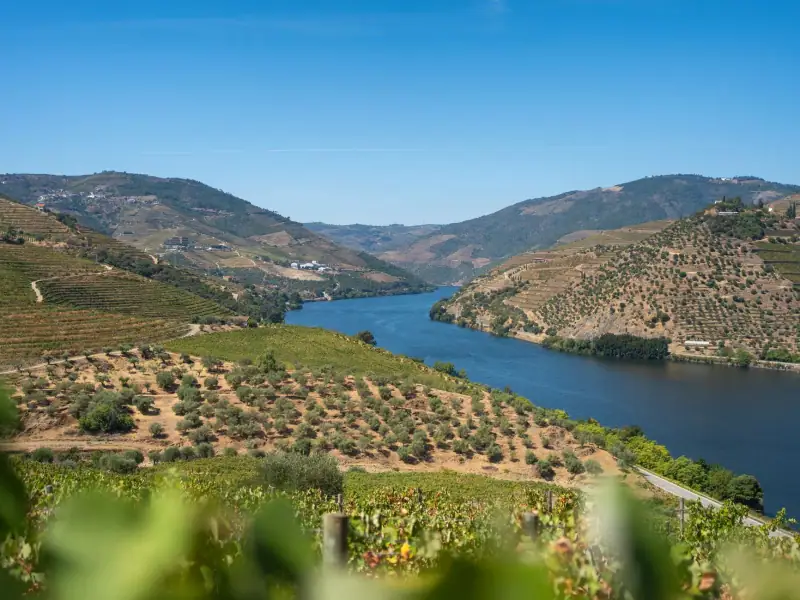
The Douro Valley, further inland, has very hot summers and cool winters. The terraced vineyards are particularly beautiful in spring, when the vines turn green again, and in fall, when the leaves take on golden and red hues. The harvest generally runs from September to October depending on the year: it is a lively period, but also a busy one, and quinta lodging should be booked ahead.
In midsummer, the heat in the valley can be oppressive. If you visit then, schedule your activities early in the morning and keep afternoons for a swim, a nap or a river cruise.
Coimbra, Aveiro and central Portugal: a temperate compromise
Central Portugal, with Coimbra, Aveiro, Óbidos and Nazaré, has a climate between the north and the south. Summers are hot but often softened by the ocean breeze on the coast, winters cooler and damper inland. The towns can be visited comfortably from April to early June and from September to October.
The west coast is exposed to the Atlantic’s wind and waves: the water is cool even in summer, and swimming conditions vary by beach. Nazaré is known for its big waves, which attract mostly surfers and spectators in winter, when the swell is strongest.
Tours and excursions in Portugal
Tickets, guided tours and day excursions, to book according to the season.
The Alentejo and Évora: avoid the height of a heat wave
The Alentejo, a large region of plains, cork oaks and white villages, is one of the hottest areas of the country in summer. In Évora, temperatures in July and August regularly exceed 30 °C (86 °F), with peaks well above during heat waves. Visits in full sun are painful, and some small shops reduce their hours.
Spring is the best season there: green fields, wildflowers, mild temperatures. Fall is also an excellent choice, with golden light and fewer people. Winter can be cool in the morning, but days are often sunny. The wild Alentejo coast is best enjoyed from June to September, when the water is most bearable.
Madeira and Funchal: eternal spring, but beware of microclimates
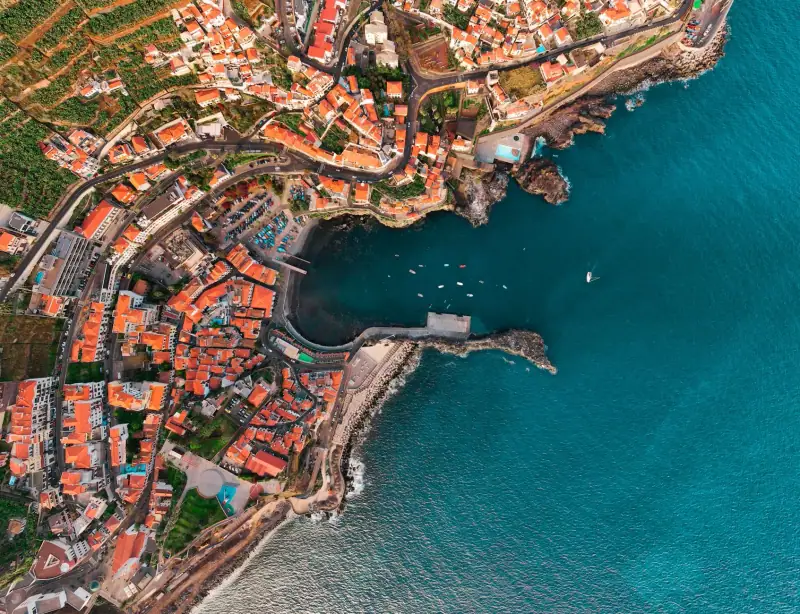
Madeira has a mild subtropical climate, with moderate temperature swings between winter and summer. In Funchal, winter stays mild and summer warm without being excessive, so you can travel almost all year. The island does, however, have marked microclimates: the south coast is generally sunnier and drier than the north coast, and the summits can be cooler, cloudy and windy.
Spring is popular for the flowers and hikes along the levadas, those irrigation channels lined with paths. The Flower Festival, a spring event, brings Funchal to life at that time, with dates that vary from year to year. Summer suits swimming and boat outings better. At year’s end, Madeira is known for its Christmas festivities and its big New Year’s fireworks, which draw many visitors: book far in advance if you aim for those dates.
Before heading out hiking, check the local weather and trail conditions: fog and rain can appear quickly at altitude.
The big festivals that can change your plans
The Portuguese calendar holds several popular events. The June festivals, called Santos Populares, enliven Lisbon around St. Anthony (night of June 12 to 13) with grilled sardines, music and garlands. In Porto, St. John (night of June 23 to 24) is celebrated in the streets, with fireworks and a very popular atmosphere. These nights are superb if you like bustle, but they push up prices and saturate lodging.
Carnival, in February or early March depending on the year, is celebrated in several towns. Around May 12 and 13, the Fátima sanctuary welcomes many pilgrims: if you plan to go, book ahead.
Season by season: what to choose?
Spring (March to May)
This is the best compromise for a circuit combining towns, vineyards and villages. Temperatures are mild, nature is green, and days get longer. A few showers remain possible, especially in the north, and Easter weekends are busier.
Summer (June to August)
Ideal for the beach and the coast, with a sea that is nevertheless cool on the Atlantic side. Avoid long visits in full sun in the Alentejo and the Douro Valley. Prices and crowds peak in July and August, months when many families take their vacations.
Fall (September to November)
September and October often offer a sea that is still pleasant, gentler heat and fewer people. It is the harvest season in the Douro and an excellent time for circuits. Rain becomes more frequent from October, especially in the north.
Winter (December to February)
The towns remain pleasant for museums, cafés and food, with lower rates outside the year-end holidays. Rain is more frequent, notably in the north, and days are short. Seaside resorts are quieter and some places close.
Renting a car according to the season
To explore the Alentejo, the Douro Valley or the villages of central Portugal, a car is practical, but summer greatly increases its price and demand. Book ahead for July and August. In the historic centers of Lisbon and Porto, the streets are narrow and steep and parking is complicated: the train, metro or tram suit better for trips between towns and for urban visits.
Practical tips for choosing your period
If you only have one window, aim for May, June or September. If you travel with young children or people sensitive to heat, favor the north and the Atlantic coast in summer. For a circuit including the Alentejo and the Douro, March to May or September to October are preferable.
Also adapt your habits: the Portuguese sun can surprise you, even in spring, so bring sunscreen and a water bottle. Finally, consider travel insurance to cover cancellation and medical costs; compare policies before departure.
Flights to Portugal
Fares change with the season: compare dates to find the best period for your budget.
Frequently asked questions
What is the best time to visit Portugal?
Spring (March to May, ideally April to early June) and early fall (September to October) are the most balanced: pleasant temperatures, long days and more reasonable crowds than in midsummer.
Is it too hot in Portugal in August?
Inland (Alentejo, Douro Valley), temperatures regularly exceed 35 °C (95 °F) in summer and can climb higher during heat waves. The Atlantic coast, from Porto to Lisbon, generally stays milder, especially in the north.
When should you go to Madeira?
Madeira has a mild climate all year, so you can go in almost any season. Spring is popular for the flowers and hiking along the levadas, summer for the heat and swimming, but the weather varies a lot with altitude and slope.
Can you swim in Portugal in spring?
The Atlantic stays cool much of the year. Swimming is most pleasant from July to September, and the water is cooler on the west coast than in the south of the country.
What is the cheapest period?
Winter, outside the Christmas and New Year holidays, is generally the period when flights and city lodging are cheapest. In return, it rains more and days are shorter.
Do you need to book for the St. John festival in Porto or Lisbon's June festivals?
Yes, and early. The popular June festivals draw many people to Lisbon and Porto, and central lodging fills up far in advance.
More Portugal guides
Keep reading
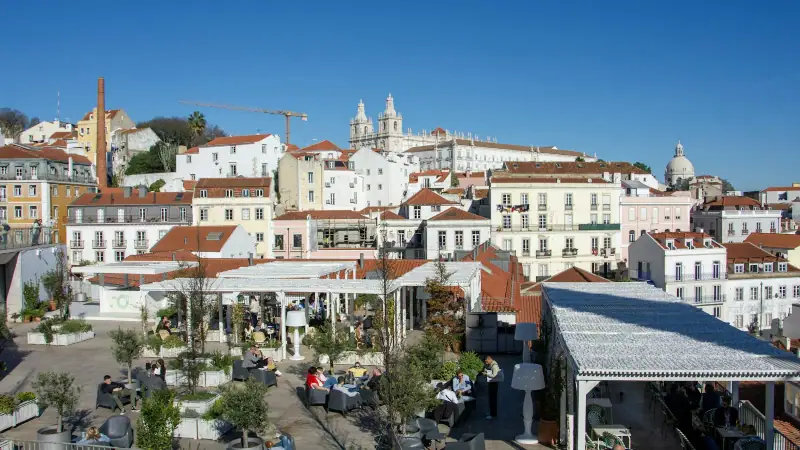
Portugal trip budget: real costs and 3 priced profiles
How much does a trip to Portugal cost? Lodging, transport, meals, activities: prices item by item, three sample budgets and tips to spend less.
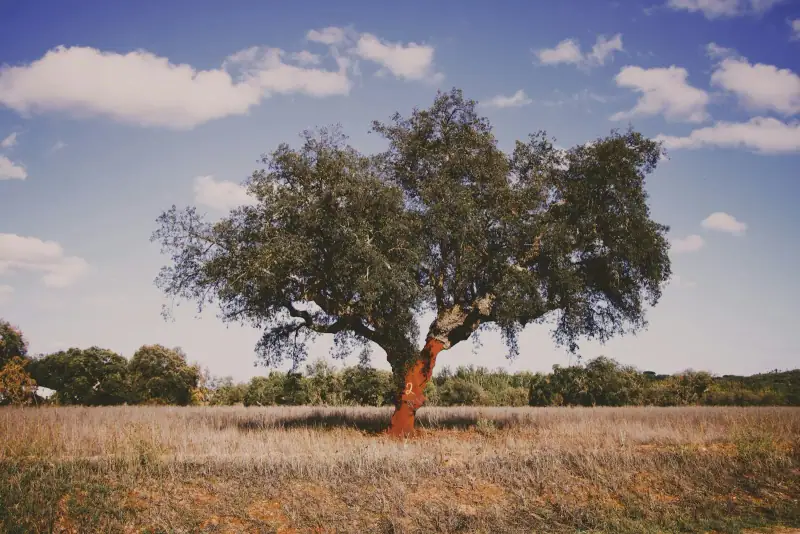
What to see in the Alentejo: white villages, cork oaks and starry skies
What to see in the Alentejo: Évora, Monsaraz, Marvão, Elvas, Estremoz, Mértola, Alqueva and the wild coast. Route tips, transport and stay ideas.
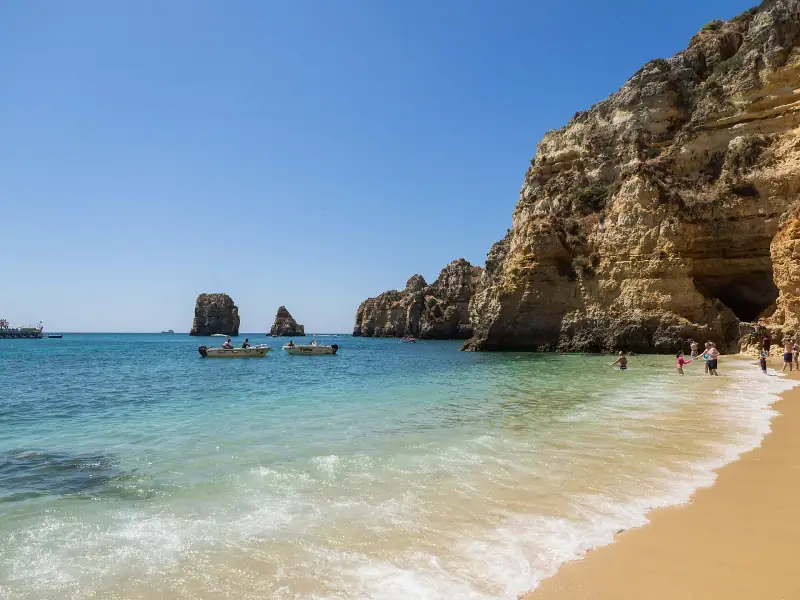
Portugal with kids: trip ideas and family activities
What to do in Portugal with children? Aquarium, zoo, parks, beaches, villages and Madeira: activity ideas by age, recommended pace and practical tips.
Ready-made
Portugal itineraries
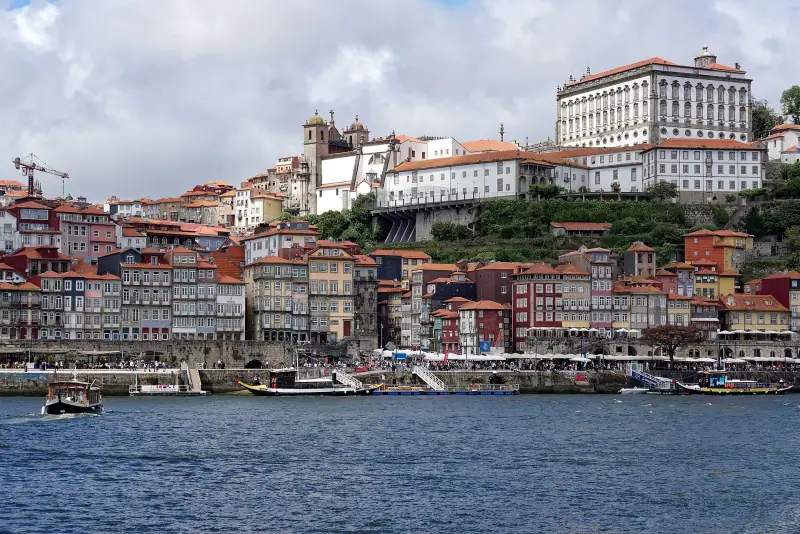
3 days
Porto in 3 days: a day-by-day itinerary
What to do in Porto in 3 days: Ribeira, São Bento azulejos, Gaia port cellars, Foz and a Douro Valley excursion. A relaxed day-by-day plan.
3 days
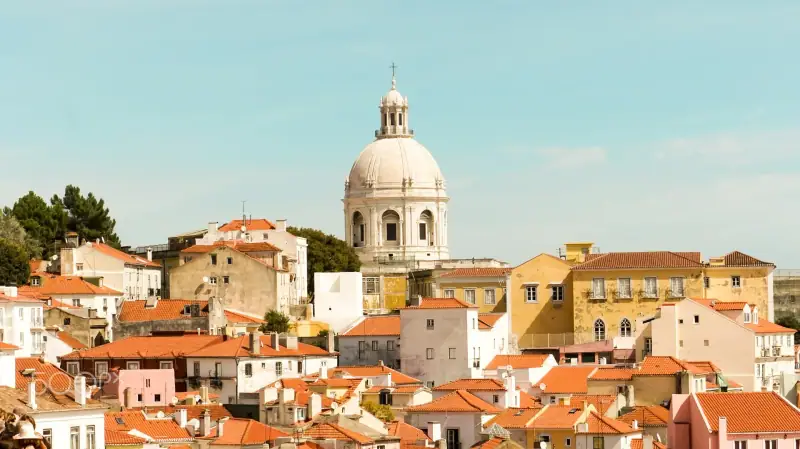
Lisbon in 3 days: day-by-day itinerary, neighborhoods and tips
What to do in Lisbon in 3 days: Baixa, Alfama, Belém, miradouros, Bairro Alto, pastéis de nata and transport tips for a relaxed stay.
1 day
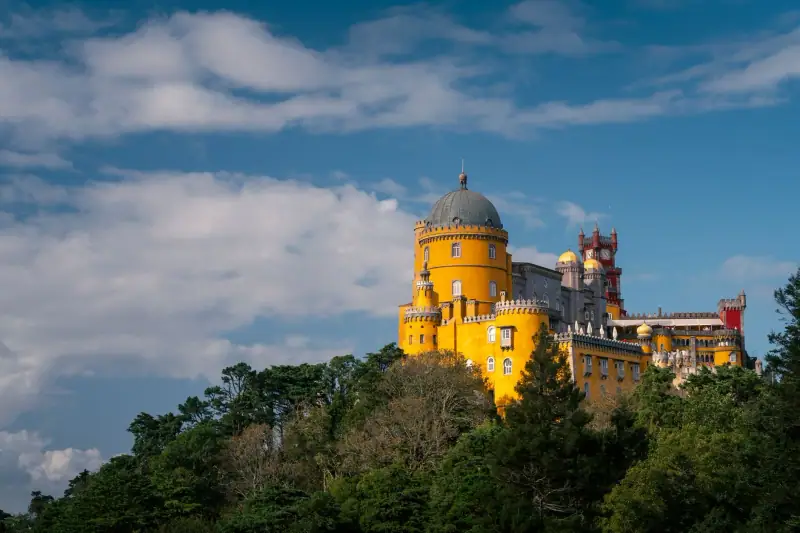
Sintra in a day from Lisbon: itinerary and tips
Sintra in one day from Lisbon: train, Pena Palace, Quinta da Regaleira, Moorish Castle and old town. A realistic itinerary and tips to avoid the crowds.