What to see
Visiting Kailua-Kona: complete guide to Big Island's coastal town
We may earn a commission when you book through links on this page, at no extra cost to you. We don't visit or try the places we cover: we summarize published sources. How we work
In short
- Kailua-Kona's historic center can be walked: Kailua Pier, Hulihe'e Palace ($16 adult) and Mokuaikaua Church fit in a 3 to 4 hour half day.
- Night manta ray snorkeling costs $99 to $130 per person (dives $120 to $160, certification required); book ahead, it is Kona's most in-demand activity.
- Kahalu'u Beach Park, about 8 km (5 mi) south, is the easiest turtle snorkeling; Two-Step, 37 km (23 mi) south, is the local favorite. Arrive early at both.
- A car is essential beyond town: the volcano park is about 95 miles (153 km), 2 to 2.5 hours away, and needs a full day.
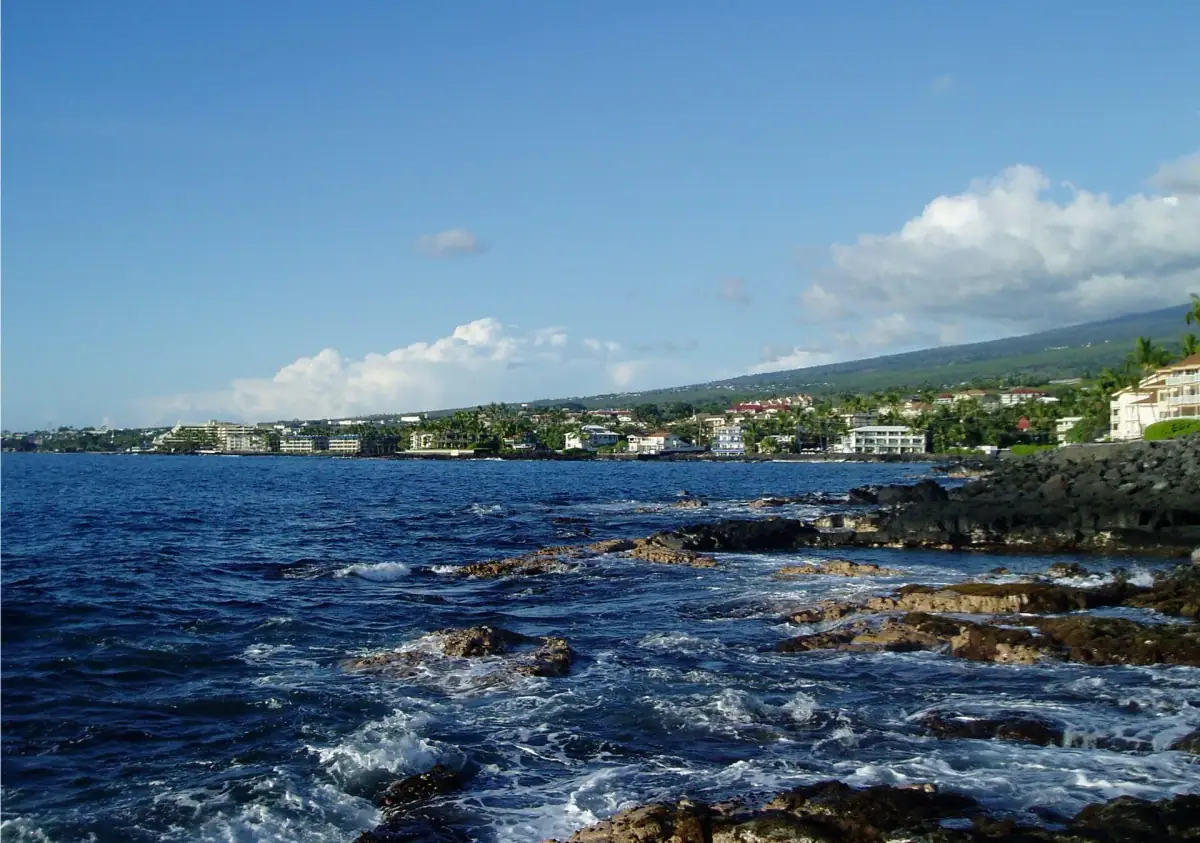
Kailua-Kona. The name sounds like an invitation to travel, and the town delivers on every promise. Set on Big Island’s west coast, bathed in almost constant sun and facing a deep blue Pacific, Kona is both a town with character and an ideal starting point for exploring the youngest, largest and most spectacular island of the Hawaiian archipelago.
Here, manta rays dance every night under underwater lights. Green Hawaiian sea turtles doze on black sand beaches. Coffee plantations perfume the misty heights of Mauna Loa. And Ali’i Drive, Kona’s historic waterfront, unfolds its quiet bustle among surf shops, fresh fish restaurants and breathtaking sunsets.
Unlike Waikiki or Honolulu, Kailua-Kona has kept the atmosphere of an authentic coastal town, where it’s pleasant to stroll, to duck into a plate lunch restaurant between two snorkeling sessions, and to feel that the Hawaii from before mass tourism has not entirely disappeared.
This complete guide prepares you for everything: the town’s highlights, the best beaches, the exceptional underwater activities, Kona coffee culture, lodging and practical information. To place Kona in the context of the island, see our Big Island road trip guide.
Ali’i Drive: the heart of Kailua-Kona
Ali’i Drive is Kona’s main artery, a coastal road of about 20 kilometers (12.5 miles) that follows the waterfront from Kailua Pier to Captain Cook. Its extension in 2013 turned the old 5.9-mile road into this longer coastal stretch. It is the beating heart of the town, where shops, restaurants, cafes, art galleries and small local markets are concentrated.
Kailua Pier: the starting point for every adventure
Kailua Pier is the nerve center of Kona’s maritime activity. Most excursions leave from this old pier: snorkeling, diving, whale watching, big-game fishing and of course the essential night trips with manta rays. The pier itself is a place of life: local fishermen cast their lines there, dolphins and turtles sometimes pass a few meters away, and sunset over the bay from the end of the pier is one of the most beautiful on all of Big Island.
The Ironman World Championship, the most legendary triathlon in the world, crosses its finish line on Ali’i Drive every October, facing Kailua Pier, after 226 km (140.6 mi) of swimming, cycling and running. The swim starts from the pier itself.
Hulihe’e Palace: Kona’s royal residence
A step from the pier, Hulihe’e Palace (pronounced “Hoo-lee-hay-ay”) is a Hawaiian royal residence. Built in 1838, it was bought and renovated by King Kalākaua in 1885, who made it his favorite summer residence with Queen Kapiʻolani. Made with local materials (lava walls, koa beams), the house was later renovated in a more opulent Victorian style.
Now run by the Daughters of Hawaii, it houses a museum displaying furniture, artifacts and objects that belonged to the royal family: carved koa wood tables, royal kahili standards, portraits of chiefs and ceremonial costumes. A guided tour of about 45 minutes immerses you in the history of the Kingdom of Hawaii with fascinating explanations of the daily life of the ali’i (chiefs). Entry: $16 adult.
Mokuaikaua Church: the oldest church in Hawaii
Opposite Hulihe’e Palace, Mokuaikaua Church was founded in 1820 by the first American Congregationalist missionaries to arrive in Hawaii. The current building (1837), in black lava blocks with a koa wood frame, is the oldest Christian church in the archipelago. Inside, a model of the American brig Thaddeus, the ship that brought the missionaries from Boston, recalls the arrival of the men who would profoundly transform Hawaiian society.
Coconut Grove and the market atmosphere
Continuing south on Ali’i Drive, the Coconut Grove Marketplace brings together authentic souvenir shops, art galleries and several restaurants with ocean-facing terraces. Local producer markets are held regularly in the area (check days and hours on site), with tropical fruit (papaya, rambutan, starfruit, lilikoi), whole-bean Kona coffee, macadamia honey and handmade products. A great opportunity to buy directly from local farmers.
Places to stay in Kailua-Kona
Hotels, condos and guesthouses on Ali'i Drive and around, with free cancellation available.
Kailua-Kona in half a day: what to see on foot
Kailua-Kona is worth the detour even with only a few hours: the historic center fits within a radius of a few hundred meters around Kailua Pier. Here is a simple order of visits, with no car:
| Stop | What you do there | Suggested time |
|---|---|---|
| Kailua Pier and Kamakahonu Beach | Pier, small sheltered beach, bay view | 30 min |
| Ahuena Heiau | Rebuilt temple of Kamehameha, visible from the waterfront | 15 min |
| Hulihe’e Palace | Guided tour of the royal palace (about 45 min) | 1 h |
| Mokuaikaua Church | Oldest church in the archipelago, across from the palace | 15 min |
| Ali’i Drive to Coconut Grove | Shops, galleries, lunch facing the sea | 1 h 30 |
Morning is the best time to walk: it is cooler and the pier is quiet. Finish with sunset over the bay, from the end of the pier or a terrace on Ali’i Drive.
Snorkeling and diving on the Kona coast
The Kona coast is one of the best snorkeling and diving destinations in the United States. The protected waters of the leeward coast are generally calm and clear, with visibility that can exceed 30 meters (100 ft). Marine life is extraordinarily rich: green sea turtles, manta rays, dolphins, whitetip reef sharks, tropical fish of every kind, octopus and giant moray eels.
Kahalu’u Beach Park: turtles a step away
About 8 km (5 miles) south of Ali’i Drive, Kahalu’u Beach Park is Kona’s most accessible and most visited snorkeling beach. The reason? Dozens of green Hawaiian sea turtles (honu) are on the reef all the time; it is common to see five to ten in the same session. The seabed is made of black coral and lava, at a depth of 1 to 3 meters (3 to 10 ft), ideal for beginners and children.
A small tip: arrive before 9 am to avoid the crowd and have the best chance of seeing turtles resting on the rocks before they are disturbed by visitors. A mask and snorkel rental shop is at the park (about $12 a day). Hawaiian law bans touching, riding or approaching sea turtles within 3 meters (10 ft): follow this rule without fail.
Two-Step (Pu’uhonua o Honaunau): the locals’ spot
About 37 km (23 miles) south of Kailua-Kona, near Pu’uhonua o Honaunau National Historical Park (the “City of Refuge”), is the snorkeling spot known as Two-Step, named for the two natural steps in the lava that serve as the entry into the water. It is one of the most spectacular snorkeling sessions in the whole Hawaiian archipelago.
You enter from a black lava shelf straight into the water: no beach, but perfect accessibility. Marine life teems: green sea turtles, spinner dolphins in the morning, rays, reef sharks, night octopus and hundreds of species of tropical fish. Visibility is often exceptional (over 20 meters / 65 ft). Free access; parking spaces are limited, so arrive before 8 am on weekends.
Our complete article on snorkeling in Hawaii compares all the best spots in the archipelago with conditions and required levels.
Night diving with manta rays: a unique experience in the world
Night diving with manta rays (Mobula birostris and especially Mobula alfredi) is probably Kona’s most emblematic experience, and one of the most impressive you can have in the ocean. Every evening after sunset, reef manta rays (Mobula alfredi, 3 to 4 meters / 10 to 13 ft in wingspan on average) converge on two lit-up spots: Garden Eel Cove (“Manta Heaven”), to the north near the airport (departures from Honokohau Harbor), and Manta Village, in Keauhou Bay, south of Kailua-Kona, about 13 km (8 mi) away (departures from Keauhou Bay), to feed on the plankton attracted by the boats’ lights.
Trips come in two formats:
- Night snorkeling (open to everyone, no certification required): you float at the surface holding a light board pointed toward the bottom, and the mantas spiral beneath you, sometimes a few inches away. Price: $99 to $130 per person.
- Diving (PADI certification required): you are at depth (6-12 m / 20-40 ft), and the mantas loop in spectacular spirals around the lights. The feeling of being surrounded by these graceful giants is unforgettable. Price: $120 to $160 for certified divers.
Several reputable operators run these trips from Kailua Pier. Book ahead, especially in high season; it is Kona’s most in-demand activity. Our snorkeling in Hawaii guide lists the precautions to take for a safe experience that respects the animals.
Manta ray and snorkeling trips in Kona
Book your night dive with the mantas or a guided snorkeling trip from Kailua Pier.
Kona coffee: the brown gold of Big Island’s heights
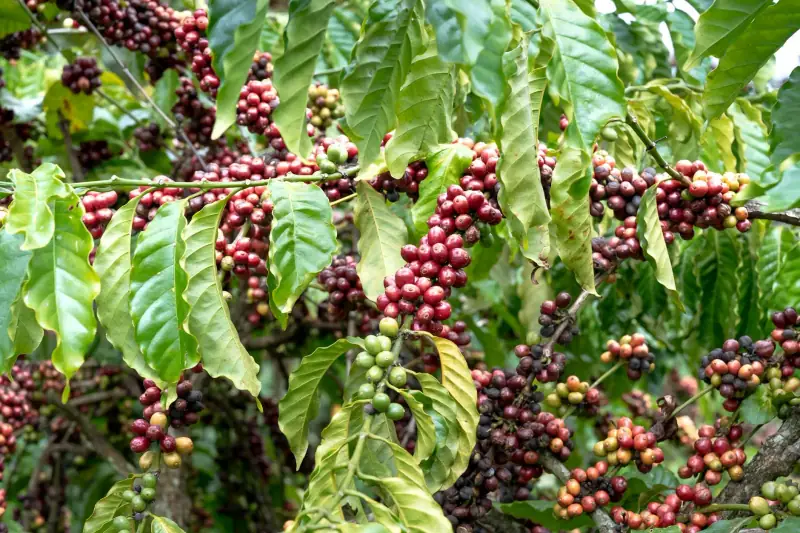
Kailua-Kona gives its name to one of the most renowned coffees in the world: Kona coffee. Produced on the slopes of the Hualalai and Mauna Loa volcanoes between 150 and 975 meters (500 to 3,200 ft) in elevation, in a strip about 48 km (30 miles) long called the “Kona Coffee Belt”, this coffee enjoys unique climate conditions: sunny, warm mornings, afternoons sheltered by clouds from the heights, regular light rain and rich, well-draining volcanic soil.
Visiting a coffee farm
The Kona coast has more than 600 coffee farms, many of which open their doors to visitors. Most are located along Mamalahoa Highway (Route 11) between Captain Cook and Holualoa, about twenty minutes by road from Kailua-Kona.
Mountain Thunder Coffee Plantation (73-1942 Ha’o Street, Kailua-Kona) is one of Kona’s biggest farms, certified organic and set in the heights of the Kaloko Cloud Forest. It offers free guided tours (by reservation) explaining the whole cycle of the coffee cherry, from picking to roasting. The shop sells freshly roasted coffee you can taste there.
Greenwell Farms (Kealakekua) is one of the most historic farms on the Kona Coffee Belt; the Greenwell family has grown coffee here since 1850. Free tours leave every hour and include a walk among the coffee trees, an explanation of the different varieties and a comparative tasting between roast levels.
Holualoa Village deserves a visit in its own right: this pretty mountain village (about 5-10 minutes by road from Kona) has several art galleries, small cafes and whole-bean coffee shops with views of the bay. An idyllic setting for a morning coffee stop.
How to recognize real Kona coffee
Beware of “Kona Blends”: mixes that will have to contain at least 51% Kona coffee under Hawaii’s Act 198 (threshold applicable from July 1, 2027), versus 10% today. These mixes often sell at the same price as 100% Kona despite this difference. Hawaiian law requires blends to clearly state the percentage of each origin, but labeling can remain misleading for the uninitiated.
“100% Kona Coffee” is recognized by the clear statement on the package, by the price (about $30 to $60 a pound), and often by the certification of a local cooperative. The taste? Smooth, slightly tangy with notes of hazelnut and chocolate, without excessive bitterness, very different from Kona Blend-type Hawaiian coffees.
Culture and history: Kona’s historic sites
Pu’uhonua o Honaunau: the “City of Refuge”
About 37 km (23 miles) south of Kona, Pu’uhonua o Honaunau National Historical Park (pronounced “Poo-oo-HOH-noo-ah oh HOH-nah-OO-nah”) is one of the most important and best preserved historic sites in the whole Hawaiian archipelago. This sacred refuge (pu’uhonua) played a crucial role in ancient Hawaiian society: anyone who had broken a kapu (religious taboo), which could be punishable by death, could flee to this sanctuary, cross the great lava wall (the Hale o Keawe), confess to a hauna priest, and leave free and purified.
The site includes:
- The Great Wall (about 3 m / 10 ft high, 5 m / 16 ft wide and 300 m / 980 ft long), built around 1550 and made entirely of lava blocks stacked without mortar
- The Hale o Keawe (a rebuilt temple), which holds the bones of 23 Hawaiian ali’i (chiefs) whose sacred presence was believed to give divine power to the sanctuary
- Statues of ki’i (carved wooden figures of Hawaiian deities) planted in the ground
- Reconstructions of traditional Hawaiian huts (hale) with craft demonstrations
Entry: $20 per vehicle (valid for 7 days, also includes access to the park’s hikes). Allow 2 to 3 hours for a full visit.
Kaloko-Honokohau National Historical Park
5 km (3 mi) north of Kailua-Kona, this national park, much less visited than its southern neighbor, is nonetheless worth the detour for fans of Hawaiian history and nature. The park protects a set of traditional fishponds (loko i’a), built several centuries ago by ancient Hawaiians to raise fish and turtles. These ponds, fed by groundwater and connected to the sea, are a masterpiece of pre-colonial hydraulic engineering.
Honokohau Beach in the park is one of the wildest and calmest beaches in the Kona area: no shops, very few visitors, and often sea turtles on the sand. A 3 km (1.9 mi) trail links the south entrance of the park to the beach.
Ahuena Heiau: the temple of Kamehameha the Great
Rebuilt between 1975 and 1977 from historic sketches of 1816, on a small basalt peninsula at the edge of Ali’i Drive, Ahuena Heiau is a historic Hawaiian temple (heiau) that King Kamehameha the Great, the unifier of all the Hawaiian islands, had rebuilt after establishing his residence in Kona in the last years of his life. He died here in 1819. The temple is on the grounds of the Courtyard King Kamehameha’s Kona Beach Hotel (Courtyard Marriott), but it is open to the public and visible from the pier and from the sea.
Kona as a base for the volcanoes and Big Island
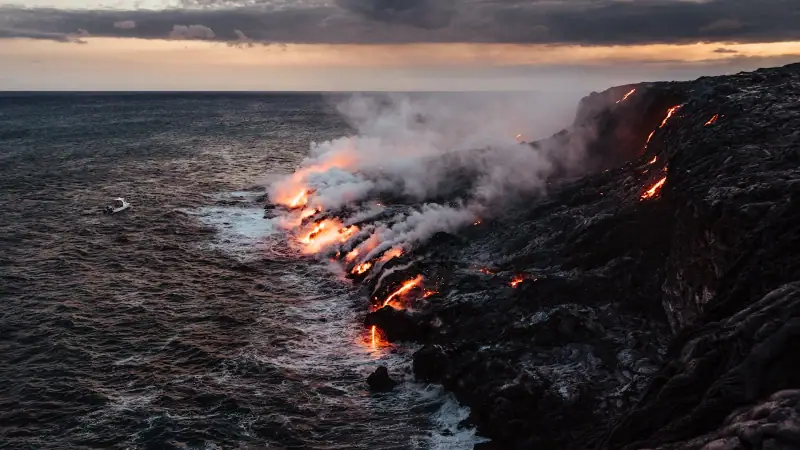
Kailua-Kona is Big Island’s main gateway, and it is from this town that most visitors organize their exploration of the island. Big Island is huge, larger than all the other Hawaiian islands combined, and full of radically different landscapes a few hours’ drive from Kona.
Hawaii Volcanoes National Park (95 miles / 153 km, 2-2.5 h by road): Kilauea, one of the most active volcanoes in the world (erupting in episodes: check activity on the USGS website), the Thurston Lava Tube and Chain of Craters Road to the coast. A full day is needed. Our guide to Hawaii’s volcanoes details the whole itinerary.
The Kohala Coast (40 to 60 km / 25 to 37 mi north depending on the area, 30 to 50 min by road): the most beautiful white sand beaches on Big Island (Hapuna Beach, Mauna Kea Beach) and the big luxury resorts, in a black lava desert landscape contrasting with the blue of the Pacific.
Waimea and the Kohala plateau (60-65 km / 37-40 mi): the Hawaiian cowboy (paniolo) cattle ranches, the valleys of the kings (Pololu Valley, Waipio Valley) and green grassland landscapes that look more like Ireland than the tropics.
Mauna Kea and stargazing (90 km / 56 mi, 2 h of driving at altitude): the 4,205-meter (13,796 ft) summit holds the most powerful astronomical telescopes in the world. Sunsets above the clouds, followed by a night of stargazing, are one of the most striking experiences in all of Hawaii.
Car rental at Kona (KOA)
Essential to explore Big Island from Kailua-Kona: compare the offers of the major agencies at the airport.
Food in Kailua-Kona
Kona’s food scene mixes traditional Hawaiian cuisine, Asian influences (Japanese, Filipino, Korean) inherited from the history of the sugar plantations, and the absolute freshness of local seafood. The restaurants on Ali’i Drive range from simple food trucks to fine seafood restaurants.
Kona’s top food stops
Island Lava Java: On Ali’i Drive with a sea view, this cafe-restaurant serves generous Hawaiian breakfasts (papaya pancakes, eggs Benedict with Hawaiian SPAM, acai bowls) and of course quality Kona coffee. The wooden terrace is the ideal place to start the day facing the Pacific.
Umeke’s Fish Market Bar & Grill: Kona’s reference for poke bowls, with ahi tuna and salmon cut fresh every morning. The Hawaiian-seasoned raw fish options (shoyu, spicy, wasabi poke) are remarkably fresh. Expect $15 to $25 for a full bowl, excellent value for the quality of the product.
Da Poke Shack: A small, unpretentious shop with poke bowls made to order, often cited among the best on Big Island. A nearly permanent line at lunchtime, a sign that locals come too. Takeout, to eat on the nearby beach.
Kona Brewing Company: Kona’s craft brewery (yes, it really exists here, not only as cans in supermarkets around the world) brews its beers right there. The terrace overlooks the back yard of the fermentation tanks. The specialty beers brewed only here are found nowhere else.
Jackie Rey’s Ohana Grill: Hawaiian fusion cuisine in a relaxed atmosphere: grilled mahi-mahi with mango-ginger sauce, macadamia-smoked pork ribs, tuna sashimi with lemon tamari. A good address for dinner without breaking the bank ($20 to $40 per person).
To go further into Hawaiian food, our complete guide to Hawaiian cuisine decodes all the archipelago’s specialties.
The best beaches around Kailua-Kona
Magic Sands Beach (La’aloa Beach): The white sand beach closest to central Kona (5 km / 3 mi south on Ali’i Drive). Its nickname “Magic Sands” comes from the fact that the sand literally disappears in winter under the swells, then reappears every spring. In summer, it is an excellent swimming beach with bodyboarding.
Honl’s Beach: A small local beach at the bottom of a lane, between Ali’i Drive and Kailua Pier. Little known to tourists, much used by residents, with bodyboard waves and turtles that regularly come up on the sand.
Hapuna Beach State Recreation Area (51 km / 32 mi north): Regularly ranked among the ten most beautiful beaches in the United States, this white sand beach of about 800 meters (0.5 mi) is sheltered, with water ideal for swimming and snorkeling. Very busy on weekends; arrive on a weekday if possible. Paid entry: $5 per person + $10 parking per vehicle.
Kekaha Kai State Park (Kua Bay): About 18 km (11 mi) north of Kona, this pristine white sand bay is sheltered from the wind by lava cliffs. The shallow turquoise water is ideal for swimming and snorkeling. Unpaved access road (4x4 or high-clearance vehicle recommended); no facilities, so bring everything you need.
Where to stay in Kailua-Kona
Central Kona: atmosphere and convenience
Hotels and condos along Ali’i Drive are ideal for those who want to explore Kona on foot and enjoy the restaurants and sunsets from the waterfront. The mood is relaxed and prices are more reasonable than in Waikiki or on the Kohala Coast.
Courtyard by Marriott King Kamehameha’s Kona Beach Hotel: One of the few large hotels directly on the water in central Kona, a step from Kailua Pier. Comfortable rooms, pool, restaurant and direct access to Kamakahonu Beach (the small historic beach). Rates: $200 to $380 a night.
Former Uncle Billy’s Kona Bay Hotel: This budget oceanfront hotel has been closed since 2021 and is due to reopen as the Hampton Inn Kailua-Kona Bay after renovation. Check its opening date and rates before choosing it.
Kona Islander Inn: Condos with kitchenettes, ideal for stays of a week or more, a 5-minute walk from the pier. Several units have a partial sea view. Rates: $90 to $140 a night.
Kohala Coast: the luxury of the big resorts
50 km (31 mi) north of Kona, the Kohala Coast resorts represent the pinnacle of Hawaiian luxury. Private beaches, championship golf, spas and fine-dining restaurants:
Fairmont Orchid (Mauna Lani, South Kohala): 2-acre pool, direct access to Pauoa Bay beach, Hawaiian cultural program and top-level restaurants. Rates: $500 to $900 a night.
Mauna Kea Beach Hotel: A legendary hotel, one of the first big resorts on Big Island (1965). The rooms facing Kauna’oa Bay (Mauna Kea Beach) are legendary. Rates: $600 to $1,200 a night.
Alternative lodging
Vacation rental platforms offer many condos and houses in Kona’s residential neighborhoods, often equipped with a kitchen and a terrace, ideal for families or stays of more than a week. The Holualoa area (in the heights, 15 minutes away) has a few charming bed & breakfasts with panoramic views of the bay.
Practical information for visiting Kailua-Kona
Getting there
Ellison Onizuka Kona International Airport (IATA code: KOA) is about 11 km (7 miles) north of town. Several U.S. airlines (Hawaiian Airlines, now part of Alaska Airlines, as well as Alaska Airlines, United, American) operate direct flights from Honolulu (50 min), Los Angeles (6 h), San Francisco (5 h 30) and other U.S. cities.
A rental car is essential as soon as you leave the airport; all the major agencies (Hertz, Avis, Budget, Enterprise) are represented at the airport. Book ahead in high season (summer and year-end), as cars go fast. For short stays in town, hotel shuttles and taxi apps (Lyft, Uber) work well in Kona.
Kailua-Kona without a car: what is possible
The town center can be covered on foot, and this is where the pier, palace, church and restaurants are concentrated: a stay of a few days without a car is therefore possible if you sleep on Ali’i Drive. According to the Kona airport website, the Hele-On bus, run by the Hawaii County Mass Transit Agency, provides only very limited service between the airport and town; check the schedules before counting on it. Taxis, shuttles and ride-hailing (pickup zones indicated by the airport) complete the offer for the roughly 11 km (7 mi) trip to the center.
What changes without a car: the southern snorkeling spots (Two-Step, Pu’uhonua o Honaunau), the coffee farms, the Kohala Coast and the volcanoes are too far for a walking-based plan. Guided sea trips (mantas, boat) remain the simplest way to enjoy the ocean; check the departure harbor and meeting point when you book. For the rest, rent a car for just a day or two rather than for the whole stay.
When to visit
Kona gets the best sunshine on all of Big Island: the town is on the leeward coast, sheltered from the trade winds and the rain that drench the east coast (Hilo). Kona has over 350 days of sun a year, with stable temperatures (27-32 °C / 81-90 °F in summer, 22-27 °C / 72-81 °F in winter).
- December to April: high tourist season, whale watching, slight rise in prices. A few cooler nights but pleasant
- May and June: excellent period, fewer crowds, intermediate prices, calm sea
- July to August: summer high season (American families), very busy but festive
- September to November: the best period according to those who know the island: fewer people, lower prices, ideal conditions for diving and snorkeling. The Ironman World Championship (October) creates exceptional buzz
Our guide to the best time to visit Hawaii compares all islands and all seasons.
Budget
Kona is slightly cheaper than Waikiki or Maui, but remains a Hawaiian destination with American prices. Indicative budget per person per day:
- Tight budget: $150 to $220 (condo with kitchenette, supermarket groceries, self-guided snorkeling at free spots, a food truck for lunch)
- Mid-range: $280 to $450 (3-4 star hotel, restaurants for lunch and dinner, one manta ray or whale watching trip)
- Luxury: $700+ (Kohala Coast resort, fine dining, private excursions, spa)
Kona coffee is one of the cheapest and highest-quality souvenirs to bring back: a pound of 100% Kona Coffee costs $25 to $45 at the farm, far less than in a souvenir shop in Honolulu.
Entry requirements
Hawaii is a US state, so the formalities are those of any trip to the United States. Entry rules depend on your passport. Check the official travel advice of your government before you book: travel.state.gov (US), GOV.UK (UK), travel.gc.ca (Canada), Smartraveller (Australia) (checked November 2026).
Kailua-Kona is the Hawaii that goes beyond the clichés. No giant hotel towers or industrial beaches, just a human-scale coastal town with a historic waterfront, an extravagantly blue sea and underwater activities that rival the best destinations in the world. Seeing a 4-meter (13 ft) manta ray pass a few inches from your mask in the black night, snorkeling among fifty turtles at Kahalu’u, tasting freshly roasted coffee on a farm in the heights while watching the bay shine below: this is what Kona keeps for those who take the time to arrive.
Sources
Frequently asked questions
Why is Kailua-Kona sometimes called simply 'Kona'?
The official name is Kailua-Kona, but locals and most guides simply say 'Kona'. The 'Kailua' prefix distinguishes the town from Kailua on Oahu (a popular beach near Honolulu). In practice, 'Kona' refers to the town, Big Island's west coast and the famous coffee variety grown on the slopes of Mauna Loa.
What is the best time to see manta rays in Kona?
Manta rays are present all year in Kona, which makes Big Island's west coast one of the few places in the world where you can see them with certainty. Night trips (diving or snorkeling) generally leave after sunset, which is when the mantas come to feed under the underwater lights. Kona's reef manta rays have a 76% return rate to their feeding sites, one of the highest in the world for this species. The calm season (April to October) generally offers the best sea conditions. The two main species seen in Kona are Mobula birostris and Mobula alfredi (more common in the bay).
What is Kona coffee and why is it renowned?
Kona coffee is grown on the 'Kona Coffee Belt', between 150 and 975 meters (500 and 3,200 ft) in elevation on the slopes of the Hualalai and Mauna Loa volcanoes. The conditions are ideal: sunny mornings, cloudy afternoons, regular light rain and mineral-rich volcanic soil. The result is a smooth, slightly tangy coffee with no bitterness. '100% Kona' is one of the most sought-after coffees in the world; beware of 'Kona Blend' mixes that often contain only 10% real Kona coffee.
Can you swim with dolphins in Kailua-Kona?
Kailua-Kona is famous for its spinner dolphins (Stenella longirostris), which visit the coastal bays in the morning. Since late 2021, a federal regulation bans swimming with dolphins or approaching them within 50 yards (45 meters), to let them rest during the day. Legal trips therefore offer to watch them from the boat, keeping this distance. Follow this rule scrupulously: fines are high and dolphin protection is a priority.
Do you need to rent a car in Kailua-Kona?
A car is essential to explore around Kona: the snorkeling beaches, the coffee farms, Pu'uhonua o Honaunau historical park and the national park volcanoes are all 30 to 150 km (19 to 93 mi) from town. Ali'i Drive (the waterfront) can be covered on foot, but the rest of Big Island absolutely requires a vehicle. Kona International Airport (KOA) has many rental agencies.
Which area should you choose to stay in Kailua-Kona?
Central Kailua-Kona (Ali'i Drive and surroundings) is ideal for those who want to get around on foot and enjoy the restaurants and sunsets. The northern resorts (Kohala Coast: Mauna Kea, Waikoloa) offer sheltered beaches and absolute luxury but require a car for everything. South Kona (Captain Cook, Honaunau) is quieter, close to the exceptional snorkeling at Two-Step, ideal for nature lovers.
How do you get from Kailua-Kona to the volcanoes?
Hawaii Volcanoes National Park is about 95 miles (153 km) south of Kailua-Kona, which is 2 to 2.5 hours by road on Highway 11. It is a full-day excursion from Kona. Leave early (7 am at the latest) to have time to see Kilauea, Thurston Lava Tube, Chain of Craters Road and, depending on eruptive activity, the crater glow at sunset. See our Big Island road trip guide for the full itinerary.
What can you do in Kailua-Kona in half a day?
Walk from Kailua Pier to Kamakahonu Beach, pass Ahuena Heiau, visit Hulihe'e Palace and Mokuaikaua Church, then have lunch on Ali'i Drive. Finish with sunset over the bay: everything can be done on foot in 3 to 4 hours.
Can you visit Kailua-Kona without a car?
Yes for the town center, which can be covered on foot. The Hele-On bus offers only very limited service from the airport according to the KOA website; taxis, shuttles and ride-hailing exist. For the southern beaches, coffee farms and volcanoes, a car is still needed.
More Hawaii guides
Keep reading
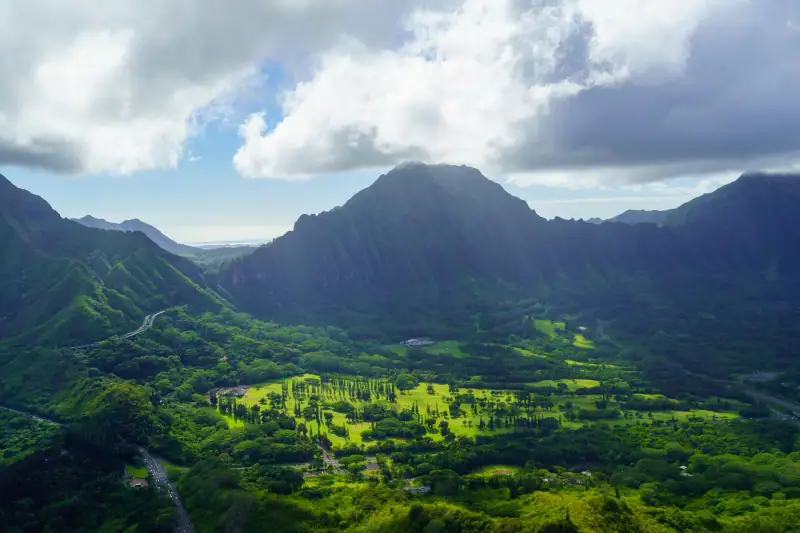
Oahu: the must-sees you shouldn't miss
The top 20 things to do and see on Oahu: Pearl Harbor, Diamond Head, the North Shore and more, with prices, hours and practical tips.
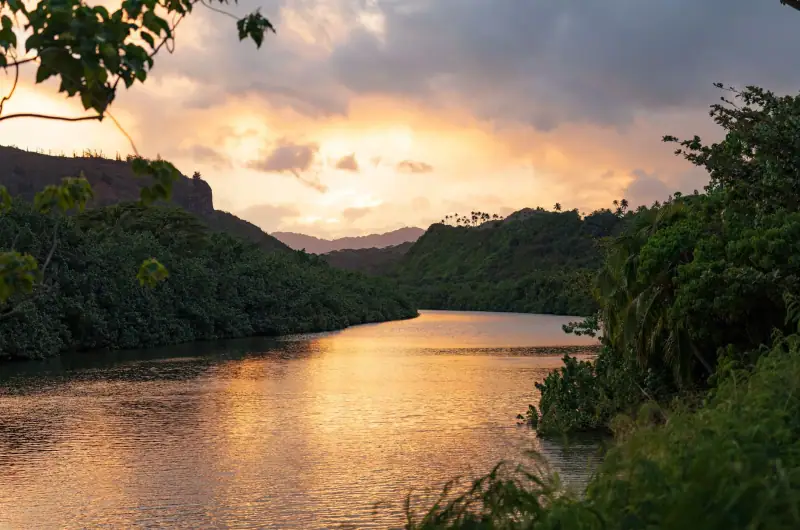
Visiting Kauai: complete guide to the island of Kauai in Hawaii
Visiting Kauai: Na Pali Coast, Waimea Canyon, Hanalei Bay, beaches, hikes and practical tips to plan your Hawaii trip.
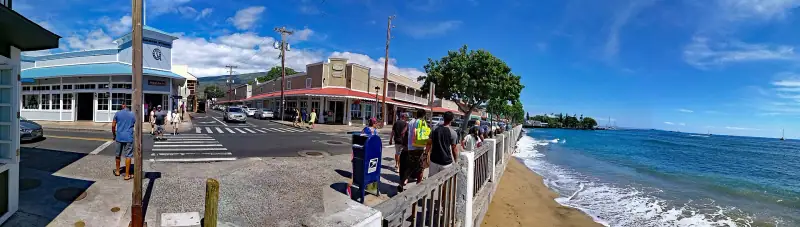
Visiting Lahaina: complete guide to Maui's historic town
Lahaina, former capital of the Kingdom of Hawaii, is recovering after 2023. A complete guide to visiting this Maui landmark respectfully.
Ready-made
Hawaii itineraries
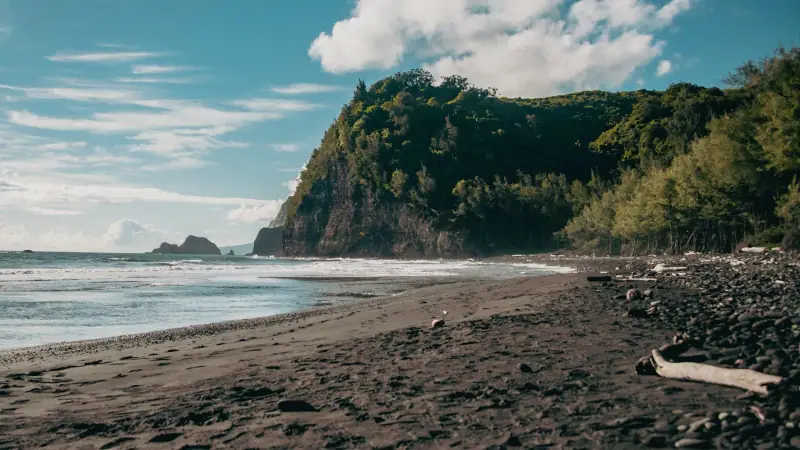
5 days
Big Island road trip in 5 days
Kailua-KonaVolcano VillageHilo or Hamakua Coast
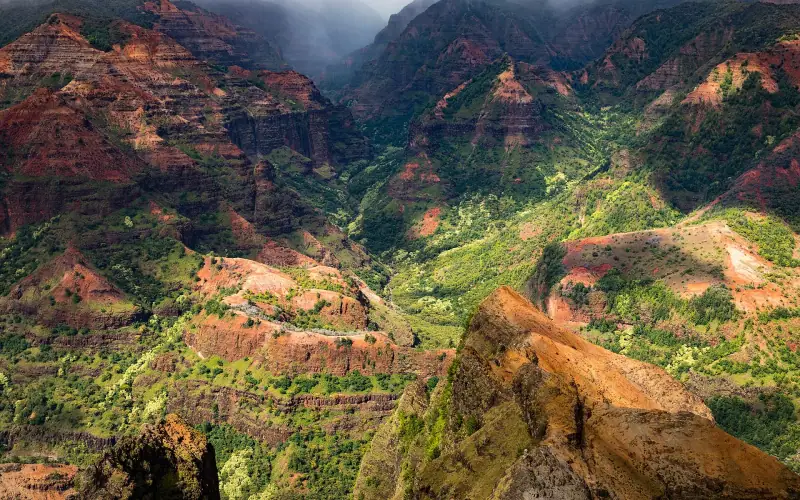
7 days
Kauai 7-day itinerary: the best road trip on the wild island
A detailed 7-day Kauai itinerary: Na Pali Coast, Waimea Canyon, Hanalei Bay and the best beaches. Day-by-day plan for an unforgettable road trip.
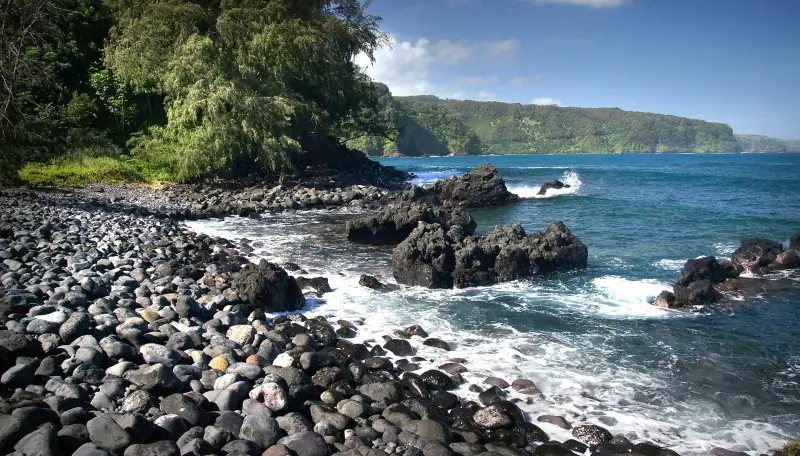
7 days
Maui 7-day itinerary: the complete guide to planning your trip
Maui in 7 days: Road to Hana, Haleakala, Wailea and Kaanapali beaches. A day-by-day plan to discover the pearl of the Hawaiian archipelago.