Plan your trip
Best time to visit Hawaii, month by month
We may earn a commission when you book through links on this page, at no extra cost to you. We don't visit or try the places we cover: we summarize published sources. How we work
In short
- Hawaii has a pleasant tropical climate all year: a dry season (Kau, May to October) and a wetter season (Hooilo, November to April), with temperatures varying little.
- The article's pick is the second half of September or the first half of October: summer weather, fewer crowds and lower prices. April is the smartest high-season month.
- High season runs mid-December to mid-April and mid-June to end of August, with lodging 30 to 60% higher; humpback whales are in Hawaiian waters from mid-November to mid-April.
- The windward (east and north) sides get far more rain than the leeward sides: Hilo averages 3,200 mm (126 in) a year, Kona's coast no more than 500 mm (20 in).
Planning a trip to Hawaii always raises the same fundamental question: when to go? The good news is that the archipelago has a pleasant tropical climate all year. The less good news is that each season has advantages and drawbacks you need to know to choose well. Temperatures, rainfall, tourist crowds, airfare and lodging prices, cultural events, conditions for diving or hiking: this guide reviews every month of the year to help you find the ideal time according to your priorities.
Before diving into the month-by-month detail, we recommend looking at our complete guide to Hawaii for an overview of the archipelago and to prepare your stay in the best conditions.
Understanding the Hawaiian climate
Two main seasons
Hawaii doesn’t have the classic four seasons. The climate divides into two main periods:
- Kau (summer / dry season): May to October. Slightly higher temperatures, less rain, calmer sea on most coasts.
- Hooilo (winter / wet season): November to April. Slightly cooler temperatures, more frequent showers (especially on windward slopes), stronger swell on the north coasts.
Microclimates on every island
Each island has strongly contrasting microclimates. The windward slopes (east and northeast side) get much more rain than the leeward sides (west and south). For example, on Big Island, Hilo averages 3,200 mm (126 in) of rain a year, while the Kona coast, a few dozen kilometers away, doesn’t exceed 500 mm (20 in). This means it is almost always possible to find sun somewhere on each island, even in the middle of the rainy season.
Temperature and rainfall summary table
| Month | Min temp | Max temp | Rainy days (avg) | Ocean temp |
|---|---|---|---|---|
| January | 19 °C (66 °F) | 27 °C (81 °F) | 9 | 24 °C (75 °F) |
| February | 19 °C (66 °F) | 27 °C (81 °F) | 8 | 24 °C (75 °F) |
| March | 19 °C (66 °F) | 27 °C (81 °F) | 9 | 24 °C (75 °F) |
| April | 20 °C (68 °F) | 28 °C (82 °F) | 7 | 25 °C (77 °F) |
| May | 21 °C (70 °F) | 29 °C (84 °F) | 5 | 25 °C (77 °F) |
| June | 22 °C (72 °F) | 30 °C (86 °F) | 4 | 26 °C (79 °F) |
| July | 23 °C (73 °F) | 31 °C (88 °F) | 5 | 27 °C (81 °F) |
| August | 23 °C (73 °F) | 31 °C (88 °F) | 4 | 27 °C (81 °F) |
| September | 23 °C (73 °F) | 31 °C (88 °F) | 5 | 27 °C (81 °F) |
| October | 22 °C (72 °F) | 30 °C (86 °F) | 6 | 27 °C (81 °F) |
| November | 21 °C (70 °F) | 29 °C (84 °F) | 8 | 26 °C (79 °F) |
| December | 20 °C (68 °F) | 27 °C (81 °F) | 9 | 25 °C (77 °F) |
This data corresponds to averages for Honolulu (the leeward coast of Oahu). Temperatures vary little from month to month, which confirms that Hawaii is a destination that works in any season.
Month by month: the complete detail
January
Weather: one of the wettest months. Showers are frequent but often short and localized. Temperatures stay mild, around 19-27 °C (66-81 °F). The winter swell produces big waves on the north coasts.
Crowds and prices: January is in the middle of high season. The Christmas and New Year holidays bring many American visitors. Lodging prices are among the highest of the year. To find the best rates, see our guide on where to stay in Honolulu.
Top activities:
- Humpback whale watching: the season is in full swing. Hawaii’s warm waters welcome thousands of whales that come from Alaska to give birth.
- Surfing: Oahu’s north coasts (Pipeline, Sunset Beach) offer spectacular waves for experienced surfers.
- Hiking is possible but watch for slippery trails on windward slopes.
Verdict: excellent for whales and surfing, but plan a sizable budget.
February
Weather: conditions similar to January, with perhaps slightly less rain depending on the year. The swell stays strong on the north coasts.
Crowds and prices: high season continues. Presidents’ Day week (mid-February) is a crowd peak. Prices stay high.
Top activities:
- Whale watching still excellent.
- The Merrie Monarch Festival (hula festival) in Hilo starts being prepared, even though it takes place in April.
- Ideal for photography with sometimes dramatic skies.
Verdict: whale season in full swing and quality surf, but high budget.
March
Weather: gradual transition to the dry season. Showers gradually decrease. Pleasant temperatures around 19-27 °C (66-81 °F). The winter swell starts to weaken.
Crowds and prices: American Spring Break (mid-March to early April) causes a crowd peak, especially in Waikiki and Maui. Prices rise during this period.
Top activities:
- Last weeks for whale watching.
- Hikes in Hawaii become more pleasant as trails gradually dry out.
- Improving snorkeling conditions, especially on the south and west coasts.
Verdict: a good compromise if you avoid Spring Break week.
April
Weather: the transition to the dry season is clear. Rainfall decreases noticeably. Rising temperatures (20-28 °C / 68-82 °F). The sea calms on the north coasts.
Crowds and prices: after the Spring Break peak, crowds drop significantly. This is the start of shoulder season, with more reasonable prices. It is one of the best periods for good value.
Top activities:
- Merrie Monarch Festival in Hilo: the biggest hula festival in the world. An essential cultural event.
- Snorkeling clearly improving.
- Excellent hiking conditions: dry trails, moderate temperatures.
Verdict: one of the best months to visit Hawaii. Favorable weather, reasonable prices, moderate crowds.
Hotels in Hawaii
Compare prices and book with free cancellation.
May
Weather: official entry into the dry season. Rain is rare on the west and south coasts. Pleasant temperatures (21-29 °C / 70-84 °F). The sea is increasingly calm.
Crowds and prices: May stays in shoulder season, except for Memorial Day week (late May), which attracts Americans. Outside this long weekend, prices are attractive.
Top activities:
- Snorkeling and scuba diving in excellent conditions.
- Hiking in green landscapes (vegetation has benefited from the winter rains).
- Surfing on the south coasts, which start to get summer swell.
Verdict: an excellent choice for a stay combining good weather and moderate rates.
June
Weather: dry season well established. Very little rain, especially on the leeward coasts. Hot but bearable temperatures thanks to the trade winds (22-30 °C / 72-86 °F). The longest days of the year.
Crowds and prices: the start of summer high season. American families begin to arrive as the school year ends. Prices rise gradually.
Top activities:
- King Kamehameha Day (June 11): celebrations across the archipelago with parades and festivities.
- Optimal conditions for snorkeling and diving.
- Beautiful hikes with long, sunny days.
Verdict: perfect weather, but high season is starting. Book early.
July
Weather: the hottest month with highs around 31 °C (88 °F). Rain is nearly absent on the leeward coasts. Sea water reaches 27 °C (81 °F), ideal for swimming.
Crowds and prices: full high season. July 4 (Independence Day) is a major peak. Lodging is often full, especially on Maui and Oahu. Prices are at their maximum.
Top activities:
- Spectacular fireworks on July 4.
- Diving, snorkeling and kayaking in ideal conditions.
- Surfing on the south coasts (summer swell).
Verdict: impeccable weather but maximum crowds and a high budget.
August
Weather: conditions almost identical to July. Sustained heat, very little rain, warm, calm sea. Beware of the rare hurricanes (the season runs from June to November, but the islands are rarely hit directly).
Crowds and prices: high season continues. Families enjoy the last weeks before school starts. Prices still high.
Top activities:
- Perfect conditions for all water activities.
- Night manta ray watching (Big Island).
- Duke’s OceanFest in Waikiki celebrates board sports.
Verdict: similar to July. Plan your budget and book very far ahead.
September
Weather: still hot (23-31 °C / 73-88 °F) with very little rain. The water stays warm. The trade winds blow regularly, bringing welcome coolness.
Crowds and prices: the best-value month of the high season. Crowds drop sharply after Labor Day (first Monday of September). Prices fall noticeably compared with July-August.
Top activities:
- Aloha Festivals: the biggest Hawaiian cultural festival with music, dance and parades.
- Diving and snorkeling still exceptional.
- Start of the winter swell season on the north coasts (intermediate surfers).
Verdict: one of the best months to visit Hawaii. Summer weather, falling prices, fewer people.
October
Weather: the transition to the wet season begins. Rain gradually returns, especially at the end of the month and on windward slopes. Temperatures still warm (22-30 °C / 72-86 °F).
Crowds and prices: shoulder season. Crowds stay moderate and prices are among the lowest of the year. It is the ideal time for travelers watching their Hawaii budget.
Top activities:
- Halloween used to be celebrated enthusiastically in Lahaina (Maui), nicknamed the “Mardi Gras of the Pacific”: the big Front Street party has not resumed since the August 2023 fires, so check with Maui County before counting on it.
- Surfing improving on the north coasts.
- Last weeks of optimal diving conditions.
Verdict: excellent value. The first rains remain manageable.
November
Weather: the wet season settles in. Showers become more frequent and more sustained, especially on windward coasts. Temperatures falling (21-29 °C / 70-84 °F). The winter swell clearly intensifies on the north coasts.
Crowds and prices: crowds are low at the start of the month then rise sharply for Thanksgiving (fourth Thursday of November). Prices follow the same curve.
Top activities:
- Start of humpback whale season (the first arrive from mid-November).
- Surf competitions on Oahu’s North Shore: the big-wave season begins (check the calendar on the World Surf League website).
- The Kona Coffee Cultural Festival on Big Island celebrates Hawaiian coffee.
Verdict: early November offers good value. Avoid Thanksgiving week if possible.
December
Weather: among the wettest months. Showers can be sustained, especially on windward slopes. Mild temperatures (20-27 °C / 68-81 °F). Big swell on the north coasts.
Crowds and prices: high season resumes in full force, especially from mid-December. The two weeks around Christmas and New Year are the most expensive and busiest of the year. Book several months ahead.
Top activities:
- Whale watching in full swing.
- Surf competitions, including the Pipe Masters, the final of the WSL world circuit, at Pipeline.
- Christmas and New Year festivities with a unique tropical spirit.
- The Honolulu Marathon (second Sunday of December) draws thousands of runners from around the world.
Verdict: festive atmosphere guaranteed, but plan a large budget.
Comparison table: which period for which activity?
| Activity | Best period | Acceptable period | Avoid |
|---|---|---|---|
| Snorkeling / Diving | May - September | April, October | December - February (swell) |
| Surfing (beginner) | May - August (south coasts) | April, September | Nov - Feb (north coasts) |
| Surfing (advanced) | November - February (North Shore) | March, October | May - August (little north swell) |
| Whale watching | January - March | December, April | May - November |
| Hiking | April - October | March, November | December - February (slippery trails) |
| Budget trip | September - October | April - May | December - January, July - August |
| Honeymoon | May - June, September | April, October | July - August (too many people) |
To discover the best hiking trails by season, see our dedicated article on hiking in Hawaii.
Tourist seasons and impact on prices
High season
- Mid-December to mid-April (winter vacations and Spring Break)
- Mid-June to end of August (American summer vacations)
During these periods, expect:
- Lodging rates 30 to 60% higher
- More expensive flights
- Crowded tourist sites (roads, beaches, restaurants)
- The need to book popular activities several weeks ahead
Low season and shoulder season
- September to mid-December (excluding Thanksgiving)
- Mid-April to mid-June
The advantages of these periods:
- Significant savings on lodging and flights
- Less crowded beaches
- Better availability for activities and restaurants
- A more authentic experience of local culture
For a detailed estimate of costs by season, see our article on the budget for a trip to Hawaii.
Focus: humpback whale season
Every winter, about 10,000 humpback whales leave the icy waters of Alaska for Hawaii’s warm, shallow waters. They come to mate and give birth in the Au’au Channel, between Maui and Lanai.
When to see them?
- First arrivals: mid-November
- Peak of the season: January to March
- Last departures: mid-April
Where to see them?
- Maui: the best place, especially from Lahaina and Ma’alaea
- Big Island: from the Kohala coast
- Oahu: from Makapu’u Point
Boat trips offer the best sightings, with certified operators who respect the regulated distances.
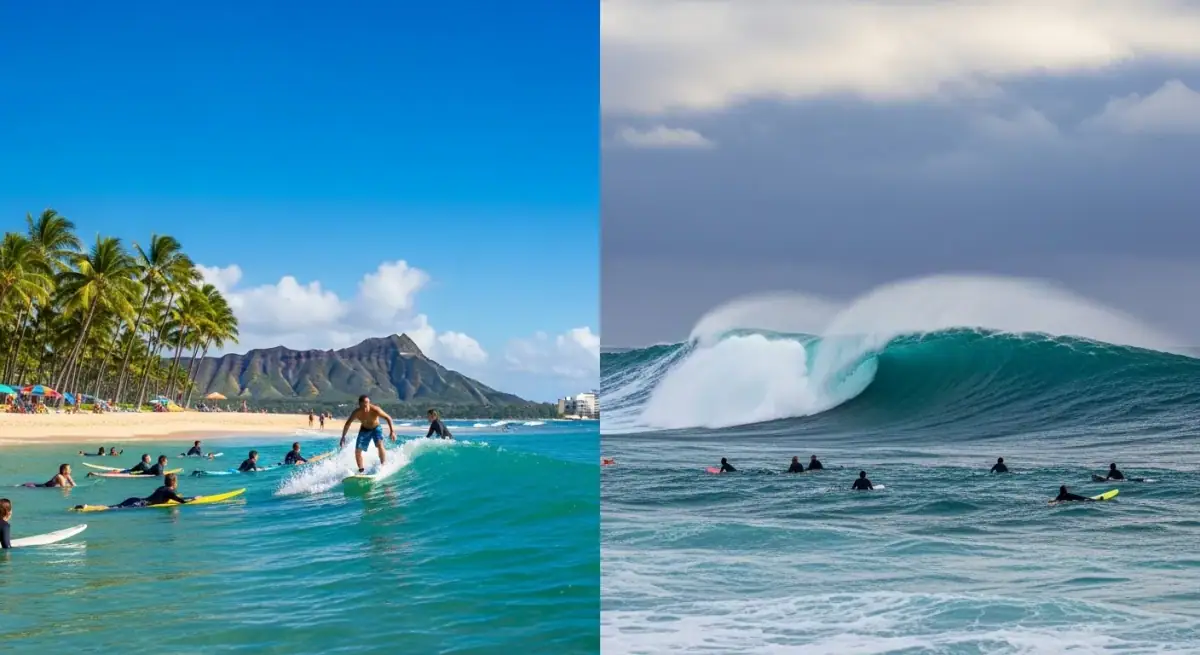
Focus: surf season
Hawaii is the birthplace of modern surfing, and conditions vary considerably by season:
Winter (November - February)
- North coasts: massive waves of 3 to 15 meters (10 to 49 ft). For advanced surfers only.
- South coasts: calm conditions, ideal for beginners.
- Oahu’s North Shore hosts the most prestigious competitions of the professional circuit.
Summer (May - August)
- South coasts: summer swell with waves of 1 to 3 meters (3 to 10 ft). Perfect for intermediate surfers.
- North coasts: flat sea, ideal for snorkeling and swimming.
Spring and fall (March-April, September-October)
- Transition periods with variable conditions.
- October marks the start of the winter swell with progressive waves.
When to go according to your traveler profile
Budget traveler
Best period: September - October or April - May
These months offer the best value, with lodging and flight rates clearly below high season. The weather stays very pleasant, especially in September when summer conditions linger. See our complete guide for detailed advice on organizing your trip.
Hiking fans
Best period: April - June or September - October
Trails are dry and passable. Temperatures are hot without being overwhelming. Days are long, which lets you make the most of the routes. Avoid the peak rainy season (December-February), when mountain trails can be dangerous. Find our recommendations in the article on hiking in Hawaii.
Honeymoon
Best period: May - June or September
These periods combine perfect weather, moderate crowds and reasonable prices. You can enjoy nearly empty beaches on weekdays and get resort upgrades more easily than in high season. To choose your romantic lodging, see our guide on where to stay in Honolulu.
Families with children
Best period: June (early) or late August
The sea is calm and warm, the days long and sunny. Avoid peak July if possible to limit costs. The south and west coasts are ideal for families with young children thanks to their sheltered waters.
Nature and wildlife fans
Best period: January - March
This is humpback whale season, an unforgettable natural show. Green turtles are present all year, but underwater visibility is better between May and September.
Major events and festivals by month
| Month | Event | Island | Description |
|---|---|---|---|
| January | Kona Ironman (spectators) | Big Island | Visible training |
| February | Waimea Town Celebration | Kauai | Cultural festival |
| March | Honolulu Festival | Oahu | Pacific arts and culture |
| April | Merrie Monarch Festival | Big Island | Biggest hula festival |
| May | Lei Day (May 1) | All | Flower lei celebration |
| June | King Kamehameha Day | All | Celebration of the unifying king |
| July | 4th of July | All | Fireworks |
| August | Duke’s OceanFest | Oahu | Board sports |
| September | Aloha Festivals | All | Biggest cultural festival |
| October | Halloween in Lahaina (Front Street party suspended since 2023) | Maui | Costume parade |
| November | North Shore surf competitions (calendar to check) | Oahu | Start of big-wave season |
| December | Honolulu Marathon | Oahu | International marathon |
Practical tips for choosing your period
- Book early for high season: 6 to 8 months ahead for lodging, 3 to 4 months for flights.
- Be flexible with dates: shifting by a few days can save hundreds of dollars.
- Set price alerts on flight comparison sites.
- Account for the time difference: Hawaii is on UTC-10 all year, with no daylight saving time. Allow a few days to adapt.
- Prepare your entry formalities in advance: entry rules depend on your passport. Check the official travel advice of your government before you book: travel.state.gov (US), GOV.UK (UK), travel.gc.ca (Canada), Smartraveller (Australia) (checked November 2026).
Our final recommendation
If we had to pick a single period, we would recommend the second half of September or the first half of October. This window offers the best balance between summer weather, reduced crowds, attractive prices and variety of activities. The days are still long and hot, the sea is calm and warm, and the first whales begin to arrive in late October.
For travelers who prefer high season, April remains the smartest month: the weather improves, prices drop after Spring Break, and the Merrie Monarch Festival offers a unique cultural immersion.
Whatever period you choose, Hawaii will enchant you. The archipelago offers a diversity of landscapes and experiences that transcends the seasons. Start by reading our complete guide to Hawaii to prepare your trip in every detail.
Frequently asked questions
When is the rainy season in Hawaii?
The rainy season (Hooilo) runs from November to April, with more frequent showers, especially on windward slopes. The west and south coasts often stay sunny.
Is it warm in Hawaii in winter?
Yes, temperatures stay pleasant all year, between 19 and 27 °C (66 and 81 °F) in winter. The ocean water doesn't drop below 24 °C (75 °F).
When can you see whales in Hawaii?
Humpback whales can be seen from December to April, with a peak in February-March. Maui is the island most renowned for whale watching.
What is the cheapest month to go to Hawaii?
February-March and September-November offer the best rates on flights and lodging. See our budget guide to optimize your spending.
Is Hawaii nice in September?
September is an excellent choice: hot, dry weather, few tourists and attractive prices. It is one of the best months for a trip to Hawaii.
More Hawaii guides
Keep reading
Hawaii budget: how much does a trip cost?
How much does a trip to Hawaii cost? A detailed budget for lodging, meals, transport and activities, plus tips to save money.
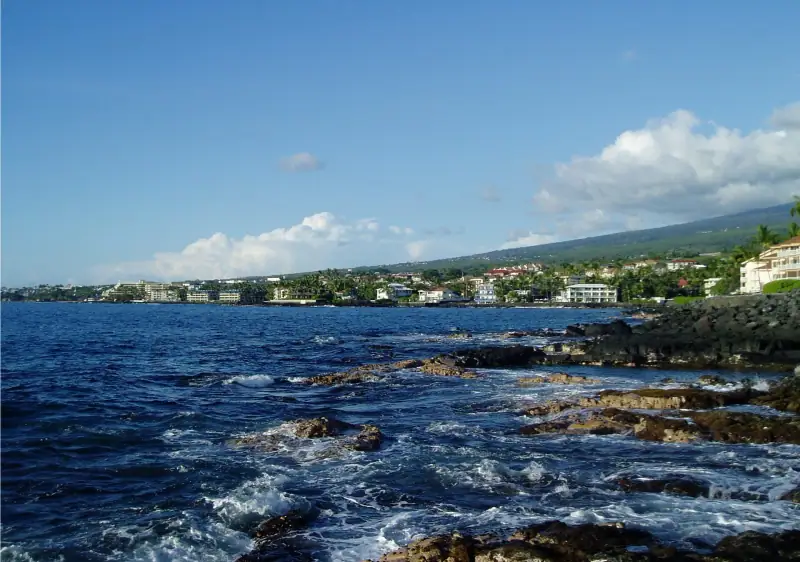
Visiting Kailua-Kona: complete guide to Big Island's coastal town
Kailua-Kona, gateway to Big Island: manta rays, Kona coffee, snorkeling with turtles, Ali'i Drive and Pacific sunsets.
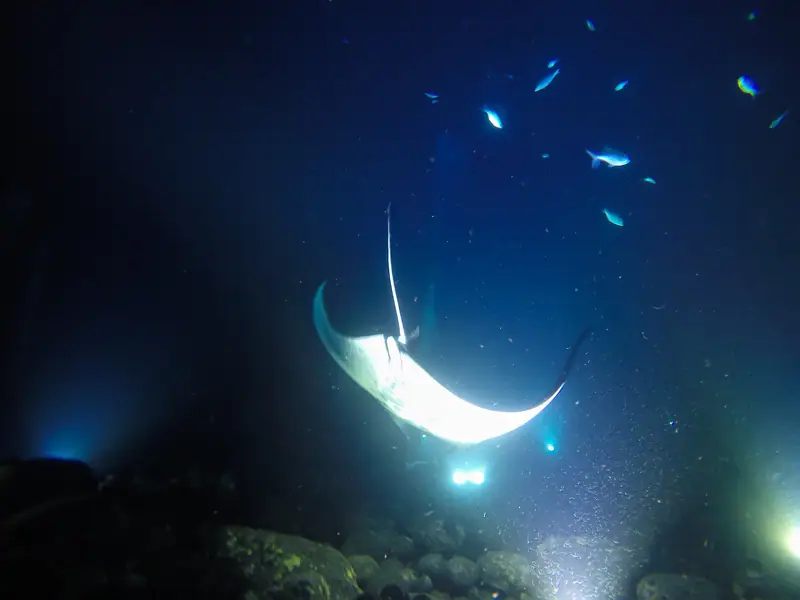
Night snorkeling with manta rays in Kona: booking, prices, season and minimum age
Swimming with manta rays at night in Kona: prices ($80-140), booking, duration, kids, seasickness and rules to follow. A practical guide.
Ready-made
Hawaii itineraries
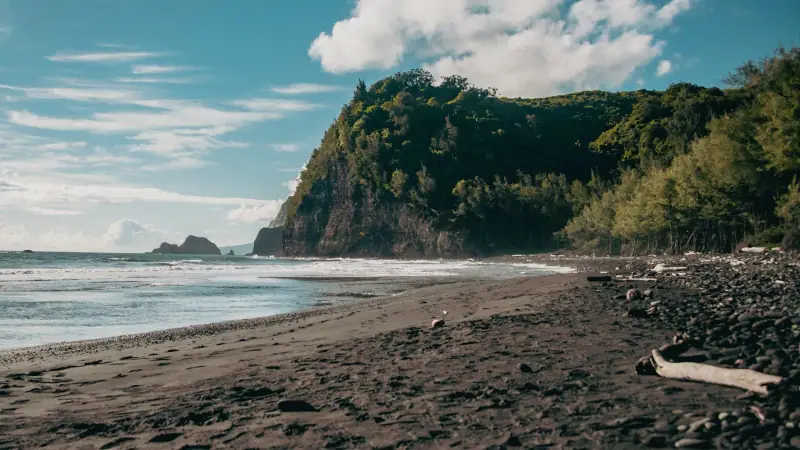
5 days
Big Island road trip in 5 days
Kailua-KonaVolcano VillageHilo or Hamakua Coast
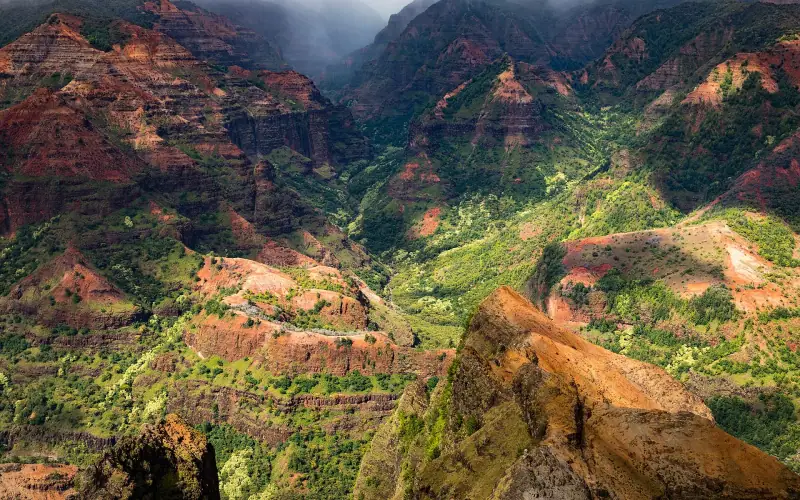
7 days
Kauai 7-day itinerary: the best road trip on the wild island
A detailed 7-day Kauai itinerary: Na Pali Coast, Waimea Canyon, Hanalei Bay and the best beaches. Day-by-day plan for an unforgettable road trip.
7 days
Maui 7-day itinerary: the complete guide to planning your trip
Maui in 7 days: Road to Hana, Haleakala, Wailea and Kaanapali beaches. A day-by-day plan to discover the pearl of the Hawaiian archipelago.