What to see
Oahu: the must-sees you shouldn't miss
We may earn a commission when you book through links on this page, at no extra cost to you. We don't visit or try the places we cover: we summarize published sources. How we work
In short
- Plan at least 5 to 7 days for Oahu's essentials (Pearl Harbor, Diamond Head, the North Shore, Kailua, Chinatown); 3 to 4 days covers the bare minimum.
- Book ahead: the free USS Arizona Memorial tickets go weeks ahead, and Diamond Head ($5 per person) and Hanauma Bay ($25) both require online reservations.
- The North Shore is about 45 minutes to 1 hour from Waikiki, and up to 1 h 30 at rush hour; its winter waves are dangerous, while summer is calm for swimming and snorkeling.
- A rental car costs $40 to $80 a day; TheBus costs $3 per ride and covers Waikiki to Diamond Head, Hanauma Bay and Chinatown.
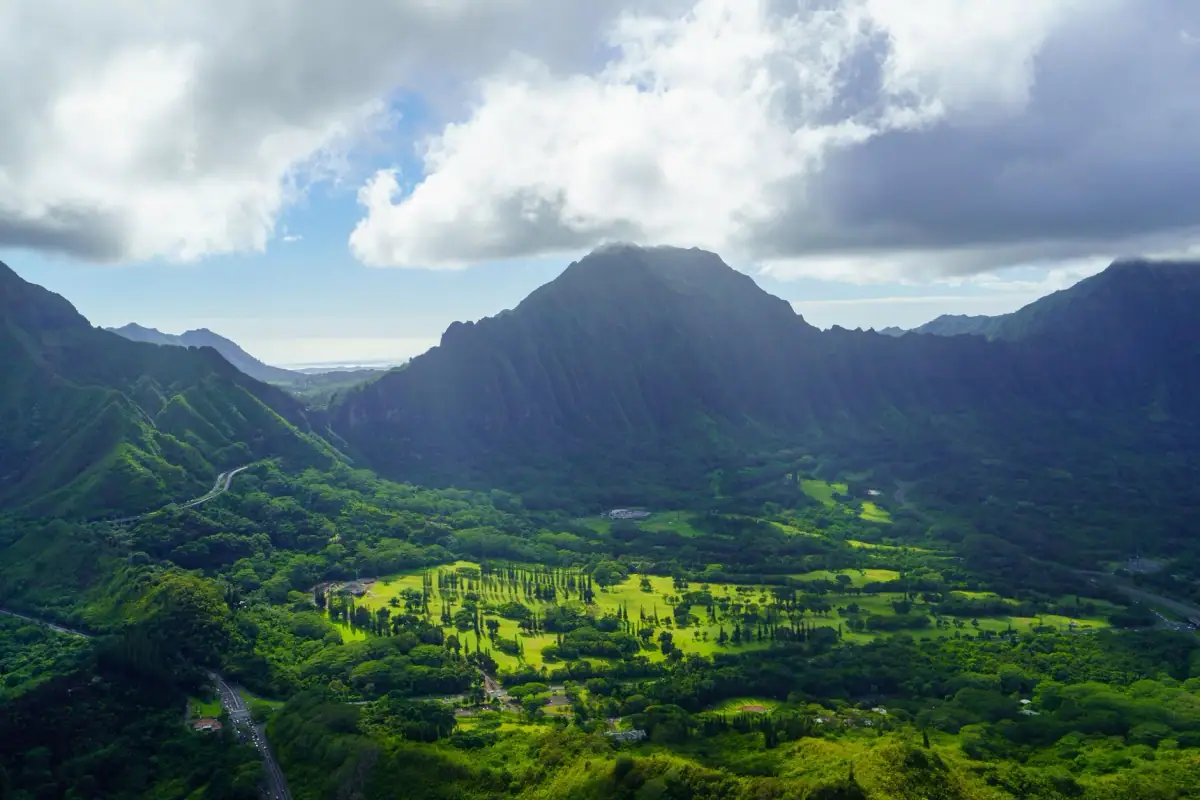
Oahu is the beating heart of Hawaii. The third island of the archipelago by area but the first by population, it holds more than 70% of the state’s residents and receives the vast majority of visitors. But Oahu is not just Waikiki and its skyscrapers: behind Honolulu’s urban front hides an island of astonishing diversity, with jungle-covered volcanic ridges, wild coasts battered by giant waves, sleepy fishing villages and historic sites of worldwide significance.
From Pearl Harbor to the North Shore, from Diamond Head crater to the pineapple plantations, this guide details the 20 must-do experiences on Oahu with all the practical information to enjoy them fully. To prepare your stay in detail, see our complete Hawaii guide and our recommendations on where to stay in Honolulu.
Historic and cultural sites
1. Pearl Harbor: remembrance
Pearl Harbor is much more than a tourist attraction: it is a place of remembrance of worldwide historical importance. The Japanese attack of December 7, 1941 precipitated the entry of the United States into World War II and changed the course of history. Today the site is a national memorial that honors the 2,403 Americans who lost their lives there.
USS Arizona Memorial:
- Price: Free (online reservation required)
- Hours: 7 am to 5 pm, every day except Thanksgiving, Christmas and New Year’s Day
- Visit length: 75 minutes (23-minute documentary film + boat crossing to the memorial)
- Reservation: Essential, spots go weeks ahead. Book as soon as your trip is confirmed on the official National Park Service website.
Other sites in the complex:
- USS Missouri (the battleship on which Japan signed its surrender): $34 adult, $17 child (ages 4-12)
- USS Bowfin (World War II submarine): $18 adult, $12 child
- Aviation Museum: $27 adult, $17 child
Tips:
- Plan half a day to visit the whole complex.
- Bags, backpacks and large cameras are not allowed. Paid lockers are available at the entrance ($5).
- The visit is moving: the wreck of the USS Arizona still rests at the bottom of the bay, and drops of oil still rise to the surface more than 80 years after the attack.
- Arrive early; parking is limited and free.
2. Polynesian Cultural Center: immersion in the Pacific
The Polynesian Cultural Center (PCC) is the largest Polynesian cultural center in the world. Run by Brigham Young University in Laie, it presents the cultures of six Polynesian nations (Hawaii, Samoa, Tonga, Fiji, Tahiti, Aotearoa/New Zealand) through reconstructed villages, dance shows, craft demonstrations and a big evening luau.
Practical information:
- Location: Laie, northeast coast of Oahu (1 hour by road from Waikiki)
- Price: From $70 adult for basic admission, up to $230 with the luau and the evening show
- Hours: Monday to Saturday, noon to 9 pm (closed Sunday)
- Visit length: 5 to 8 hours (afternoon + evening)
Why go. The PCC offers a deep, respectful cultural immersion in Polynesian traditions. The dance shows are impressive (especially the Samoan fire dance), and the evening luau is one of the best on the island. The Polynesian students who run the villages share their culture with infectious passion.
Tips:
- Book the package that includes the luau and the night show “Ha: Breath of Life”: it is the complete experience.
- Plan a full day. The center is far from Waikiki and the visit takes time.
- The luau buffet is generous but not gourmet. The interest lies more in the show than in the food.
3. Iolani Palace: the only royal palace in the United States
Iolani Palace, in downtown Honolulu, is the only royal palace on American soil. Built in 1882 for King Kalakaua, it had electricity and a telephone before the White House. It is a powerful symbol of the Hawaiian monarchy and an emotional place, since Queen Lili’uokalani was imprisoned there after the monarchy was overthrown in 1893.
Practical information:
- Location: Downtown Honolulu, next to the State Capitol
- Price: $30 adult (guided tour), $20 adult (audio tour)
- Hours: Tuesday to Saturday, 9 am to 4 pm
- Visit length: 1 to 1 h 30
4. Bishop Museum: keeper of Hawaiian culture
The Bishop Museum is the largest museum in Polynesia and the repository of Hawaiian culture. Its collections include millions of natural and cultural artifacts, including royal feather capes, ancient surfboards and objects dating from the first Polynesians to arrive in Hawaii.
Practical information:
- Location: Kalihi, Honolulu (15 minutes by car from Waikiki)
- Price: $28 adult, $20 child (ages 4-17)
- Hours: Every day, 9 am to 5 pm
- Visit length: 2 to 3 hours
Hikes and natural sites
5. Diamond Head: the iconic climb
Diamond Head is the visual symbol of Oahu. This extinct volcanic crater, 300,000 years old, towers over Waikiki and offers one of the most famous views in all of Hawaii. The climb is short but rewarding, with a 360-degree panorama at the top taking in Honolulu, Waikiki, the deep blue of the Pacific and, in clear weather, the neighboring islands of Molokai and Lanai.
Practical information:
- Difficulty: Easy to moderate
- Distance: 2.6 km (1.6 mi) round trip
- Elevation gain: 170 meters (560 ft)
- Time: 1 h 30 to 2 h
- Price: $5 per person, plus $10 per vehicle if you park in the crater (online reservation required)
- Hours: 6 am to 6 pm, last entry at 4 pm
Tips:
- Arrive at 6 am for sunrise and to avoid the oppressive heat of the crater in the middle of the day.
- The trail goes through a World War II military tunnel and up a 99-step staircase.
- Bring at least 1 liter (about 34 oz) of water per person.
- For more trail ideas, see our guide to hiking in Hawaii.
6. Manoa Falls: the waterfall in the jungle
Only 15 minutes from Waikiki, the Manoa Falls trail takes you to a completely different world. The hike crosses a lush rainforest with giant bamboo, tree ferns and century-old banyans, before reaching a 46-meter (150 ft) waterfall that falls into a natural pool at the bottom of a green valley.
Practical information:
- Difficulty: Easy
- Distance: 2.6 km (1.6 mi) round trip
- Elevation gain: 240 meters (790 ft)
- Time: 1 to 1 h 30
- Price: about $7 for parking
- Hours: Open sunrise to sunset
Tips:
- The trail is often muddy, especially after rain (frequent in Manoa Valley). Wear closed shoes.
- Swimming in the pool at the foot of the waterfall is discouraged because of the risk of leptospirosis.
- Early morning offers the best conditions (less rain and fewer people).
7. Lanikai Pillbox Trail (Kaiwa Ridge): the million-dollar view
This short ridge trail leads to two old military bunkers (pillboxes) with a breathtaking panoramic view of Lanikai Beach, the Mokulua islets and Oahu’s east coast. It is one of the most popular sunrise spots on the island.
Practical information:
- Difficulty: Moderate (steep slope at the start)
- Distance: 2.8 km (1.7 mi) round trip
- Elevation gain: 190 meters (620 ft)
- Time: 1 to 1 h 30
- Price: Free
- Best time: Sunrise
Tips:
- For sunrise, set out in the dark with a headlamp. The show is worth it.
- The first stretch is steep and can be slippery. Wear good shoes.
- Follow it with a morning at Lanikai Beach below for a perfect hike-and-beach combination.
8. Makapu’u Lighthouse Trail: the hike with whale views
This paved, accessible trail leads to a spectacular viewpoint above the Makapu’u lighthouse and Oahu’s east coast. From December to April, it is one of the best places on the island to watch humpback whales from land.
Practical information:
- Difficulty: Easy (paved trail)
- Distance: 3.2 km (2 mi) round trip
- Elevation gain: 150 meters (490 ft)
- Time: 1 to 1 h 30
- Price: Free
- Hours: Open sunrise to sunset
Why go. In winter, humpback whales regularly pass offshore and are visible to the naked eye from the top. The rest of the year, the view of the cliffs, the red lighthouse and the turquoise ocean is still spectacular. Bring binoculars in whale season.
9. Koko Head Stairs: Oahu’s most brutal staircase
The 1,048 steps of Koko Head, built on old military tramway rails, are one of Oahu’s most popular physical challenges. The climb is grueling but the view at the top over Hanauma Bay, Diamond Head and the whole southeast coast rewards every effort.
Practical information:
- Difficulty: Hard
- Distance: 1.6 km (1 mi) round trip
- Elevation gain: 330 meters (1,080 ft)
- Time: 45 minutes to 1 h 30
- Price: Free
Beaches and water activities
10. Hanauma Bay: world-class snorkeling
This crescent-shaped bay, set in an old volcanic crater, is the most visited marine reserve in Hawaii. More than 400 species of tropical fish swim in its crystal-clear water, making Hanauma Bay the most accessible snorkeling spot on Oahu.
Practical information:
- Price: $25 per person (online reservation required)
- Hours: 6:45 am to 4 pm, closed Monday and Tuesday
- Services: Mask and snorkel rental at the bay, lifeguards, snack bar
Tips:
- A mandatory 9-minute educational film is shown before access to the beach.
- Reserve your slot as early as possible, especially in high season.
- For more details on the best snorkeling spots on Oahu and the other islands, see our Hawaii snorkeling guide.
11. North Shore: the surf capital of the world
Oahu’s North Shore is the pilgrimage site of every self-respecting surfer. In winter (November to February), waves regularly reach 6 to 10 meters (20 to 33 ft) in height on the beaches of Pipeline, Sunset Beach and Waimea Bay, attracting the best surfers on the planet and the most prestigious competitions of the world circuit.
Key spots:
- Banzai Pipeline: The most famous and most dangerous wave in the world. Perfect barrels that break on a shallow reef. For professionals only.
- Sunset Beach: Powerful, long waves, ideal for top-level surfing. A show guaranteed from the beach in winter.
- Waimea Bay: Famous for its giant waves in winter and its jumping rock (8 meters / 26 ft) in summer. The bay is calm and swimmable from May to September.
- Haleiwa: The North Shore’s main village, with its surf shops, food trucks and relaxed mood.
Tips:
- In winter, swim only in supervised areas. North Shore waves kill experienced surfers every year.
- In summer, the same beaches are calm and perfect for swimming and snorkeling.
- To learn to surf, North Shore waves are not suited to beginners. Choose Waikiki. Our Hawaii surf guide details the best options by level.
12. Lanikai and Kailua Beach: paradise on the east coast
Lanikai and Kailua make up Oahu’s most perfect beach duo. Lanikai, with its powdery sand and absolutely calm turquoise water, is regularly ranked among the most beautiful beaches in the world. Kailua Beach, right next door, is larger, better equipped and ideal for kayaking and stand-up paddleboarding.
Practical information:
- Lanikai: No facilities, no official parking, access by paths between houses
- Kailua Beach Park: Restrooms, showers, lifeguards, large (free) parking lot, kayak and SUP rental
- Distance from Waikiki: 30 minutes by car
Tips:
- Rent a kayak in Kailua and paddle to the Mokulua islets for a memorable adventure.
- Combined with the Pillbox hike (item 7), this area makes a full day of nature and beach.
- To discover the most beautiful beaches of the whole archipelago, see our dedicated guide.
Food and local life
13. Honolulu’s Chinatown: the most authentic neighborhood
Honolulu’s Chinatown is a vibrant, multicultural neighborhood that reflects Hawaii’s cosmopolitan history. Well beyond the Chinese community, the neighborhood is home to Vietnamese, Filipino, Thai, Japanese and Korean restaurants, farmers markets, art galleries and an emerging nightlife.
Highlights:
- Oahu Market: Honolulu’s most authentic covered market. Fresh fish, tropical fruit, Chinese medicinal herbs and takeout dishes.
- Pig and the Lady: A Vietnamese-Hawaiian fusion restaurant, long one of the neighborhood’s best restaurants. It left Chinatown in 2025 to move to Kaimuki (check its address and hours).
- Chinatown Cultural Plaza: Chinese temple, herbal shops and traditional dim sum.
- First Friday: On the first Friday of each month, the neighborhood’s galleries open their doors in the evening with live music and food trucks.
Practical information:
- Location: Downtown Honolulu, between the harbor and the Capitol
- Getting there: Bus from Waikiki (routes 2, 13, 20) or 15 minutes by car
- Visit length: 2 to 4 hours (more if you have lunch)
14. North Shore food trucks: street food
The North Shore food trucks are a culinary institution on Oahu. Parked along Kamehameha Highway between Haleiwa and Turtle Bay, these restaurant trucks serve tasty local food at affordable prices.
The must-tries:
- Giovanni’s Shrimp Truck: The most famous garlic shrimp in Hawaii. The line can last 30 minutes, but every bite is worth it. About $16 a plate.
- Kahuku Farms: Fresh fruit smoothies, acai bowls and paninis with local goat cheese. A refreshing, ideal stop.
- Seven Brothers: Local burgers with ingredients from the neighboring family farm.
15. Leonard’s Bakery: the legendary malasadas
Leonard’s Bakery, open since 1952, is a Honolulu culinary institution. This small Portuguese bakery serves the best malasadas in Hawaii: soft doughnuts rolled in sugar, sometimes filled with custard, chocolate or guava. There is a line every day, and for good reason.
Practical information:
- Location: 933 Kapahulu Avenue, Honolulu
- Hours: 5:30 am to 10 pm, every day
- Price: $1.60 to $2.25 per malasada
- Tip: Order them hot and plain for your first taste, then explore the fillings.
Unique experiences
16. Dole Plantation: pineapple in every form
The Dole Plantation, in central Oahu, is a popular family attraction that pays tribute to the history of the pineapple industry in Hawaii. The plantation offers a plant maze (listed in the Guinness World Records as the largest in the world), a small-train ride through the pineapple fields and a tropical botanical garden.
Practical information:
- Location: Wahiawa, central Oahu (45 minutes from Waikiki)
- Price: Free entry. Maze: $8 adult. Train tour: $14 adult. Combo: $18 adult.
- Hours: 9:30 am to 5:30 pm, every day
- Visit length: 1 h 30 to 2 h 30
Why go. It is a pleasant family activity, especially if you are crossing the center of the island toward the North Shore. The Dole Whip (pineapple ice cream) is a classic sold only here and in Disney parks.
17. Kualoa Ranch: the Jurassic Park set
Kualoa Ranch is a 1,600-hectare (4,000 acre) ranch tucked in Ka’a’awa Valley on Oahu’s east coast. This spectacular place has served as a set for many Hollywood films and series, including Jurassic Park, Jurassic World, Lost, 50 First Dates and Kong: Skull Island. The valley’s green cliffs, often wrapped in mist, create a landscape of almost unreal beauty.
Practical information:
- Location: Ka’a’awa, east coast of Oahu (40 minutes from Waikiki)
- Price: From $55 per activity (bus tours of the filming sites, horseback riding, ATV, kayak, zip line)
- Hours: 7:30 am to 5:30 pm, every day
- Reservation: Strongly recommended, especially for the filming-site bus tours
Why go. The bus tour of the filming sites is fascinating: you will immediately recognize the landscapes seen in Jurassic Park and Lost. Horseback rides through the valley are a memorable experience, and the views of the Ko’olau mountains are spectacular.
18. Shark’s Cove and Pupukea: North Shore snorkeling
In summer (May to September), when North Shore waves calm down, Shark’s Cove and the Pupukea tide pools turn into a natural aquarium. The volcanic rock formations create natural pools full of tropical fish, turtles and even small reef sharks.
Practical information:
- Location: North Shore, between Haleiwa and Turtle Bay
- Price: Free
- Best season: May to September only (dangerous in winter)
- Facilities: Restrooms, food trucks nearby
Tips:
- The rocks are slippery and sharp: water shoes are a must.
- Snorkeling here is for the summer season only. In winter, the same areas are swept by powerful waves.
19. Byodo-In Temple: a slice of Japan in Hawaii
A scale replica of an 11th-century Japanese Buddhist temple, the Byodo-In Temple is nestled at the foot of the green cliffs of the Ko’olau range in the Valley of the Temples. Surrounded by a Japanese garden with a koi pond, free-roaming peacocks and a large bronze bell, the temple offers a moment of absolute serenity.
Practical information:
- Location: Valley of the Temples, Kaneohe (30 minutes from Waikiki)
- Price: $5 adult, $3 child
- Hours: 8:30 am to 5 pm, every day
- Visit length: 30 minutes to 1 hour
Why go. The setting is strikingly beautiful: the red temple stands out against green mountains often capped with clouds. It is one of the most photogenic places on Oahu and a place of peace and reflection, perfect for a break in a busy schedule.
20. Waimea Valley: the living botanical garden
Waimea Valley is a 750-hectare (1,850 acre) botanical garden that preserves one of the most important historic and cultural sites of old Hawaii. The valley is home to more than 5,000 species of tropical plants, Hawaiian archaeological remains and a 14-meter (46 ft) waterfall you can swim in.
Practical information:
- Location: North Shore, across from Waimea Bay
- Price: $20 adult, $12 child (ages 4-12)
- Hours: 9 am to 5 pm, every day
- Visit length: 2 to 3 hours
Why go. The walk to the waterfall is pleasant and shaded, with signs explaining Hawaiian culture and history. Swimming at the foot of the waterfall is the highlight of the visit (life jackets provided free). It is an excellent alternative to the Manoa Falls hike for those who prefer an easy, developed trail.
Planning your visit to Oahu
How long to stay
3 to 4 days minimum: Enough to cover the essentials (Pearl Harbor, Diamond Head, Waikiki, North Shore, Hanauma Bay). A busy plan but doable.
5 to 7 days ideal: Lets you explore the island in depth, include the east coast (Lanikai, Kualoa Ranch, Byodo-In Temple), the center (Dole Plantation) and enjoy the beaches without rushing.
More than a week: Combine Oahu with another island. Our Oahu vs Maui comparison will help you choose, or see our 7-day Hawaii itinerary for a multi-island plan.
Suggested 5-day itinerary
Day 1: Honolulu and Waikiki. Arrival, settling into the hotel. Stroll on Waikiki Beach, surf lesson or swim. Sunset from the beach. Dinner at a seafood restaurant on Kalakaua Avenue.
Day 2: Pearl Harbor and downtown. Morning at Pearl Harbor (USS Arizona Memorial + USS Missouri). Afternoon: Iolani Palace, Chinatown, Bishop Museum. Evening: First Friday if the calendar matches, otherwise Chinatown bars.
Day 3: East coast and windward side. Diamond Head at sunrise, then drive to Kailua and Lanikai Beach. Kayak to the Mokulua Islands. Lunch in Kailua town. Afternoon at Byodo-In Temple or Kualoa Ranch.
Day 4: North Shore. Full day on the North Shore. Haleiwa for brunch, Waimea Valley or Waimea Bay, snorkeling at Shark’s Cove (summer) or surf watching (winter). Lunch at the food trucks (Giovanni’s Shrimp Truck). Sunset Beach for sunset. Return via Dole Plantation.
Day 5: Hanauma Bay and the southeast coast. Snorkeling at Hanauma Bay in the morning. Makapu’u Lighthouse Trail midday. Koko Head Stairs for the more athletic. Return along the coast with photo stops at Halona Blowhole and Sandy Beach.
Getting around Oahu
Rental car: This is the best option to explore the island freely. Expect $40 to $80 a day depending on the season. Parking in Waikiki is expensive ($25 to $45 a night at hotels), but free at most attractions outside the city.
Bus (TheBus): Honolulu’s bus network covers the whole island for $3 per ride (unlimited transfers for 2 h 30) or $80 for a monthly pass. It is an economical option for trips between Waikiki and nearby sights (Diamond Head, Hanauma Bay, Chinatown).
Shuttles and organized tours: Shuttles link Waikiki to the main attractions (Pearl Harbor, North Shore, Polynesian Cultural Center). Convenient if you don’t want to drive.
Estimated daily budget
Budget ($80 to $120 per person): Hostel or shared Airbnb, bus transport, meals at food trucks and local restaurants, free activities (beaches, hikes, temples). See our Hawaii budget guide for detailed money-saving tips.
Mid-range ($200 to $350 per person): 3-star hotel, rental car, a mix of local restaurants and nicer spots, one or two paid excursions a day.
Comfort ($400 and up per person): Beachfront resort, fine-dining restaurants, private excursions (helicopter, catamaran, shark snorkeling).
Common mistakes to avoid
- Not booking Pearl Harbor in advance. The free USS Arizona Memorial slots go weeks ahead. Without a reservation, you risk waiting in line for hours for leftover places, with no guarantee of getting one.
- Underestimating distances. Oahu is not big (60 km / 37 mi long), but traffic in Honolulu is among the worst in the United States. The Waikiki-North Shore trip can take 1 h 30 at rush hour.
- Ignoring the east coast. Most visitors focus on Waikiki and the North Shore. The east coast (Kailua, Lanikai, Kaneohe) offers equally spectacular scenery with far fewer people.
- Limiting yourself to Waikiki for food. The best restaurants and food trucks on Oahu are in Chinatown, Kaimuki, Kailua and on the North Shore. Get out of the tourist zone to discover real Hawaiian food.
- Forgetting reef-safe sunscreen. Since 2021, Hawaiian law bans sunscreens containing oxybenzone and octinoxate. Buy your sunscreen locally or check the ingredients before leaving.
Oahu is an island that reveals itself well beyond Waikiki and the beaten path. Take the time to explore its hidden valleys, fishing villages, temples and secret beaches. And if the heart of the archipelago makes you want to discover the other islands, our Big Island road trip takes you to the active volcanoes, black sand beaches and wild coast of the largest island of Hawaii.
Frequently asked questions
How many days do you need to visit Oahu?
Plan at least 5 to 7 days to discover Oahu's essentials: Pearl Harbor, Diamond Head, the North Shore, Kailua and Chinatown. With 10 days, you can explore the island in depth and include hikes and snorkeling.
Is Pearl Harbor worth the detour?
Yes, Pearl Harbor is an essential place of remembrance and one of the most visited sites in Hawaii. The USS Arizona Memorial visit is free but <strong>online reservation is required</strong> and spots go weeks ahead.
What is there to do on Oahu when it rains?
Visit the Bishop Museum (Hawaiian history), Iolani Palace (the only royal palace in the United States), the Ala Moana shopping centers, or explore the restaurants of Chinatown. Rain is often localized: change coasts to find the sun.
Is the North Shore far from Waikiki?
The North Shore is about 45 minutes to 1 hour by road from Waikiki, depending on traffic. Plan a full day to combine the shrimp trucks, the Haleiwa beaches and watching the surf in winter.
Do you need to reserve Diamond Head in advance?
Yes, since 2022 an online reservation is required to access the Diamond Head trail. The fee is $5 per person and the morning slots (6-8 am) are the most in demand.
More Hawaii guides
Keep reading
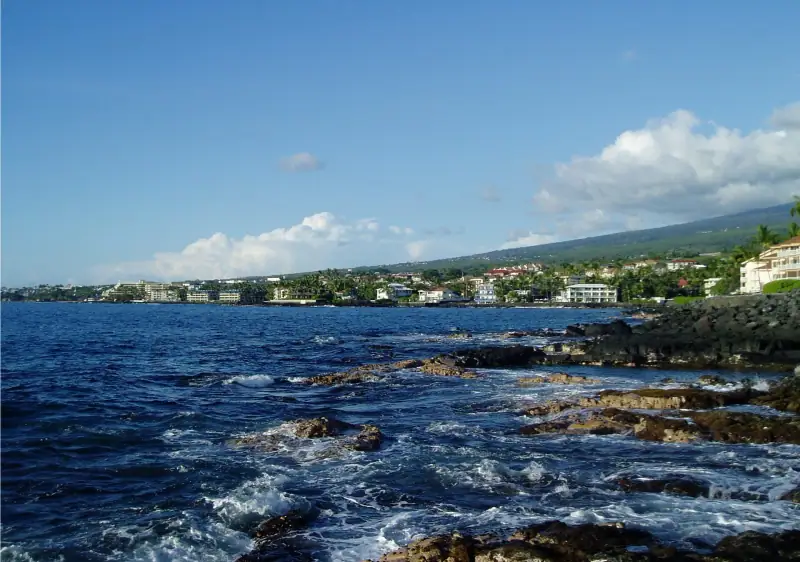
Visiting Kailua-Kona: complete guide to Big Island's coastal town
Kailua-Kona, gateway to Big Island: manta rays, Kona coffee, snorkeling with turtles, Ali'i Drive and Pacific sunsets.
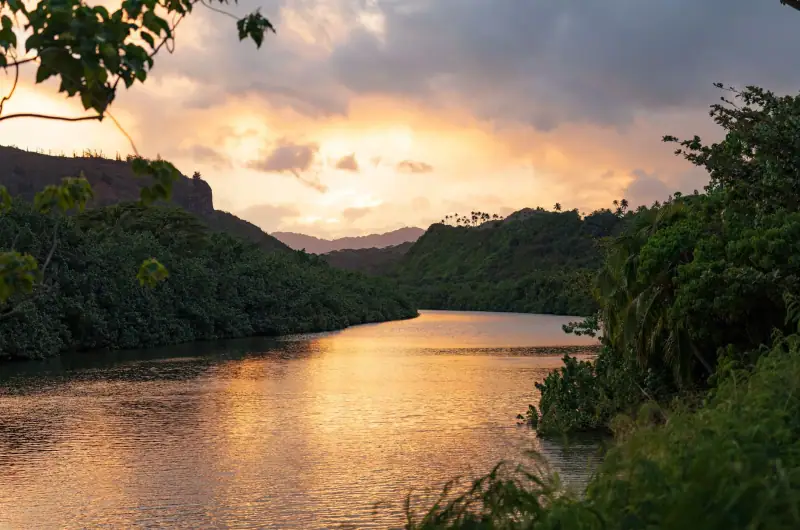
Visiting Kauai: complete guide to the island of Kauai in Hawaii
Visiting Kauai: Na Pali Coast, Waimea Canyon, Hanalei Bay, beaches, hikes and practical tips to plan your Hawaii trip.
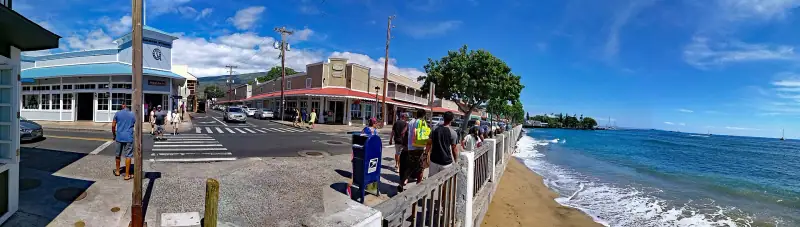
Visiting Lahaina: complete guide to Maui's historic town
Lahaina, former capital of the Kingdom of Hawaii, is recovering after 2023. A complete guide to visiting this Maui landmark respectfully.
Ready-made
Hawaii itineraries
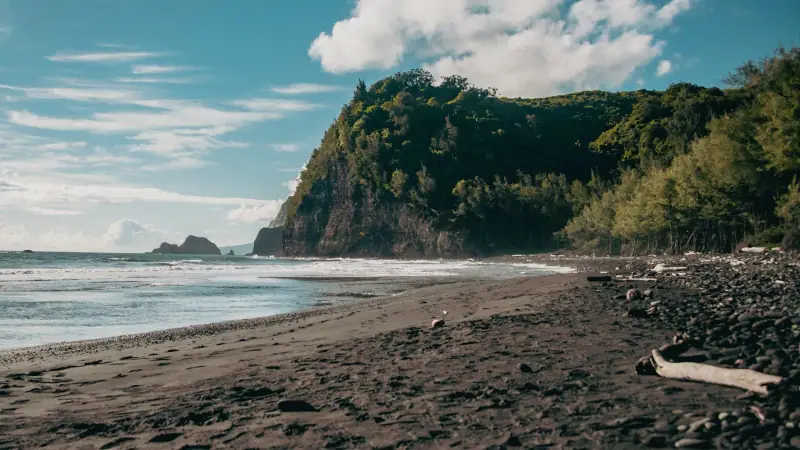
5 days
Big Island road trip in 5 days
Kailua-KonaVolcano VillageHilo or Hamakua Coast
7 days
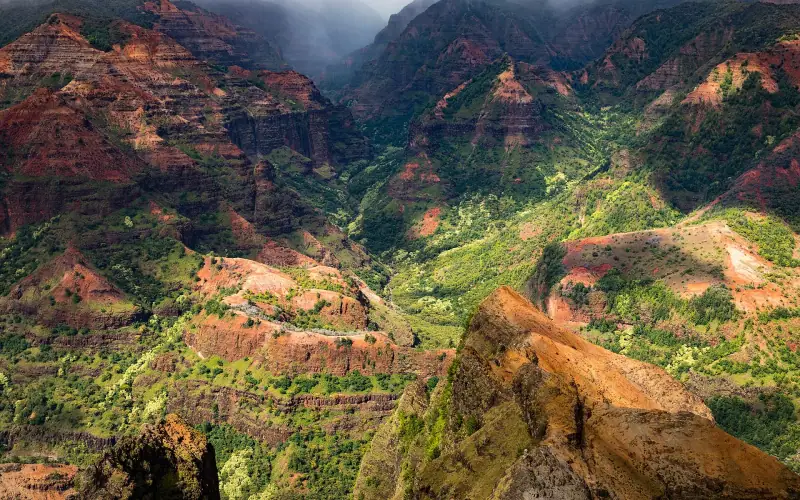
Kauai 7-day itinerary: the best road trip on the wild island
A detailed 7-day Kauai itinerary: Na Pali Coast, Waimea Canyon, Hanalei Bay and the best beaches. Day-by-day plan for an unforgettable road trip.
7 days
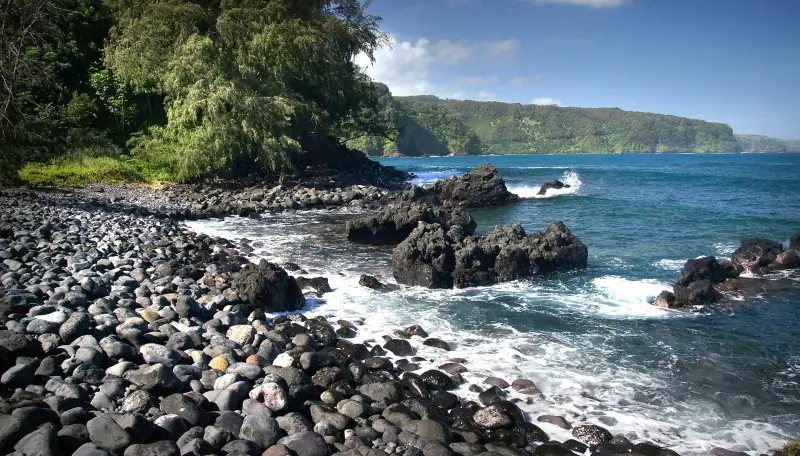
Maui 7-day itinerary: the complete guide to planning your trip
Maui in 7 days: Road to Hana, Haleakala, Wailea and Kaanapali beaches. A day-by-day plan to discover the pearl of the Hawaiian archipelago.