Itineraries
Maui 7-day itinerary: the complete guide to planning your trip
We may earn a commission when you book through links on this page, at no extra cost to you. We don't visit or try the places we cover: we summarize published sources. How we work
Day by day
- Day 1Arrive in Kahului, then Kihei and Wailea beaches
- Day 2Road to Hana: Twin Falls, Ke'anae, Wai'anapanapa black sand beach, Hana
- Day 3Oheo Gulch, Pipiwai Trail, return via Paia
- Day 4Haleakala sunrise, crater hike, Upcountry and Makawao
- Day 5Molokini and Turtle Town snorkeling, Big Beach, Wailea
- Day 6Iao Valley, Wailuku, Paia and Ho'okipa
- Day 7Last morning activity and return to Kahului airport
Weather through the year on this route
| Jan | Feb | Mar | Apr | May | Jun | Jul | Aug | Sep | Oct | Nov | Dec | |
|---|---|---|---|---|---|---|---|---|---|---|---|---|
| High °F (°C) | 7625 | 7625 | 7625 | 7725 | 7826 | 8027 | 8027 | 8228 | 8228 | 8127 | 7926 | 7826 |
| Low °F (°C) | 7323 | 7222 | 7222 | 7323 | 7424 | 7625 | 7625 | 7826 | 7826 | 7826 | 7625 | 7323 |
Normals 1991–2020 at Honolulu / Waikiki and Kailua-Kona: averages over 30 years, not a forecast. Source: NASA POWER (MERRA-2), grid of about 50 km. Figures computed by us in November 2026. Rain is shown only where a weather station confirms the figures.
In short
- Seven days cover the south coast (Kihei, Wailea), the Road to Hana and Oheo Gulch, Haleakala, Molokini snorkeling, Iao Valley and the north shore.
- A car is essential. Haleakala sunrise needs an advance timed entry reservation (recreation.gov) and Wai'anapanapa State Park also requires a reservation.
- The article estimates about $2,610 (mid-range) to $5,480 (comfort) per person for 7 days, not counting international flights.
- Lahaina was devastated by the August 2023 fire and is rebuilding: check the latest official information before planning a visit there.
Maui, the pearl of the Hawaiian archipelago
Maui is often presented as the ideal island for a first trip to Hawaii. Neither too big nor too small, it packs into one territory the best the archipelago has to offer: a dormant volcano rising above 3,000 meters (9,800 ft), a legendary coastal road lined with waterfalls and rainforest, white sand beaches ranked among the most beautiful in the world, and a living Hawaiian culture found in local markets and hula festivals.
Nicknamed the “Valley Isle” for the central plain that separates its two mountain masses, Maui has radically different landscapes depending on the area: the volcanic desert of the Haleakala summit, the wet jungle of the east coast, the golden sand beaches of the south, and the green slopes of the Upcountry. With 7 days, you have time to explore this diversity without rushing, and to go home feeling you have truly lived the island.
If you are still torn between Maui and other islands of the archipelago, our Oahu vs Maui comparison will help you choose according to your travel style. For a multi-island trip, our 7-day Hawaii itinerary offers a balanced structure that can complement this stay on Maui.
Itinerary overview
| Day | Area | Highlights |
|---|---|---|
| Day 1 | Arrival / Kihei-Wailea | Settling in, first beach, sunset |
| Day 2 | Road to Hana | Hana Highway, waterfalls, black sand beach |
| Day 3 | Hana / Oheo Gulch | Seven Sacred Pools, Pipiwai Trail, return in the evening |
| Day 4 | Haleakala | Sunrise or hike in the crater |
| Day 5 | Snorkeling and beaches | Molokini, Big Beach, Wailea |
| Day 6 | West Maui and Upcountry | Iao Valley, Wailuku, Makawao, Paia |
| Day 7 | Last morning | Activity of your choice, departure |
Day 1: arrival in Kahului and discovering south Maui
Picking up your car at Kahului Airport
Kahului Airport (OGG) is the main gateway to Maui. It is served by direct flights from Honolulu (about 35 minutes) and from several U.S. cities such as Los Angeles, San Francisco and Seattle.
On arrival, pick up your rental car. It is your essential companion for the next 7 days. The main agencies (Hertz, Avis, Enterprise, Budget, National) have counters right next to the terminal. Be sure to book ahead: Maui regularly runs short of vehicles, especially in high season, and rates can triple at the last minute.
First afternoon in Kihei and Wailea
After the arrival formalities, head down to south Maui, the sunniest part of the island. Kihei and Wailea enjoy a particularly favorable microclimate, with much less rain than the north shore or the east coast. This is also where Maui’s best beaches are concentrated.
Kamaole Beach Park (Kihei) has three separate beaches numbered I, II and III, all open to the public. The sand is fine and golden, swimming conditions are generally excellent, and the shallow water makes it a good starting point for families and beginner snorkelers.
For a relaxed first evening, the Wailea waterfront has walking paths along a series of high-end beaches. Sunset over the island of Lanai and the profile of Molokini from Wailea Beach promises a memorable start to the trip.
Stocking up and where to sleep
Maui is expensive: use your arrival to stock up at a big supermarket in Kahului (Costco, Target or the local Foodland or Times supermarkets) before heading to your lodging. Food will be far cheaper than buying in the neighborhood shops of Kihei or Wailea.
For the first night, the Kihei area offers good value with rental apartments and mid-range hotels. Wailea is more luxurious ($400-700 per night for the big resorts) but the beaches are exceptional. For detailed advice on lodging by budget, see our guide to hotels in Maui.
Day 2: the Road to Hana, the most beautiful drive in Hawaii
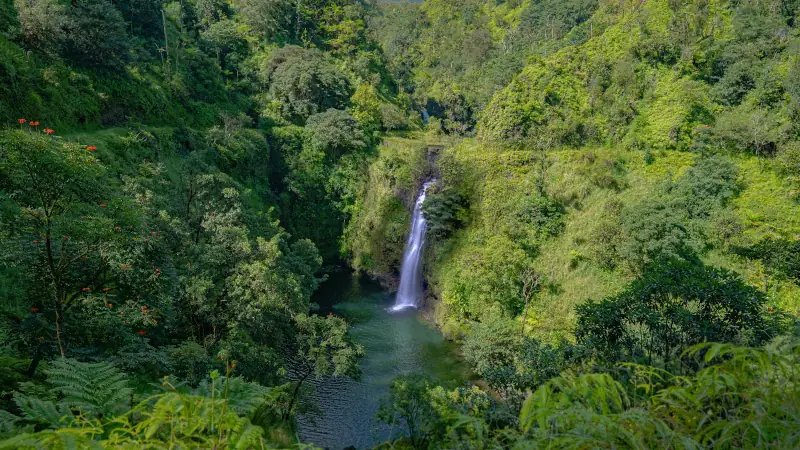
Leaving early is essential
The Hana Highway (Route 360) is one of the most famous roads in the world. It links Kahului to Hana on Maui’s east coast through a landscape of tropical jungle, waterfalls and cliffs over about 105 kilometers (65 mi). The road has hundreds of curves and about sixty one-lane bridges, which makes driving slow but unforgettable.
Leave before 7:00 am from your lodging to avoid the traffic that builds from 9:00 am on this narrow road. Fill up on gas in Kahului because gas stations are rare along the way.
Key stops
Twin Falls: about 30 kilometers (19 mi) from Kahului, these are the first big waterfalls reachable from a parking lot. A short walk (20-30 minutes round trip) leads to a double waterfall in a rainforest setting. Arrive early to avoid the crowds.
Ke’anae Peninsula: halfway, this flat volcanic peninsula planted with taro offers a spectacular panorama of the jagged coast. The Ke’anae Arboretum just before is a free botanical garden, ideal for a break in the cool of the forest.
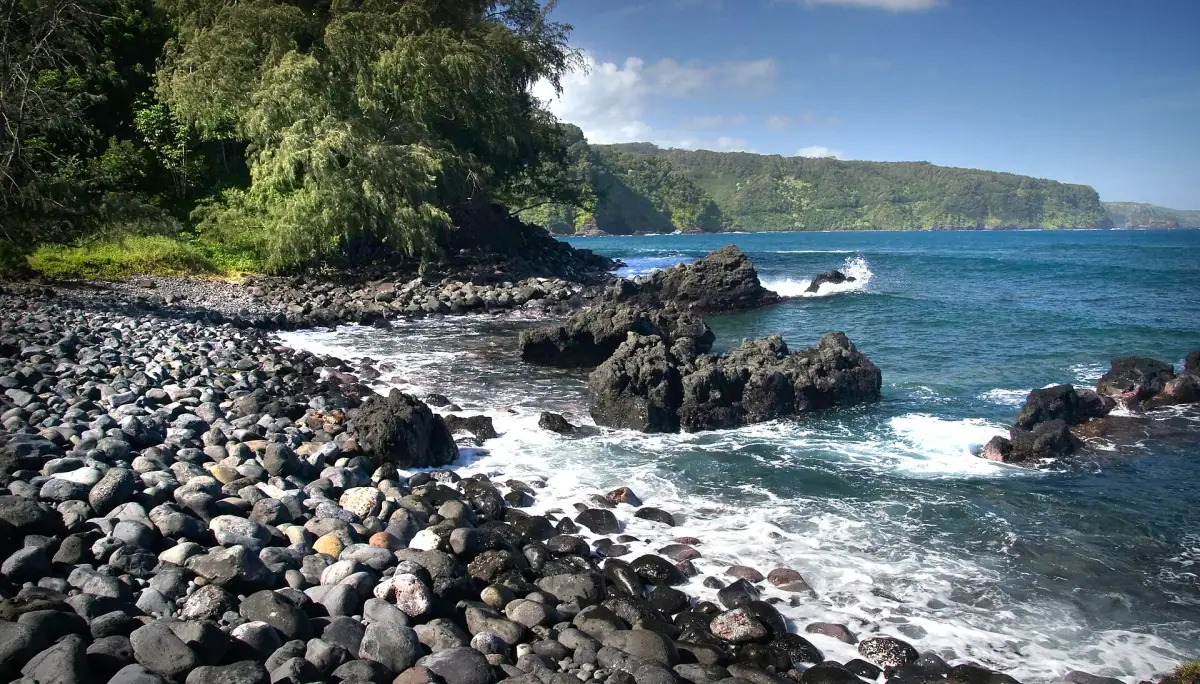
Wai’anapanapa State Park: a few miles before Hana, this state park holds the famous black volcanic sand beach. The contrast between the black sand, the turquoise water and the intense tropical vegetation creates a unique setting. Note: a reservation is now required to enter the park (via gostateparks.hawaii.gov), including for day visitors. Make this reservation several weeks ahead.
Tours and activities in Maui
Road to Hana by van, snorkeling, helicopter... Book online.
Hana town
Hana is a small, remote town on the east coast, kept from mass tourism by its isolation. It is one of the places where authentic Hawaiian culture is best preserved. The Hasegawa General Store is a local institution, a century-old family grocery that sells everything from souvenirs to basic supplies.
Hamoa Beach, a few miles south of Hana, is often named among the most beautiful beaches on Maui. The swell can be strong depending on the season, so check conditions before swimming.
Overnight in Hana
If your budget allows, spending the night in Hana transforms the experience. Once the day visitors have left, Hana returns to its calm, authentic village atmosphere. Travaasa Hana (renamed since; check the current name before booking) is the main resort in the area. Airbnbs and camping cabins are also available. Book 3 to 6 months ahead in high season.
Day 3: Oheo Gulch and the Seven Sacred Pools
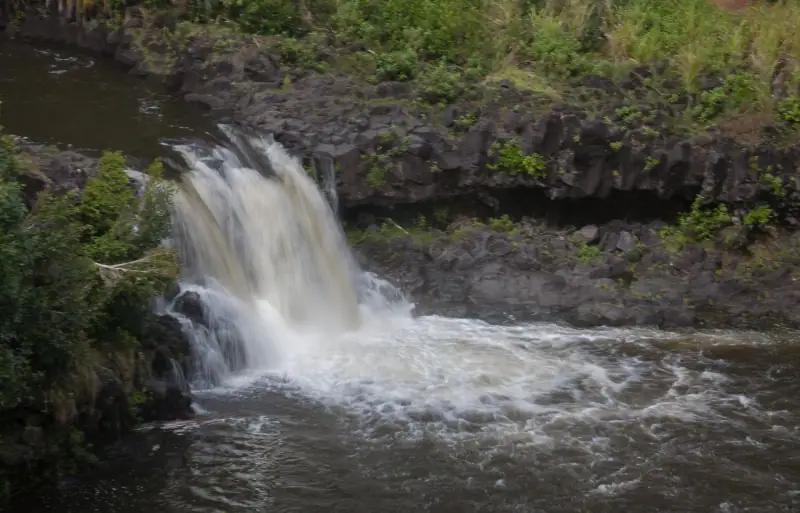
Pipiwai Trail and Oheo Gulch
About 15 kilometers (9 mi) south of Hana, Oheo Gulch (called the “Seven Sacred Pools” in tourist guides, although that name is a modern invention) is one of the most spectacular attractions on Maui. These natural cascading pools, fed by the Pipiwai stream, run down from the mountains to the sea.
The Pipiwai Trail (6.4 kilometers / 4 mi round trip, about 2 to 3 hours) is one of the most beautiful hikes on Maui. It climbs through a giant bamboo forest (a bamboo tunnel creaking in the wind is a unique sensory experience) to Waimoku Falls, a 120-meter (394 ft) waterfall that plunges into a rocky basin. This trail is managed by Haleakala National Park, and a park entry permit is required (about $30 per vehicle, valid for 3 days).
Note: swimming in the Oheo pools is subject to rules that change frequently depending on water levels and weather alerts. Check conditions on the NPS website (nps.gov/hale) before your visit. Flash floods are possible even in clear weather.
Heading back to central or south Maui
The return from Hana can be made by the same road or, if conditions allow, by the southern route via Kaupo (Route 31). This road follows Maui’s desert south coast and offers radically different landscapes: lava fields, arid vegetation and views of Molokini and Kahoolawe. Important: this stretch of road is not always open to traffic nor recommended for all vehicles. Check the road condition before committing, and check your rental contract (some agencies forbid this road).
Heading back toward the center, a stop in Paia is well worth it. This small surfer village on the north shore is the unofficial starting point of the Road to Hana. The Paia Fish Market is one of the most popular spots on the island for fresh fish, fish tacos and poke bowls. It has been around for several decades, a safe bet for a late lunch.
Day 4: Haleakala, the volcano above the clouds
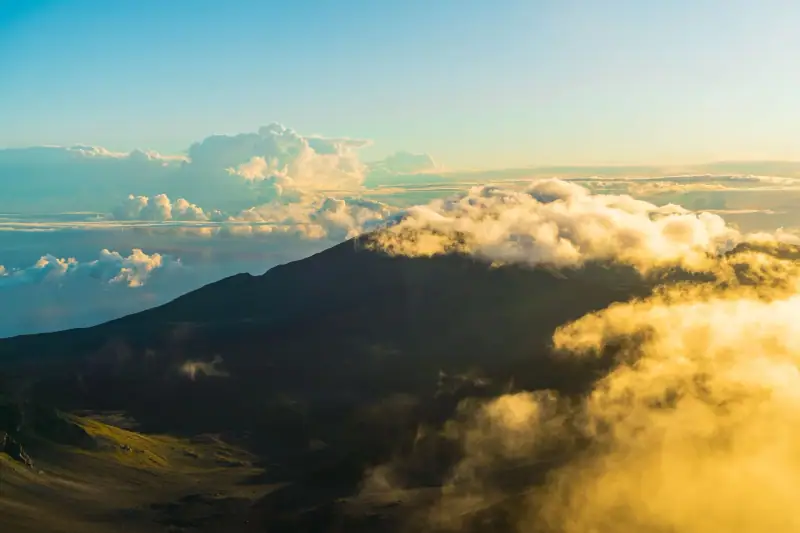
Sunrise at the summit (3,000 meters)
Haleakala means “house of the sun” in Hawaiian. The volcanic crater, at 3,055 meters (10,023 ft), is one of the most impressive natural sites in Hawaii. Sunrise from the summit, when the first rays light the crater and the clouds below, is an experience travelers invariably list among their best travel memories.
To see the sunrise, you must reserve an entry permit in advance on recreation.gov (about $1.50 per permit). Permits are available for slots between 3:00 am and 7:00 am and sell out weeks ahead in high season. Without a permit, you cannot enter the park during those hours.
Leave your lodging around 2:30-3:00 am (depending on distance). The road climbs gradually over about 90 minutes from Kahului. It is very cold at the summit (often between 0 and 10 °C / 32 and 50 °F) even when temperatures are tropical below, so bring warm clothes.
Hotels in Maui
The best places to stay near Wailea and Kihei, with free cancellation.
Hiking in the crater
After sunrise, stay to explore around the summit. The visitor center at 2,900 meters (9,500 ft) presents the park’s geology and natural history. The Haleakala Observatory telescopes, visible from the summit, are among the most powerful in the world for astronomy.
For those with energy, the descent into the crater on the Keoneheehee Trail (Sliding Sands Trail) is an otherworldly experience. The main trail drops 600 meters (1,970 ft) over 6 kilometers (3.7 mi) to the crater floor: a lunar landscape of gray ash, colorful volcanic cones and absolute silence. Note: the climb back out is grueling at this altitude; only hikers in good physical shape should venture down.
The Upcountry at the end of the day
On the way down from Haleakala, make a detour through Maui’s Upcountry, the fertile highlands above Kula (between 600 and 1,500 meters / 1,970 and 4,920 ft). The area is known for its vegetable farms, flower farms and panoramic views over all of Maui.
Makawao is an Upcountry village with a special charm, a mix of Hawaiian cowboy (paniolo) culture and contemporary art. Its small galleries, independent shops and cafes make it a pleasant stop for a late lunch. Komoda Store & Bakery is a local family bakery founded in 1916, known for its cream puffs, worth a stop if you pass by in the morning (it often closes before noon when stock runs out).
Day 5: snorkeling at Molokini and the south beaches
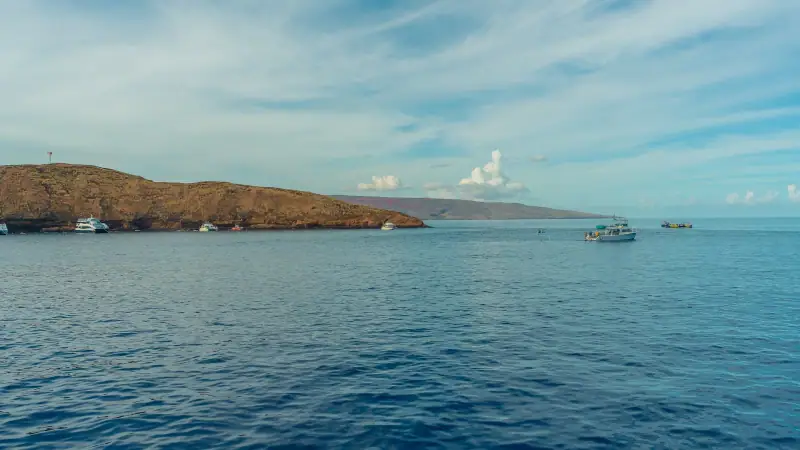
Molokini Crater trip
Molokini is a partly submerged volcanic crater about 4 kilometers (2.5 mi) off Maui’s south coast. Its crescent shape creates a protected natural lagoon where underwater visibility can reach 45 meters (150 ft) in good weather. The crystal-clear water shelters hundreds of species of tropical fish, green sea turtles, rays and sometimes harmless reef sharks.
Trips leave from Ma’alaea Harbor, about twenty minutes north of Kihei. Boats generally offer 4 to 5 hour outings with two snorkeling spots (Molokini, then Turtle Town, a reef known for turtles), equipment and lunch. Expect about $100 to $150 per adult depending on the operator and the type of boat (catamaran or Zodiac). Several established operators run these trips from Ma’alaea; book ahead in high season.
Big Beach and the Makena beaches
In the afternoon, head to Makena State Park to discover Big Beach (Oneloa Beach). This vast golden sand beach, more than a kilometer (0.6 mi) long, is one of the most impressive on Maui. Waves can be strong: watch the conditions before entering the water and respect warning signs.
At the north end of Big Beach, a rocky path (under 5 minutes) leads to Little Beach, a more intimate, sheltered beach known for its calm water and relaxed atmosphere. Sunset from Little Beach is beautiful.
For those who prefer calmer water and guaranteed turquoise, the Wailea beaches (Wailea Beach, Ulua Beach, Polo Beach) are open to the public despite the big resorts. The Wailea coastal path links these beaches over about 2.5 kilometers (1.5 mi), an ideal end-of-day walk.
Day 6: Iao Valley, Wailuku and the north shore
Iao Valley State Park
About twenty minutes from Kahului, Iao Valley State Park is one of the most important historic and natural sites on Maui. The narrow valley, hemmed in by cliffs covered in vegetation, peaks with the Iao Needle, a rocky spur that rises about 370 meters (1,215 ft) above the valley floor (its elevation is 686 m / 2,250 ft) and shoots out of the rainforest like a green arrow. The site is sacred in Hawaiian culture, notably because of a decisive battle fought here in 1790.
The main trail from the parking lot is short (about 800 meters / 0.5 mi round trip) and accessible to all. Streams cross the lush tropical vegetation; the valley is one of the wettest on the island, which explains the density of the greenery. A parking permit is required (available online via gostateparks.hawaii.gov).
Wailuku: the authentic Maui
The town of Wailuku, right next to Kahului, is often ignored by tourists rushing to the beaches and resorts. Yet it is one of the most authentic places on Maui. The historic Market Street district is full of antique dealers, local galleries, small ethnic restaurants and independent cafes. The Maui Tropical Plantation on the edge of town offers a guided tour of the tropical farm and a market of local products.
The north shore: Paia and Ho’okipa
In the afternoon, head to the north shore. Paia is Maui’s surf village par excellence. Its colorful wooden houses, vintage shops, vegetarian cafes and fresh fish restaurants create a unique bohemian atmosphere. Mama’s Fish House (on the road east of Paia) is one of the most famous restaurants on Maui, known for decades for its locally caught fish. Reservations are strongly recommended, several weeks ahead.
A few miles east of Paia, Ho’okipa Beach Park is the world’s best-known windsurfing and kitesurfing spot. International competitions are held there regularly. Outside the wind sessions, the beach is an excellent place to watch green sea turtles (honu) resting on the rocks in the late afternoon.
Day 7: last morning and departure
Enjoying the last hours
Depending on your flight time, your last morning can fit one more activity. If you haven’t snorkeled yet, Ulua Beach (Wailea) has a coral reef reachable straight from the beach, ideal for a last dip in the lagoon.
For a sunrise without having to get up at 2:30 am as for Haleakala, Kamaole beach in Kihei or the rocks of Polo Beach in Wailea offer beautiful sunrises with no logistical constraints. The first hours of the morning are the calmest on the south beaches.
If you have half a day ahead of you, a visit to the Kahului local market (Swap Meet on weekends) lets you bring back local handmade souvenirs (koa wood items, handmade jewelry, local jams and condiments) at reasonable prices.
Back to the airport
Return your car to the airport at least 2 hours before departure time. Security checks at Kahului are generally quick, but Hawaii applies strict agricultural rules on departure (certain plants and fresh fruit may not be taken). If you take a direct flight to the U.S. mainland, your bags go through an agricultural check (USDA) before check-in; on a flight to Honolulu, that check happens in Honolulu before the next flight to the mainland, so allow the time needed.
Practical tips for your stay on Maui
West Maui and the situation in Lahaina
Important: the town of Lahaina, historically the most visited on the west coast, was devastated by a catastrophic fire in August 2023. The historic center suffered major damage. Rebuilding is under way and the situation is changing. Before planning a visit to this area, check the latest official information on site access and conditions for visitors. The Kaanapali coast, just north of Lahaina, still has its big resorts and beaches.
Driving and roads
The speed limit is generally 35 to 45 miles per hour on secondary roads, and Maui police regularly ticket speeding. The Road to Hana has many one-lane bridges: respect the right-of-way (one direction at a time, honk before you go). Some unpaved roads (notably to the isolated beaches of the northwest coast) are not covered by standard rental insurance, so check your contract.
Reservations: plan several months ahead
Maui is under-equipped relative to its popularity. Book these items 3 to 6 months ahead in high season:
- Lodging: good places in every range sell out quickly
- Haleakala sunrise permit: via recreation.gov, often full 2-3 weeks ahead
- Wai’anapanapa reservation (black sand beach): via gostateparks.hawaii.gov
- Car rental: vehicles available at the last minute are rare and expensive
- Molokini trip: morning departures (the best ones) fill up fast
Hiking: our selection
Maui is a first-rate hiking destination. The guide to hiking in Hawaii details the island’s best trails, from family walks to the demanding trek in Haleakala crater. Read it before finalizing your plan so you can build hikes into your itinerary.
Estimated budget for 7 days
| Item | Mid-range | Comfort |
|---|---|---|
| Lodging (7 nights) | $1,050 | $2,800 |
| Car rental | $500 | $700 |
| Food | $560 | $980 |
| Activities and entry fees | $500 | $1,000 |
| Total per person | $2,610 | $5,480 |
These amounts exclude international flights. For a complete estimate of your budget for your whole Hawaii trip, see our Hawaii budget guide.
Health and safety
- Sunscreen: use “reef-safe” products (without oxybenzone or octinocrate), required in Hawaii since 2021
- Water: tap water is drinkable on Maui
- Jellyfish and sea urchins: find out about sea conditions before each swim, especially after rain
- Volcanic terrain: never leave marked trails in volcanic areas, since the terrain is unstable and a fall can be fatal
Maui compared with the other islands
Maui is the ideal choice for travelers who want both wild nature (Haleakala, Road to Hana) and the comfort of beaches and resorts (Wailea, Kaanapali). It combines the two souls of Hawaii better than any other island.
Choose Maui if you want a perfect balance between outdoor adventure and lounging on the beach, if you travel as a couple or a family, and if you like well-developed tourist infrastructure without losing touch with nature.
Prefer Kauai if you want the wildest, most preserved nature, far from the crowds. Choose Oahu if urban life, food and the cultural scene (Honolulu, Waikiki) appeal to you as much as the beaches.
For a first trip to Hawaii of one week, Maui is rarely the wrong choice. The Road to Hana, Haleakala at sunrise, a morning of snorkeling at Molokini and a sunset from the Wailea beaches: these experiences are enough to justify the trip. Aloha, Maui.
Sources
- Haleakala National Park (National Park Service): prices checked November 2026
- Haleakala National Park (National Park Service): figures checked November 2026
- Hawaii State Parks (DLNR): figures checked November 2026
- Hawaii State Parks (DLNR): figures checked November 2026
Frequently asked questions
How many days do you need to visit Maui?
Seven days is an ideal length to get to know Maui in depth. With 5 days, you can cover the essentials (Road to Hana, Haleakala, Wailea beaches). Ten days lets you add trips to Lanai or Molokai and take more time to settle into one area.
Do you need to rent a car on Maui?
Yes, a car is essential on Maui. Public transport is very limited and the major sights (Road to Hana, Haleakala, Iao Valley) are impossible to reach without a vehicle. Book ahead, especially in high season, because available vehicles run out quickly and rates climb at the last minute.
Do you need a reservation for sunrise at Haleakala?
Yes, a timed entry permit is required to reach the Haleakala summit between 3:00 am and 7:00 am (for sunrise). Permits are booked on recreation.gov, often several weeks ahead. Without a reservation, you cannot enter the park during those hours.
Does the Road to Hana really take a whole day?
Yes, the Road to Hana (Hana Highway) takes a full day if you want to enjoy the stops along the way. Allow about 2 h 30 to 3 h 30 of driving from Kahului to Hana, but with the waterfalls, black sand beaches and lookouts, you easily spend 8 to 10 hours on the road. Leave by 7:00 am to avoid traffic.
What is the best season to visit Maui?
April, May, September and October offer the best compromise: mild weather, fewer crowds than summer and more affordable rates. Summer (June-August) is high season: good weather guaranteed but expensive lodging and crowded sights. Winter (December-March) brings big waves on the north shore (and whale watching) but more rain on the Hana side.
What budget should you plan for 7 days on Maui?
Plan between $2,500 and $5,000 per person for 7 days on Maui (excluding the international flight), depending on your comfort level. That includes car rental (about $500-700 per week), lodging ($150-400 per night), meals ($70-120 per day) and activities. Maui is one of the most expensive destinations in Hawaii.
More Hawaii guides
Keep reading
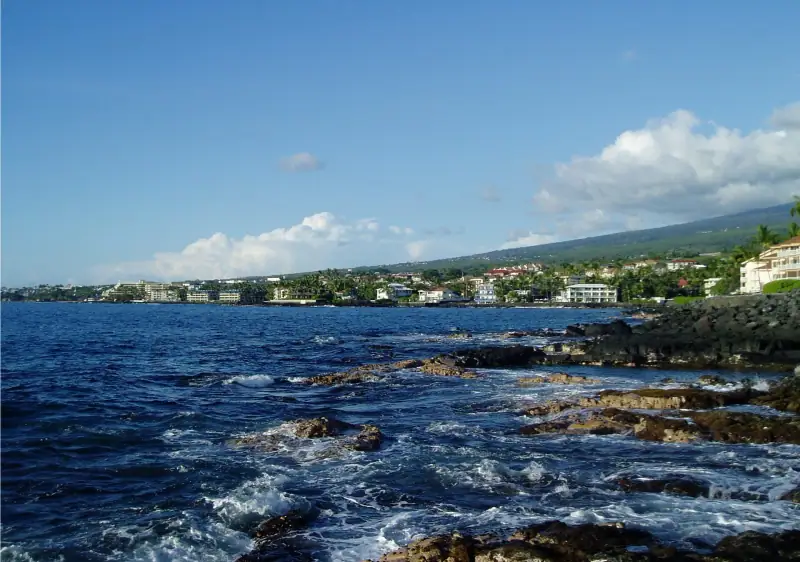
Visiting Kailua-Kona: complete guide to Big Island's coastal town
Kailua-Kona, gateway to Big Island: manta rays, Kona coffee, snorkeling with turtles, Ali'i Drive and Pacific sunsets.
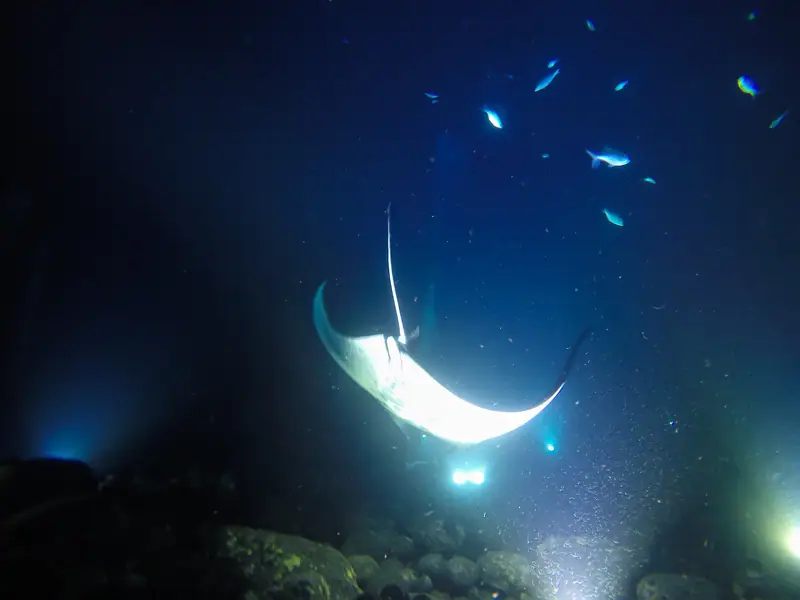
Night snorkeling with manta rays in Kona: booking, prices, season and minimum age
Swimming with manta rays at night in Kona: prices ($80-140), booking, duration, kids, seasickness and rules to follow. A practical guide.
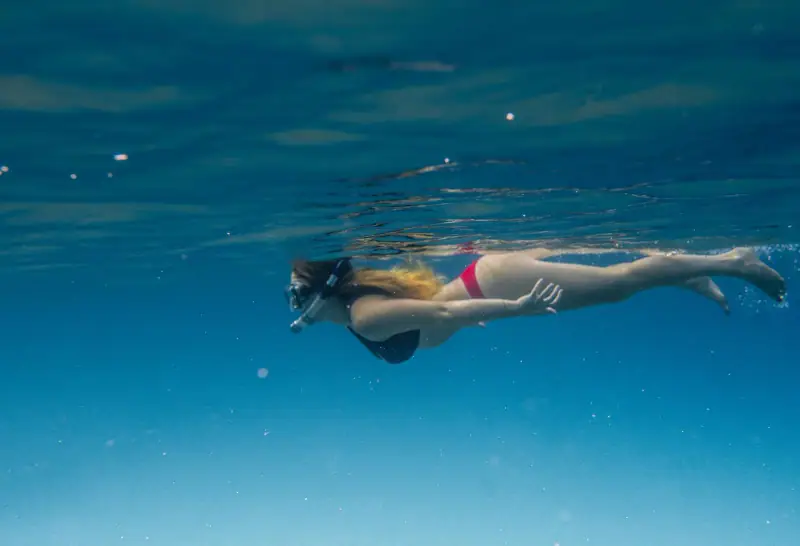
Snorkeling in Hawaii: the best spots
The best snorkeling spots in Hawaii: tropical fish, turtles and coral reefs on every island, with access, depths and practical tips.
Ready-made
Hawaii itineraries
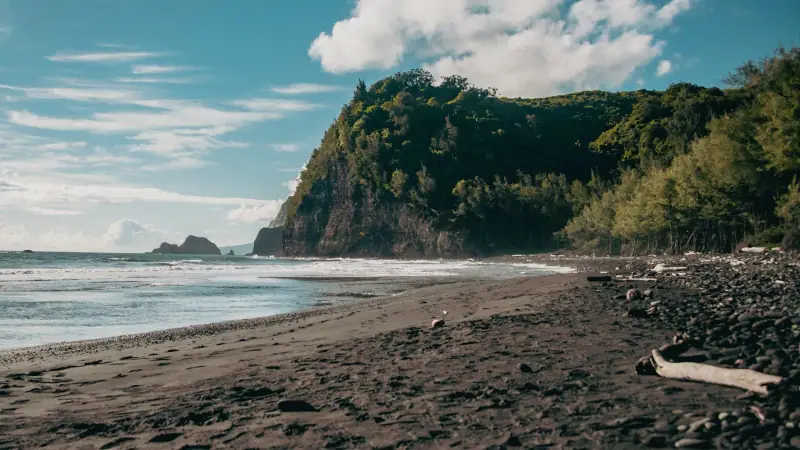
5 days
Big Island road trip in 5 days
Kailua-KonaVolcano VillageHilo or Hamakua Coast
7 days
Kauai 7-day itinerary: the best road trip on the wild island
A detailed 7-day Kauai itinerary: Na Pali Coast, Waimea Canyon, Hanalei Bay and the best beaches. Day-by-day plan for an unforgettable road trip.