Where to stay
Where to stay in Honolulu: the best neighborhoods
We may earn a commission when you book through links on this page, at no extra cost to you. We don't visit or try the places we cover: we summarize published sources. How we work
In short
- Waikiki is the most practical base for a first stay: beach, restaurants and shops on foot. Ala Moana is the best value; Kailua is quieter and more residential.
- Oahu is the only Hawaiian island where you can get around without a car, thanks to TheBus; the North Shore and Kailua really need a car.
- A mid-range Waikiki hotel runs about €150 to €250 a night (about $175-290), and hostels start around €40 (about $46).
- Watch for resort fees of $30 to $50 a night, and check that a short-term rental shows a license number.
Honolulu is the gateway for the vast majority of travelers who visit Hawaii. The state capital and the most populous city in the archipelago, with nearly a million people in the metro area, Honolulu mixes modern skyscrapers, legendary beaches, green mountains and a booming food scene. But with about ten neighborhoods very different from one another, choosing where to put your bags can quickly become a headache.
The neighborhood you pick directly shapes your trip: atmosphere, budget, closeness to the sights, access to transport and quality of life on the ground. This detailed guide presents the best neighborhoods in Honolulu to help you find the ideal lodging for your traveler profile. For an overview of preparing your trip, see our complete Hawaii guide.
Waikiki: the neighborhood you can’t skip
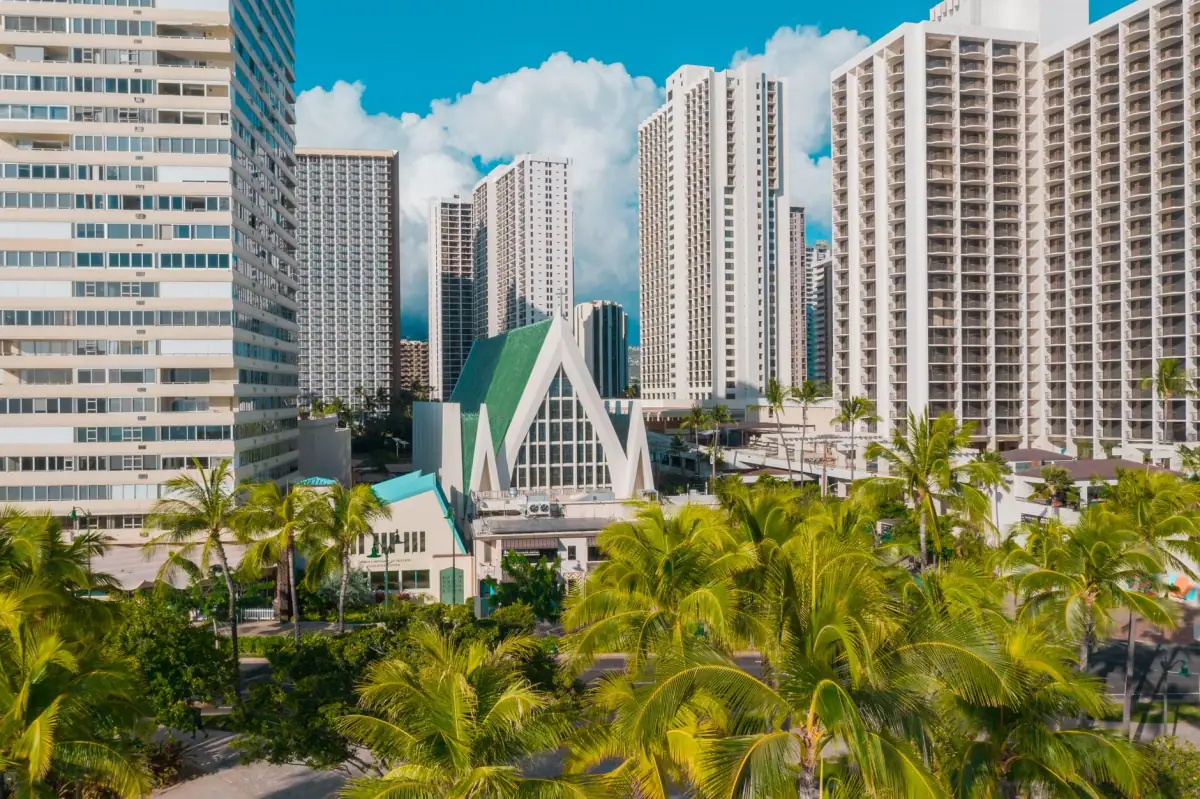
Waikiki is without question the best-known neighborhood in all of Hawaii. This 3 km (1.9 mi) strip of land squeezed between the Pacific Ocean and the Ala Wai Canal holds on its own the majority of Honolulu’s hotels, restaurants, shops and tourist attractions.
Why choose Waikiki?
An unbeatable location. Waikiki offers direct access to a white sand beach lined with palm trees, with Diamond Head as a backdrop. You can step out of your hotel and have your feet in the sand in under 5 minutes, wherever you are in the neighborhood.
Everything on foot. Waikiki is one of the few places in Hawaii where you don’t need a car. Restaurants, supermarkets (ABC Stores everywhere), shops, bars, surf rentals and water activities are all within walking distance. The neighborhood is also very well served by TheBus for reaching the other sights on Oahu.
Constant activity. Waikiki lives 24 hours a day: free hula shows on the beach at sunset, ukulele players in restaurants, night markets and lively nightlife in the bars of Kalakaua Avenue. It is the perfect place if you like a festive mood.
Waikiki’s sub-areas
Waikiki is not a uniform block. It divides into several zones with distinct atmospheres:
Waikiki Beach Walk (west side): The newest and most upscale part of Waikiki, with renovated hotels, high-end restaurants and a pretty pedestrian promenade. It is the calmest zone in Waikiki, ideal for couples.
Kalakaua Avenue (center): Waikiki’s main artery, lined with shopping centers (Royal Hawaiian Center, International Market Place) and big hotels. It is the beating heart of the neighborhood, lively but noisy.
Kuhio Avenue (inland): The street parallel to Kalakaua, one block farther from the beach. Lodging here is noticeably cheaper (20-30% less) while staying a 5-minute walk from the sea. This is where you find the best value in Waikiki.
Diamond Head end (east side): The Diamond Head end of Waikiki is more residential and quiet. There are fewer hotels but they are often of better quality. Kapiolani Park offers welcome green space, and the Honolulu Zoo is right next door. Perfect for families.
Downsides of Waikiki
To be honest, Waikiki has its flaws too:
- Very touristy: you will hear more English and Japanese than Hawaiian. The atmosphere is sometimes more “international resort” than “authentic Hawaii”
- High prices: lodging, restaurants and shops charge premium rates
- Crowded beach: in high season, the main beach can be packed by 10 am
- Difficult traffic: getting in and out of Waikiki by car can take 30-45 minutes at rush hour
Lodging budget in Waikiki
- Budget hotels: €120-180 a night (about $140-210) (Waikiki Beachside Hostel, Seaside Hotel)
- Mid-range hotels: €200-350 a night (about $230-405) (Hilton Garden Inn, Hyatt Place)
- Upscale hotels: €350-600 a night (about $405-695) (Royal Hawaiian, Moana Surfrider)
- Luxury resorts: €600-1,500 a night (about $695-1,740) (Halekulani, Trump International)
Hotels in Honolulu
Compare prices and book with free cancellation.
Ala Moana: the ideal compromise
Just west of Waikiki, Ala Moana is a neighborhood often overlooked by tourists even though it offers excellent value. Its name means “path to the sea” in Hawaiian, and that is exactly what it offers: easy access to the beach without the tourist bustle of Waikiki.
Why choose Ala Moana?
Ala Moana Beach Park. This 400-meter (1,300 ft) local beach is a well-kept secret. The reef-protected lagoon has calm water that is perfect for swimming and snorkeling, even with children. On weekends it is mainly locals who come to picnic and swim. The atmosphere is radically different from Waikiki.
Shopping. The neighborhood is home to Ala Moana Center, the largest open-air shopping center in the United States with more than 350 stores. You find everything: big international brands and local names, plus a food court with excellent Hawaiian and Asian food at reasonable prices.
Central position. Ala Moana is perfectly located between Waikiki (10 minutes on foot), downtown Honolulu (10 minutes by bus) and the airport (20 minutes by car). It is an excellent base camp for exploring the whole island.
Gentler prices. Lodging in Ala Moana costs on average 20 to 30% less than in Waikiki for equivalent or better quality. Restaurants are also more affordable because the clientele is mostly local.
Downsides of Ala Moana
- Less nightlife than Waikiki
- More limited choice of hotels (more condos and rentals)
- A more “urban” and less “vacation” atmosphere
Lodging budget in Ala Moana
- Condos and rentals: €100-200 a night (about $115-230)
- Hotels: €150-300 a night (about $175-350) (Ala Moana Hotel, Prince Waikiki on the border between the two neighborhoods)
Chinatown: authentic and cultural
Honolulu’s Chinatown is one of the oldest in the United States and in recent years has been turning into a trendy neighborhood, mixing art galleries, cocktail bars, street food and traditional markets. It is Honolulu’s most multicultural neighborhood, with Chinese, Vietnamese, Korean, Japanese and Filipino influences.
Why choose Chinatown?
Authenticity. There are no tourists in swimsuits here. Chinatown is the real Hawaii, where locals buy their fresh fish at Oahu Market or enjoy a pho in a family stall that has been open for 40 years.
The food scene. Chinatown has Honolulu’s best ethnic restaurants at unbeatable prices. From Cantonese dim sum to Japanese ramen to Vietnamese banh mi, it is a paradise for foodies on a tight budget.
Alternative nightlife. Craft cocktail bars, contemporary art galleries and live music shows make Chinatown the most creative and underground neighborhood in Honolulu.
Downsides of Chinatown
- No beach nearby (15-20 minutes by bus to reach Waikiki or Ala Moana)
- Some streets can be noisy or poorly maintained
- A very urban atmosphere, far from the postcard image of Hawaii
- Limited choice of tourist lodging
Lodging budget in Chinatown
- Hostels: €30-50 a night (about $35-58)
- Boutique hotels and B&Bs: €80-150 a night (about $93-175)
- Furnished rentals: €70-120 a night (about $81-140)
North Shore: a laid-back surf vibe
Oahu’s north coast, commonly called the North Shore, is the world cradle of big-wave surfing. The village of Haleiwa and the beaches of Pipeline, Sunset Beach and Waimea Bay attract the best surfers on the planet every winter for the Triple Crown of Surfing competitions.
Why choose the North Shore?
Waves and spectacle. Even if you don’t surf, watching surfers take on waves of 10 to 15 meters (33 to 49 ft) is a striking experience. In summer, these same beaches are crystal calm, perfect for swimming and snorkeling.
Local atmosphere. The North Shore is the anti-Waikiki: relaxed, rural, authentic. Haleiwa village keeps the charm of an old plantation town with its art galleries, surf shops and legendary food trucks.
Food trucks. The North Shore is famous for its food trucks, notably the garlic shrimp trucks of Kahuku. The famous Giovanni’s Shrimp Truck draws impressive lines, and for good reason: the garlic shrimp is simply exceptional.
Wildlife. Laniakea Beach is one of the best places in the world to see green sea turtles come to rest on the sand. Volunteers make sure visitors keep their distance.
Downsides of the North Shore
- Remote: 1 h to 1 h 30 from Honolulu by car (more at rush hour)
- Few shops: a few restaurants and groceries, no big supermarket
- Car essential: no reliable public transport
- Dangerous currents in winter: swimming can be banned on some beaches from November to February
- Very limited hotel supply: mainly Airbnbs and small rentals
Lodging budget on the North Shore
- Airbnb / rentals: €80-250 a night (about $93-290)
- Backpackers / hostels: €40-70 a night (about $46-81)
- Turtle Bay Resort (the only big resort): €300-600 a night (about $350-695)
Kailua: the locals’ secret
On Oahu’s east coast, on the other side of the Ko’olau mountain range, Kailua is a residential neighborhood prized by island residents. Its beach, Kailua Beach, is regularly ranked among the most beautiful in the United States thanks to its powdery white sand and clear turquoise water.
Why choose Kailua?
The beach. Kailua Beach is simply spectacular. 4 km (2.5 mi) long, it is sheltered from the wind by the mountains and offers ideal conditions for swimming, kayaking and stand-up paddleboarding. The Mokulua Islands, two small rocky islets offshore, can be reached by kayak and have deserted beaches for picnics.
Village atmosphere. Kailua keeps a small-town feel with its independent cafes, local shops and neighborhood restaurants. The Thursday evening farmers market is a popular local event with live music and local food.
Tranquility. No noisy bars, no crowds of tourists. Kailua is the dream place to disconnect and live at a Hawaiian pace. In the evening, the only sounds are the waves and the birds.
Hiking. The Lanikai Pillbox Trail, reached from Kailua, offers one of the finest views on all of Oahu: a 360° panorama of the Mokulua Islands, Kailua Bay and the Ko’olau mountains. The hike is short (1.6 km / 1 mi) but steep, ideal for sunrise.
Downsides of Kailua
- 30 minutes from Waikiki by car (45 minutes at rush hour)
- Very limited hotel supply (almost only vacation rentals)
- Little nightlife
- A car is recommended to explore the rest of the island
Lodging budget in Kailua
- Rooms in a local home: €60-100 a night (about $70-115)
- Studios and apartments: €100-200 a night (about $115-230)
- Vacation houses: €200-500 a night (about $230-580), ideal for groups or families
Manoa and Makiki: green space in the city
These residential neighborhoods tucked into the valleys behind Waikiki offer a unique experience: living in tropical greenery while being 15 minutes by car from the beach. Manoa Valley is home to the University of Hawaii, the Lyon Arboretum botanical garden and the Manoa Falls trail, a 45-meter (148 ft) waterfall reached by a 30-minute walk.
Why choose Manoa / Makiki?
- Nature in the city: lush vegetation, waterfalls, hikes 5 minutes from where you stay
- Competitive prices: 30 to 50% cheaper than Waikiki
- Local atmosphere: a university neighborhood with cafes, affordable restaurants and farmers markets
- Coolness: a few degrees cooler than the seafront thanks to the altitude and vegetation
Downsides
- No beach (15-20 minutes by car)
- It rains more often than on the coast (which is what makes the valley so green)
- Less “vacation” charm
Lodging budget
- Rentals and B&Bs: €70-150 a night (about $81-175)
Which type of lodging to choose?
Hotels and resorts
Classic hotels are concentrated in Waikiki and Ala Moana; for a stay with children, our comparison Ko Olina or Waikiki helps you decide. Resorts offer full amenities (pool, spa, restaurants, activities) but at high rates. Watch out for “resort fees”: many hotels add mandatory charges of $30 to $50 a night on top of the advertised rate (Wi-Fi, pool access, parking).
Vacation rentals (Airbnb, VRBO)
Rentals are often the best value in Hawaii, especially if you travel as a family or group. They offer a kitchen (savings on meals) and more space. Note: short-term rental regulation is strict in Honolulu. Check that your lodging is legal (license number displayed).
Hostels
A few options exist in Waikiki and Chinatown for travelers on a tight budget. Dorms cost €30 to €50 a night (about $35-58), but private hostel rooms (€80-120, about $93-140) are often a good compromise.
Our final recommendation
| Profile | Recommended neighborhood |
|---|---|
| First trip, everything on foot | Waikiki (Kuhio Avenue for budget) |
| Value for money | Ala Moana |
| Couples | Waikiki Beach Walk or Kailua |
| Families | Kailua or Waikiki Diamond Head end |
| Surfers | North Shore |
| Tight budget | Chinatown or Manoa |
| Long stay (1 month+) | Kailua or Manoa |
| Foodies / nightlife | Chinatown |
Whatever you choose, book as early as possible. The best lodging in Honolulu goes fast, especially in high season (December-March and June-August). See our complete Hawaii guide to plan the rest of your trip, and discover the best hikes reachable from each neighborhood.
Frequently asked questions
What is the best neighborhood to stay in Honolulu?
Waikiki is the most practical choice for a first stay thanks to its beaches, restaurants and shops within walking distance. Kailua suits travelers looking for calm.
Is Waikiki worth it?
Yes, Waikiki offers direct beach access, constant activity and plenty of services. It is touristy but very practical, especially without a car.
Can you visit Oahu without a car?
Yes, it is the only Hawaiian island where this is doable, thanks to TheBus. From Waikiki you can reach Diamond Head, Hanauma Bay and the North Shore by bus.
How much does a hotel night cost in Honolulu?
Plan €150 to €250 a night (about $175-290) for a mid-range hotel in Waikiki. Budget options start around €40 (about $46) in a hostel.
Kailua or Waikiki?
Waikiki for activity and being close to the attractions; Kailua for a residential feel, a less crowded beach and slightly lower prices.
More Hawaii guides
Keep reading
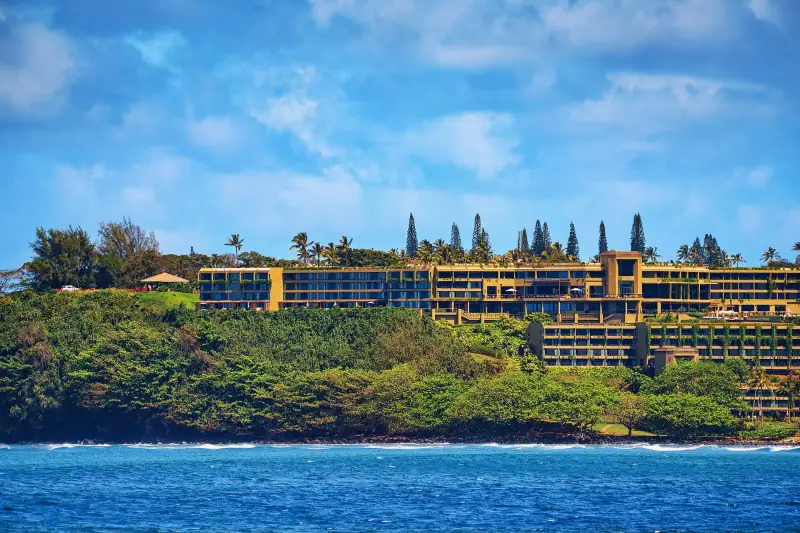
Where to stay in Kauai: complete guide to the best lodging
Which area to choose for staying in Kauai? Poipu, Princeville, Kapaa or Lihue: a full comparison of areas, lodging types and budgets.
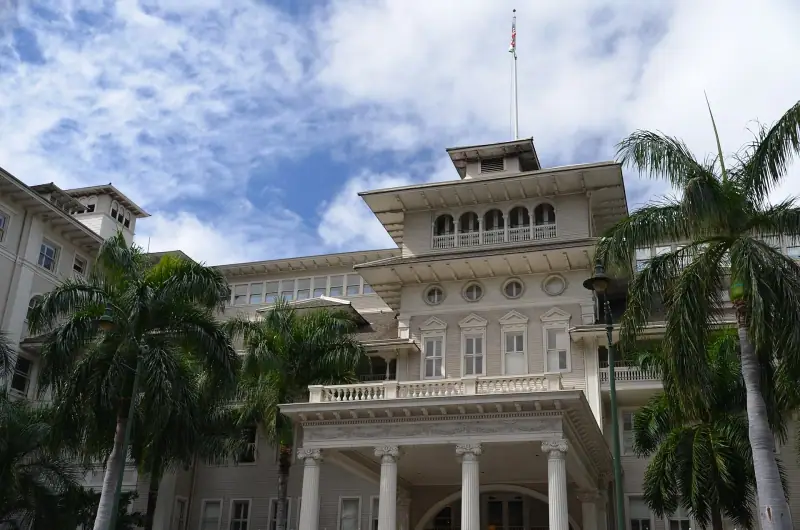
Where to stay in Waikiki: guide by area
The best areas to stay in Waikiki for your budget: beachfront, Diamond Head, Kuhio Avenue and the Ala Moana edge compared.
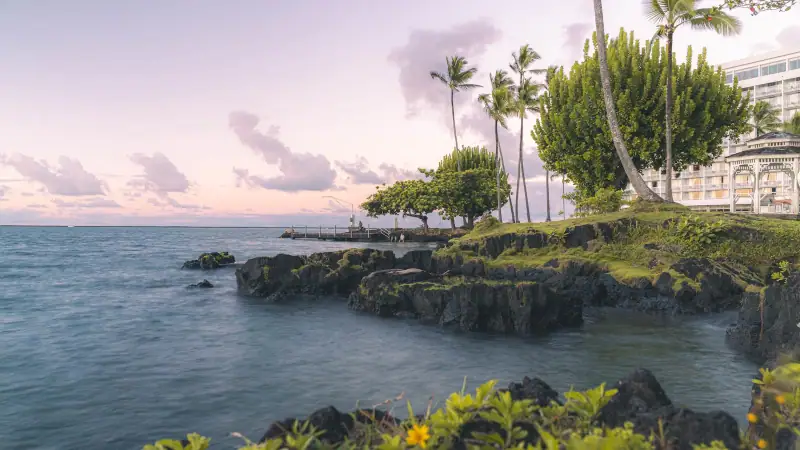
Where to stay on Big Island: complete guide to the best areas
Kailua-Kona or Hilo, Kohala Coast or Volcano Village? How to choose where to stay on Big Island according to your budget and what you want to do.
Ready-made
Hawaii itineraries
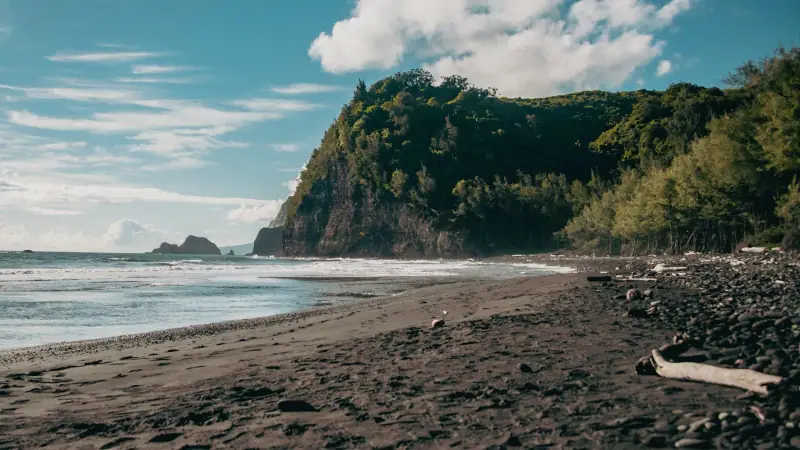
5 days
Big Island road trip in 5 days
Kailua-KonaVolcano VillageHilo or Hamakua Coast
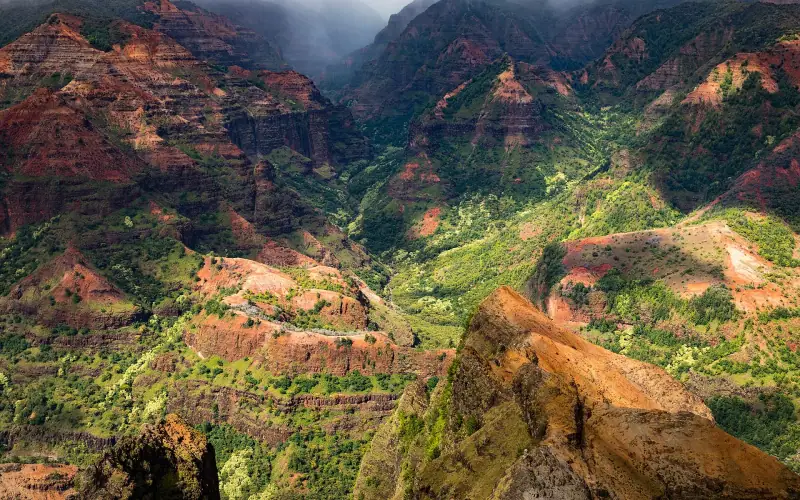
7 days
Kauai 7-day itinerary: the best road trip on the wild island
A detailed 7-day Kauai itinerary: Na Pali Coast, Waimea Canyon, Hanalei Bay and the best beaches. Day-by-day plan for an unforgettable road trip.
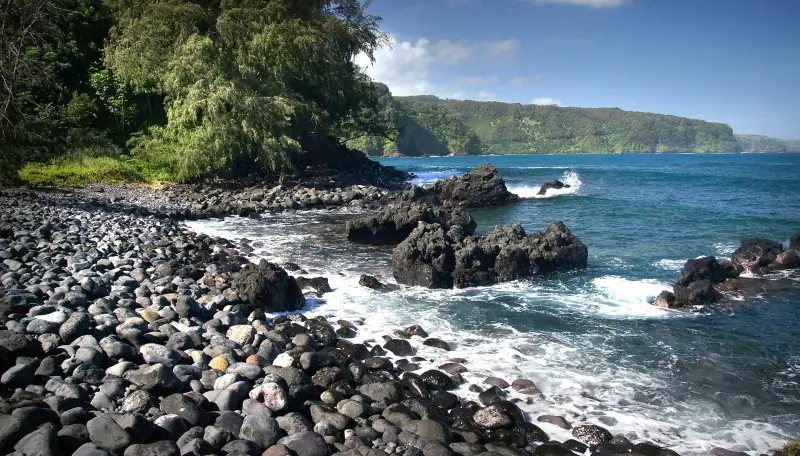
7 days
Maui 7-day itinerary: the complete guide to planning your trip
Maui in 7 days: Road to Hana, Haleakala, Wailea and Kaanapali beaches. A day-by-day plan to discover the pearl of the Hawaiian archipelago.