Things to do
Hiking on Tahiti and Moorea: belvedere, waterfalls and top trails
We may earn a commission when you book through links on this page, at no extra cost to you. We don't visit or try the places we cover: we summarize published sources. How we work
In short
- Moorea is the best island to start: trails begin minutes from lodging around the Opunohu Valley, with the belvedere as a starting point (Three Coconuts Pass, Three Pinus Pass).
- Few Tahiti trails are marked; for the Fautaua Valley, Mount Aorai or interior plateaus, a local guide is strongly recommended. The Fautaua Valley requires a permit.
- Flash floods are the main danger in valleys: start early, check the weather and never cross a river in flood.
- The dry season, roughly May to October, is the most comfortable for walking.
People come to French Polynesia for the lagoon, but the interior of the high islands holds a surprise: lush valleys, jagged ridges, waterfalls and sacred sites hidden under the forest. Tahiti and Moorea hold most of the hikes accessible to travelers, from one-hour family walks to climbs reserved for seasoned walkers. This guide helps you pick the trails that match your level, understand local constraints (permits, marking, weather) and prepare seriously, because walking in a tropical environment cannot be improvised.
Hiking in French Polynesia: what to know before you go
The first thing to keep in mind is that Polynesian hiking is nothing like the Alps or the Pyrenees. Trails are often poorly marked, sometimes overgrown, and mountain weather changes very fast. On Tahiti in particular, few routes are consistently signposted: local hikers and guides pass the routes down from one generation to the next.
A few particularities to take in:
- Heat and humidity wear you out faster than you imagine. Start early in the morning, when the air is still cool, and carry a large water reserve.
- Sudden floods are the main danger in valleys. A shower at altitude can make a stream rise within minutes, even if the sky is clear where you are.
- Mud and roots make slopes slippery. Walking shoes with good grip make all the difference.
- Night falls fast, at about the same time all year at these latitudes. Plan your return before dusk.
- Private land is common: some viewpoints or trails cross properties where an entry fee may be requested.
If you hesitate, go with a local guide. Beyond safety, they will teach you to recognize useful plants, marae remains and former plantations that you would not notice alone.
Moorea: the ideal playground for walkers
Moorea is probably the best island to start. It is small, its relief is spectacular, and its trails start minutes by road from lodging. The heart of the island is around the Opunohu Valley, between Opunohu Bay and Cook’s Bay, dominated by the Mount Rotui massif. If you are preparing a short stay, our three-day Moorea itinerary shows where to fit a half day of walking between the island loop and the lagoon.
The Opunohu belvedere, starting point of several trails
The Opunohu belvedere is the island’s most famous viewpoint: you see the two bays side by side, with Mount Rotui in the center. It is reached by road, which makes it an easy visit even without hiking. It is also the starting point of several trails, which explains why many visitors combine the view with a short walk.
From this area, you can climb into the forest, skirt pineapple plantations and cross zones where the Polynesian past is still visible: lines of stones, ceremonial platforms, former places of worship. A guide will explain what you are looking at, because without one these remains look like simple piles of stones.
Three Coconuts Pass
The Three Coconuts Pass (Col des 3 Cocotiers) is one of Moorea’s most cited hikes. The trail starts from the belvedere area, follows a stream and a waterfall, then reaches a pass with a panorama of Mount Rotui and the two bays. It is generally presented as medium difficulty: no particular technique, but an elevation gain, sometimes damp terrain and a length that call for being in shape. Allow half a day including breaks.
Tips for this walk:
- Start in the morning to enjoy the coolness and a clearer sky.
- Bring plenty of water: the forest is shaded but the humidity is tiring.
- Keep a margin on your return time.
- Avoid it after heavy rain: the trail is slippery and stream crossings become tricky.
Three Pinus Pass
Shorter than the Three Coconuts Pass, the Three Pinus Pass (Col des 3 Pinus) clings to a ridge at about 300 m (985 ft) altitude. It is often done together with a visit to the valley’s archaeological remains, via the Ancestors’ trail (E’a Tupuna in Tahitian), and with the pineapple road. It is an excellent option for a first hike, or for a family with children used to walking.
Guided hikes on Moorea
Compare guided outings in the Opunohu Valley, with a local guide and traveler reviews.
Mount Rotui and more demanding climbs
Mount Rotui, which separates the two bays, is considered the most accessible of Moorea’s big summits, but it remains a demanding climb, with steep, exposed passages. It is for walkers comfortable on uneven terrain, preferably with a guide. Do not set out on this kind of trail alone, especially as cell coverage is patchy in the mountains.
A viewpoint on private land: “Magic Mountain”
Among the short walks, Magic Mountain is often mentioned: about an hour’s walk to a viewpoint over the lagoon. Access is through private property with an entry fee. It is an interesting option when you have little time, but it is better to check access and conditions before going.
Tahiti: wild valleys and trails for insiders
Tahiti is bigger, higher and wilder than Moorea. Its interior is a tangle of deep valleys, high plateaus and ridges, often hard to reach. Unlike Moorea, the island will demand more preparation, because many routes are poorly signposted. For a general view of the island, see our guide visiting Tahiti: what to see and do, which also presents the interior valleys.
The Vaipahi water gardens: the easy walk
On the south coast, the Vaipahi gardens offer landscaped trails through dense vegetation, with pools, streams and viewpoints of the waterfall. It is one of the few walks on the island with maintained paths, clear routes and moderate effort. It suits families, people who do not want to walk long and days of light rain very well.
The Fautaua Valley and its waterfall
The Fautaua Valley, above Papeete, is one of the island’s emblematic outings. The first part, about three kilometers (1.9 mi), is an easy walk to a former fort. You can then continue a few hundred meters to reach the top of the Fautaua waterfall, one of the highest in French Polynesia, which drops more than 100 m (330 ft).
Good to know before you go:
- A permit is required to access the valley, to be requested from the Papeete municipal administration. Ask before your outing, as conditions may change.
- The valley is exposed to floods: check the weather and do not go after heavy rain.
- The upper part, near the falls, calls for caution: the ground is slippery and exposed.
Mount Aorai: for experienced walkers
Mount Aorai is among Tahiti’s best-known summits and draws hikers looking for a serious challenge. It is done over a long day, or in two days with a night in a hut depending on conditions, and requires good fitness, experience of tropical terrain and ideally a guide. Clouds can hide the view by late morning: the earlier you leave, the better your chance of a clear panorama.
Interior plateaus and ridges
Tahiti’s interior holds high plateaus such as the Orangers plateau, reached by trails crossing the forest. These routes are more off the beaten track and poorly marked: walking them without a guide is risky. A guided outing also helps you understand traditional uses of the forest, from medicinal plants to wild fruit.
Where to stay on Moorea
Compare lodging near the Opunohu Valley to start early in the morning.
Choosing a hike by level
To help you sort, here is a simple benchmark by profile. Durations are indicative and depend on your pace, the weather and the state of the trail.
Beginners and families
- The Vaipahi gardens (Tahiti): landscaped paths, moderate effort.
- The Opunohu belvedere (Moorea): immediate view, short walks possible around.
- Three Pinus Pass (Moorea): shorter trail, combinable with a visit to the remains.
Regular walkers
- Three Coconuts Pass (Moorea): medium difficulty, a fine reward at the pass.
- The Fautaua Valley (Tahiti): as far as the fort for an accessible outing, as far as the waterfall to go further, with a permit.
Experienced hikers
- Mount Rotui (Moorea): demanding climb, guide advised.
- Mount Aorai (Tahiti): long day, sometimes with a night in a hut.
- The interior plateaus of Tahiti: reserved for guided outings.
Do not overestimate your level: humid heat adds several notches of difficulty to any route.
Which season for walking?
The dry season, roughly May to October, is the most pleasant: temperatures are more bearable, trails less muddy and streams less dangerous. The rainy season, about November to April, makes slopes slippery and puts valleys at risk of flooding. It does not rule out all hiking, but it demands more caution and flexibility.
Our article on the best time to visit French Polynesia details the seasons and their advantages. Note that from July to November, you can combine hiking with humpback whale watching on Moorea and Tahiti, which makes this period a very good compromise.
Gear: what you really need to bring
Good preparation avoids most mishaps.
- Walking shoes with a lugged sole. Flip-flops and beach sandals are out: the terrain is slippery and uneven.
- Two to three liters of water per person for an active half day, more for long outings.
- A light rain jacket: showers come quickly, even in the dry season.
- Mosquito repellent, useful mostly in the forest and valleys.
- Sun protection: hat, sunglasses and sunscreen, as ridges and viewpoints are exposed.
- Dry spare clothes for the return.
- A waterproof bag or pouch for the phone and papers.
- A small energy snack: dried fruit, cereal bars.
To complete your packing, our selection of accessories for French Polynesia gathers the essentials, from sun protection to waterproof bags.
Walking safely and respectfully
Safety rules
- Tell someone your route and return time, notably your host.
- Never cross a stream in flood: wait for the level to drop.
- Stay on the trails: dense forest makes you lose your sense of direction very fast.
- Do not go alone on little-used routes.
- Turn back if the weather turns: a missed summit is easier to make up than an accident.
Respecting the places
Many sites are sacred or historic places: marae platforms, standing stones, former shelters. Do not climb on them, do not move any stone and do not take anything. Forest plants, including fruit, often belong to owners: ask before picking. Take your trash with you, including peels, and greet the residents you meet: a simple “ia ora na” is always well received.
Going with a guide: the advantages of a guided outing
Hiring a guide is not a luxury in French Polynesia, it is often the most sensible solution. They know the passages, watch the weather, handle permits and share knowledge you will find in no guidebook: plant uses, site legends, valley history.
To choose, look for:
- a small group, more pleasant and safer;
- a guide living on the island, who knows current conditions;
- clear cancellation terms in case of bad weather;
- a precise description of the level required, the duration and what is provided.
Nature excursions on Tahiti
Discover the guided outings in the valleys and the island's interior.
Fitting hiking into your stay
Walking fits well into a trip mixing beach and culture. A few combination ideas:
- Morning: hike in the Opunohu Valley; afternoon: snorkeling in the lagoon.
- Every other day: alternate effort and rest so the body gets used to the heat.
If you go on to other islands, the 10-day Tahiti, Moorea, Bora Bora itinerary leaves room for one or two walks. Also consider travel insurance covering sports activities and medical costs.
In summary
To hike on Tahiti and Moorea, go in the dry season, start with Moorea and the Opunohu Valley, keep Tahiti’s valleys and summits for guided outings, and never neglect the weather, water and return time. With a little preparation, you will discover a French Polynesia that many visitors do not see: that of mountains, waterfalls and marae hidden in the forest.
Frequently asked questions
What are the best hikes on Moorea?
The Opunohu Valley area is the most renowned: from the belvedere, the Three Coconuts Pass and Three Pinus Pass trails offer views over Cook's and Opunohu bays and Mount Rotui. Summit climbs like Rotui are more demanding and best done with a guide.
Do you need a guide to hike on Tahiti?
For easy, well-trodden walks, it is not essential. But few trails are marked on Tahiti: for the Fautaua Valley, Mount Aorai or high-altitude routes, a local guide is strongly recommended, notably because of sudden floods and technical passages.
Are there permits to plan for?
Some sites, like the Fautaua Valley, require a permit to request from the municipality concerned, and some viewpoints are on private land with an entry fee. Ask before you go or use a guide who handles it.
What is the best season for hiking in French Polynesia?
The dry season, from about May to October, is the most comfortable: less muddy trails, more bearable heat and less dangerous rivers. In the rainy season, trails become slippery and floods are a real risk in valleys.
What should you bring for a hike in French Polynesia?
Good walking shoes with grippy soles, more water than you think you need, sun protection, mosquito repellent, a light rain jacket and a waterproof bag for the phone. Also bring dry clothes for the end of the outing.
Can you hike with children?
Yes, on short, non-technical trails, like the walks around the Opunohu belvedere or the Vaipahi water gardens. Long, very steep or ravine-edge routes should be kept for children used to walking.
More French Polynesia guides
Keep reading
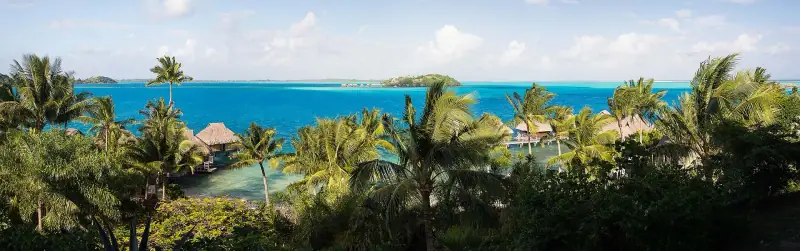
Visiting a pearl farm in French Polynesia: Taha'a, Bora Bora, Rangiroa, free or paid
Which pearl farm to visit in French Polynesia: Taha'a, Bora Bora, Huahine, Rangiroa, Fakarava. Free or paid tours, hours, booking and buying pearls.
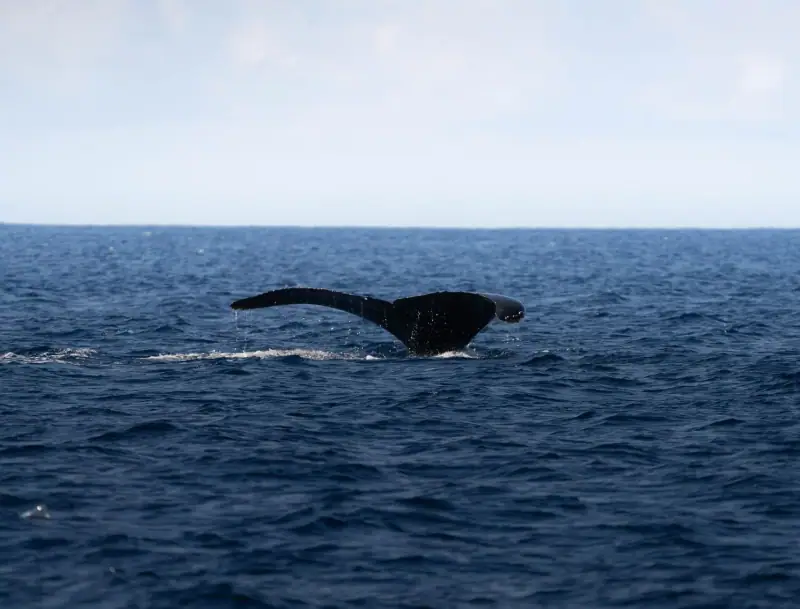
Watching humpback whales on Moorea and Tahiti: season, outings and tips
When and where to see humpback whales on Moorea and Tahiti: July to November season, choosing an outing, supervised in-water encounters, budget and rules.
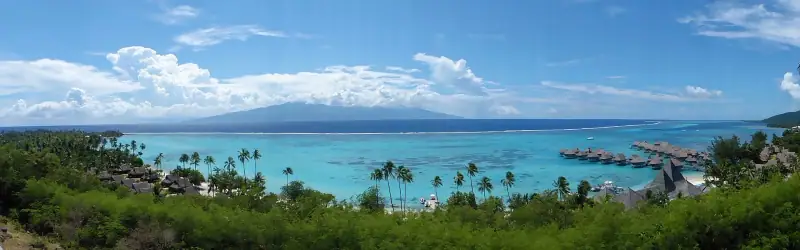
French Polynesia travel budget: how much to plan for your trip
What budget for a trip to French Polynesia? Flights, accommodation, meals, inter-island transport and activities: tips for keeping spending under control.
Ready-made
French Polynesia itineraries
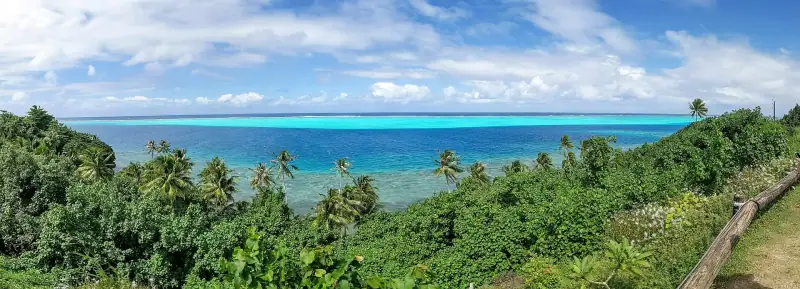
8 days
8-day Leeward Islands itinerary: Huahine, Raiatea, Taha'a and Bora Bora
An 8-day Leeward Islands itinerary: Huahine, Raiatea, Taha'a and Bora Bora, with transport, stays, excursions, budget and tips for linking the islands.
7 days
7-day Tuamotu itinerary: Rangiroa, Tikehau and Fakarava
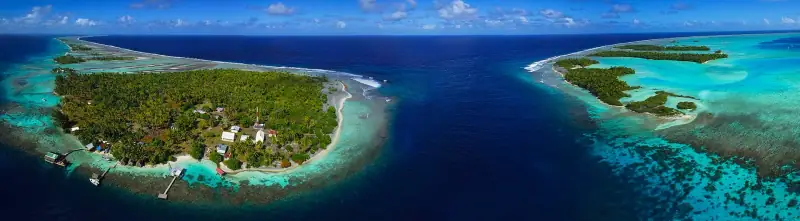
Plan 7 days in the Tuamotu: Rangiroa, Tikehau and Fakarava in family guesthouses, Air Tahiti flights, diving, snorkeling, budget and atoll tips.
10 days
10-day French Polynesia itinerary: Tahiti, Moorea and Bora Bora
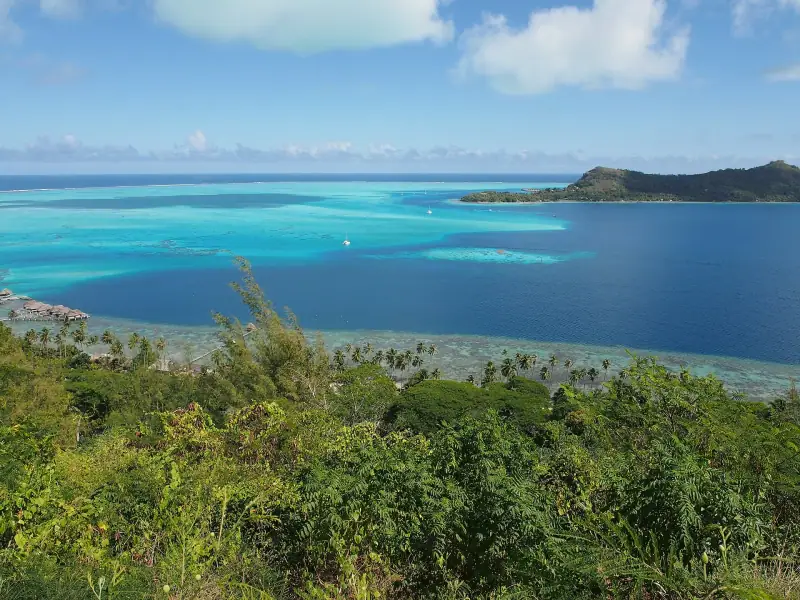
TahitiMooreaBora Bora