Itineraries
3-day Moorea itinerary: island loop, lagoon and mountains
We may earn a commission when you book through links on this page, at no extra cost to you. We don't visit or try the places we cover: we summarize published sources. How we work
Day by day
- Day 1Island loop by the coastal road, Cook's and Opunohu bays
- Day 2Opunohu Valley marae, belvedere, hiking and plantations
- Day 3Lagoon boat trip with rays and snorkeling, last dinner
Where to sleep
- Moorea3 nights
In short
- Three days on Moorea: the island loop (about 60 km / 37 mi) on day 1, the interior and a hike on day 2, the lagoon on day 3.
- Moorea is about 17 km (11 mi) from Tahiti: a 30 to 45 minute ferry from Papeete or a flight of about ten minutes.
- A rental car, scooter or bike is very practical, as public transport is limited. Book a car ahead in high season.
- The dry season, roughly April to October, brings steadier and less humid weather.
Half an hour by boat from Papeete, Moorea is often the first island people discover after Tahiti. Its jagged volcanic peaks, two big bays and shallow lagoon make it an ideal destination for a short stay, without the costs of the big postcard islands. Here is a three-day itinerary to enjoy it without spreading yourself thin: one day for the island loop, one day for the interior and the mountains, one day for the lagoon.
Preparing your stay on Moorea
Getting to the island
Moorea lies about 17 km (11 mi) northwest of Tahiti. You have two options:
- The ferry from Papeete harbor: the crossing takes about 30 to 45 minutes depending on the type of boat. It is the cheapest choice, and watching the island come closer is a nice moment of the trip.
- The plane from Tahiti-Faa’a airport: the flight lasts only about ten minutes. It is handy if you are arriving from far away and want to go straight to your accommodation.
Check schedules with the operators before booking: they vary by season and day of the week. If you arrive on a long-haul flight, leave a comfortable margin between landing and the boat’s departure.
Getting around
The main road follows the coast for about 60 km (37 mi). There is no large town: you discover the island village after village, with long stretches facing the lagoon. Three ways to get around:
- Rental car: the most flexible option, especially for a trip inland or when traveling with family.
- Scooter or bike: pleasant in good weather, but keep in mind the heat, sudden showers and traffic on the coastal road.
- Taxi or organized transfer: useful for the first and last day, or if you prefer not to drive.
Book a car ahead in high season.
Where to sleep
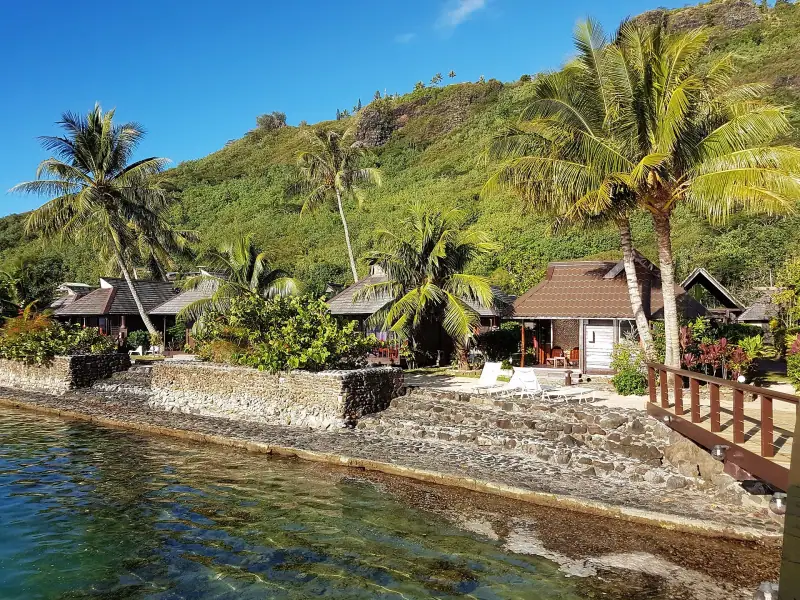
Moorea offers a wide range of accommodation: overwater bungalows, lagoon-side hotels, small residences and family guesthouses. For three nights, choose a central base on the north side, which makes it easier to reach the bays, restaurants and excursion departures. Our guide to family guesthouses in French Polynesia details what to look at before booking.
Stays on Moorea
Compare availability and traveler reviews for your dates.
Day 1: the island loop on the coastal road
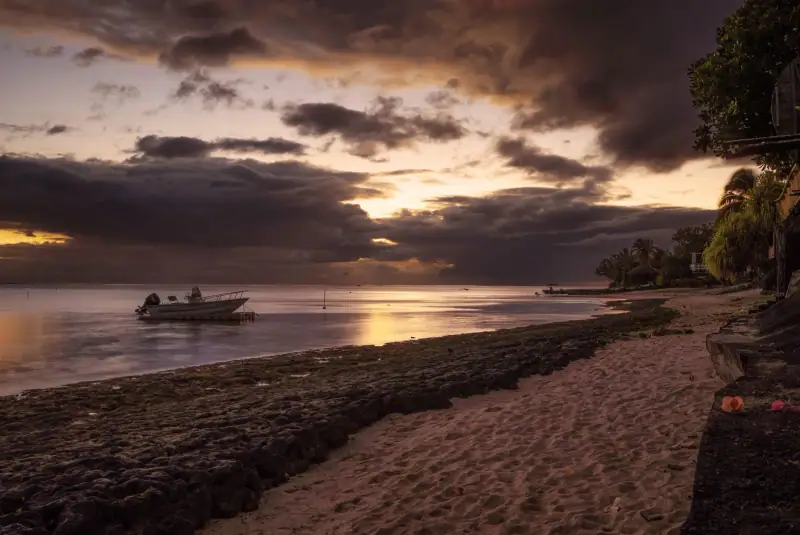
The first day is for a general discovery. The full coastal loop is about 60 km (37 mi): driving at an easy pace, with photo stops, a swim and lunch, it fills the day comfortably.
Morning: the north coast and the two bays
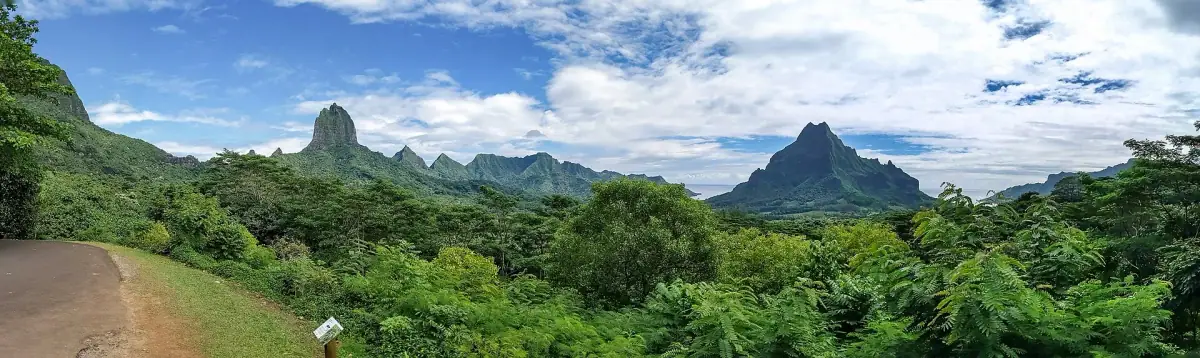
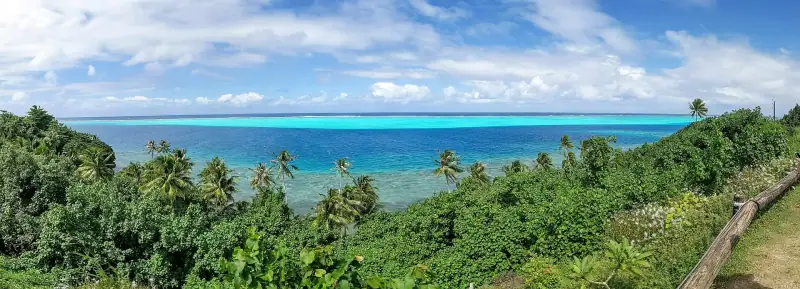
Leave early, before the heat and before the first groups. The north coast opens onto the island’s two big bays, Cook’s Bay and Opunohu Bay. Separated by a massive mountain, Mount Rotui, they form a landscape that is both wild and peaceful. The water is calm, often a deep green, and sailboats regularly anchor there.
Stop at the viewpoints along the road. The contrast between the green slopes and the blue lagoon is especially beautiful early in the morning, when the light is soft and clouds still cling to the peaks.
Lunch: a simple meal by the water
Along the road you will find snack bars and small restaurants facing the lagoon. For a typical meal, try Tahitian raw fish, marinated in lime and coconut milk; see our complete guide to local specialties and raw fish. Places generally open at mealtimes in season, but hours vary: ask your host which ones are open the day you pass.
Afternoon: the east and south coasts
Continuing the loop, the road runs along the east coast and then the south, with quieter villages and public beaches where you can swim. The lagoon there is generally shallow and ideal for snorkeling: bring a mask and snorkel and slip into the water for a few minutes to watch the colorful fish. Keep your reef shoes on, as coral and sea urchins are sometimes found near the shore.
End the day on the west coast, which faces the open ocean: this is where the sun sets, a moment travelers greatly enjoy. The silhouette of Tahiti, on the other hand, is better seen from the east coast, facing the neighboring island.
Day 2: the interior and hiking
Moorea is not only its lagoon. Its volcanic interior, covered in forests, plantations and valleys, deserves a full day.
Opunohu Valley and its archaeological sites
Opunohu Valley holds remains of the ancient Polynesian civilization: marae, the stone platforms that served as places of worship and gathering. These sites show the sacred importance of the valley before the arrival of Europeans. Walk through them with respect, without climbing on the structures, and read the information panels that explain their use.
The belvedere
A belvedere high up offers a panorama over the two bays and the mountains framing them. It is one of the island’s best-known viewpoints and one of the easiest to reach: the road leading to it from the valley is drivable. Come in the morning for better visibility, as clouds often build up late in the day.
Walking in nature
Several hiking trails start from the island’s interior, at very different levels: from shaded strolls to more demanding routes that require experience and good equipment. For a first day of walking, choose a short trail. Bring water, a hat, a rain jacket and closed shoes, and tell your host your route. For mountain routes, hiring a local guide is a good precaution, especially after heavy rain.
Excursions and hikes on Moorea
Discover the guided outings available for your stay.
Plantations and local products
The island’s interior is also agricultural: pineapple, tropical fruit and vanilla are grown there. If you pass a roadside stand, it is a chance to taste fresh fruit or bring home vanilla or handmade monoi. Compare products and choose those whose origin is clearly stated.
Day 3: the lagoon, rays and snorkeling
The third day is for what Moorea is known for: its lagoon. The water is clear, shallow and very calm, which makes outings accessible even to beginners.
A boat excursion
Half-day or full-day lagoon trips are among the most popular activities. Depending on the package, they include:
- a swim with rays in a shallow area of the lagoon;
- watching reef sharks from the surface, under the supervision of guides;
- snorkeling over the coral heads;
- a stop on a motu, a small sandy islet, for a grilled fish lunch.
Choose an operator that limits group size and respects wildlife: do not feed the animals on your own initiative, and follow the guide’s instructions. If diving interests you more, our article on diving in Rangiroa and Fakarava presents sites on a very different scale in the Tuamotu.
A day of relaxation
If you prefer to stay ashore, a public beach, a kayak or a paddleboard is enough to enjoy the lagoon. Rent equipment by the hour, or use your accommodation’s. Think about suitable sun protection: ordinary sunscreen is frowned upon for reefs, so choose a mineral sunscreen or UV-protective clothing.
Evening: last dinner
To close the stay, book a table at a lagoon-side restaurant, especially in high season. Many accommodations also offer evenings with traditional music and dance; ask which days, as they vary by season.
Flights to Tahiti
Compare flights to Papeete before locking in your nights on Moorea.
Budget and practical tips
French Polynesia remains an expensive destination: everything imported costs more, and meals quickly weigh on the budget. A few benchmarks to stay in control:
- Accommodation: family guesthouses and small properties are generally cheaper than luxury overwater hotels.
- Meals: alternate restaurants and snack bars, and make use of markets and stands for fruit and fish.
- Activities: lagoon outings are often the biggest item; compare packages and what they include.
- Transport: the ferry is the cheapest way to reach the island, and a rental vehicle is easily shared among several people.
On the practical side, bring mosquito repellent, sun protection, shoes suited to coral and a light rain jacket. Showers are frequent but generally short. And keep some slack in your schedule: the Polynesian pace invites you not to plan everything to the minute.
Combining Moorea with other islands
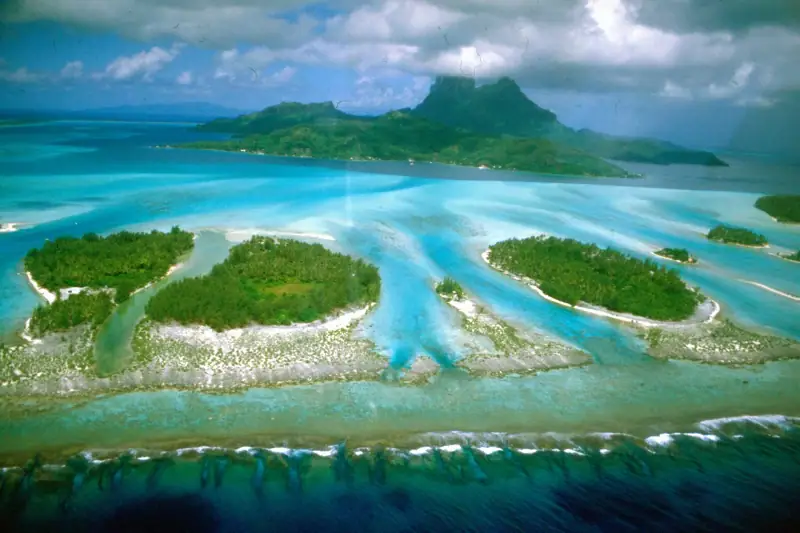
Three days on Moorea fit easily into a wider trip. Most itineraries start with Tahiti, continue to Moorea, then go on to the Leeward Islands, such as Huahine, Raiatea or Bora Bora, or to the Tuamotu atolls for diving. Our guide to the best time to visit French Polynesia helps you choose the season according to your priorities, and the one on family guesthouses helps you build the accommodation leg for each island.
If you have more time, add a day on Moorea rather than chaining too many islands: time spent there, living at the local pace, is often the best memory of the trip.
Our advice
For a first stay, Moorea is an excellent entry point: easy to reach, varied and compact enough to explore in a few days. Book your accommodation and lagoon excursions early, keep one day without a precise plan, and let the morning light over the bays carry you. It is often in the simplest moments that Moorea reveals itself.
Sources
- Tahiti Tourisme: figures checked November 2026
Frequently asked questions
How long do you need to visit Moorea?
Three days let you go around the island, enjoy the lagoon and do a hike or visit the interior without rushing. With a single night, you only skim the island; with five days, you can slow down and add more outings at sea.
How do you get to Moorea from Tahiti?
There are two options: the ferry from Papeete harbor, a crossing of about half an hour, or a short flight of about ten minutes from Tahiti-Faa'a airport. The ferry is cheaper, the plane faster.
Do you need to rent a car on Moorea?
It is not required, but it is very handy. The coastal road circles the island over about 60 km (37 mi), and a car, scooter or bike lets you stop freely. Public transport is limited.
Can you swim and snorkel without an excursion?
Yes, some public beaches and the shores of some guesthouses give access to a shallow lagoon, ideal for watching fish. Organized outings remain useful for getting close to rays and reef sharks safely.
What is the best time to go to Moorea?
The dry season, from about April to October, offers steadier and less humid weather. The rainy season is hotter and wetter, but the island remains pleasant and greener. See our guide on the best time to visit French Polynesia.
More French Polynesia guides
Keep reading
French Polynesia travel budget: how much to plan for your trip
What budget for a trip to French Polynesia? Flights, accommodation, meals, inter-island transport and activities: tips for keeping spending under control.
Complete guide to visiting French Polynesia: islands, budget, tips
Visiting French Polynesia: islands not to miss, when to go, getting there, where to stay, budget and itineraries. The pillar guide to plan your trip.
Moorea or Tahiti: where to stay in French Polynesia without a car
Without a rental car, where to sleep between Tahiti and Moorea? Neighborhoods, buses, ferry, guesthouses and pitfalls to avoid when choosing your base.
Ready-made
French Polynesia itineraries
8 days
8-day Leeward Islands itinerary: Huahine, Raiatea, Taha'a and Bora Bora
An 8-day Leeward Islands itinerary: Huahine, Raiatea, Taha'a and Bora Bora, with transport, stays, excursions, budget and tips for linking the islands.
7 days
7-day Tuamotu itinerary: Rangiroa, Tikehau and Fakarava
Plan 7 days in the Tuamotu: Rangiroa, Tikehau and Fakarava in family guesthouses, Air Tahiti flights, diving, snorkeling, budget and atoll tips.
10 days
10-day French Polynesia itinerary: Tahiti, Moorea and Bora Bora
TahitiMooreaBora Bora