Plan your trip
French Polynesia travel budget: how much to plan for your trip
We may earn a commission when you book through links on this page, at no extra cost to you. We don't visit or try the places we cover: we summarize published sources. How we work
In short
- The international flight is by far the heaviest item. Accommodation comes next, with an enormous gap between a family guesthouse and an overwater hotel.
- The currency is the Pacific franc (XPF), about 119 XPF to the euro; divide prices by 120 for a rough euro figure.
- Each extra island adds a flight or crossing, lodging and transfer time: choosing the islands is the best lever on the total.
- Travel outside peak seasons, book early and stay with local hosts to save the most.
The budget for a trip to French Polynesia often gives people pause before they commit. The destination has a reputation as reserved for luxury honeymoons, but it can also be visited on a reasonable budget, as long as you know where spending concentrates and where you can save.
This guide details the main expense items, without promising fixed figures: rates vary greatly by season, airline and island. Always check current prices before booking.
The main expense items
A stay in French Polynesia breaks down into five blocks:
- The international flight, by far the heaviest item.
- Accommodation, with an enormous gap between a family guesthouse and an overwater hotel.
- Meals, more expensive because many products are imported.
- Getting around, between ferries, inter-island flights, and car or scooter rental.
- Activities, from free hiking to lagoon excursions and diving.
The best lever for controlling the total remains the choice of islands: each extra island adds a flight or crossing, lodging and time lost in transfers.
The flight to French Polynesia
The journey is long and involves at least one stopover. The ticket accounts for a large share of the total budget, and its price varies a lot with the dates.
To reduce it:
- book several months ahead;
- avoid peak holiday periods and the month of August;
- compare several departure airports and several routes;
- be flexible by a few days on your dates.
Currency and payment methods
French Polynesia uses the Pacific franc (XPF), pegged at a fixed rate to the euro: about 119 XPF to 1 euro. A simple trick for getting your bearings is to divide prices by 120 to get a rough figure in euros.
Credit and debit cards are accepted in hotels, larger restaurants and supermarkets on the main islands. Still, keep cash for markets, food trucks, small guesthouses and more remote atolls. Ask your bank about its fees for foreign payments and withdrawals.
Where to stay: from family guesthouse to luxury hotel
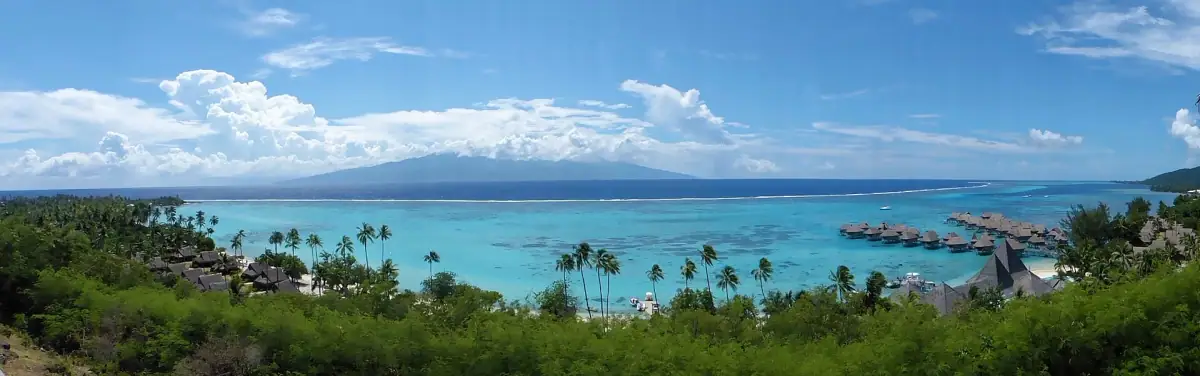
This is where the gap is most striking. Family guesthouses offer good value, with a warm welcome and often the option of taking meals there. Lagoon-side hotels and overwater bungalows sit at the other end of the scale, with markedly higher rates.
A few benchmarks for choosing:
- the family guesthouse suits travelers who want local contact and a manageable budget;
- the hotel suits “all comforts” stays and honeymoons;
- alternating the two, a few budget nights then a luxury stop, is an excellent strategy.
To go further, see our guide to family guesthouses in French Polynesia.
Stays on Moorea and Tahiti
Compare rates and traveler reviews for your dates.
Eating without breaking the bank
As many goods arrive from far away, tourist restaurants and supermarkets are expensive. A few habits help limit the bill:
- Food trucks, very popular in Papeete, serve generous meals at low prices.
- Markets let you buy fresh fruit, fish and bread, particularly in the morning.
- Meal plans at family guesthouses can cost less than restaurants every evening.
- Local products (fish, fruit, coconut, breadfruit) cost less than imported ones.
To discover the cuisine of the fenua, read our article on specialties and raw fish.
Getting between the islands
Inter-island transport is an item to plan for. Between Tahiti and Moorea, the fast ferry takes about 25 to 45 minutes depending on the operator and route, which remains an economical option. For farther islands, such as Bora Bora, Rangiroa or Fakarava, the plane is the most common solution.
The domestic airline offers combined fares between several islands, often better value than tickets bought separately. Always compare them with a stay concentrated on one or two islands.
Once there, a car or scooter is handy on Tahiti and Moorea. On small islands, a bike, or even walking, is often enough.
Activities: free or paid
French Polynesia offers many free pleasures: swimming, snorkeling from the beach, walks in the valleys, markets, sunsets. Paid activities weigh more: lagoon excursions, diving, whale watching (about July to October), helicopter flights or private boat trips.
Tips to stay in control:
- choose one or two big activities per island rather than multiplying them;
- choose group outings over private ones;
- compare operators and read reviews before booking.
For diving, our guide to Rangiroa and Fakarava will help you plan this expense.
When to go to pay less
Prices follow the season. July and August, as well as school holidays, are the most expensive and busiest periods. The wet season, roughly November to April, often offers lower rates, in exchange for more changeable weather. May, June, September and October are often a good compromise between weather and rates.
To choose precisely, read our guide on when to go to French Polynesia.
Example strategies by budget
Tight budget
Focus on Tahiti and Moorea, stay in family guesthouses, eat at food trucks and the market, and choose free activities. The ferry replaces the plane to move from one island to the other.
Mid-range budget
Combine Tahiti, Moorea and a Leeward island such as Huahine or Raiatea. Alternate family guesthouses and small hotels, with one or two paid excursions per island.
Comfortable budget
Add Bora Bora or a Tuamotu atoll, with a few nights in a lagoon-side hotel, diving and private excursions. This is the place to treat yourself to an exceptional moment at the end of the stay.
To combine these ideas, take inspiration from our 10-day itinerary across Tahiti, Moorea and Bora Bora.
Preparing for and anticipating extra costs
Before leaving, think about the small costs that add up:
- travel insurance, useful to cover cancellation, health and trip interruption;
- bank fees on foreign transactions;
- possible tourist taxes at accommodations;
- tips, which are not mandatory but may be appreciated;
- reef-friendly sun protection products, pricier there.
Also keep a safety margin for the unexpected, notably inter-island flight delays. A safety budget of one or two extra nights will save you a lot of worry.
In summary
Traveling in French Polynesia takes preparation, but the budget is not necessarily out of reach. The flight is the biggest fixed expense; the rest is steered by choosing the number of islands, the type of accommodation and the activities. Traveling outside high season, booking early and staying with local hosts are the three most effective levers for enjoying the lagoons without blowing the budget.
Frequently asked questions
What is the currency in French Polynesia?
The currency is the Pacific franc (XPF), whose rate against the euro is fixed: about 119 XPF to 1 euro. Credit and debit cards are widely accepted on the main islands, but bring a little cash for small islands, markets and food trucks.
Why is French Polynesia so expensive?
The long-haul flight weighs heavily on the budget, and most products are imported to remote islands. Meals, transfers and lagoon-side hotels therefore cost more.
How can you reduce the budget of a trip to French Polynesia?
Book flights well in advance, travel outside school holidays, stay in family guesthouses, eat at food trucks and small restaurants, and limit the number of islands to cut inter-island flights.
Are inter-island flights included in the international ticket?
Generally not. Flights between the islands are booked separately with the local airline, which also offers combined fares between several islands. Compare them with the cost of a stay on a single island.
Do you need to book in advance?
Yes, especially flights and accommodation in high season, from July to August and during school holidays. Small guesthouses and inter-island flights fill up quickly.
More French Polynesia guides
Keep reading
When to go to French Polynesia: seasons, weather and best months
When to visit French Polynesia: dry season, rainy season, whales, Heiva and budget. A guide to choosing the best time to go.
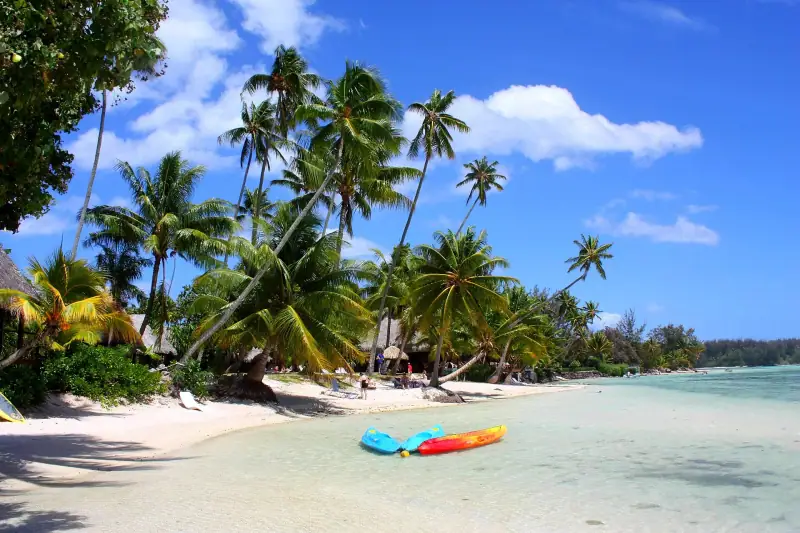
Complete guide to visiting French Polynesia: islands, budget, tips
Visiting French Polynesia: islands not to miss, when to go, getting there, where to stay, budget and itineraries. The pillar guide to plan your trip.
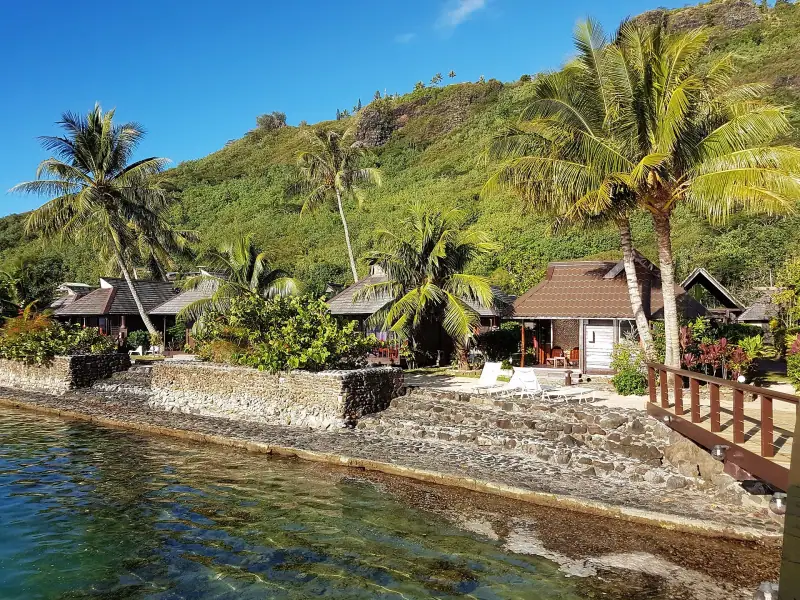
Moorea or Tahiti: where to stay in French Polynesia without a car
Without a rental car, where to sleep between Tahiti and Moorea? Neighborhoods, buses, ferry, guesthouses and pitfalls to avoid when choosing your base.
Ready-made
French Polynesia itineraries
8 days
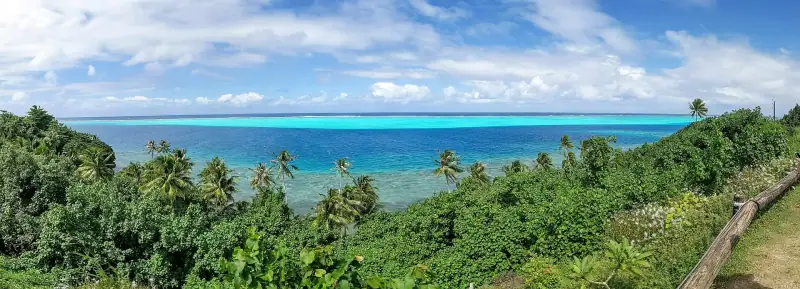
8-day Leeward Islands itinerary: Huahine, Raiatea, Taha'a and Bora Bora
An 8-day Leeward Islands itinerary: Huahine, Raiatea, Taha'a and Bora Bora, with transport, stays, excursions, budget and tips for linking the islands.
7 days
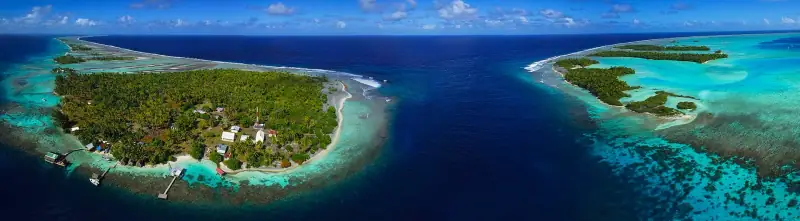
7-day Tuamotu itinerary: Rangiroa, Tikehau and Fakarava
Plan 7 days in the Tuamotu: Rangiroa, Tikehau and Fakarava in family guesthouses, Air Tahiti flights, diving, snorkeling, budget and atoll tips.
10 days
10-day French Polynesia itinerary: Tahiti, Moorea and Bora Bora
TahitiMooreaBora Bora