What to see
Visiting Tahiti: what to see and do on the main island
We may earn a commission when you book through links on this page, at no extra cost to you. We don't visit or try the places we cover: we summarize published sources. How we work
In short
- Two to three days cover the essentials of Tahiti: Papeete, the island loop and one or two walks. Add the Tahiti Iti peninsula and water activities for about four days.
- The ring road around Tahiti Nui is about 115 km (71 mi); avoid rush hours around Papeete.
- A car is the most practical way to see the island. Local buses exist but suit sightseeing poorly; guided 4x4 and minibus tours are an alternative.
- Beaches are mostly black volcanic sand; most travelers add Moorea or another island for the postcard lagoons.
Almost every traveler passes through Tahiti, because this is where French Polynesia’s international airport is. Many stay only for a connection. That is a pity: the main island is a high island, with forest-covered volcanic relief, valleys, waterfalls, historic sites and a very lively market. This guide helps you decide what to see, how to get around and how to organize two or three days there.
Tahiti at a glance: an island in two parts
Tahiti belongs to the Windward Islands, in the Society archipelago. Its shape recalls a figure eight: the large part, Tahiti Nui, is joined by a narrow isthmus near Taravao to the small peninsula, Tahiti Iti. Most of French Polynesia’s population lives on the island, mainly around Papeete.
The interior is mountainous and very sparsely inhabited. Roads therefore almost always follow the coast, with mountain on one side and ocean on the other. This geography simplifies planning: you just choose between clockwise and counterclockwise, then stop at the points of interest.
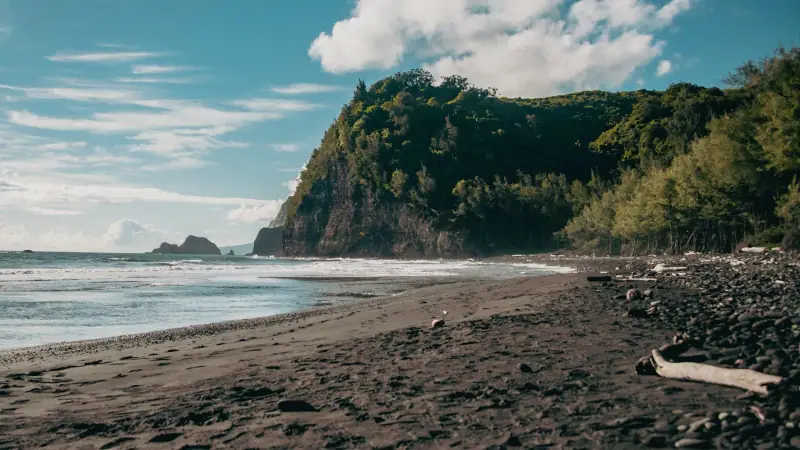
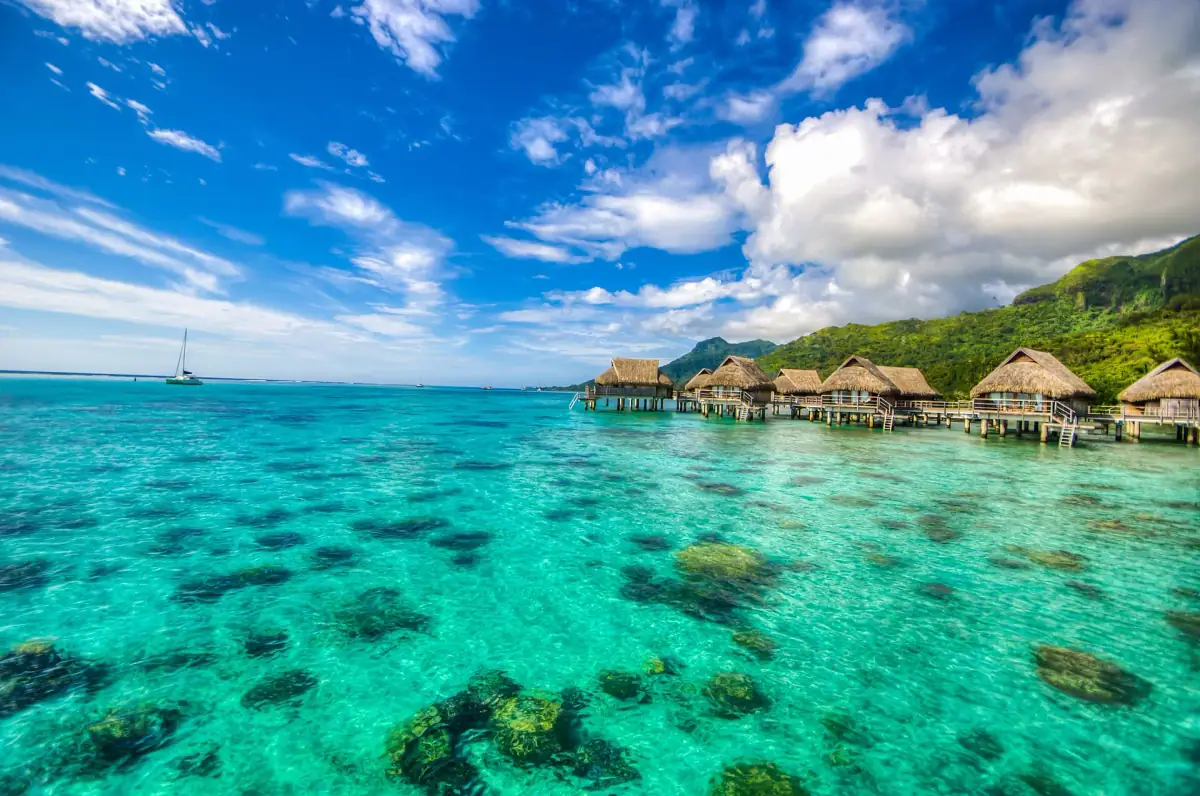
Unlike Moorea or the Tuamotu islands, Tahiti’s lagoon is narrow in places and the beaches are often dark volcanic sand. The island’s appeal lies elsewhere: in nature, culture and local life. For the most spectacular lagoons, see instead our 3-day Moorea itinerary or our Bora Bora guide.
Papeete: the market and the waterfront
For opening hours and the best time to go, see our guide to the Papeete market.
Hotels in Papeete and Tahiti
Compare lodging near the airport and downtown.
Papeete is the capital of French Polynesia and the island’s main city. It lacks the charm of a historic town, but it gives a good idea of daily life: dense traffic, small shops, pearl and pareo boutiques, boats moored in the harbor.
The municipal market is the best-known stop. You find tropical fruit, fish, flowers, monoi, crafts and clothing. It is the best place to feel the local atmosphere. Morning is generally the liveliest time, before the heat rises, and Sunday morning is said to be especially lively. The flower and fresh produce stalls also give good ideas for your tasting of Polynesian specialties.
The waterfront makes for an easy stroll, with a view of the island of Moorea when the weather is clear. At the end of the day, the food trucks set up near the harbor serve simple, accessible food. Check days and hours locally, as they vary by season.
The island loop by car
The ring road of Tahiti Nui is about 115 km (71 mi). It can be done in a day, but plan a full day if you want to stop. Avoid rush hours around Papeete: traffic can be very dense in the morning and late afternoon.
The north and east side offers the wildest scenery. On the west and south side, the road crosses more built-up areas before reaching quieter villages. You can choose to do only a portion, for example the east coast in a half day.
A car remains the most flexible means. Driving is on the right, but the road is sometimes narrow and overtaking is best avoided. If you do not want to drive, several operators offer guided excursions that include the main stops.
The northeast coast: Point Venus and the Arahoho Blowhole
The northeast coast has the most accessible sites. Point Venus, at Mahina, is a tongue of black sand lined with coconut palms, topped by a lighthouse. This is where Captain James Cook set up his observatory in 1769 to observe the transit of Venus across the Sun. The place is also linked to the arrival of the first British missionaries in the late 18th century. It is a pleasant stop for a stroll and a swim.
Farther south, the Arahoho Blowhole is a trick of nature: when waves rush into a cavity in the volcanic rock, water spouts through an opening. The show depends on the swell and is more impressive when the sea is rough. Do not get too close to the edge: waves can be unpredictable. For another spectacular swell, see our guide to Teahupo’o without surfing.
Nearby, the Faarumai waterfalls are reached after a short walk through vegetation. Access conditions can change with the weather and the state of the trails: ask locally before setting out. Bring good shoes and a rain jacket, as humidity is high in the valley.
Valleys and the island’s interior
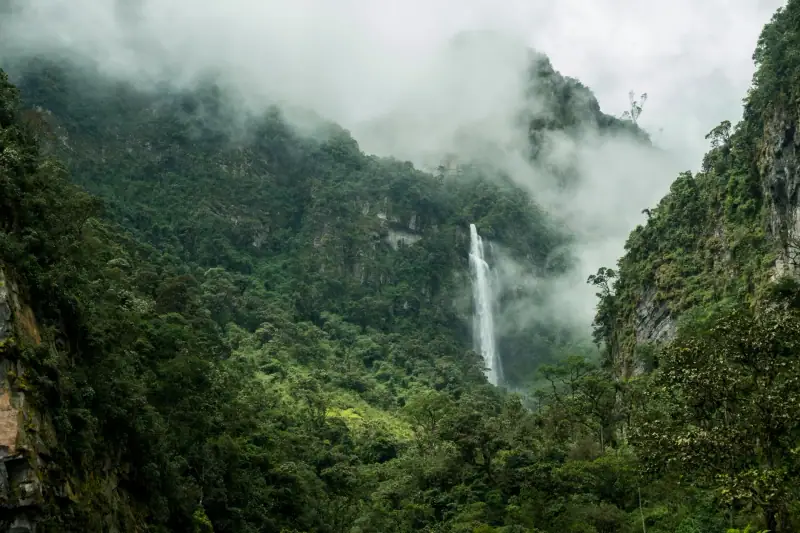
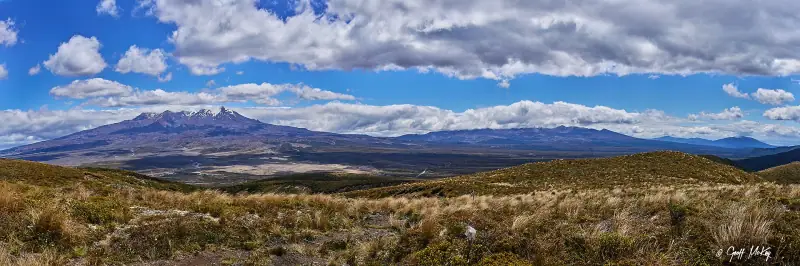
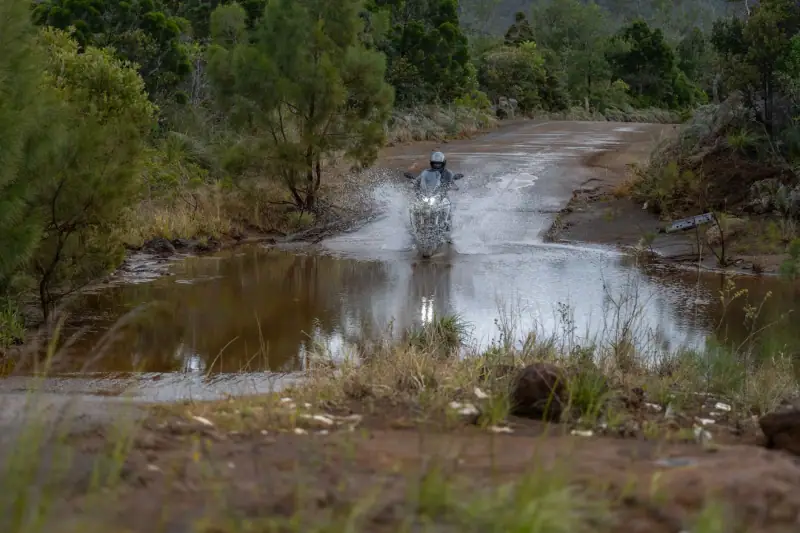
Tahiti’s interior is one of the island’s great assets. The Papenoo Valley, the largest on Tahiti, runs into the collapsed crater of the old volcano. It is visited mostly on a 4x4 excursion with a guide, as the tracks are rough. You discover waterfalls, marae (sacred stone platforms of the ancient Polynesian civilization) and dense forest.
Hikes in the valleys take organization. Some require a permit, a guide or good fitness. The weather can change fast and rivers can rise after rain: never venture into a valley alone without having checked first. To avoid unpleasant surprises, also see our guide to the best time to visit French Polynesia.
The south and west coast: gardens, caves and a museum
The west and south coast concentrates several cultural and natural visits, easy to fit into a half day.
- The Museum of Tahiti and the Islands, at Punaauia, presents Polynesian history, culture and traditions. It is a good introduction before heading to the other archipelagos. Check opening hours before going.
- The Papeari botanical garden (Harrison Smith garden) lets you see tropical plants and remarkable trees in a pleasant setting, useful if you travel with children.
- The Maraa caves, at Paea, are cooling cavities edged with vegetation, often visited in passing.
These stops combine well with a swim on the west coast, where the beaches are sometimes paler than in the north and east. The proximity of the airport also makes it a good option for a first or last day.
Taravao and the Tahiti Iti peninsula
Past the Taravao isthmus, the road continues to the Tahiti Iti peninsula, wilder and much less populated. The Taravao plateau offers views over the valley and the sea, with cooler air than on the coast.
At the southern end of the peninsula is Teahupo’o, a village famous worldwide for its surf wave, one of the most powerful on the planet. It hosted the surfing events of the Paris 2024 Olympic Games. Even if you do not surf, the place is worth the trip: the road ends almost at the water’s edge and you discover the landscape where the swell breaks on the reef. Surfers can be watched from the coast or on a boat excursion, depending on the season and sea conditions.
The farthest part of the peninsula remains wild and is reached mostly on foot or by boat. If you like remote landscapes, plan at least half a day for this area.
Where to stay and how to get around
Two main choices are open to you. Around Papeete and the west coast, you are close to the airport, the ferries to Moorea, shops and restaurants. It is practical for a late arrival or an early departure. On the east coast or the peninsula, the atmosphere is calmer and more natural, but you need more travel time.
For a more authentic stay, family guesthouses are a good alternative to hotels: see our guide to family guesthouses in French Polynesia.
For transport, a car is simplest for exploring at your own pace. Local buses exist but their schedules suit a sightseeing program poorly. Taxis remain expensive. If you do not want to drive, guided excursions are a safe solution.
Tahiti and the other islands
Tahiti is the gateway to all of French Polynesia. The ferry reaches Moorea in about 25 to 45 minutes depending on the boat, which makes it easy to combine the two islands. Domestic flights serve Bora Bora, Huahine, Raiatea, Rangiroa, Fakarava and the Marquesas.
A classic pattern is to spend one or two nights on Tahiti on arrival, then go to Moorea and the Leeward Islands, before coming back to Tahiti for the return flight. If you like diving, our article on diving in Rangiroa and Fakarava will help you complete the itinerary.
Budget and practical tips
French Polynesia is an expensive destination, and Tahiti is no exception: most products are imported and restaurants are expensive. A few benchmarks to stay in control:
- Lodging: family guesthouses are generally cheaper than big hotels.
- Meals: food trucks and markets are a good option for eating simply at lower prices.
- Transport: a car shared among several people lowers the cost per person.
- Activities: guided excursions cost more than independent visits, but give access to sites that are hard to reach.
A few tips for a successful stay:
- Start early: mornings are cooler, the light is better and traffic is lighter.
- Protect yourself from the sun: reef-friendly sunscreen, hat and sunglasses.
- Bring a rain jacket: showers are frequent in the mountains, even in the dry season.
- Respect the places: some sites are sacred or private, do not cross fences and do not pick anything up.
- Ask locally: the state of trails and access to waterfalls change with the weather.
Tahiti deserves better than a simple stopover. With two or three days, a car and a little curiosity, you will discover a living island, far from the postcard-lagoon cliché, and you will approach the rest of your trip with a better understanding of Polynesian culture.
Frequently asked questions
How long do you need to visit Tahiti?
Two to three days let you see the essentials: Papeete, the island loop and one or two walks. If you want to add the Tahiti Iti peninsula and water activities, plan about four days.
Do you need to rent a car on Tahiti?
It is the most practical solution for going around the island at your own pace. Public transport exists but is poorly suited to sightseeing. Guided 4x4 or minibus tours are also offered.
Can you go around Tahiti in one day?
Yes, the ring road of Tahiti Nui is about 115 km (71 mi). In one day you can go around it with several stops, provided you avoid the traffic hours around Papeete.
Are Tahiti's beaches beautiful?
Tahiti is a high island, with black volcanic sand beaches and a few paler beaches on the west coast. For postcard lagoons, most travelers complete their stay with Moorea or another island.
Where to stay on Tahiti?
The Papeete area and the west coast hold the hotels and guesthouses, with easy access to the airport and ferries. The east coast and the peninsula are quieter and suit a nature stay.
Is Tahiti worth the detour or is it just a stopover?
Tahiti is often treated as a mere stopover, but it offers mountain scenery, waterfalls, cultural sites and a local life not found on the more touristy islands. Two or three days are well spent here.
More French Polynesia guides
Keep reading
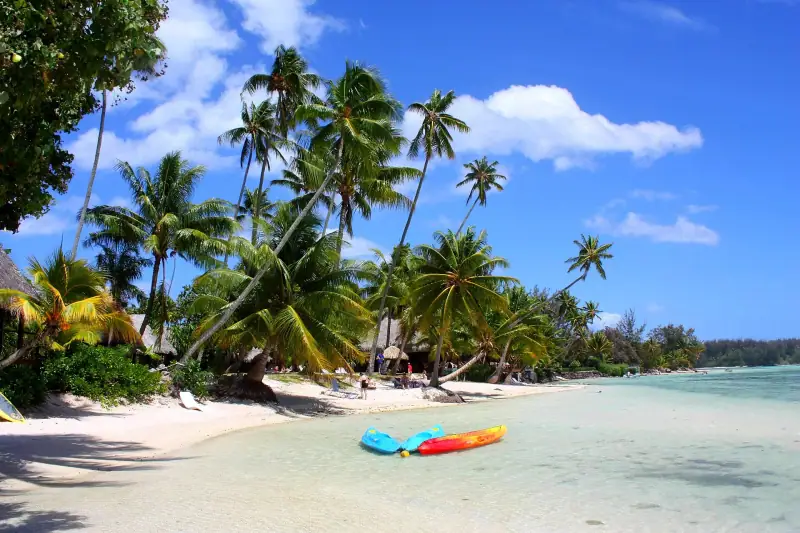
Complete guide to visiting French Polynesia: islands, budget, tips
Visiting French Polynesia: islands not to miss, when to go, getting there, where to stay, budget and itineraries. The pillar guide to plan your trip.
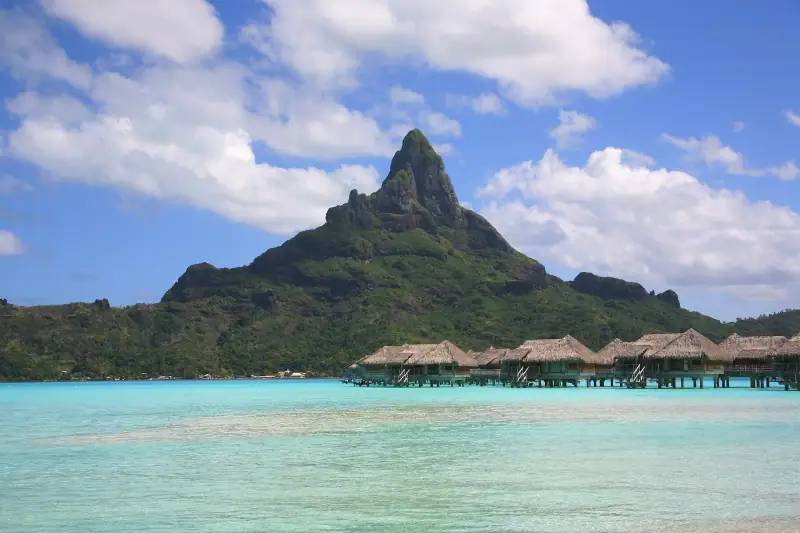
Visiting Bora Bora: a practical guide to planning your stay
Visiting Bora Bora: getting there from Tahiti, best spots, lagoon, Mount Otemanu, beaches, lodging, budget and tips for making the most of the island.
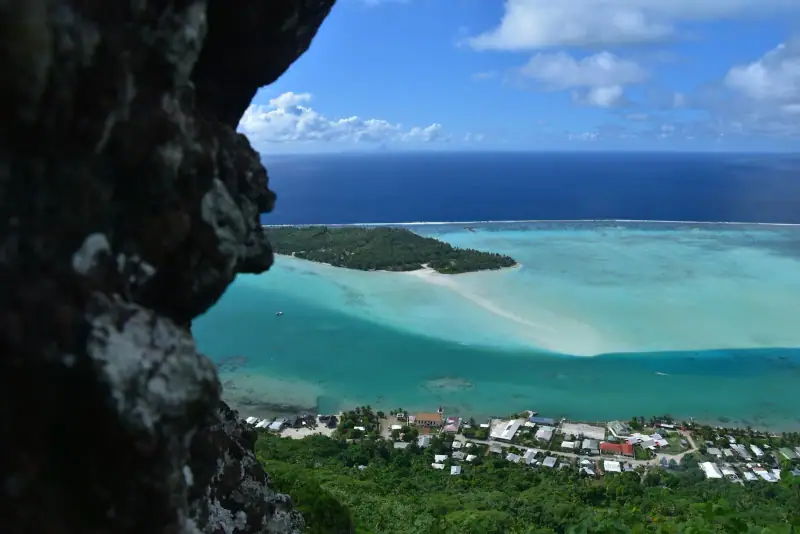
Maupiti: how to get there from Bora Bora by boat or plane
Maupiti from Bora Bora: ferry or plane, duration, a pass sometimes closed by swell, how many nights to plan, what to see on the island and where to stay.
Ready-made
French Polynesia itineraries
8 days
8-day Leeward Islands itinerary: Huahine, Raiatea, Taha'a and Bora Bora
An 8-day Leeward Islands itinerary: Huahine, Raiatea, Taha'a and Bora Bora, with transport, stays, excursions, budget and tips for linking the islands.
7 days
7-day Tuamotu itinerary: Rangiroa, Tikehau and Fakarava
Plan 7 days in the Tuamotu: Rangiroa, Tikehau and Fakarava in family guesthouses, Air Tahiti flights, diving, snorkeling, budget and atoll tips.
10 days
10-day French Polynesia itinerary: Tahiti, Moorea and Bora Bora
TahitiMooreaBora Bora