Things to do
Visiting a pearl farm in French Polynesia: Taha'a, Bora Bora, Rangiroa, free or paid
We may earn a commission when you book through links on this page, at no extra cost to you. We don't visit or try the places we cover: we summarize published sources. How we work
In short
- Taha'a's Champon farm offers a free educational tour every day from 8 am to 4 pm (about one hour). Rangiroa's Gauguin's Pearl lists a paid tour of 1,000 XPF per adult.
- On Bora Bora, you open an oyster yourself and keep the pearl, but only through a paid excursion: ask the price when booking.
- Hours vary and several farms receive visitors only on weekday mornings: call or check before traveling.
- When buying, compare pearls in daylight, ask for the grade (A, B, C, D) and keep the invoice.
Yes, you can visit a pearl farm in French Polynesia, and it is often free: you see how an oyster is grafted, how the pearl forms over the years, then how it is sorted. The most practical addresses are the Champon farm on Taha’a, a farm on Bora Bora on Motu Taufari’i, the one on Huahine, Gauguin’s Pearl on Rangiroa and a small family farm on Fakarava.
In short: for a free educational visit, choose Taha’a (or Rangiroa, at a modest price); to leave with the pearl you extracted from an oyster yourself, choose Bora Bora. Check hours before traveling, as several farms receive visitors only on weekdays or in the morning.
What you see on a pearl farm
The Tahitian pearl is produced by the black-lipped oyster, Pinctada margaritifera. A note from the Institut d’émission d’outre-mer (IEOM) points out that the process is long: about two years between collecting the young oysters and grafting, then at least a year and a half before harvest. The oyster receives a nucleus and a small piece of mantle from a donor oyster, and the pearl forms around that nucleus.
A visit generally follows four steps:
- an explanation of grafting, sometimes in front of the grafter at work;
- a presentation of the lagoon and the lines where the oysters hang;
- the grading of pearls by shape, size, luster and surface;
- the shop, which is most often the reason the visit is free.
Do not expect a museum: depending on the season, the workshop is grafting, harvesting or cleaning. That is precisely what makes the visit lively.
Excursion with a pearl farm in French Polynesia
Lagoon tours, boat trips and excursions that include a pearl farm, bookable online depending on the island.
Pearl farm on Taha’a: the free Champon farm tour
This is the easiest visit to fit into a day on the vanilla island. The Champon farm is at Toamaro Point, in Vaitoare, on the coast of Taha’a. According to the farm itself, the educational tour is free, every day from 8 am to 4 pm, and lasts about an hour, sometimes more. It goes through the “grafting fare” where you watch divers and grafters at work, then through a showroom of jewelry made there. Products are sold tax-free.
Booking: the farm recommends taking a slot, for more peace and quiet. It lists +689 40 65 66 26 and the address [email protected]. A diving treasure hunt is possible by appointment: you choose an oyster on the line and take a pearl out of it, an activity the farm presents as suitable for young children.
Getting there: from Taha’a, by boat excursion or by car, or with a rental vehicle. From Raiatea, by public shuttle from Uturoa to the Vaitoare dock, where the farm says it picks up visitors free of charge. From Bora Bora, you first need to reach Raiatea by plane or boat: our 8-day Leeward Islands itinerary shows how to include it in a full Taha’a day with vanilla and a motu.
Pearl farm on Bora Bora: extract the pearl yourself
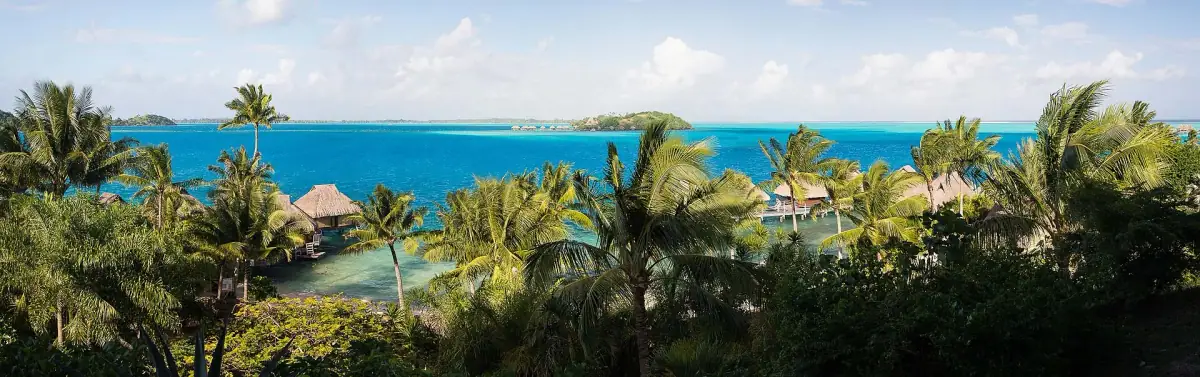
This is the most playful option, on Motu Taufari’i. According to information published on Bora Bora tours, a shuttle leaves from the hotel or the Vaitape dock; you swim with a mask, choose an oyster, open it and keep the pearl. The setting, with Mount Otemanu in the background, is a bonus.
It is also the only option on this list that goes through a paid excursion: ask about the price, duration and departure time when booking, and check whether the trip from your accommodation is included. If you are preparing Bora Bora more broadly, our guide to visiting Bora Bora details transfers and the island’s areas.
Pearl farm on Huahine: an easy stop on the island
The Huahine farm is presented as the island’s only pearl farm, paired with a pottery workshop. The outrigger canoe crossing from the Faie marina is advertised as free. Hours are approximate, about 10 am to 4 pm, and may shift with the season, so call before going if you are counting on it.
It is a good choice if you are already on Huahine for an island loop and want to understand pearl farming without leaving the island.
Pearl farm on Rangiroa and Fakarava: the Tuamotu
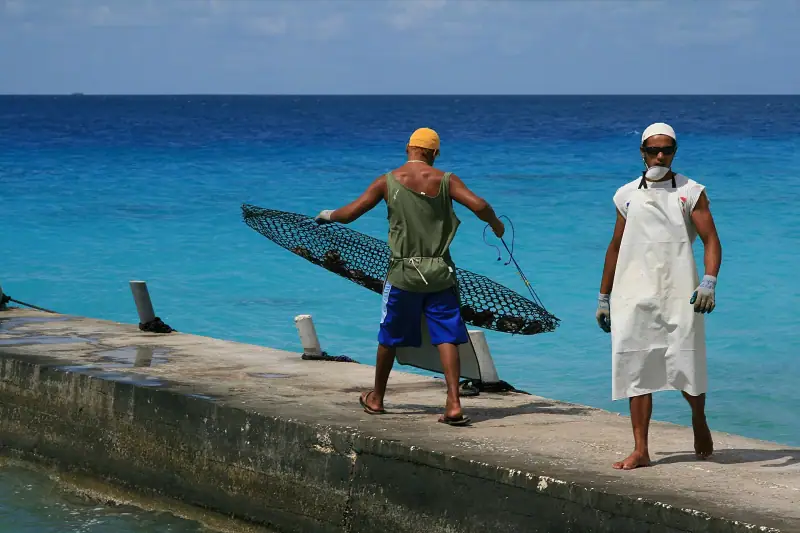
On Rangiroa, the Gauguin’s Pearl farm is about 800 m (0.5 mi) east of Avatoru airport, on the lagoon side. Tours last about 30 to 40 minutes and take place Monday to Friday at 9:30 am and 2 pm; the official site lists a price of 1,000 XPF per adult and 500 XPF per child under 12, while Lonely Planet reports a free visit and other hours. Check before coming. The shop is open Monday to Friday from 9 am to noon and from 1 pm to 4 pm. Note that there is no guided tour on weekends.
On Fakarava, the Havaiki farm is a small family operation. A visit is reported around 9 am, Monday to Friday, at the end of the lodge’s jetty, with the option to buy there; to be confirmed with the lodge. The slot is early: schedule it before a dive or snorkeling outing. For the rest of your stay on these atolls, our guide to diving in Rangiroa and Fakarava explains how to organize the passes and outings.
Find lodging on Taha'a, Raiatea or Rangiroa
Compare family guesthouses, bungalows and hotels near the pearl farms, with free cancellation on most offers.
How to choose for your profile
- Couple, one visit only: Bora Bora, for the experience and the pearl you extract yourself.
- With children: Taha’a, where the farm presents its treasure hunt as suitable for young children, or Bora Bora if the excursion suits their age.
- Small budget: a free visit on Taha’a, Huahine or Fakarava (Rangiroa is 1,000 XPF according to the official site); you are not obliged to buy anything.
- Curious about the technique: Taha’a or Rangiroa, where you see grafting and sorting.
- Short on time: the one on your route, without a half-day detour.
Buying a Tahitian pearl without mistakes
Farms are also shops, and it helps to know what to look at. According to the IEOM note, French Polynesian pearls generally measure 8 to 18 mm (about 0.3 to 0.7 in), with a regulated minimum nacre layer. The official grading distinguishes “top gem”, categories A, B, C, D (in decreasing order of luster and increasing imperfections), and rejects, banned from sale. Keep four criteria in mind:
- luster, the shine of the surface, which should be deep and not dull;
- surface, which may carry small marks without spoiling the whole;
- shape: the round pearl is the rarest, semi-round, drop and baroque shapes are more accessible and often very beautiful;
- color and orient: the more intense and nuanced the reflections, the more alive the pearl looks.
Always compare in daylight, ask for the pearl’s grade and keep the invoice. Also plan how you will pay: see our article on the Pacific franc and cards to know whether the shop will accept your card, as this varies by island.
Practical tips before you go
- Call if you depend on a boat or shuttle: hours vary by season and day of the week.
- Prefer mornings: several visits take place early, and the heat rises fast on the lagoon.
- Bring sunscreen, a hat, a swimsuit if you plan to swim, and a small waterproof bag.
- Do not feel obliged to buy: the visit is above all a moment of information.
- Combine with a nearby activity: vanilla on Taha’a, island loop on Huahine, snorkeling on Fakarava.
- Do not confuse a real farm with a simple shop stop on a tour: ask whether the visit really includes the grafting workshop.
Quick table of farms
| Island | Farm | Visit | Booking |
|---|---|---|---|
| Taha’a | Champon | Free, 8 am-4 pm, about 1 h | Advised, by phone or e-mail |
| Bora Bora | Motu Taufari’i | Excursion, extract the pearl | Through an excursion |
| Huahine | Pearl farm and pottery | Free outrigger crossing, about 10 am-4 pm | Call before |
| Rangiroa | Gauguin’s Pearl | Paid (1,000 XPF), Mon-Fri at 9:30 am and 2 pm | Fixed times, to be checked |
| Fakarava | Havaiki | Free, Mon-Fri around 9 am | In person, to be confirmed |
Sources
Frequently asked questions
Is visiting a pearl farm paid?
It depends on the farm. On Taha'a, the Champon farm offers a free educational tour every day from 8 am to 4 pm. On Huahine and Fakarava, the farms described in this article advertise a visit at no charge, the shop being their source of income. On Rangiroa, Gauguin's Pearl lists a paid tour (1,000 XPF per adult, 500 XPF per child under 12), while other sources describe it as free: check before coming. On Bora Bora, the experience of opening an oyster yourself is generally booked through a paid excursion: ask the price when booking.
Do you need to book in advance?
For a simple visit, it is not always required, but it is advisable: the Champon farm recommends booking a slot for more peace and quiet, and the Rangiroa tours have fixed weekday times. The diving treasure hunt (choosing an oyster and taking a pearl out of it) is by appointment.
How long does the visit last?
Allow about an hour on Taha'a, sometimes more, and about 40 minutes on Rangiroa. Allow more if you add a swim, a lunch or the boat trip from Raiatea or Bora Bora.
Which farm should you choose if you can only do one?
If you want to try it yourself, Bora Bora: you leave with the pearl you extracted. If you want to understand the trade and see the grafter at work, Taha'a (Champon) or Rangiroa. If you are already on Huahine or Fakarava, the island's farm is plenty.
How do you avoid being fooled when buying a pearl?
Buy from a recognized farm or shop, compare several pearls in daylight, ask for the grade (classes A, B, C, D) and keep the invoice. A Tahitian pearl shows a play of colors, not a uniform color: be wary of overly regular pearls sold at a rock-bottom price.
Are Tahitian black pearls really black?
Rarely. People say "black pearl" out of habit, but the palette runs from silvery gray to peacock green, via aubergine, with copper, pink or gold reflections. It is this play of reflections, the orient, that gives a pearl its value.
More French Polynesia guides
Keep reading

Hiking on Tahiti and Moorea: belvedere, waterfalls and top trails
The best hikes on Tahiti and Moorea: Three Coconuts Pass, Opunohu belvedere, Fautaua Valley, Mount Aorai. Levels, tips, guides and safety.
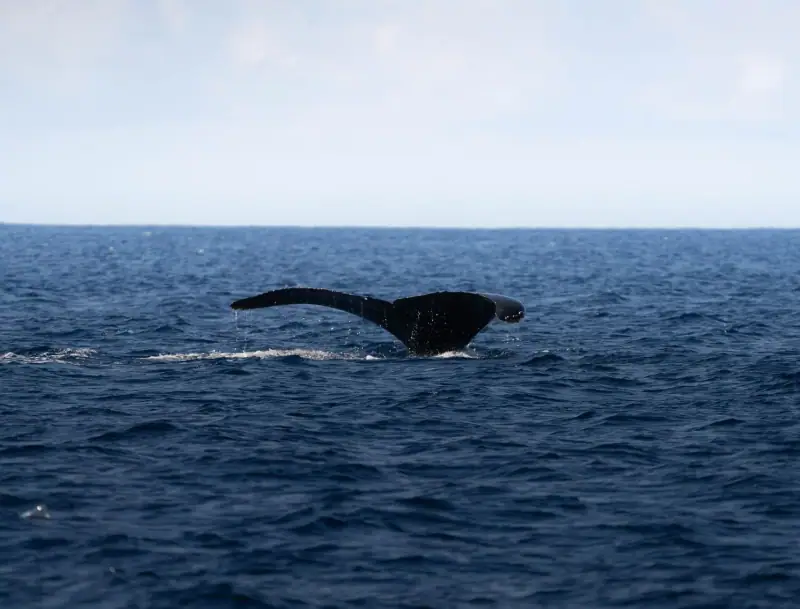
Watching humpback whales on Moorea and Tahiti: season, outings and tips
When and where to see humpback whales on Moorea and Tahiti: July to November season, choosing an outing, supervised in-water encounters, budget and rules.
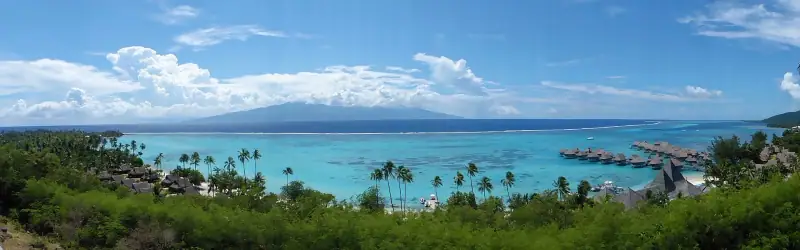
French Polynesia travel budget: how much to plan for your trip
What budget for a trip to French Polynesia? Flights, accommodation, meals, inter-island transport and activities: tips for keeping spending under control.
Ready-made
French Polynesia itineraries
8 days
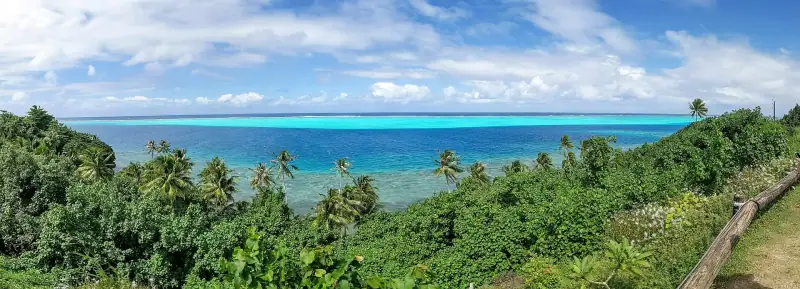
8-day Leeward Islands itinerary: Huahine, Raiatea, Taha'a and Bora Bora
An 8-day Leeward Islands itinerary: Huahine, Raiatea, Taha'a and Bora Bora, with transport, stays, excursions, budget and tips for linking the islands.
7 days
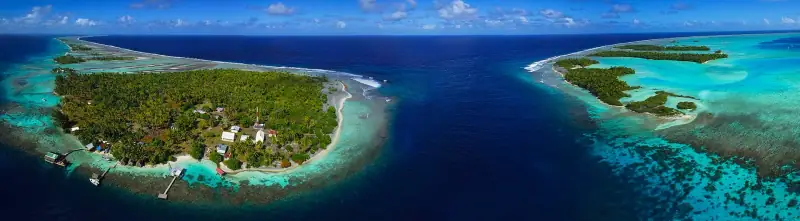
7-day Tuamotu itinerary: Rangiroa, Tikehau and Fakarava
Plan 7 days in the Tuamotu: Rangiroa, Tikehau and Fakarava in family guesthouses, Air Tahiti flights, diving, snorkeling, budget and atoll tips.
10 days
10-day French Polynesia itinerary: Tahiti, Moorea and Bora Bora
TahitiMooreaBora Bora