Itineraries
Egypt 10-day itinerary: Cairo, Luxor, Aswan and a Nile cruise
We may earn a commission when you book through links on this page, at no extra cost to you. We don't visit or try the places we cover: we summarize published sources. How we work
Day by day
- Days 1-3Cairo and Giza: pyramids, museum, Islamic Cairo
- Day 4Flight to Luxor, east bank: Luxor Temple and Karnak
- Day 5Luxor west bank, Valley of the Kings, then boarding
- Days 6-7Nile cruise with Edfu and Kom Ombo
- Days 8-9Aswan, Philae, High Dam and Abu Simbel
- Day 10Return to Cairo or departure from Aswan
In short
- The route runs north to south: Cairo (days 1-3), Luxor (days 4-5), a Nile cruise with Edfu and Kom Ombo (days 6-7), Aswan, Philae and Abu Simbel (days 8-9), then departure.
- Fly from Cairo to Luxor (about one hour) to save time; the night train costs most travelers half a day of sightseeing.
- Renting a car is not recommended: drivers, transfers, domestic flights and the cruise boat cover the distances.
- October to April is the most bearable season, especially in the south where summer is very hot.
Ten days in Egypt is a good length for a first discovery: long enough to see the major sites without rushing, short enough to stay reasonable on budget. The itinerary below follows a logical thread, from north to south, going up the Nile: Cairo, Luxor, the cruise to Aswan, then Abu Simbel.
We have deliberately avoided overly precise travel times: they vary with traffic, schedules and the mode of transport you choose. Check them when you book.
The 10 days at a glance
Here is the structure of the itinerary:
- Days 1 to 3: Cairo and Giza (pyramids, museum, Islamic Cairo)
- Day 4: flight to Luxor and a first look at the east bank
- Day 5: Luxor west bank (Valley of the Kings), then boarding
- Days 6 to 7: Nile cruise with Edfu and Kom Ombo
- Days 8 to 9: Aswan, Philae and Abu Simbel
- Day 10: return to Cairo or departure from Aswan
The order can be reversed (Aswan first, then down the Nile to Luxor), which lets you end the trip with Karnak, very striking at night as well as by day. The direction of the cruise depends mostly on boat availability and flights.
Days 1 to 3: Cairo and the Giza pyramids
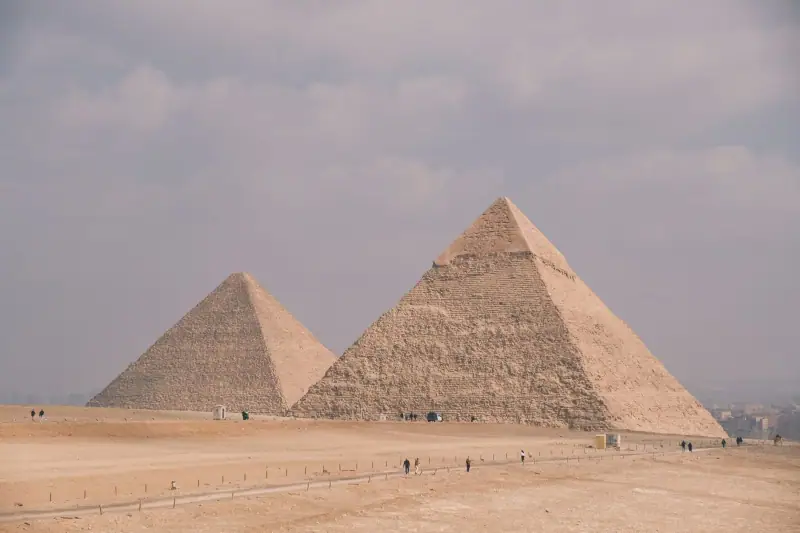
Cairo is a dense, noisy and fascinating gateway. Allow three days so you do not rush from site to site.
Day 1: arrival and pyramids. If your flight arrives early, use the afternoon to reach the Giza plateau. The pyramids and the Sphinx are best visited at opening time, before the heat and the groups. Our guide to the Giza pyramids and the Sphinx details the visit.
Day 2: museum and downtown. Devote the morning to the museum of ancient Egypt, then stroll downtown and along the Nile. The collections of pharaonic objects give meaning to the temples you will see later in the south.
Day 3: Islamic Cairo. Spend the day in the lanes of the historic districts, among mosques, madrasas and markets. Our article on Islamic Cairo and Khan el-Khalili helps you organize the day.
To choose a neighborhood, our guide on where to stay in Cairo compares Giza, Zamalek and downtown.
Hotels in Cairo for your first three nights
Compare hotels in Cairo and Giza by location, reviews and free cancellation.
Day 4: flight to Luxor and the east bank
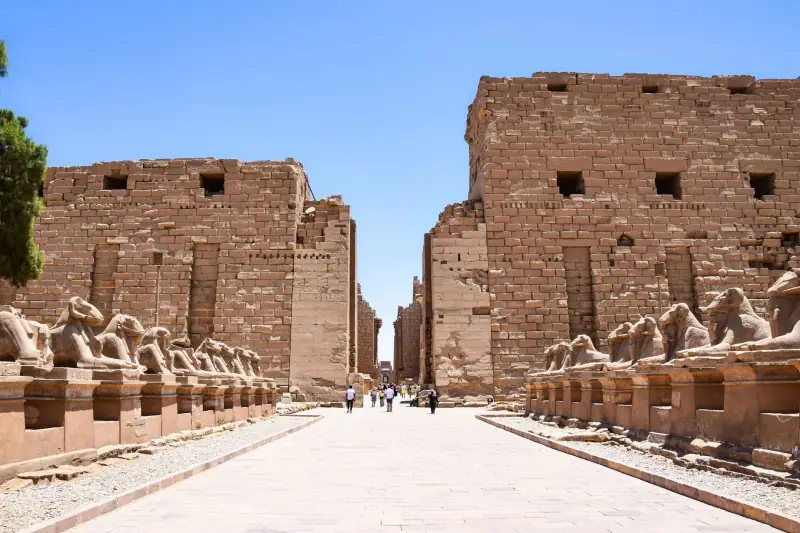
The simplest way is a domestic flight from Cairo to Luxor, of about an hour. The night train is an alternative for travelers with time, but it is less comfortable and slower.
Once there, start with the east bank, where the modern city lies. Luxor Temple is best admired at the end of the day, when the light softens and the monument is lit up. Karnak Temple, an immense religious complex, takes half a day on its own. For details, see our guide to Luxor, Karnak and the Valley of the Kings.
Compare flights to Egypt
Find a flight to Cairo or Luxor, and compare times and prices for your dates.
Day 5: Luxor’s west bank and boarding
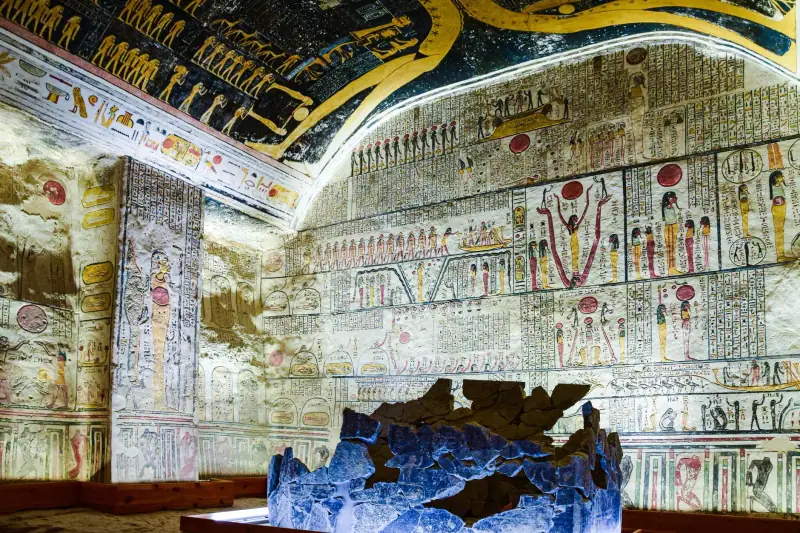
The west bank is the realm of the dead: this is where you find the Valley of the Kings, the Valley of the Queens and several funerary temples. Leave early in the morning, because the heat climbs fast on these very exposed sites. Several tombs can be visited with one ticket, and some require a supplement: ask at the ticket office which ones are open.
At the end of the day, join your boat. A cruise of a few nights between Luxor and Aswan is the most pleasant way to go up the river, since the temples of Edfu and Kom Ombo are served by the stops. Our article on the Nile cruise between Luxor and Aswan compares the options.
Nile cruises and excursions
Discover Nile cruises and excursions in Luxor: guided tours, feluccas and west bank sites.
Days 6 and 7: cruise with Edfu and Kom Ombo
Over these two days, the pace slows. The boat sails between banks lined with palm trees and farmland, with a few stops for visits.
Edfu has the Temple of Horus, one of the best preserved in Egypt. Kom Ombo is an unusual temple, dedicated to two deities, whose riverside setting is especially beautiful at sunset. Between stops, enjoy the upper deck: it is often the best moment of the trip to catch your breath after Cairo.
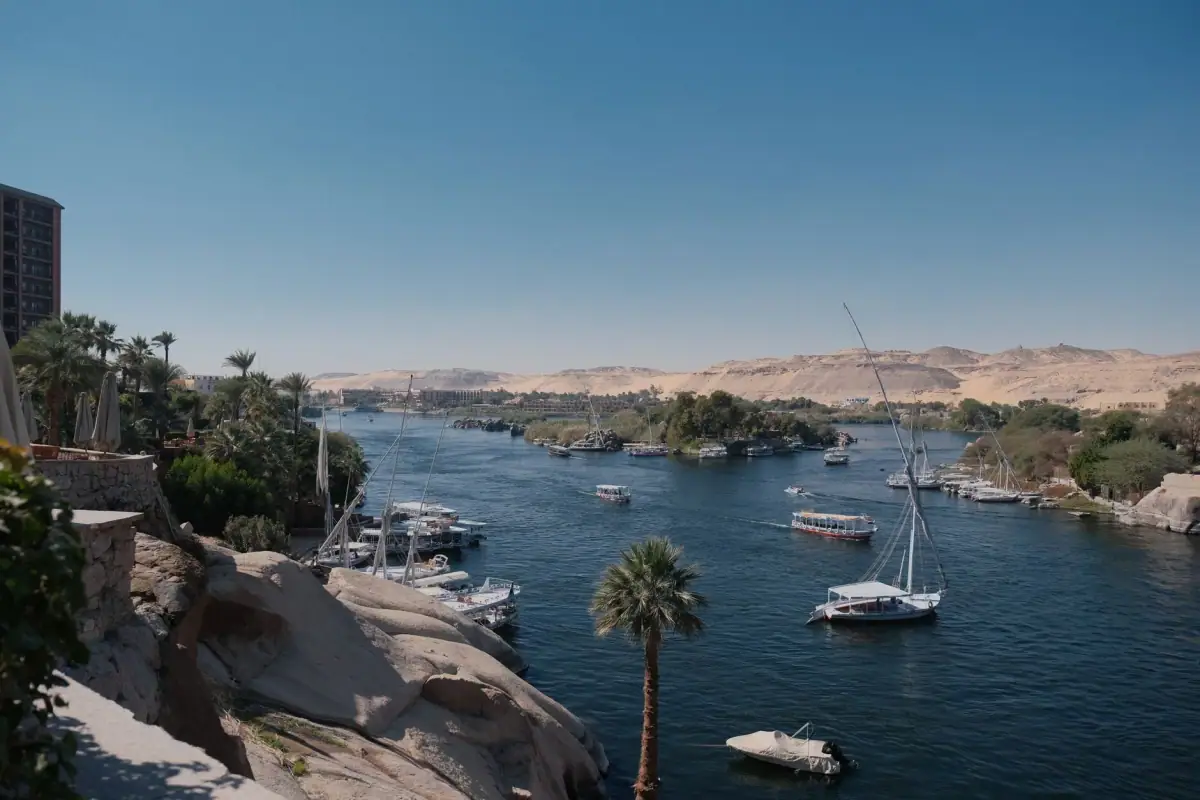
A ride on a felucca, the traditional Nile sailboat, is another way to feel the river, especially around Aswan.
Days 8 and 9: Aswan, Philae and Abu Simbel
Aswan is calmer than Luxor and Cairo, with a strong Nubian feel. On the program:
- Philae Temple, set on an island and reached by boat
- The High Dam and its views over Lake Nasser
- A felucca ride around the Nile islands
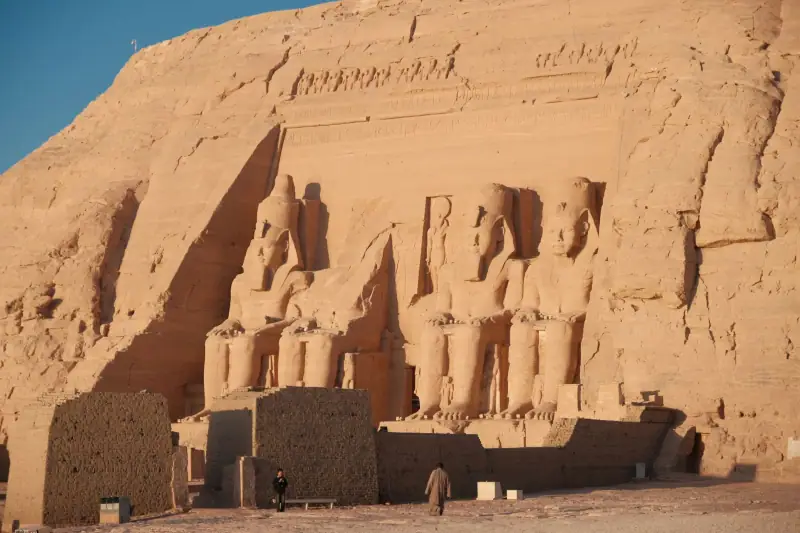
The day at Abu Simbel needs to be prepared in advance: the temples of Ramses II lie south of Aswan, several hours by road, and departure is often very early in the morning. The effort is worth it: the monumental facade and its colossal statues are among the finest images of the trip. To learn more, read our guide to Aswan, Philae and Abu Simbel.
Abu Simbel excursion from Aswan
Book a guided excursion to Abu Simbel and Philae with transport from Aswan.
Day 10: return and departure
From Aswan, a domestic flight takes you back to Cairo for your international flight. Allow a comfortable margin of several hours between landing and takeoff, because delays are frequent on domestic flights. If your return flight leaves directly from Aswan or Luxor, you will save time.
Use the morning for a last breakfast by the Nile, some craft shopping or a final walk before heading to the airport. Keep some margin too for security checks, sometimes lengthy in Egyptian airports, and remember to settle the last tips before leaving.
Practical tips for these 10 days
- Season: from October to April, temperatures are milder. Details in our guide on when to visit Egypt.
- Transport: no car rental; favor domestic flights, private drivers and the boat.
- Clothing: light clothes that cover the body, a hat, sunscreen and comfortable shoes for the sites.
- Tickets: major sites have their own entry ticket; carry local currency for small expenses.
- Entry requirements: entry rules depend on your passport. Check the official travel advice of your government before you book: travel.state.gov (US), GOV.UK (UK), travel.gc.ca (Canada), Smartraveller (Australia) (checked November 2026).
- More time? Add a few days of relaxation on the Red Sea, with our guide to diving in Hurghada and Marsa Alam.
What about the food?
Between visits, try the country’s specialties: koshari, ful, Egyptian falafel and flatbreads. Our guide to Egyptian cuisine lists the dishes worth trying.
In cities and on the boat, favor places frequented by locals and dishes served hot. In Cairo as in Luxor, a simple meal in a small local restaurant is often one of the best memories of a trip, and it turns out to be very affordable compared with hotel restaurants.
Frequently asked questions
Is 10 days enough to see Egypt?
Ten days let you see the essentials of pharaonic Egypt: Cairo and the pyramids, Luxor, a Nile cruise and Aswan. You will have to make choices: the Red Sea, Alexandria or the desert oases need more time.
Should you fly between Cairo and Luxor?
It is the most practical option to save time: the domestic flight takes about an hour. A night train also exists, but it costs most travelers half a day of sightseeing.
Should you rent a car for this itinerary?
It is not recommended. Driving in Cairo is difficult, and trips between sites are easy with a driver, organized transfers, domestic flights or the cruise boat.
What is the best season for this itinerary?
From October to April, temperatures are more bearable, especially in the south where summer is very hot. See our guide on the best time to visit Egypt to compare the seasons.
Is Abu Simbel essential?
The Abu Simbel temples are among the most impressive sites in the country, but they take a long day from Aswan, often with a very early start. If your time is short, Philae and the High Dam may be enough.
More Egypt guides
Keep reading
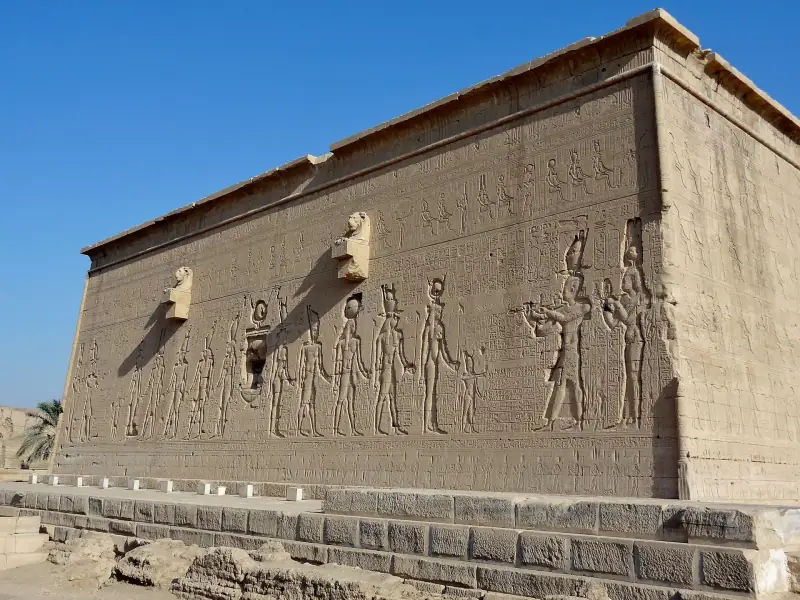
Dendera from Luxor: is the Temple of Hathor worth the detour?
Dendera Temple from Luxor: distance, how to get there, hours, official prices, visit length and what you see (astronomical ceiling, roof, crypts).
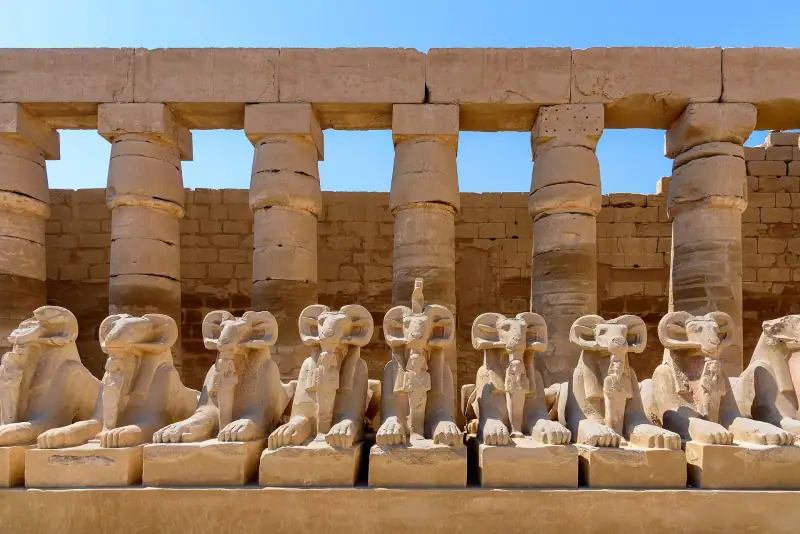
Visiting Luxor: Karnak, the Valley of the Kings and the temples of ancient Thebes
What to see in Luxor? Karnak, Luxor Temple, the Valley of the Kings, Hatshepsut: organizing the two banks, visit length and practical tips.

Where to stay in Luxor: east bank or west bank, neighborhoods and tips
Where to stay in Luxor? The lively east bank near Karnak or the quieter west bank near the Valley of the Kings: areas compared, with booking tips.
Ready-made
Egypt itineraries
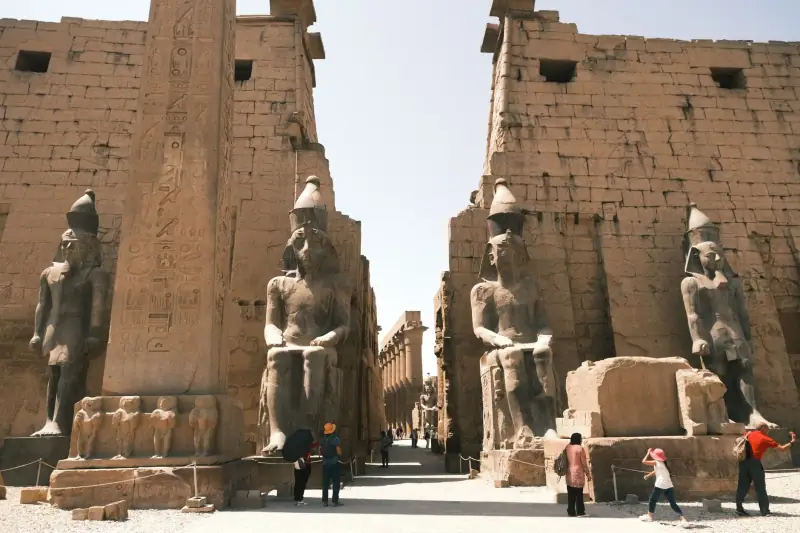
4 days
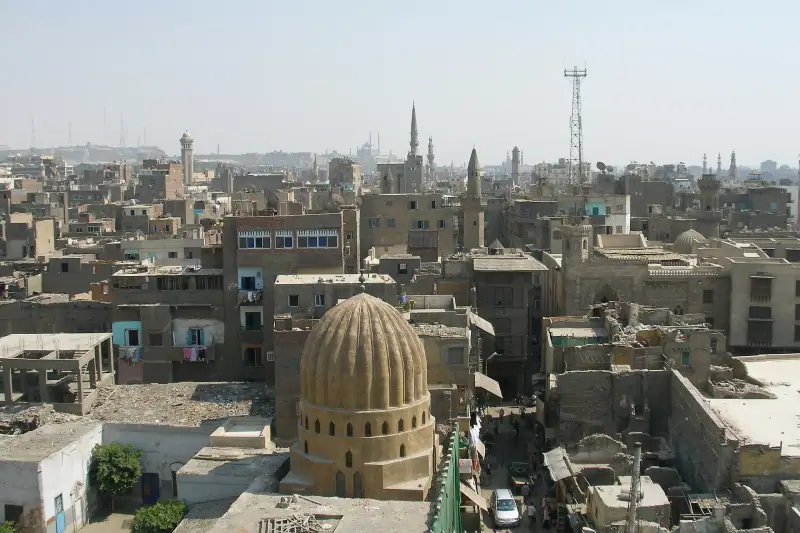
3 days
3 days in Cairo: a day-by-day itinerary from the pyramids to Islamic Cairo
What to do in 3 days in Cairo? Giza pyramids, museums, Coptic and Islamic Cairo, Saqqara: a realistic day-by-day itinerary with practical tips.
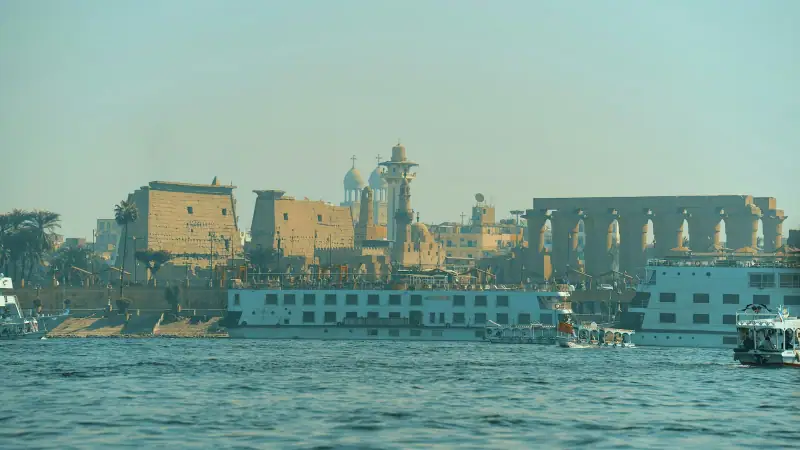
7 days
Egypt 7-day itinerary: Cairo, Luxor and Aswan in one week
CairoLuxorAswan