Things to do
Diving and snorkeling in the Red Sea: Hurghada or Marsa Alam?
We may earn a commission when you book through links on this page, at no extra cost to you. We don't visit or try the places we cover: we summarize published sources. How we work
In short
- Hurghada offers more hotels, flights and boat excursions; Marsa Alam is calmer, with reefs close to shore and possible encounters with turtles, dugongs and dolphins.
- The Red Sea can be visited all year: spring and autumn balance pleasant water and bearable heat; in winter the water is cooler and a wetsuit helps.
- Beginners can snorkel or take an introductory dive with an instructor, no certification needed; independent dives require a recognized certification.
- Never walk on or touch coral, and do not take shells or corals home: collecting them is forbidden.
After the temples and pyramids, many travelers end their Egyptian stay with their feet in the water. The Red Sea is one of the most renowned diving destinations on the planet: warm water, good visibility, colorful coral reefs and abundant marine life. But should you choose Hurghada, the most developed seaside resort, or Marsa Alam, farther south and wilder?
This guide compares the two destinations, presents activities accessible to beginners and experienced divers alike and gives concrete tips for organizing your outings. We have deliberately not named any dive center or hotel: providers change quickly, and it is better to check recent reviews at the time of booking.
Why the Red Sea appeals so much to divers
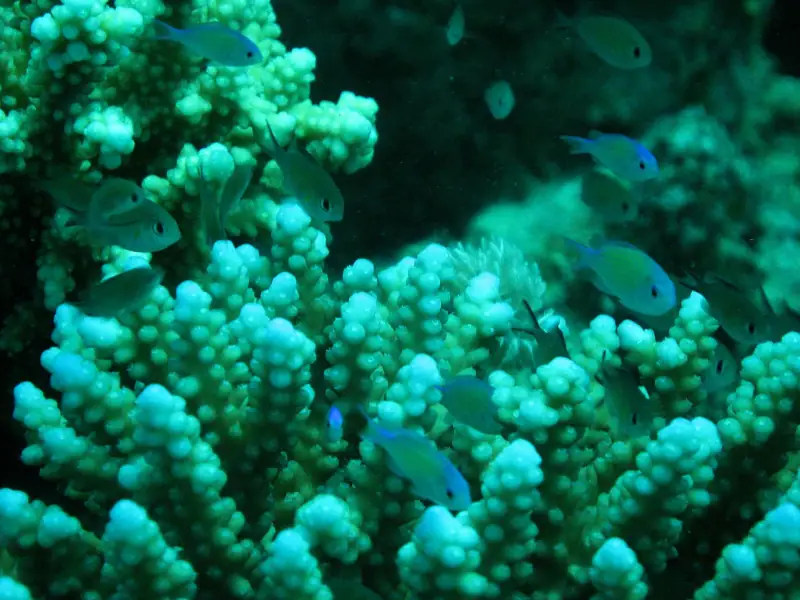
The Red Sea borders the eastern coast of Egypt, between the Arabian Desert and the Sinai peninsula. Its waters are warm much of the year, and its fringing reefs are often close to the shore. You do not need to go very far by boat to see coral and fish.
Several assets explain its success:
- Good visibility at many sites, with generally clear water.
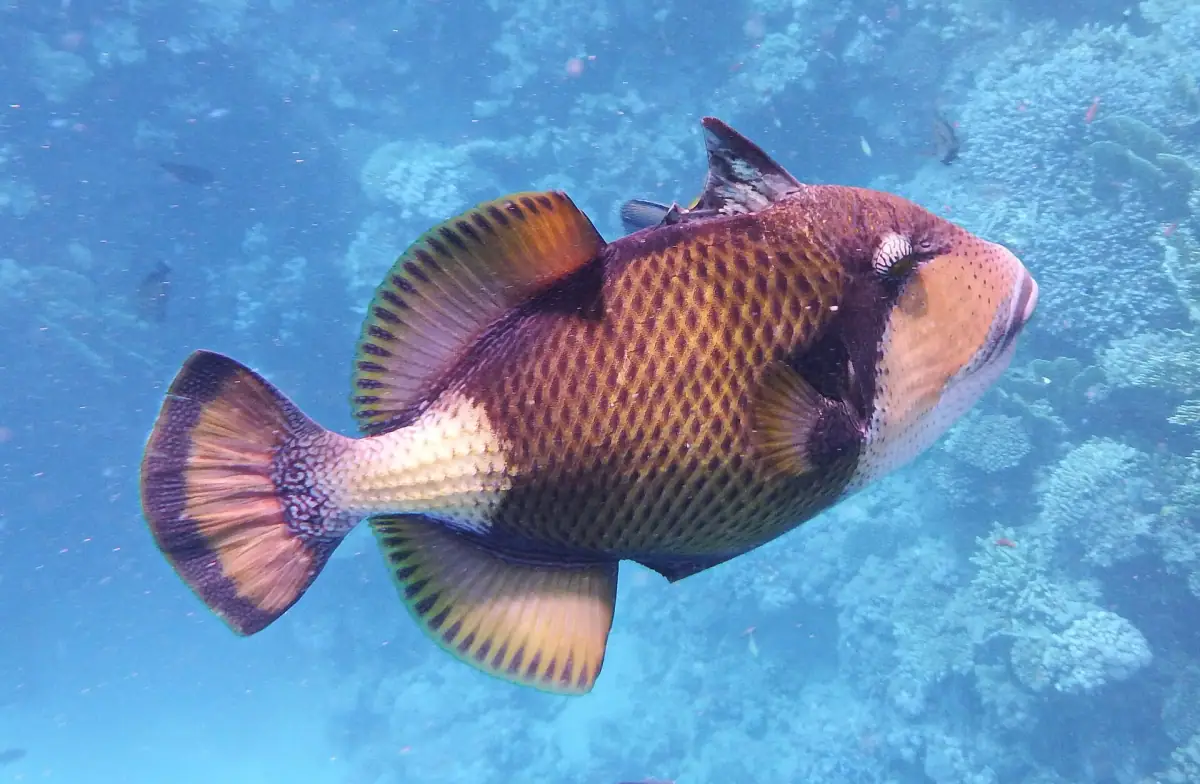
- Rich biodiversity: clownfish, butterflyfish, moray eels, rays, turtles and, depending on the area, dolphins.
- Varied profiles: shallow reefs for snorkeling, drop-offs for scuba, wrecks for underwater history fans.
- Easy access, with airports on the coast.
It is also a very affordable destination for diving, even if prices vary with the season and the level of service.
Hurghada: the most complete resort
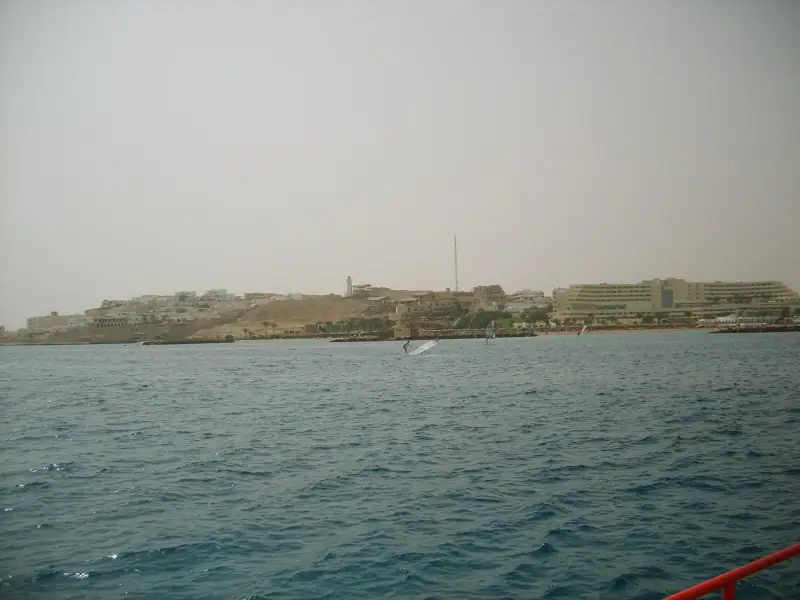
Hurghada is the great seaside base of the Egyptian Red Sea. The city stretches along the coast for many kilometers, with club hotels, marinas, dive centers and restaurants. It is the simplest choice for a first stay, a family or a group with different wishes.
What you do there
- Day boat trips to islets and offshore reefs, with one or two snorkeling stops.
- Scuba diving for all levels, from the introductory dive to drop-off dives.
- Desert excursions by quad or buggy, often combined with a Bedouin dinner in the evening.
- Water activities: kitesurfing, windsurfing, paddle, depending on the wind.
Who it suits
Hurghada pleases travelers who want wide choice: accommodation of all ranges, entertainment, frequent flights and many excursions. On the other hand, some areas are very built up and busy. If you are looking for calm, favor a hotel away from the center and ask about direct access to the beach and the reef.
Hotels in Hurghada
Compare seafront hotels, their reef access and recent reviews before booking.
Marsa Alam: the wilder south
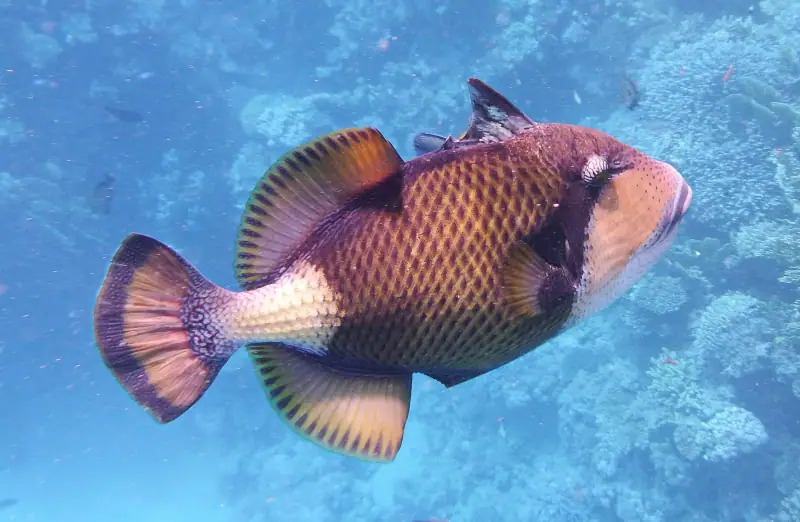
Marsa Alam lies much farther south, on a less developed coast. The atmosphere is that of isolated resorts beside lagoons and preserved reefs. It is the preferred destination of those who want to spend most of their time in the water, without noise or traffic.
Reefs close to shore
In the Marsa Alam area, several hotels and beaches give access to reefs you reach in a few fin strokes. For families who want to snorkel without taking a boat, this is a real advantage.
Marine encounters
The region is known for the chance to see sea turtles and, in some bays, dugongs. Dolphins are also regularly seen offshore. These are wild animals, though: no encounter is guaranteed, and you must respect the rules (do not touch, do not chase, keep your distance).
Who it suits
Marsa Alam is for nature lovers, divers and couples seeking tranquility. The offer of restaurants and outings outside the hotel is more limited than in Hurghada, and trips from the airport can be long depending on the hotel’s location: check the transfer time before booking.
Snorkeling: the right habits
Snorkeling is the simplest way to discover the underwater world. It needs no certification or complex equipment, but a few precautions are in order.
- Learn to use your mask and snorkel in a calm area before heading offshore.
- Wear a UV top (lycra): the sun is powerful even in cloudy weather, and the back burns quickly at the surface.
- Never walk on coral: it is alive, fragile, and some species can cut or sting. Enter and leave the water by the designated passages (jetties, sandy areas).
- Use reef-friendly sunscreen, or prefer a covering garment.
- Watch the currents, especially near the channels between two reefs. Stay near the boat or the group.
- Do not feed the fish and do not touch marine animals.
For children, favor a well-fitted flotation vest and sheltered sites, with an adult in the water at all times.
Snorkeling and diving trips in Hurghada
Compare boat excursions, introductory dives and traveler reviews before choosing your outing.
Scuba diving: levels and options
Scuba diving is open at several levels, and Egyptian centers are used to welcoming beginners.
The introductory dive
This is a first immersion supervised by an instructor, after a short explanation of theory and signals. The depth stays shallow and you are accompanied at all times. No certification is needed, but a medical questionnaire is generally requested.
Getting your first certification level
If you stay a week, you can consider an introductory course, followed by exploration dives. Check that the center is affiliated with a recognized federation and ask about the instructor/student ratio.
Experienced divers
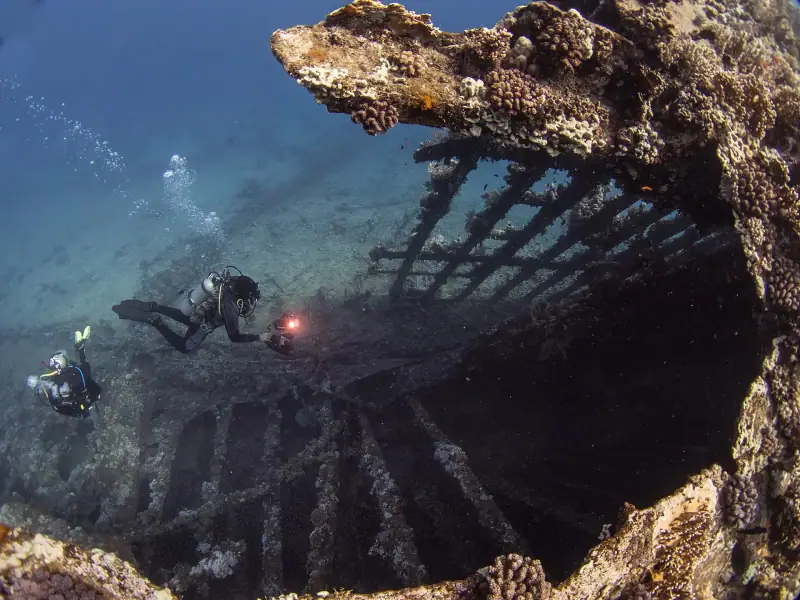
For certified divers, the Red Sea offers drop-offs, coral plateaus and several famous wrecks. Multi-day boat trips (dive cruises) give access to more distant sites. Bring your logbook and your certification, and check your insurance coverage for diving.
Our tip: do not plan a flight in the hours after your last dive. Diving organizations recommend an interval before flying: ask your center.
When to go to the Red Sea
The Red Sea is a year-round destination, but the experience varies by season.
- Spring (March to May): the water warms and the heat generally remains bearable. A popular period.
- Summer (June to September): the heat is strong on land, the water is very warm and visibility often good. Outings are done rather early in the morning.
- Autumn (October and November): water still warm and milder temperatures, popular with divers.
- Winter (December to February): the air can be cool, especially in the evening, and the water is cooler. A wetsuit is recommended, and the wind can limit some outings.
For an overview of the country by season, see our guide when to visit Egypt.
Combining the Red Sea, the Nile and Cairo
Many travelers combine the Red Sea with a cultural circuit. A frequent formula is to visit Cairo and the pyramids, then Luxor and Aswan, before ending with a few days of relaxation by the sea.
- For the pyramids, see our guide visiting the Giza pyramids and the Sphinx.
- For the Nile, read our article on the Nile cruise between Luxor and Aswan.
Links between the Nile valley and the Red Sea coast are made by road or by air, depending on your calendar and budget. Transfer times are long: plan a travel day rather than a simple morning.
Flights to Egypt
Compare flights to Hurghada, Marsa Alam or Cairo by your dates and itinerary.
Preparing your stay: practical tips
Respecting the reef
Coral takes years to form and is destroyed in an instant. Do not touch it, do not pick it up and do not bring back shells or corals: collecting them is forbidden. Do not throw anything into the water.
Health and safety
- Bring sun protection, a hat and water.
- Check that your travel insurance covers water activities and, if applicable, diving.
- Check the official travel advice of your government and the entry requirements in force before departure: travel.state.gov (US), GOV.UK (UK), travel.gc.ca (Canada), Smartraveller (Australia) (checked November 2026).
- If you have heart, breathing or ear problems, ask your doctor or a travel clinic before diving, and see the official travel health pages (CDC in the US, TravelHealthPro in the UK).
Choosing your provider
- Read recent reviews and compare several offers.
- Ask about group sizes and the equipment provided.
- Check the precise program: time spent in the water, meals, transfers from the hotel.
- Prefer operators who clearly explain safety rules and reef protection.
What to put in your bag
A personal, well-fitted mask and snorkel are often more comfortable than rental equipment. Add water shoes, a lycra top, a quick-dry towel and a waterproof bag for phones and papers.
Our take: Hurghada or Marsa Alam?
Choose Hurghada if you want choice, frequent flights, varied activities and accommodation for all budgets. Choose Marsa Alam if your priority is calm, reefs close to shore and nature. In both cases, book your outings according to your level and keep flexibility in your schedule: weather and wind can change programs.
The Red Sea is an excellent complement to a trip to Egypt: after the dust of the temples, a day beside a reef is a pause that many travelers remember as a highlight of their stay.
Frequently asked questions
Do you need to know how to swim to snorkel in the Red Sea?
Yes, you need to be comfortable in the water. A flotation vest is generally offered by operators, and many reefs can be reached directly from a jetty, which reassures beginners.
Can you dive without being certified?
Yes, most centers offer an introductory dive supervised by an instructor, with a short briefing beforehand. For independent dives, you need to show a recognized certification (PADI, CMAS, SSI...).
Hurghada or Marsa Alam for a first stay?
Hurghada offers more choice of hotels, flights and boat excursions. Marsa Alam is calmer and known for its reefs close to shore and possible encounters with turtles, dugongs and dolphins.
What is the best period for the Red Sea?
The Red Sea can be enjoyed all year. Spring and autumn are often favored for their balance between pleasant water and bearable heat. In winter, the water is cooler and a shorty or full wetsuit is useful.
Can you combine the Red Sea and a Nile cruise?
Yes, it is a common formula: a few days of visits in Luxor or Aswan, then a beach stay. Plan a land transfer or a domestic flight depending on your starting point.
More Egypt guides
Keep reading
Things to do in Hurghada besides diving: islands, desert, kitesurfing and more
What to do in Hurghada without diving? Giftun Islands, snorkeling, desert safari, kitesurfing, submarine, old town and a Luxor excursion: the full guide.
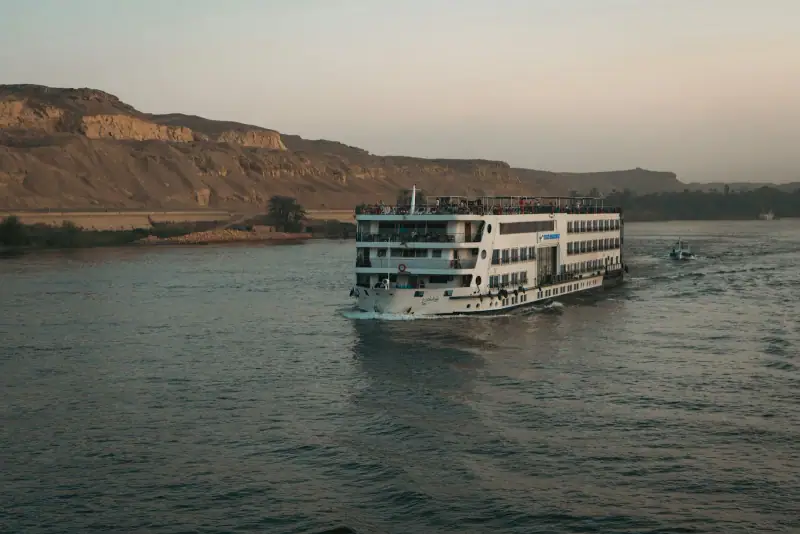
Nile cruise from Luxor to Aswan: stops, length and tips
Nile cruise between Luxor and Aswan: stops at Esna, Edfu and Kom Ombo, length, direction, choosing the boat and tips for a successful trip.
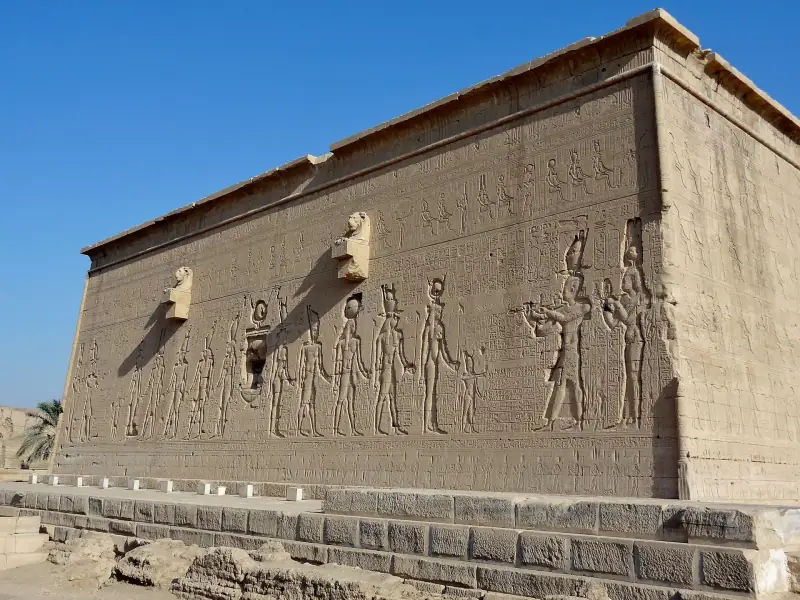
Dendera from Luxor: is the Temple of Hathor worth the detour?
Dendera Temple from Luxor: distance, how to get there, hours, official prices, visit length and what you see (astronomical ceiling, roof, crypts).
Ready-made
Egypt itineraries
4 days
3 days
3 days in Cairo: a day-by-day itinerary from the pyramids to Islamic Cairo
What to do in 3 days in Cairo? Giza pyramids, museums, Coptic and Islamic Cairo, Saqqara: a realistic day-by-day itinerary with practical tips.
7 days
Egypt 7-day itinerary: Cairo, Luxor and Aswan in one week
CairoLuxorAswan