Plan your trip
When to visit Egypt: weather, seasons and the best time by region
We may earn a commission when you book through links on this page, at no extra cost to you. We don't visit or try the places we cover: we summarize published sources. How we work
In short
- The best period runs from mid-October to the end of March; November and February-March balance weather, prices and crowds.
- From June to September, Luxor and Aswan frequently exceed 40 °C (104 °F) in the daytime; summer suits the Red Sea better.
- Late December to early January is peak season, with the highest prices and busiest sites.
- Ramadan shifts by about eleven days each year: sites stay open but some restaurants close by day and hours may change.
Egypt is a country of contrasts, including in the weather. On the same day, you can shiver at the top of Mount Sinai before sunrise, swelter in front of the columns of Karnak and swim in a mild Red Sea. Knowing when to go to Egypt is therefore not just a matter of choosing a month: you also have to consider the region, the type of trip and the time of year that suits you best.
In this guide, we go through the climate of the country’s main zones, from the Nile valley to the Red Sea, the busy periods, Ramadan, sandstorms and our recommendations depending on your plan: cultural circuit, cruise, diving or a family stay. The temperatures given are orders of magnitude: they vary from year to year.
The broad lines of the Egyptian climate
Egypt is almost entirely desert. Rain is rare, except on the Mediterranean coast in winter, and the sun shines most days of the year. The real criterion is therefore heat, which rises sharply as you go south.
Broadly, there are two main seasons:
- November to March: the mild season, very popular for visits. Days are pleasant, nights cool, sometimes cold in the desert.
- May to September: the hot season. In Cairo, the heat is strong but bearable, while in Upper Egypt temperatures become very high in midsummer.
April and October are transition months. They are often excellent months, as long as you watch the forecasts: a heat spike is possible in April, while October still keeps some summer heat in the south of the country.
Another thing to know: the khamsin, a hot, sand-laden wind that can blow in spring. It is not dangerous, but it makes the air dusty, visibility poor and days unpleasant, especially if you are sensitive to dust. It generally lasts only a few days at a time.
Cairo and Giza: visiting the pyramids without suffering
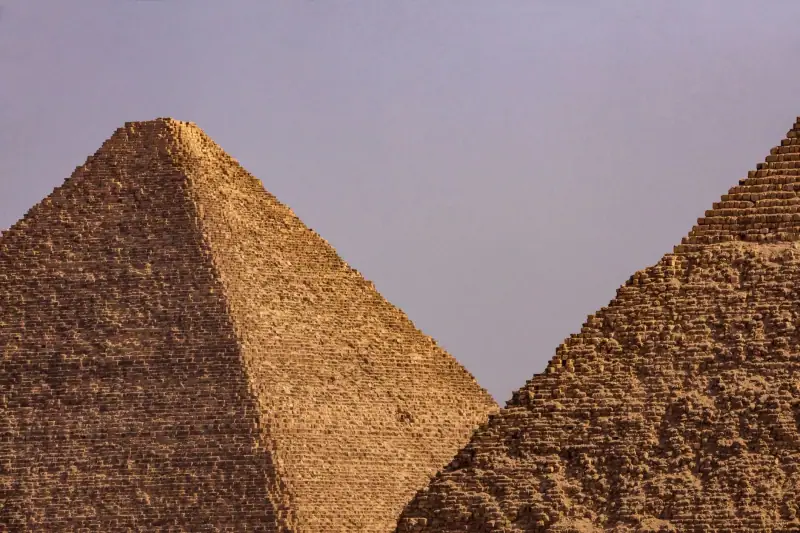
Cairo is a megacity that is hot in summer, but without the extremes of the south. In July and August, highs are often around 35 °C (95 °F), with polluted air and little relief at night in the city. In winter, days are mild, around 18 to 20 °C (64 to 68 °F), but evenings can be cool, with lows often around 10 °C (50 °F).
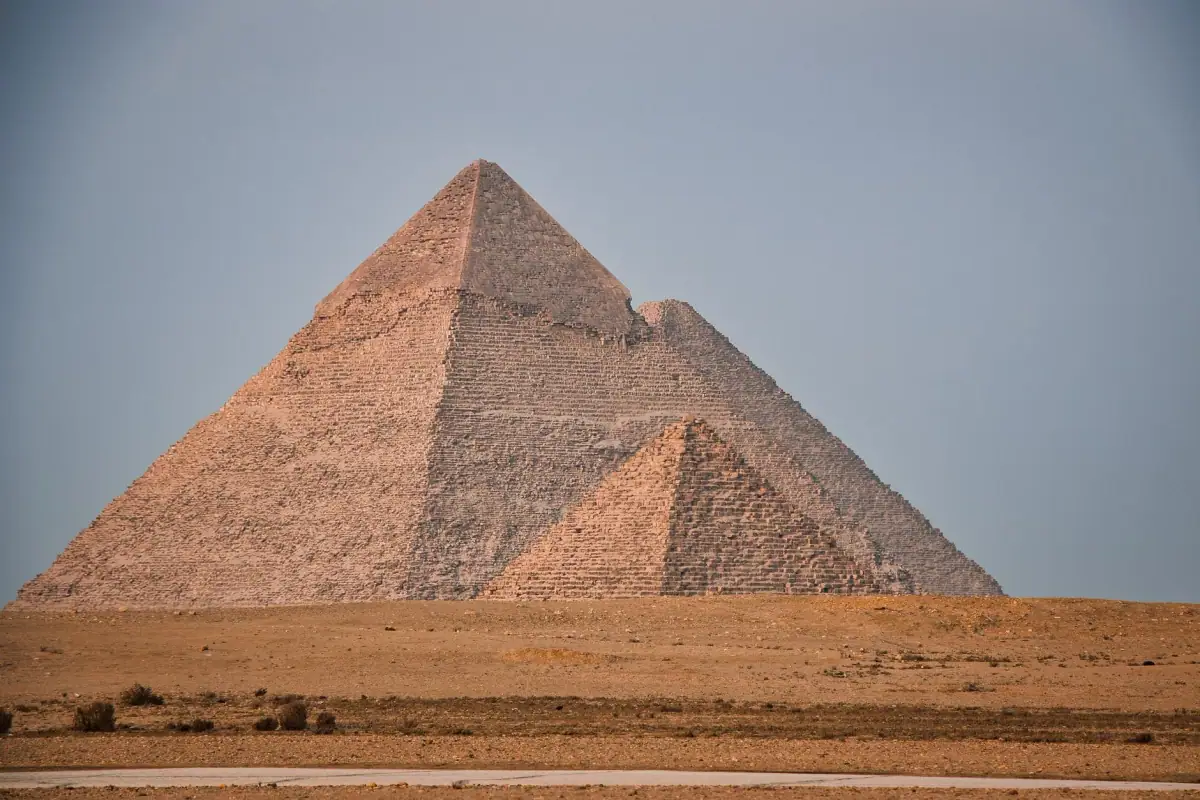
At the Giza pyramids, the plateau is fully exposed to the sun, with very little shade. Even in winter, a hat, water and sunscreen are essential. In summer, arrive at opening time to enjoy the coolest hours, then keep the afternoon for an indoor activity, such as a museum.
Our advice: to combine the pyramids, the Citadel and Islamic Cairo without exhaustion, aim for October-November or February-March. You avoid both the heat wave and the heavy crowds of the year-end holidays.
Find a hotel in Cairo or Giza
Compare hotels by your dates: prices vary strongly between high and low season.
Luxor and Aswan: the heat of Upper Egypt
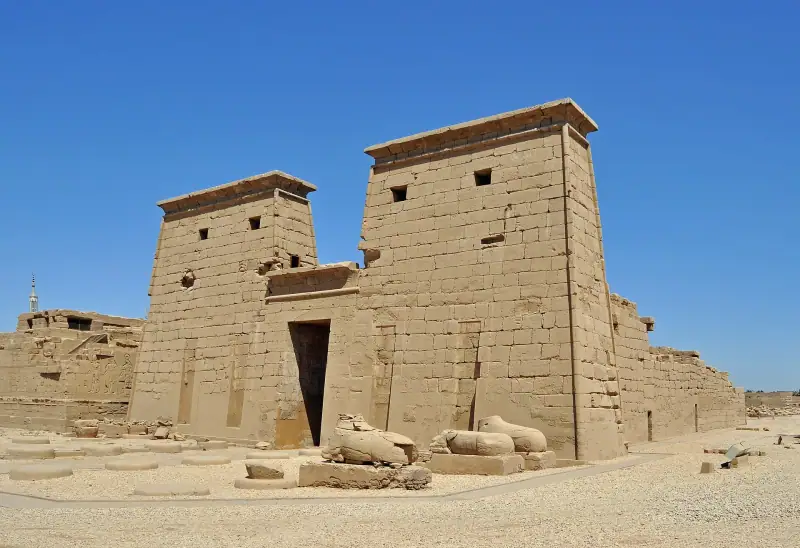
This is where the choice of season matters most. Luxor and Aswan, with the temples of Karnak, the Valley of the Kings, Philae Temple or the road to Abu Simbel, are at the heart of any cultural circuit. But from June to September, temperatures frequently exceed 40 °C (104 °F) in the daytime, and the heat at sites without shade becomes grueling, even dangerous for children and vulnerable people.
In winter, the situation reverses: from November to February, days are ideal, around 23 to 26 °C (73 to 79 °F) in Luxor, with cooler nights that can drop to 8 to 10 °C (46 to 50 °F). This is the most pleasant period for walking in temples and tombs.
A few practical reference points for Upper Egypt:
- November to March: ideal conditions, but maximum crowds and high prices, especially around Christmas.
- October and April: a good compromise, with some heat at midday but very pleasant mornings.
- May to September: for travelers who accept starting visits at opening time, taking an afternoon break and drinking a lot.
For Abu Simbel, many excursions leave very early in the morning from Aswan, which lets you arrive before the hottest hours. Ask your hotel or your organizer about the transport arrangements in force at the time of your trip.
Guided tours in Luxor
Karnak, Valley of the Kings, Hatshepsut Temple: compare guided tours, often offered early in the morning to avoid the heat.
Nile cruise: choosing the right season
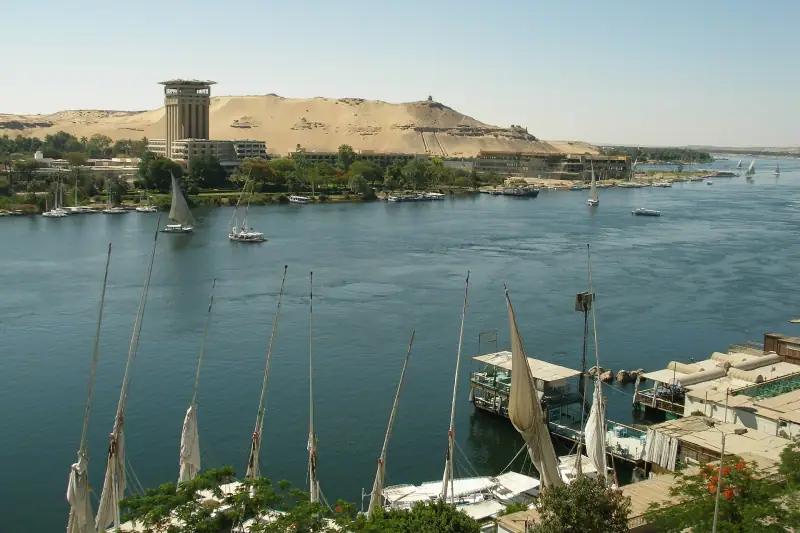
The cruise between Luxor and Aswan, with stops at Edfu and Kom Ombo, is one of the great classics of a trip to Egypt. The choice of season greatly affects comfort on board as well as during visits.
From October to April, conditions are favorable: you enjoy the sun deck in the daytime, and stops are made in good conditions. From December to February, evenings and mornings on the river are cool, even cold: bring a jacket or sweater, and a windbreaker for felucca rides, those traditional Nile sailboats.
In summer, boats are air-conditioned and rates often lower, but temple stops take place in intense heat. If you travel at that time, choose a program that places visits early in the morning and rest on board in the afternoon.
Good to know: book well ahead if you want to sail during the year-end holidays, when cabin supply gets scarce.
Red Sea: Hurghada, Marsa Alam and diving

On the Red Sea, the logic is different: the climate is hot and dry all year, and the wind can cool the air. It is the destination to favor when the rest of Egypt becomes too hot.
- Summer: the water is very warm, often around 27 to 28 °C (81 to 82 °F), which suits divers and families. The air is scorching, but hotel air conditioning and the sea make up for it.
- Winter: the water remains pleasant for swimming, around 21 to 23 °C (70 to 73 °F), but the air can feel cool on the boat or coming out of the water, especially with wind.
- Spring and autumn: often the best compromise, with pleasant water and warm air without excess.
For diving and snorkeling, visibility is generally good all year. The reefs of Marsa Alam, farther south, are said to be better preserved and calmer than those of the big tourist resorts. Experienced divers also pay attention to wind and current conditions, which vary by site: follow the advice of your dive center.
Diving and snorkeling in Hurghada
Boat trips, introductory dives and snorkeling excursions: compare offers and traveler reviews.
Alexandria and the Mediterranean coast
Alexandria, on the Mediterranean, has a milder climate than the rest of the country. Summer there is hot and humid but cooled by the sea breeze, which makes it a more bearable stop than Luxor in July. It is also the city that gets the most rain: winter months can be rainy, cool and windy, with sometimes sudden showers.
Summer remains the beach season for Egyptians: north coast resorts fill with families from June to September. If you want to visit Alexandria in peace, spring and autumn are the most pleasant: mild temperatures, beautiful light and moderate crowds.
Desert, oases and Sinai: beware of cold nights
In the Western Desert, notably toward Siwa oasis and the White Desert, the temperature gap between day and night is large. In winter, nights can be very cold, even close to freezing in some areas, while the day is pleasant. To sleep under the stars, bring a suitable sleeping bag and several layers of clothing.
In Sinai, the climb of Mount Sinai is traditionally made at night, to reach the summit before sunrise. In winter, it is cold at the top and the wind can be biting: bring a warm jacket, a hat and gloves. In summer, the night climb is more pleasant than walking in the daytime, but stay attentive to your hydration.
For these destinations, autumn and spring are generally the most balanced periods.
Crowds, prices and events to know
Weather is not the only criterion. Busy periods push up the prices of hotels, cruises and flights, and make the major sites more crowded.
- High season: from mid-December to early January, and during school holiday periods, rates are highest and sites most crowded.
- Mid season: October, November, February, March and April often offer a good balance between weather, prices and crowds.
- Low season: summer, especially in Upper Egypt, with generally lower prices but marked heat.
Ramadan deserves a special mention. During this month of fasting, which shifts by about eleven days each year in the calendar, daily life adapts: some restaurants are closed by day, site hours may change, and the evening, after the breaking of the fast, becomes the liveliest time. Travelers often appreciate the atmosphere, but it is wise to be discreet in public during the day and plan a more flexible pace. The festival that closes Ramadan, Eid, is a holiday period for Egyptians: tourist places and transport are then very busy.
For any trip, check entry conditions and the traveler advice published by your government before you book: travel.state.gov (US), GOV.UK (UK), travel.gc.ca (Canada), Smartraveller (Australia) (checked November 2026).
Compare flights to Egypt
Fares change a lot with the season: compare several dates to find the best time to book.
Which period to choose for your trip?
To help you decide, here are our recommendations by type of stay:
- Cultural circuit (Cairo, Luxor, Aswan): November to March, or October and April if you fear the holiday crowds.
- Nile cruise: November to March for comfort, with something warm for the evening.
- Red Sea beach stay: all year, with a good compromise in spring and autumn.
- Diving: all year; choose summer for warm water, spring or autumn for overall balance.
- Family trip with children: October-November or February-April, avoiding the heat of Upper Egypt.
- Tight budget: summer and off-peak periods, combining the Red Sea and Cairo rather than the south of the country.
- Desert and hiking: autumn and spring, with warm clothes for the nights.
What to pack by season
Whatever the period, three items are essential: a hat or cap, sunglasses and high-SPF sunscreen. Add comfortable closed shoes for the archaeological sites, where the ground is often sandy or uneven.
- In summer: light, loose, covering clothes, in cotton or linen. Outfits covering shoulders and knees are well regarded, both for the heat and for respecting local customs, notably in mosques and villages.
- In winter: a sweater or fleece for the evening, a windbreaker for the felucca or the desert, and a swimsuit if you plan the Red Sea.
- In shoulder seasons: layering is most effective, with a warm garment that is easy to remove.
Finally, bring a water bottle and drink regularly, even if you are not thirsty: in dry air, dehydration comes fast. For drinking water, favor sealed bottles.
Our verdict: the best time to go to Egypt
If you had to remember only one period, choose mid-October to the end of March, preferably aiming for November or February-March to combine pleasant weather, reasonable prices and moderate crowds. Avoid late December if you want to pay less and visit in better conditions.
If your dates are constrained by summer, do not give up: bet on the Red Sea, add Cairo while limiting visits to the first hours of the day, and keep Upper Egypt for another trip, in the mild season. Whatever the period, an early start, water, sun protection and an adapted pace make all the difference at the sites of the Nile valley.
Frequently asked questions
What is the best time to go to Egypt?
From October to April, with a comfort peak between November and March. Days are mild or warm without excess, which lets you visit temples and archaeological sites in daylight. Prices and crowds are highest around Christmas and New Year.
Can you travel to Egypt in summer?
Yes, but with precautions. In Upper Egypt (Luxor, Aswan), temperatures regularly exceed 40 °C (104 °F) in July and August: visits are made early in the morning and at the end of the day. Summer suits a beach stay on the Red Sea, in an air-conditioned hotel, or Alexandria, which is milder.
What is the best month for a Nile cruise?
Between November and March, sailing is most pleasant: warm days on deck, cool evenings and bearable temple visits. Bring something warm for the evening, especially in December and January.
Is it cold in Egypt in winter?
Days remain mild, but nights can be cool, notably in Cairo, in the desert and at the top of Mount Sinai. Swimming in the Red Sea remains possible, since the water is mild, but the air can feel cool by the sea in January.
Should you avoid Ramadan to visit Egypt?
It is not required. Sites remain open and the evening atmosphere is unique, but some restaurants close by day, hours are sometimes changed and the local pace slows. Ramadan 2027 should take place roughly from early February to early March: check the exact dates before booking.
When is the Red Sea best for diving?
You can dive year-round. Spring and autumn generally offer a good compromise between pleasant water and warm air. Summer brings the warmest water; winter often calls for a thicker wetsuit and warm clothing on the boat.
More Egypt guides
Keep reading
Egypt travel budget: how much a trip costs, item by item (3 profiles)
Budget for a stay in Egypt: real costs of accommodation, transport, meals and sights, three costed profiles and tips to spend less on the ground.
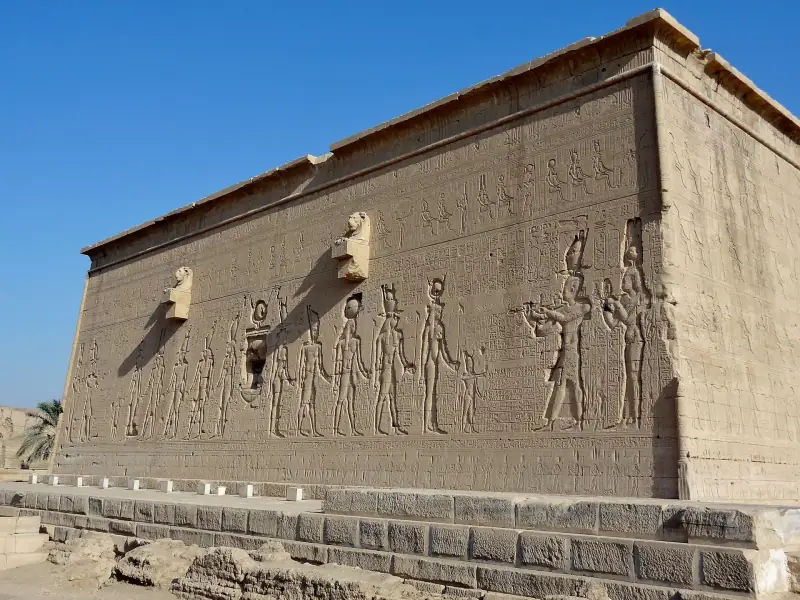
Dendera from Luxor: is the Temple of Hathor worth the detour?
Dendera Temple from Luxor: distance, how to get there, hours, official prices, visit length and what you see (astronomical ceiling, roof, crypts).
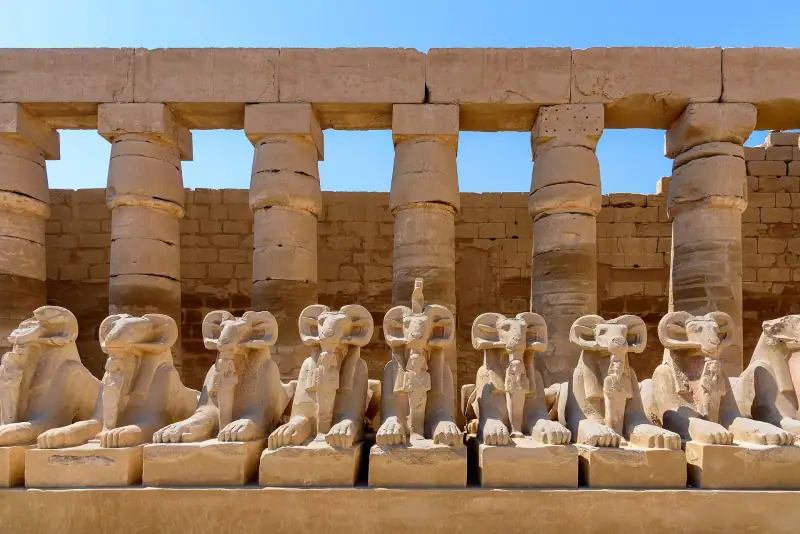
Visiting Luxor: Karnak, the Valley of the Kings and the temples of ancient Thebes
What to see in Luxor? Karnak, Luxor Temple, the Valley of the Kings, Hatshepsut: organizing the two banks, visit length and practical tips.
Ready-made
Egypt itineraries
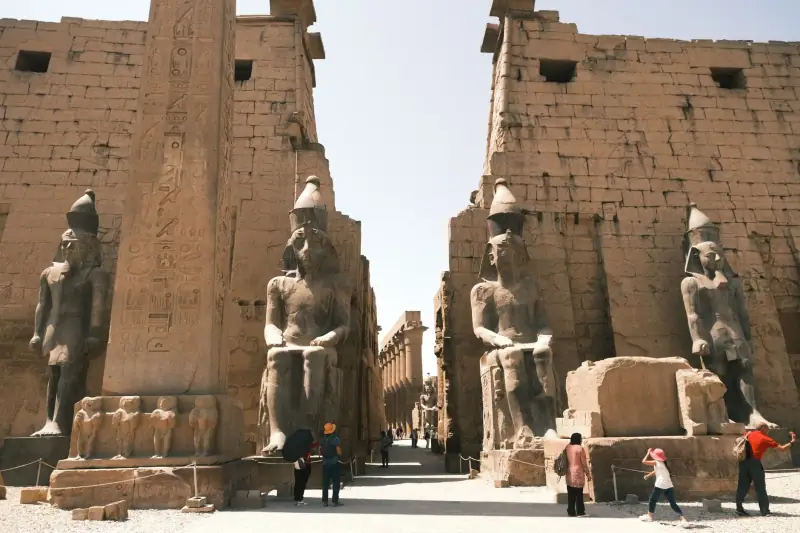
4 days
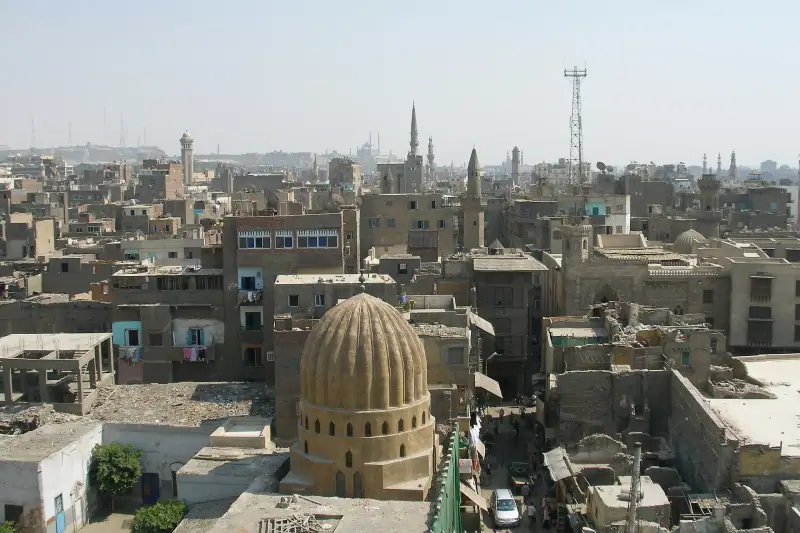
3 days
3 days in Cairo: a day-by-day itinerary from the pyramids to Islamic Cairo
What to do in 3 days in Cairo? Giza pyramids, museums, Coptic and Islamic Cairo, Saqqara: a realistic day-by-day itinerary with practical tips.
7 days
Egypt 7-day itinerary: Cairo, Luxor and Aswan in one week
CairoLuxorAswan