What to see
Visiting Guayaquil: what to see and do in Ecuador's big Pacific city
We may earn a commission when you book through links on this page, at no extra cost to you. We don't visit or try the places we cover: we summarize published sources. How we work
In short
- One and a half to two days cover the essentials: the Malecón, Las Peñas, Cerro Santa Ana, Seminario Park and the cemetery. Add half a day for Santay Island or a nearby reserve.
- The city is hot all year, typically 20 to 30 °C (68 to 86 °F); the rainy season runs roughly December to April.
- Guayaquil airport is one of the two air gateways to the Galápagos: sleeping in town the night before an early flight is often practical.
- The center, Malecón and Las Peñas are walkable; for longer trips, use a taxi booked by app or through your hotel.
Guayaquil is Ecuador’s largest city and main port. Spread along the banks of the Guayas river, a few dozen kilometers from the Pacific Ocean, it has more than two and a half million inhabitants and lives to the rhythm of trade, heat and river breezes. Many travelers only pass through on the way to the Galápagos. That is a pity: the city deserves a day or two, if only for its river promenade, its old neighborhood perched on a hill and its coastal cuisine.
This guide presents what to see and do in Guayaquil, how to organize your stay and how to fit it into a wider trip. If you are also preparing the capital, read our 3-day Quito guide.
Guayaquil at a glance: what to expect
Guayaquil is not a postcard colonial city. Earthquakes, fires and rapid 20th-century development left few old buildings, and the city has mostly looked to the future: office towers, shopping centers, redeveloped quays. Yet it has real pieces of heritage, and above all an atmosphere: that of a tropical coastal city, more outgoing and relaxed than the cities of the Andes.
The climate is hot and humid, with temperatures staying in a range of about 20 to 30 °C (68 to 86 °F) for most of the year. The rainy season, from roughly December to April, concentrates most of the annual rainfall. The rest of the year is drier. To compare with the rest of the country, see our guide to the seasons in Ecuador.
Plan to walk early in the morning or in the late afternoon, and to take refuge in a museum, café or shopping center during the hottest hours. Bring water, a hat and sun protection.
The Malecón 2000: the river promenade
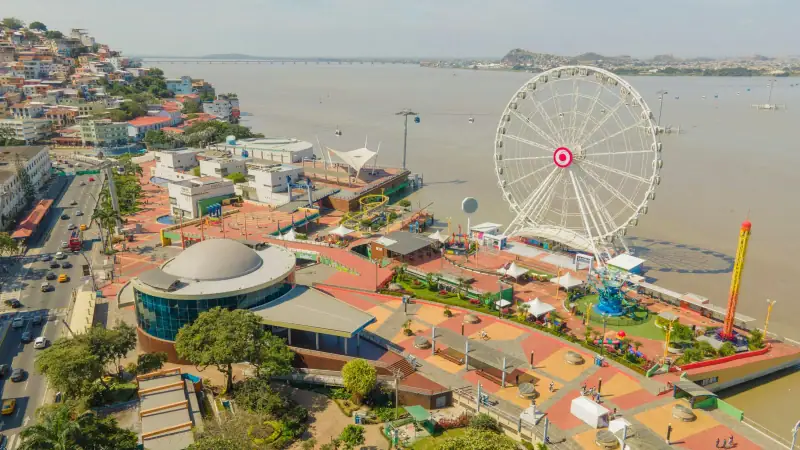
The Malecón 2000 is the most natural visit to start with. This long landscaped promenade runs along the Guayas river for about two and a half kilometers (1.5 mi) in the city center. Gardens, fountains, playgrounds, galleries, restaurants and terraces follow one another along the water, and the place is very busy at the end of the day with families and joggers.
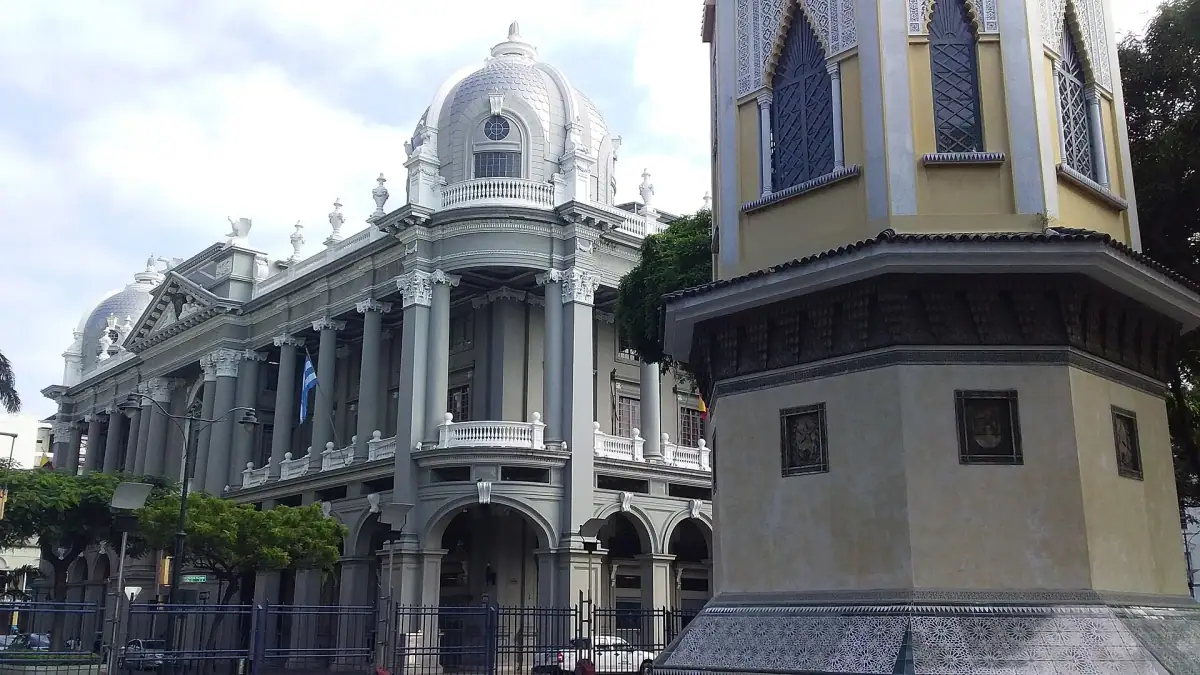
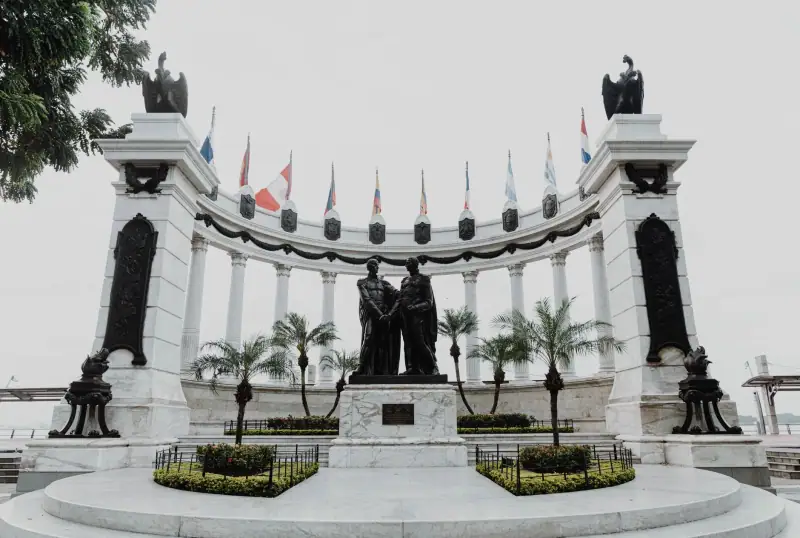
You pass several city landmarks, notably a Moorish-style clock tower and a large rotunda dedicated to the great names of the country’s history. More recent additions, such as a big wheel and children’s games, liven up the northern part. The promenade is watched and fairly well maintained, which makes it one of the most serene places for a first approach to the city.
The best time: morning for a calm stroll, or at dusk when the temperature drops and the lights reflect on the river. A short boat ride on the Guayas is possible, offered by local operators; check the duration and price before boarding.
Las Peñas and Cerro Santa Ana
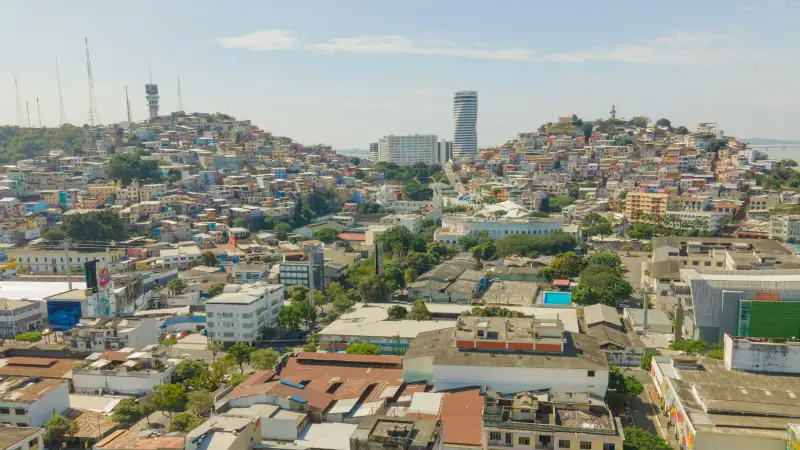
North of the Malecón, the Las Peñas neighborhood is considered the city’s oldest. Its cobbled lanes and colorful wooden houses with flowered balconies contrast sharply with the towers of the modern center. The neighborhood has been restored and houses art galleries, workshops and small craft shops.
The main street climbs in steps to the top of Cerro Santa Ana. The steps are numbered and dotted with cafés, restaurants and shops, which lets you take breaks. About 450 steps are usually mentioned, depending on the source and how they are counted, but the point is that the climb is done at a leisurely pace. Bring water and comfortable shoes.
At the top, a small chapel and a lighthouse overlook the city. The panorama takes in the river, the bridges, the center and the neighborhoods stretching as far as the eye can see. It is a very good place to understand Guayaquil’s geography. Climb early in the morning or at the end of the day to avoid the heat.
As in any tourist area, keep an eye on your belongings, especially outside busy hours, and follow the traffic signs on the stairs.
🏨 Where to stay in Guayaquil: the center, the Malecón and the neighborhoods near the airport offer lodging for every budget. Compare offers for your dates.
Seminario Park and the cathedral
A little inland, behind the Malecón, Seminario Park is known to everyone as the “iguana park”. Many land iguanas live there freely, perched in the trees or settled on the lawns and paths. They are used to visitors, which makes for easy photos, but they remain wild animals: do not touch or feed them.
The park adjoins the metropolitan cathedral, in neo-Gothic style, whose facade and stained glass deserve a glance. Entry is free outside services, respecting the usual dress rules for a place of worship.
The park is a pleasant spot for a break in the shade, but it is in a busy transit area: avoid visible valuables and favor daytime.
The General Cemetery: an unexpected visit
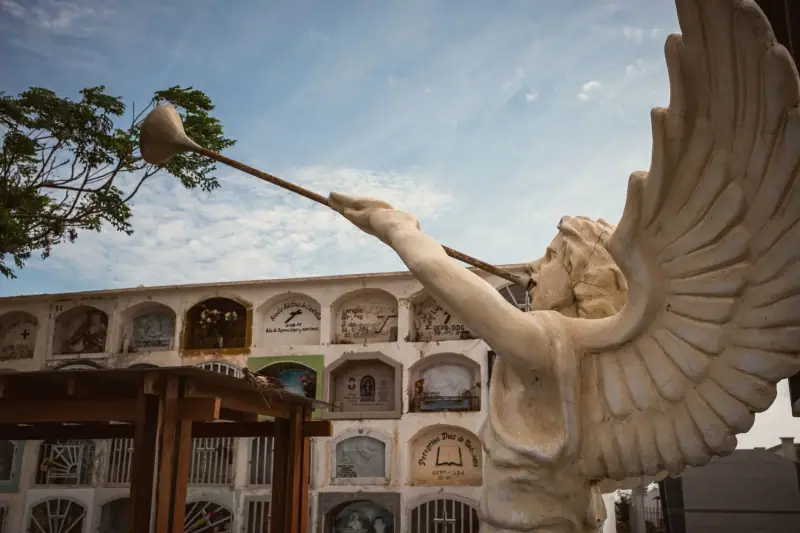
Guayaquil’s General Cemetery is a surprising stop, which many travelers like for its atmosphere and architecture. White mausoleums, statues, avenues lined with monumental tombs and families coming to put flowers on graves make a place that is both solemn and photogenic. Some guides compare it to Europe’s great monumental cemeteries.
A visit takes an hour to an hour and a half. Note that the area around the cemetery is working-class: take a taxi both ways rather than walking, and check opening hours before going. Be discreet and respectful: it is a place of remembrance still in use.
Museums and heritage
Guayaquil has several museums that help you understand the country’s history:
- The archaeological and contemporary art museums: a large museum along the Malecón presents the pre-Columbian cultures of the coast and a contemporary art space. It is a good option for hot hours, as the interior is air-conditioned.
- The municipal museum: set in the center, it traces the city’s history from the pre-Columbian period to modern times.
- The historical park: located across the river, this park recreates scenes of traditional coastal life, with old houses, local animals and vegetation areas. It is a popular outing with children.
Opening hours and prices of these places vary with the season and the day of the week: check them directly before going.
Nature getaways around Guayaquil
If you have an extra half day, the city is a good starting point for short nature outings.
Santay Island. This river island, facing the Malecón, is a protected wetland area where you can see birds, crocodiles and mangroves. It is reached on foot or by bike via a footbridge from the opposite bank of the Guayas, then you stroll on landscaped trails. It is a quiet visit, suited to families.
Coastal dry forests. On the outskirts of the city, reserves protect tropical dry forests, home to birds and small mammals. Guided visits are generally preferable: they avoid route mistakes and help spot wildlife.
Pacific beaches. The coast is about one to two hours by road from the city, making it a weekend destination much loved by locals. The busiest resorts are lively in high season. For foreign travelers, it is an option to consider if you want relaxation after visiting the Andes.
Guided half-day or full-day excursions let you reach these places without worrying about logistics.
🎟️ Tours and excursions in Guayaquil: guided city tours, boat rides and nature outings around the city. Compare formats and reviews before booking.
What to eat in Guayaquil
Guayaquil’s cuisine is that of the coast, clearly distinct from the Andes. Seafood is king: lime-cured ceviches, shrimp, crab, grilled fish and seafood soups. Plantain, as chips or mash, accompanies many dishes, and rice is everywhere.
Among the dishes visitors like to try: shrimp or fish ceviche, crab cooked the local way, and plantain-based dishes. Small local restaurants often offer a generous set lunch at a low price, ideal for midday. Fresh fruit juices are everywhere.
For a full introduction to the country’s dishes, see our guide to Ecuadorian cuisine. It is best to eat in places frequented by locals, where produce turns over quickly, and drink bottled water.
Guayaquil and the Galápagos
Guayaquil’s international airport is one of the two air gateways to the Galápagos, with Quito. Flights to the archipelago often leave in the morning: plan to sleep in Guayaquil the night before, especially if you arrive on an international flight in the evening. Allow extra time for check-in: the archipelago-specific formalities (baggage inspection, payment of the park access fee and transit card) are handled before boarding (as of November 2026; check the current rules with official sources).
On your return, a night in town can also serve as a buffer before your international flight. To choose between the islands of the archipelago, read our comparison of the Galápagos islands, then our dedicated guide to Puerto Ayora.
✈️ Flights to Guayaquil: compare flights for your trip to Ecuador and try different dates to find the best fares.
Suggested itinerary: 2 days in Guayaquil
- Day 1, morning: Cerro Santa Ana and Las Peñas, early to avoid the heat. Lunch in the neighborhood or on the Malecón.
- Day 1, afternoon: museum, Seminario Park and cathedral. End the day on the Malecón, with a seafood dinner.
- Day 2, morning: General Cemetery, then a cool break in a museum or café.
- Day 2, afternoon: Santay Island or the historical park, depending on your wishes and the weather. Back at the hotel before dark.
With only one day, focus on Las Peñas, Cerro Santa Ana and the Malecón: that is the essential and it is done on foot.
Getting around and staying safe
The center is walkable, but for the rest, taxis are the simplest option. Use a ride app or have a taxi called by your hotel or a restaurant. Avoid hailing a vehicle at random at night.
A few simple habits: keep your phone and camera discreet, do not leave valuables visible, carry only the cash you need and avoid empty streets after dark. Check official recommendations for Ecuador before you leave, as they can change.
Budget and practical tips
- Money: the currency is the US dollar. Keep small bills for taxis, markets and entrances. For the details of spending, see our guide to the budget in Ecuador.
- Connection: mobile data is handy for maps and ride apps. Check your carrier’s international plan or use a travel eSIM. Saily offers plans in more than 150 countries, check the offer for Ecuador: see the Saily offer.
- Health and insurance: protect yourself from the sun and mosquitoes, and drink bottled water. Travel insurance covering care and repatriation is recommended.
- Clothing: light, breathable outfits, a hat, a rain jacket during the wet season, and comfortable shoes for the stairs.
- Car rental: unnecessary for visiting the city. If you want to explore the coast, you can compare rental companies, but traffic in the city is dense.
Guayaquil is unlike the other stops in Ecuador, and that is what makes it interesting: tropical heat, a river, seafood and the atmosphere of a big port city. A night or two, well divided between walking, museums and cool breaks, is enough to leave with a richer memory than a simple transit.
Frequently asked questions
How long do you need to visit Guayaquil?
A day and a half to two days are enough to see the highlights of the center: the Malecón, Las Peñas, Cerro Santa Ana, Seminario Park and the cemetery. Add half a day if you want a nature outing to Santay Island or a nearby reserve.
Is Guayaquil worth a detour?
Yes, especially if you pass through on the way to the Galápagos. It lacks the colonial charm of Quito or Cuenca, but offers a pleasant riverside promenade, a picturesque neighborhood, much-loved coastal cuisine and a tropical atmosphere very different from the Andes.
Is Guayaquil dangerous for tourists?
As in all the country's large cities, stay alert. Tourist areas (Malecón, Las Peñas) are busy and watched during the day, but it is better to avoid walking at night in quiet neighborhoods, not to flash your phone and to use a taxi booked by app or through your lodging. Check official travel advice before you go.
When is the best time to visit Guayaquil?
The city is hot all year. The rainy season runs roughly from December to April, with often intense showers and high humidity; the drier season, from May to November, is generally more comfortable for walking in town.
Should you sleep in Guayaquil before leaving for the Galápagos?
It is often practical if your flight to the archipelago leaves early in the morning or if your international flight arrives late. A night in town before departure avoids the stress of a tight connection, and you get to enjoy the Malecón.
How do you get around Guayaquil?
The historic center, the Malecón and Las Peñas are walkable. For longer trips, taxis and cars with drivers booked by app remain the simplest option. Agree on the price before getting in if the taxi has no meter.
Can you combine Guayaquil with Quito and the Andes?
Yes. Guayaquil and Quito are linked by domestic flights and by road. Many travelers arrive via one, leave via the other and fit Cuenca or the Avenue of the Volcanoes in between.
More Ecuador guides
Keep reading
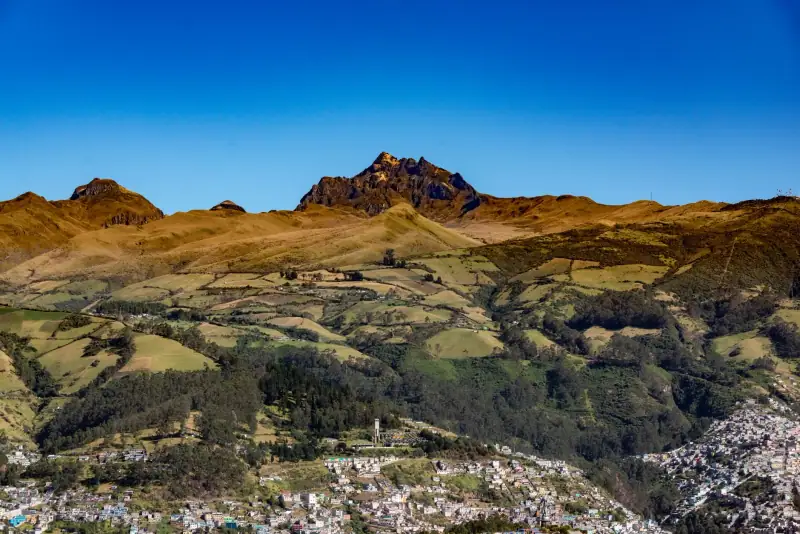
What to see north of Quito: Pululahua, Cayambe, Ibarra and Cotacachi
Beyond Otavalo, what to see north of Quito: Pululahua crater, Cayambe volcano, Ibarra, Cotacachi and Lake Cuicocha. Tips and travel times.
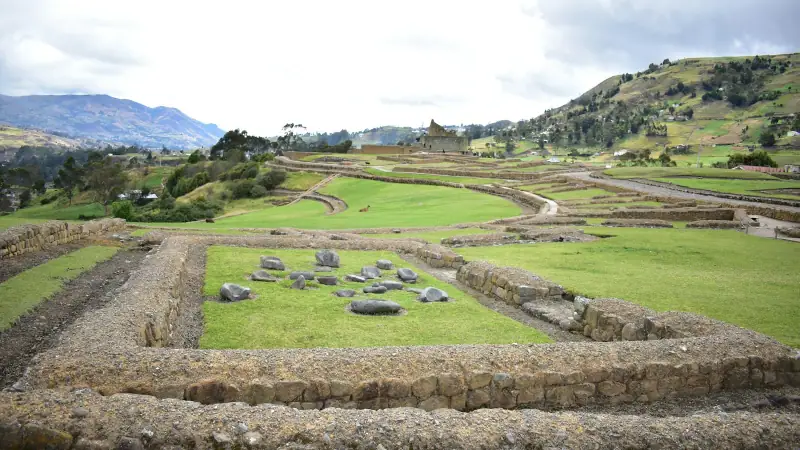
Ecuador's Southern Andes: what to see around Cuenca, from Ingapirca to Vilcabamba
What to see in the Southern Andes: Ingapirca, Gualaceo, Chordeleg, Saraguro, Loja and Vilcabamba. Travel times, stops, tips and route ideas beyond Cuenca.
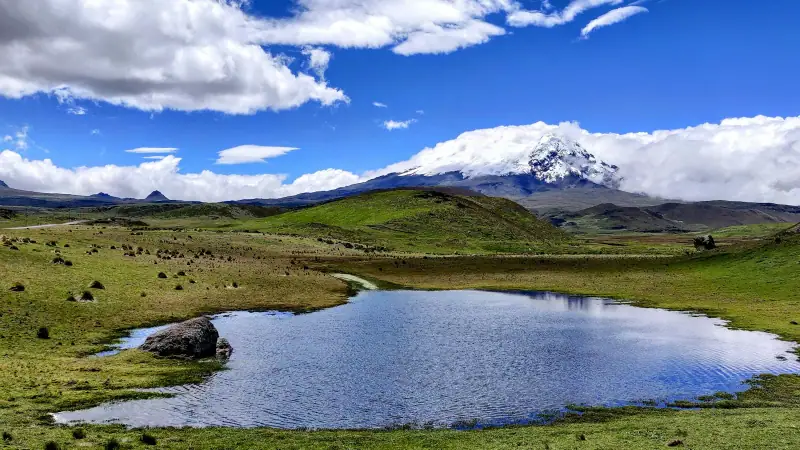
Chimborazo, Riobamba and the Devil's Nose train: Ecuador's central Andes
Visit Chimborazo, Riobamba and the Devil's Nose train at Alausí: altitude, refuges, best season and tips for planning this Andean stretch.
Ready-made
Ecuador itineraries
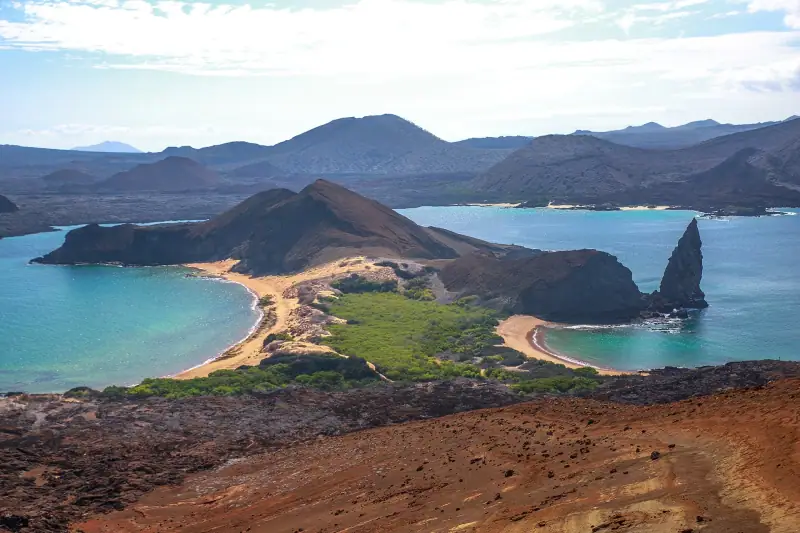
7 days
One week in Ecuador: a 7-day itinerary, day by day
QuitoLatacungaBaños
Can be adapted in the planner
5 days
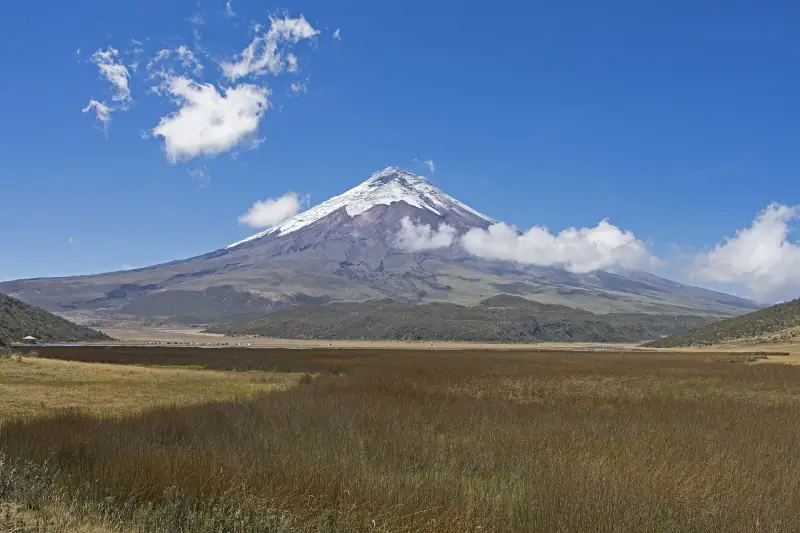
Avenue of the Volcanoes in Ecuador: Cotopaxi, Quilotoa and Baños in 5 days
A 5-day itinerary on the Avenue of the Volcanoes from Quito: Cotopaxi, Quilotoa lagoon, Baños and Chimborazo, with travel times, stops and altitude notes.
3 days
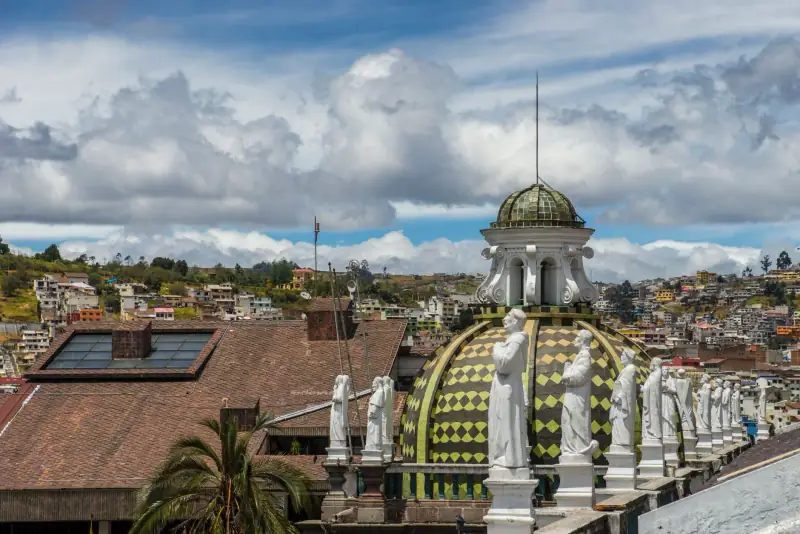
What to do in Quito in 3 days: historic center, volcano views and the Mitad del Mundo
Quito in 3 days: UNESCO-listed historic center, Panecillo, cable car, La Ronda and the Mitad del Mundo. A realistic itinerary that builds up gradually.