What to see
Chimborazo, Riobamba and the Devil's Nose train: Ecuador's central Andes
We may earn a commission when you book through links on this page, at no extra cost to you. We don't visit or try the places we cover: we summarize published sources. How we work
In short
- Chimborazo, at about 6,260 m (20,540 ft), is Ecuador's highest peak; a road leads to high-altitude refuges and walks, while the summit is for experienced mountaineers with a guide.
- Riobamba, at around 2,750 m (9,020 ft), is a quiet, practical base with a Saturday market.
- The Devil's Nose train departs from Alausí, a bus ride from Riobamba; allow half a day for the town and the train.
- The drier season, roughly June to September, offers the best chances of a clear summit; leave early, as clouds rise quickly.
Between Quito and Cuenca, the center of the Ecuadorian Andes is often crossed too quickly. Yet this is where Chimborazo, the country’s highest peak, stands, and where one of the country’s most spectacular railway stretches runs, around Alausí. Riobamba, a quiet and practical town, is an ideal base for exploring it all.
This guide helps you plan this stop: what to see at Chimborazo without being a mountaineer, how to enjoy Riobamba and its markets, and how to reach Alausí for the Devil’s Nose train. It complements the 5-day itinerary on the Avenue of the Volcanoes, which only skims this region.
Chimborazo: a giant near the equator
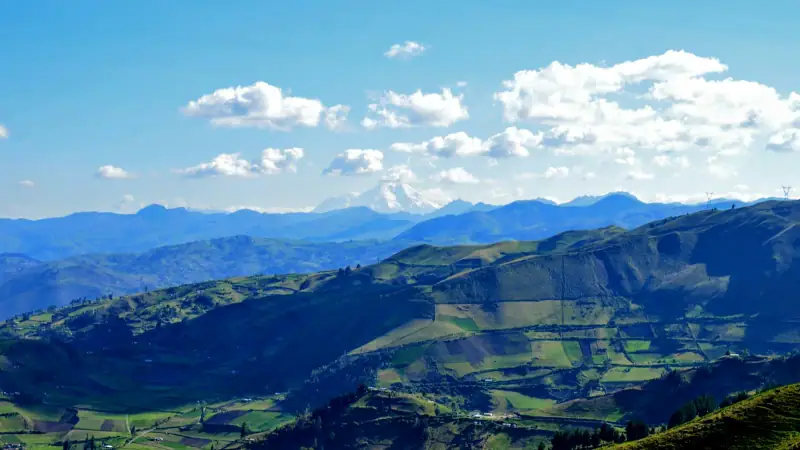
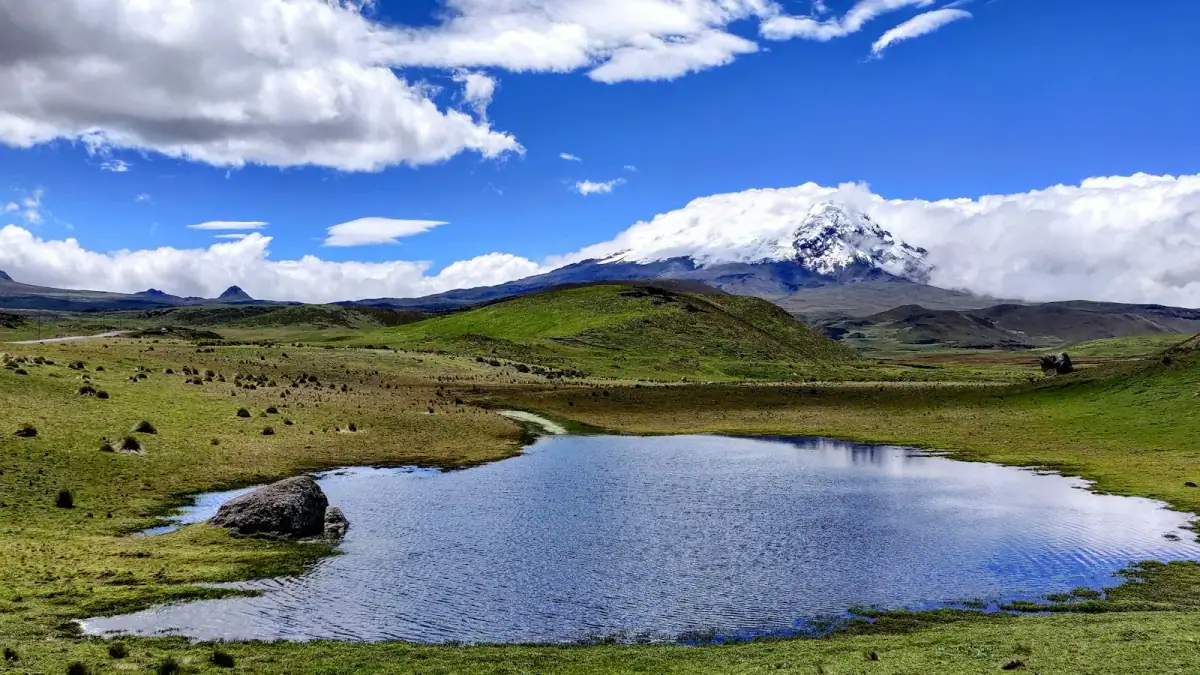
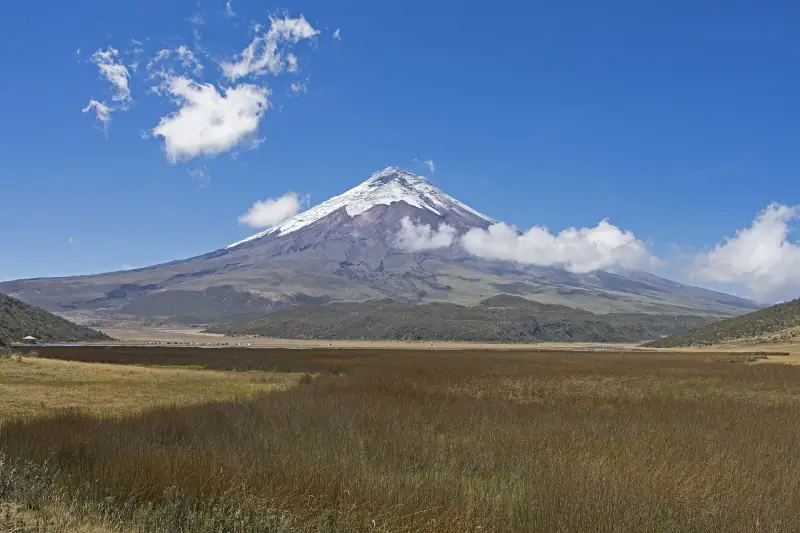
Chimborazo is a glaciated volcano peaking at about 6,260 m (20,540 ft). It is Ecuador’s highest summit, and it has a famous geographic particularity: as the Earth is slightly bulged at the equator, its summit is the point on the planet’s surface farthest from the center of the Earth. It is not the highest in the world above sea level, but this distinction is part of its aura.
The volcano lies at the heart of a wildlife production reserve, the Chimborazo Wildlife Production Reserve, where you can see vicuñas, Andean camelids reintroduced in the region. The landscape is that of the high-altitude páramo: short steppe, volcanic sand, black rocks and, in clear weather, a white summit that dwarfs the rest of the horizon.
In travelers’ minds, Chimborazo is a day goal from Riobamba, or from Quito for those in a hurry. People come for the view, for a high-altitude walk at their own pace, or to enjoy the morning light, often clearer before clouds rise in late morning.
Altitude before going up
Altitude is the point not to neglect. Riobamba sits at around 2,750 m (9,020 ft), about like Quito, but Chimborazo’s refuges are much higher, above 4,000 m (13,125 ft). For anything related to altitude and health, ask your doctor or a travel clinic, and see the official travel health pages (CDC in the US, TravelHealthPro in the UK).
A few practical points:
- bring warm layers, a windbreaker, a hat, gloves and sunscreen: cold and sun are intense at this altitude;
- walk slowly and take breaks;
- consider travel insurance and repatriation assistance for any high-altitude activity, and check that the activity is covered.
🏨 Where to stay in Riobamba: the town offers a good choice of lodging in the center, handy for an early start to Chimborazo or the station. Compare options for your dates.
What to do there: refuges, walking and landscapes
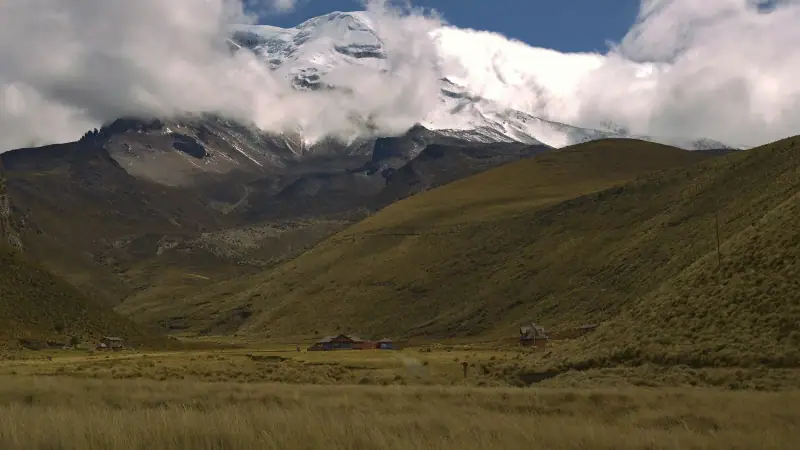
Access to the volcano is generally by a road climbing from the main route to a first refuge, then a second higher one. You can drive it with a guide, by taxi or on an organized tour from Riobamba. Once there, you have several options depending on your fitness and your time.
A walk from the first refuge. It lets you enjoy the landscape, watch the vicuñas and get your bearings without going too high. It is the most accessible option for families and occasional hikers.
A walk toward the upper refuge. More demanding because of the altitude, it gives a more direct view of the glaciers. Allow for the effort, and bring water and something warm to wear.
The summit climb. It is reserved for experienced mountaineers, with a guide, equipment and serious preparation. Conditions change a lot with the weather and the state of the ice: ask a licensed mountain guide before any decision.
If you prefer gentler activities, some operators also offer bike descents from the volcano’s heights. Compare providers, and check the equipment provided and the cancellation conditions.
🎟️ Chimborazo excursions: guided outings, high-altitude hikes, bike descents... Compare formats, durations and cancellation conditions before booking.
Riobamba: a practical and authentic base
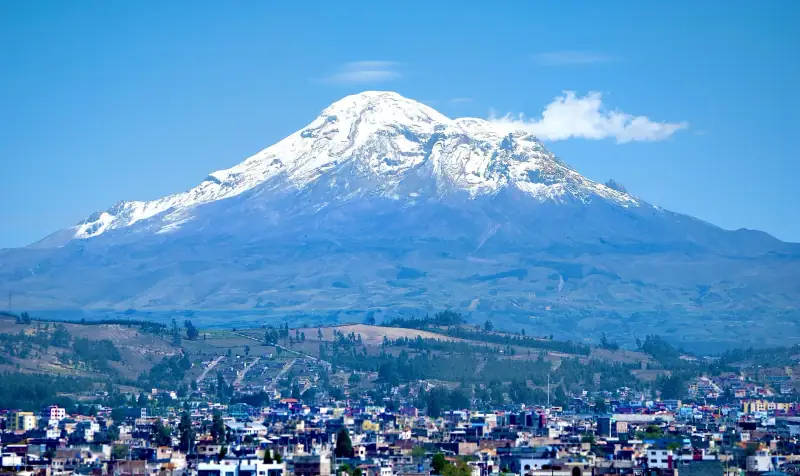
Riobamba is a mid-sized city, less touristy than Quito or Cuenca, which is part of its charm. It is sometimes nicknamed the “Sultana of the Andes”. Its center lines up squares, churches and shopping streets where you meet an Andean population still very present in daily life.
The Saturday market is a safe bet: people from the surrounding villages come down to sell farm produce, textiles and everyday items. It is not a market designed for tourists, and that is exactly what makes it interesting. Arrive early, keep your belongings in front of you, and taste local specialties in the market halls.
The city is also a good place to rest between two stops. Lodgings range from simple hostels to boutique hotels set in a former hacienda nearby. If you are looking for a more rural setting, some haciendas offer farm stays with views of the volcanoes: ask about access and conditions before booking.
Alausí and the Devil’s Nose train
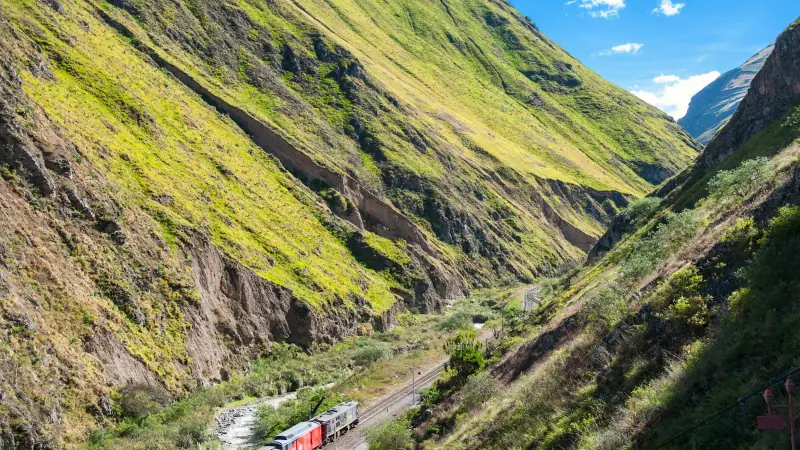
Further south, the small town of Alausí is the starting point of one of the country’s most famous rail journeys. The “Devil’s Nose” is a stretch of mountain railway that zigzags down a very steep wall, a feat of engineering from the late 19th and early 20th centuries.
Today the experience is essentially touristic: the train makes a short round trip from Alausí, with a guide and stops to enjoy the scenery and a small cultural show on arrival. Schedules, fares and operating days change from season to season; check the official ticket office of the Ecuadorian railway or ask your accommodation before planning the day.
To get there, allow a bus ride from Riobamba. Alausí is also worth visiting for its hillside center, wooden balconies and views of the valley. Allow half a day for the town and the train, more if you want to walk in the surroundings.
Planning your route: three days, five days
Here are two simple ways to fit this stop into your trip.
Short version (3 days). Arrive in Riobamba at the end of the day (day 1), excursion to Chimborazo the next morning and market or a stroll in town in the afternoon (day 2), Alausí train on day 3 before continuing to Cuenca.
More relaxed version (5 days). Add a day of walking in the surroundings, a night in a hacienda or a stay in a refuge, and a spare day for the weather, which can upset plans in the mountains.
For the rest of the trip south, read our guide Cuenca in 2 days. If you hesitate on the date, our page on when to visit Ecuador details the seasons.
✈️ Flights to Ecuador: compare routes and dates to reach Quito or Guayaquil before heading to the central Andes.
Practical tips for this stop
- Weather: the driest season, roughly June to September, offers the best chances of seeing a clear summit. Even then, clouds rise quickly: leave early.
- Clothing: plan several layers, walking shoes, a hat and gloves, even in the middle of the day.
- Transport: buses regularly link Quito, Riobamba, Alausí and Cuenca. For Chimborazo itself, a taxi or an organized excursion is simpler than public transport.
- Car: driving in the Andes calls for caution (winding roads, fog, altitude).
- Money: withdraw cash before going up to the villages; small businesses do not always accept cards.
- Respect for the places: stay on the trails, do not feed the animals and take your litter with you.
With a little preparation, this stop becomes a highlight of the trip: a majestic volcano, a lively city and an extraordinary train, far from the Galápagos crowds.
Frequently asked questions
How high is Chimborazo?
Chimborazo peaks at about 6,260 m (20,540 ft), making it Ecuador's highest summit. Because it sits near the equator, the Earth's bulge makes its summit the point on the planet's surface farthest from the center of the Earth, even though it is not the highest above sea level.
Can you visit Chimborazo without mountaineering?
Yes. A road leads to high-altitude refuges, and walking trails accessible to fit hikers start there. Climbing to the summit requires equipment, serious preparation and a mountain guide.
How much time should you allow between Riobamba and Alausí?
The two towns are linked by the Pan-American Highway, with a trip of a little over an hour and a half to two hours depending on traffic and weather. Check bus times with the terminal or your accommodation on the day.
Do you need to prepare for the altitude before going up Chimborazo?
The refuges are much higher than Riobamba, above 4,000 m (13,125 ft). For anything related to altitude and health, ask your doctor or a travel clinic, and see the official travel health pages (CDC in the US, TravelHealthPro in the UK).
More Ecuador guides
Keep reading
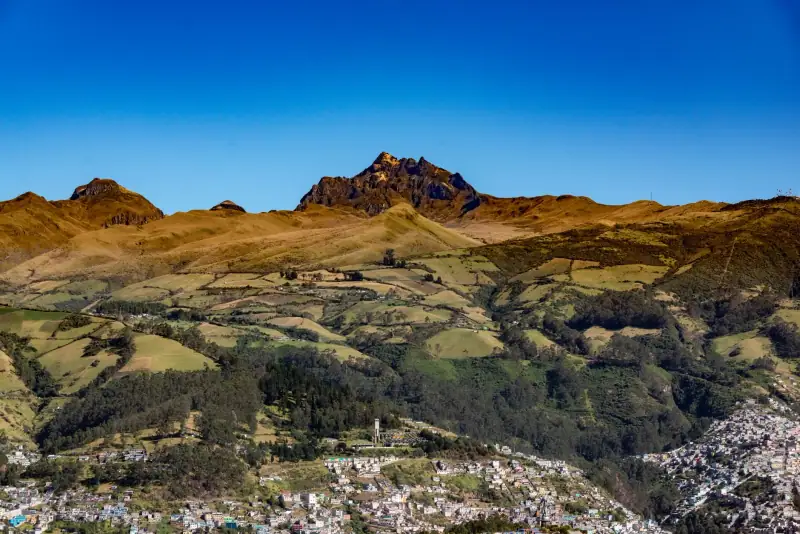
What to see north of Quito: Pululahua, Cayambe, Ibarra and Cotacachi
Beyond Otavalo, what to see north of Quito: Pululahua crater, Cayambe volcano, Ibarra, Cotacachi and Lake Cuicocha. Tips and travel times.
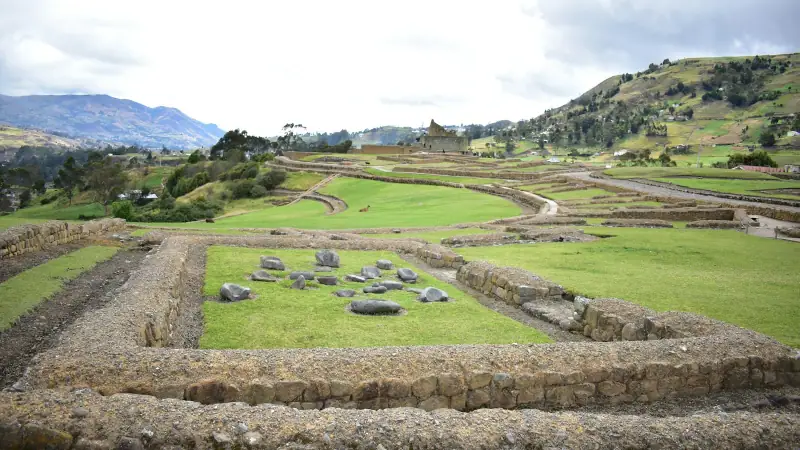
Ecuador's Southern Andes: what to see around Cuenca, from Ingapirca to Vilcabamba
What to see in the Southern Andes: Ingapirca, Gualaceo, Chordeleg, Saraguro, Loja and Vilcabamba. Travel times, stops, tips and route ideas beyond Cuenca.
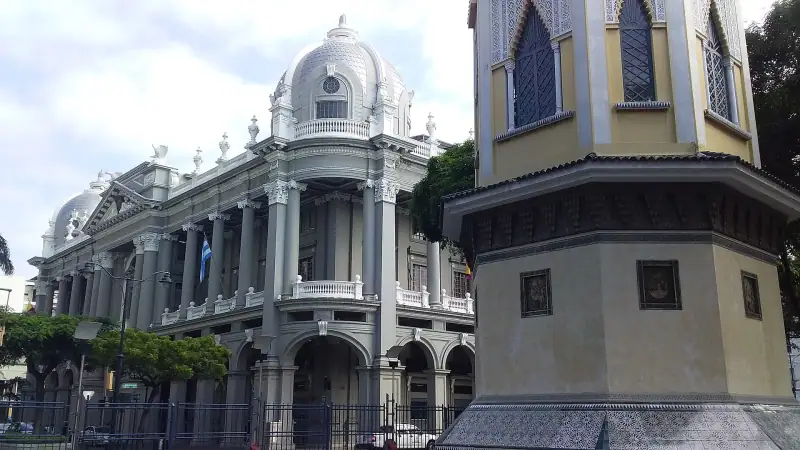
Visiting Guayaquil: what to see and do in Ecuador's big Pacific city
Malecón 2000, Las Peñas, Cerro Santa Ana, the iguana park, the cemetery, Santay Island: what to see and do in Guayaquil, gateway to the Galápagos.
Ready-made
Ecuador itineraries
7 days
One week in Ecuador: a 7-day itinerary, day by day
QuitoLatacungaBaños
Can be adapted in the planner
5 days
Avenue of the Volcanoes in Ecuador: Cotopaxi, Quilotoa and Baños in 5 days
A 5-day itinerary on the Avenue of the Volcanoes from Quito: Cotopaxi, Quilotoa lagoon, Baños and Chimborazo, with travel times, stops and altitude notes.
3 days
What to do in Quito in 3 days: historic center, volcano views and the Mitad del Mundo
Quito in 3 days: UNESCO-listed historic center, Panecillo, cable car, La Ronda and the Mitad del Mundo. A realistic itinerary that builds up gradually.