Plan your trip
When to visit Ecuador: seasons, regions and the Galápagos
We may earn a commission when you book through links on this page, at no extra cost to you. We don't visit or try the places we cover: we summarize published sources. How we work
In short
- There is no single ideal month: in the Sierra (Quito, Cotopaxi, Cuenca) the driest season runs roughly June to September; on the coast and in the Galápagos the warm, sunny period is more December to May.
- Temperature depends on altitude, not on the month; Quito stays mild by day and cool in the morning and evening all year.
- The Galápagos can be visited all year and wildlife is present in every season; book cruises and school-holiday periods several months ahead.
- Choose your region first, then your month, and keep some flexibility: mountain weather changes fast.
Planning a trip to Ecuador and unsure about the date? Here is the good news: as the country is crossed by the equator, it has no real summer or winter. The length of the day varies very little through the year, and it is altitude, the ocean coast and the proximity of the Amazon that shape the climate. The result: you can travel in Ecuador in any season, as long as you choose your regions according to the month.
This guide reviews the country’s four main areas: the Andes, the Pacific coast, the Amazon and the Galápagos Islands. It helps you decide when to go according to what you want to see: clear volcanoes, beaches, forest, sea lions and tortoises.
Understanding Ecuador’s climate in a few minutes
To find your way, forget the idea of a single climate. Ecuador is small in size, but it concentrates very different environments over short distances. In a few hours of road, you go from a hot, humid plain to a cool high plateau, then to summits where snow remains.
A few simple rules help you get oriented:
- Altitude rules temperature. The higher you go, the cooler it is. Andean cities are mild by day and cool at night, whatever the month.
- Seasons come down to “drier” and “wetter”. People speak of a dry season and a rainy season, not of temperature seasons.
- Each region has its own calendar. The Sierra, the coast and the Galápagos do not follow the same rhythms, and the Amazon stays humid almost all year.
- Microclimates are the norm. On the same day, it can be glorious in the morning and rain in the late afternoon on the heights. Mornings are generally the clearest for admiring the volcanoes.
The Sierra: Quito, Cotopaxi, Cuenca and the Avenue of the Volcanoes
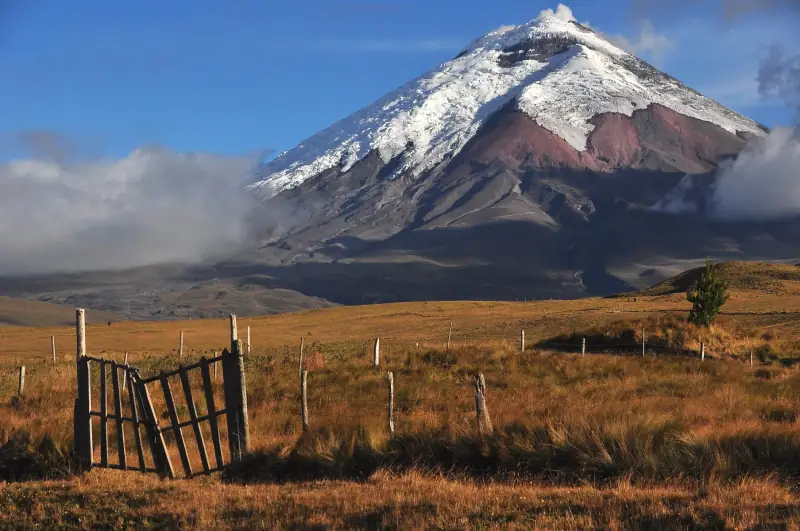
The Sierra is the country’s Andean heart. Quito, the capital, sits at about 2,800 m (9,190 ft), which explains pleasant days but cool mornings and evenings. Temperatures hardly change from one month to the next: tourist descriptions often speak of an “eternal spring”, with the caveat that you can meet all four seasons in the same day.
The driest period runs roughly from June to September. It is the most favorable time for hiking, climbs, volcano photos and mountain roads. Skies are clearer, which improves the chances of glimpsing the great summits, such as Cotopaxi or Chimborazo. In return, it is also the high season for travelers from abroad, so lodgings fill up faster and prices can be a bit higher.
From late summer to May, rains become more frequent, generally as afternoon showers. Nothing dramatic: mornings often remain beautiful and landscapes are greener. If you like less crowded atmospheres, this period has real assets, notably for visiting towns, markets and cultivated valleys. But for high-altitude walks, it is better to aim for the best weather window and stay flexible.
🏨 Where to stay in Quito: the historic center is practical for sightseeing on foot, while the more modern districts offer more comfort for long stays. Compare accommodation for your dates, especially in high season.
Altitude, whatever the month
Whether you come in the dry or the wet season, altitude matters. For anything related to altitude and health, ask your doctor or a travel clinic, and see the official travel health pages (CDC in the US, TravelHealthPro in the UK).
The Pacific coast: beaches, heat and humidity
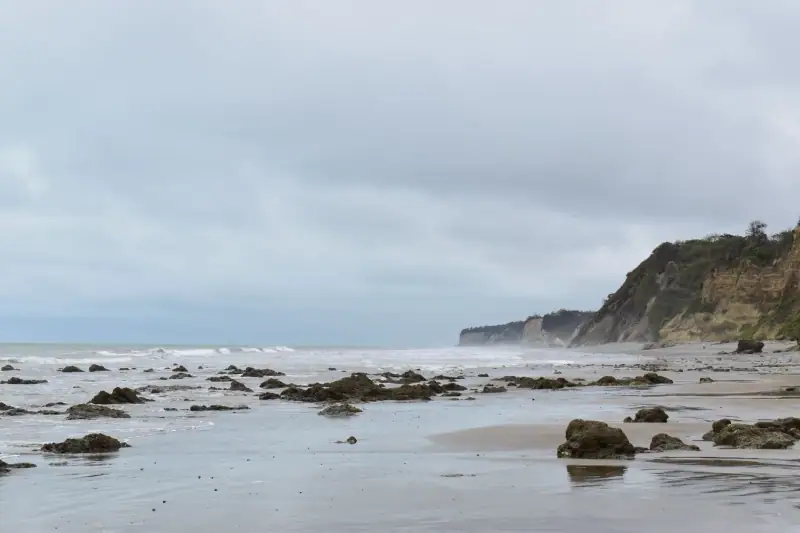
The Pacific coast is hotter and more humid than the heights. The early-year months, from December to April or so, are generally the hottest and rainiest. Showers can be intense but are often brief, and the sun returns quickly. The rest of the year is drier, with a sky that can be overcast at times, notably in the cooler months.
For swimming and beach days, the warm period, early in the year, is the most pleasant. It coincides with local holidays, so the seaside resorts can be lively. If you prefer quiet, the cooler months are calmer, even though the weather is grayer.
Guayaquil, the country’s largest city, is a frequent crossing point before the islands or the coast. The heat is marked all year, with humidity felt more in the rainy season. Light clothing, a hat and water are essentials.
The Amazon: a humid forest almost all year
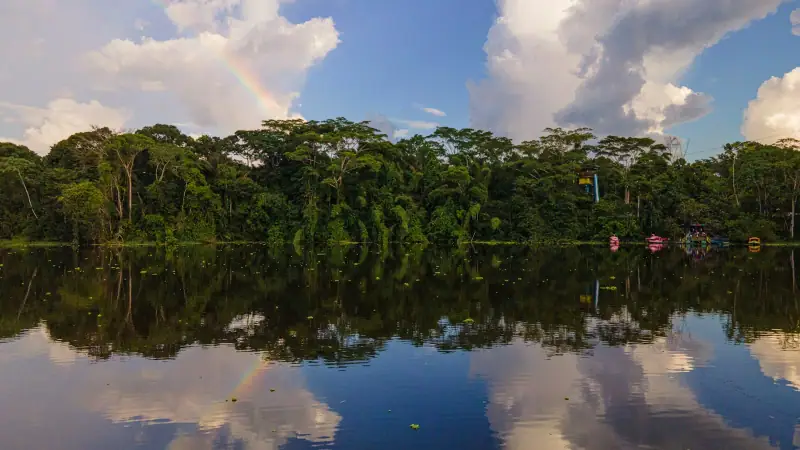
East of the cordillera, the Ecuadorian Amazon is hot, humid and watered throughout the year. There is no real dry season, but less rainy months, which never guarantees an absence of showers. You simply have to accept that rain is part of the trip, and equip yourself accordingly: a light waterproof jacket, quick-drying shoes, protection for the camera and the phone.
River levels vary through the year. At high water, some canoe trips become easier and other trails are flooded; at lower water, it is sometimes simpler to walk in the forest. Your lodge or guide will tell you what is most practical for the period. For wildlife watching, no season is “bad”: it all depends on patience, outing time and the guide’s experience.
The Galápagos: two atmospheres depending on the season
This is the question that comes up most often. The Galápagos have two main seasons, and they differ mostly in sea and sky.
From December to May or so: the warm season. Air and water are warmer, the sky is more often clear and showers, when they come, are brief. It is the period when the sea is calmest in many areas, ideal for swimming and snorkeling without a thick wetsuit. The islands’ vegetation is also greener after the rains.
From June to November or so: the cool season. Colder currents cool the water, the sky is often overcast on the heights, and the sea can be rougher. In return, these rich waters attract abundant marine life, which appeals to diving and snorkeling enthusiasts. A wetsuit is generally recommended.
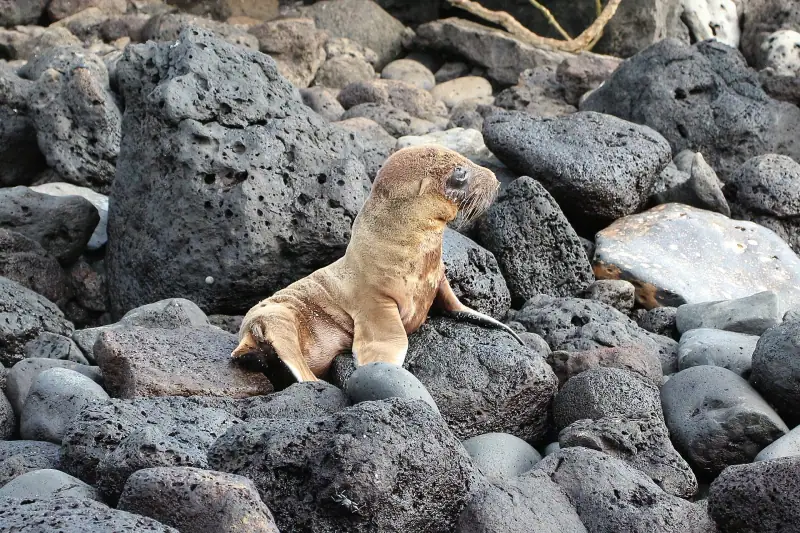
The emblematic animals are present all year: sea lions, marine iguanas, giant tortoises, blue-footed boobies. Only some behaviors, such as nesting periods, vary from month to month depending on the species. If you have a particular species in mind, ask the operator or the naturalist guide before booking.
🎟️ Galápagos excursions: boat trips, snorkeling, tortoise reserve visits... Compare formats, durations and cancellation conditions before booking.
Booking the Galápagos: plan ahead rather than sacrifice the calendar
Capacity is limited to preserve the archipelago, and cruise or hotel places can run out during school-holiday periods, at Christmas and in summer. If your date is fixed, book early. If you are flexible, the transition months between the two seasons are often a good compromise: slightly fewer people, conditions still pleasant.
Which month to choose for your trip?
Rather than looking for a perfect month, start from what you want to do.
You dream of volcanoes and hikes. Aim for the Andean dry season, June to September. Clear mornings give the best views of the summits, and trails are more passable.
You want to combine the Andes and the Galápagos. The transition months work well: June and the start of the cool season for the Sierra, with a sea still acceptable in the Galápagos, or the end of the year to find warmth on the islands while accepting showers in the Andes.
You are looking for the beach and heat. The start of the year is the most suitable on the coast and in the Galápagos, with the drawback of more frequent rain on the mainland.
You prefer to avoid crowds. The in-between periods, between school holidays and peak crowds, let you travel more quietly and sometimes at better prices.
You are traveling with children. Favor drier periods in the Andes and limit overly long days at altitude, with short stages and regular breaks.
Festivals and the local calendar: think about them before booking
Ecuador has several national and local festivals that punctuate the year. During these periods, transport and lodging can be busier, and some shops close. Major local holidays and festival weeks also cause large movements within the country. Check the calendar before locking in your dates, especially if you are planning a long bus trip or a stay in a city known for its festivities.
Carnival, early in the year, is one of these occasions: the mood is festive, but expect lively streets and wet weather. If festivities attract you, it is a good time; if you seek quiet, pick another week.
What to pack by season
The golden rule is layering. On the same day, you may need a T-shirt, a sweater and a waterproof jacket. Plan:
- a light waterproof jacket, useful almost everywhere and in every season;
- warm layers for mornings and evenings at altitude;
- effective sun protection (cream, glasses, hat), as the sun is strong at altitude and on the islands;
- good walking shoes already broken in;
- light, breathable clothing for the coast and the Amazon;
- a thin snorkeling wetsuit if you visit the Galápagos in the cool season.
✈️ Find a flight to Ecuador: fares vary strongly with the period and the length of the trip. Compare offers taking stopovers into account, which can lengthen the trip noticeably.
Insurance
To travel with peace of mind, consider travel insurance covering medical care, repatriation and, if needed, mountain activities.
In summary: the best period
If you were to keep only one rule: choose your region first, then the month. For the Andes and volcanoes, the dry season from June to September is the most comfortable. For beaches and warm water, the start of the year is preferable. For the Galápagos, both seasons have their charm, and wildlife is there all year. In all cases, keep a little flexibility in your program: in Ecuador, the weather changes fast, and that is part of the charm of the trip.
Frequently asked questions
What is the best month to visit Ecuador?
There is no ideal month for the whole country. For the Sierra (Quito, Cotopaxi, Cuenca), the driest season runs roughly from June to September. For the coast and the Galápagos, the warm, sunny period is more December to May. It is best to choose according to the region that matters most to you.
Can you visit the Galápagos all year?
Yes, the islands can be visited all year and wildlife is present in every season. What changes are the conditions: from December to May, the air and water are warmer and the sky clearer; from June to November, the sea is cooler and rougher and the sky often overcast, but the rich waters attract many marine animals.
Is there a rainy season in Ecuador?
It depends on the region. In the Andes, the rainy season runs roughly from October to May, with showers mostly in the afternoon. On the Pacific coast, it is concentrated early in the year. In the Amazon, it can rain at any time of year.
Is it cold in Quito?
Quito sits very high in the Andes, which makes days mild but mornings and evenings cool, all year. The temperature varies little from month to month; what mostly changes is how often it showers. Plan layers of clothing rather than one heavy jacket.
Do you need to book far in advance?
For the Galápagos, especially cruises and school-holiday periods, Christmas or summer, it is better to book several months ahead. For the mainland, a few weeks are generally enough, except in high season.
More Ecuador guides
Keep reading
Ecuador travel budget: real costs, 3 priced profiles and money-saving tips
How much does a trip to Ecuador cost? Lodging, buses, meals, activities and the Galápagos: costs by item, three daily budgets and tips to spend less.
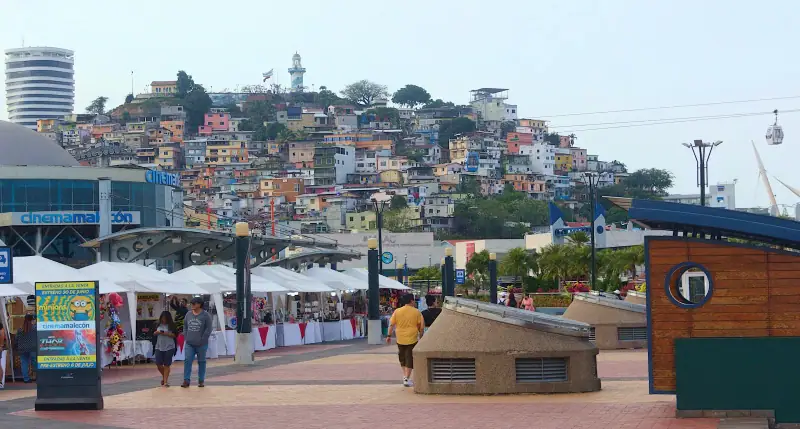
Where to stay in Guayaquil: areas and types of accommodation to help you choose
Where to stay in Guayaquil: downtown and Malecón, Las Peñas, Urdesa, Kennedy, the airport area or Samborondón. Areas, lodging types and tips for choosing.
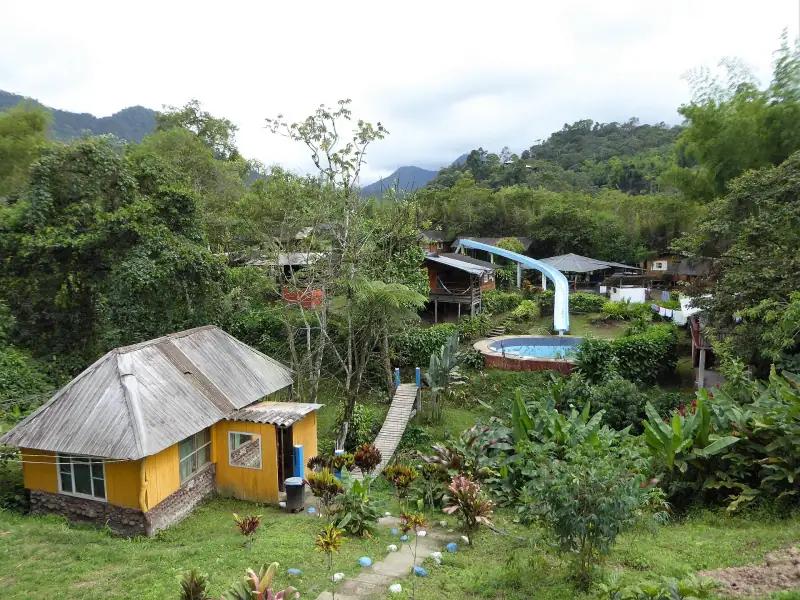
Where to stay in Mindo: areas and types of accommodation to help you choose
Where to stay in Mindo: the village, waterfall roads, river banks, cloud forest lodges. Areas, accommodation types and tips for choosing by trip.
Ready-made
Ecuador itineraries
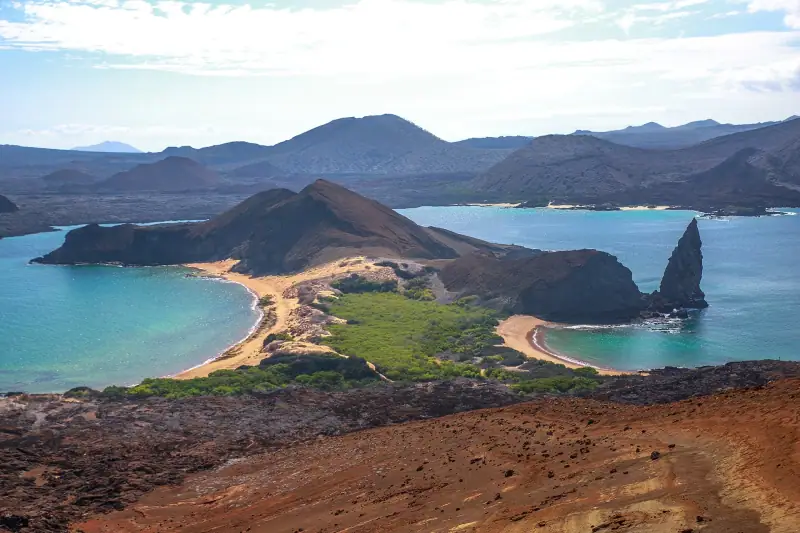
7 days
One week in Ecuador: a 7-day itinerary, day by day
QuitoLatacungaBaños
Can be adapted in the planner
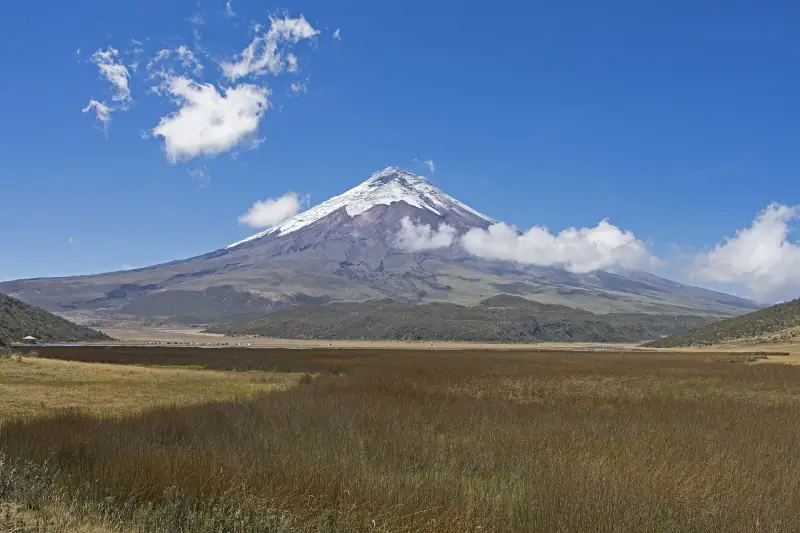
5 days
Avenue of the Volcanoes in Ecuador: Cotopaxi, Quilotoa and Baños in 5 days
A 5-day itinerary on the Avenue of the Volcanoes from Quito: Cotopaxi, Quilotoa lagoon, Baños and Chimborazo, with travel times, stops and altitude notes.
3 days
What to do in Quito in 3 days: historic center, volcano views and the Mitad del Mundo
Quito in 3 days: UNESCO-listed historic center, Panecillo, cable car, La Ronda and the Mitad del Mundo. A realistic itinerary that builds up gradually.