Itineraries
What to do in Quito in 3 days: historic center, volcano views and the Mitad del Mundo
We may earn a commission when you book through links on this page, at no extra cost to you. We don't visit or try the places we cover: we summarize published sources. How we work
Day by day
- Day 1Historic center: Plaza Grande, churches, Basílica del Voto Nacional, La Ronda
- Day 2El Panecillo and the Quito cable car (TelefériQo)
- Day 3Mitad del Mundo, then crafts or a last walk downtown
In short
- Three days cover Quito's historic center (day 1), the Panecillo hill and the cable car (day 2) and the Mitad del Mundo, about 25 km (16 mi) away (day 3).
- Quito sits at about 2,800 m (9,190 ft). The itinerary builds up gradually, with the cable car, which climbs much higher, kept for day 2.
- The historic center is the best base for sightseeing on foot; La Mariscal is more modern but calls for more caution at night.
- Ecuador uses the US dollar, so keep small bills for taxis and markets.
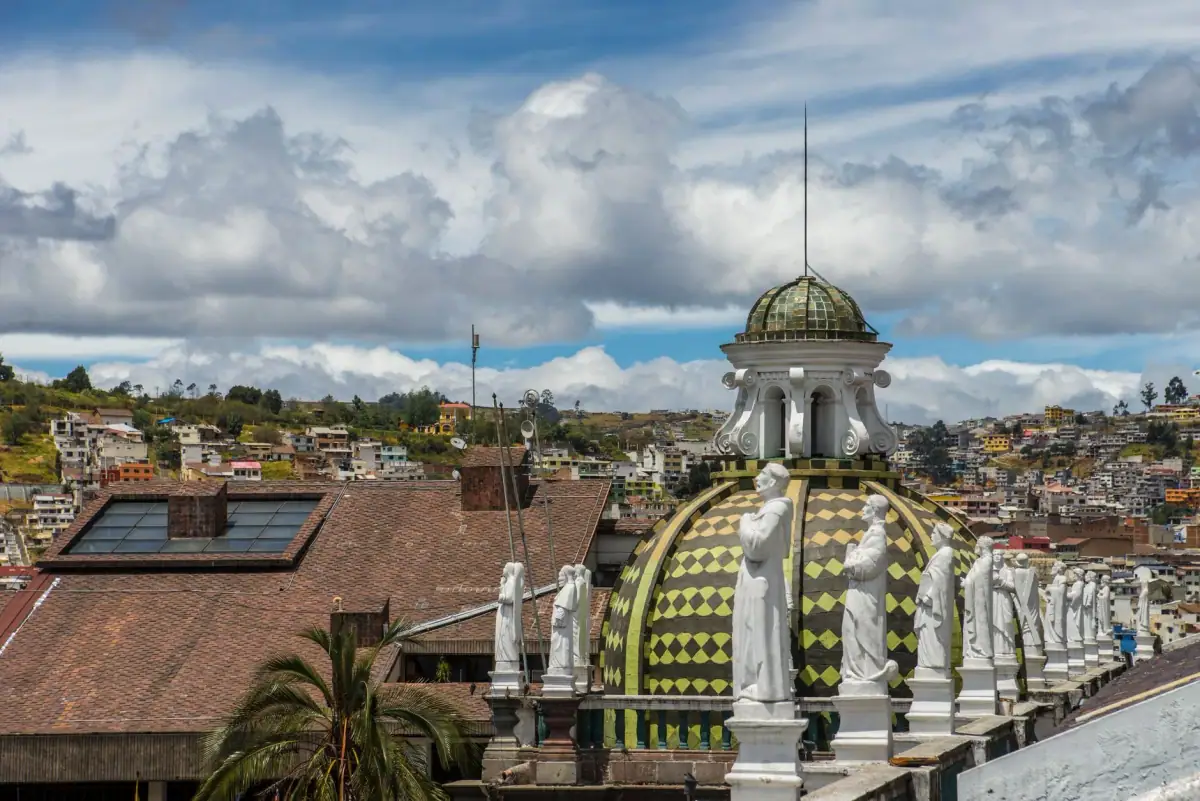
Quito can surprise you: a capital perched in the Andes, a UNESCO-listed colonial center, volcanoes on the horizon and the equator line a few kilometers away. Three days are enough for a solid first visit, as long as you do not rush: the altitude, about 2,800 m (9,190 ft), makes itself felt as soon as you climb a flight of stairs.
This itinerary is designed for a first visit, with a gradual build-up. The first day stays in the historic center, the second climbs higher, and the third leaves the city for the Mitad del Mundo monument.
Before you go: altitude and planning
The first thing to do in Quito is not to rush through the museums but to give yourself time to settle in. Many travelers notice shortness of breath or tiredness on arrival. For anything health-related, ask your doctor or a travel clinic, and see the official travel health pages (CDC in the US, TravelHealthPro in the UK).
A few practical habits help:
- plan layers of clothing, as mornings and evenings are cool even when the day is mild;
- bring serious sun protection, as the sun is intense at altitude;
- keep the most physical efforts and the highest viewpoints for later in the stay.
For choosing when to go, our guide to when to visit Ecuador details the seasons. In the Andes, the driest period runs roughly from June to September, which improves the chances of clear skies.
Day 1: Quito’s historic center
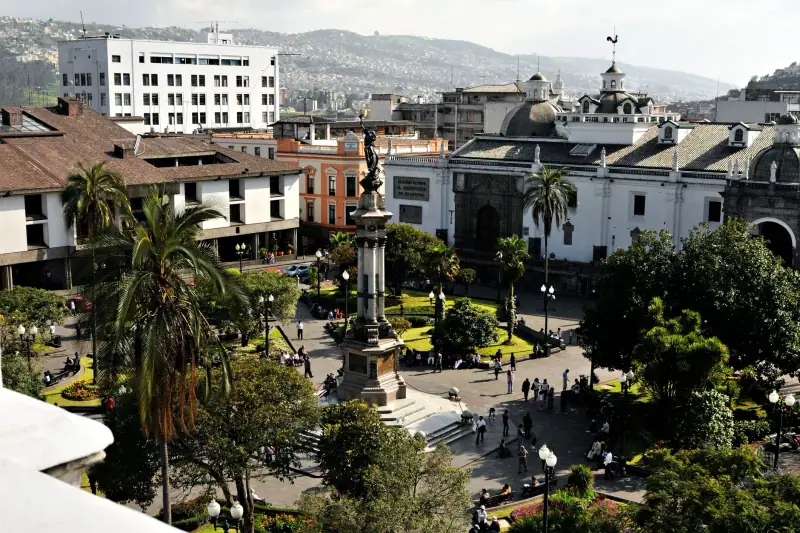
The historic center is one of the best preserved in Latin America. It was among the first sites inscribed on the UNESCO World Heritage list, in 1978. Its steep streets, squares, convents and churches form a compact whole that is easy to visit on foot, at an unhurried pace.
Start at the Plaza Grande, the central square, around which stand the cathedral and the presidential palace. It is the ideal place to watch everyday life in the city: shoe shiners, strollers, families on weekends. Have a coffee, look at the facades, then let yourself drift into the nearby lanes.
Continue to the neighborhood’s most famous churches. The Church of the Compañía de Jesús is known for its baroque interior covered in gilding, and the San Francisco complex, with its large square, is one of the oldest in the center. Bring something to cover your shoulders, as some places of worship require modest dress, and check opening hours on the spot, as they vary.
In the afternoon, head up to the Basílica del Voto Nacional, a large neo-Gothic church visible from afar. Its gargoyles represent animals of Ecuador, Galápagos tortoises and iguanas included, an original nod for a building in this style. If you have the energy, climbing the towers gives a fine viewpoint, but the climb is best left for later in your stay.
In the evening, La Ronda, a narrow cobbled street, is one of the liveliest spots in the center: small restaurants, cafés and craft shops. It is a good place to taste local food without going far. Watch your belongings and take a taxi back once night has fallen.
🏨 Where to stay in Quito: the historic center lets you do everything on foot, while the more modern districts offer more comfort for a long stay. Compare accommodation for your dates.
Day 2: El Panecillo and the Quito cable car
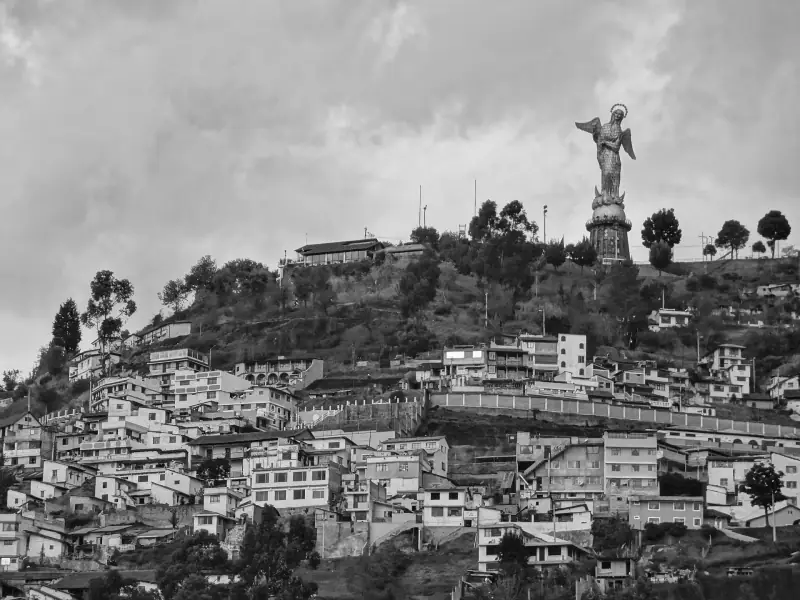
On the second day you gain height, literally. Morning is generally the best time for views: the sky is clearer, and clouds often build up later in the day over the peaks.
Start with Panecillo hill, which overlooks the historic center. It is crowned by the Virgin of Quito, a large winged statue that has become one of the city’s symbols. From the foot of the statue, the panorama stretches over the tiled roofs of the center, the surrounding neighborhoods and, on a clear day, the nearby volcanoes. For the ascent, take a taxi rather than walking, notably for safety reasons on some approaches.
Then continue to the cable car, the TelefériQo, which starts on the slopes of Pichincha volcano and climbs to the summit of Cruz Loma, at about 4,000 m (13,125 ft). At this height the air is much thinner and every effort tells. Go up slowly and stay warm. The panorama over the city stretched along its valley and the surrounding peaks easily justifies the detour. See the health sentence above if you have any concern about altitude.
If you have energy, trails are accessible from the top, but they take real preparation. Many travelers settle for a short walk around the arrival point, with a hot drink to warm up.
In the afternoon, come back down to the La Mariscal district or to a city park for a calmer break. Crafts, cafés and markets are good ways to spend a relaxed moment. For food, try local specialties such as locro de papa, a potato and cheese soup, or encebollado on the coast; the city’s restaurants and markets are good places to try them.
🎟️ Guided tours in Quito: historic center tours, food tours, excursions to nearby volcanoes. Compare formats, durations and cancellation conditions.
Day 3: the Mitad del Mundo, north of Quito
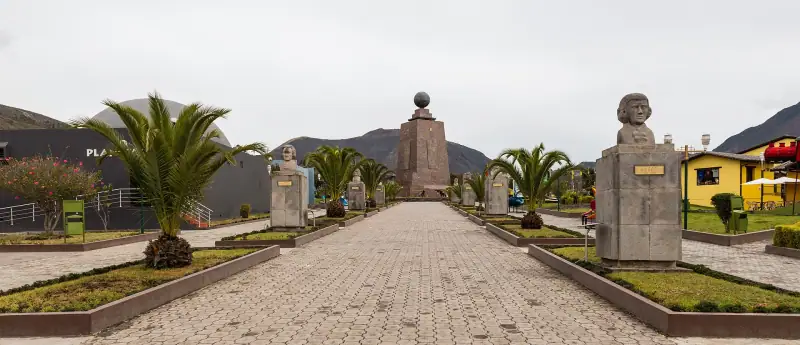
The third day is devoted to the equator line that gives the country its name. The Mitad del Mundo, a large monument north of the capital, is the classic visit for posing with one foot in each hemisphere. The site is about 25 km (16 mi) from central Quito, a drive of a few dozen minutes depending on traffic, and you can get there by public transport, taxi or an organized excursion.
The site is very touristy, with shops, restaurants and exhibits. The monument has become a symbol, but keep in mind that the marked line is not as precise as a modern GPS survey: other nearby sites, including a museum close by, offer other readings of the exact location. The appeal lies as much in the atmosphere and the photos as in scientific accuracy.
Allow half a day for the visit, more if you like museums and exhibits. The rest of the day can go to relaxing, a last walk through the center or craft shopping: textiles, wooden objects, jewelry. Craft markets are also a chance to chat with vendors and understand the country’s cultural diversity.
If you have an extra day, two excursions are easy to add: the Otavalo market, to the north, known for its textiles, and the Mindo cloud forest, to the west, popular with bird lovers. Both can be done from Quito in a day.
✈️ Find a flight to Quito: fares vary a lot with the season and the number of stops. Compare offers before locking in your dates.
Where to stay and how to get around Quito
For a three-day stay, the historic center is the most logical choice if you like sightseeing on foot and the colonial atmosphere. Many old houses there have been converted into boutique hotels. The La Mariscal district, further north, is more modern: it concentrates restaurants, travel agencies and nightlife, but calls for more caution in the evening.
To get around, taxis are the simplest option, especially at night and for trips outside the center. Agree on the fare before getting in or use a ride app. The center is walkable, but the steep slopes tire you faster than you would expect at altitude.
If you plan to rent a car to leave the capital, compare rental companies before you go. Keep in mind that driving in Quito is dense and parking downtown is complicated: a car only becomes really useful for excursions outside the city.
Practical tips for your stay
A few habits make the trip easier:
- Safety: keep your belongings close, avoid showing valuables and cameras, and check up-to-date official safety advice before you leave.
- Money: Ecuador uses the US dollar. Keep small change for taxis and markets.
- Pace: do not overfill your days. At altitude, a break in the middle of the day makes all the difference.
- Clothing: layer up and keep a light waterproof jacket within reach.
Extending the trip
Quito is an ideal starting point for the rest of the country: the Avenue of the Volcanoes with Cotopaxi, Andean villages, the city of Cuenca in the south, the Amazon or the Galápagos.
Final thoughts
Three days in Quito give an excellent overview of the capital: a remarkable colonial center, spectacular panoramas and the symbolism of the equator line. The key to a good stay is progression: historic center on the first day, height on the second, an excursion on the third. Leave room for the unexpected, because it is often in a lane or at a market that Quito shows its character best.
Frequently asked questions
How many days do you need to visit Quito?
Three days let you see the essentials: the historic center, a viewpoint over the city (Panecillo or the cable car) and the Mitad del Mundo. With one more day, you can add an excursion to Otavalo or to the Mindo cloud forest.
How do you handle the altitude in Quito?
The city is at about 2,800 m (9,190 ft). Plan an easy first day and keep the cable car, which climbs much higher, for the second or third day. For anything health-related, ask your doctor or a travel clinic, and see the official travel health pages (CDC in the US, TravelHealthPro in the UK).
Which area is best for a short stay in Quito?
The historic center is ideal for sightseeing on foot and soaking up the colonial atmosphere. The modern La Mariscal district, further north, is handy for restaurants and tour agencies, but it calls for more caution at night.
Is Quito safe for tourists?
The usual big-city precautions in Latin America apply: keep your belongings close, avoid showing off your phone and camera, prefer official taxis or ride apps at night, and check up-to-date official travel advice before you go.
More Ecuador guides
Keep reading
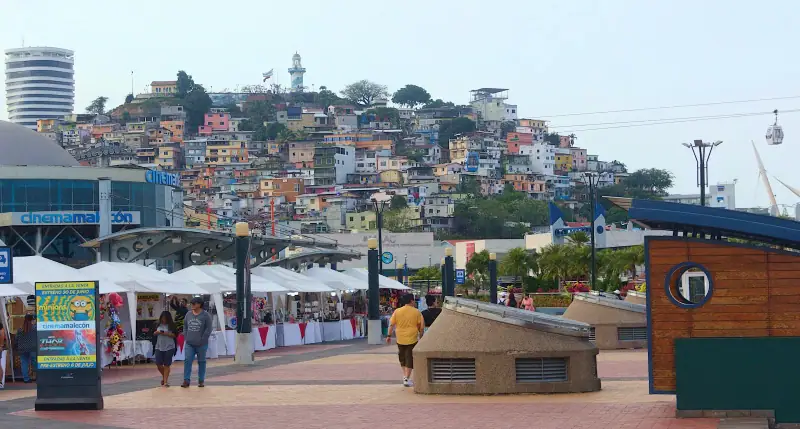
Where to stay in Guayaquil: areas and types of accommodation to help you choose
Where to stay in Guayaquil: downtown and Malecón, Las Peñas, Urdesa, Kennedy, the airport area or Samborondón. Areas, lodging types and tips for choosing.
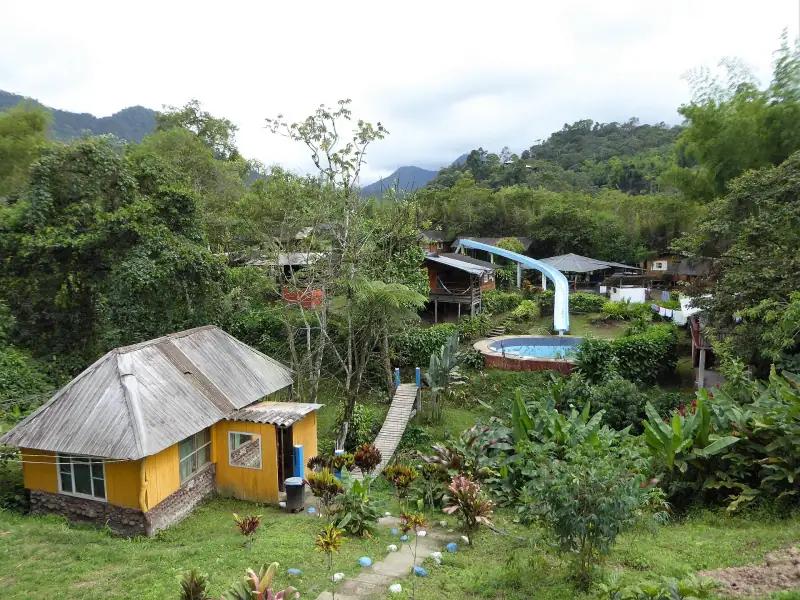
Where to stay in Mindo: areas and types of accommodation to help you choose
Where to stay in Mindo: the village, waterfall roads, river banks, cloud forest lodges. Areas, accommodation types and tips for choosing by trip.
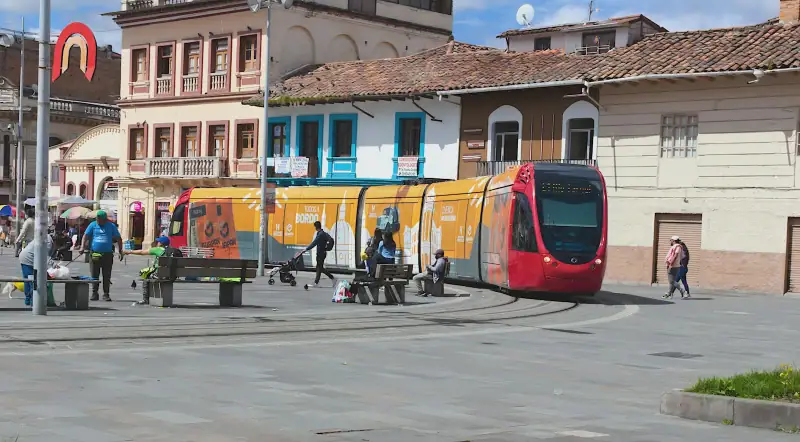
Where to stay in Cuenca: areas and types of accommodation to help you choose
Where to stay in Cuenca: historic center, Tomebamba riverside, San Blas, El Ejido or Turi. Areas, accommodation types and tips for choosing by trip.
Ready-made
Ecuador itineraries
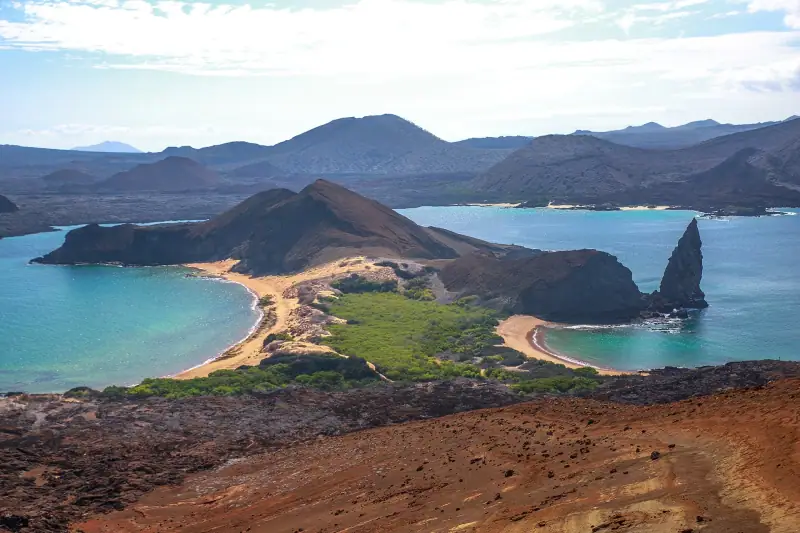
7 days
One week in Ecuador: a 7-day itinerary, day by day
QuitoLatacungaBaños
Can be adapted in the planner
5 days
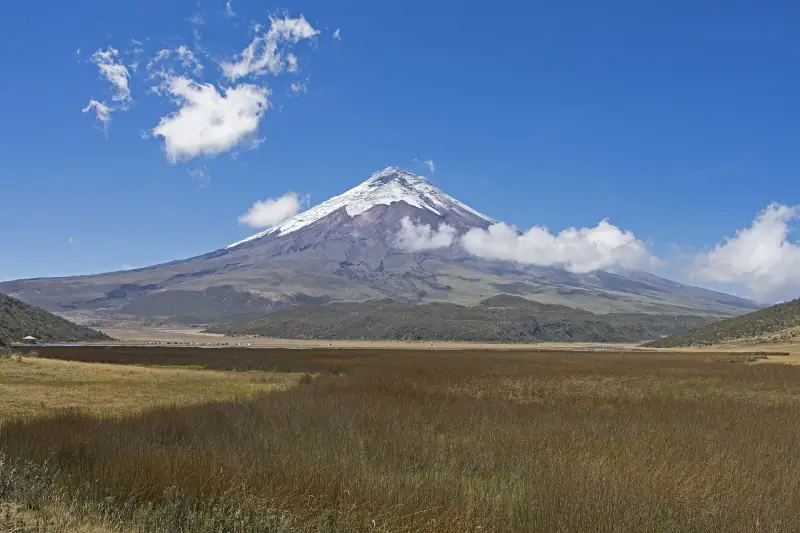
Avenue of the Volcanoes in Ecuador: Cotopaxi, Quilotoa and Baños in 5 days
A 5-day itinerary on the Avenue of the Volcanoes from Quito: Cotopaxi, Quilotoa lagoon, Baños and Chimborazo, with travel times, stops and altitude notes.