Things to do
Hiking in Chile outside Patagonia: 7 national parks to explore
We may earn a commission when you book through links on this page, at no extra cost to you. We don't visit or try the places we cover: we summarize published sources. How we work
In short
- Seven parks outside Patagonia: Huerquehue, Conguillío, Vicente Pérez Rosales, La Campana, Cajón del Maipo, Lauca and Pan de Azúcar.
- National parks are run by CONAF; most charge an entrance fee that varies by park, season and nationality, so check before you go.
- Austral summer (about December to March) is the most stable period in the center and south; cell coverage is often absent, so carry water, food and an offline map.
- Guided volcano ascents and high-altitude routes are strongly recommended with a licensed guide.
When you think of hiking in Chile, you immediately think of Patagonia. Yet the country stretches over more than 4,000 km (2,485 mi) from north to south, and a large share of its finest trails are much closer to Santiago, Pucón or San Pedro de Atacama. Forests of thousand-year-old araucarias, high-altitude lagoons, volcanic cones, arid quebradas and an altiplano populated by vicuñas: the variety is astonishing, and the parks are accessible even to occasional walkers.
Chilean Patagonia (Torres del Paine, Puerto Natales, Punta Arenas) is not covered here. We concentrate on the rest of the country, from the northern desert to the Lake District. Here is how to choose your parks, when to go and how to prepare your hiking days.
Hiking in Chile: what to know before choosing
Chilean national parks are managed by CONAF (Corporación Nacional Forestal). Most have a reception post, marked trails of varying difficulty and, sometimes, camping areas. Infrastructure is simpler than in large European parks: there is not always food service, and cell coverage is often absent. So pack water, food and an offline map.
A few points common to all parks:
- Entrance fees: most parks charge, with prices that vary by park, season and nationality. Check them before you go, as they change.
- Changeable weather: in the mountains, sun, wind and rain can follow one another in the same day. Layers of clothing are essential.
- Trails sometimes closed: volcanic activity, snow, summer fire risk or works can close a sector. Check local information the day before.
- Timing: the sun sets early in winter and night falls fast in the mountains. Start early in the morning.
To choose the right period for your region, our guide when to go to Chile details the seasons and climates.
Huerquehue National Park: lagoons and araucarias near Pucón
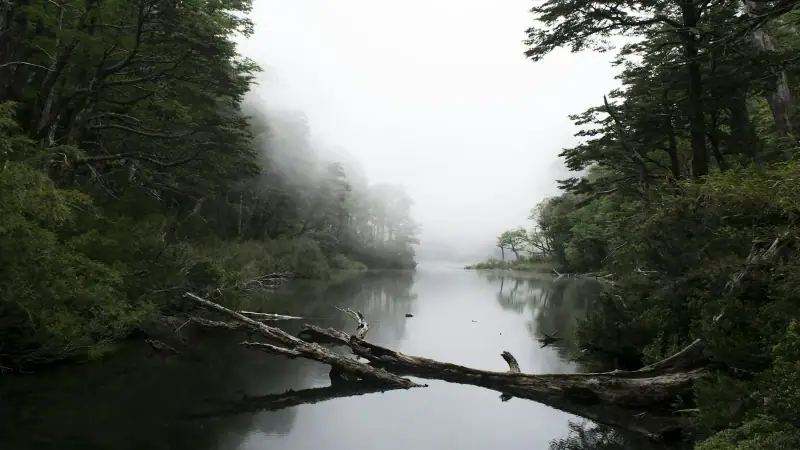
Huerquehue National Park is in the Lake District, near Pucón. It is one of the most popular hikes in the region, because in a single day it offers a fine variety of landscapes: southern beech forest, waterfalls, mountain lagoons and, higher up, beautiful specimens of araucarias, trees with an astonishing shape that are emblems of the region.
The main trail climbs gradually from the park entrance toward several lagoons. The climb is steady but accessible to a reasonably fit walker, and the reward comes with open views over the region’s lakes and volcanoes. Plan a full day, with a picnic, water and a jacket, because the weather is changeable.
This park is easy to combine with Pucón’s other activities: hot springs, rafting, the Villarrica Volcano climb. To plan your stay there, see our guide to Pucón and Villarrica Volcano.
Where to stay in Pucón
An ideal base for the Lake District parks: compare accommodation and book early in summer.
Conguillío National Park: Llaima Volcano and araucaria forests
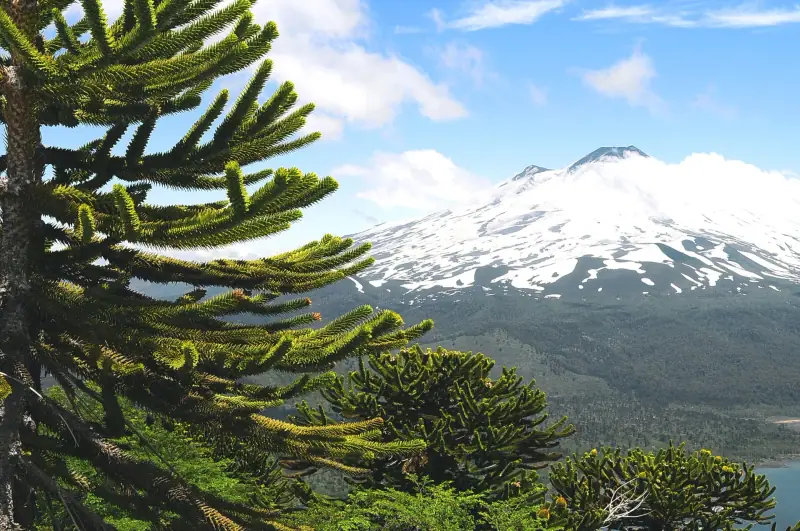
Conguillío National Park, further north in the Araucanía region than Huerquehue, is dominated by Llaima Volcano, one of the most active in Chile. It shelters vast araucaria forests, old lava flows and lakes with dark water. The landscapes are wilder and less visited than those of the parks near Pucón.
Several trails of varying length let you discover the park: short walks around the lakes, strolls in the araucaria forest, longer circuits on the volcano’s flanks. Depending on volcanic activity and snow cover, some sectors may be closed: ask CONAF.
The park is far from big cities and services are limited: bring food and drink, and a car or organized transfer to get there. It is an excellent option for those who want to get away from the best-known trails.
Vicente Pérez Rosales National Park: lakes, Petrohué River and Osorno Volcano
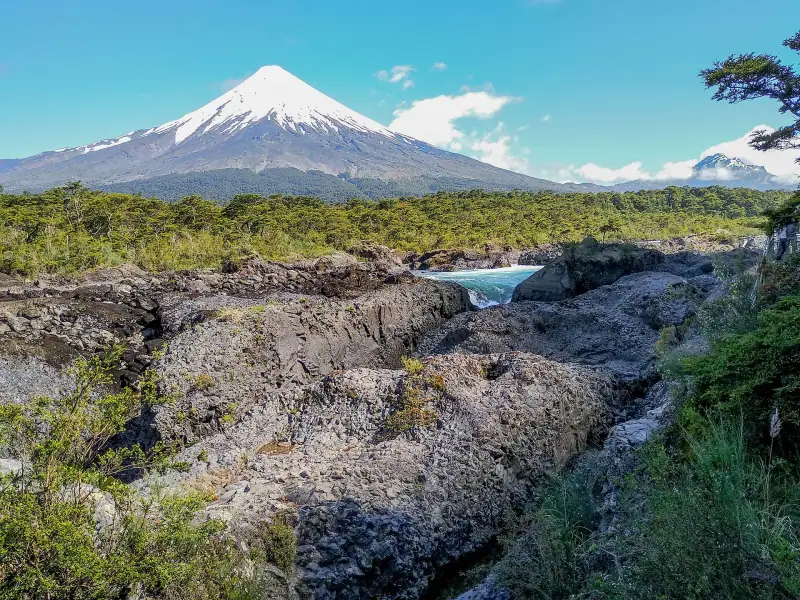
Vicente Pérez Rosales National Park is the oldest park in the country. It stretches at the foot of Osorno Volcano, not far from Puerto Varas, around Lake Todos los Santos and the Petrohué River. The regular cone of Osorno, often snow-covered, is one of the most emblematic landscapes of the Lake District.
There are many accessible hikes: short trails to the Petrohué River falls, lakeside walks, circuits through wet forest and longer routes on the volcano’s slopes. Many visitors go for the day from Puerto Varas, by car, local bus or organized tour.
The region is wet and the weather can change quickly: a waterproof jacket is essential, even in summer. If the sky is clear, make the most of it: the views of the volcano are unforgettable.
La Campana National Park: the hike closest to Santiago
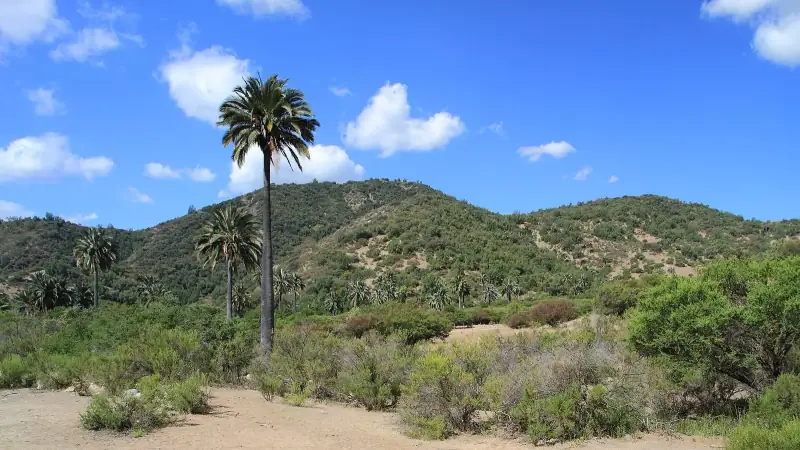
For a day’s walk reachable from the capital or from Valparaíso, La Campana National Park is a classic. Located in the Coastal Range, it protects one of the last large stands of Chilean palms, an endemic species. The landscape of dry hills, ravines and Mediterranean forest is very different from that of the south.
The best-known trail leads toward the summit of Cerro La Campana, which in clear weather offers very fine views over the Andes and the Pacific Ocean. The climb is demanding: bring good shoes, plenty of water and start early, because summer can be hot. Other shorter, shaded trails let you discover the palms without effort.
The park combines well with a visit to Valparaíso or a stop in the coastal vineyards. Check opening conditions before going: during fire-risk periods, access may be limited.
Cajón del Maipo: the mountains at Santiago’s doorstep
The Cajón del Maipo is a valley of the Andes stretching southeast of Santiago. You can go for the day from the capital to hike among peaks, rivers and mountain villages. Trails there range from accessible walks to high-altitude routes reserved for experienced walkers.
It is a good choice for a day of nature when staying in Santiago, without spending several days on travel. Depending on the season, the valley changes completely: snow in winter, dry golden landscapes in summer. High-altitude routes can stay snowy late in the season: check conditions before leaving, and do not venture into the high mountains without experience or a guide.
To prepare your stay in the capital, see our guide what to see in Santiago.
Guided hikes in Chile
Guided day trips from Santiago, Pucón or Puerto Varas: compare packages and reviews.
Lauca National Park: the altiplano and vicuñas in the north
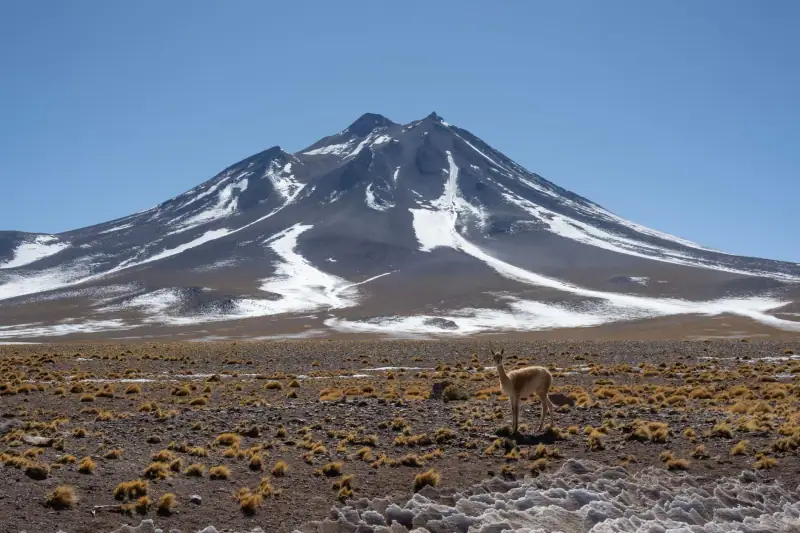
In the far north of the country, near the Bolivian border, Lauca National Park occupies the altiplano, at over 4,000 m (13,100 ft) for much of its area. You find snow-capped volcanoes, Lake Chungará, lagoons full of birds, vicuñas and alpacas, as well as small Aymara villages.
Here, walking is more a series of short strolls than long treks: at this altitude, effort is felt very quickly. The park is generally visited from Arica or Putre. For health questions about altitude, ask your doctor or a travel clinic, and see the official travel health pages (CDC in the US, TravelHealthPro in the UK).
If you are preparing a stay in the desert, also read our article on San Pedro de Atacama.
Pan de Azúcar National Park: hiking between desert and Pacific
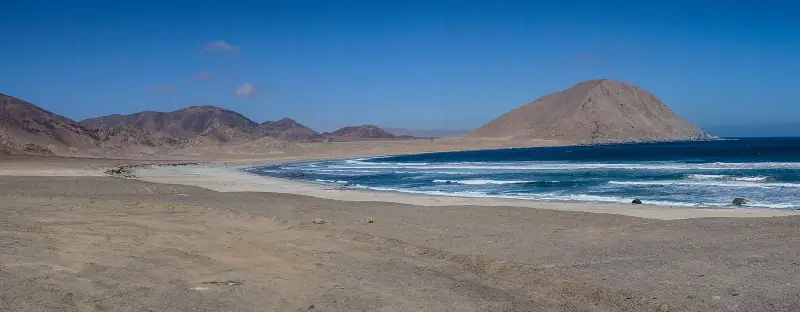
In the Atacama region, Pan de Azúcar National Park is one of the rare places where the desert meets the ocean directly. You hike on coastal trails among cliffs, isolated beaches and cactus landscapes, with fine views of the Pacific. The atmosphere is very different from mountain parks: walking under intense sun, with no shade, with a sea breeze that cools you.
The park is far from everything, and services there are limited. Pack water, food, serious sun protection and a suitable vehicle. It is a destination for travelers who like empty landscapes and little-visited spaces.
Which park to choose for your trip?
The choice depends on your itinerary, your level and the time available:
- Little time, leaving from Santiago: Cajón del Maipo or La Campana, as a day trip.
- Stay in the Lake District: Huerquehue and Vicente Pérez Rosales, to which you can add Conguillío if you have a car.
- Trip in the north: Lauca (altiplano) or Pan de Azúcar (coast), to fit into a wider itinerary.
- Experienced walkers: volcano ascents and high-altitude routes, with a licensed guide.
If you are looking for a full trip outline to link these regions, our two-week Chile itinerary shows how to chain them without wasting time in transport. For an overview, also see the complete guide to Chile.
Preparing your hikes: gear, safety and insurance
Good preparation makes all the difference. Here are the basics:
- Shoes: broken-in hiking shoes suited to the terrain, rather than new models.
- Layered clothing: breathable base layer, fleece, waterproof jacket and windbreaker. Add a hat and gloves for altitude.
- Sun protection: hat, sunglasses, high-SPF sunscreen. Radiation is intense, especially at altitude and in the desert.
- Water and food: carry more water than planned and energy snacks. Water points are rare.
- Maps and information: download an offline map and check the weather the day before.
- Respect for nature: stay on the trails, leave no trash and do not light fires.
For the detailed gear list, see our article on useful accessories for traveling in Chile.
On the health side, travel insurance covering medical costs and repatriation is strongly advised, especially if you hike at altitude or in isolated areas, far from medical centers. Entry rules depend on your passport. Check the official travel advice of your government before you book: travel.state.gov (US), GOV.UK (UK), travel.gc.ca (Canada), Smartraveller (Australia) (checked November 2026).
Compare flights to Chile
Fares vary by season and stopovers: compare several dates before booking your trip.
Getting around between parks
The Lake District parks are relatively close to Pucón and Puerto Varas: local buses, shuttles and day tours let you reach them without a car. For more isolated parks such as Conguillío or Pan de Azúcar, a car remains the most practical solution, accepting country roads and tracks that are sometimes uneven. Carry enough fuel, as gas stations can be rare.
Budget and organization
Park hikes are one of the cheapest activities of the trip: modest entrance fees, picnics to take along, local transport. Costs come mostly from travel and lodging near the parks. To estimate your whole stay, see our article on the budget for a trip to Chile.
Key takeaways
- Chile offers many hikes outside Patagonia, from araucaria forest to the altiplano.
- Choose your parks according to your itinerary and the season: the austral summer is the most stable period in the center and south.
- Find out about trail closures, fees and access before each outing.
- Bring the right gear, water and sun protection, and arrange travel insurance.
Frequently asked questions
Where can you hike in Chile outside Patagonia?
The center and south of the country offer very fine options: Lake District parks (Huerquehue, Conguillío, Vicente Pérez Rosales), the mountains near Santiago (Cajón del Maipo, La Campana) and the northern altiplano (Lauca). Patagonia and Torres del Paine are not covered in this guide.
When is the best time to hike in Chile?
In the center and south, the austral summer (about December to March) offers the most stable conditions and most high-altitude trails are then open. Spring and fall suit mid-altitude parks, with fewer people. In the north, the altiplano is best visited outside the summer rainy season.
Do you need a guide to hike in national parks?
Marked park trails are generally done on your own, following rangers' instructions. For a volcano ascent, a glacier zone or a high-altitude area, a licensed guide is strongly recommended, and sometimes mandatory depending on conditions. Ask locally.
Do Chilean national parks charge an entrance fee?
Most parks charge a fee, which varies by park, season and nationality. Prices and payment methods change: check before you go with CONAF, the agency that manages the parks, or at the park entrance.
Can you hike without a rental car?
It is possible for some parks, thanks to local buses, shuttles and day tours from towns such as Pucón or Puerto Varas. A car gives more freedom for remote parks, provided you are comfortable on country roads and tracks.
What gear should you bring for hiking in Chile?
Broken-in hiking shoes, several layers (weather changes fast in the mountains), a waterproof jacket, a hat, high-SPF sunscreen and enough water. Good travel insurance covering medical costs is also useful.
More Chile guides
Keep reading
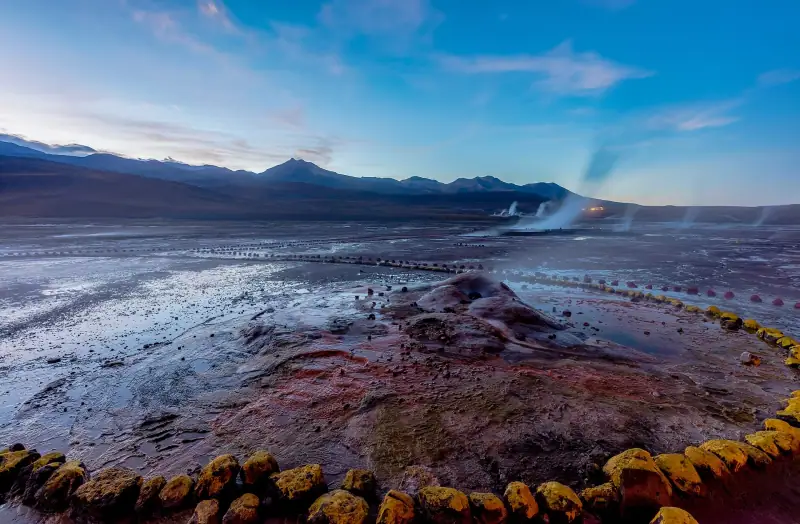
El Tatio geysers without a tour: car, entrance fee and hours
Visit El Tatio geysers without a tour: B-245 road, 15,000 CLP ticket, night departure, cold and altitude. The real conditions before you rent a car.
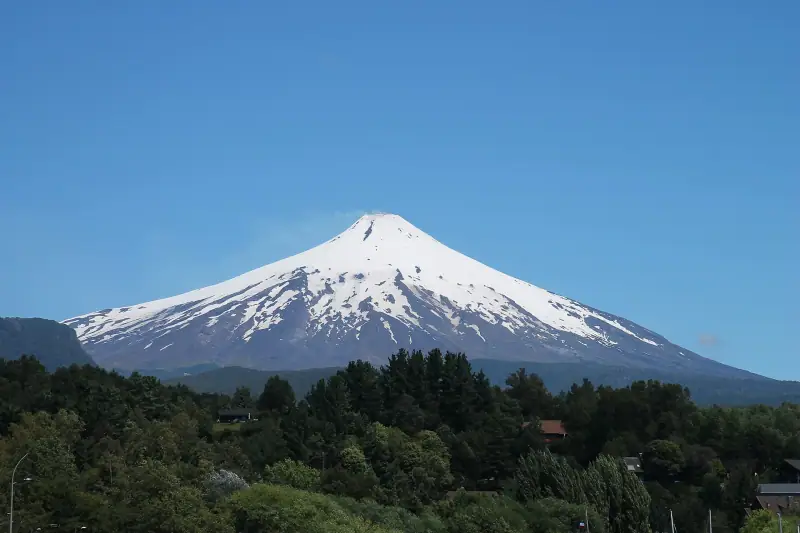
Pucón and Villarrica Volcano: things to do in Chile's Lake District
What to do in Pucón: Villarrica Volcano climb, Huerquehue park, rafting, hot springs and lake beaches. A guide to planning 3 to 4 days in Chile.
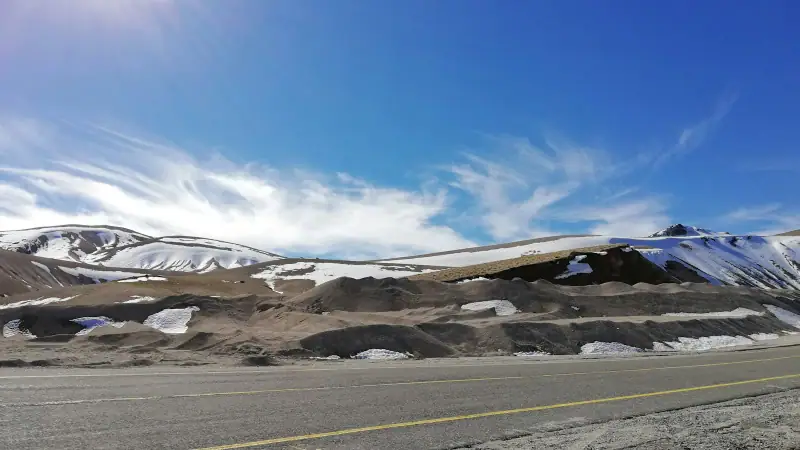
Chile trip budget: real costs, 3 profiles and money-saving tips
How much does a trip to Chile cost? Prices by category (lodging, transport, meals, activities), three daily budgets and tips to spend less.
Ready-made
Chile itineraries
7 days
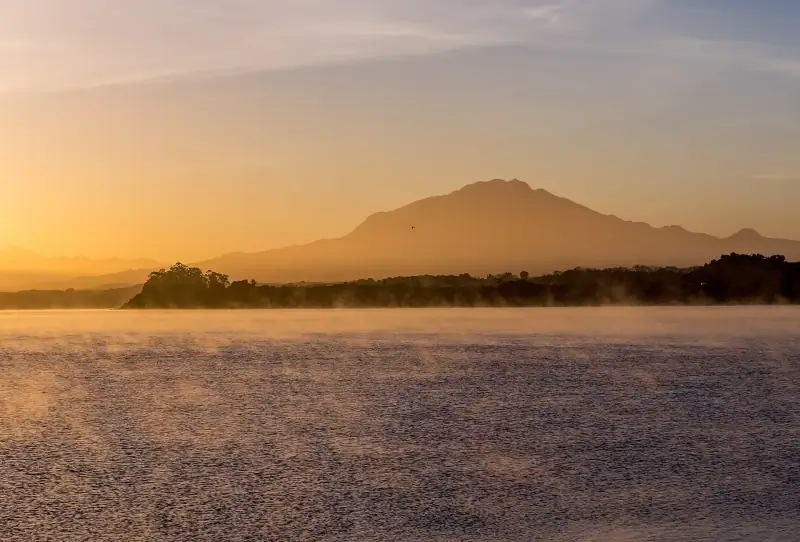
Chile's Lake District road trip: 7 days from Puerto Varas to Pucón
Puerto VarasPucón
Can be adapted in the planner
3 days
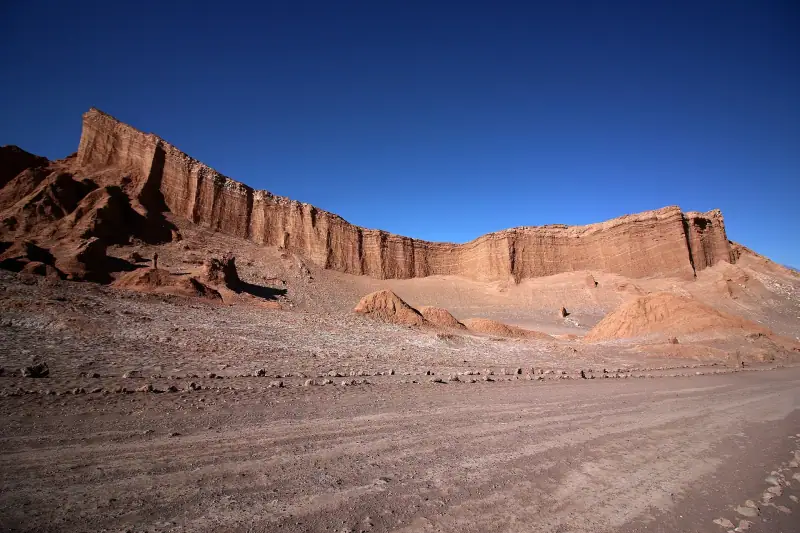
3 days in San Pedro de Atacama: a day-by-day itinerary
3 days in San Pedro de Atacama: a day-by-day plan with Moon Valley, lagoons, El Tatio geysers and stargazing, plus altitude and logistics tips.
14 days
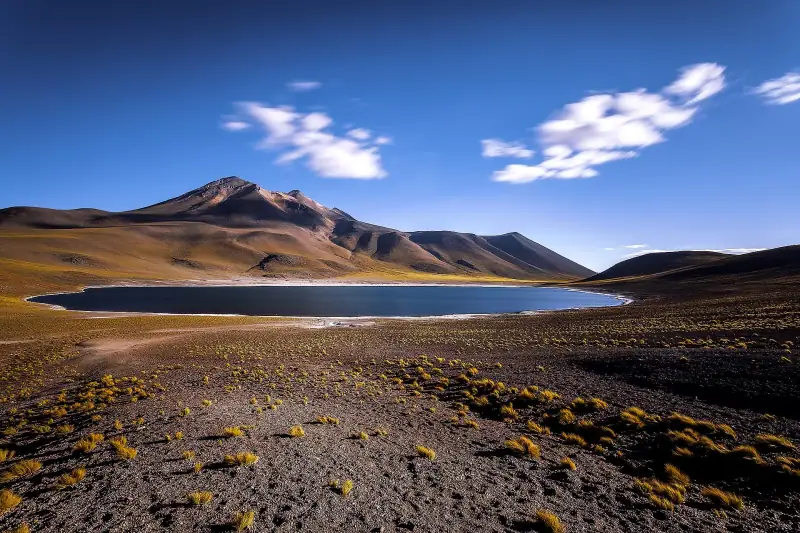
2-week Chile itinerary: Atacama, the Lakes and Chiloé
A 14-day Chile itinerary, day by day: Santiago, Valparaíso, the Atacama Desert, Pucón, Puerto Varas and Chiloé, with flights, durations and tips.