What to see
Visiting Kitzbühel: what to see and do in the heart of Tyrol
We may earn a commission when you book through links on this page, at no extra cost to you. We don't visit or try the places we cover: we summarize published sources. How we work
In short
- One day covers the old town and a ride up to altitude; two to three days let you add the Schwarzsee, the mountains and the surroundings.
- Kitzbühel can be reached by train or by road (about 1 h to 1 h 30 from Innsbruck or Salzburg); the center is walkable and local buses serve the lifts and the lake.
- Winter brings skiing and the Hahnenkamm race in January, when hotels fill and prices climb; summer brings hiking, cycling and swimming.
- Opening hours, lift prices and event dates change each year: check the official sites before you go.
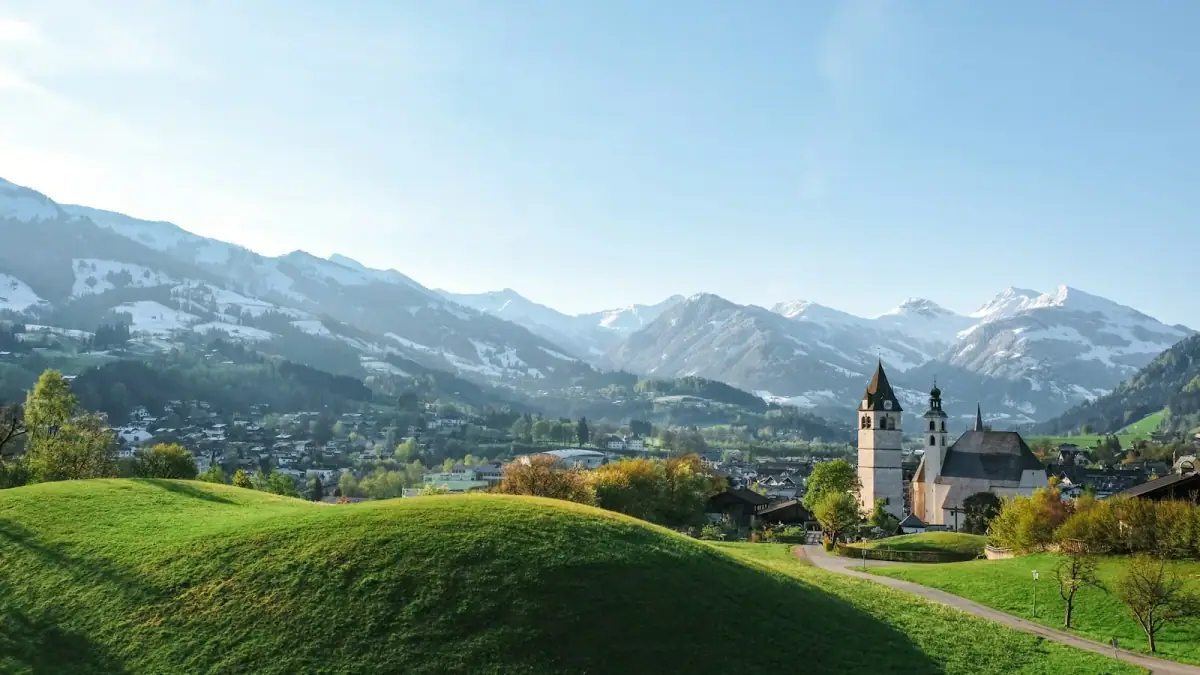
Kitzbühel is one of the most famous resorts in Tyrol. For many, its name first evokes the Streif, the downhill course of the Hahnenkamm race, and an upscale clientele coming to ski in winter. That is true, but incomplete: Kitzbühel is also a small medieval town with colorful facades, surrounded by meadows, forests and peaks reachable by lift, with a swimming lake steps from the center. It can be visited in every season, and its residents like to remind you that here, life goes on all year.
This guide explains what to see in Kitzbühel, how to get there, where to stay, what to do by season and how to fit it into a wider trip in Austria. Opening hours, lift prices and event dates change from one year to the next: always check them on official sites before you go. If you are planning a full trip, our 7-day Austria itinerary gives the general framework, and Kitzbühel can be added to the Tyrolean leg.
Why visit Kitzbühel?
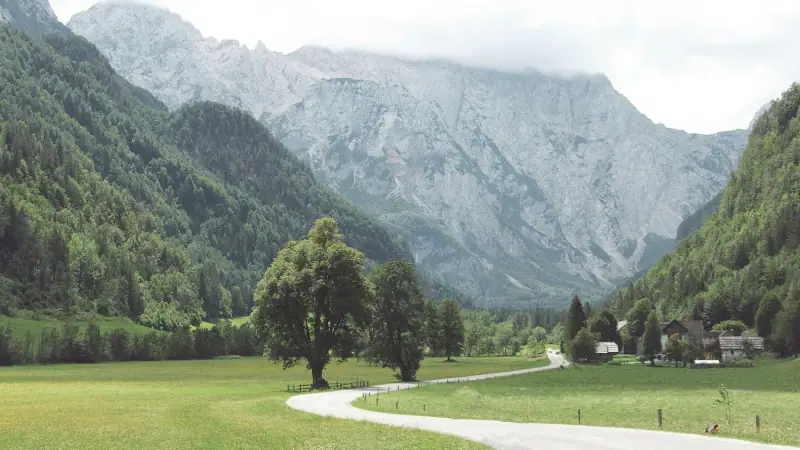
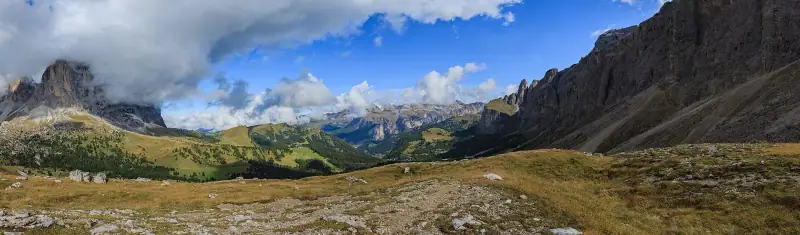
Kitzbühel lies in the Kitzbühel Alps, a range of rounded relief, gentler than the big glacial peaks of western Tyrol. These grassy mountains are ideal for hiking in summer and skiing in winter, with very broad panoramas over the Wilder Kaiser, the limestone range that cuts the horizon to the north.
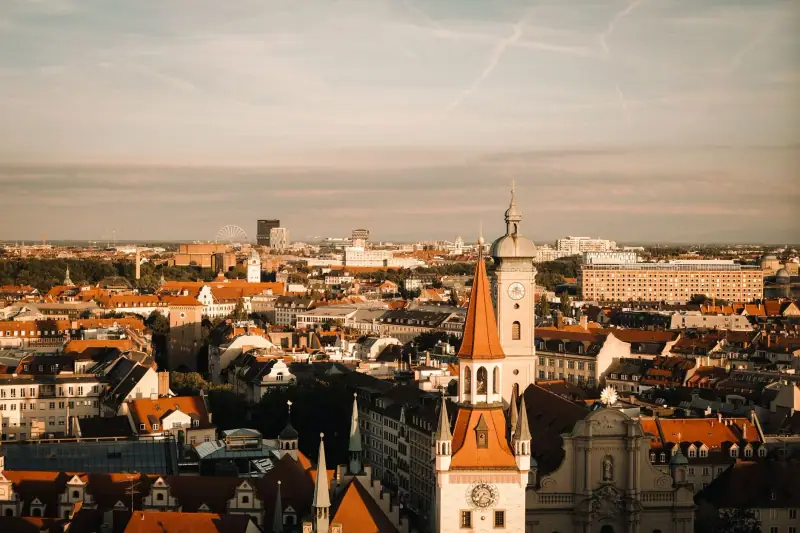
The town has kept a human scale. It has barely a few thousand residents, and the old town fits in two main streets, Vorderstadt and Hinterstadt, lined with houses with painted gables. You will find cafés, pastry shops, traditional costume and mountain fashion boutiques, and a few luxury addresses that make the resort’s reputation.
Another asset is its location. Kitzbühel is easy to place between Innsbruck and Salzburg, which makes it a logical stop on a Tyrolean circuit. You can combine it with our guide Innsbruck and Tyrol to round out your discovery of the region.
Getting there and around
By road, Kitzbühel is reached from Innsbruck or Salzburg in about one hour to one and a half hours depending on traffic. Mountain roads are well maintained, but winter calls for suitable tires or chains according to the regulations in force: ask the rental company.
By train, the town has a station on the line crossing Tyrol. Connections from Innsbruck or Salzburg are generally made with a transfer, and the duration varies by connection. Check the Austrian rail operator’s schedules for your date. The train is a good option if you do not want to drive on snowy roads.
In town, the center is covered on foot in a few minutes. Buses serve the lifts, Lake Schwarzsee and the surrounding districts. In season, a lift pass often also covers certain local transport; ask the tourist office what is included.
Where to stay in Kitzbühel: in the center to do everything on foot, near the lifts to ski or hike, or in a cheaper guesthouse on the outskirts. Compare hotels for your dates.
The old town: Vorderstadt and Hinterstadt
Kitzbühel’s historic heart is compact and pleasant to wander without a set goal. Vorderstadt, the main artery, is lined with houses with colorful facades, oriel windows and wrought-iron signs. Hinterstadt, parallel and quieter, holds cafés and shops. Both streets are largely pedestrian, which makes the walk comfortable in every season.
The town received its town rights in the 13th century, and its history is tied to copper and silver mining in the region. This old wealth explains the quality of some facades and a few religious buildings. When you look up, you notice the steep roofs, painted shutters and, depending on the season, flower boxes or Christmas decorations.
Take time to taste a pastry in a tea room in the center, then take a few steps toward the ramparts and side lanes. In winter, terraces are often heated and the evening atmosphere is festive. In summer, the streets fill with strollers and terraces.
The churches and the museum
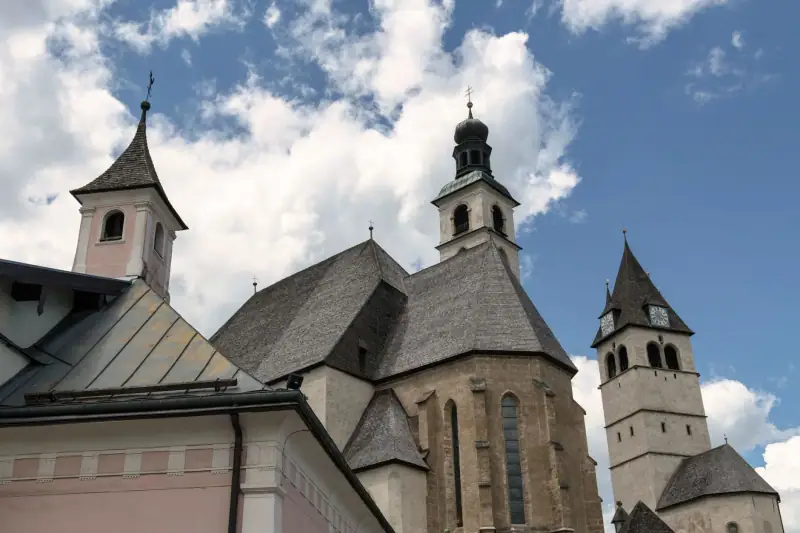
Two churches dominate the old town. The parish church of St. Andrew (Pfarrkirche St. Andreas), in late Gothic style, is spotted from afar by its steeple, and its interior was reworked in the Baroque period. The Church of Our Lady (Liebfrauenkirche), smaller, is perched above the town and has Gothic architecture. You can visit them free of charge in most cases, respecting their character as places of worship.
The Kitzbühel museum, housed in a former building in the center, traces the history of the town, its mines, its Alpine traditions and its transformation into a winter-sports resort. It also includes an art collection linked to the painter Alfons Walde, a local figure who fixed the Tyrolean mountains in brightly colored paintings that have become emblematic of the region. Hours vary with the season: check them before going.
Allow an hour for the churches and an hour for the museum. These visits go well with rainy days, frequent in the mountains.
The Kitzbüheler Horn and the Hahnenkamm
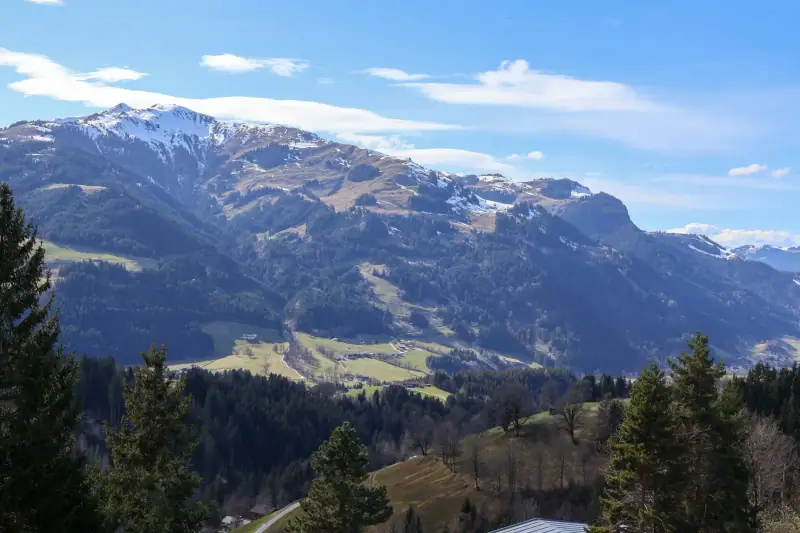
Two mountains overlook Kitzbühel: the Hahnenkamm, to the southwest, and the Kitzbüheler Horn, to the east. Both are visited by lift, which lets you enjoy the high mountains without excessive effort.
The Hahnenkamm is best known for the Streif, the World Cup downhill course, which is raced every January. This race draws a large crowd and sets the rhythm of town life: at that time, hotels are full and prices climb. Outside the event, you can go up by cable car, look at the course from the top and gauge its impressive slope. Experienced skiers can ski it under certain conditions; others will prefer the gentler slopes of the area.
The Kitzbüheler Horn shows another face. Its summit is reachable by toll road or by cable car, and there is an alpine flower garden (Alpenblumengarten) where you can observe mountain flora in summer. The panorama takes in the Kitzbühel Alps, the Wilder Kaiser and, in good weather, the peaks of the Hohe Tauern. This site suits families and less-trained walkers very well.
The lifts run in winter for skiing and in summer for hiking. They generally close for a maintenance period between seasons: check opening dates before planning your day.
The Schwarzsee, the swimming lake
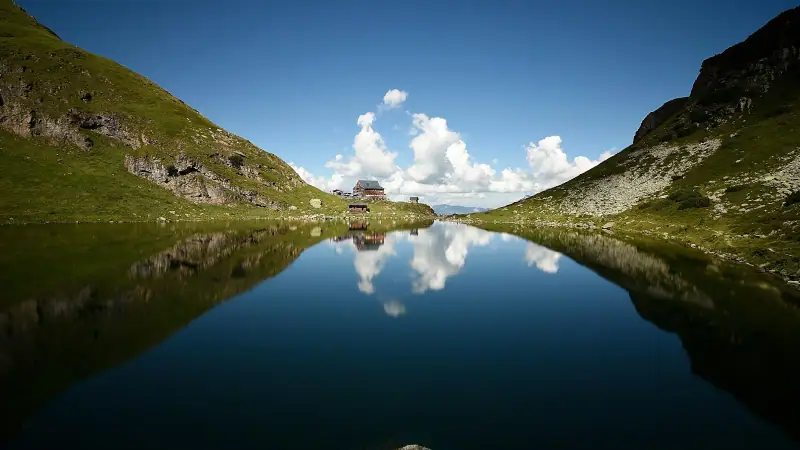
Northwest of the town, the Schwarzsee is a small mountain lake surrounded by forests and meadows. Its peaty water is known for its dark color, which gave the lake its name. In summer, people swim, rent a pedal boat or lounge on the developed beach. In winter, the atmosphere is calmer.
The lake is reached by bus from the center, by bike or on foot in a short walk. It makes a good counterpoint to the mountains: after a day of hiking, a stop by the water is very pleasant. A path circles the lake and suits strollers in most sections.
Excursions in the Tyrolean Alps: guided hikes, mountain visits, discoveries of Tyrol from Kitzbühel. Compare the activities offered for your dates.
What to do in Kitzbühel in winter
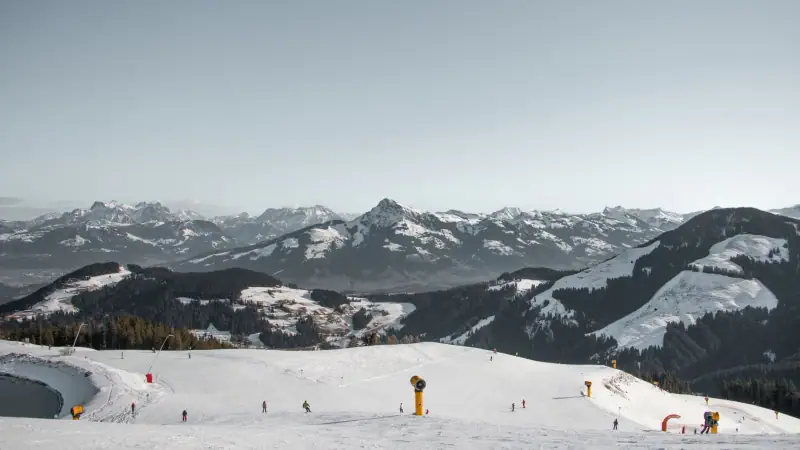
Winter is Kitzbühel’s big season. The ski area is vast and links several mountain sectors, with slopes for all levels and an efficient lift organization. Beginners find gentle slopes and ski schools, experienced skiers more committing descents. Lift pass prices vary with duration and period: see the resort’s official site for up-to-date rates.
Besides skiing, the resort offers sledding, cross-country skiing, snowshoeing and winter walks (see also our guide to Austria in winter without skiing). After the effort, the region’s spas and wellness areas let you relax. The town itself is very pleasant in the evening, with its lit shop windows and restaurants.
To place Kitzbühel among the country’s other big ski areas, see our comparison of the best ski resorts in Austria. To choose the best period, keep in mind that abundant snow is more likely in the heart of winter, while late season offers longer days and lower prices. For a full picture of the seasons, see our guide when to go to Austria.
What to do in Kitzbühel in summer
In summer, Kitzbühel turns into a playground for hiking and cycling. Marked trails start from the lifts and cross alpine pastures, forests and ridges. You choose them by level, from the easy stroll to the full-day hike. Alpine huts let you stop for a soup or a slice of cake, but find out before leaving about their opening days, which vary with the season.
Cycling, classic or electric, is very popular, with road and mountain-bike routes. Rental shops in the center offer equipment, and electric bikes make accessible elevation gains that would otherwise be discouraging. For golf fans, the region has several courses.
Tennis fans also know Kitzbühel for its summer tournament, which adds sporting excitement in July. Again, dates change from year to year: check the official calendar.
Food and specialties
Tyrolean cuisine is hearty and comforting. You taste Kaspressknödel, cheese dumplings served in broth or with a salad, Tiroler Gröstl, a pan-fry of potatoes, meat and onions topped with an egg, and Kaiserschmarrn, a thick pancake torn up and caramelized, served with fruit compote. Pastries such as strudel round off a mountain meal.
Mountain inns, Gasthäuser in the center and more gourmet restaurants stand side by side. The high end exists, but it is perfectly possible to eat well at reasonable prices by choosing simple places a little away from the busiest streets. To go deeper, see our guide what to eat in Austria, and our article on tipping in restaurants in Austria to avoid missteps at the bill.
Where to stay in Kitzbühel
The lodging offer is wide: luxury hotels, family-run boutique hotels, guesthouses, apartments and chalets. The center is practical for evenings and restaurants, but pricier. The areas near the lifts suit skiers and hikers, while neighboring villages offer lower rates with a short bus or car ride.
In high season, notably around the Hahnenkamm race, book very early. To compare lodging types and neighborhoods across the country, see our guide where to stay in Austria. If you prefer an urban base with more choice, our article where to stay in Innsbruck presents an alternative.
What to do around Kitzbühel
If you stay several days, several excursions are possible. To the north, the Wilder Kaiser massif invites hiking and spectacular views of its limestone walls. Neighboring Tyrolean villages offer alpine-pasture landscapes and typical onion-domed churches. To the west, Innsbruck, with its historic center and ski jump, is reached in one to two hours by road: see Innsbruck and Tyrol.
To the east, Salzburg is within reach by car or train: our guide to Salzburg in 2 days will help organize what follows. A car makes these outings easier, especially if you want to stop in small villages. You can compare rental companies.
Rent a car: to explore the Tyrolean valleys and reach Innsbruck or Salzburg at your own pace, compare rental companies.
Organizing your visit: one, two or three days
With a single day, devote the morning to the old town, the churches and a pastry, then go up to altitude in the afternoon, to the Kitzbüheler Horn or the Hahnenkamm depending on the weather. Dinner in a restaurant in the center ends the day pleasantly.
With two days, add the Schwarzsee in summer, or a ski day in winter, and the museum for the rain. This length lets you avoid rushing and enjoy the evening atmosphere in the pedestrian streets.
With three days, you can go on a full-day hike, rent an electric bike or make an excursion to the Wilder Kaiser or neighboring villages. That is the ideal length to feel the Tyrolean rhythm. A last day can be devoted to a detour to Innsbruck or Salzburg depending on the rest of your itinerary.
Hikes and mountain outings: guided outings, alpine-pasture walks and outdoor activities in the Austrian Alps. Compare the experiences offered.
When to visit Kitzbühel
Two seasons dominate. Winter, from December to March depending on snow cover, is the period of skiing and festive atmospheres. Summer, from June to September, suits hiking, cycling and swimming. October and the April-to-May period are quieter: some lifts, shops and lodgings close or reduce their hours, but prices drop and the town regains a quiet rhythm.
For Christmas markets, the resort comes alive in December with decorations and seasonal stalls; our guide to Christmas markets in Austria will help you compare destinations.
Practical tips
Bring layered clothing, as mountain weather changes quickly, even in summer. Bring good walking shoes and a waterproof jacket. In winter, check road conditions and mandatory equipment before leaving by car.
On budget, Kitzbühel sits rather at the high end of the Austrian range, notably in high season. Our article on the budget for a trip to Austria gives pointers for planning your spending. To limit costs, choose off-peak periods, guesthouses and simple meals.
Austria being in the European Union does not mean your home mobile plan works there: check your carrier’s international plan before you go, or use a travel eSIM. Entry rules depend on your passport. Check the official travel advice of your government before you book: travel.state.gov (US), GOV.UK (UK), travel.gc.ca (Canada), Smartraveller (Australia) (checked November 2026). If you ski, consider insurance that covers mountain rescue costs and cancellation.
With its colorful old town, accessible mountains, lake and food, Kitzbühel deserves better than a reputation as a luxury resort. It charms skiers, of course, but also walkers, fans of fine facades and travelers who like to take their time. Give it at least two days: the town rewards those who linger.
Frequently asked questions
How long does it take to visit Kitzbühel?
One day is enough to see the old town and go up to altitude, but two to three days are better to enjoy the lake, the mountains and the surroundings. In ski or hiking season, a week fills up easily.
Is Kitzbühel a summer or only a winter destination?
Both. Winter draws skiers, but summer offers hiking, cycling, swimming lakes and a lively old town. Spring and late fall are quieter, with some lifts and activities closed for maintenance.
How do you get to Kitzbühel from Innsbruck or Salzburg?
Kitzbühel has a train station and is reached by train from Innsbruck or Salzburg, generally with a connection. By car, allow about one hour to one and a half hours from each of these cities depending on traffic. Check schedules and fares before leaving.
Is Kitzbühel an expensive destination?
The resort has a luxury reputation and prices can be high in high season, notably for lodging and dining. You can limit spending by staying in a guesthouse, choosing off-peak periods and having lunch in simple inns.
Do you need to know how to ski to go to Kitzbühel?
No. The town lends itself to strolling, shops, spas and food, and the mountains offer panoramas reachable by lift. Beginners also find easy slopes and ski schools.
What is the Streif?
It is the Hahnenkamm downhill course, reputed among the most difficult and spectacular in Alpine skiing. Every January it hosts a major World Cup race, which makes Kitzbühel a worldwide skiing rendezvous. Skilled skiers can check access conditions on the resort's website.
Can you do without a car in Kitzbühel?
Yes. The center is walkable, local buses serve the lifts and the lake, and the station links the town to the main routes. A car remains useful for exploring the neighboring valleys at your own pace.
More Austria guides
Keep reading
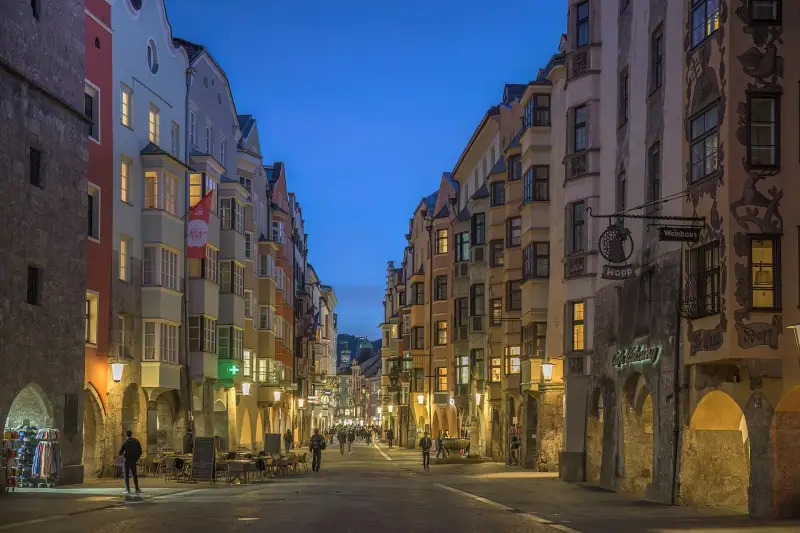
Innsbruck and Tyrol: what to do between city and mountains
What to see in Innsbruck and Tyrol? Old town, Nordkette, Bergisel, Ambras Castle: a guide to plan 2 to 3 days between heritage and Alpine peaks.
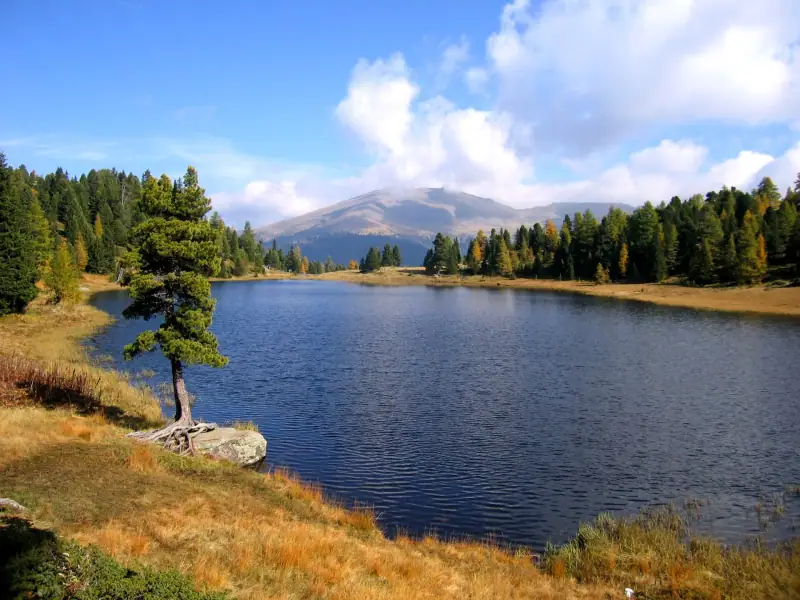
What to see in Styria and Carinthia: lakes, vineyards and mountains of southern Austria
What to see in Styria and Carinthia? Wine road, Admont Abbey, Dachstein, Wörthersee, Grossglockner and castles: a guide to southern Austria.
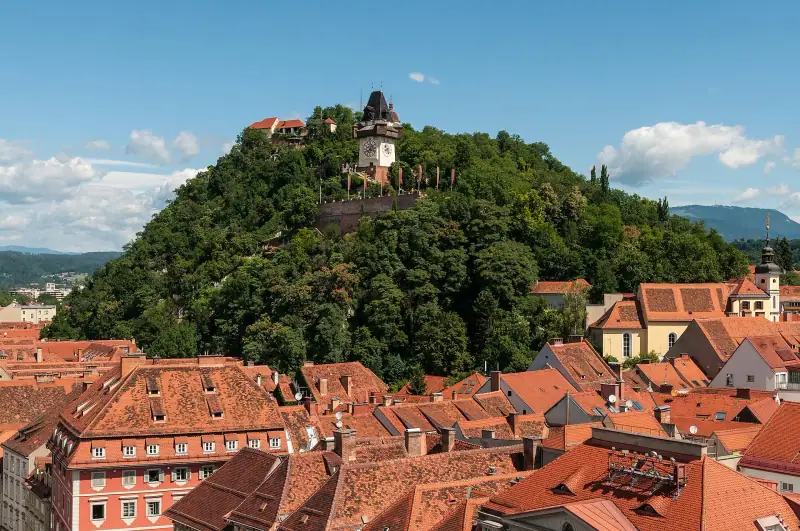
Visiting Graz: what to see and do in the capital of Styria
What to see in Graz? UNESCO old town, Schlossberg and Clock Tower, Kunsthaus, Eggenberg Palace, markets and pumpkin seed oil: a guide to plan your visit.
Ready-made
Austria itineraries
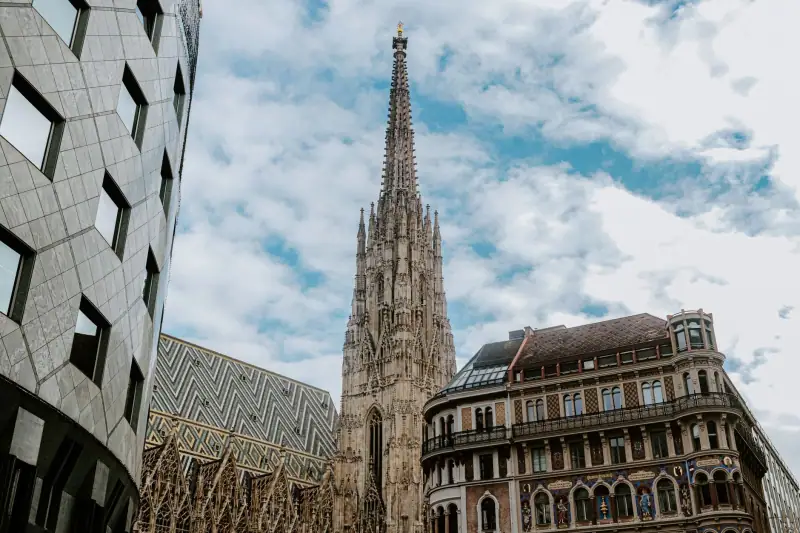
3 days
Vienna in 3 days: a day-by-day itinerary to see it all
What to see in Vienna in 3 days: the Ring, Hofburg, Schönbrunn, Belvedere, Prater and cafés, as a walking and tram itinerary with practical tips.
7 days
Austria in 7 days: Vienna, the Wachau, Salzburg, Hallstatt and Innsbruck
A one-week itinerary in Austria: Vienna, the Wachau, Salzburg, Hallstatt and Innsbruck, with train journeys, day-by-day stops and tips on where to stay.
2 days
Salzburg in 2 days: an itinerary through Mozart, the fortress and the gardens
What to see in Salzburg in 2 days: old town, Hohensalzburg Fortress, Mozart's birthplace, Mirabell Gardens and Hellbrunn, as a walking itinerary.