Itineraries
Austria in 7 days: Vienna, the Wachau, Salzburg, Hallstatt and Innsbruck
We may earn a commission when you book through links on this page, at no extra cost to you. We don't visit or try the places we cover: we summarize published sources. How we work
Day by day
- Days 1-2Vienna: St. Stephen's, the Ring, Schönbrunn, Belvedere
- Day 3Wachau valley, Dürnstein, Melk Abbey
- Day 4Salzburg: Hohensalzburg Fortress, Getreidegasse, Mirabell Gardens
- Day 5Hallstatt and the Salzkammergut
- Day 6Travel to Innsbruck by Salzburg and train
- Day 7Nordkette in the morning, then back in the city
Weather through the year on this route
| Jan | Feb | Mar | Apr | May | Jun | Jul | Aug | Sep | Oct | Nov | Dec | |
|---|---|---|---|---|---|---|---|---|---|---|---|---|
| High °F (°C) | 362 | 394 | 479 | 5815 | 6619 | 7323 | 7625 | 7625 | 6820 | 5815 | 468 | 373 |
| Low °F (°C) | 23-5 | 25-4 | 320 | 384 | 479 | 5513 | 5815 | 5815 | 4910 | 415 | 331 | 27-3 |
| Rain in (mm) | 2.360 | 2.155 | 2.870 | 2.460 | 4.1105 | 4.7120 | 4.7120 | 4.4115 | 3.695 | 2.870 | 2.565 | 2.565 |
Normals 1991–2020 at Vienna and Salzburg: averages over 30 years, not a forecast. Source: NASA POWER (MERRA-2), grid of about 50 km. Figures computed by us in November 2026.
In short
- One week covers Vienna (2 days), the Wachau and Melk (day 3), Salzburg (day 4), Hallstatt (day 5) and Innsbruck (days 6-7), going east to west mostly by train.
- Vienna to Salzburg takes about 2 h 30 to 3 h by train, and Salzburg to Innsbruck about two hours; a car is useful only for Hallstatt and the Wachau.
- Hallstatt is packed at midday in summer: arrive early or sleep there; from Salzburg allow about 1 h 15 by car, longer by public transport.
- On Austrian motorways a vignette is mandatory: buy it before driving, from official points of sale.
One week is enough to get a fair idea of Austria: an imperial capital, a wine valley, Mozart’s city, a postcard village on a lake and an Alpine city surrounded by peaks. The country is compact and the rail network is dense, which lets you link these stops without driving.
This itinerary runs from east to west, from Vienna to Innsbruck. Journey times are rounded: check actual schedules for your dates before booking.
Days 1 and 2: Vienna, the imperial capital
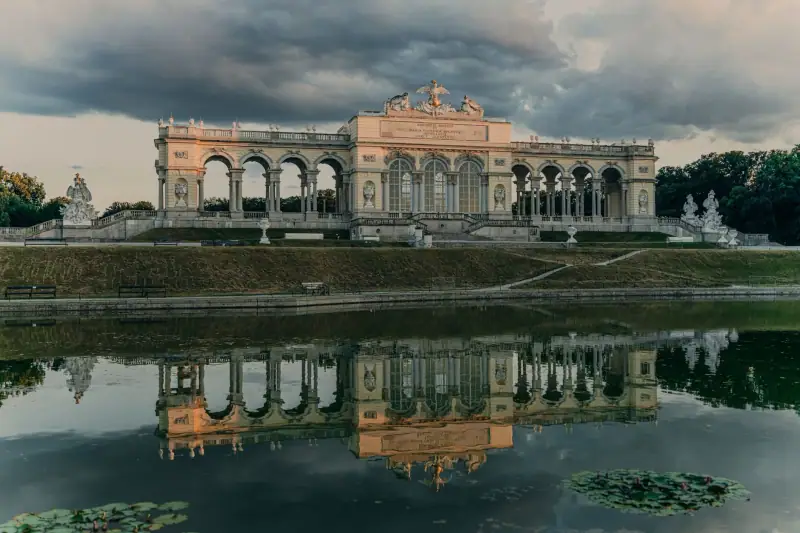
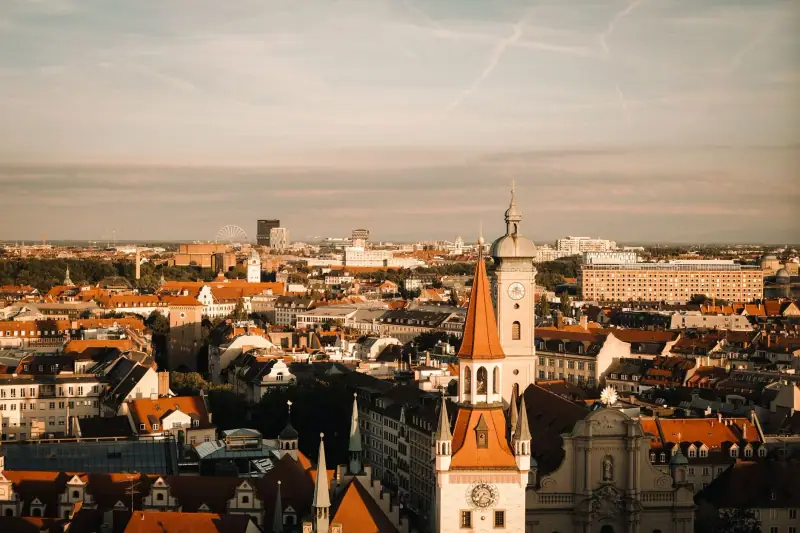
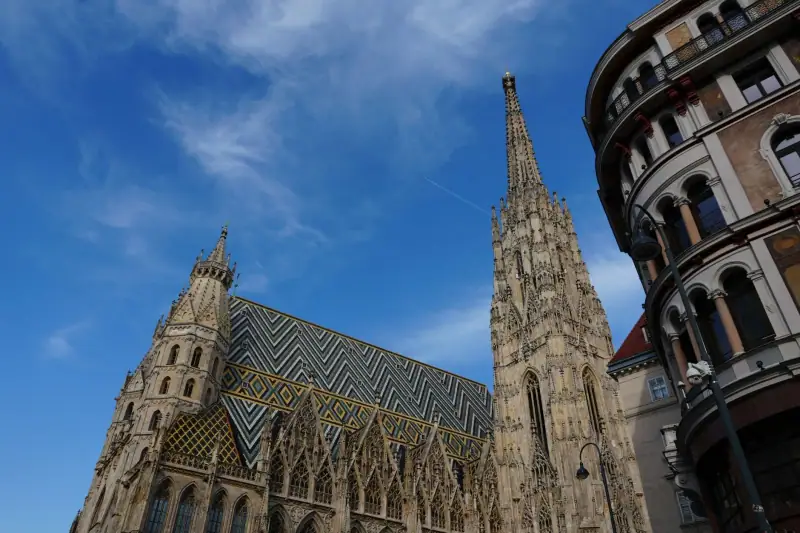
Vienna deserves two full days. The historic center is UNESCO-listed and largely covered on foot. Start with St. Stephen’s Cathedral, in the old town, then follow the Ring, the big circular boulevard lined with monumental buildings: opera, parliament, city hall and museums.
On the second day, head to Schönbrunn Palace, the former summer residence of the Habsburgs, and its gardens. In the afternoon, the Belvedere, with its French-style park, is a quieter alternative. Painting fans will find works by Gustav Klimt there.
Vienna is also known for its café culture: the tradition of Viennese cafés is on UNESCO’s list of intangible cultural heritage. Plan a break in a historic café in the center, without rushing. Once there, buy a day or multi-day public transport ticket: metro, tram and bus cover the whole city.
Where to stay in Vienna: the historic center and the districts near the Ring let you do everything on foot or by tram. Compare hotels for your dates.
Day 3: the Wachau and Melk Abbey
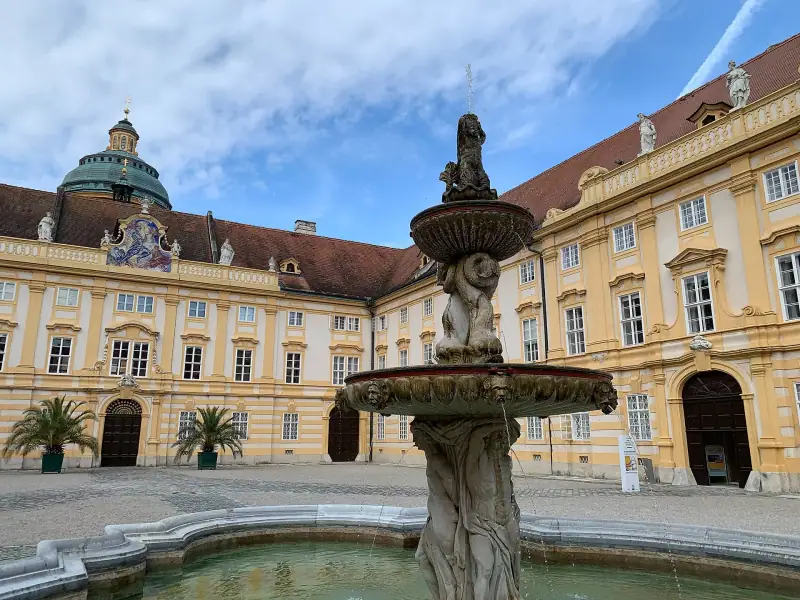
Leave Vienna in the morning for the Wachau, the Danube valley between Melk and Krems. Its terraced vineyard slopes and villages earned the region its UNESCO listing. The valley is renowned for its white wines, notably Riesling and Grüner Veltliner.
In Dürnstein, a village dominated by castle ruins, you wander a narrow main street before lunch on a terrace. A little farther, the Benedictine abbey of Melk overlooks the river: its Baroque church and library are among the most visited sites in the country. Melk is on the Vienna-Salzburg rail line, which eases what follows: you can reach Salzburg at the end of the day.
Without a car, the Wachau can be done by train, by boat on the Danube or by bike, as a cycle path runs along the river. By car, you stop more freely, but parking in the villages is limited in season.
Excursions in the Wachau: Danube cruises, wine tastings and guided tours from Vienna are worth comparing online before you leave.
Day 4: Salzburg, Mozart’s city
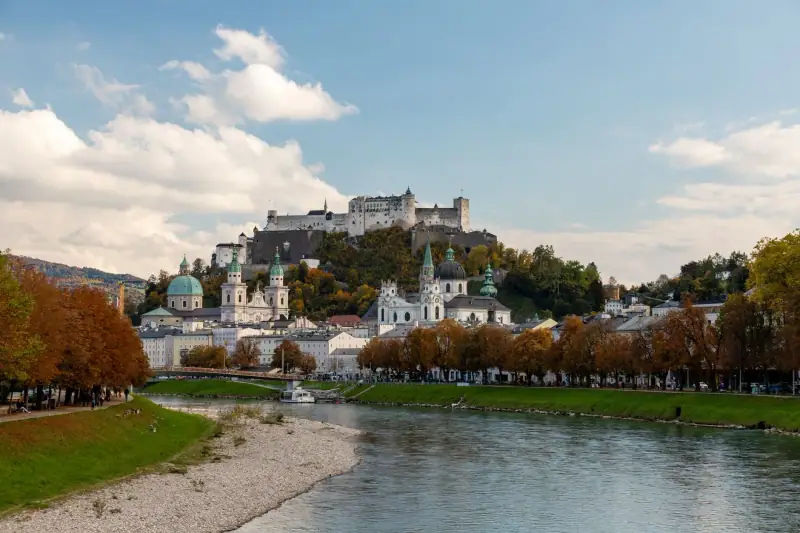
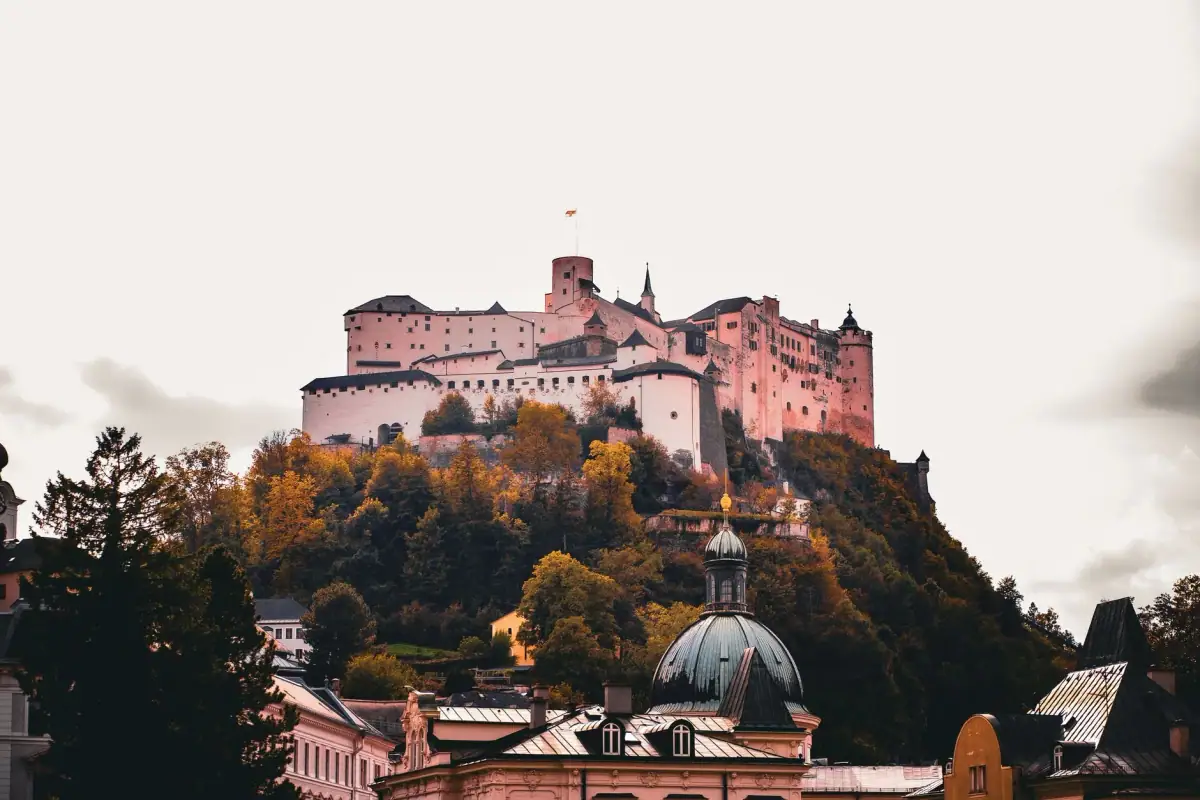
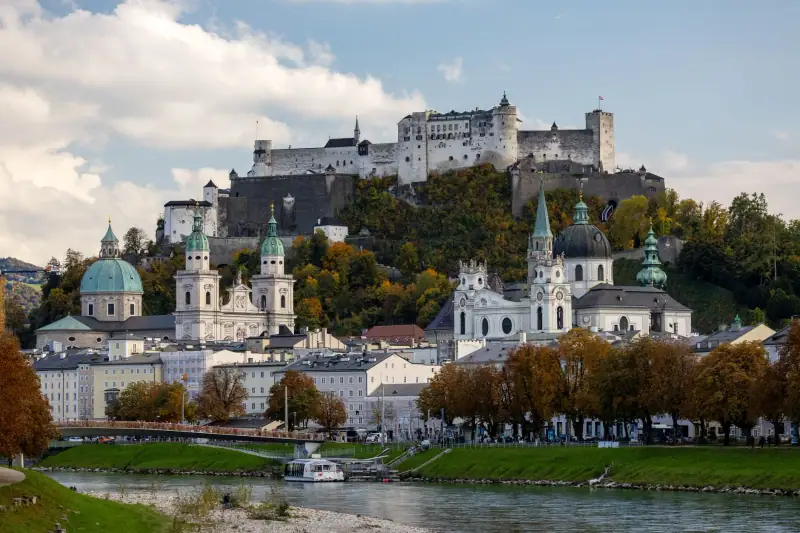
Salzburg fits into one day if you focus on the center. Its old town, between the Salzach River and the fortress hill, is UNESCO-listed. Go up to Hohensalzburg Fortress, which overlooks the city, for an overview of the rooftops and church towers, then come down through the lanes.
Mozart was born in Salzburg, in a house on Getreidegasse, now a museum. The shopping street, lined with wrought-iron signs, is worth the stroll even if you do not visit. End with the Mirabell Palace gardens, very photogenic, or with a walk along the Salzach.
Film fans will recognize some settings of The Sound of Music, partly shot in Salzburg and the surroundings: guided tours on this theme exist.
Day 5: Hallstatt and the Salzkammergut
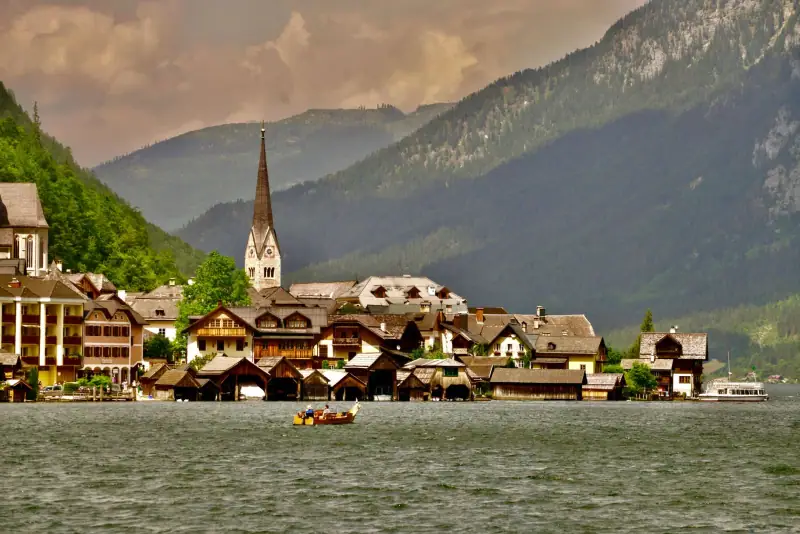
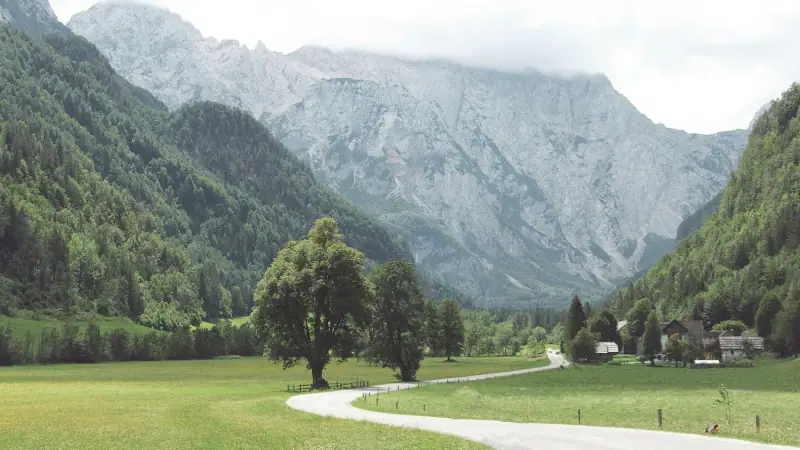
The Salzkammergut is a region of lakes and mountains east of Salzburg. Hallstatt, on a lakeshore, is its most famous village: its wooden houses are stacked between the water and the cliff. The site is UNESCO-listed, with the surrounding cultural landscape, because of the salt mining practiced there since prehistoric times.
From Salzburg, allow about 1 h 15 by car. By public transport, the trip is longer: it takes a train change, then the lake crossing by boat from the station. Arrive early: in summer, the village is packed at midday. In the morning and late afternoon, it regains its calm.
If you have time, do not limit yourself to the village: a walk by the lake, a climb toward the salt mine or a tour on a neighboring lake give a fuller picture of the region. For the evening, sleeping in the village lets you enjoy the village once the tour buses have left.
Where to stay in Hallstatt or around the lake: rooms are limited and fill quickly in season. Compare lodging in the village and in nearby towns.
Days 6 and 7: Innsbruck and the Tyrolean Alps
Day 6 is a travel day west. Go to Salzburg, then take the train to Innsbruck: the trip lasts about two hours. It passes through German territory, so carry your passport or ID, and check the entry rules for your passport with the official sources. Entry rules depend on your passport. Check the official travel advice of your government before you book: travel.state.gov (US), GOV.UK (UK), travel.gc.ca (Canada), Smartraveller (Australia) (checked November 2026).
Innsbruck is a modest-sized city at the foot of the mountains. In the center, the Golden Roof (Goldenes Dachl) is the emblem of the old town, surrounded by colorful facades. The city’s main asset is its proximity to the peaks: a cable car leaves from the center toward the Nordkette, and in a few minutes you go from the city to an Alpine landscape.
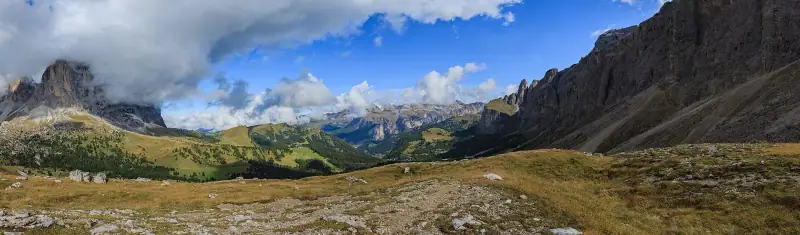
On day 7, devote the morning to the mountains if the weather allows, then return to the city. Innsbruck hosted the Winter Olympics in 1964 and 1976, and the region remains a major winter-sports hub. To go deeper into skiing, plan a dedicated stay instead.
Activities around Innsbruck: guided tours, mountain outings and excursions in Tyrol are worth comparing online before you leave.
Car or train: how to get around?
For the cities, the train is enough: the Vienna-Salzburg and Salzburg-Innsbruck connections are frequent and run by fast trains. Allow about two and a half to three hours between Vienna and Salzburg. Booking early on the national rail company’s site or at the station often gets better fares.
A car makes sense for Hallstatt and the lakes, or if you travel as a family with a lot of luggage. On Austrian motorways, a vignette is mandatory: buy it before driving, from official points of sale. In cities, leave the car in a garage: parking is regulated and the centers are pedestrian.
Extending the trip
With a few more days, add Graz, to the south, or the Carinthian lakes.
Before leaving, think about your health and repatriation cover, especially if you plan mountain time.
Sources
- Westbahn: figures checked November 2026
Frequently asked questions
How many days do you need to visit Austria?
One week lets you see the essentials: Vienna, the Danube valley, Salzburg, the Salzkammergut and Innsbruck. With ten days, you can slow down and add Graz or the Carinthian lakes.
Do you need to rent a car for this itinerary?
No, the train links Vienna, Salzburg and Innsbruck. A car becomes useful for Hallstatt and the Wachau if you want to stop freely, but it is not needed in the cities.
What is the best time of year for this circuit?
May to September for the lakes and hiking, December for the Christmas markets of Vienna, Salzburg and Innsbruck. Hallstatt is very busy in summer: arrive early or stay there.
Can you do Hallstatt as an excursion from Salzburg?
Yes, in one day. Allow about 1 h 15 by road, more by public transport, with a train change and the lake crossing by boat from the station.
Does this circuit go through Munich or Budapest?
No. Munich and Budapest are close to Austria but belong to Germany and Hungary, outside the scope of this itinerary.
More Austria guides
Keep reading
Austria travel budget: real costs and 3 priced profiles
How much does a trip to Austria cost? Real prices for lodging, transport, meals and visits, three priced budgets and tips to spend less.
The best ski resorts in Austria: Tyrol, Salzburg and Vorarlberg compared
Which ski resort to choose in Austria? Sölden, St. Anton, Lech, Kitzbühel, Mayrhofen, Saalbach, Kaprun and Montafon compared: areas, seasons, profiles.
Visiting Kitzbühel: what to see and do in the heart of Tyrol
What to see in Kitzbühel? Old town, Kitzbüheler Horn, Schwarzsee, the Streif and Hahnenkamm: a guide to plan your stay in Tyrol's famous resort.
Ready-made
Austria itineraries
3 days
Vienna in 3 days: a day-by-day itinerary to see it all
What to see in Vienna in 3 days: the Ring, Hofburg, Schönbrunn, Belvedere, Prater and cafés, as a walking and tram itinerary with practical tips.
2 days
Salzburg in 2 days: an itinerary through Mozart, the fortress and the gardens
What to see in Salzburg in 2 days: old town, Hohensalzburg Fortress, Mozart's birthplace, Mirabell Gardens and Hellbrunn, as a walking itinerary.