What to see
Innsbruck and Tyrol: what to do between city and mountains
We may earn a commission when you book through links on this page, at no extra cost to you. We don't visit or try the places we cover: we summarize published sources. How we work
In short
- Two well-paced days are enough: one for the old town and a castle, another for the Nordkette and a walk; a third day adds a neighboring valley.
- The Nordkette is reached from the city center: a funicular, then successive cable cars, climb to the heights in a relatively short time.
- A car is not needed for Innsbruck itself, but becomes useful for linking several valleys in a day, especially outside ski season.
- Check the weather before going up, and opening hours and prices on official sites; some lifts close for maintenance in spring and fall.
Innsbruck is one of the few cities in Europe where you can have lunch on a terrace at the foot of a palace, then find yourself on an Alpine ridge before the end of the afternoon. Capital of Tyrol, on the Inn, it is framed by peaks visible from almost every street. It is this contrast between historic city and high mountains that makes it interesting.
This guide presents what is worth the detour in Innsbruck, the easy excursions in the surroundings and how to organize 2 to 3 days without rushing. Hours, prices and opening days change with the season: check them on official sites before you go.
Innsbruck’s old town
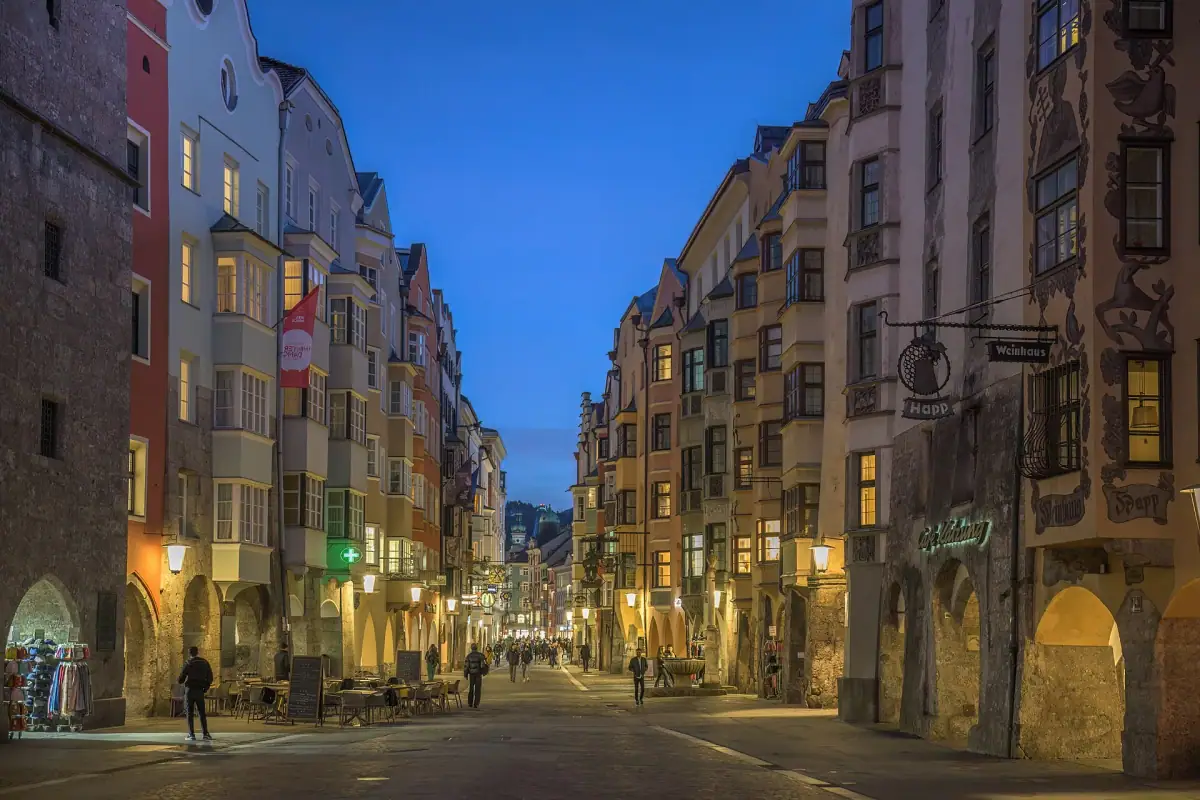
The historic center can be visited on foot in half a day. Its narrow lanes, colorful facades and medieval arcades are concentrated in a small area, which makes the walk very pleasant. The most famous image is the Golden Roof (Goldenes Dachl), a ceremonial balcony decorated with gilded tiles, overlooking one of the old town’s squares and dates from the late Middle Ages.
Nearby, the imperial palace (Hofburg) is a reminder that the city was a Habsburg residence. The court church (Hofkirche) holds a large tomb linked to Emperor Maximilian I, surrounded by bronze statues impressive in size. Allow about an hour for these two sites if you like history.
To get a feel for the city, take time to stroll along the Inn, where the colorful houses are reflected in the water with the mountains behind. It is the classic photo viewpoint, and especially beautiful late in the day.
Where to stay in Innsbruck: staying in or near the old town lets you do everything on foot and enjoy the quiet streets in the evening. In high season, winter or summer, book early.
The Nordkette: the mountains within reach
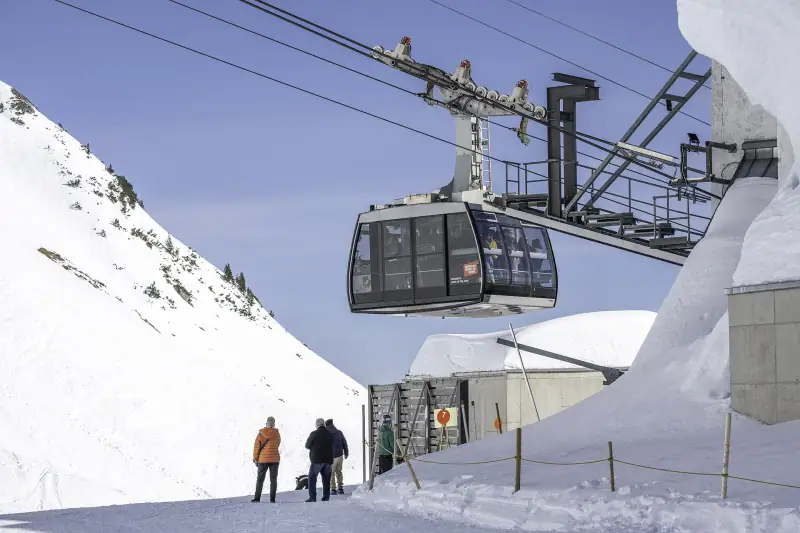
The Nordkette is the range that overlooks the city to the north. Its special feature is access: a funicular starts from the center, then successive cable cars climb to the heights. In a relatively short time, you go from the city to high-altitude landscapes, with a plunging view of Innsbruck’s rooftops and the Inn valley.
Up there, depending on the season, you will find hiking trails, developed viewpoints and mountain restaurants. In summer, the ascent offers nice walks for all levels, as long as you bring a jacket: it is noticeably cooler than in town. In winter, the area attracts skiers and snow-sports fans.
Check the weather before going up: under cloud cover, the view is lost. Go in the morning instead, when visibility is often better, and keep the old town for the afternoon if the weather turns.
Bergisel, Ambras Castle and other visits
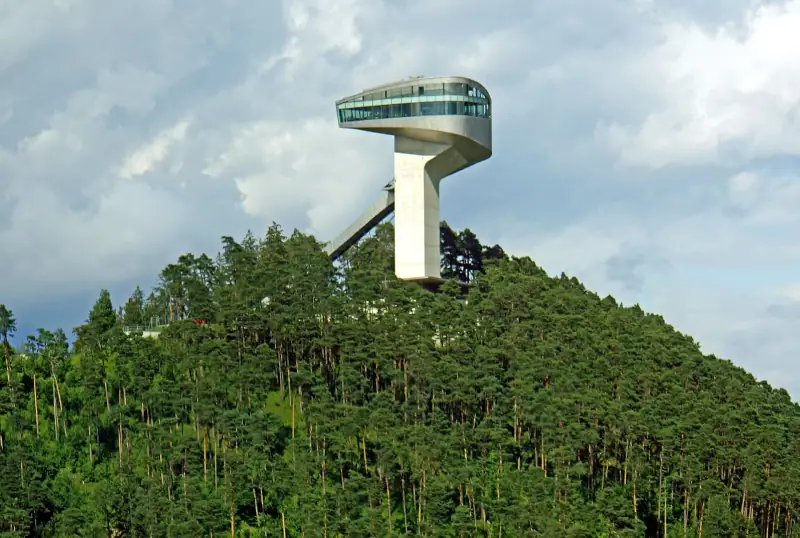
South of the city, Bergisel is a hill known for its ski jump, whose modern silhouette is noticeable from afar. You can go up for the view of the city and the mountains. The site also has a historical dimension for Tyroleans, with the memory of battles fought there in the early 19th century.
East of the center, Ambras Castle (Schloss Ambras) is a Renaissance castle surrounded by a park, known for its collections and its cabinet of curiosities. It is a quieter visit than the old town, popular in changeable weather or with family.
A bit farther, in Wattens, about fifteen kilometers (9 mi) east of Innsbruck, are the Swarovski Kristallwelten, a visitor circuit around crystal. Not everyone enjoys this kind of place, so it is best to check the program and the price before deciding to put it in your schedule.
Activities around Innsbruck: guided old-town tours, excursions in the Tyrolean Alps and mountain outings should be booked ahead, especially in season.
Tyrol beyond Innsbruck
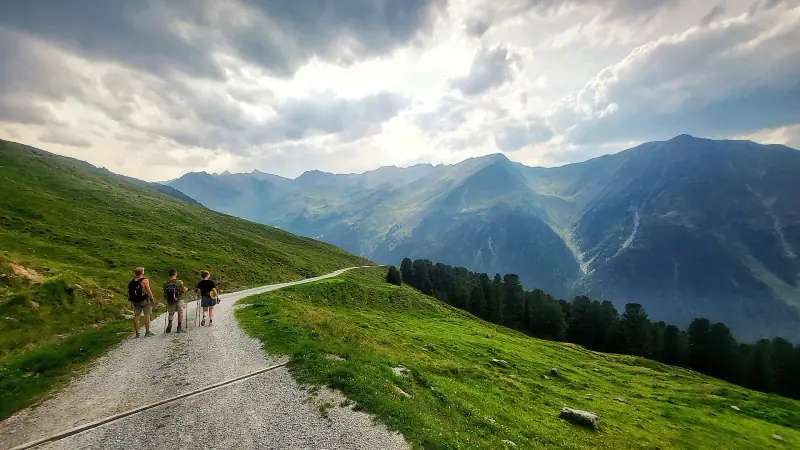
Tyrol is a region of deep valleys, Alpine villages and renowned resorts, which we compare in our guide to the best ski resorts in Austria. From Innsbruck, several valleys can be visited in a day, by car or public transport depending on the destination. The Zillertal valley, to the east, is known for its peaks and mountain-village atmosphere, and Kitzbühel, farther east still, for its ski history and its pretty little town.
To choose, ask yourself a simple question: do you want to walk or discover villages? Hiking fans will concentrate on a single valley with easy trails, while those who prefer the car can link two villages in a day. Do not overload the program: mountain roads are slower than the distance suggests.
If you travel with a rental car, check the seasonal equipment and mountain driving rules before leaving, especially in winter. Conditions can change quickly at altitude.
When to come and how to organize
Summer is the best season for hiking: trails are open and days are long. With snow, the atmosphere changes: skiing, Christmas markets and hot drinks in cafés. Spring and fall are quieter but some lifts may be closed for maintenance: find out before building your program. To compare seasons, read our guide to choosing when to go to Austria.
Innsbruck fits well into a wider trip: you can place it in the one-week circuit of Austria with Salzburg and Vienna.
One last practical tip: for a mountain stay, travel insurance is useful, notably if you hike or ski.
Summary
Two well-paced days are enough: one day for the old town and a castle, another for the Nordkette and a walk. With a third day, add a neighboring valley. Choose the season according to your wishes, check the weather before any ascent to altitude and book early in high season.
Frequently asked questions
How long does it take to visit Innsbruck?
Two days let you see the old town, go up the Nordkette and add a visit such as Ambras Castle or Bergisel. With an extra day, you can explore a neighboring valley.
Can you go up into the mountains from central Innsbruck without a car?
Yes, it is one of the city's assets: a funicular and then cable cars start from the city and lead in a few dozen minutes to the heights of the Nordkette. Check schedules and the weather before going up.
Do you need a car to visit Tyrol?
Not for Innsbruck, which is well served on foot and by public transport. A car becomes useful for linking several valleys and villages in a day, especially outside ski season.
Is Innsbruck a summer or a winter destination?
Both. Winter offers skiing and the Christmas market atmosphere, summer offers hiking and high-altitude walks. Spring and fall are quieter, but some lifts close for maintenance.
Can you combine Innsbruck with Salzburg or Vienna?
Yes, the three cities link by train or car on a one-week circuit. Allow several hours of travel between Innsbruck and Vienna: plan a stopover or a day of transport.
More Austria guides
Keep reading
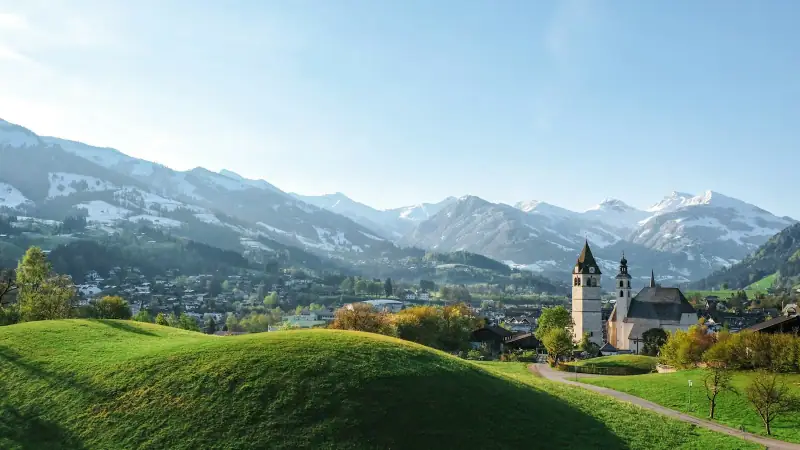
Visiting Kitzbühel: what to see and do in the heart of Tyrol
What to see in Kitzbühel? Old town, Kitzbüheler Horn, Schwarzsee, the Streif and Hahnenkamm: a guide to plan your stay in Tyrol's famous resort.
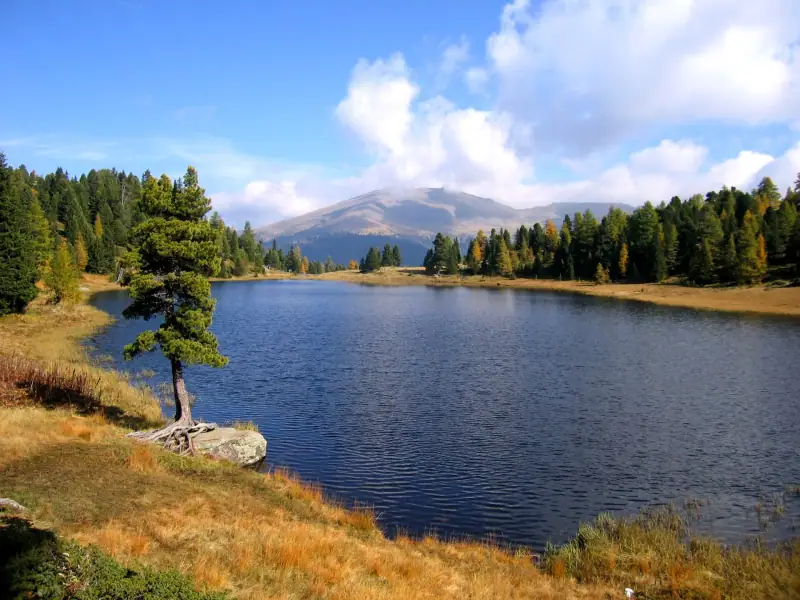
What to see in Styria and Carinthia: lakes, vineyards and mountains of southern Austria
What to see in Styria and Carinthia? Wine road, Admont Abbey, Dachstein, Wörthersee, Grossglockner and castles: a guide to southern Austria.
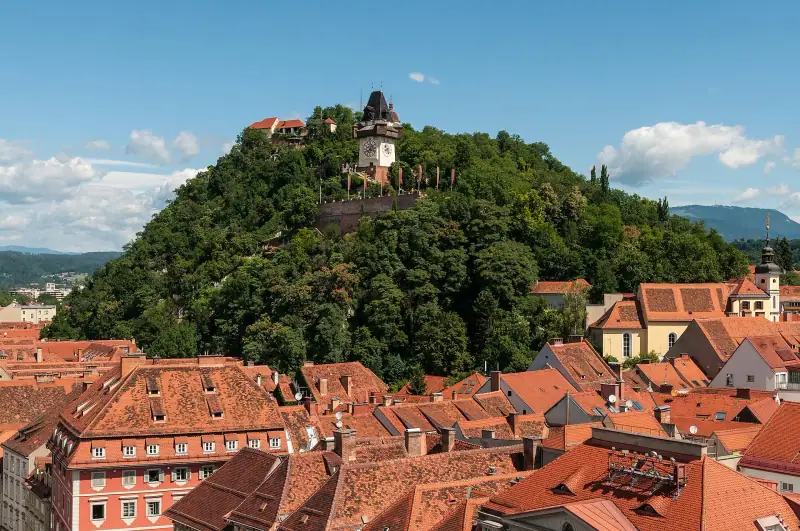
Visiting Graz: what to see and do in the capital of Styria
What to see in Graz? UNESCO old town, Schlossberg and Clock Tower, Kunsthaus, Eggenberg Palace, markets and pumpkin seed oil: a guide to plan your visit.
Ready-made
Austria itineraries
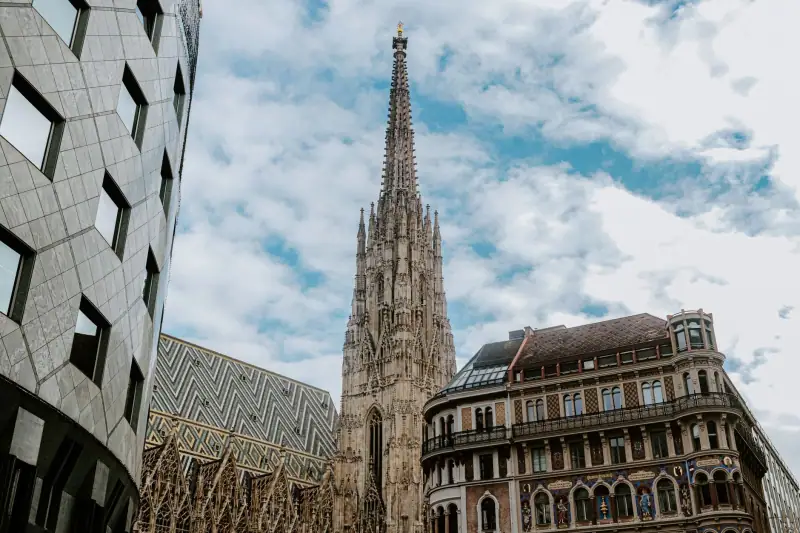
3 days
Vienna in 3 days: a day-by-day itinerary to see it all
What to see in Vienna in 3 days: the Ring, Hofburg, Schönbrunn, Belvedere, Prater and cafés, as a walking and tram itinerary with practical tips.
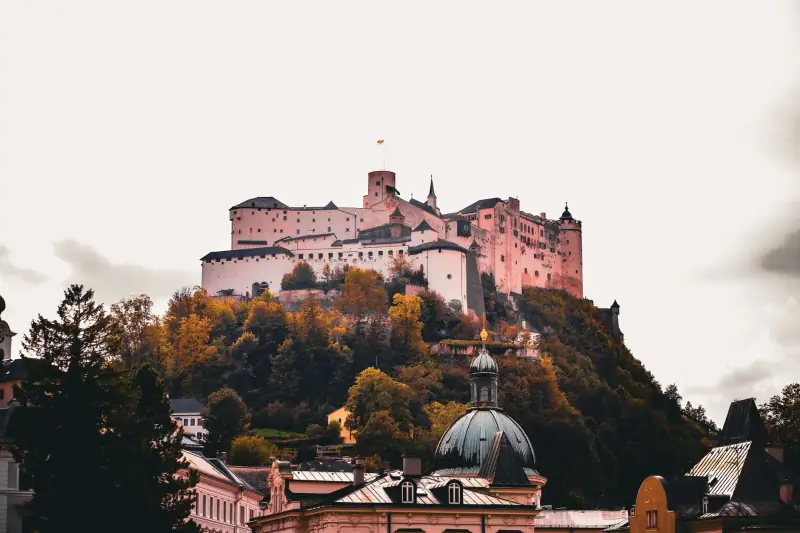
7 days
Austria in 7 days: Vienna, the Wachau, Salzburg, Hallstatt and Innsbruck
A one-week itinerary in Austria: Vienna, the Wachau, Salzburg, Hallstatt and Innsbruck, with train journeys, day-by-day stops and tips on where to stay.
2 days
Salzburg in 2 days: an itinerary through Mozart, the fortress and the gardens
What to see in Salzburg in 2 days: old town, Hohensalzburg Fortress, Mozart's birthplace, Mirabell Gardens and Hellbrunn, as a walking itinerary.