Itineraries
Vienna in 3 days: a day-by-day itinerary to see it all
We may earn a commission when you book through links on this page, at no extra cost to you. We don't visit or try the places we cover: we summarize published sources. How we work
Day by day
- Day 1St. Stephen's Cathedral, Hofburg, the Ring, traditional café
- Day 2Schönbrunn Palace and gardens, then the Belvedere
- Day 3One major museum, Naschmarkt, the Prater and Riesenrad
Weather through the year on this route
| Jan | Feb | Mar | Apr | May | Jun | Jul | Aug | Sep | Oct | Nov | Dec | |
|---|---|---|---|---|---|---|---|---|---|---|---|---|
| High °F (°C) | 362 | 394 | 479 | 5815 | 6619 | 7323 | 7625 | 7625 | 6820 | 5815 | 468 | 373 |
| Low °F (°C) | 23-5 | 25-4 | 320 | 384 | 479 | 5513 | 5815 | 5815 | 4910 | 415 | 331 | 27-3 |
| Rain in (mm) | 2.360 | 2.155 | 2.870 | 2.460 | 4.1105 | 4.7120 | 4.7120 | 4.4115 | 3.695 | 2.870 | 2.565 | 2.565 |
Normals 1991–2020 at Vienna and Salzburg: averages over 30 years, not a forecast. Source: NASA POWER (MERRA-2), grid of about 50 km. Figures computed by us in November 2026.
In short
- Three days cover Vienna's essentials: day 1 the old town and the Ring, day 2 Schönbrunn and the Belvedere, day 3 a museum, the Naschmarkt and the Prater.
- The center is walkable, and the metro, tram and buses reach Schönbrunn, the Belvedere and the Prater; a car is more of a nuisance.
- Book Schönbrunn tickets ahead on the official site in high season, and arrive early.
- A day or multi-day transit pass usually beats single tickets if you ride the metro or tram several times a day.
Vienna is one of the easiest capitals to visit in a few days. The historic center is compact, the tram runs along the Ring boulevard, and the palaces, museums and cafés are rarely more than a few minutes from one another. Three days let you see the essentials without rushing, as long as you group visits by district.
This itinerary is designed for a first visit, on foot and by public transport. Opening hours, closing days and prices change with the season: always check the official sites before you go. If Vienna is only one stop on a wider trip, you will also find it in our 7-day Austria itinerary.
Before you go: organizing your stay
Vienna’s historic center, a UNESCO site, holds most of the major sights. Staying in the 1st district or right next to it saves you time in transit, but rooms there cost more. A hotel near a metro station, a bit farther from the center, is a good compromise: trains are frequent and the network covers the whole city.
To get around, a day or multi-day transit pass is generally better value than single tickets if you ride the metro or tram several times a day. Compare the options at the station or on the city operator’s website. A pair of comfortable shoes matters more than anything else: you will walk a lot, on cobblestones in the old town.
For timing, see our guide to the best time to visit Austria. Keep in mind that summer can be hot in the city, that spring and early fall are pleasant for walking, and that December draws large crowds around the Christmas markets.
Where to stay in Vienna: the historic center is ideal for a first visit, but neighboring districts well served by the metro often offer better prices. Compare hotels for your dates.
Day 1: the old town and the Ring
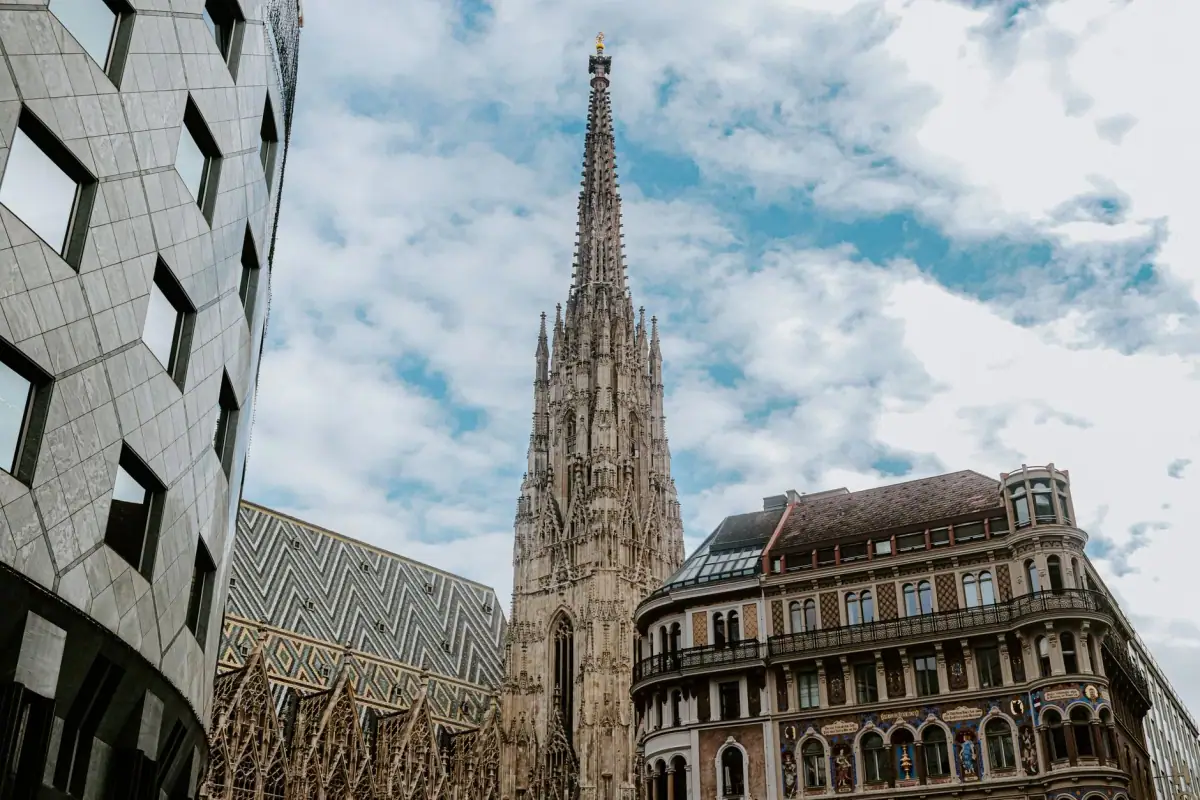
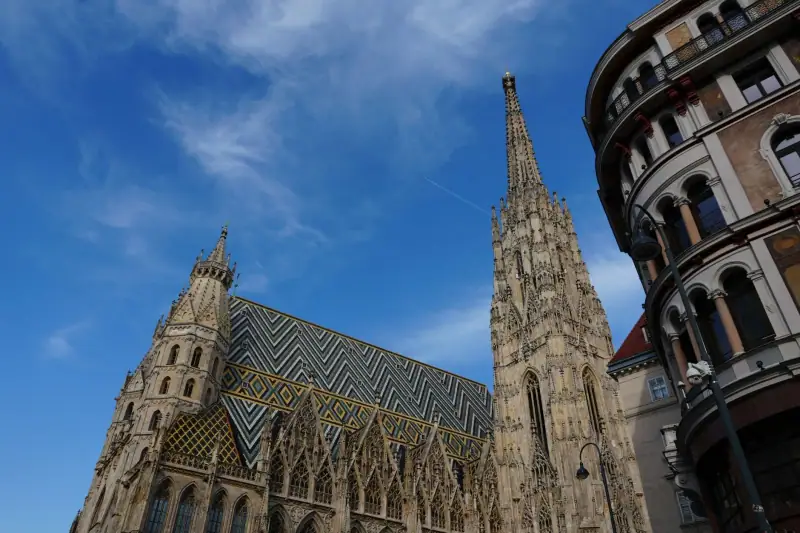
Start with the heart of the city. St. Stephen’s Cathedral (Stephansdom), with its colorful tiled roof, towers over the old town and serves as a landmark: from the square around it, many pedestrian streets fan out in every direction. Step inside for the Gothic interior, and ask there whether climbing a tower is possible on the day of your visit.
Then walk to the Hofburg, the former imperial palace of the Habsburgs. This group of buildings, constructed over the centuries, now houses museums, the Austrian presidency and several cultural institutions. Take time to cross the courtyards and pass under the big gate that opens onto Heldenplatz. History fans will find enough to fill half a day; others will be content with an outside stroll.
In the afternoon, follow the Ring, the circular boulevard laid out in the 19th century where the old ramparts stood. It is lined with monumental buildings: the opera, parliament, city hall, the university and the great museums. The tram lets you go all the way around seated, a good way to spot what you want to see up close. Finish with a coffee in a traditional café, an institution in Vienna: Viennese café culture is on UNESCO’s list of intangible cultural heritage.
Day 2: Schönbrunn and the Belvedere
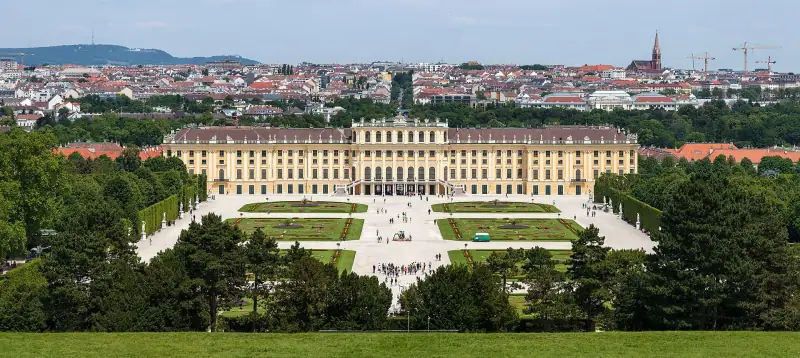
Spend the morning at Schönbrunn Palace, the former summer residence of the Habsburgs, in the west of the city. It is easily reached by metro. Arrive early: it is one of the busiest sites in the country, and queues can be long in high season. Preferably book your ticket ahead on the official site, and choose the option according to what you want to see.
The gardens are open and can be explored at your own pace: hedge-lined paths, fountains, flower beds, and a viewpoint at the top of the hill overlooking the whole. Even if you do not visit the inside of the palace, the walk is worth the trip. Allow half a day in all.
In the afternoon, head to the Belvedere, a Baroque complex of two palaces separated by a French-style garden. The Upper Belvedere houses works by Gustav Klimt, including The Kiss, one of the country’s most famous paintings. Even without entering the galleries, the garden offers a clear view over the city. For dinner, go back toward the center or explore a neighboring district.
Guided tours in Vienna: palace tours, walking tours of the old town or skip-the-line tickets for the major sites are worth comparing online before you leave.
Day 3: museums, market and the Prater
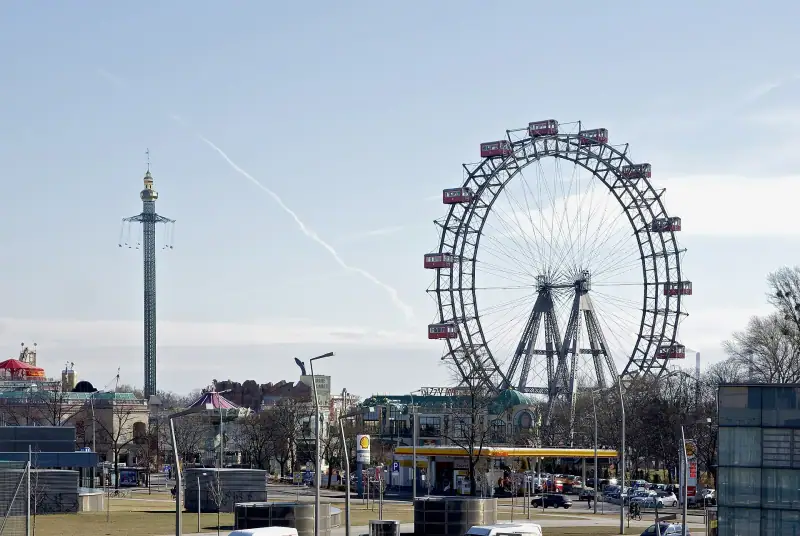
The third day is more open. Choose a major museum according to your tastes: the Kunsthistorisches Museum for Old Master paintings and the Habsburg collections, the Albertina for art exhibitions, or the MuseumsQuartier, a large cultural complex mixing modern art museums and relaxation spaces. One museum per day is enough: better to see one thoroughly than to rush from room to room.
For lunch, stop at the Naschmarkt, a large market stretching along several streets, with stalls of fruit, spices and specialties, plus restaurants. It is a good place to taste a bit of everything without committing to a full meal.
End the day at the Prater, a vast park east of the center. Its giant Ferris wheel, the Riesenrad, is one of the city’s symbols and offers an overview of the rooftops. The park also has an amusement-park area and large lawns, as well as a long tree-lined avenue where you can walk or rent a bike. It is a good place to close your stay gently.
What to eat in Vienna
Viennese cuisine is enjoyed as much in traditional restaurants as in cafés. Wiener Schnitzel, a breaded veal cutlet, is the signature dish. Tafelspitz, boiled beef served with side dishes, is another classic. For something sweet, apple strudel and Sachertorte, a chocolate cake, are essentials.
To taste local wine, some vineyards lie at the edge of the city. The Heuriger, winemakers’ taverns, traditionally serve their wine of the year with cold dishes in a friendly atmosphere. Check opening days ahead, as many follow a calendar specific to each establishment. Our guide explains how a Heuriger works in Vienna, what to order and how to get there.
Tastings and cooking classes in Vienna: food tours, wine tastings and Austrian cooking workshops are worth comparing online before you leave.
Practical tips for your stay
Bring some change and a bank card: Austria uses the euro, and cards are widely accepted, but some small establishments still prefer cash. In restaurants, it is customary to leave a tip by rounding up the bill; ask about local customs when you are there.
Keep some slack in your schedule. A rainy day is easy to handle in Vienna: there is no shortage of museums, cafés and concert halls. Conversely, if the weather is clear, choose parks and outdoor walks.
Travel insurance covering health and the unexpected is a sensible precaution, even for a city trip.
Extending the trip
With one more day, the Wachau valley along the Danube makes an excursion from Vienna. You can also continue to Salzburg and Hallstatt: our 7-day itinerary details the sequence.
Frequently asked questions
Are three days enough to visit Vienna?
Yes for the big classics: the historic center, the Ring, Schönbrunn, the Belvedere and one major museum. Three days also let you slow down in cafés and discover a more local district. For museums in depth, add a day.
Do you need a car to visit Vienna?
No. The center is walkable, and the metro, tram and buses serve Schönbrunn, the Belvedere and the Prater. A car is mostly a hindrance: regulated parking and pedestrian zones.
Where should you stay in Vienna on a first visit?
The historic center (1st district) and neighboring areas near the Ring are the most practical for limiting travel time. Districts a bit farther out, well served by the metro, are often more affordable.
Do you need to book visits in advance?
It is recommended in high season for the busiest sites, such as Schönbrunn, to avoid queues. Check the official sites for hours and prices, which change from one season to the next.
When is the best time to visit Vienna?
Spring and early fall are pleasant for walking in the city. Winter has its charm with the Christmas markets, and summer can be hot. Our guide to the best time to go covers each season.
More Austria guides
Keep reading
Austria travel budget: real costs and 3 priced profiles
How much does a trip to Austria cost? Real prices for lodging, transport, meals and visits, three priced budgets and tips to spend less.
The best ski resorts in Austria: Tyrol, Salzburg and Vorarlberg compared
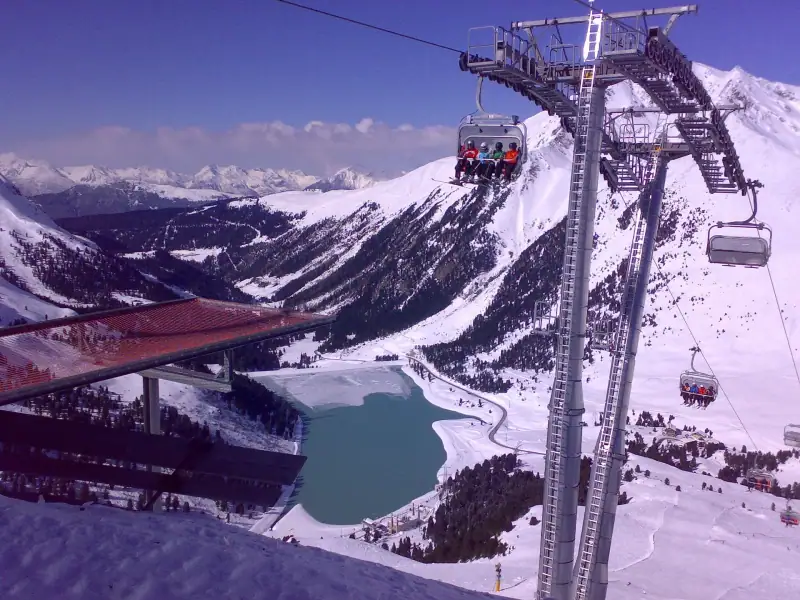
Which ski resort to choose in Austria? Sölden, St. Anton, Lech, Kitzbühel, Mayrhofen, Saalbach, Kaprun and Montafon compared: areas, seasons, profiles.
Visiting Kitzbühel: what to see and do in the heart of Tyrol
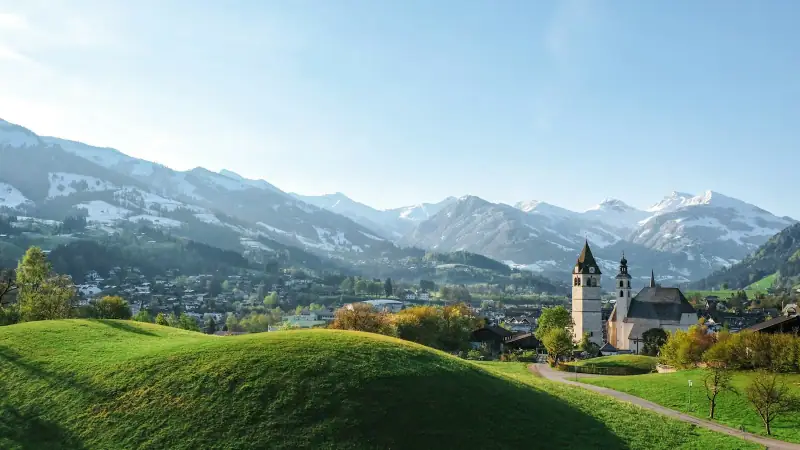
What to see in Kitzbühel? Old town, Kitzbüheler Horn, Schwarzsee, the Streif and Hahnenkamm: a guide to plan your stay in Tyrol's famous resort.
Ready-made
Austria itineraries
7 days
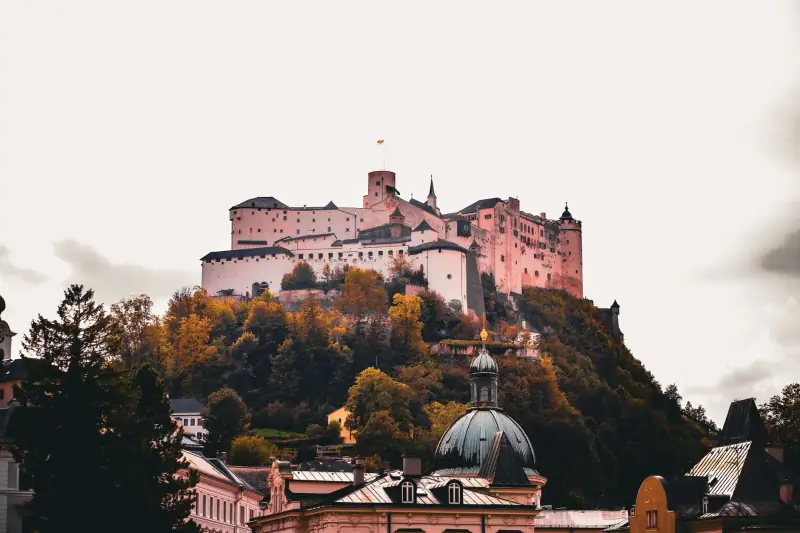
Austria in 7 days: Vienna, the Wachau, Salzburg, Hallstatt and Innsbruck
A one-week itinerary in Austria: Vienna, the Wachau, Salzburg, Hallstatt and Innsbruck, with train journeys, day-by-day stops and tips on where to stay.
2 days
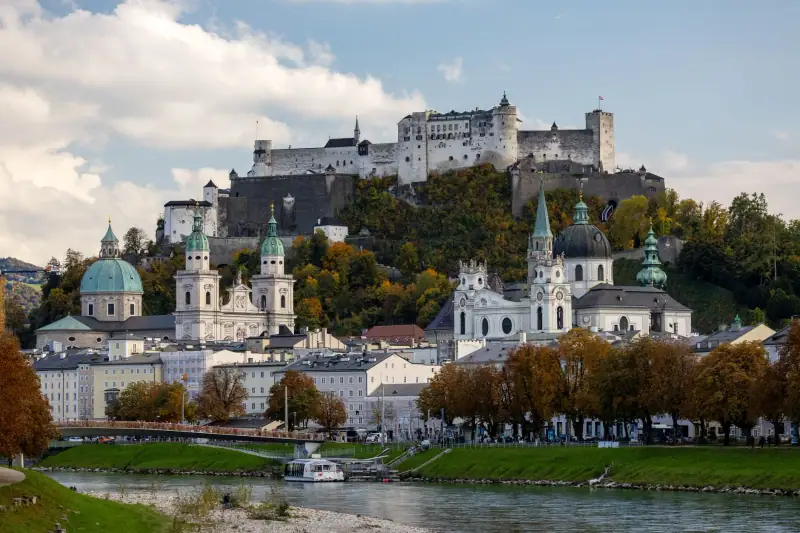
Salzburg in 2 days: an itinerary through Mozart, the fortress and the gardens
What to see in Salzburg in 2 days: old town, Hohensalzburg Fortress, Mozart's birthplace, Mirabell Gardens and Hellbrunn, as a walking itinerary.