What to see
What to see in Styria and Carinthia: lakes, vineyards and mountains of southern Austria
We may earn a commission when you book through links on this page, at no extra cost to you. We don't visit or try the places we cover: we summarize published sources. How we work
In short
- Styria offers hills, vineyards, abbeys and the Dachstein massif; Carinthia offers lakes like the Wörthersee, castles and the Grossglockner, Austria's highest peak at about 3,800 m (12,470 ft).
- The Koralm rail line, opened in December 2025, links Graz and Klagenfurt in about 45 minutes, against nearly three hours before.
- Allow about a week for both regions, or pick a single one for a long weekend; swimming runs mainly from June to early September.
- The Grossglockner road is a toll road and closed in winter; its opening dates vary with snow, so check the official site before you go.
When you think of Austria, you picture Vienna, Salzburg or Hallstatt. Yet the south of the country remains one of Central Europe’s best-kept travel secrets. Styria and Carinthia form a complementary duo there: on one side hills covered in vines, abbeys and limestone massifs, on the other deep blue lakes, perched castles and the high peaks of the Hohe Tauern National Park. All with far fewer people than at the most famous sites.
This guide presents the highlights of both regions, offers a thread to link them and gives practical pointers. Hours, prices and opening periods change from one year to the next: check them on official sites before you go. For the Styrian capital, there is a dedicated guide: visiting Graz. Here, we widen the view to all of southern Austria.
Styria and Carinthia: two faces of southern Austria
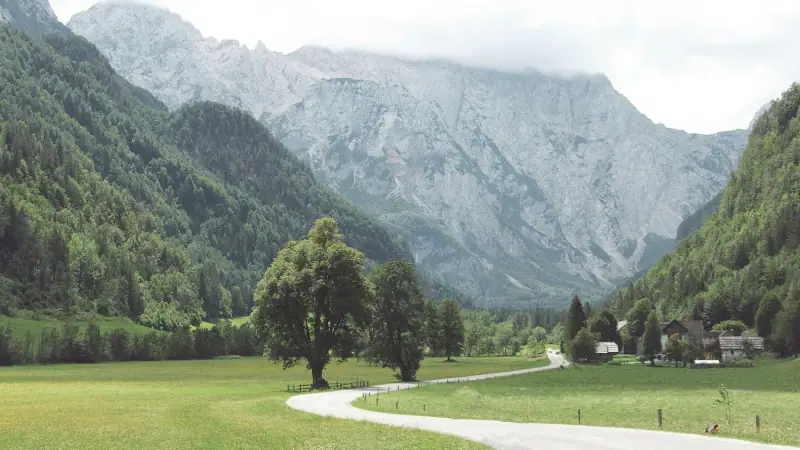
Styria occupies the southeast of the country. It is often called the “garden of Austria” because of its orchards, forests and vineyards. Its capital, Graz, is the country’s second city. In the north of the region, the landscape changes radically: the limestone Alps and the Dachstein massif offer high-mountain scenery, deep lakes and large winter-sports resorts.
Carinthia lies just west and south of Styria, on the border with Italy and Slovenia. Its identity comes from its lakes, the best known being the Wörthersee, the Millstätter See and the Ossiacher See, and from a rather mild summer climate that draws swimmers. Its capital, Klagenfurt, is on the Wörthersee. To the north, the region reaches the peaks of the Hohe Tauern National Park and the Grossglockner, the country’s highest point.
These two regions lend themselves to a slow trip: few long distances, pleasant roads, generous food and often family-run lodging. They complement a classic circuit such as our 7-day Austria itinerary, which stays centered on the west and north of the country.
Getting there and around
From Vienna, Graz is reached by train in about 2 h 30 to 3 h. From Graz, the Koralm rail line, put into service in December 2025, has changed things profoundly: it now links Graz to Klagenfurt in about 45 minutes, against nearly three hours before. That is excellent news for combining the two regions without a car. The Graz and Klagenfurt airports also host regular flights, but the offer varies with the season.
For the towns, train and bus are enough. For everything else, a car offers real freedom: wine roads, secondary lakes, mountain valleys and isolated castles. It is almost essential if you want to stay in the countryside. Compare rental companies, keeping in mind that prices rise in summer.
Where to stay in Klagenfurt: the city is a practical base for exploring the Wörthersee and the neighboring castles. Compare hotels according to your dates and budget.
The South Styrian wine road
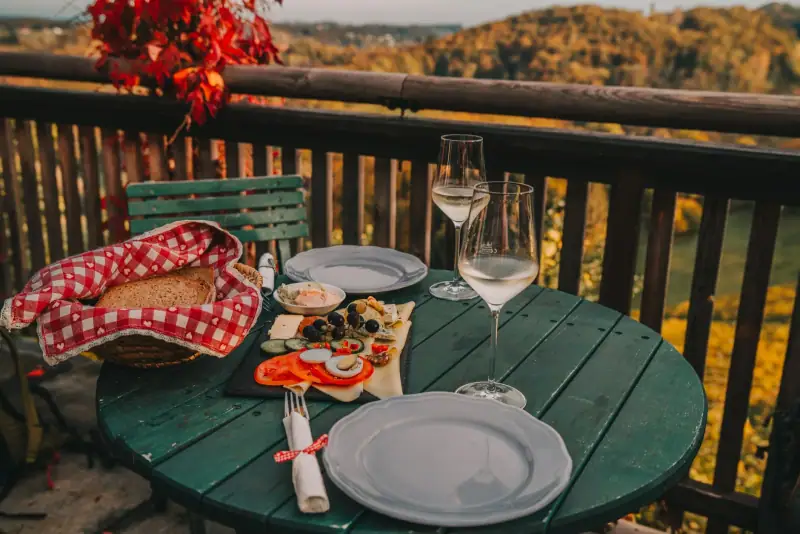
South of Graz, near the Slovenian border, runs the South Styrian wine road (Südsteirische Weinstraße). It is one of the country’s most charming landscapes: narrow ridges, steeply sloping vines, quiet villages and small chapels. These hills are often compared to Tuscany, with a greener and cooler character.
The region is best known for its white wines, among them Sauvignon Blanc, Welschriesling and Morillon (the local name for Chardonnay). The Buschenschank tradition is a pleasure: these winemakers’ inns, open in periods, serve the estate’s wines directly with boards of cold cuts, cheese and bread, often on a terrace overlooking the vines. Opening periods vary, often signaled by a branch or wreath hung at the entrance: ask locally.
The road is ideally done by car or bike, but tasting obviously calls for caution: appoint a driver or opt for an organized excursion. Early fall, at harvest time, offers superb light and a festive atmosphere. For dishes that go with these wines, see our article on what to eat in Austria and discover pumpkin seed oil, the emblem of Styria.
Tastings in Styria: cellar visits and tastings of wines from the south of the region, to be booked ahead depending on the season. Compare the experiences on offer.
Graz and the towns of Styria
Graz remains the logical stop of a stay in Styria. Its UNESCO-listed old town, its Schlossberg and its contemporary architecture make it a complete city trip: all the details are in our guide visiting Graz. If you are looking for lodging, see also where to stay in Graz.
Farther north, Styria reveals a more mountain character. Mariazell is an important pilgrimage site in Central Europe, with a large basilica that draws visitors from many countries. Eisenerz, at the foot of the Erzberg, is a former mining town: the iron mountain, worked in an open pit, can be visited on specialized tours. Farther west, Murau and its medieval old town offer a quiet atmosphere, away from the usual circuits.
For wellness fans, the thermal region in eastern Styria counts several spa resorts. Bad Blumau is known for its colorful architecture imagined by the artist Friedensreich Hundertwasser, with grass roofs and undulating shapes: the complex stands apart in Austria.
Riegersburg Castle and Admont Abbey
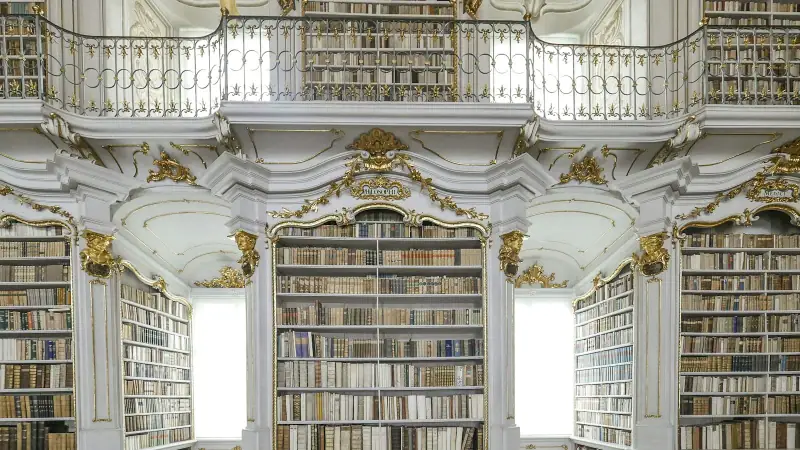
Two stops deserve a place in your program. Riegersburg Castle, in eastern Styria, stands on a rock of volcanic origin that overlooks the countryside. It is an impressive fortress, seen from afar as well as up close, with ramparts and furnished rooms that tell the story of the region’s noble families. The visit readily combines history and panoramas.
The Benedictine abbey of Admont, in the Enns valley in the north of the region, houses the largest monastic library in the world, according to the usual descriptions of the site. The great Baroque hall, with its ceiling frescoes and rows of old books, has a striking effect. The monastery also has museums and a park. Check hours and prices before going: some parts are visited depending on the season.
The Dachstein and Schladming
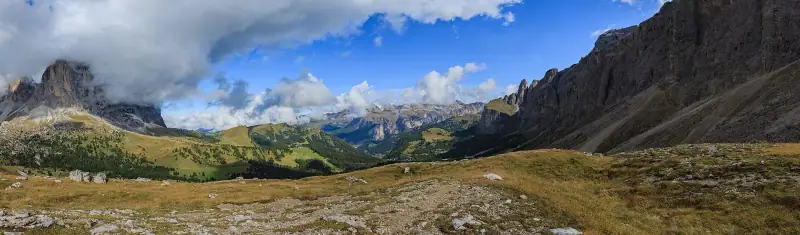
In the northwest of Styria, the Dachstein massif is a great classic of the Austrian Alps. It is shared among Styria, Upper Austria and Salzburg. From Schladming, the small town at the foot of the massif, a cable car leads to high-altitude plateaus with a glacier, walking trails and panoramic platforms. In summer, it is an excellent starting point for hikes of all levels. In winter, Schladming ranks among the country’s major ski resorts.
This area combines easily with the neighboring Salzkammergut region: read our article on the Salzkammergut lakes around Salzburg to stay in lake scenery. Several lakes of the Ausseerland, like the Altausseer See or the Grundlsee, are in Styria: they offer a more intimate atmosphere than Hallstatt.
Klagenfurt and the Wörthersee
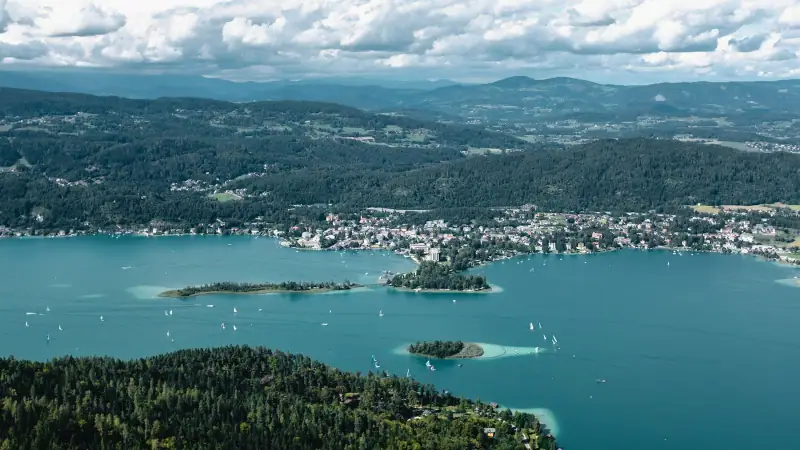
On to Carinthia. Klagenfurt, the capital, is a human-scale city, with a colorful central square and a dragon-shaped fountain, the Lindwurm, which has become the city’s emblem. Legend says the city was founded after the defeat of a dragon. The center can be visited on foot in a few hours. The miniature park Minimundus, which presents monuments from around the world at small scale, is popular with families.
The Wörthersee, a few minutes from the center, is the region’s most famous lake. About 16 km (10 mi) long, it is known for its relatively warm water in summer, its developed beaches, its water-sports resorts and its Belle Époque villas. Villages and promenades follow one another along the shores: Velden, in the west, has a more glamorous reputation, while other shores remain quieter.
Among the viewpoints, the wooden Pyramidenkogel observation tower, about 100 m (330 ft) high, overlooks the lake. It offers a panorama over the water and the surrounding mountains in clear weather. An indoor slide and platforms complete the attraction for those who like thrills.
Excursions around the Wörthersee: boat rides, water sports and guided tours in Carinthia. Compare the activities available for your dates.
Carinthia’s other lakes
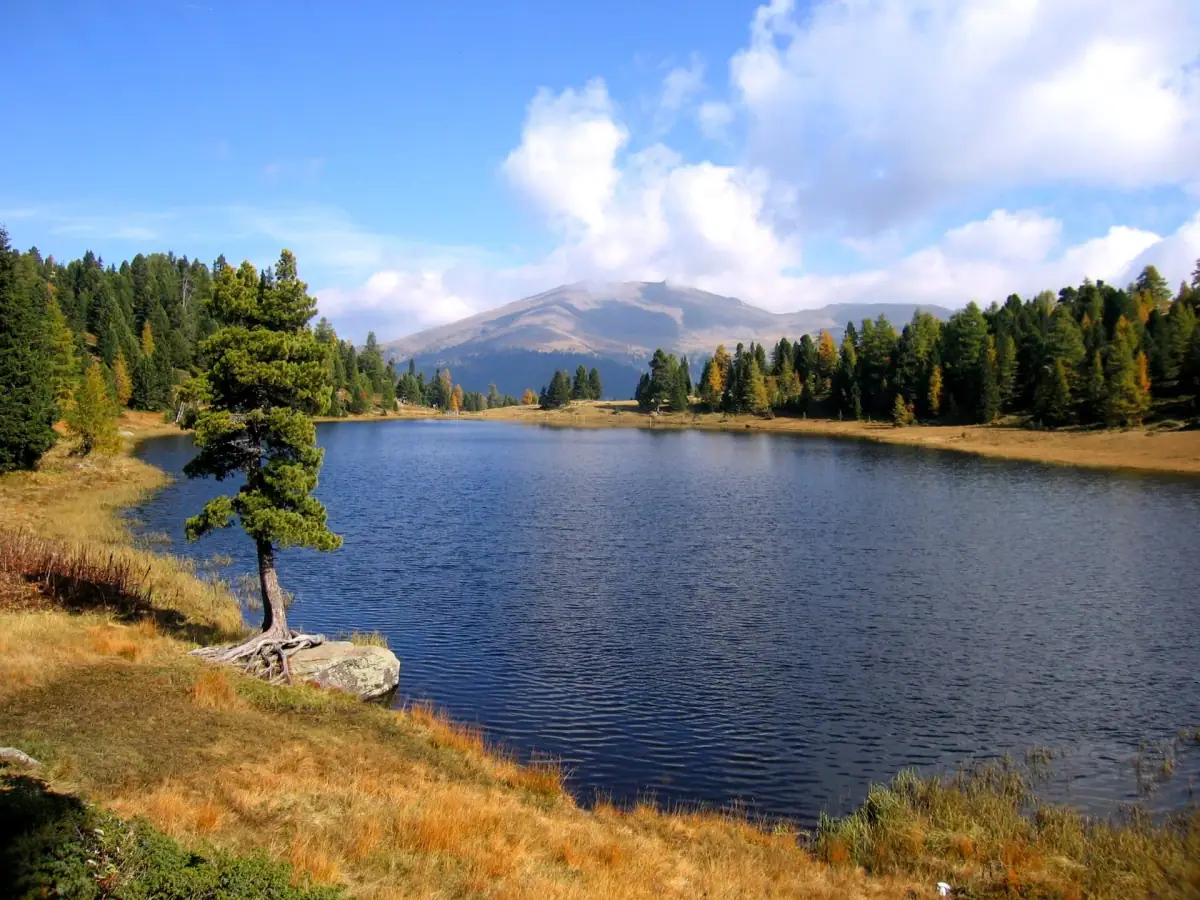
The Wörthersee is only one of the region’s many lakes. The Millstätter See, farther northwest, is deep and framed by mountains: it appeals to travelers looking for more Alpine scenery. The Ossiacher See, near Villach, is lined with beaches and campsites, in a family atmosphere. The Faaker See, smaller, has the reputation of being one of the most photogenic, with its turquoise water and the silhouette of the mountains in the background.
The Weissensee, off the beaten track, lies at a higher altitude than its neighbors and remains unspoiled: the shores are little built up, and people come for quiet and nature. In winter, it turns into an immense natural skating rink when the ice is thick enough, which draws skaters and winter-sports fans.
Villach, a mid-sized town in the south of the region, is a good starting point for these lakes. It also has thermal baths and rail links to Italy and Slovenia, which makes it practical for a combined trip. The lakes of northern Italy and the Dolomites lie outside the scope of this guide.
Castles and monuments of Carinthia
Carinthia is dotted with castles and Romanesque churches. The most spectacular is probably Hochosterwitz Castle, built on top of an isolated rock overlooking the plain, northeast of Klagenfurt. You reach it by a path that passes through many successive fortified gates: the climb is a walk in itself, with viewpoints along the way.
Gurk Cathedral, in the north of the region, is one of the country’s great Romanesque monuments. Its crypt, frescoes and austere architecture set it apart from the Baroque churches seen elsewhere in Austria. It stands in a quiet village where you readily linger.
For more modest stops, small mountain villages offer churches with pointed spires, wooden farms and family inns. Do not hesitate to leave the main roads: that is where the region’s charm lies.
The Grossglockner and the Hohe Tauern
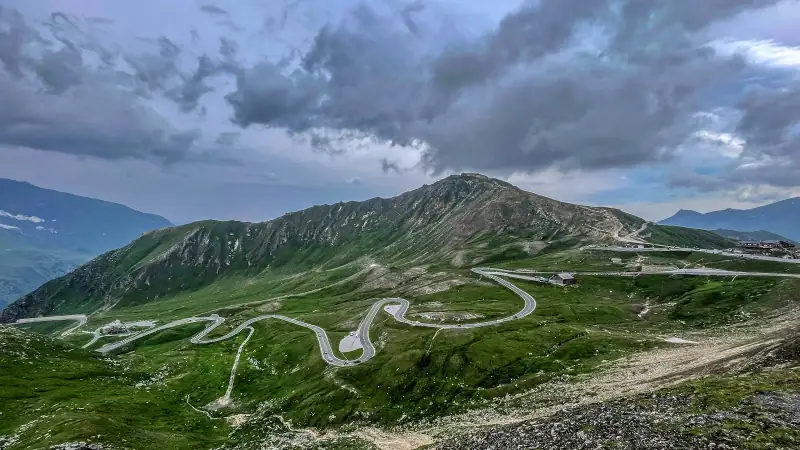
In the northwest of Carinthia, the Grossglockner peaks at about 3,800 m (12,470 ft) and is the highest summit in Austria. It belongs to the Hohe Tauern National Park, a vast territory of mountains, glaciers, waterfalls and high-altitude meadows. The famous Grossglockner High Alpine Road links Carinthia to Salzburg through a succession of bends and viewpoints over the glaciers. It is a toll road and closed in winter; opening dates vary each year with snowfall.
Heiligenblut, a village at the foot of the mountain, is known for its Gothic church with a slender spire, which stands out in front of the summit: it is one of the region’s most famous images. To the south, the Nockberge biosphere park offers gentler hikes, on rounded summits covered in meadows.
If you plan to drive this road, start early, check the weather and bring warm clothes: it can be cold at altitude even in midsummer. You can compare rental cars before fixing your dates.
Rent a car: for the mountain roads, lakes and isolated villages of southern Austria, compare rental companies.
What to taste in Styria and Carinthia
The cuisine of southern Austria mixes Alpine, Slavic and Italian influences. In Styria, pumpkin seed oil, a very dark green, seasons salads, soups and even desserts. Styrian-style breaded chicken, seasonal mushrooms and chestnuts, and game in fall complete the table. The white wines of the south of the region pair very well with these dishes.
In Carinthia, two specialties come up often. Kärntner Kasnudeln are large dumplings, generally filled with fresh cheese and herbs, served with butter. Reindling is a crown-shaped brioche flavored with raisins and cinnamon, traditionally associated with Easter. Lake fish, trout or char, are found in lakeside restaurants.
For budgets, country inns are often more affordable than the restaurants of the most touristy lakes. For more ideas, our article on the budget for a trip to Austria gives useful orders of magnitude.
When to go and how long to allow
June to September is the most pleasant period for the Carinthian lakes and high-altitude hikes. Summer remains high season: book lakeside lodging early. Early fall is ideal for Styria’s vineyards, with superb colors and harvests. In winter, resorts like Schladming and the thermal baths attract skiers and travelers looking for rest. Our guide to when to go to Austria details the seasons.
For a balanced program, allow a week: two days in Graz and on the wine road, one day for Admont or the Dachstein, two days around Klagenfurt and the Wörthersee, then one day for the castles or the Grossglockner. With only three or four days, focus on one region. Distances remain reasonable, but mountain roads are slower than the map suggests.
Practical tips
Southern Austria is in the European Union, but whether your home mobile plan works there depends on your carrier: check its international plan before you go, or use a travel eSIM. Consider travel insurance to cover medical costs and cancellation.
Entry rules depend on your passport. Check the official travel advice of your government before you book: travel.state.gov (US), GOV.UK (UK), travel.gc.ca (Canada), Smartraveller (Australia) (checked November 2026). If you want to add other stops, our complete guide to Austria presents the whole country.
Finally, take your time. The strength of Styria and Carinthia lies in their rhythm: a tasting on a vineyard terrace, a swim in a lake, a mountain road without hurrying. That is what makes this corner of Austria a very fine alternative to the classic itineraries.
Frequently asked questions
What is the difference between Styria and Carinthia?
Styria (Steiermark) is a region of hills, vineyards and forests around Graz, with the Dachstein mountains to the northwest. Carinthia (Kärnten), farther south, is known for its lakes with warm water in summer, like the Wörthersee, and for its peaks near the Grossglockner. The two regions are neighbors and combine easily in one trip.
How long do you need to visit Styria and Carinthia?
Allow a week for a good overview of both regions: three or four days in Styria (Graz, wine road, Admont or Dachstein) and three or four days in Carinthia (Klagenfurt, lakes, castles, the Grossglockner road). With a long weekend, choose just one of the two regions.
Can you travel from Graz to Klagenfurt by train?
Yes. The Koralm line, opened in December 2025, links Graz to Klagenfurt in about 45 minutes according to Austrian railways, against nearly three hours before. Check schedules and fares on the operator's website before booking.
Do you need a car to visit Carinthia?
The main towns, like Klagenfurt and Villach, can be visited without a car, and trains serve the south of the country well. For the smaller lakes, isolated castles and mountain roads, however, a car remains far more practical.
When can you swim in the Carinthian lakes?
Swimming is mainly from June to early September, when the surface water warms up. Outside summer, the lakes remain very pleasant for walks, cycling and photography. Our guide to the best time to go to Austria details the seasons.
Is the Grossglockner road open all year?
No. This high-mountain road is closed in winter because of snow and generally opens in late spring and closes in fall. Exact dates vary each year and the road is a toll road: check the road's official site before you leave.
Do you need to speak German to travel in southern Austria?
No. English is enough in hotels, tourist offices and most restaurants. A few words of German (Grüß Gott, Danke, Bitte) are nonetheless much appreciated, especially in the countryside and in family-run inns.
More Austria guides
Keep reading
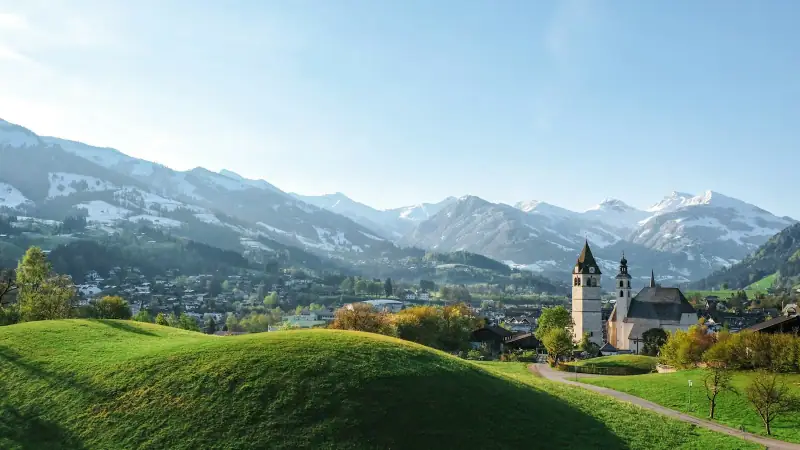
Visiting Kitzbühel: what to see and do in the heart of Tyrol
What to see in Kitzbühel? Old town, Kitzbüheler Horn, Schwarzsee, the Streif and Hahnenkamm: a guide to plan your stay in Tyrol's famous resort.
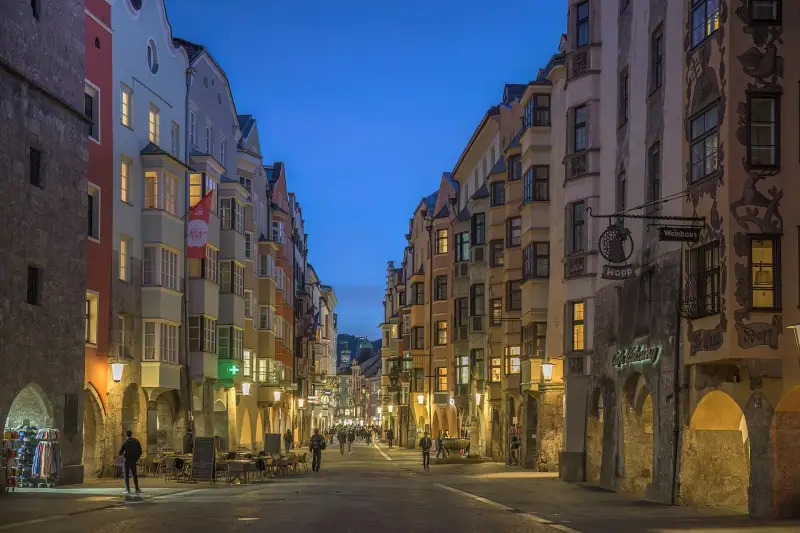
Innsbruck and Tyrol: what to do between city and mountains
What to see in Innsbruck and Tyrol? Old town, Nordkette, Bergisel, Ambras Castle: a guide to plan 2 to 3 days between heritage and Alpine peaks.
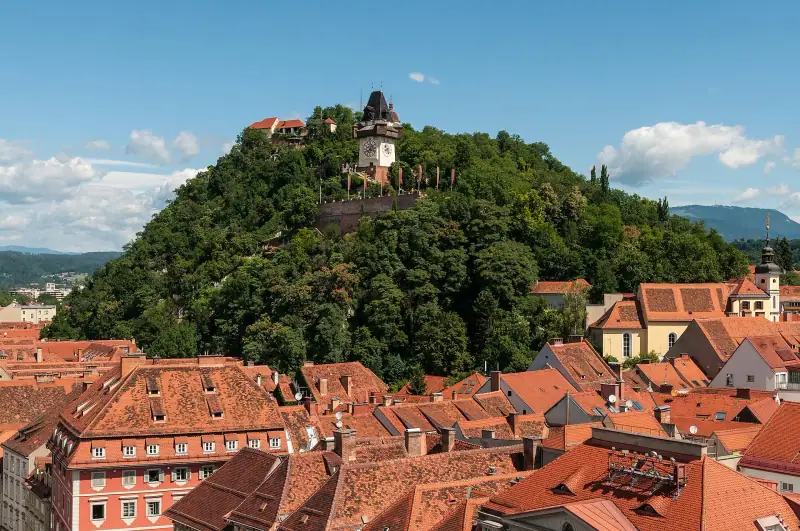
Visiting Graz: what to see and do in the capital of Styria
What to see in Graz? UNESCO old town, Schlossberg and Clock Tower, Kunsthaus, Eggenberg Palace, markets and pumpkin seed oil: a guide to plan your visit.
Ready-made
Austria itineraries
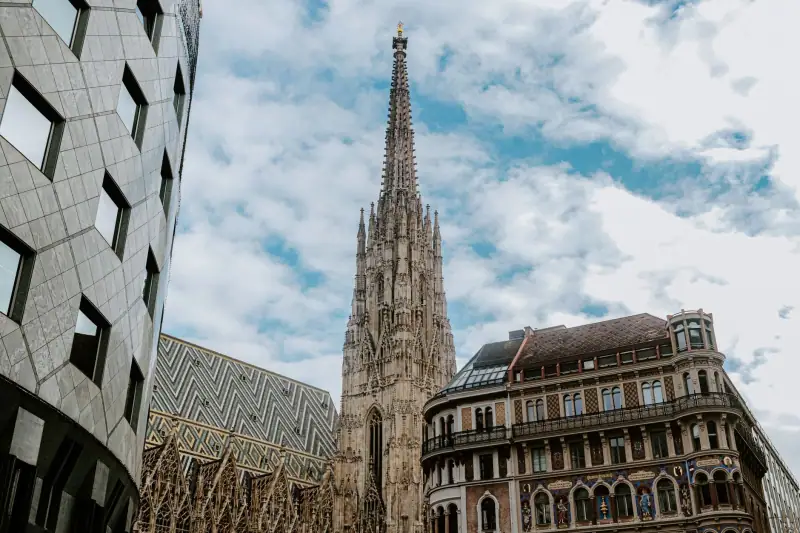
3 days
Vienna in 3 days: a day-by-day itinerary to see it all
What to see in Vienna in 3 days: the Ring, Hofburg, Schönbrunn, Belvedere, Prater and cafés, as a walking and tram itinerary with practical tips.
7 days
Austria in 7 days: Vienna, the Wachau, Salzburg, Hallstatt and Innsbruck
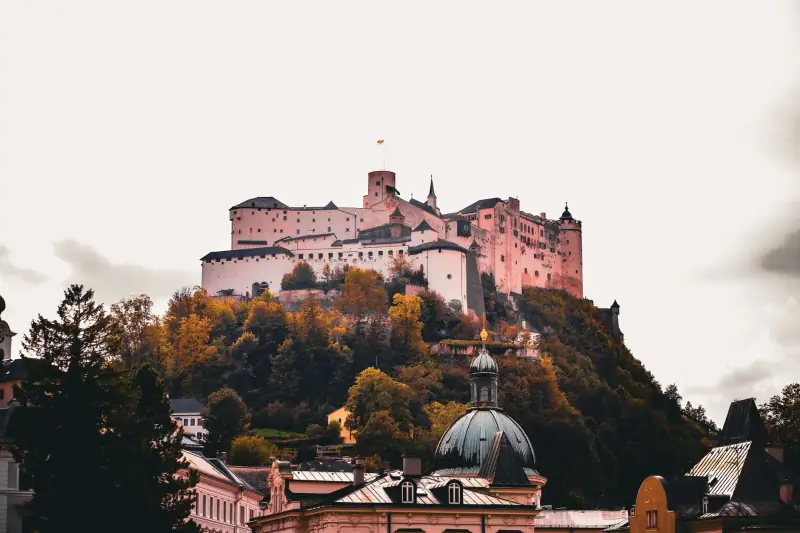
A one-week itinerary in Austria: Vienna, the Wachau, Salzburg, Hallstatt and Innsbruck, with train journeys, day-by-day stops and tips on where to stay.
2 days
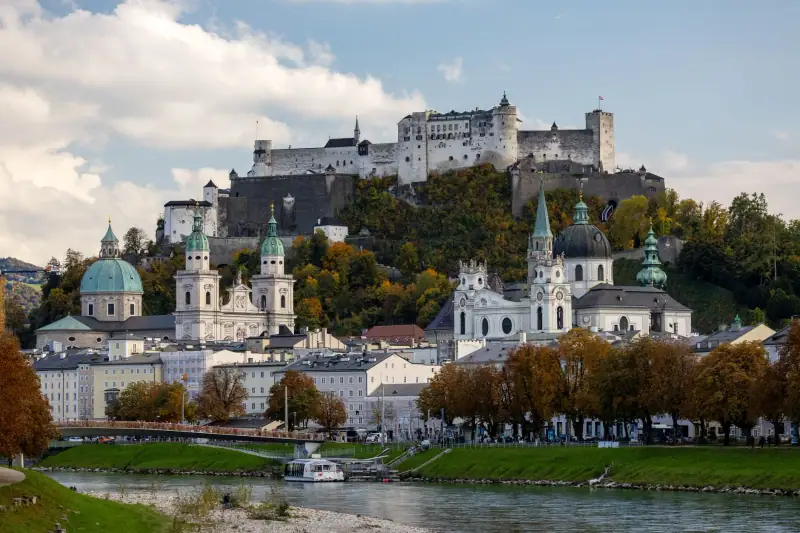
Salzburg in 2 days: an itinerary through Mozart, the fortress and the gardens
What to see in Salzburg in 2 days: old town, Hohensalzburg Fortress, Mozart's birthplace, Mirabell Gardens and Hellbrunn, as a walking itinerary.