What to see
Rottnest Island without a car: ferry, bike or bus to see the quokkas
We may earn a commission when you book through links on this page, at no extra cost to you. We don't visit or try the places we cover: we summarize published sources. How we work
In short
- Rottnest does not allow rental cars: take a ferry from Fremantle (about 30 minutes), Hillarys (about 45 minutes) or central Perth (about 90 minutes).
- On the island, get around by bike (more than 22 km / 14 mi of cycle paths; 2 to 5 hours for a full loop), by Island Explorer bus (19 stops) or on foot.
- Quokkas are mostly seen around Thomson Bay, more active in the cool of the morning and late in the day. Do not touch or feed them.
- One day is enough for a first visit; sleeping on the island lets you see quokkas at dawn or dusk.
Rottnest is very easy to visit without a car, and it is in fact the only way to visit it: the island does not accept rental vehicles. Take a ferry from Fremantle (about 30 minutes), Hillarys (about 45 minutes) or central Perth (about 90 minutes), then get around by bike, bus or on foot once there.
For a day, the simplest is to leave from Fremantle, rent a bike or buy a bus pass on arrival, see the quokkas around Thomson Bay, then head to a bay for a swim. This guide details each choice, step by step. It complements the section on the island in our guide to visiting Perth.
Rottnest in brief: 19 km (12 mi) from Perth, without a car
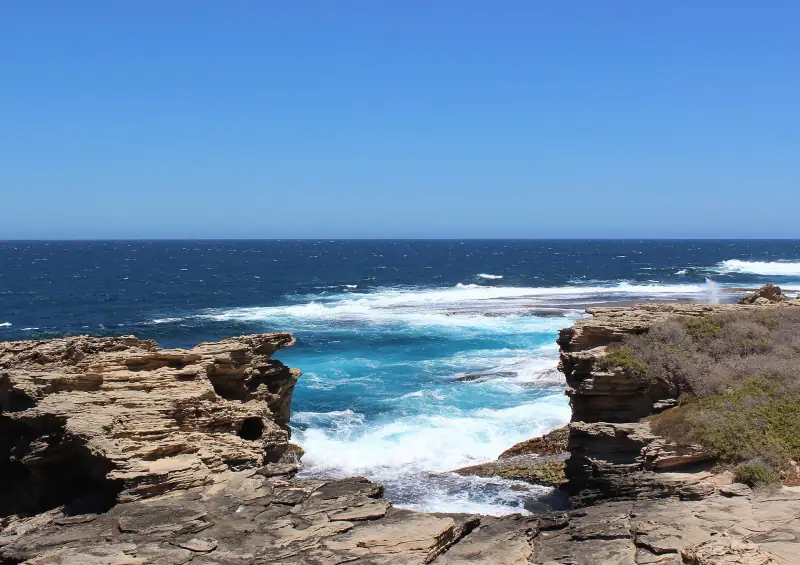
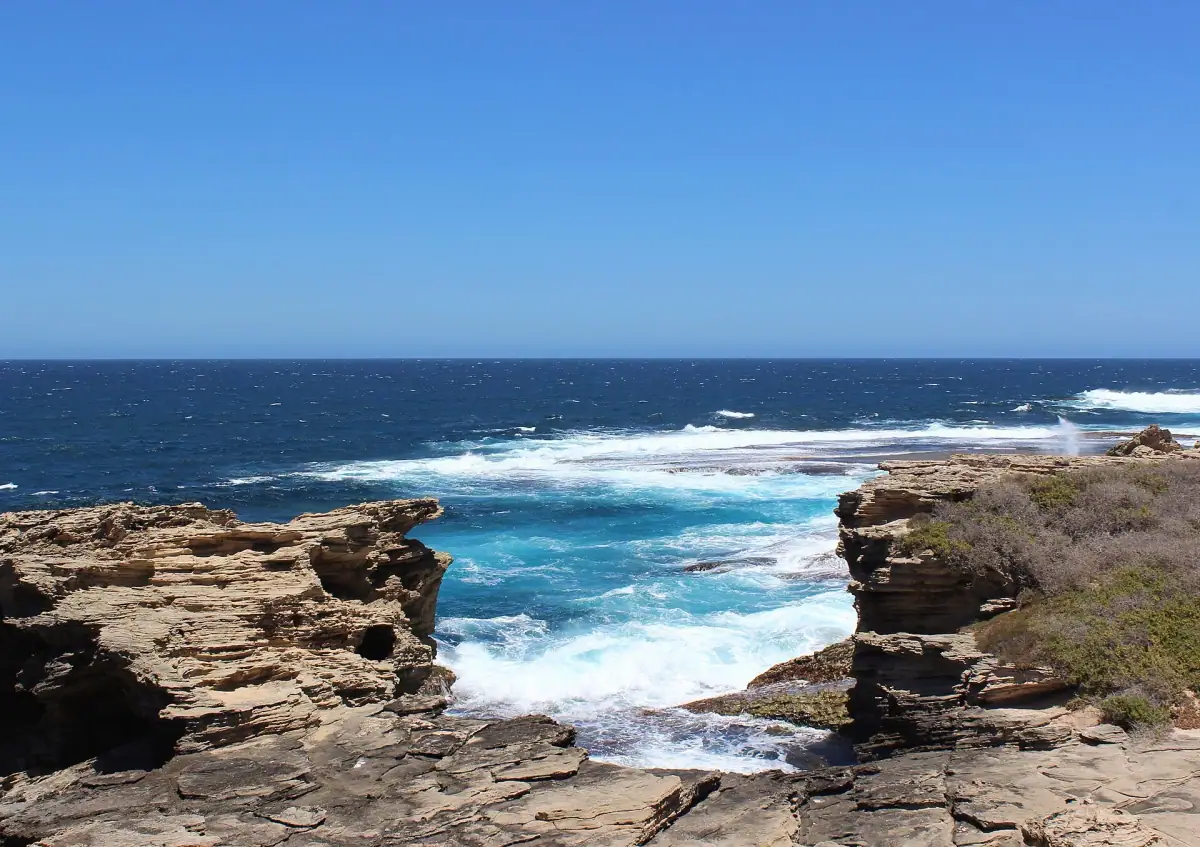
Rottnest Island, or Wadjemup in the Noongar language, lies about 19 km (12 mi) off the coast of Perth. According to Tourism Western Australia, it is a car-free Class A reserve, whose trails link many sandy bays. It is about 11 km (7 mi) long: small enough to be covered in a day, large enough that the choice of transport matters.
The Whadjuk Noongar are its first custodians, and Aboriginal guided tours and a museum let you discover this history. Quokkas, small marsupials with a smiling face, remain the main attraction. To place them among the country’s other animals, see our guide to watching wildlife in Australia.
Getting to Rottnest without a car: Fremantle, Hillarys or Perth
Three ports serve the island, and the right choice depends mostly on your accommodation and your tolerance for the sea.
From Fremantle: the shortest crossing
About 30 minutes of crossing: it is the fastest option, so the least tiring with children. Fremantle is reached by train from central Perth in about half an hour. You can also sleep there the night before to board early.
From Hillarys Boat Harbour: the northern port
About 45 minutes of crossing. Hillarys suits you if you stay in the northern suburbs of Perth or on the coast. The port is a little far from the center: allow for the trip to get there on time.
From Barrack Street Jetty: straight from the city center
About 90 minutes of crossing, but boarding is in the middle of the center, with no connection. It is practical if you stay in town, at the cost of a longer day.
Ferry and tours to Rottnest
Compare day packages with the crossing, and sometimes bus or bike included.
Schedules and fares vary by company, season and day of the week. Book ahead in high season (Australian school holidays, from December to January) and check the time of the last return before buying, as it sets your whole day. Some packages include a bus pass or entry to the reserve; compare what is included rather than just the price of the crossing.
Rottnest by bike: the classic option
More than 22 km (14 mi) of cycle paths are offered on three routes of different difficulty, with maps available at the island’s visitor office. Allow 2 to 5 hours for a full loop, depending on the number of swimming stops.
Good to know before renting:
- You can rent a bike on the island or book before you leave; at peak times, rentals can be sold out. You can also take your own bike on the ferry.
- An e-bike helps if the headwind is strong or if you are not very fit: the island is not flat and shade is scarce.
- Start early: in summer, the heat makes the exposed roads tiring from midday.
- Bring water, a hat and sun protection.
Rottnest by Island Explorer bus: effortless
The Island Explorer bus runs hop-on hop-off with 19 stops, including Little Salmon Bay, The Basin and West End. The vehicles are air-conditioned, and the timetables are posted at the main stop. In high season, buses can be crowded: board early.
It is the best option in strong heat, with young children, or if you do not like pedaling. Combine it with walking at Thomson Bay, where cafés, shops and the beach are close to the jetty. A day pass is bought on arrival at the visitor center or in advance online; prices change, so check them on the island’s official website before you go.
Where to see quokkas on Rottnest
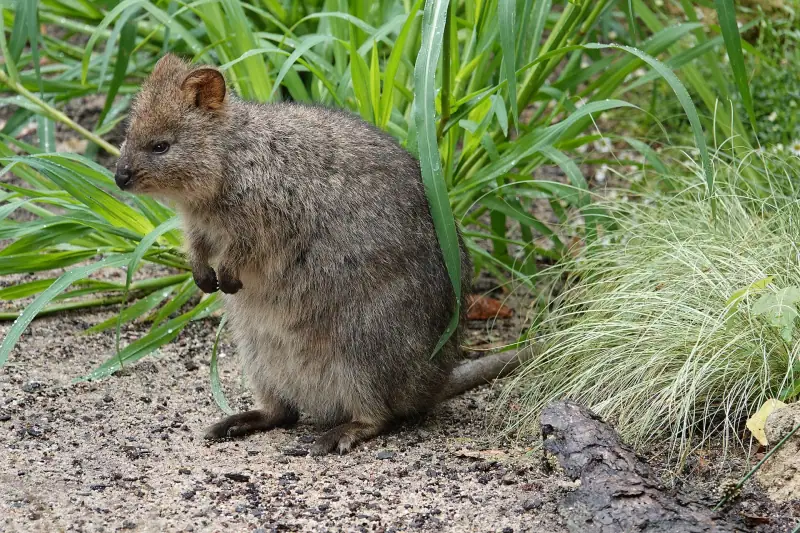
No need to go far: quokkas are mostly seen around Thomson Bay, near the cafés, shops and accommodation. They are more active when it is cool, early in the morning and late in the day, and often sleep or hide in the hottest hours. Tourism Australia says baby quokkas can be spotted from April to December.
The rules are simple and apply to everyone:
- Do not touch them or pick them up.
- Give them no food: human food makes them sick.
- Photograph from a distance, without leaning over them.
- Keep your bags and meals out of reach: they are curious and do not hesitate to rummage.
Which bay to swim in: The Basin, Little Salmon Bay and the others
According to Tourism Western Australia, Rottnest has dozens of white-sand bays. For a day, three benchmarks are enough:
- The Basin: an easy-to-reach bay, near Thomson Bay, well suited to families and swimming.
- Little Salmon Bay: served by the bus and popular for snorkeling in clear water.
- West End: farther away, for visitors who want a less crowded corner, reached by bus or by bike if you have time.
On the island, respect the signs and flags, and do not swim out alone. Currents and wind can change fast.
Planning your day: a realistic schedule
Here is a typical day from Fremantle, to adjust to your return ferry time:
- Morning: ferry to Thomson Bay, pick up the bike or bus pass, first quokkas near the jetty.
- Late morning: ride to The Basin or Little Salmon Bay, swimming and snorkeling.
- Midday: picnic or meal at Thomson Bay, in the shade.
- Afternoon: a second bay or a tour of the point, then an easy return to the port.
- End of day: return the bike early, and keep some slack before the ferry.
To see the island in peace, sleep on the island or take advantage of the morning departures. If you stay in Perth, you can book your accommodation in town or in Fremantle.
Stay in Fremantle or Perth
Stay near the port to board early and enjoy the island longer.
Quick table: which way to get around
| Situation | Suggested mode | Why |
|---|---|---|
| Short day, from Perth | Ferry from Fremantle | Crossing of about 30 minutes |
| Lodging north of Perth | Ferry from Hillarys | Crossing of about 45 minutes |
| Hotel in the city center | Ferry from Barrack Street | Boarding with no connection, about 90 min |
| Sporty, want freedom | Bike | More than 22 km (14 mi) of paths, free pace |
| Heat, children, little time | Island Explorer bus | 19 stops, hop-on hop-off |
| Want calm and dawn | Night on the island | Quokkas more active morning and evening |
Practical tips for your visit
- Mobile coverage: the signal can be patchy on the coasts; download your tickets and maps before you leave, check your carrier’s international plan or use a travel eSIM, and see our guide to SIM cards and eSIMs in Australia.
- Season: the Australian summer is hot and sunny; to choose your dates, see when to visit Australia.
- Bring: water, hat, windbreaker, swimsuit and towel.
- Trash: the island is protected, take your packaging back with you.
- Tickets: keep the return time in front of you; a missed ferry is costly.
Sources
Frequently asked questions
Can you go to Rottnest with a rental car?
No, the island is described by Tourism Western Australia as a car-free Class A reserve. Leave your vehicle in Perth, Fremantle or Hillarys and get around on the island on foot, by bike, by e-bike or by bus.
Which port should you choose to go to Rottnest?
Fremantle offers the shortest crossing, about 30 minutes. From Hillarys Boat Harbour, allow about 45 minutes, and about 90 minutes from Barrack Street Jetty, in the middle of Perth. Choose according to where you sleep and the time of the last return.
Bike or Island Explorer bus: which to choose?
Cycling suits you if you are comfortable with medium distances: the island is about 11 km (7 mi) long and a full loop takes 2 to 5 hours depending on pace and stops. The Island Explorer bus, which serves 19 hop-on hop-off stops, is easier in strong heat, with children or in wind.
Where can you see quokkas on the island?
Quokkas are mostly seen around Thomson Bay, the area of the jetty, cafés and shops, and near the accommodation. They are more active when it is cool, in the morning and late in the day. Watch them without touching or feeding them.
Can you touch or feed a quokka?
No. Do not touch them, feed them or pick them up for a selfie: human food is harmful to them and the island is a protected reserve. Take your photo from a distance, at their level.
Is one day enough for Rottnest?
Yes for a first visit: quokkas, a bay for swimming and part of the island. Sleeping there lets you enjoy the island after the last ferries leave and see quokkas at dawn or dusk.
More Australia guides
Keep reading
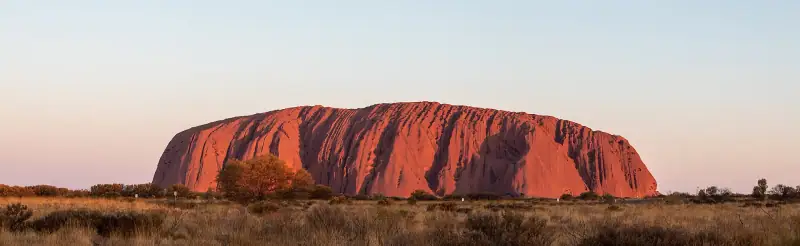
Complete guide to visiting Australia: regions, itineraries and tips
Visit Australia: regions and cities to see, highlights, best time to go, flights, transport, lodging and budget. The pillar guide to plan your trip.
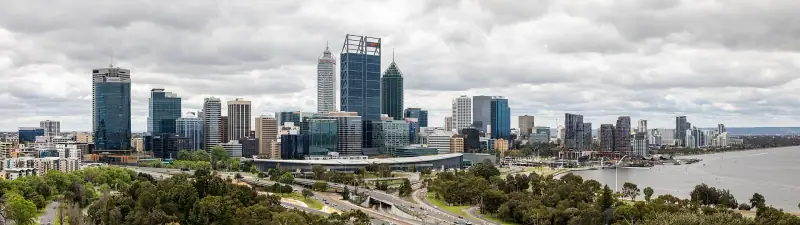
Visiting Perth: what to see and do in the capital of Western Australia
Visit Perth and around: Kings Park, Fremantle, Cottesloe, Rottnest and quokkas, excursions, when to go, transport, budget and tips for your stay.
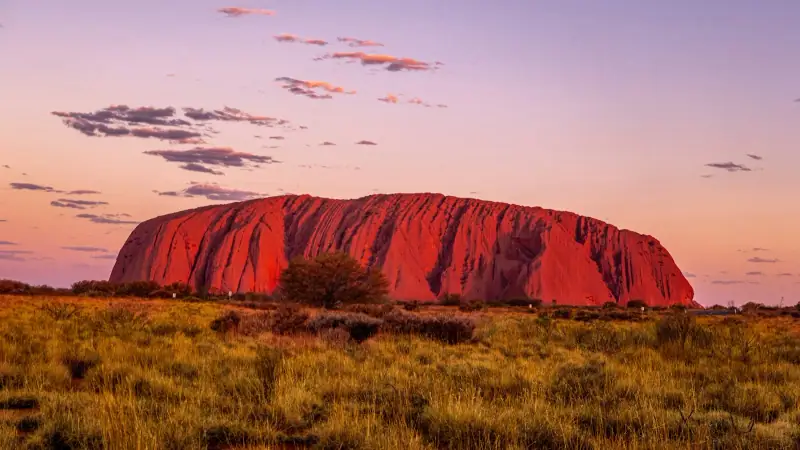
Visiting Uluru and the Red Centre: a practical guide
Visit Uluru and the Red Centre: Kata Tjuta, Kings Canyon, Alice Springs, best season, respect for the Anangu sacred site, flights, car and planning tips.
Ready-made
Australia itineraries
7 days
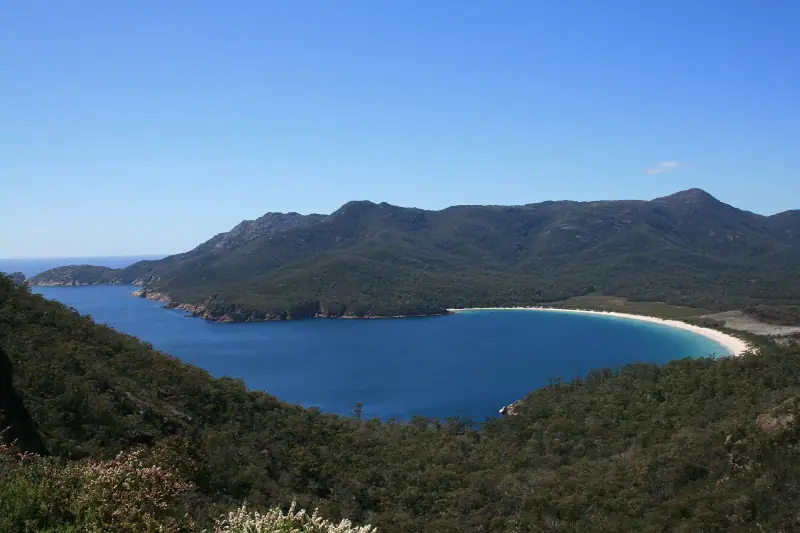
Tasmania in 7 days: a road trip itinerary from Hobart to Launceston
Tasmania in 7 days: Hobart, Port Arthur, Bruny Island, Freycinet and Wineglass Bay, Launceston. Day-by-day itinerary, distances, seasons and driving tips.
3 days
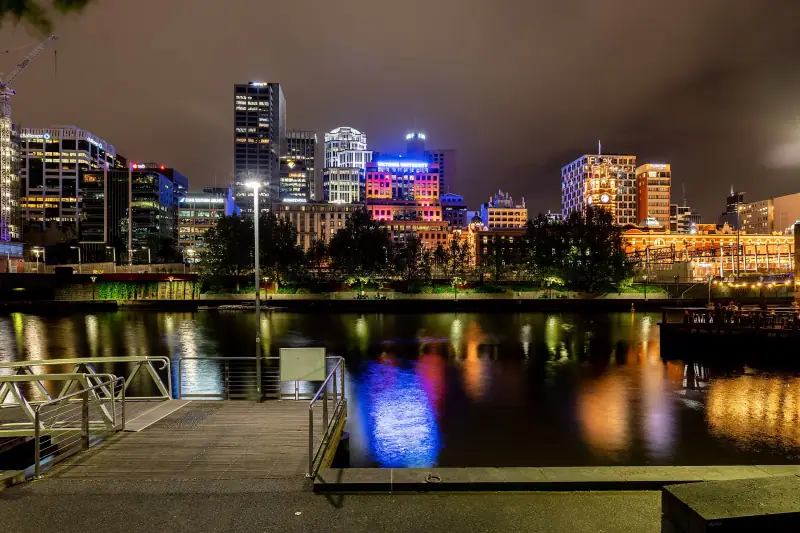
Melbourne in 3 days: a culture, street art and seaside itinerary
What to do in Melbourne in 3 days? Laneways, street art, markets, museums, St Kilda and a nature escape: a day-by-day itinerary with practical tips.
4 days
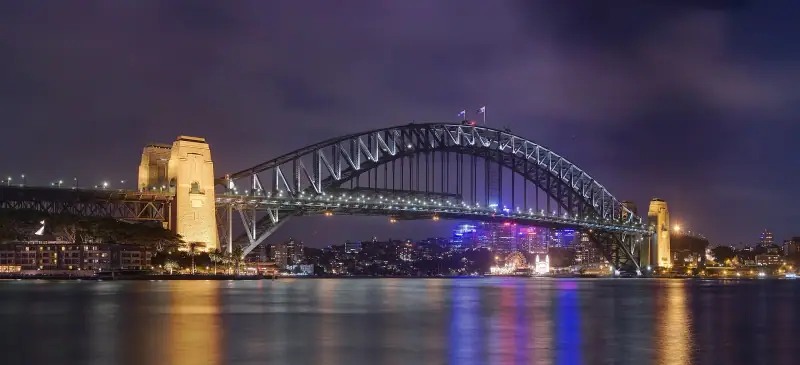
Sydney in 4 days: a day-by-day itinerary to see it all
Sydney in 4 days: Opera House, Harbour Bridge, Bondi, Manly and the Blue Mountains. A day-by-day itinerary with transport and accommodation tips.