What to see
Complete guide to visiting Argentina: regions, highlights and budget
We may earn a commission when you book through links on this page, at no extra cost to you. We don't visit or try the places we cover: we summarize published sources. How we work
In short
- A very large country: you do not 'do' Argentina in one go, you choose regions. A classic first two-week trip links Buenos Aires, Iguazú, Salta and Mendoza.
- Domestic flights are almost unavoidable to limit long journeys; they take about two hours between Buenos Aires and Iguazú, Salta or Mendoza.
- Spring (September to November) and autumn (March to May) suit most routes; the austral summer (December to February) is high season.
- The budget is very sensitive to the exchange rate: check it just before you leave.
Argentina is the eighth largest country in the world, and you feel it as soon as you open a map. From subtropical Iguazú in the northeast to the colorful deserts of the Northwest, from vineyards backed by the Andes to the cliffs where marine mammals come to breed on the Atlantic coast, not to mention Patagonia in the far south, the country gathers landscapes usually found on several continents. Add cities with character, a strong food culture and a hospitality that rarely goes unnoticed.
This diversity has a downside: you have to choose. This pillar guide helps you build your trip: overview of the country, regions and cities, highlights, seasons, transport, lodging and budget. At each step, links send you to our detailed articles on the site.
The essentials in brief:
- A very large country: you do not “do” Argentina in one go, you choose regions
- A classic first two-week trip: Buenos Aires, Iguazú, Salta, Mendoza
- Domestic flights are almost unavoidable to limit long journeys
- A budget very sensitive to the exchange rate: check it just before you leave
All our articles on Argentina
Before going into detail, here is the list of articles already published on this site. Each one goes deeper into a point mentioned in this guide.
Discover the destinations
- Visiting Buenos Aires: what to see and do in 3 days in the capital
- Visiting Iguazú Falls: Argentine or Brazilian side
- Visiting Salta and the Quebrada de Humahuaca: northwest Argentina
- Visiting Córdoba: Jesuit city, university and sierras
- Visiting the Valdés Peninsula: whales, sea lions and penguins
Activities
Itineraries
Practical
- When to go to Argentina: seasons, climate and best time by region
- Entry requirements for Argentina: passport, visa, vaccines and insurance
Food and lodging
- Eating in Argentina: asado, empanadas, mate and specialties
- Where to stay in Buenos Aires: which neighborhood to choose
Argentina at a glance
Argentina occupies most of the southern part of South America, between the Andes mountains to the west, which separate it from Chile, and the Atlantic Ocean to the east. It shares borders with Chile, Bolivia, Paraguay, Brazil and Uruguay. The official language is Spanish, spoken here with a very recognizable accent and expressions, notably “vos” instead of “tú” and a particular pronunciation of “ll” and “y”.
The country is organized into provinces, with a federal capital, Buenos Aires, which concentrates much of the population and cultural life. Argentina does not change its clocks, so the time difference with your home country depends on the season.
For travelers, Argentina divides into large zones. The center-east is the gateway: Buenos Aires, its neighborhoods and the Tigre delta. The northeast is home to Iguazú Falls and the Misiones forest. The Northwest offers mineral valleys, adobe villages and high altitudes. Cuyo, around Mendoza, is wine country. The Atlantic coast draws visitors for its marine wildlife, and Patagonia unfolds glaciers, lakes and steppes. As for the Córdoba region, in the center, it mixes colonial heritage and mid-mountain landscapes.
The main regions to know
Buenos Aires and its region
The capital is the country’s natural gateway, and most international flights arrive here. It is a vast metropolis made of very different neighborhoods: the old-world feel of San Telmo, the museums and parks of Palermo, the elegance of Recoleta, the energy of the renovated port districts. People come for tango, bookstores, historic cafés, architecture and a nightlife that starts late. Our articles Visiting Buenos Aires and where to stay in Buenos Aires detail the neighborhoods and a three-day program.
Iguazú and Misiones Province
On the border of Brazil and Paraguay, Iguazú Falls are among the most impressive natural spectacles in South America. They can be visited on the Argentine side, with a network of walkways that lets you get close to the cascades, and on the Brazilian side, which gives an overall view. The site is UNESCO-listed and extends into a national park with rich wildlife. Our article on Iguazú Falls compares the two sides and explains how to organize the visit.
The Northwest: Salta, Jujuy and the Quebrada de Humahuaca
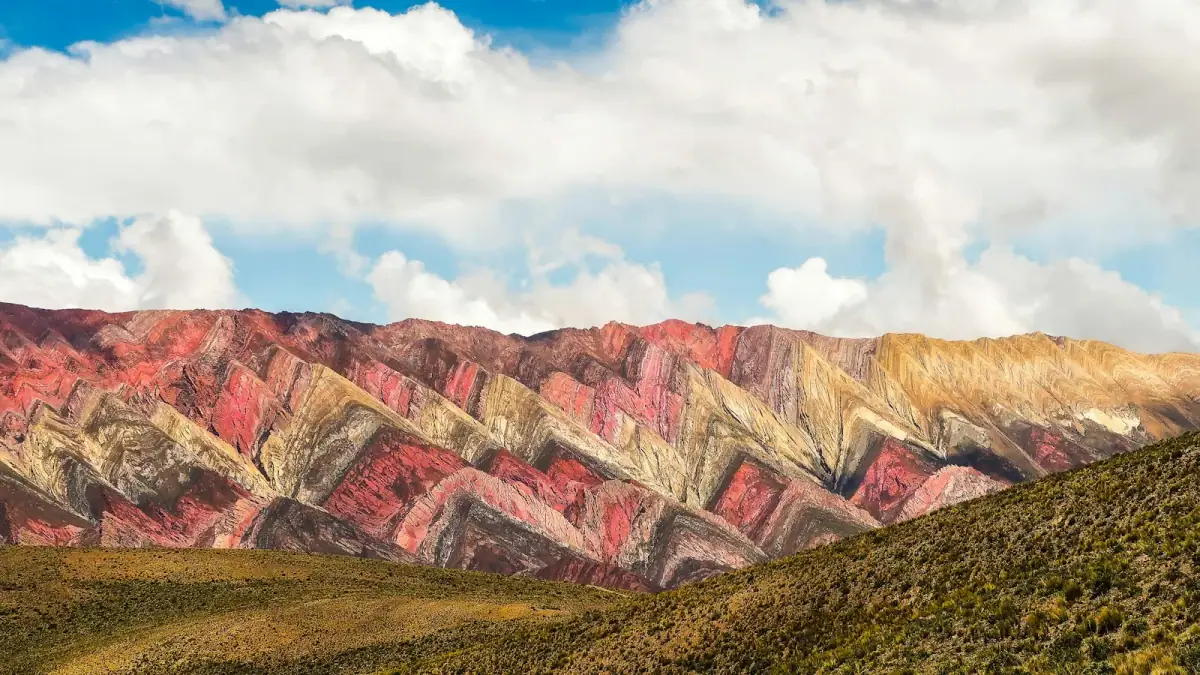
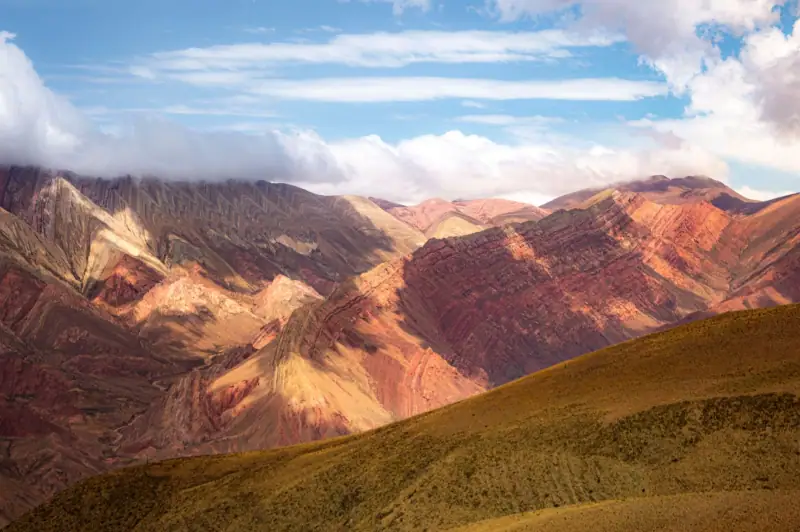
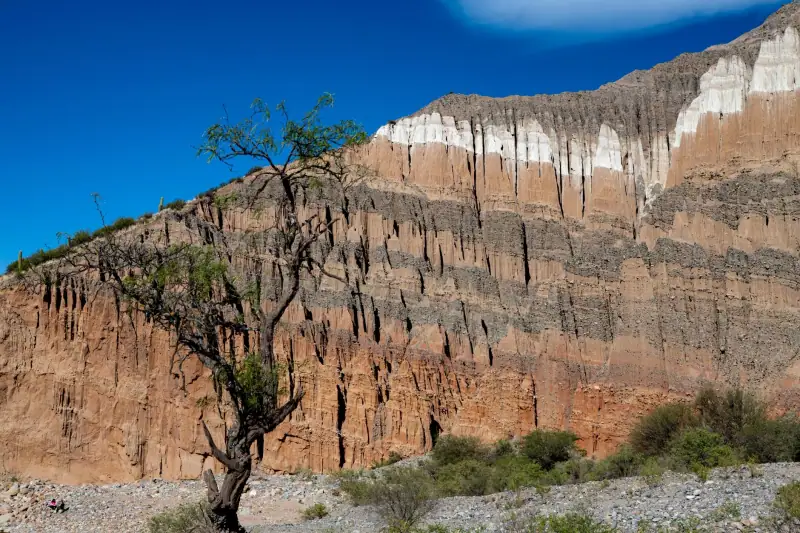
This high-altitude region is radically different from the rest of the country: mountains tinted ochre, red and green, villages with colonial churches, cacti, craft markets and very lively Andean traditions. Salta, nicknamed “la Linda” (the Beautiful), is a base for trips to the UNESCO-listed Quebrada de Humahuaca and the vineyards of Cafayate. You will find all the details in our guide to Salta and the Quebrada de Humahuaca.
Cuyo: Mendoza and the vineyards
At the foot of the Andes, Mendoza is the country’s wine capital, famous for its malbec. The estates can be visited by bike, by car or on an organized excursion, with tastings and meals in the bodegas. The tree-lined city, with its large squares, is pleasant to live in and is also a base for mountain activities. See our article on Mendoza and its vineyards.
The Córdoba region
In the center of the country, Córdoba is a large university city with a rich Jesuit heritage. It suits a stop of two or three days well, between discovering the historic center and excursions into the surrounding sierras. For more details: Visiting Córdoba.
The Atlantic coast and the Valdés Peninsula
Puerto Madryn is the departure base for the Valdés Peninsula, UNESCO-listed, where depending on the season you can observe southern right whales, sea lions, elephant seals and penguins. It is one of the most renowned marine wildlife destinations on the continent. Our guide Visiting the Valdés Peninsula gives the viewing periods and how the outings work.
Patagonia
Patagonia, with its glaciers, lakes, massifs and great steppes, is so vast and remote that we do not cover it here. If you dream of combining it with a more classic route, plan extra flights and several more days.
Prepare your arrival in Buenos Aires
Hotels, apartments and hostels to compare by neighborhood and dates.
Highlights of a first trip
If you had to sum up Argentina in five experiences, these are the ones that come up most often in travel journals.
1. Buenos Aires. Even if some prefer to pass through quickly, the capital gives a key to reading the country: its history of immigration, its relationship with literature, football, coffee and tango. Allow three or four days so as not to skim it.
2. Iguazú Falls. You have to see them to understand their scale. The park offers several walking circuits, and the humid forest atmosphere contrasts with the rest of the trip. Allow at least one full day, two if you want to compare both banks.
3. The Northwest. The Andean villages, the colorful landscapes of the Quebrada de Humahuaca and the roads of Cafayate are among the finest memories of many travelers. It is also the region where you best feel the legacy of Andean cultures.
4. Mendoza and wine. For enthusiasts, it is an obvious stop. For others, the setting is enough: rows of poplars, vines at the foot of the cordillera, long sunny meals.
5. Atlantic coast wildlife. Watching whales from a boat or penguins from a coastal trail is a memorable experience, provided you choose your season well.
In our two-week itinerary you will find a concrete way to link the first four stops while limiting travel time.
When to go to Argentina
Argentina is in the Southern Hemisphere: the seasons are the opposite of the Northern Hemisphere. The austral summer runs from December to February, winter from June to August. But the extent of the country, which goes from subtropical regions to cold climates, makes any single rule misleading.
Spring (September to November) and autumn (March to May) suit most routes: milder temperatures in Buenos Aires, beautiful light, generally fewer crowds than in summer. Autumn is also the grape harvest season in Mendoza, which makes it a favorite period for wine lovers.
The austral summer is high season, with significant heat and humid weather in the Northeast and Buenos Aires. Prices for lodging and domestic flights rise, and it is better to book ahead.
Winter can suit Iguazú, where temperatures are more bearable, and the Northwest, with sunny days but cool nights at altitude. The Argentine winter school break, in July, push up attendance in several regions, however.
For marine wildlife, the southern right whale viewing period at the Valdés Peninsula is during the austral winter and spring; check the exact dates before booking.
Our article when to go to Argentina details the climate region by region and helps you weigh the seasons.
How to get to Argentina
Most international travelers arrive in Buenos Aires, at Ezeiza international airport (EZE), about 30 km (19 mi) from the city center. A second airport, Aeroparque, closer to the center, mainly handles domestic and regional flights. Depending on the period, there are direct flights and flights with connections, often through a large European or South American hub.
A few tips for buying your tickets:
- Book early for high season (December to February, July).
- Compare layover durations: a connection that is too short is stressful, a very long one needlessly tiring.
- Think about the domestic flight when you book: some partner airline fares are better when bought with the long-haul flight. Always check the included baggage, often more limited on domestic flights.
- Plan for jet lag: the first night is often cut short. Avoid scheduling a big excursion the day after arrival.
Find a flight to Argentina
Compare flights to Buenos Aires by dates and number of stops.
Entry requirements
Entry rules depend on your passport. Check the official travel advice of your government before you book: travel.state.gov (US), GOV.UK (UK), travel.gc.ca (Canada), Smartraveller (Australia) (checked November 2026).
For vaccines and health, ask your doctor or a travel clinic, and see the official travel health pages (CDC in the US, TravelHealthPro in the UK). Travel insurance with good health and repatriation coverage is strongly recommended.
Rules can change, notably in periods of tightened entry conditions. Always refer to up-to-date official pages, and see our article entry requirements for Argentina for the full list: passport, vaccines, insurance and customs.
Getting around Argentina
This is probably the point that surprises travelers most: distances. Between Buenos Aires and Iguazú, Salta or Mendoza, we are talking about several hundred to more than a thousand kilometers. So you choose your means of transport according to distance, budget and available time.
Plane
To link Buenos Aires to Iguazú, Salta or Mendoza, the domestic flight is the simplest choice: it takes around two hours, where the bus can take a whole day or more. Several airlines operate these routes. Fares vary a lot with the season and how early you buy. Keep in mind that flights can be delayed or canceled, and leave a margin before an international flight.
Long-distance bus
The intercity bus network is dense and widely used by Argentines. Companies offer several comfort levels, from semi-reclining seats to very wide armchairs, appreciated on night trips. It is an economical option, which also saves a night of lodging. For trips of more than twelve hours, however, the time-comfort balance should be weighed against the plane.
Rental car
A car is valuable for the wine routes around Mendoza, the Northwest, where landscapes are better discovered at your own pace, or the Valdés Peninsula. You do need to be comfortable with long distances, roads sometimes in poor condition and fairly fast local driving. Check the conditions of your license, insurance and deductible before booking.
Urban transport
In Buenos Aires, the metro, called the “subte”, and buses cover much of the city. Taxis are plentiful; use official taxis or recognized apps, especially for the trip from the airport. In mid-sized cities like Salta, Mendoza or Córdoba, getting around on foot, by bus or by taxi is generally enough.
Excursions and guided tours in Argentina
Wine tastings, tango shows, nature outings: compare available activities.
Where to stay in Argentina
The range of lodging is wide: hotels of all categories, apartments, hostels, guesthouses, estancias (large rural properties) and lodges near natural sites. It nonetheless varies by destination.
In Buenos Aires, the choice of neighborhood matters as much as the choice of property. Palermo is appreciated for its mix of restaurants, parks and nightlife; San Telmo for its historic atmosphere; Recoleta for its calm and elegance. Our guide where to stay in Buenos Aires compares the areas by profile.
In Puerto Iguazú, most travelers stay in town, which offers a good choice of hotels and restaurants, or in a lodge near the park to save time in the morning.
In Salta and the Northwest, you find downtown hotels, guesthouses and, in the villages, simpler lodging. Book ahead in high season.
In Mendoza, lodging is split between the city center and the wine estates on the outskirts, some offering rooms among the vines.
On the Atlantic coast, Puerto Madryn concentrates the offer for visiting the Valdés Peninsula, with hotels facing the bay.
A few general tips: compare cancellation conditions, check whether breakfast is included, and tell your hotel if you arrive late, which is common after a long-haul flight.
Eating and drinking in Argentina
Argentine cuisine is a big part of the trip. The asado, barbecue of beef slowly cooked over embers, is a social ritual before being a dish. Empanadas, small filled pastries, vary from one province to another. In the Northwest, you taste Andean-inspired dishes such as locro, a thick stew. Italian and Spanish heritage shows in pizzas, pasta and desserts, notably dulce de leche, the milk caramel found everywhere in pastries.
For drinks, mate, a shared infusion drunk from a gourd with a bombilla (filter straw), accompanies daily life. The wines, from Mendoza malbec to Northwest torrontés, go with meats as well as lighter dishes. Meals are eaten late: dinner often starts around nine in the evening.
To go deeper into specialties, habits and tips for eating well, read our article eating in Argentina.
Budget: how much to plan
The budget is the trickiest question, because Argentina has seen big swings in prices and exchange rates in recent years. Amounts quoted in older guides can be very far from today’s reality. Rather than give figures that would quickly be outdated, here is a method.
The items that weigh the most:
- The international flight, often the first spending item, variable with the season.
- Domestic flights, essential if you link several regions.
- Lodging, very variable by city, season and comfort level.
- Excursions: park entrances, boat outings, tastings, guides.
The more moderate items:
- Everyday dining, which often stays affordable, with large gaps between a tourist restaurant and a local place.
- Urban transport.
To build your budget:
- List the stops and the transport between them.
- Check current prices for flights, lodging and excursions for your dates.
- Add a margin for the unexpected, around 10 to 15%.
- Check the exchange rate and payment methods just before you leave.
As for money once you are there, the official currency is the Argentine peso. Cards are accepted in many establishments, but it is wise to carry some cash, notably for small shops and rural areas. Check withdrawal conditions and the fees your bank applies before you leave. As these rules can change, refer to the most recent official information.
Building your itinerary
Several formulas are open to you, depending on your length of stay.
10 days. Focus on two or three stops: Buenos Aires, plus Iguazú or plus Mendoza. This avoids endless transfers.
14 days. This is the classic format: Buenos Aires, Iguazú, Salta and the Quebrada de Humahuaca, then Mendoza. It is detailed day by day in our two-week itinerary.
Three weeks. You can add Córdoba, the Atlantic coast with the Valdés Peninsula or more time in the Northwest.
A month or more. This is the length that lets you consider part of Patagonia, using dedicated resources.
A simple principle: better a few stops with time for each than many stops at a run. Each transfer between regions takes at least half a day, once you count the trips to the airport, the wait and the return to town.
Practical tips for traveling well
- Electricity: the current is 220 V. Check that your devices accept it and bring a suitable plug adapter.
- Health: ask your doctor or a travel clinic, and see the official travel health pages (CDC in the US, TravelHealthPro in the UK). The Northwest involves high altitude.
- Safety: as in any big city, stay alert on public transport and in crowded places, keep your phone and valuables out of sight. Check your government’s official travel advice before you leave.
- Communication: check your carrier’s international plan or use a travel eSIM; a local SIM card can also simplify life. Compare offers and check your phone’s compatibility.
- Tipping: in restaurants, it is customary to leave a tip, generally around 10%, unless service is already included. Check local custom.
- Hours: days start late and end late. Time your meals and outings accordingly.
- Insurance: take out health and repatriation insurance, as well as cancellation insurance if you book flights and excursions in advance.
Tastings and winery visits in Mendoza
Compare wine excursions, full-day or half-day.
Checklist before you leave
- Passport and entry requirements, checked on your government’s official travel site.
- Vaccines and health: talk to a doctor or a travel clinic.
- Flights, international and domestic, booked early enough.
- Lodging for the first night at least, with flexible cancellation conditions.
- Insurance: health, repatriation and cancellation.
- Payment methods: card, a little cash, bank notified.
- Bookings for in-demand activities: whale outings, excursions, tastings.
- Adapter, phone, digital copies of your documents.
With a destination this vast, preparation is the key to a successful trip. Start by choosing your regions, check the season, then let the articles on this site guide you to refine each stop.
Frequently asked questions
How long do you need to visit Argentina?
The country is huge: plan on at least two weeks for a first overview centered on Buenos Aires, Iguazú Falls, the Northwest and Mendoza, as our 14-day itinerary details. Three weeks let you add the Atlantic coast or one more region without rushing. Patagonia, very far away, deserves a dedicated trip of its own.
What is the best time to go to Argentina?
There is no single season, because the country stretches over a very wide range of latitudes. Spring (September to November) and autumn (March to May) suit most routes. For the whales of the Valdés Peninsula, the period is the austral spring; for Iguazú, mild periods avoid the strong humid heat. See our detailed guide to choose region by region.
Do you need a visa to travel to Argentina?
Entry rules depend on your passport. Check the official travel advice of your government before you book: travel.state.gov (US), GOV.UK (UK), travel.gc.ca (Canada), Smartraveller (Australia) (checked November 2026). Conditions can change; see also our article on entry requirements.
How do you get around Argentina between the big cities?
Distances are long. The plane is the most practical way between Buenos Aires, Iguazú, Salta or Mendoza. Long-distance buses, frequent and comfortable, are an inexpensive alternative for night trips or journeys under ten hours. A rental car is useful for the wine routes, the Northwest or the Valdés Peninsula.
Is Argentina expensive?
It depends heavily on the exchange rate and inflation, which have varied a lot in recent years. Domestic flights, excursions and well-located lodging weigh the most in the budget, while everyday dining often stays affordable. Check recent prices and the exchange rate before setting your budget.
Can you travel alone or with family in Argentina?
Yes, the country is a common destination for solo travelers and families alike. Apply the usual precautions in big cities: stay alert on public transport and in crowded places, keep valuables out of sight, use official taxis or recognized apps. Check your government's official travel advice before you leave.
Do you need to speak Spanish to travel in Argentina?
It is not essential in hotels and tourist sites, where you can often manage in English, but a few words of Spanish make exchanges much easier, especially in restaurants, buses and small towns. Argentines appreciate the effort and are generally welcoming.
More Argentina guides
Keep reading
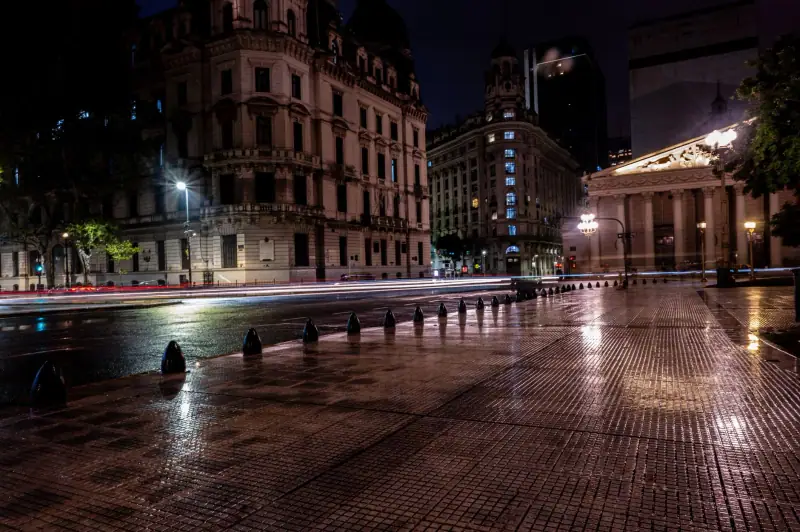
Visiting Buenos Aires: what to see and do in 3 days in the capital
Plaza de Mayo, San Telmo, La Boca, Recoleta, Palermo, Puerto Madero: a 3-day program to visit Buenos Aires, with transport and neighborhood tips.
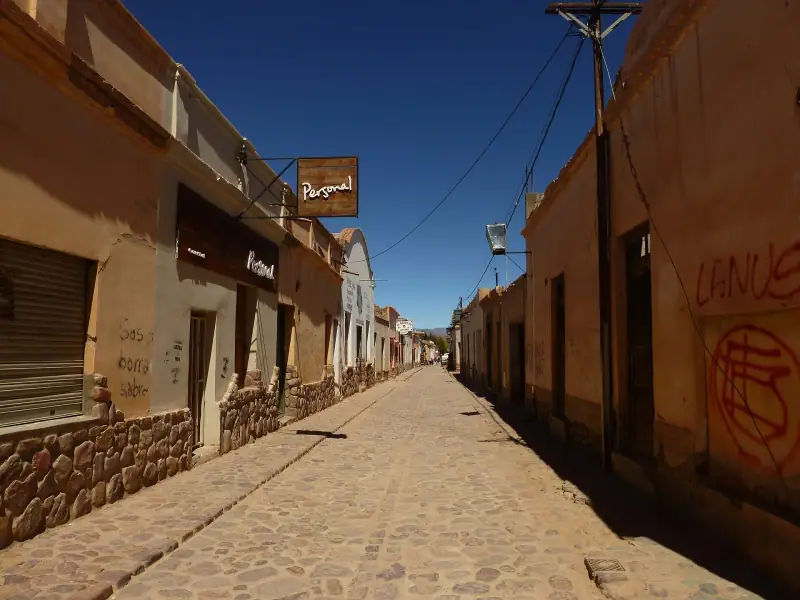
Visiting Salta and the Quebrada de Humahuaca: a guide to northwest Argentina
Salta, Purmamarca, Tilcara, Humahuaca, Cafayate: plan your trip to northwest Argentina with an itinerary, altitude, seasons and practical tips.
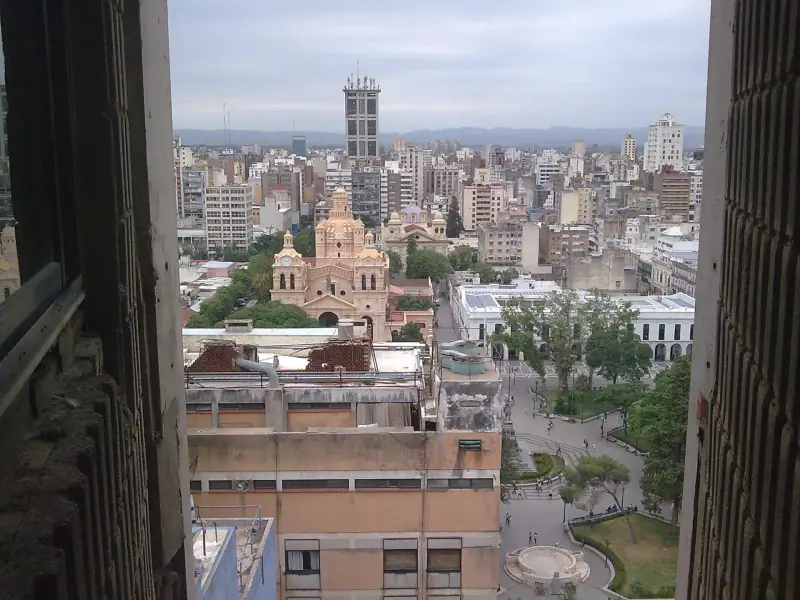
Visiting Córdoba, Argentina: Jesuit city, university and sierras
What to see in Córdoba: the UNESCO-listed Jesuit Block, the historic center, student life and excursions into the sierras. Tips for your stay.
Ready-made
Argentina itineraries
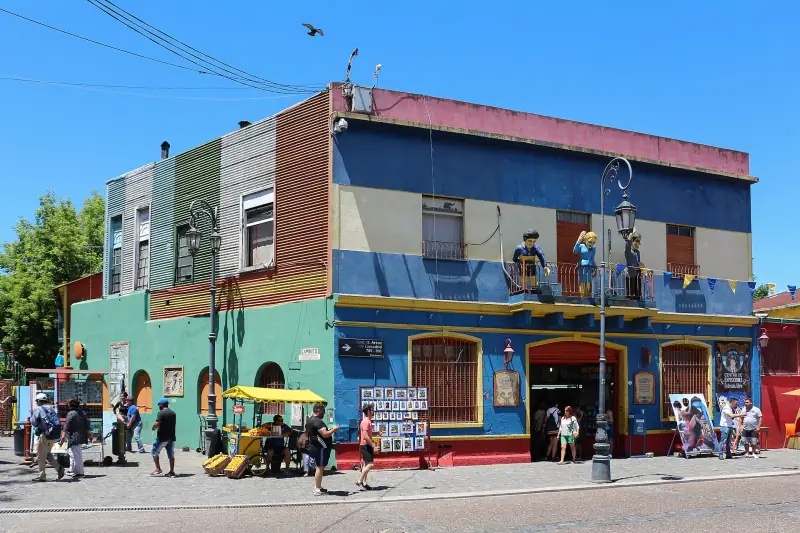
14 days
Argentina in 2 weeks: Buenos Aires, Iguazú, Salta and Mendoza
Buenos AiresPuerto IguazúSaltaMendoza
22 days
Argentina in 3 weeks: Buenos Aires, Iguazú, Northwest, Mendoza, Córdoba and Valdés
Buenos AiresPuerto IguazúSalta and the NorthwestMendozaCórdobaPuerto MadrynBuenos Aires
8 days
Northwest Argentina road trip: Salta, Cafayate, Cachi and Humahuaca in 8 days
SaltaCafayateCachiSaltaPurmamarcaTilcara