What to see
Visiting Córdoba, Argentina: Jesuit city, university and sierras
We may earn a commission when you book through links on this page, at no extra cost to you. We don't visit or try the places we cover: we summarize published sources. How we work
In short
- The Manzana Jesuítica (Jesuit Block) is the major historic site, UNESCO-listed; allow half a day.
- Two days are enough for the city, more with the sierras.
- Spring (September to November) and autumn (March to May) are the most pleasant seasons.
- Flight of about 1 h 15 from Buenos Aires, or a bus of around ten hours.
The country’s second largest city by population, Córdoba is often overlooked on first trips to Argentina, which rush from Buenos Aires to Iguazú Falls or the vineyards. That is a pity: it combines an exceptional colonial heritage, a student life that makes evenings lively and, less than an hour’s drive away, the sierras, hills ideal for hiking, river swimming and quiet villages. Here is how to enjoy the city and its surroundings.
In short:
- The Manzana Jesuítica is the major historic site, UNESCO-listed
- Two days are enough for the city, more with the sierras
- Spring and autumn are the most pleasant seasons
- Flight of about 1 h 15 from Buenos Aires, or a bus of around ten hours
Why include Córdoba in your trip
Founded in the 16th century, Córdoba is one of the oldest cities in the country. It owes much of its identity to the Jesuits, who set up a school there and then the university, considered the oldest in Argentina. Even today, the city hosts many students, which gives it an energy very different from Buenos Aires: more relaxed, younger, with cafés, bars and cultural evenings in the central neighborhoods.
It fits easily into a national itinerary: you can visit it between the capital and the Northwest, or combine it with Mendoza in a loop to the west. To place this stay in a wider trip, see our two-week itinerary in Argentina. If you start with the capital, our guide to visiting Buenos Aires will help you prepare the first stop.
The Manzana Jesuítica, historic heart of the city
Córdoba’s most emblematic neighborhood is the Manzana Jesuítica, a downtown block that gathers several buildings built by the Society of Jesus from the 17th century. Here you find the Church of the Society, the oldest in the country according to local tradition, the former university, the Montserrat school and other buildings of the complex. The whole is a UNESCO World Heritage site, together with the Jesuit estancias spread across the province.
To visit it well, allow half a day. The church charms with its wooden interior, whose vault recalls an overturned ship’s hull, and the inner courtyards offer a peaceful atmosphere in the middle of the bustle of the center. Hours, guided visits and fees change with the season: ask there or at the tourist office before you come. Guided visits are especially useful for understanding the Jesuits’ role in the region, their expulsion in the 18th century and the legacy they left.
Downtown: squares, cathedral and museums
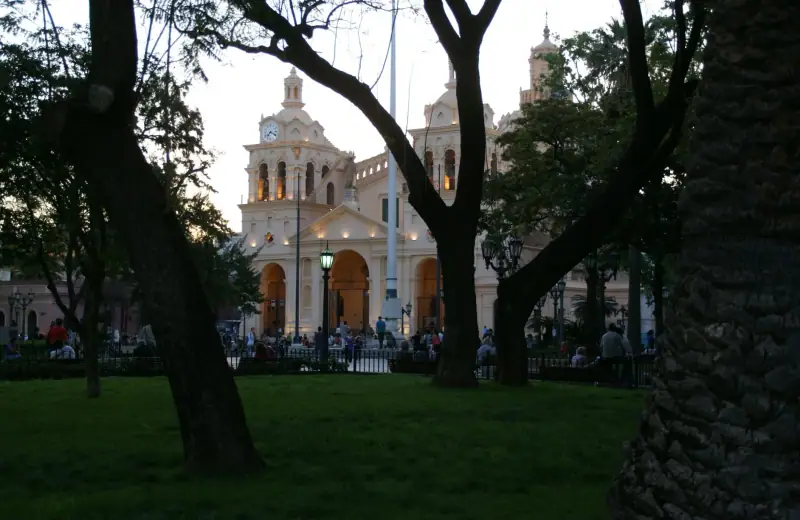
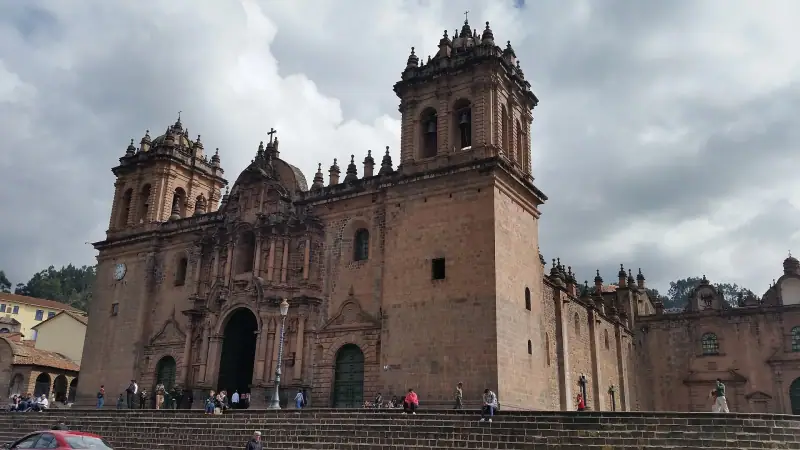
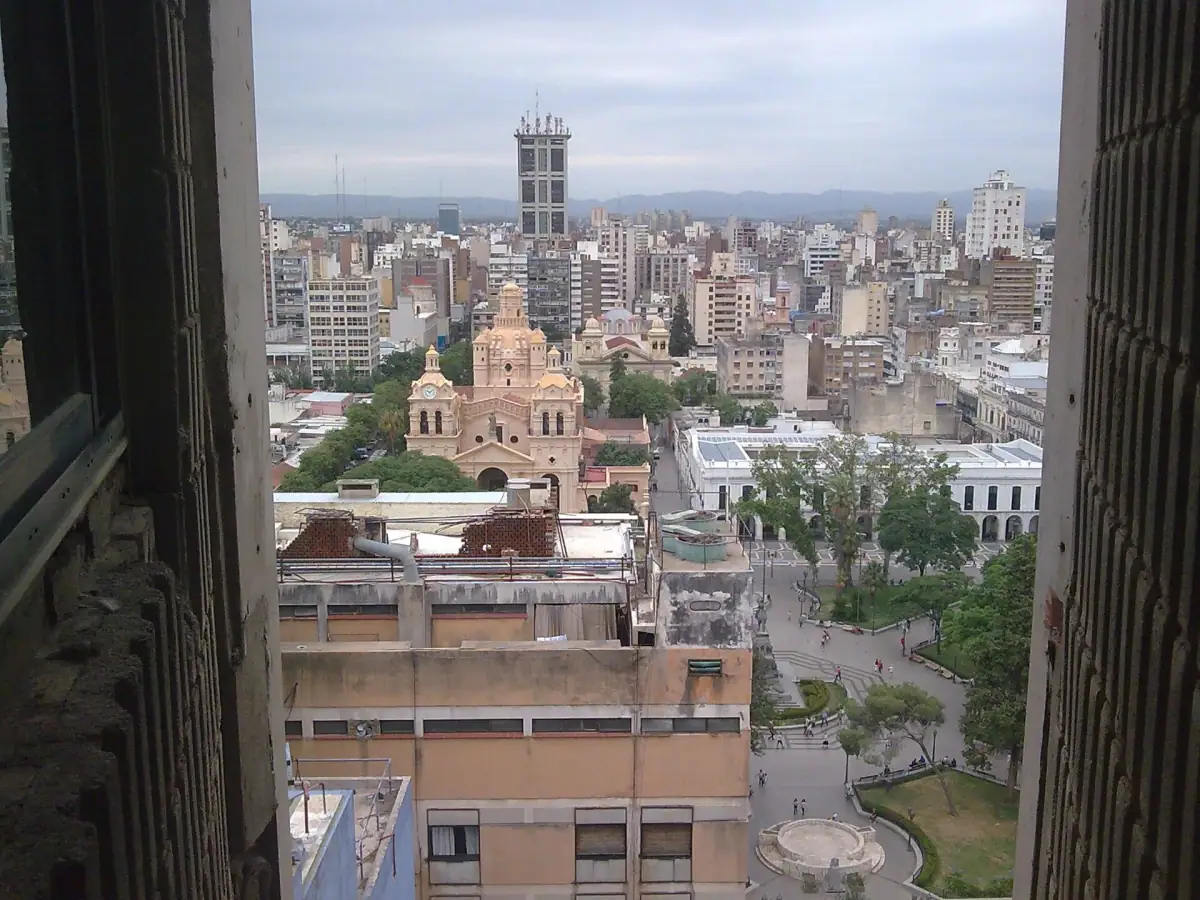
A few steps from the Manzana, Plaza San Martín is the meeting point of the center. It is bordered by the cathedral, one of the oldest religious buildings in the country, and the Cabildo, former seat of colonial power that now houses exhibitions. The neighborhood is easy to walk: many streets are pedestrian, with shops, cafés and galleries.
For a day downtown, here is a possible thread:
- Morning: cathedral, Plaza San Martín and Cabildo
- Late morning: Manzana Jesuítica and its courtyards
- Lunch: a parrilla or a regional restaurant
- Afternoon: a museum or an exhibition, depending on your interests
- End of the day: walk in the student neighborhood and a drink at an outdoor table
If you like art, the city has several museums, some devoted to contemporary art or the history of the province. Weekly closing days vary: check before you go, especially on Monday, a day when many institutions are closed in the country.
Staying near the historic center?
Hotels, hostels and apartments in Córdoba: compare by dates and budget.
Nueva Córdoba and Güemes: students, parks and good restaurants
South of the center, the Nueva Córdoba neighborhood concentrates much of the student population. Its streets and parks are lively late in the day, and bars and restaurants follow one another. Parque Sarmiento, very close, lets you catch your breath in the shade of the trees, and the neighborhood suits a quiet stroll.
A little farther, the Güemes neighborhood is known for its cobbled lanes, designer shops, cafés and craft markets, notably on weekends. It is a good place for a shopping break, a brunch or a dinner. For evening outings, stay in busy areas and apply the usual big-city precautions: keep your belongings close and avoid taking out your phone in the street at night.
The Jesuit estancias, an open-air heritage
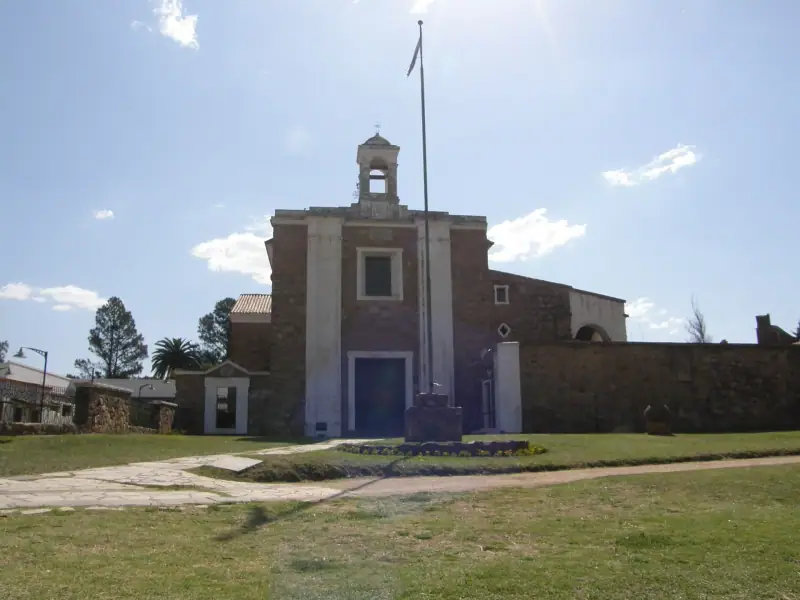
Outside the city, the former Jesuit estancias form the other half of the UNESCO-listed site. They were large farming and ranching estates that financed Córdoba’s school and university. Several can be visited, with their churches, courtyards and outbuildings. Some are close to the city, others take a full day.
The most accessible is the one in Alta Gracia, about 35 km (22 mi) southwest of Córdoba, reached by bus or car. It sits in a quiet small town that also houses a museum in the house where Ernesto “Che” Guevara lived during his childhood. Allow half a day to a day for the whole, depending on pace and the number of visits chosen.
For history buffs, it is possible to link several estancias by car. It is better to prepare the route in advance: the roads are good but the distances between sites call for caution in the planning.
The Córdoba sierras: nature and villages to explore
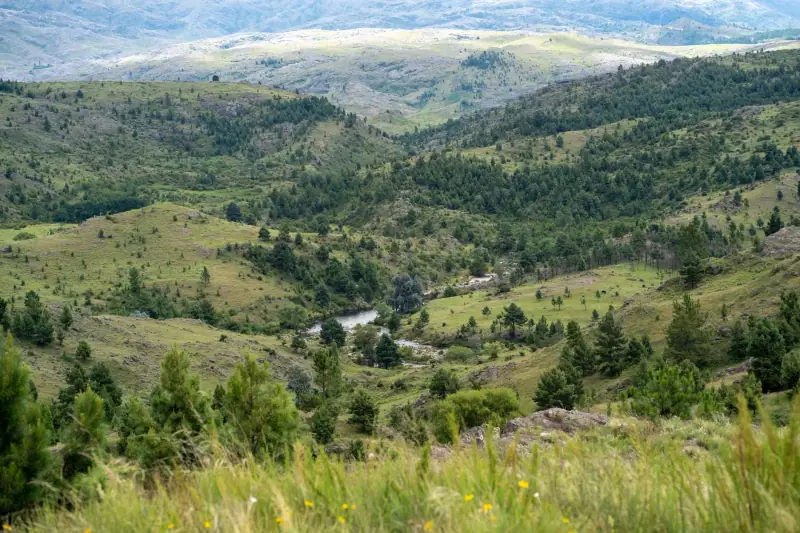
West of the city stretch the Córdoba sierras, a massif of hills and valleys where Argentines come to relax in summer. You find rivers good for swimming, hiking trails, lakes and viewpoints over the reliefs. There are many villages; a few pointers to help you choose:
- Villa Carlos Paz: lively resort on a lake, about 35 km (22 mi) from Córdoba, very busy in summer and during school vacations
- Villa General Belgrano: village inspired by Central European traditions, known for its beer festival in October and its pastries
- Cosquín: town associated with the big Argentine folklore festival held in January
- Mina Clavero: popular base for river swimming and excursions in the Traslasierra valley
Distances and travel times vary a lot with the road: allow half an hour to two hours by road from Córdoba, depending on the destination. High season, from December to February, attracts many people, while spring and autumn suit those who prefer tranquility.
A guided excursion around Córdoba?
Guided visits, days in the sierras and activities: compare available offers.
What to eat in Córdoba
Córdoba’s cuisine follows Argentine tradition: grilled meat, empanadas and pasta are on restaurant menus. The region also has its specialties, such as cabrito (kid goat) and the cured meats and cheeses of the sierras, often enjoyed as a picada, a platter to share. The region’s alfajores are very popular and make good souvenirs.
To understand the great classics before ordering, read our guide to eating in Argentina. Keep local hours in mind: restaurant kitchens often open late in the evening, and service is generally not included in the bill.
Getting to Córdoba and getting around
Córdoba has an international airport served by regular flights from Buenos Aires, lasting about 1 h 15. The long-distance bus remains widely used in Argentina: the link with the capital takes around ten hours, with varied comfort categories, and lines also connect Córdoba to Mendoza, Salta or Rosario. The bus terminal is near the center.
In the city, the center is visited on foot. For longer trips, taxis and ride-hailing apps are common, and city buses serve the various neighborhoods. To explore the sierras at your own pace, a rental car remains the most flexible way: you can stop in villages and at viewpoints.
When to go and how long to stay
Spring (September to November) and autumn (March to May) are generally the most comfortable periods, with mild temperatures and fewer people in the sierras. The austral summer is hot, with frequent storms, and is the tourist high season for the mountain villages. Winter is drier, with clear days and cool nights. For an overview by region, see our guide when to go to Argentina.
As for length, two days are enough for the city and its major sights. With three or four days, you can add an estancia and one or two nights in the sierras.
Practical tips
- Money: plan some cash in pesos for small shops, and check the most advantageous payment method before you leave, as exchange conditions change regularly
- Safety: apply the usual big-city caution, especially at night
- Sun: the sun can be strong in the sierras, bring a hat and sunscreen
- Hiking: check the weather and trail conditions before leaving, as summer storms can swell rivers quickly
- Bookings: in January and during school vacations, book ahead in the sierra villages
Córdoba does not have the prestige of the capital, but it offers a calmer immersion in the country’s colonial history, a university-town atmosphere and easy access to hill landscapes. An excellent compromise between culture and relaxation to round out a trip to Argentina.
Frequently asked questions
How long do you need to visit Córdoba?
Allow two days for the historic center, the museums and the student neighborhoods. Add one to two days if you want to explore the Córdoba sierras or a Jesuit estancia nearby.
How do you get from Buenos Aires to Córdoba?
The plane is the fastest, with a flight of about an hour and a quarter. The night or day bus is very common in Argentina and links the two cities in around ten hours, with more or less comfortable services depending on the category chosen.
What is the Manzana Jesuítica?
It is a group of buildings founded by the Jesuits in the heart of Córdoba: the Church of the Society, the former university, the Montserrat school and the fathers' residence. It is a UNESCO World Heritage site together with the Jesuit estancias of the province.
What is the best time to visit Córdoba?
Spring (September to November) and autumn (March to May) generally offer pleasant temperatures. The austral summer can be hot and stormy, winter is dry with cool nights.
Do you need to rent a car to explore the sierras?
It is practical for remote villages and scenic roads. The towns closest to the city, such as Alta Gracia or Villa Carlos Paz, can however be reached by bus from the Córdoba terminal.
More Argentina guides
Keep reading
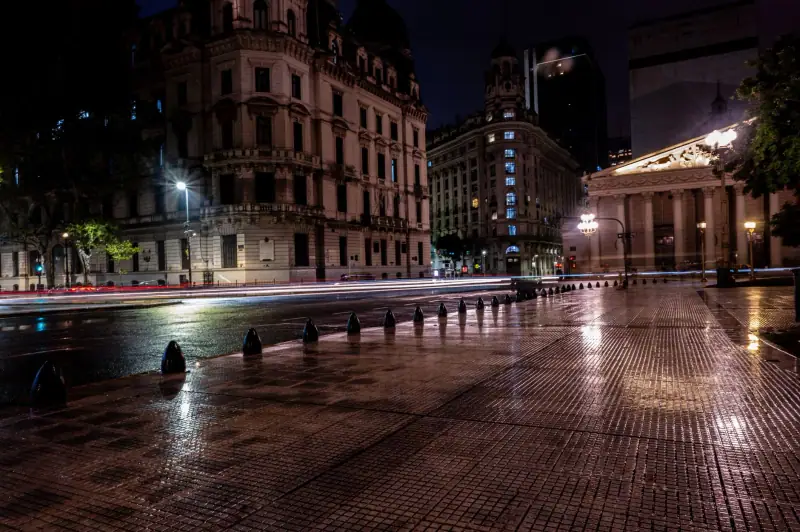
Visiting Buenos Aires: what to see and do in 3 days in the capital
Plaza de Mayo, San Telmo, La Boca, Recoleta, Palermo, Puerto Madero: a 3-day program to visit Buenos Aires, with transport and neighborhood tips.
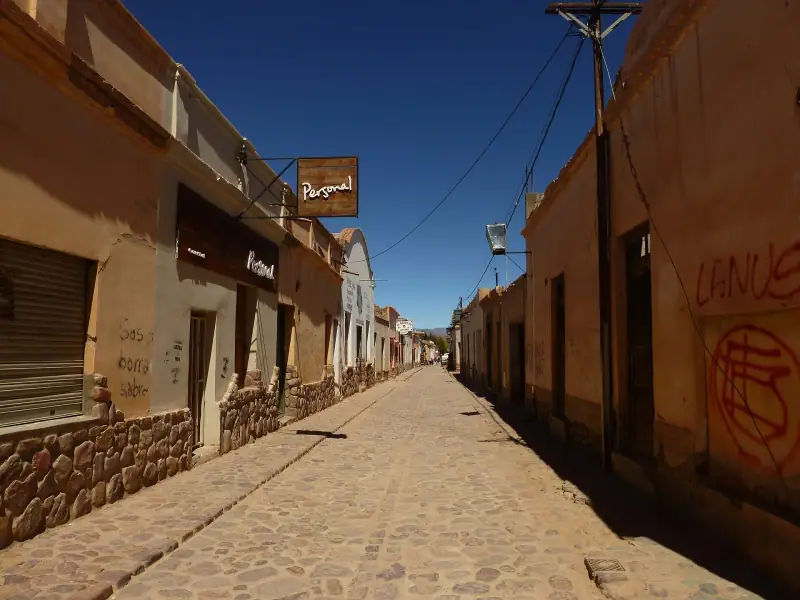
Visiting Salta and the Quebrada de Humahuaca: a guide to northwest Argentina
Salta, Purmamarca, Tilcara, Humahuaca, Cafayate: plan your trip to northwest Argentina with an itinerary, altitude, seasons and practical tips.
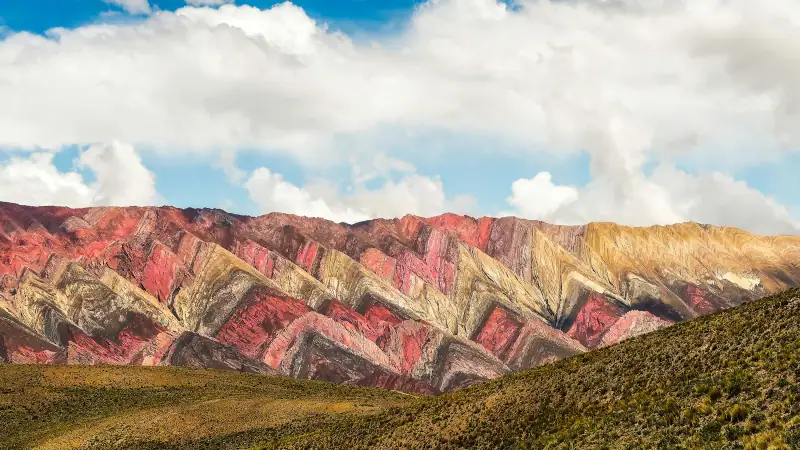
Complete guide to visiting Argentina: regions, highlights and budget
Plan your trip to Argentina: regions, cities, highlights, best season, transport, lodging and budget. The pillar guide to organize your stay.
Ready-made
Argentina itineraries
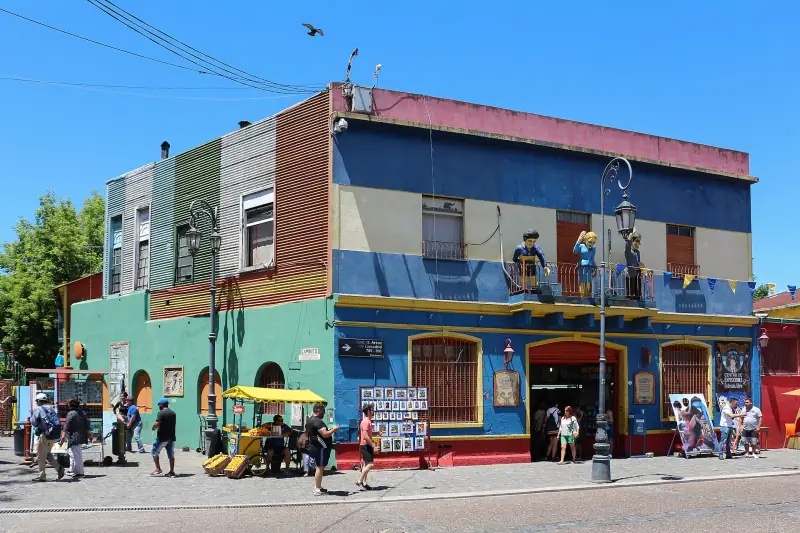
14 days
Argentina in 2 weeks: Buenos Aires, Iguazú, Salta and Mendoza
Buenos AiresPuerto IguazúSaltaMendoza
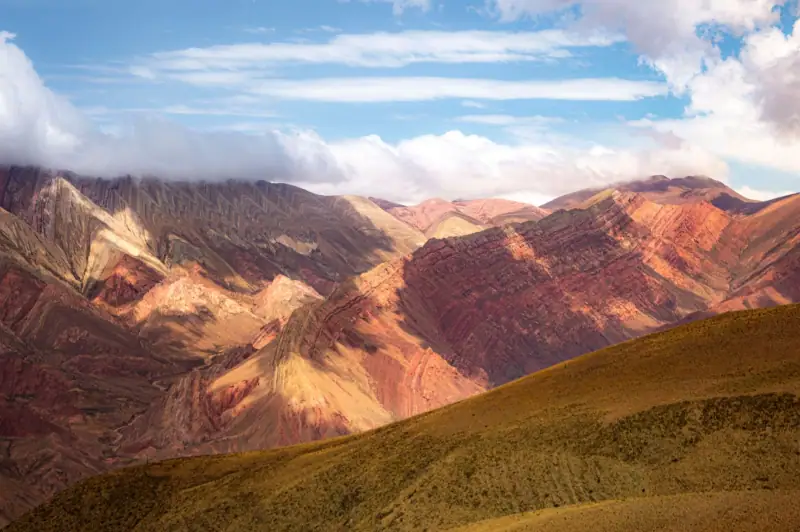
22 days
Argentina in 3 weeks: Buenos Aires, Iguazú, Northwest, Mendoza, Córdoba and Valdés
Buenos AiresPuerto IguazúSalta and the NorthwestMendozaCórdobaPuerto MadrynBuenos Aires
8 days
Northwest Argentina road trip: Salta, Cafayate, Cachi and Humahuaca in 8 days
SaltaCafayateCachiSaltaPurmamarcaTilcara