Things to do
Visiting Mendoza and its vineyards: a guide to a successful wine route
We may earn a commission when you book through links on this page, at no extra cost to you. We don't visit or try the places we cover: we summarize published sources. How we work
In short
- Allow 3 days minimum to combine the city, vineyards and a bit of mountain.
- Three zones to know: Luján de Cuyo, the Uco Valley (about one to one and a half hours by road) and Maipú (by bike).
- Book tastings ahead, and do not drive after a winery visit.
- Austral spring and autumn are the most pleasant seasons; the harvest is around February-March.
At the foot of the Andes cordillera, Mendoza is the wine capital of Argentina and the home of malbec. Here, vines grow at altitude, in a dry, sunny climate, thanks to snowmelt water carried by a network of irrigation canals. Between tastings, lunches among the vines and mountain panoramas, the region offers a stay that is both gourmet and a complete change of scenery. Here is how to organize it.
In short:
- Allow 3 days minimum to combine the city, vineyards and a bit of mountain
- Three zones to know: Luján de Cuyo, the Uco Valley and Maipú
- Book your tastings in advance, and do not drive after a winery visit
- The austral spring and autumn are the most pleasant seasons
Why Mendoza is the capital of malbec
Imported from France in the 19th century, the malbec grape found in Mendoza Province a terroir that suits it admirably. Altitude, large temperature swings between day and night and low rainfall give colorful, fruity, structured wines, very different from those of its original home in southwest France. The province concentrates most of Argentina’s wine production.
Malbec is not the only grape of the region, though. You also taste cabernet sauvignon, bonarda, chardonnay or torrontés, the latter mostly associated with the north of the country. Wineries most often offer a tasting of three to five wines, sometimes accompanied by a cellar tour, a lunch or a food-and-wine pairing menu.
The city of Mendoza is pleasant to walk: wide tree-lined avenues, shaded squares, patios and restaurants where you can try Argentine grilled meats. It serves as an ideal base, with a wide choice of lodging, from hostels to boutique hotels.
Luján de Cuyo: the great classics
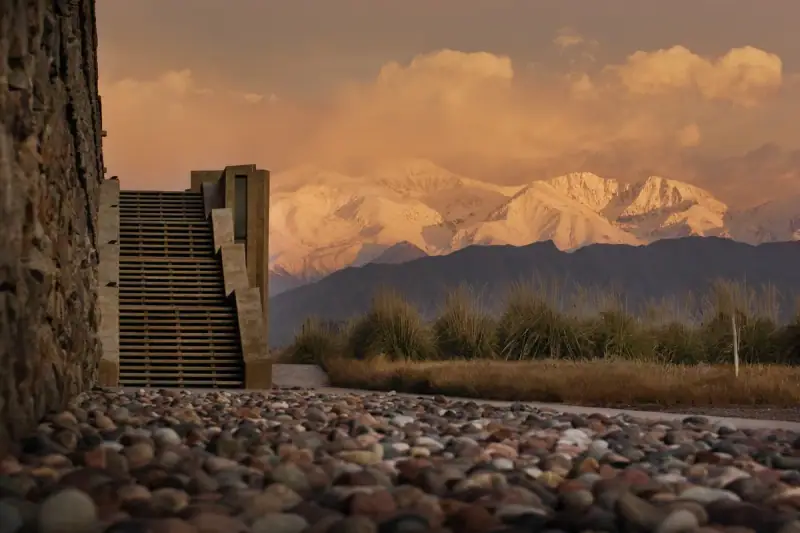
South of the city, the Luján de Cuyo department is considered the cradle of quality malbec. It is the zone closest to Mendoza, which makes it the most practical for a half day or a day of tasting. You find historic estates with century-old buildings, but also modern wineries with contemporary architecture.
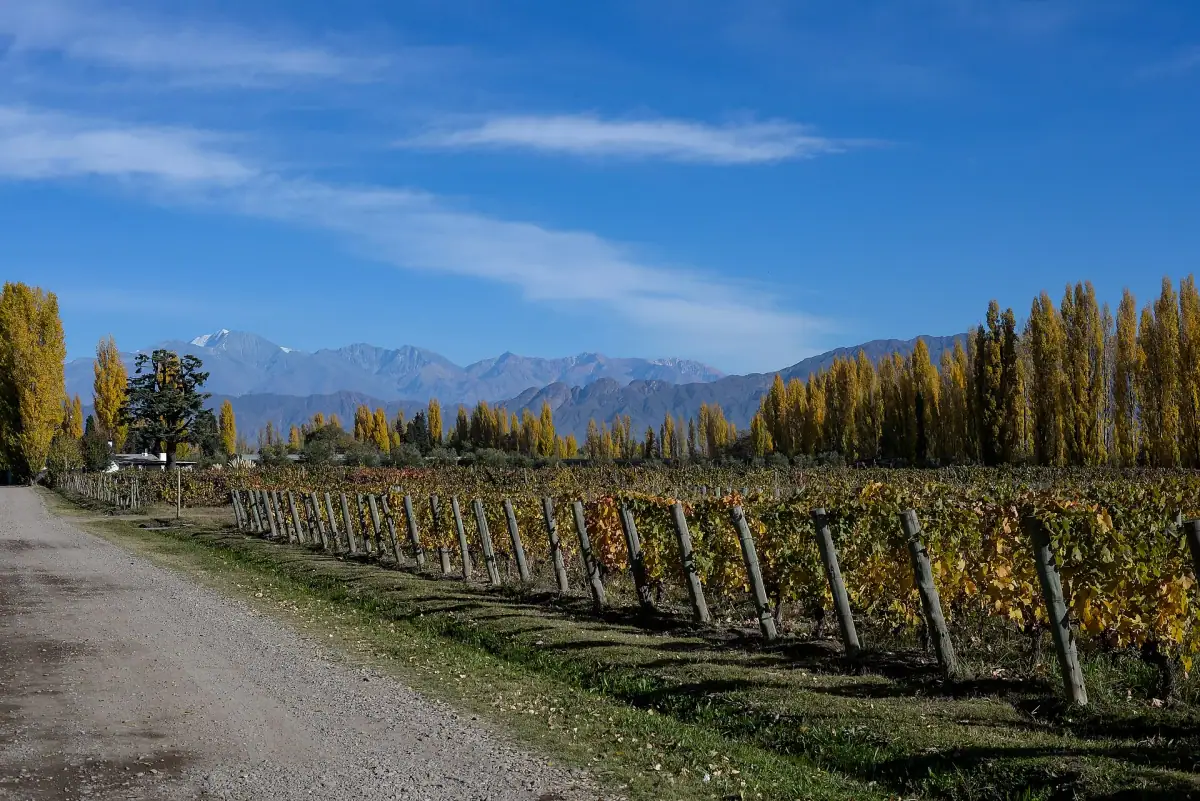
You will move along poplar-lined roads, old cellars and vines standing out against the mountains. If you are short on time, it is an excellent choice: distances between estates are short and the setting is already very representative of the region.
A typical day is two wineries in the morning, lunch at one of them, then a third in the afternoon. Beyond that, fatigue and the accumulation of glasses spoil the pleasure: it is better to choose few estates and take your time.
Staying in Mendoza?
Compare hotels, hostels and guesthouses in town or among the vines.
The Uco Valley: vines and snow-capped peaks
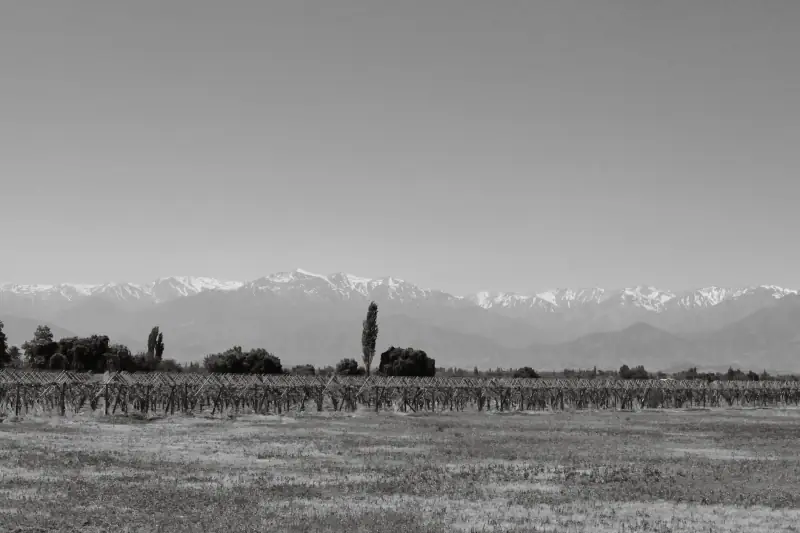
Farther southwest of Mendoza, the Uco Valley stretches in a spectacular setting. Vines are planted higher than elsewhere, which gives fresher, tauter wines sought after by enthusiasts. The landscape, with the snow-capped cordillera as a backdrop much of the year, is one of the most beautiful of the region.
The valley is farther from the city: allow about one to one and a half hours by road to reach it. It therefore deserves a full day, even a night there in one of the lodges among the vines. Many estates offer gourmet lunches with mountain views; remember to book well in advance in high season.
It is also the ideal zone for those looking for calm, far from urban bustle. Roads are quiet, villages small, and the late-afternoon light on the mountains is a memory you happily take home.
Maipú: the wine route by bike
Maipú is the wine zone easiest to reach from the center of Mendoza and one of the oldest in the region. The terrain is flat and the estates are close to each other, which explains the success of visiting by bike: you rent a bicycle for the day and go from one winery to the next on small roads lined with vines.
This formula is inexpensive and fun, but it calls for caution: the heat can be strong in summer, and wine is drunk faster than you think. Leave early, bring water, protect yourself from the sun and limit the number of tastings. Besides wine, the zone also offers local products like olive oil, jams and craft liqueurs.
If you are not comfortable on a bike, minibus excursions or visits with a driver let you discover the same estates at a relaxed pace.
A tasting or a guided excursion?
Winery visits with transport, bike days and tastings, to book ahead.
Getting between estates
Several options are open to you depending on your budget and your wish for independence. Organized excursions, full-day or half-day, spare you all logistics and generally include transport. Private drivers or taxis by the day offer more flexibility to compose your own route. In Maipú, the bike is the most popular solution.
A rental car gives great freedom, notably for the Uco Valley, but requires designating a driver who will not taste, or hardly. In Argentina, drunk-driving rules are strict: better not take any risk. If you still want to drive to explore the region and its mountain roads, compare rental offers online.
In all cases, let the wineries know you are coming: many work by reservation and adapt their time slots to the season.
Beyond wine: the mountains around Mendoza
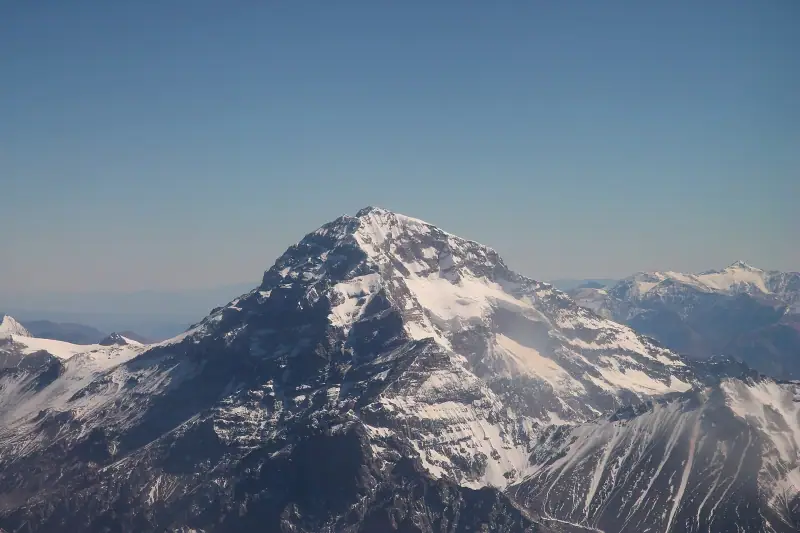
Mendoza is also a gateway to the high cordillera. The road that climbs toward Chile crosses mineral landscapes of varied colors, with valleys, rivers and high-altitude villages. It leads to the foot of Aconcagua, the highest peak in the Americas, which reaches nearly 7,000 m (22,970 ft). Day excursions let you see its viewpoints from the valley, without mountaineering.
Fans of outdoor activities will also find things to do: rafting on mountain rivers, horseback riding, paragliding or simple walks. These activities are practiced mostly in the good season; ask a local operator about conditions and required levels.
If you are building a wider trip, Mendoza naturally finds its place on a national itinerary: see our 2-week Argentina itinerary. To choose your dates, also see our guide when to go to Argentina.
Practical tips for your stay
Mendoza is easy to reach by plane from Buenos Aires, on a domestic flight of about two hours. The city is also linked by road to Santiago, Chile, through the cordillera, but this trip can be disrupted by snow in winter and by border formalities: allow margin.
As for climate, summer is hot and dry, winter cool with cold mornings, and the sun is intense all year because of altitude. Bring sunscreen, a hat and a jacket for the evenings. For meals, try the grilled meats, empanadas and pairings with local wines; also remember to book your tasting lunches.
Finally, keep in mind that rates, visiting hours and booking conditions of the estates vary with the season and change regularly: check them directly with each winery before you come.
Lodging in the heart of the vines?
Estates, lodges and guesthouses around Mendoza: compare by dates.
Frequently asked questions
How many days do you need to visit Mendoza and its vineyards?
Three days let you discover two different wine regions and enjoy the city. With four or five days, you can add a mountain excursion toward the high cordillera.
What is the best time to visit the Mendoza vineyards?
The region is sunny much of the year. The austral spring (September to November) and autumn (March to May) are especially pleasant: mild temperatures, green then golden vines. The harvest takes place in late summer, around February-March.
Do you need to rent a car to do the wine route?
It is not mandatory. Many visitors prefer a driver or an organized excursion, because tasting and driving do not mix. In Maipú, visiting by bike is a very common alternative.
Do you need to book tastings in advance?
Yes, it is strongly recommended. Many wineries only receive visitors by appointment, notably for visits with a meal, especially in high season.
Can you see Aconcagua from Mendoza?
The summit is not visible from the city itself, but the Andes cordillera lines the horizon. To get closer to Aconcagua, you need to take an excursion to the high mountains, on the road to Chile.
More Argentina guides
Keep reading
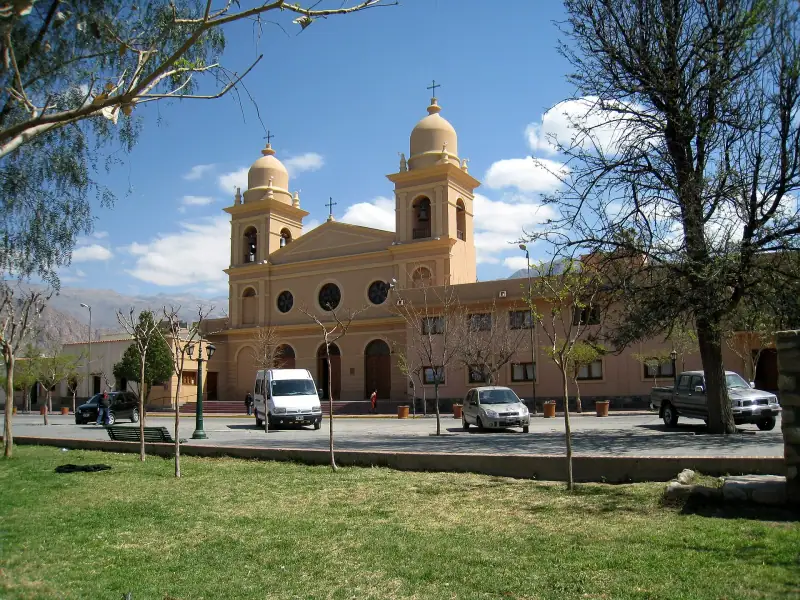
Cafayate without a car: bus, excursion or bike to see the wineries and the Quebrada de las Conchas
Getting to Cafayate without renting a car: bus from Salta, day excursion or a night in town, wineries on foot or by bike. What to choose and how to book.
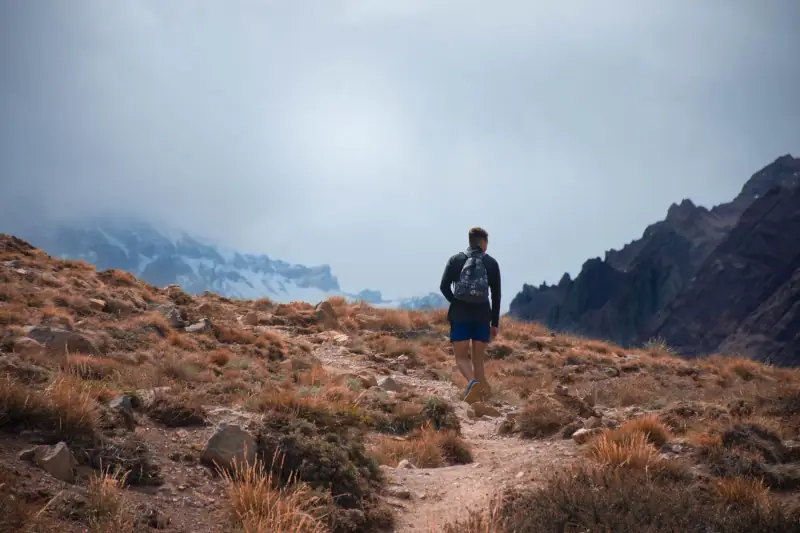
Hiking Aconcagua without an agency: permits, prices and difficulty
Laguna Horcones, Confluencia, Plaza Francia: can you hike at the foot of Aconcagua without an agency? Permits, prices, season, altitude and level required.
Argentina budget: real costs by item and 3 travel profiles
What budget for Argentina? Real costs by item (lodging, transport, meals, activities), three profiles priced per day and tips to spend less.
Ready-made
Argentina itineraries
14 days
Argentina in 2 weeks: Buenos Aires, Iguazú, Salta and Mendoza
Buenos AiresPuerto IguazúSaltaMendoza
22 days
Argentina in 3 weeks: Buenos Aires, Iguazú, Northwest, Mendoza, Córdoba and Valdés
Buenos AiresPuerto IguazúSalta and the NorthwestMendozaCórdobaPuerto MadrynBuenos Aires
8 days
Northwest Argentina road trip: Salta, Cafayate, Cachi and Humahuaca in 8 days
SaltaCafayateCachiSaltaPurmamarcaTilcara