Itineraries
Argentina in 2 weeks: Buenos Aires, Iguazú, Salta and Mendoza
We may earn a commission when you book through links on this page, at no extra cost to you. We don't visit or try the places we cover: we summarize published sources. How we work
Day by day
- Days 1-4Buenos Aires: Plaza de Mayo, San Telmo, La Boca, Recoleta, Palermo, Tigre delta
- Days 5-6Flight to Iguazú, Argentine side of the falls, Brazilian side or boat
- Days 7-10Salta, Quebrada de Humahuaca, Cafayate and the Quebrada de las Conchas
- Days 11-13Mendoza: bodegas of Luján de Cuyo or Uco Valley, Andes road
- Day 14Flight Mendoza to Buenos Aires, international flight
Where to sleep
- Buenos Aires4 nights
- Puerto Iguazú2 nights
- Salta4 nights
- Mendoza3 nights
In short
- 14 days, 4 bases: Buenos Aires (4 days), Puerto Iguazú (2), Salta and the Quebrada de Humahuaca (4), Mendoza (3).
- Domestic flights between stops; a rental car only in the Northwest and in Mendoza.
- Best periods: September-November and March-May.
- At least four domestic flights, often with a stopover in Buenos Aires: keep a reasonable carry-on.
Four regions, four atmospheres: the cosmopolitan capital, the subtropical forest of Iguazú Falls, the colorful valleys of the Northwest and the vineyards at the foot of the Andes. In 14 days, this route gives a fine overview of Argentina without chasing every kilometer. As distances are very large, it relies on domestic flights rather than long roads.
In short:
- 14 days, 4 bases: Buenos Aires, Puerto Iguazú, Salta, Mendoza
- Domestic flights between stops, a rental car only in the Northwest and in Mendoza
- Best periods: September-November and March-May (see when to go to Argentina)
Overview of the itinerary
| Days | Stop | Focus |
|---|---|---|
| 1 to 4 | Buenos Aires | Neighborhoods, culture, food |
| 5 to 6 | Puerto Iguazú | Falls, subtropical forest |
| 7 to 10 | Salta and the Quebrada de Humahuaca | High-altitude landscapes, Andean villages |
| 11 to 13 | Mendoza | Vineyards, Andes |
| 14 | Return via Buenos Aires | International flight |
This pace involves at least four domestic flights, often with a stopover in Buenos Aires. They save entire days compared with the bus or road, but remember to keep a reasonable carry-on: local airlines apply baggage allowance rules that are sometimes stricter than on international flights.
Days 1 to 4: Buenos Aires, the capital
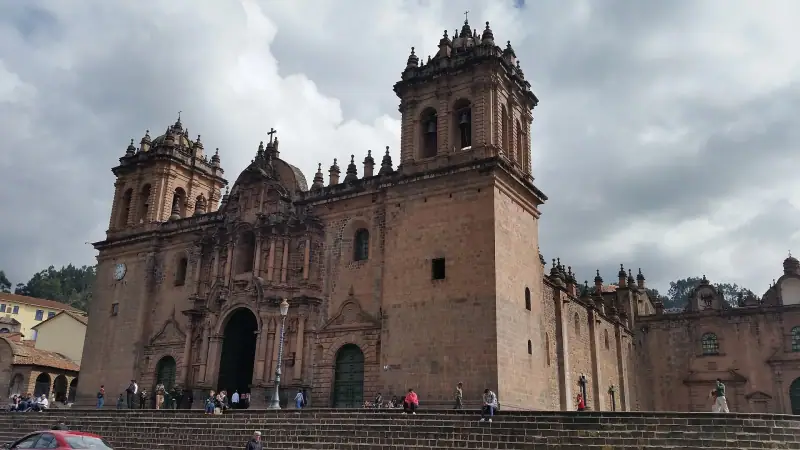
You discover Buenos Aires on foot and by metro, neighborhood by neighborhood. On the first day, concentrate on the historic center: Plaza de Mayo, the Casa Rosada and the metropolitan cathedral, then stroll through San Telmo, known for its cobbled streets, antique dealers and Sunday market.
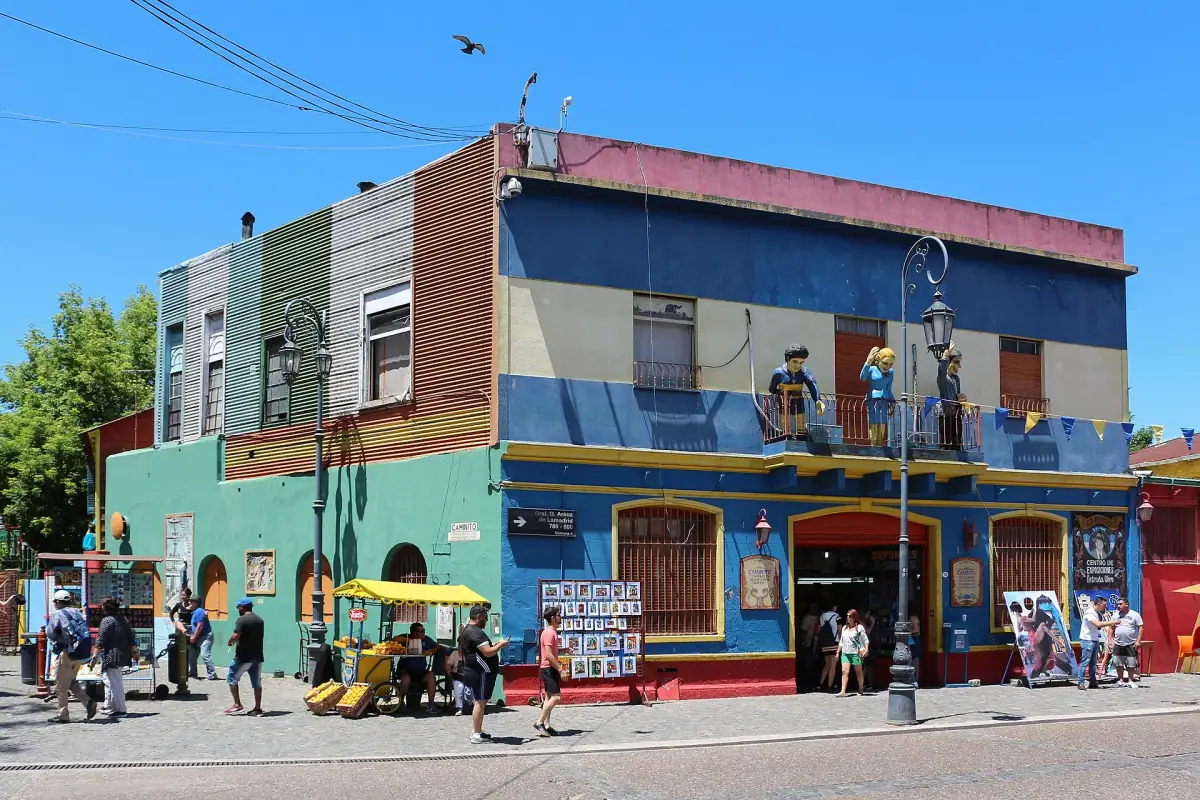
On the second day, go to La Boca and its famous Caminito, very colorful but very touristy: go during the day and stay on busy streets. Continue to Puerto Madero, a former port district turned waterfront promenade.
The third day is ideal for the Recoleta neighborhood, with its monumental cemetery where Eva Perón rests, and for the big parks and museums of Palermo. In the evening, a tango show or a milonga lets you discover this tradition born in the Río de la Plata region.
The fourth day can be devoted to a day excursion to the Tigre delta, north of the city (our guide to getting there by train or boat details the options), or to a deeper visit of a neighborhood you liked. Keep this day flexible: it is also the eve of the first domestic flight.
Where to stay in Buenos Aires?
Hotels and apartments in Palermo, Recoleta or San Telmo, to compare by dates.
Days 5 and 6: Iguazú Falls
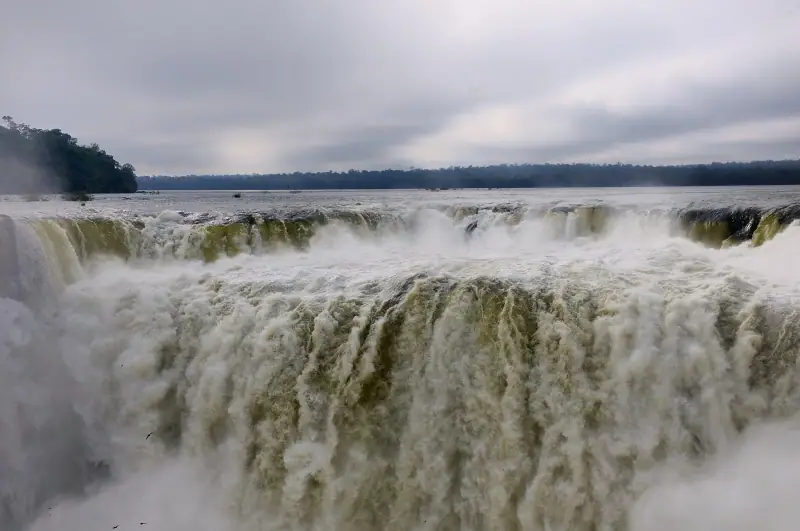
A domestic flight links Buenos Aires to Iguazú airport, on the Argentine side, in a little under two hours. Settle in Puerto Iguazú, a quiet small town that serves as a base for visiting the national park.
Set aside a full day for the park on the Argentine side: its walkways and trails let you watch the cascades from several angles, up to the Garganta del Diablo, the most spectacular point. Leave early to avoid the heat and the crowd, and bring water and insect repellent.
On the second day, you can discover the Brazilian side for a wider overview (remember to check the border-crossing formalities for your nationality), or treat yourself to a boat excursion, a visit to a nearby natural site or simply a rest before the next flight. The flow varies with the rains: check park access before your visit.
Excursions in Iguazú
Guided visits of the falls, boat rides and transfers from Puerto Iguazú.
Days 7 to 10: Salta and the Quebrada de Humahuaca
Reach Salta by plane, generally via Buenos Aires: plan a full transit day (this is also the case from Iguazú). This colonial city, often nicknamed “la Linda”, is a practical base for exploring the Northwest. Its center is built around Plaza 9 de Julio, with its cathedral and museums.
If you rent a car, two big excursions are possible. The first leads north, into the Quebrada de Humahuaca, a UNESCO World Heritage valley, with villages like Purmamarca and its Hill of Seven Colors, Tilcara or Humahuaca. The second heads south, toward Cafayate and its high-altitude vineyards, known for torrontés, through the red-rock Quebrada de las Conchas.
The Quebrada de Humahuaca and Cafayate are far enough from Salta that each deserves a full day, even a night there: check travel times and road conditions before leaving. Altitude is a factor in some areas: ask your doctor or a travel clinic, and see the official travel health pages (CDC in the US, TravelHealthPro in the UK). Bring warm clothes, as nights can be cool.
If you do not rent a car, organized minibus tours from Salta let you discover these landscapes without driving.
Days 11 to 13: Mendoza and its vineyards
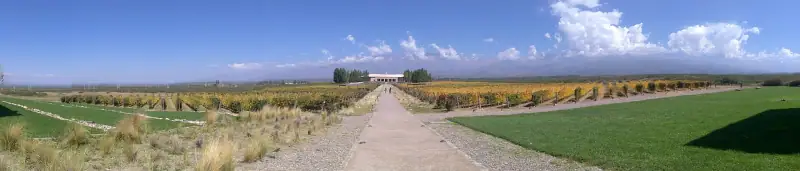
You reach Mendoza by plane, often with a connection. The city, with a dry, sunny climate, is lined with tree-lined avenues and pleasant squares. It serves as the starting point for the wine routes.
Devote a day to the region’s bodegas, for example in the Luján de Cuyo area or the Uco Valley, renowned for their malbec. Visits with tasting are generally booked ahead: stick to one or two wineries a day to enjoy without rushing, and remember not to drive after a tasting. A driver, an organized tour or a bike are practical alternatives.
Another day can be devoted to the mountains, with the road that climbs toward the Andes cordillera, not far from the Aconcagua massif, the highest peak in the Americas. Depending on the season, snow can hinder access to some areas: find out before leaving.
Bodegas and Andes around Mendoza
Tastings, mountain excursions and tours in the vineyards.
Day 14: back to Buenos Aires
The last day is a flight day: Mendoza is linked to Buenos Aires by direct flights of about two hours. Allow margin before your international flight, as Ezeiza international airport is outside the city center and travel times can vary with traffic. If you can, keep a night in Buenos Aires the day before your departure rather than linking two flights on the same day.
Flights to Argentina
Compare flights to Buenos Aires and book early for peak periods.
Patagonia (glaciers, Ushuaia, treks) deserves a separate trip rather than a rushed stop on this route.
Practical tips to make this itinerary work
- Book domestic flights early and lodging in high season (December to February, winter school break in July).
- Allow margin between two flights: delays and cancellations happen, especially in fickle weather.
- Plan for currency exchange and payments: payment methods and rates change regularly, so check just before you leave.
- Adapt your clothing: humid heat in Iguazú, cool nights at altitude in Salta, contrasting temperatures in Mendoza.
- Check entry rules and health information before you go. Entry rules depend on your passport: check the official travel advice of your government before you book: travel.state.gov (US), GOV.UK (UK), travel.gc.ca (Canada), Smartraveller (Australia) (checked November 2026).
Rental car in the Northwest and in Mendoza
A car only makes sense at two stops: Salta and Mendoza. In the Northwest, it gives the freedom to stop in villages and at viewpoints of the quebrada; around Mendoza, it makes getting between the bodegas easier, as long as you designate a driver who does not taste. Drive by day, avoid isolated roads at night, fill up as soon as possible and check rental conditions (license, insurance, deductible) with the rental company before booking.
Frequently asked questions
Are two weeks enough to visit Argentina?
Two weeks let you discover four major stops: Buenos Aires, Iguazú Falls, the Northwest around Salta and the Mendoza wine region. The country is immense: it is better to give up seeing everything and limit changes of base.
Do you need to fly to get around Argentina?
To link Buenos Aires, Iguazú, Salta and Mendoza, the plane is the most practical way, because distances are very large. Links often go through Buenos Aires: compare schedules and allow margin for connections.
Do you need to rent a car?
It is useful in the Northwest (Salta, Cafayate, Quebrada de Humahuaca) and around Mendoza for the vineyards. In Buenos Aires and Iguazú, local transport, taxis and organized excursions are enough.
What is the best time for this itinerary?
The shoulder seasons, September to November and March to May, generally offer the best compromise across the four regions. See our guide to the best time to refine by your priorities.
Can you add Patagonia?
It takes several extra days and long flights: it is not realistic in a two-week route that already covers four regions. It deserves a separate trip.
More Argentina guides
Keep reading
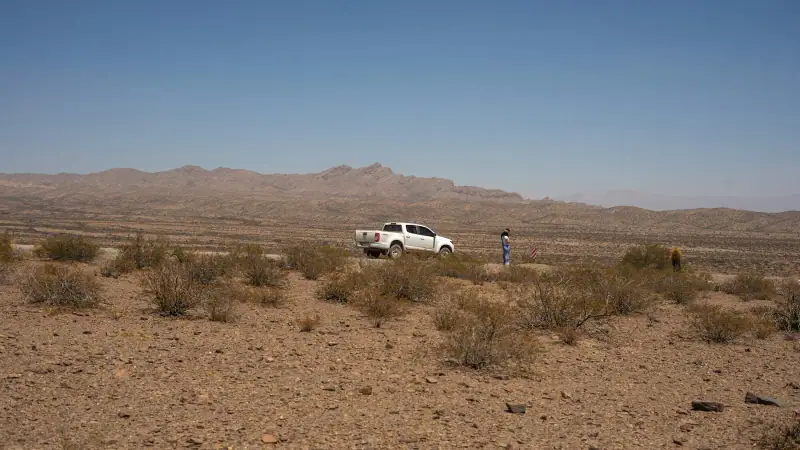
Argentina budget: real costs by item and 3 travel profiles
What budget for Argentina? Real costs by item (lodging, transport, meals, activities), three profiles priced per day and tips to spend less.
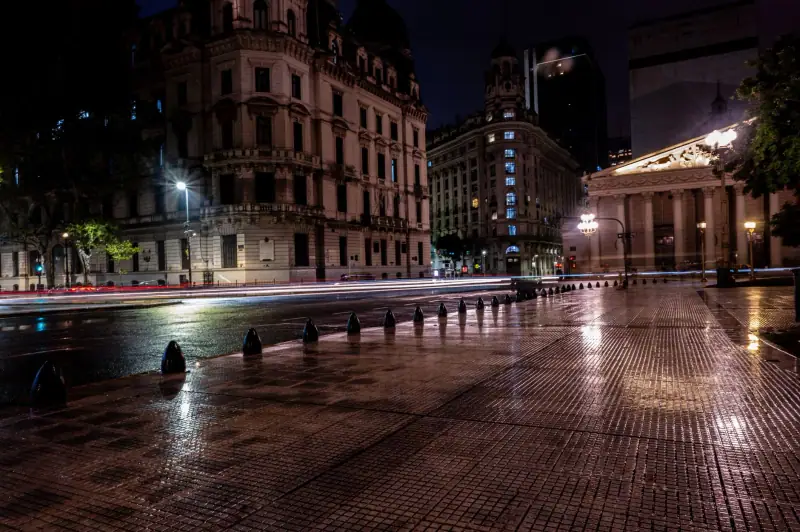
Visiting Buenos Aires: what to see and do in 3 days in the capital
Plaza de Mayo, San Telmo, La Boca, Recoleta, Palermo, Puerto Madero: a 3-day program to visit Buenos Aires, with transport and neighborhood tips.
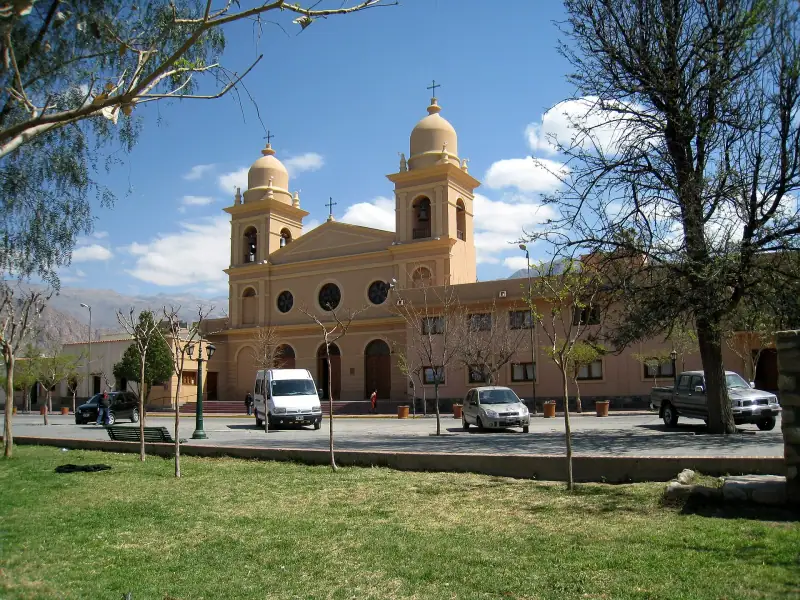
Cafayate without a car: bus, excursion or bike to see the wineries and the Quebrada de las Conchas
Getting to Cafayate without renting a car: bus from Salta, day excursion or a night in town, wineries on foot or by bike. What to choose and how to book.
Ready-made
Argentina itineraries
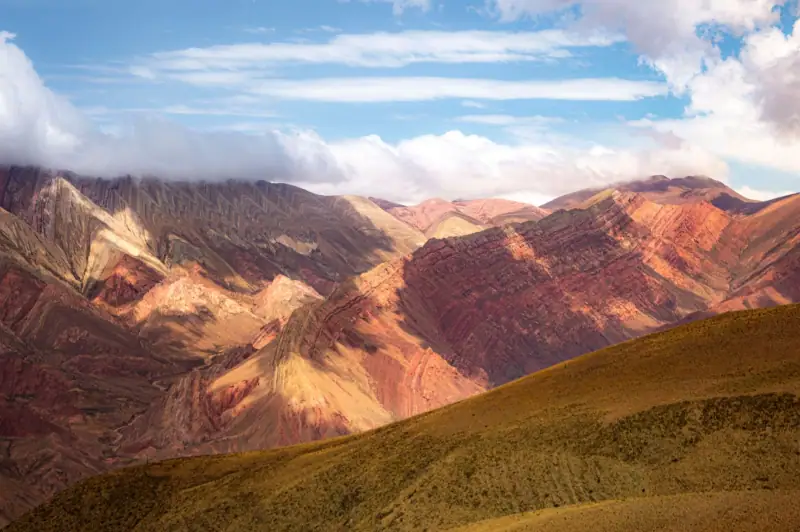
22 days
Argentina in 3 weeks: Buenos Aires, Iguazú, Northwest, Mendoza, Córdoba and Valdés
Buenos AiresPuerto IguazúSalta and the NorthwestMendozaCórdobaPuerto MadrynBuenos Aires
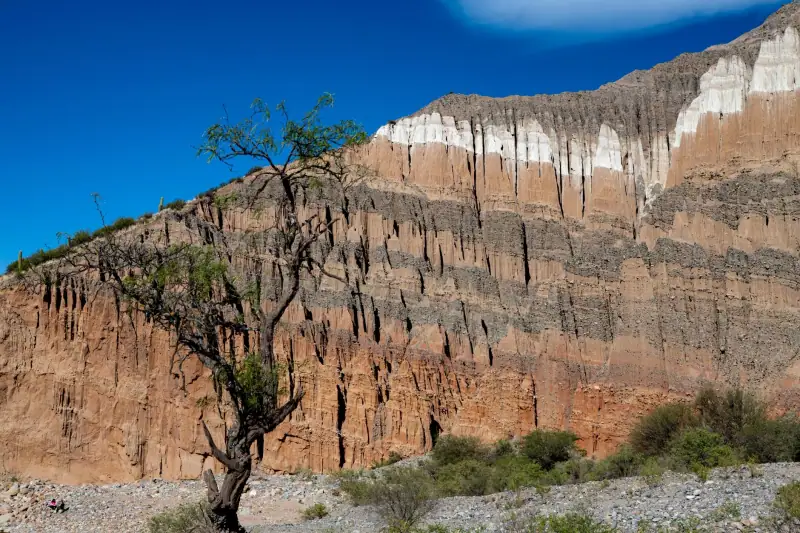
8 days
Northwest Argentina road trip: Salta, Cafayate, Cachi and Humahuaca in 8 days
SaltaCafayateCachiSaltaPurmamarcaTilcara
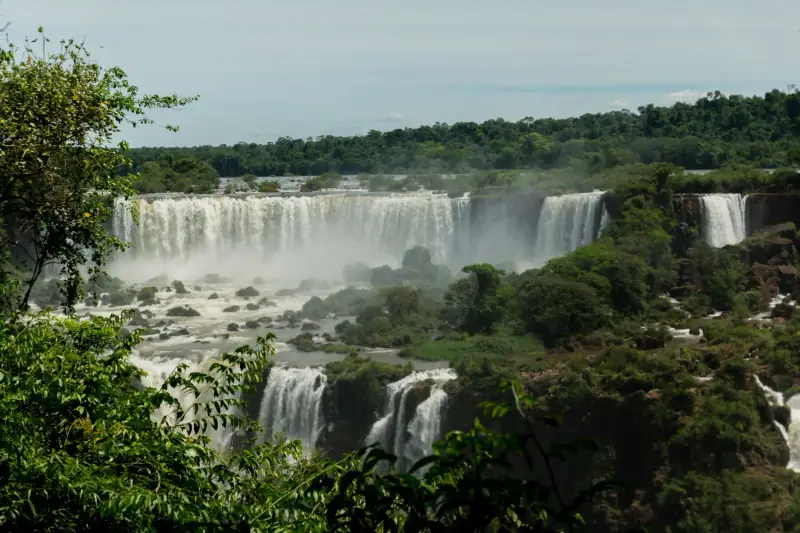
10 days
Argentina in 10 days without a car: a realistic itinerary with flights, buses and excursions
Argentina in 10 days without a car: Buenos Aires, Iguazú, Salta and Humahuaca by domestic flight, bus and excursion. Stops, distances, travel times.