What to see
Visiting Buenos Aires: what to see and do in 3 days in the capital
We may earn a commission when you book through links on this page, at no extra cost to you. We don't visit or try the places we cover: we summarize published sources. How we work
In short
- Three days cover the classics (historic center, San Telmo, La Boca, Puerto Madero, Recoleta, Palermo); four or five days leave room to wander and leave the city.
- Group visits by neighborhood (barrio) to limit travel; the Subte and buses run on the rechargeable SUBE card.
- Plan a late dinner: many restaurants only fill up around 9 pm or later.
- The two airports are Ezeiza (international flights) and Aeroparque (a large share of domestic flights).
With its monumental avenues, century-old cafés, neighborhoods of very different personalities and lively nightlife, Buenos Aires is an ideal gateway to Argentina. It is sometimes nicknamed the “Paris of South America” for its architecture, but the city has an identity of its own, made of tango, football, bookstores and steakhouses. Here is how to organize three days to grasp the essentials.
In short:
- Three days are enough for the classics, four or five to wander and leave the city
- Each neighborhood (barrio) has its character: group your visits by area to limit travel
- The metro (Subte) and buses work with the SUBE card
- Plan a late dinner: meals are eaten later than in many countries
Day 1: the historic center and Plaza de Mayo
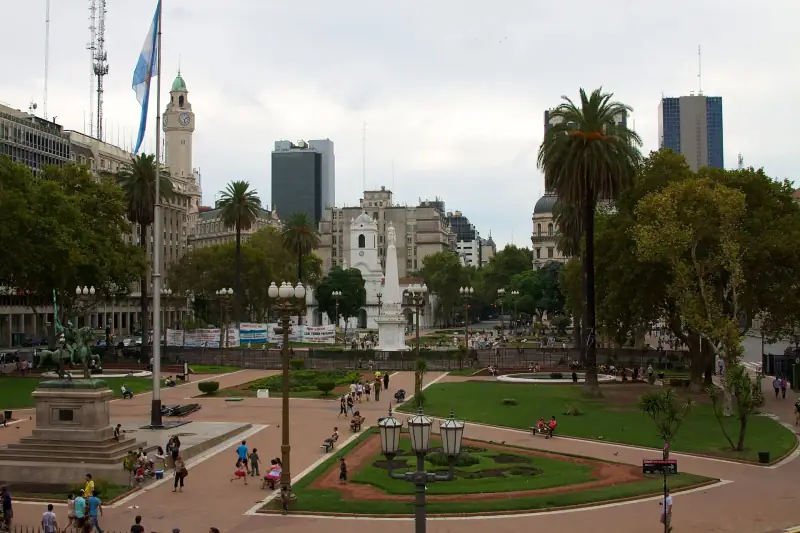
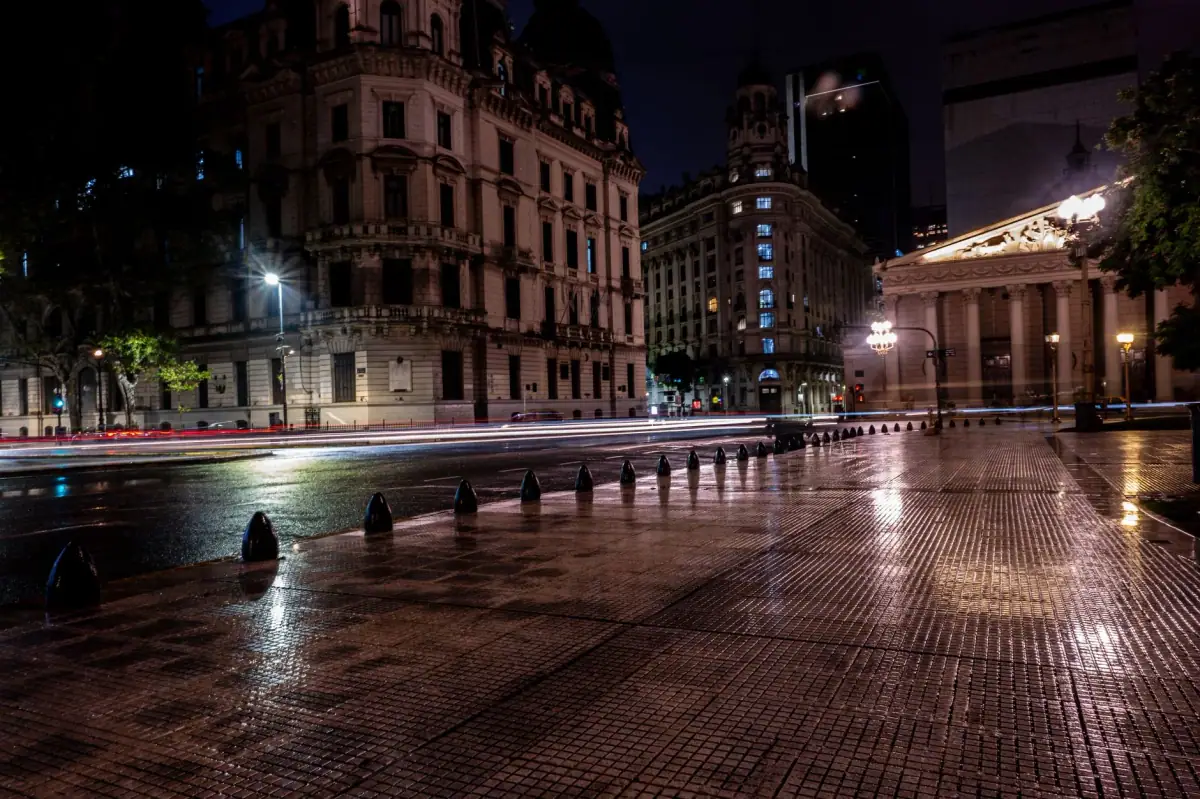
Start in the city center, on Plaza de Mayo. This square is the political and historic center of the country: here you find the Casa Rosada, the presidential palace recognizable by its pink facade, the Cabildo, former seat of the colonial administration, and the metropolitan cathedral. Inside the latter is the mausoleum of General José de San Martín, hero of independence. The square is also known for the gatherings of the Mothers of the Plaza de Mayo, which marked the country’s recent history.
From the square, walk west along Avenida de Mayo, lined with early-20th-century European-style buildings and traditional cafés. You will come out on Avenida 9 de Julio, one of the widest arteries in the world, where the Obelisk, symbol of the city, stands. This walk, of about two kilometers (1.2 mi), is easy if you take the time to stop.
In the afternoon, continue with the neighboring San Telmo, the oldest neighborhood of the capital, with its cobbled streets and low houses. On Sundays, a large antiques and crafts fair is held around Plaza Dorrego: it is one of the city’s most popular events. If your stay includes a Sunday, it is the right day to come, but expect crowds.
San Telmo, bohemian atmosphere and tango
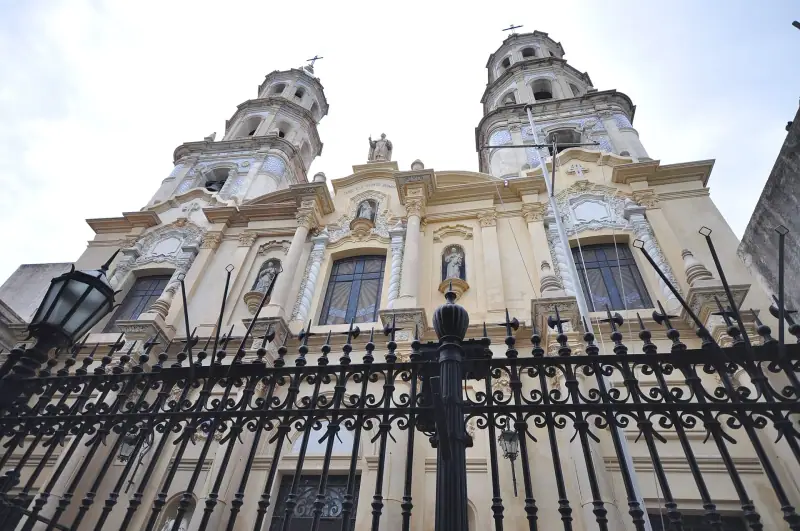
San Telmo is the neighborhood where you best feel the city’s past. Its lanes house old cafés, antique dealers, galleries and venues where tango is danced. In the evening, several places offer shows or milongas, the dances where locals come to dance for pleasure, as much to watch as to try a few steps in an introductory class.
For dinner, the neighborhood offers parrillas (steakhouses), Argentine restaurants and wine bars. Without looking for a specific address, choose a place frequented by locals rather than the pushiest outdoor tables on the busiest streets. To learn more about specialties to taste, see our guide to Argentine food.
Staying in Buenos Aires?
Compare hotels, apartments and hostels by neighborhood and dates.
Day 2: La Boca, Puerto Madero and the modern city
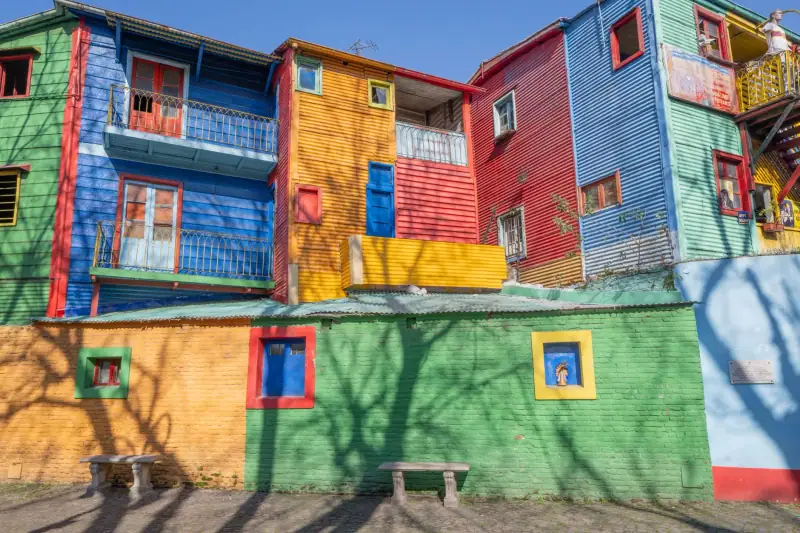
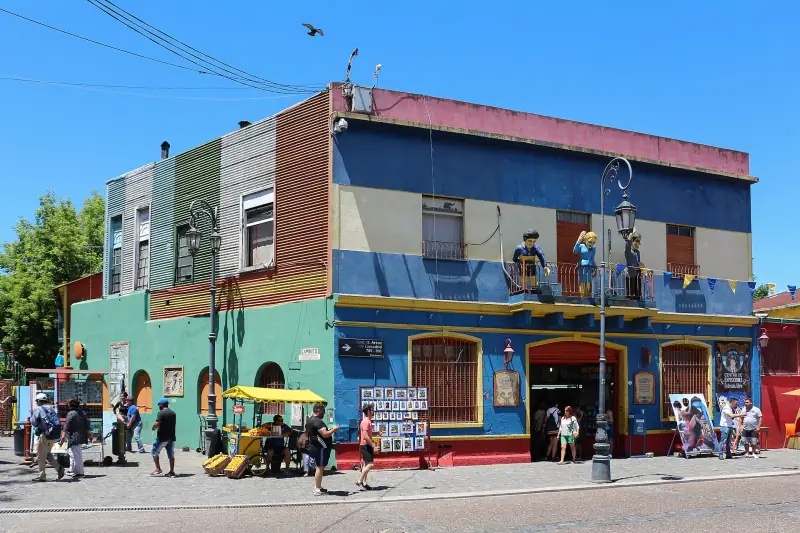
La Boca is the historic port neighborhood, famous for its brightly colored tin houses, of which the museum-street Caminito is the best-known image. It is also the stronghold of the Boca Juniors football club and its stadium, nicknamed the Bombonera. The Caminito area is very touristy but pleasant in the daytime. However, stay on the busy streets, do not linger there at nightfall and go home by taxi.
Then head up to Puerto Madero, the old port turned into a modern neighborhood. The old red-brick warehouses have been converted into restaurants and offices, and the promenade along the docks is pleasant for walking. You will see the Puente de la Mujer, a pedestrian bridge that looks like a sculpture. Right next to it, the Costanera Sur Ecological Reserve offers walking trails through marshes and reed beds, an astonishing contrast with the neighboring glass towers. It is visited on foot or by bike, generally in daylight.
Day 3: Recoleta, Palermo and the parks
Start the day in Recoleta, the elegant neighborhood of the city. Its cemetery is one of the capital’s most singular visits: a labyrinth of mausoleums and chapels decorated with sculptures, where Eva Perón rests in the Duarte family vault. Nearby, a square hosts a crafts market on weekends, and several museums let you extend the visit.
In the same area, do not miss the El Ateneo Grand Splendid bookstore, set in a former theater. It keeps its balconies, ceiling frescoes and the stage turned into a café: a place easy to add to any program, even if you are not a reader.
In the afternoon, go to Palermo, the largest neighborhood of the capital and one of the liveliest. It spreads around large parks, the Palermo woods, where locals come to run, picnic or rent a pedal boat. The Palermo Soho and Palermo Hollywood areas concentrate designer shops, cafés, restaurants and bars. Art lovers can visit the MALBA, a museum devoted to Latin American art. It is an ideal neighborhood to end the stay with dinner and an evening walk.
Culture, theater and tango: what to do in the evening
Buenos Aires is a cultural city where people go out late. The Teatro Colón, opened in 1908, is one of the most famous opera houses in the world, renowned for its acoustics. It can be visited in the daytime with a guide, and you can also attend concerts, ballets or operas depending on the program. Book ahead, notably in high season.
For tango, two main formulas exist. Dinner shows, highly staged, suit those who want a turnkey evening. Milongas, more authentic, take place in neighborhood halls where anyone can come to dance; it is a more intimate experience, but less comfortable for visitors who do not know the etiquette. An introductory class early in the evening is a good compromise.
Tango show, guided tours?
Tango shows, neighborhood tours and excursions to book ahead.
An excursion from the city: the Tigre delta
If you have an extra day, the Tigre delta is the classic outing north of the capital. This tangle of rivers and islands can be reached by train from the city in about an hour. There, sightseeing boats run along canals lined with houses on stilts and gardens. It is a green, calm break, popular with locals on weekends. To choose between the train, the Tren de la Costa and the boat, see our guide to the Tigre delta from Buenos Aires.
Another option is to escape to the countryside for a day at an estancia, a large traditional farm, with grills, gaucho demonstrations and horseback rides. These outings are offered by many operators, often with a transfer from your hotel.
Getting around Buenos Aires
The center, San Telmo, Recoleta and Palermo can be visited largely on foot, but distances between neighborhoods can be long. The metro, called the Subte, has several lines linking the center to the main areas; buses (colectivos) cover the rest of the city. Both work with the rechargeable SUBE card, which is best obtained on arrival; check where to buy it and current fares, which change regularly.
Taxis are plentiful and practical, especially in the evening. Use an official taxi or a booking app and check that the meter is on. The city’s two airports, Ezeiza for international flights and Aeroparque for a large share of domestic flights, are linked to the center by road: allow a comfortable margin for transfers, especially at rush hour. A rental car is useless for visiting the capital itself: traffic is dense and parking is difficult.
Practical tips for your stay
Buenos Aires can be visited all year, but spring (September to November) and autumn (March to May) are the most pleasant seasons, with mild temperatures. The austral summer, from December to February, can be hot and humid; winter is cool, without being harsh. To choose your dates, see our guide when to go to Argentina.
On safety, apply the usual big-city habits: zipped bag worn in front, phone put away when you are not using it, no visible valuables. Before you leave, check the official travel advice of your government, entry rules and currency, as exchange and payment arrangements have changed a lot in recent years and may change again. Entry rules depend on your passport: travel.state.gov (US), GOV.UK (UK), travel.gc.ca (Canada), Smartraveller (Australia) (checked November 2026).
For meals, remember that people dine late: many restaurants only fill up around nine in the evening or later. To choose your neighborhood, our guide where to stay in Buenos Aires details the strengths of each area. If you continue your trip, Buenos Aires is the natural starting point of our 2-week Argentina itinerary, with Iguazú Falls, Salta and Mendoza.
Book your lodging in Palermo or Recoleta
Two safe, well-served neighborhoods for a first visit.
Frequently asked questions
How many days do you need to visit Buenos Aires?
Three days let you see the classics: the historic center, San Telmo, La Boca, Recoleta, Palermo and Puerto Madero. With four or five days, you can add an excursion to the Tigre delta and take time to wander.
Which neighborhood should you choose to stay in Buenos Aires?
Palermo is the most versatile, with many restaurants and parks. Recoleta is calm and elegant, San Telmo is historic and lively, and Puerto Madero is modern. Our dedicated guide details each neighborhood.
How do you get around Buenos Aires?
The metro (Subte), buses and taxis cover most of the city. The metro and buses work with a rechargeable card called SUBE. The center and several neighborhoods are also very walkable.
Is Buenos Aires a safe city for tourists?
The main tourist neighborhoods can be visited without difficulty, but pickpocketing and snatch thefts exist, as in any big metropolis. Keep your phone and papers out of sight, avoid taking out valuables in the street and check your government's official travel advice before you leave.
Should you see a tango show?
It is a popular and emblematic experience of the city. You can opt for a dinner show or for a milonga, a dance where locals dance. Book ahead in high season.
More Argentina guides
Keep reading
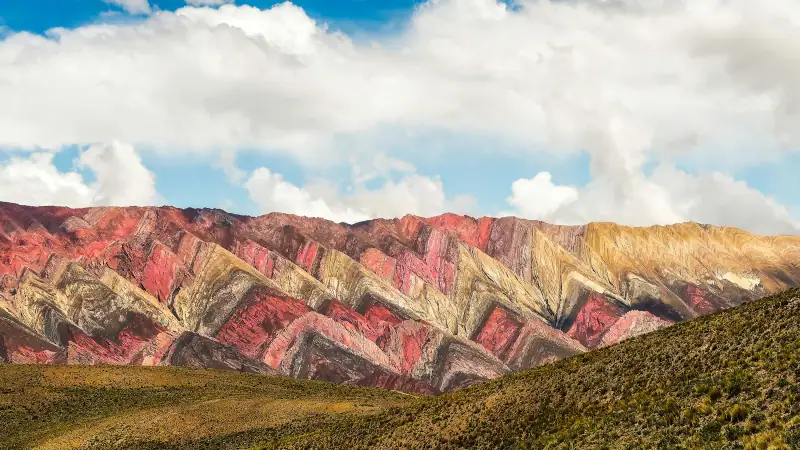
Visiting Salta and the Quebrada de Humahuaca: a guide to northwest Argentina
Salta, Purmamarca, Tilcara, Humahuaca, Cafayate: plan your trip to northwest Argentina with an itinerary, altitude, seasons and practical tips.
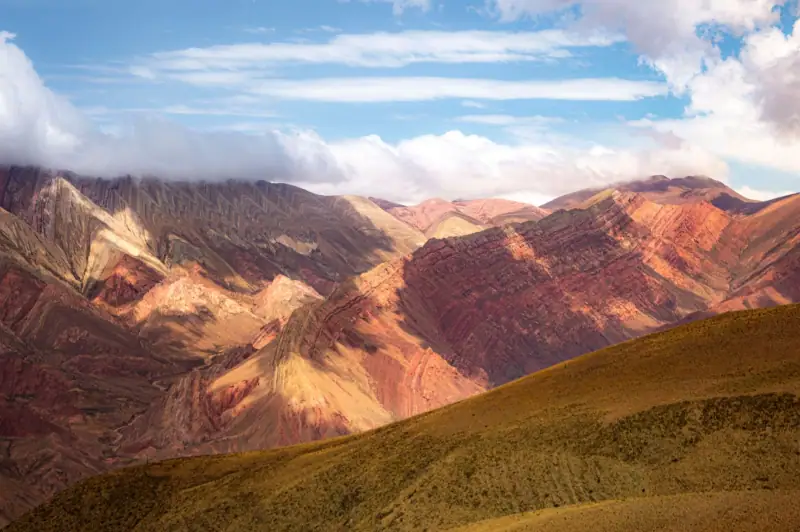
Complete guide to visiting Argentina: regions, highlights and budget
Plan your trip to Argentina: regions, cities, highlights, best season, transport, lodging and budget. The pillar guide to organize your stay.
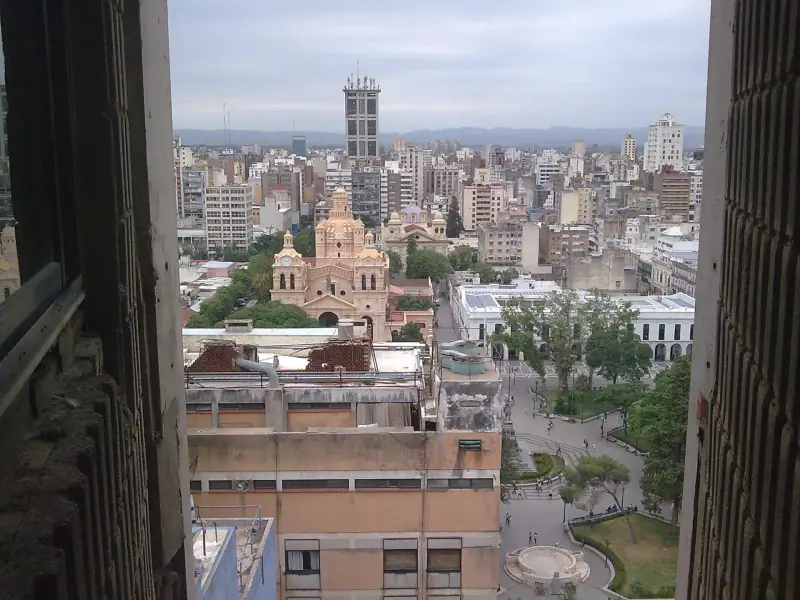
Visiting Córdoba, Argentina: Jesuit city, university and sierras
What to see in Córdoba: the UNESCO-listed Jesuit Block, the historic center, student life and excursions into the sierras. Tips for your stay.
Ready-made
Argentina itineraries
14 days
Argentina in 2 weeks: Buenos Aires, Iguazú, Salta and Mendoza
Buenos AiresPuerto IguazúSaltaMendoza
22 days
Argentina in 3 weeks: Buenos Aires, Iguazú, Northwest, Mendoza, Córdoba and Valdés
Buenos AiresPuerto IguazúSalta and the NorthwestMendozaCórdobaPuerto MadrynBuenos Aires
8 days
Northwest Argentina road trip: Salta, Cafayate, Cachi and Humahuaca in 8 days
SaltaCafayateCachiSaltaPurmamarcaTilcara