Plan your trip
When to go to Argentina: seasons, climate and best time by region
We may earn a commission when you book through links on this page, at no extra cost to you. We don't visit or try the places we cover: we summarize published sources. How we work
In short
- Reversed seasons: austral summer from December to February, winter from June to August.
- Spring (September to November) and autumn (March to May) are the best compromise for a multi-region trip.
- Southern right whales at the Valdés Peninsula: about June to December, often peaking in September-October.
- High season is December to February and the July winter school break: book domestic flights and lodging early.
Argentina is one of the largest countries in the world: nearly 3,700 km (2,300 mi) separate its northern tip from its southern tip. As a result, there is not one “right time” to go, but several, depending on what you want to see. The seasons are also reversed compared with the Northern Hemisphere, which often surprises people when preparing a trip. This guide helps you choose your period according to regions and activities.
In short:
- Reversed seasons: austral summer from December to February, winter from June to August
- Spring (September-November) and autumn (March-May): the best compromises for a multi-region trip
- Each region has its own ideal season: whales, grape harvest, high-altitude trails or falls
Understanding Argentina’s climate
The country brings together very different climates: humid subtropical in the northeast, desert and high-altitude in the Northwest, temperate around Buenos Aires, semi-arid at the foot of the Andes in Mendoza, and cooler as you head south. As everywhere in the Southern Hemisphere, summer starts in December and winter in June.
For a first trip combining several regions, two windows come up most often in advice from travel professionals: September to November, then March to May. Temperatures are broadly mild in most classic destinations, and the major sights are less crowded than in the middle of the austral summer.
Keep in mind that distances are considerable. A route linking Iguazú, Salta and Mendoza is generally done by domestic flight, and weather conditions can differ strongly from one stop to another on the same day.
Buenos Aires: when to visit the capital
Buenos Aires has a temperate climate. Summer (December to February) is hot and often humid, with possible storms, and part of the population leaves the city for vacation. Winter (June to August) is cool but generally not extreme, a good time for theaters, historic cafés and milongas without the heat.
Spring and autumn are the most pleasant seasons for walking the neighborhoods, from San Telmo to Palermo. In late spring, jacarandas bloom in the city’s streets and parks, a sight popular with photographers.
Where to stay in Buenos Aires?
Hotels and apartments in the most pleasant neighborhoods, to compare by dates.
Iguazú Falls: humidity and water flow
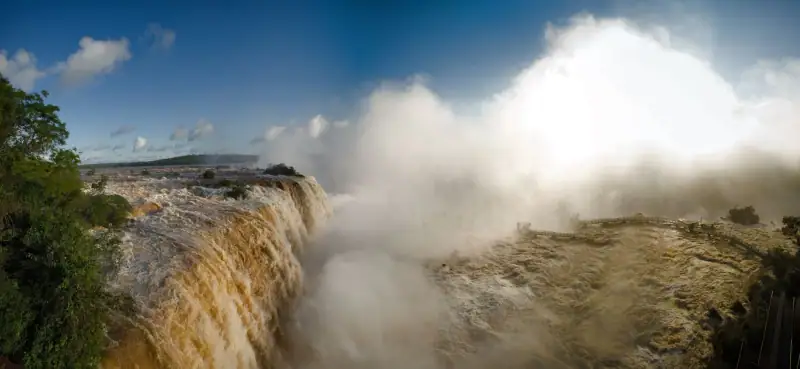
The Northeast is subtropical: you find heat and humidity for much of the year, and rain is possible in any season. In summer, the heat can make the park trails exhausting in the middle of the day; start early in the morning and bring water and insect repellent.
The austral winter is milder and more comfortable for walking, even if the vegetation stays lush. The river’s flow varies with rainfall upstream: the falls are impressive in every season, but some walkways or excursions may be restricted during floods. Check park conditions before booking.
Salta and the Northwest: the dry season for high-altitude roads
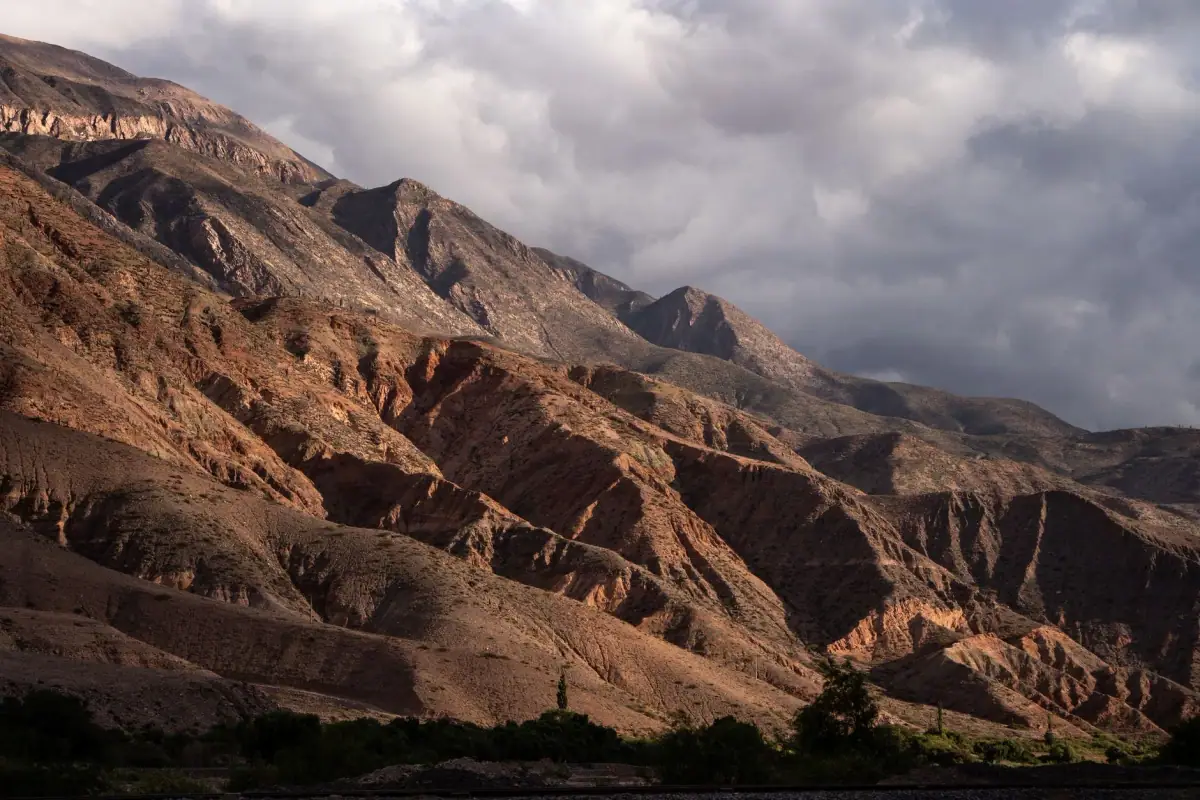
In the Salta area, the Quebrada de Humahuaca and Cafayate, the landscapes are those of high, arid valleys. The rainy season corresponds to the austral summer, with late-day storms that can disrupt some mountain roads. Winter is the dry season: days are sunny and clear, but nights can be very cold, especially at altitude.
The shoulder seasons (April-May and September-October) often offer a good balance between clear skies and bearable temperatures. Above 3,000 m (9,840 ft), altitude is a factor in any season: ask your doctor or a travel clinic, and see the official travel health pages (CDC in the US, TravelHealthPro in the UK).
Mendoza: vineyards, harvest and skiing
Mendoza, at the foot of the Andes, enjoys a dry, very sunny climate. Summer is hot; winter is cool, with snow in the high mountains. The region is famous for its malbec and its bodegas, open for visits all year, often by reservation.
The harvest period, from late summer to the austral autumn (about February to April), is the liveliest time in the vineyards, with local wine festivals. Autumn also brings beautiful colors on the vines. The Andean ski resorts operate in winter, while the austral summer is rather the season for high-mountain climbs and hikes in the cordillera.
Activities in Mendoza
Tastings in the bodegas, excursions in the Andes, rafting and hikes.
Valdés Peninsula: whales, orcas and penguins
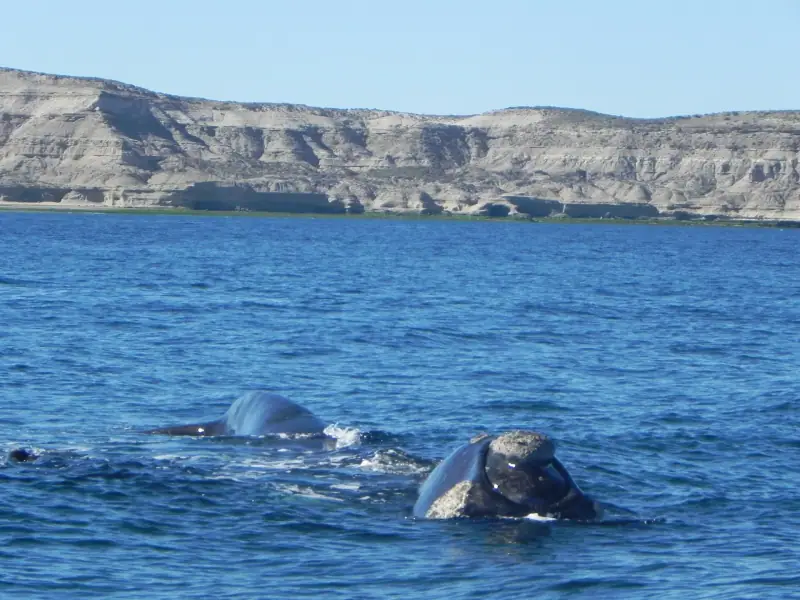
On the Atlantic coast, the Valdés Peninsula is best known for watching southern right whales. They come to the sheltered waters of the gulf to breed and give birth, generally from June to December, with a peak of activity often reported between September and October. The viewing period, sea conditions and boarding rules depend on local authorities and operators: confirm them before booking.
Other species mark the year: Magellanic penguins visit the coast during the breeding season, in the austral spring and summer, and orcas are harder to observe, at very specific times. If the animals are your priority, set your travel dates around them rather than around the rest of the itinerary.
High season, holidays and crowds
The tourist high season is concentrated in the austral summer, from December to February, and during the Argentine winter school break, in July. On these dates, prices for lodging and domestic flights rise, and heavily visited sites fill up faster. Long weekends and national holidays are also among the peaks of local attendance.
To travel more calmly, choose the shoulder seasons, book domestic flights and lodging early in high-demand places, and keep some flexibility for regions where weather can change plans.
Flights to Argentina
Compare flights to Buenos Aires and book early for peak periods.
Which period to choose for your plan?
- First multi-region trip: September to November or March to May, for pleasant temperatures at most stops.
- City and culture in Buenos Aires: all year, with a preference for spring and autumn.
- Iguazú Falls: the austral winter is more comfortable; summer requires adapting to the heat.
- Mendoza vineyards: February to April for the harvest atmosphere.
- Northwest and high-altitude landscapes: the dry season and the shoulder seasons, with warm clothes for the nights.
- Whale watching: June to December, with a frequent peak in September-October.
Whatever the period, entry rules depend on your passport. Check the official travel advice of your government before you book: travel.state.gov (US), GOV.UK (UK), travel.gc.ca (Canada), Smartraveller (Australia) (checked November 2026). Also check the exchange rate and payment methods, which change regularly.
Rental car: plan ahead by season
To explore Mendoza, the Northwest wine route or the Salta region, a car remains very practical. In high season, book ahead, and check the condition of high-altitude roads in rainy or snowy periods. In the Northwest, summer storms can make some sections difficult, while winter sometimes brings ice on the passes. Plan short stages, fill up as soon as possible and avoid driving at night on isolated roads. Rental conditions (license, insurance, deductible) should be checked with the rental company before you leave.
Frequently asked questions
What is the best time to visit Argentina?
Spring (September to November) and autumn (March to May) are the most versatile seasons: temperatures are pleasant in Buenos Aires, the Northwest and Mendoza, and crowds are lighter than in high season. The best month still depends on your plan: whales at Valdés, the grape harvest in Mendoza or Iguazú Falls.
Are the seasons reversed compared with the Northern Hemisphere?
Yes. Argentina is in the Southern Hemisphere: the austral summer runs from December to February and winter from June to August. When it is hot and humid in Buenos Aires in January, it is the middle of winter in the Northern Hemisphere.
When is the best time to see whales at the Valdés Peninsula?
Southern right whales visit the waters of the gulf from about June to December, with a period often considered the best between September and October. Exact dates vary from year to year: ask local operators before booking.
Can you visit Iguazú Falls all year round?
Yes, the park is open all year. Summer is hot and humid, winter milder and more comfortable for walking. The flow of the falls varies with the rains and can change some access or excursions: check conditions before you come.
Do you need to book ahead in high season?
It is recommended for domestic flights, lodging at heavily visited sites and popular excursions, especially during the Argentine school vacations in January-February and July, and on long weekends.
What clothing should you bring by season?
Plan modular layers: Argentina spans very wide latitudes and altitudes. A warm jacket is useful in the high-altitude regions of the Northwest and near the Andes even in summer, while light clothing and insect repellent are enough in Iguazú.
More Argentina guides
Keep reading
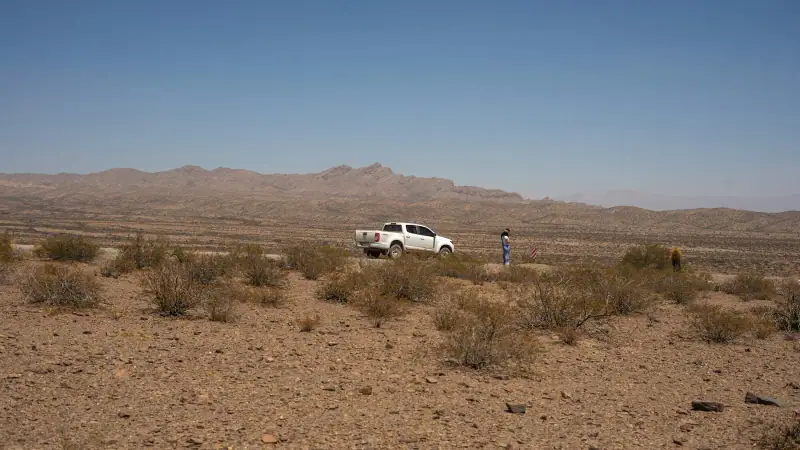
Argentina budget: real costs by item and 3 travel profiles
What budget for Argentina? Real costs by item (lodging, transport, meals, activities), three profiles priced per day and tips to spend less.
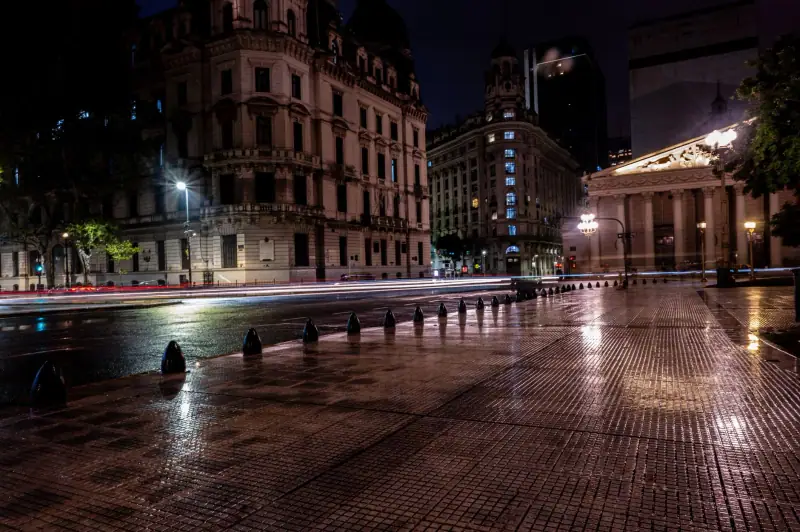
Visiting Buenos Aires: what to see and do in 3 days in the capital
Plaza de Mayo, San Telmo, La Boca, Recoleta, Palermo, Puerto Madero: a 3-day program to visit Buenos Aires, with transport and neighborhood tips.
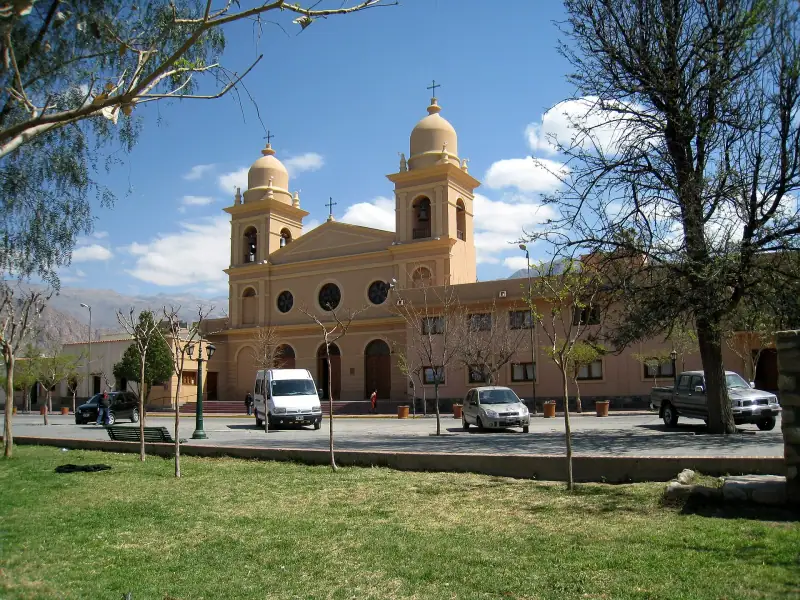
Cafayate without a car: bus, excursion or bike to see the wineries and the Quebrada de las Conchas
Getting to Cafayate without renting a car: bus from Salta, day excursion or a night in town, wineries on foot or by bike. What to choose and how to book.
Ready-made
Argentina itineraries
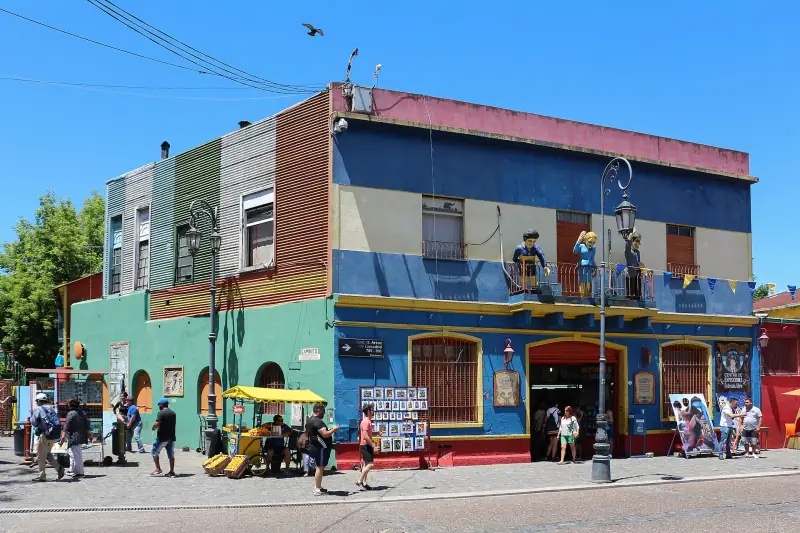
14 days
Argentina in 2 weeks: Buenos Aires, Iguazú, Salta and Mendoza
Buenos AiresPuerto IguazúSaltaMendoza
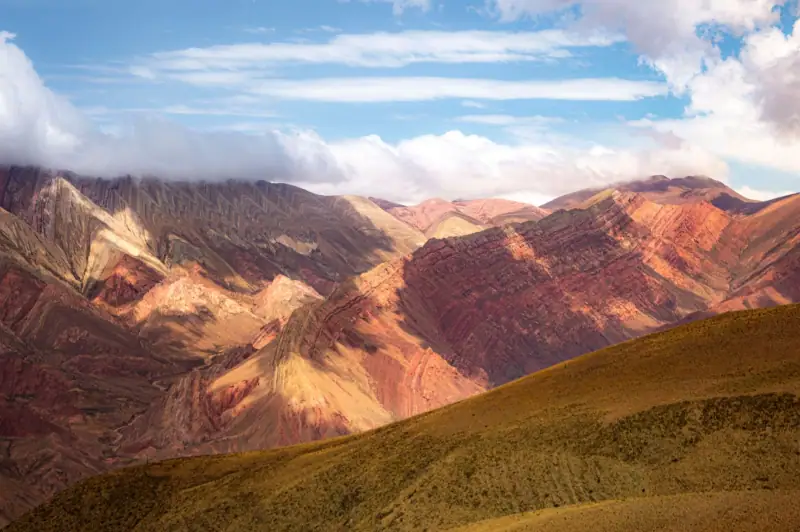
22 days
Argentina in 3 weeks: Buenos Aires, Iguazú, Northwest, Mendoza, Córdoba and Valdés
Buenos AiresPuerto IguazúSalta and the NorthwestMendozaCórdobaPuerto MadrynBuenos Aires
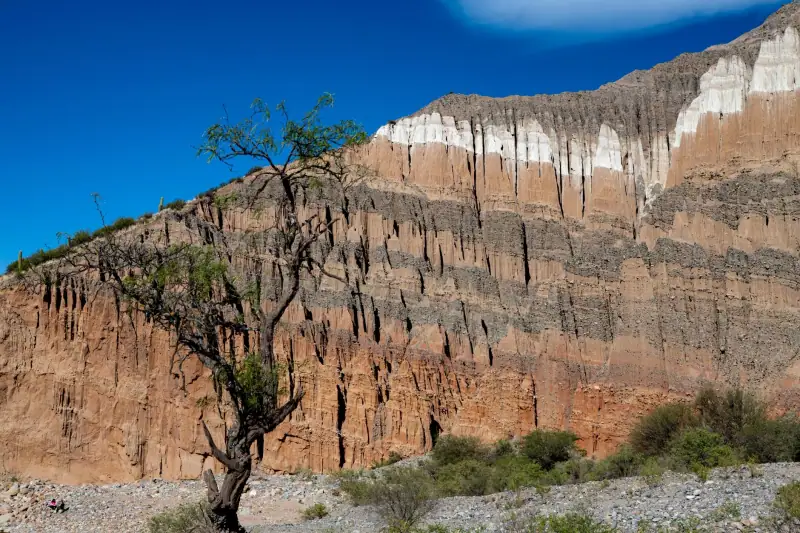
8 days
Northwest Argentina road trip: Salta, Cafayate, Cachi and Humahuaca in 8 days
SaltaCafayateCachiSaltaPurmamarcaTilcara