What to see
Visiting Iguazú Falls: Argentine or Brazilian side, a practical guide
We may earn a commission when you book through links on this page, at no extra cost to you. We don't visit or try the places we cover: we summarize published sources. How we work
In short
- Plan 2 days: one full day on the Argentine side, half a day on the Brazilian side.
- The Garganta del Diablo (Devil's Throat) is the highlight; about three quarters of the falls are on Argentine territory.
- The base town is Puerto Iguazú, on the Argentine side; the flight from Buenos Aires takes about two hours.
- Bring water, sunscreen, insect repellent and a light poncho.
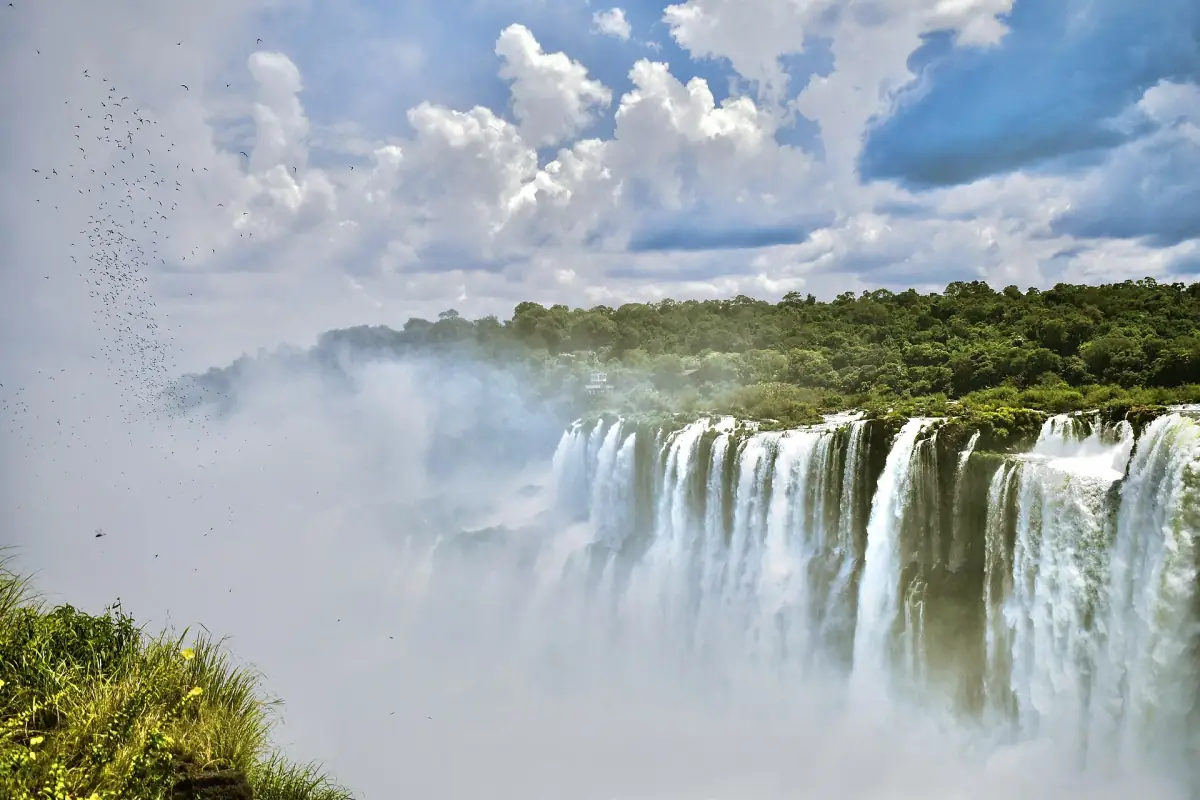
On the border between Argentina and Brazil, in the subtropical forest of Misiones Province, Iguazú Falls are among the most impressive natural spectacles in South America. The site is a UNESCO World Heritage site and gathers about 275 falls spread over nearly three kilometers (1.9 mi). This guide helps you organize your visit: which side to choose, which circuits to follow, how much time to plan and where to stay.
In short:
- Plan 2 days: one full day on the Argentine side, half a day on the Brazilian side
- The Garganta del Diablo (“Devil’s Throat”) is the highlight of the visit
- The base town is Puerto Iguazú, on the Argentine side
- Bring water, sunscreen, insect repellent and a light poncho
Where are Iguazú Falls?
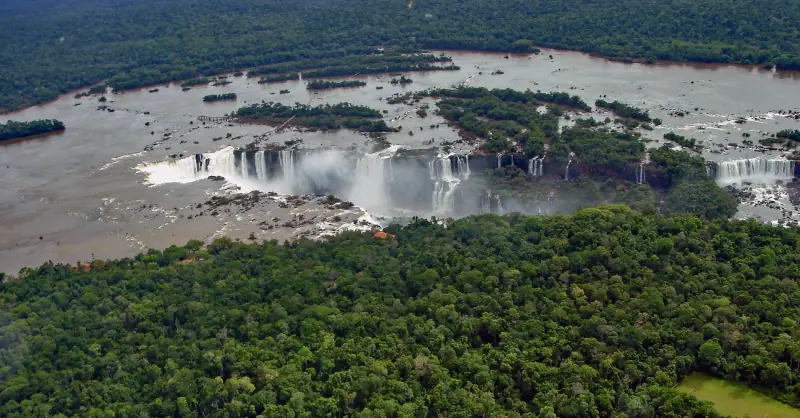
The falls are on the Iguazú River, just before its confluence with the Paraná River. The river acts as the border here: Iguazú National Park is on the Argentine side, Iguaçu National Park on the Brazilian side. Both banks face the same falls, but with very different viewpoints.
On the Argentine side, the logical base is Puerto Iguazú, a quiet small town from which the park entrance is reached by bus or taxi in a little under half an hour. On the Brazilian side, the town of Foz do Iguaçu serves the same function. The place where Argentina, Brazil and Paraguay meet, called the “triple frontier”, is visible from Puerto Iguazú.
To get there from the capital, the most practical way is the domestic flight from Buenos Aires: allow about two hours of flying. If you are preparing a big trip in the country, our 2-week Argentina itinerary shows how to include this stop.
The Argentine side: circuits and walkways
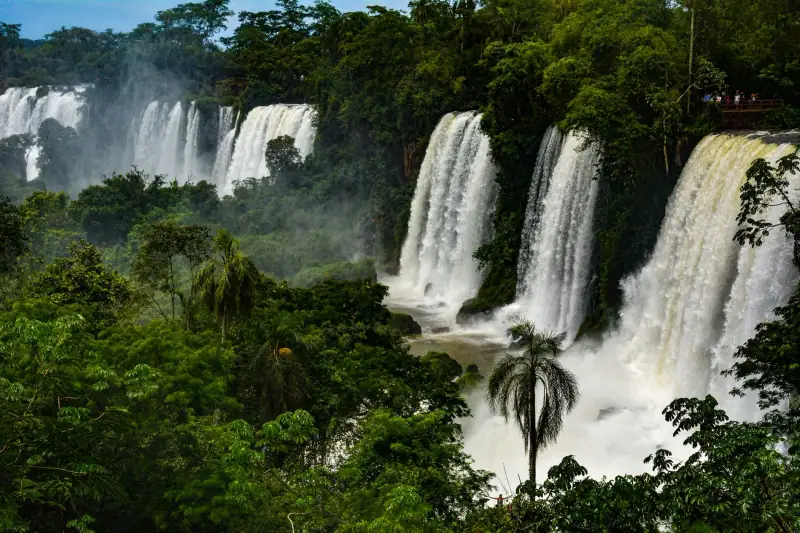
This is the most complete side: about three quarters of the falls are on Argentine territory. The park is equipped with metal walkways and marked trails, accessible to most visitors. A small ecological train links the entrance to the various circuit starting points, which avoids long walks in the heat.
Three main routes structure the visit. The upper circuit runs along the top of the falls and offers plunging views. The lower circuit goes down to the foot of several cascades, with close viewpoints and refreshing mist. Finally, the Garganta del Diablo trail leads, at the end of the walkway, to the edge of the most spectacular of the falls.
Start early in the morning: the park is calmer, the light softer, and the heat stays bearable. Hours and entrance fees change regularly; check the park’s official website before you come.
Staying in Puerto Iguazú?
Compare hotels, lodges and hostels near the national park by dates.
The Garganta del Diablo: the highlight
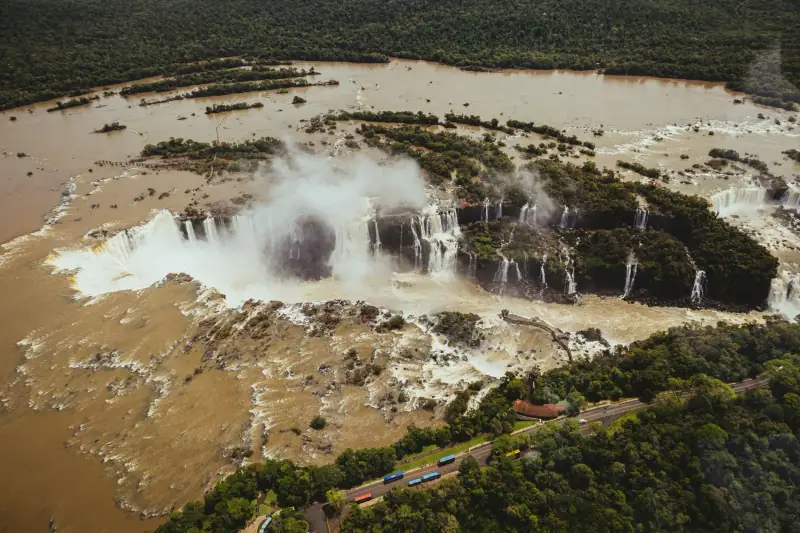
The Garganta del Diablo is an immense horseshoe-shaped gorge where water plunges with a permanent roar. The walkway leading there crosses the river over more than a kilometer (0.6 mi), among islets and vegetation. At the end, you stand literally above the void, in the middle of the spray.
It is where you get the wettest: bring a light poncho and protect your phone or camera. It is better to go early in the morning or late in the day to avoid the tour-group crowds. Depending on conditions (notably river floods), access to the walkway may be temporarily closed: ask at the park entrance.
The Brazilian side: the panoramic view

The Brazilian side is shorter to visit: half a day is enough. A trail runs along the cliff and offers wide panoramas of all the Argentine falls, with the distance that is missing on the other side. It ends with a walkway that advances to the foot of one of the main falls, for a spectacular immersion in the spray.
To go there from Puerto Iguazú, you have to cross the border via the Tancredo Neves Bridge, by bus or taxi. Bring your passport, time for formalities and a margin for queues. Entry conditions for Brazil depend on your nationality and change: check them with the official authorities before you leave.
Many travelers prefer to do the Brazilian side at the end of the stay, once the Argentine side has been discovered: the overview then takes on its full meaning.
Boat excursions and activities
Several operators offer an inflatable boat excursion that approaches the foot of the falls: expect to be soaked from head to toe. Other activities let you discover the forest: hiking trails through the jungle, bird and butterfly watching, guided visits late in the day. The wildlife notably includes coatis, very present near picnic areas: do not feed them and keep your sandwiches well closed.
Book these activities ahead in high season, or ask your hotel directly. You can also compare guided visits and excursions on a booking platform.
Iguazú Falls excursions
Guided visits, boat excursions and transfers from Puerto Iguazú.
When to visit Iguazú Falls
The falls can be visited all year. The climate is subtropical: the austral summer (December to February) is hot and very humid, with frequent storms, while winter is milder and more pleasant for walking, even if days can be cool. The flow of the falls varies with rainfall in the river basin: it is impressive after heavy rain, more modest in dry periods.
Local school vacations and long weekends attract more people. To choose your period according to the whole country, see our guide when to go to Argentina.
Organizing your stay: duration, transport and budget
The ideal plan is two full days. The first day is devoted to the Argentine side, starting with the Garganta del Diablo at opening, then the upper and lower circuits. The second day lets you cross to the Brazilian side in the morning and enjoy a boat excursion or the town in the afternoon.
To reach Iguazú, the flight from Buenos Aires is the simplest. If you leave from the capital, see where to stay before your flight in our guide where to stay in Buenos Aires. There, buses and taxis link Puerto Iguazú to the park entrance; a car is not essential.
On the budget side, the park entrance fees, transport, the optional boat excursion and the Brazilian side are the main items. Rates change often and vary with visitors’ nationality: check the official websites of both parks before you leave.
Practical tips for your visit
- Shoes: choose comfortable walking shoes that withstand humidity.
- Protection: a light poncho, hat, sunscreen and insect repellent are essential.
- Water and meals: bring water and something to snack on; restaurants in the park are more expensive than in town.
- Camera gear: a waterproof pouch protects your devices from the spray.
- Border: keep your passport on you for the crossing to the Brazilian side.
- Next stop: after Iguazú, many travelers continue to Salta and the Northwest or to Mendoza.
Frequently asked questions
How long do you need to visit Iguazú Falls?
Two days let you see the Argentine side calmly (circuits, Garganta del Diablo) and give half a day to the Brazilian side. With only one day, focus on the Argentine side, the most complete.
Is it better to see the falls from the Argentine or Brazilian side?
The Argentine side lets you get close to the falls, look down on them and cross the forest on many walkways. The Brazilian side mostly offers a panoramic overview. Ideally you see both, starting with Argentina.
Do you need a visa to cross to the Brazilian side?
Entry rules change and depend on your nationality: check the official conditions of Brazil and Argentina before you leave, and bring your passport for the border crossing.
What is the best time to see the falls?
They can be visited all year. The flow varies with the rains: it is generally more impressive after rainy periods. The austral summer is hot and very humid, winter milder and pleasant for walking.
How do you get to Iguazú from Buenos Aires?
The simplest is the domestic flight to Puerto Iguazú airport, about two hours of flying. A night bus exists but the trip is very long, around fifteen hours.
More Argentina guides
Keep reading
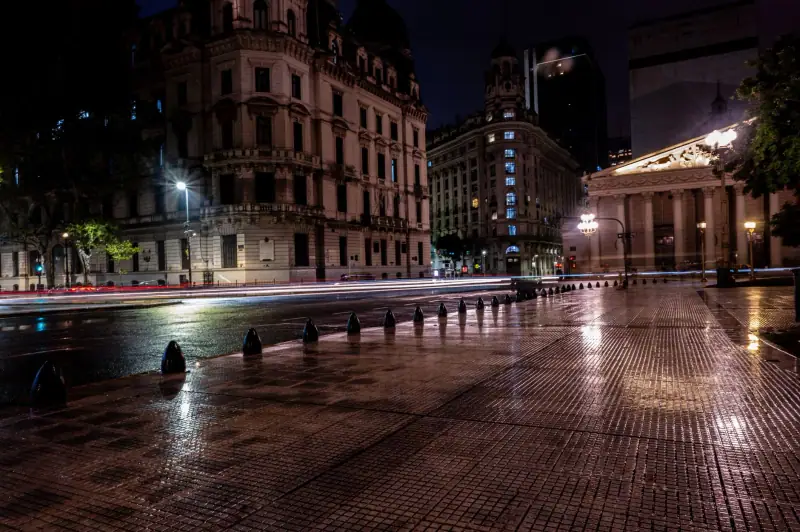
Visiting Buenos Aires: what to see and do in 3 days in the capital
Plaza de Mayo, San Telmo, La Boca, Recoleta, Palermo, Puerto Madero: a 3-day program to visit Buenos Aires, with transport and neighborhood tips.
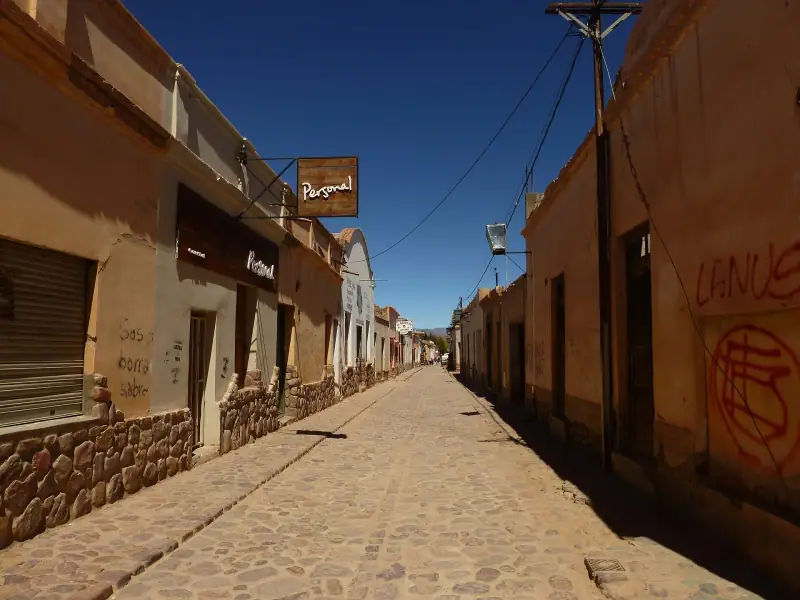
Visiting Salta and the Quebrada de Humahuaca: a guide to northwest Argentina
Salta, Purmamarca, Tilcara, Humahuaca, Cafayate: plan your trip to northwest Argentina with an itinerary, altitude, seasons and practical tips.

Complete guide to visiting Argentina: regions, highlights and budget
Plan your trip to Argentina: regions, cities, highlights, best season, transport, lodging and budget. The pillar guide to organize your stay.
Ready-made
Argentina itineraries

14 days
Argentina in 2 weeks: Buenos Aires, Iguazú, Salta and Mendoza
Buenos AiresPuerto IguazúSaltaMendoza
22 days
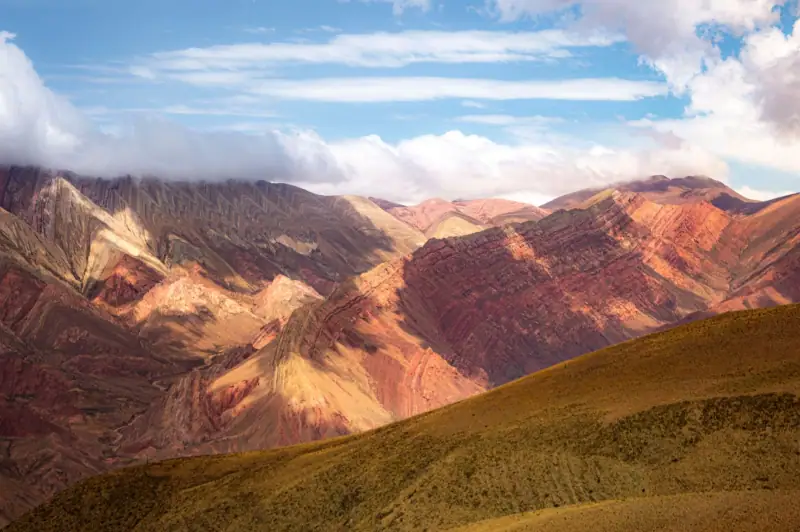
Argentina in 3 weeks: Buenos Aires, Iguazú, Northwest, Mendoza, Córdoba and Valdés
Buenos AiresPuerto IguazúSalta and the NorthwestMendozaCórdobaPuerto MadrynBuenos Aires
8 days
Northwest Argentina road trip: Salta, Cafayate, Cachi and Humahuaca in 8 days
SaltaCafayateCachiSaltaPurmamarcaTilcara